
)
)
)
)
)
)
)
)
How To Use Mirrors In Interior Design
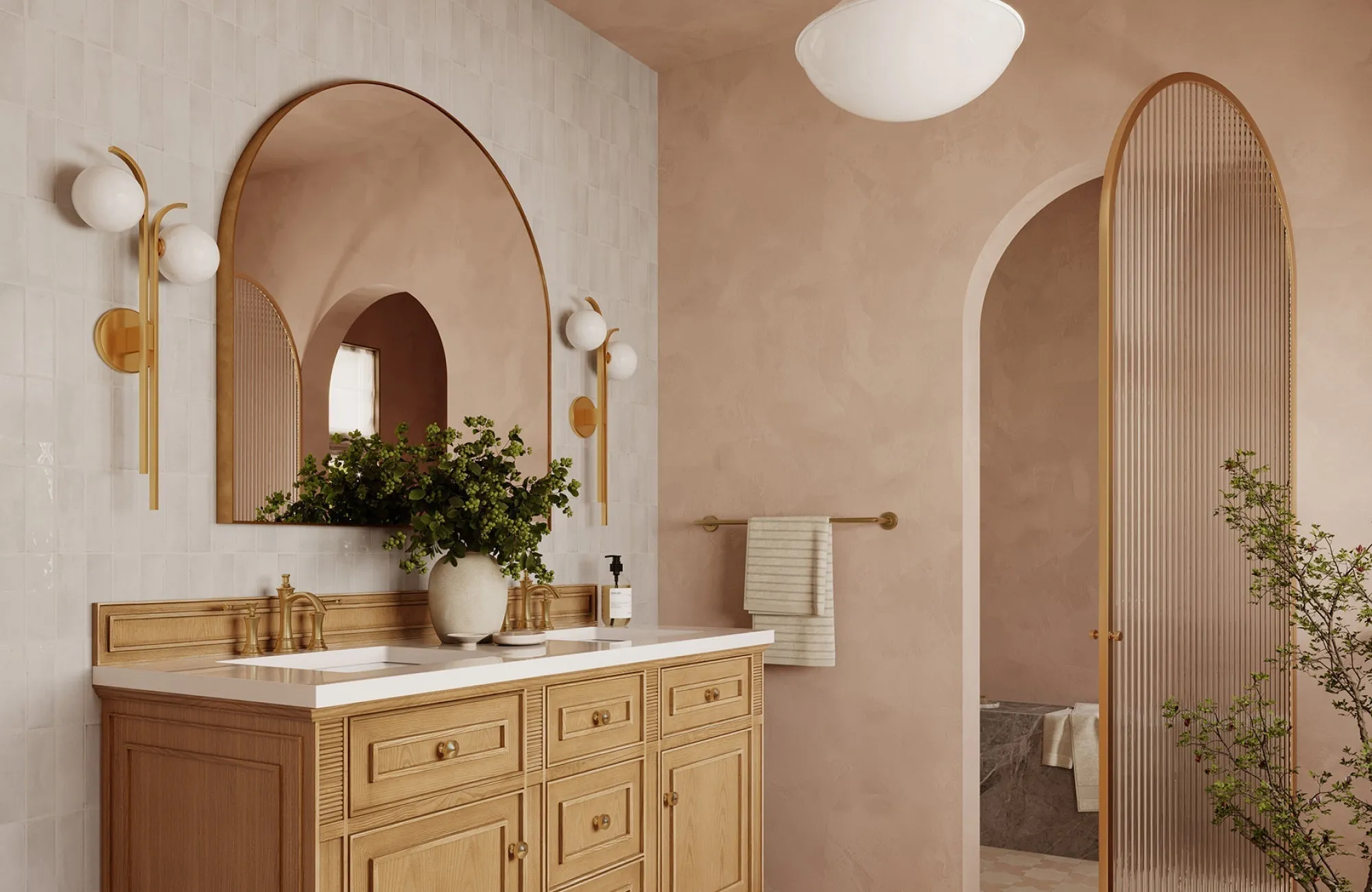
Mirrors are often seen as simple household necessities, yet in design, they play a much greater role. Beyond reflecting, they shape the atmosphere of a room, influence its proportions, and even change how we perceive light and depth. When placed intentionally, mirrors can expand spaces, emphasize features, and bring balance to interiors without taking up additional floor area.
In this article, we’ll share practical and creative ways to use mirrors in interior design. You’ll see how decisions about size, placement, and style influence both aesthetics and function. We’ll explore how mirrors shape light, add depth, and enhance rooms in your home. By the end, you’ll feel confident using them with purpose in your own spaces.
Balancing Mirror Size with Room Scale
When you bring a mirror into a space, the first thing to consider is proportion. A mirror that’s too big can overwhelm the room, while one that’s too small might look out of place. By choosing a size that suits the scale of your furniture and walls, you allow the mirror to blend seamlessly into the design rather than drawing attention for the wrong reasons.
Large Wall Mirrors
Oversized mirrors can dramatically expand the sense of space. In living rooms, placing a large mirror behind a sofa not only reflects more light but also gives the illusion of a wider room. In dining areas, a large wall mirror can double the visual presence of the table and chairs, creating a more dynamic and welcoming setting. The key is to position these mirrors where they capture open space or a feature you want to emphasize, rather than clutter.
Small Accent Mirrors
Clusters of small mirrors can act as artwork while breaking up blank wall areas. Arranging them in a pattern introduces rhythm and creates interest without overwhelming the space. Unlike a single large mirror, smaller accents invite the eye to move, which works especially well in hallways or staircases. Instead of thinking about reflection, you can focus on how their repetition contributes to the overall balance of the wall.
Matching Mirror Size to Furniture
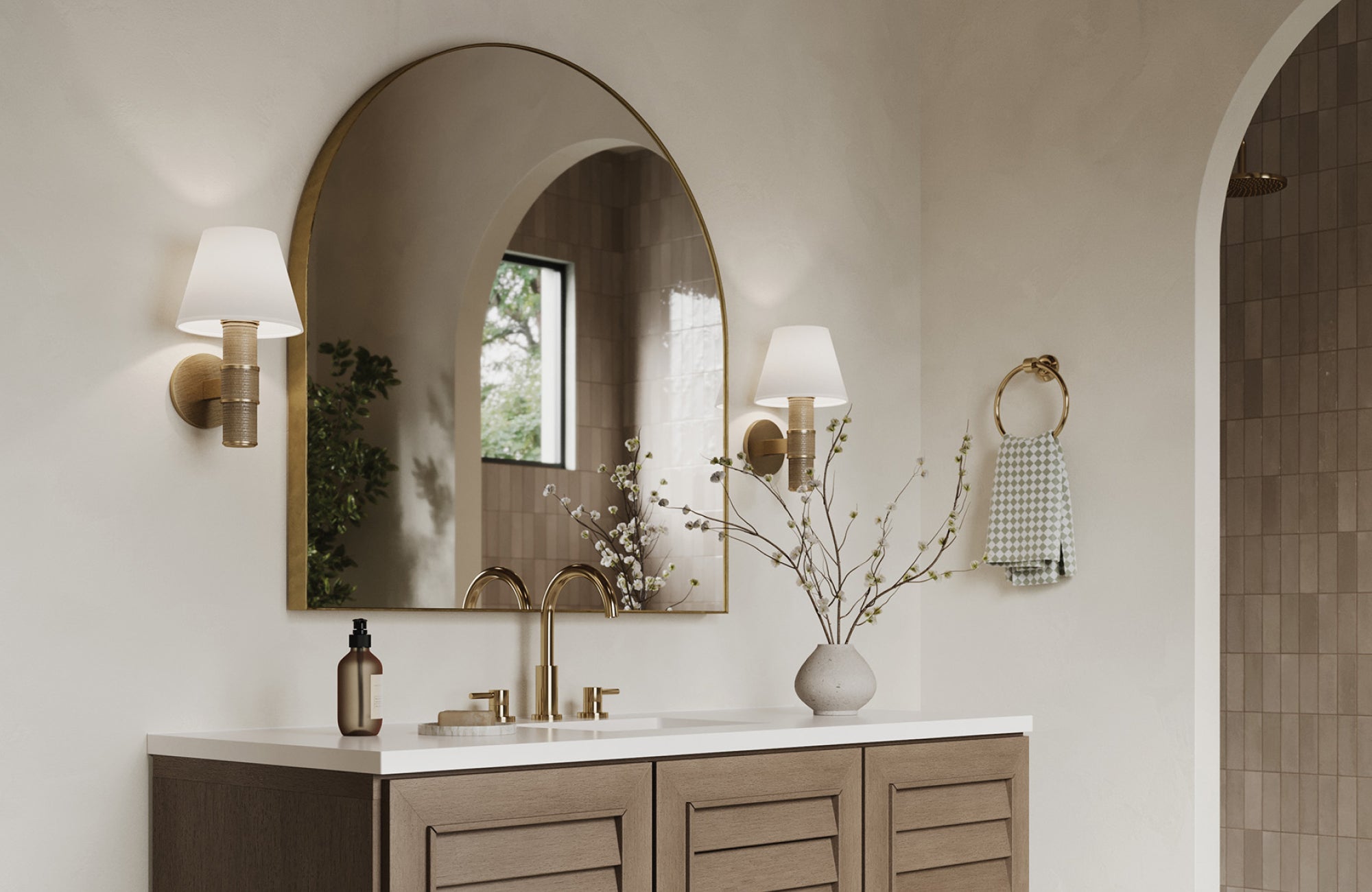
A useful guideline is to keep a mirror’s width close to that of the furniture beneath it. A console table topped with a mirror that extends just beyond its edges feels balanced and grounded. Similarly, a vanity looks more cohesive when the mirror reflects its proportions. Edward Martin’s Esmeralda Wide Mirror in Polished Brass demonstrates this well, as seen in the photo above, where its arched shape and scaled width align neatly with the vanity, creating a sense of harmony between the mirror, the sconces, and the cabinet. This alignment ensures the mirror works with, rather than against, the scale of the room.
Making the Most of Light and Reflection
Beyond reflecting images, mirrors interact with light, influencing how bright and inviting a room appears. With the right placement, they can carry sunlight deeper into interiors or amplify the glow of artificial lighting.
Reflecting Natural Light
When you place a mirror opposite or diagonal to a window, it catches sunlight and bounces it across the room. This approach works particularly well in small or dim spaces, where every bit of daylight matters. It also helps connect the indoors with the outdoors, especially if the mirror reflects greenery or sky. The effect is not only brighter but also more refreshing.
Enhancing Artificial Lighting
Mirrors and light fixtures often work best in pairs. Positioning mirrors near wall sconces, chandeliers, or table lamps extends the reach of the light and makes the glow feel fuller. For example, a mirror above a sideboard with two sconces reflects both the light and the symmetry, turning a simple setup into a feature wall. This technique is also useful in dining rooms or entryways where you want a polished look without adding more fixtures.
Avoiding Glare and Overexposure
Too much reflection can be distracting. Mirrors placed directly opposite harsh light sources may produce glare, making the space uncomfortable. To avoid this, think about angles; sometimes a slight adjustment in placement can soften the effect. Frosted glass fixtures or lamps with diffusers also help balance the brightness reflected in mirrors, ensuring the room feels welcoming rather than stark.
Using Mirrors as Design Highlights
Mirrors don’t always need to blend in; they can take center stage. When styled intentionally, they act as bold design statements that anchor a room.
Statement Frames
A mirror’s frame can be as expressive as artwork. Choosing a bold material or finish, whether wood, metal, or a painted surface, turns the mirror into a decorative object in its own right. For example, a carved frame in a neutral living room adds character without needing additional wall art. Frames also provide flexibility; you can coordinate them with existing finishes or deliberately contrast them to introduce a new design element.
Mirror Above a Fireplace
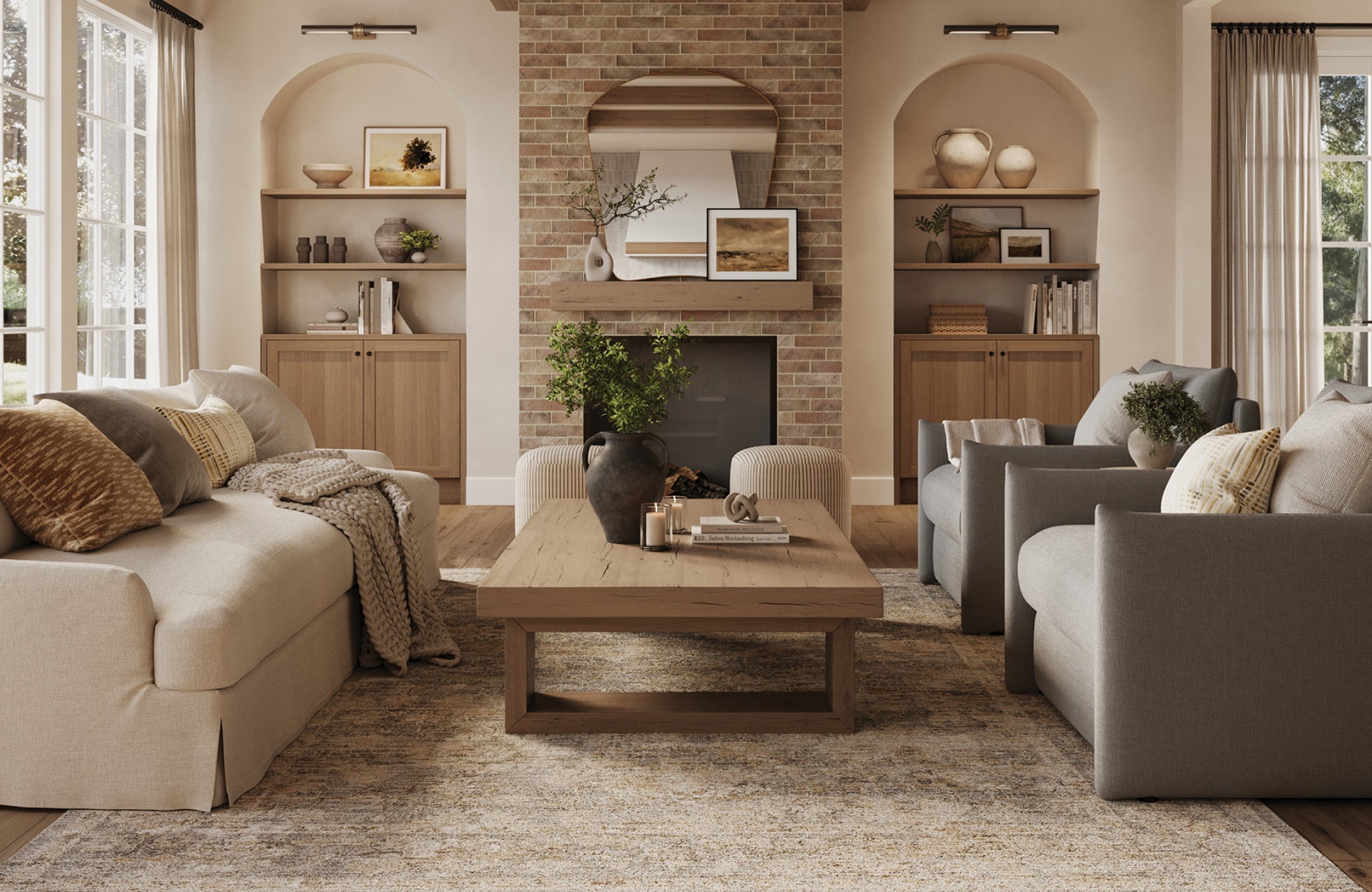
Placing a mirror over a fireplace remains one of the most traditional uses, but it doesn’t have to look dated. A sleek, frameless mirror creates a clean, contemporary effect, while a round mirror softens the angular lines of the mantle. The trick is to scale it to the fireplace width and ensure it reflects something worth highlighting, such as a chandelier or artwork on the opposite wall.
In the photo displayed above, our Raelynn Mantel Mirror in Polished Brass illustrates this approach beautifully, its arched form and polished finish bringing warmth to the brick fireplace while reinforcing the mantle as the central focal point of the room. This placement also draws attention upward, emphasizing the fireplace as the natural gathering point in the space.
Grouped Mirror Arrangements
Multiple mirrors can create the impact of a gallery wall. Arranging mirrors in consistent shapes but different sizes adds rhythm, while mixing various frames creates an eclectic feel. Additionally, these groupings work best when they have a unifying element, such as a shared color palette or repeated shape, ensuring they look intentional rather than random. In smaller rooms, grouped mirrors can also achieve a layered look that feels dynamic while still conserving wall space.
Exploring Shapes and Styles
Mirror shapes and finishes have as much influence on mood as any piece of furniture. They can either echo the existing design language of a room or introduce contrast for visual interest.
Geometric and Modern Shapes
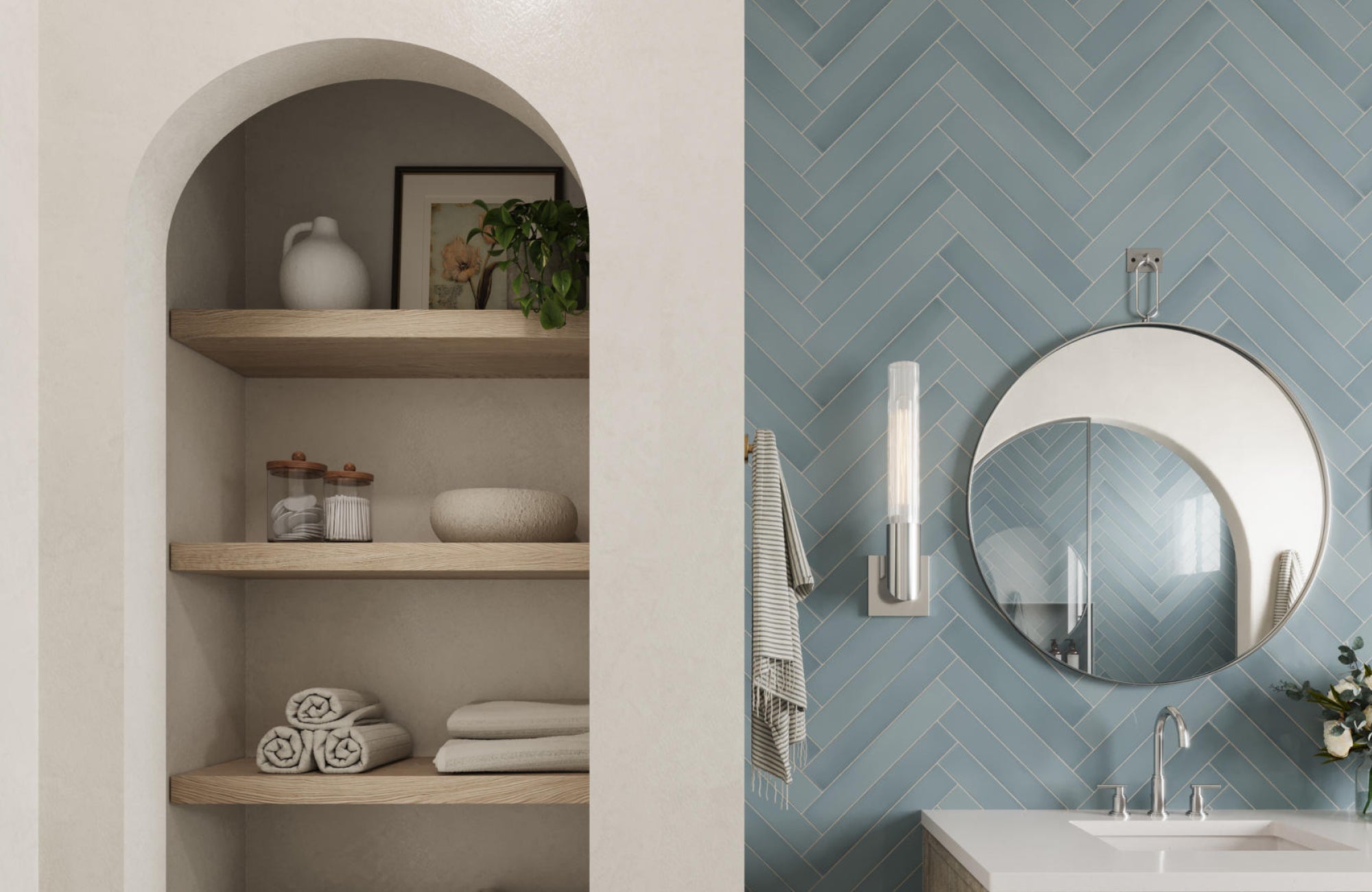
Modern interiors often benefit from mirrors with bold, geometric outlines. Circles can bring softness to rigid layouts, while hexagons or asymmetrical designs can add a playful edge. These shapes can stand alone as statement pieces or be combined for a more sculptural arrangement. When placed strategically, they also help break up linear patterns in furniture or wall paneling, adding variety without overwhelming the space.
In the photo displayed above, Edward Martin’s Fitz Mirror in Antique Silver illustrates this concept, where its circular form softens the structured lines of the herringbone tile and vanity, introducing balance and subtle contrast in a modern setting.
Classic Rectangular and Arched Mirrors
Rectangular mirrors remain timeless because they can create order and symmetry. In more traditional settings, an arched mirror adds elegance by echoing architectural forms like doorways or windows. Their predictability is a strength, as it helps anchor the space visually and balances out more decorative elements. They also work well in transitional designs, bridging the gap between modern and classic styles by providing structure while allowing room for softer details.
Decorative Finishes and Frames
Frames introduce another layer of design. Metal frames with clean lines lean modern, while distressed wood fits rustic or farmhouse styles. Ornate gilded frames suit classic or vintage-inspired rooms. Matching a frame to other finishes in the room, such as hardware or furniture legs, further ties the space together and reinforces the intended aesthetic. For more eclectic interiors, choosing a contrasting frame can also create intentional tension that makes the mirror stand out as a feature.
Practical Ways to Use Mirrors at Home
Mirrors aren’t only about style; they also serve practical purposes when placed in the right locations. Considering their function by room helps you make choices that enhance both everyday living and the overall feel of your home.
Entryways and Hallways
In entryways, mirrors make narrow spaces feel more open while offering a convenient last look before heading out. In hallways, long vertical mirrors break up blank walls and create the sense of extended depth. They also help bounce light through areas that often lack windows, making these transitional spaces brighter and more welcoming.
Bathrooms and Dressing Areas
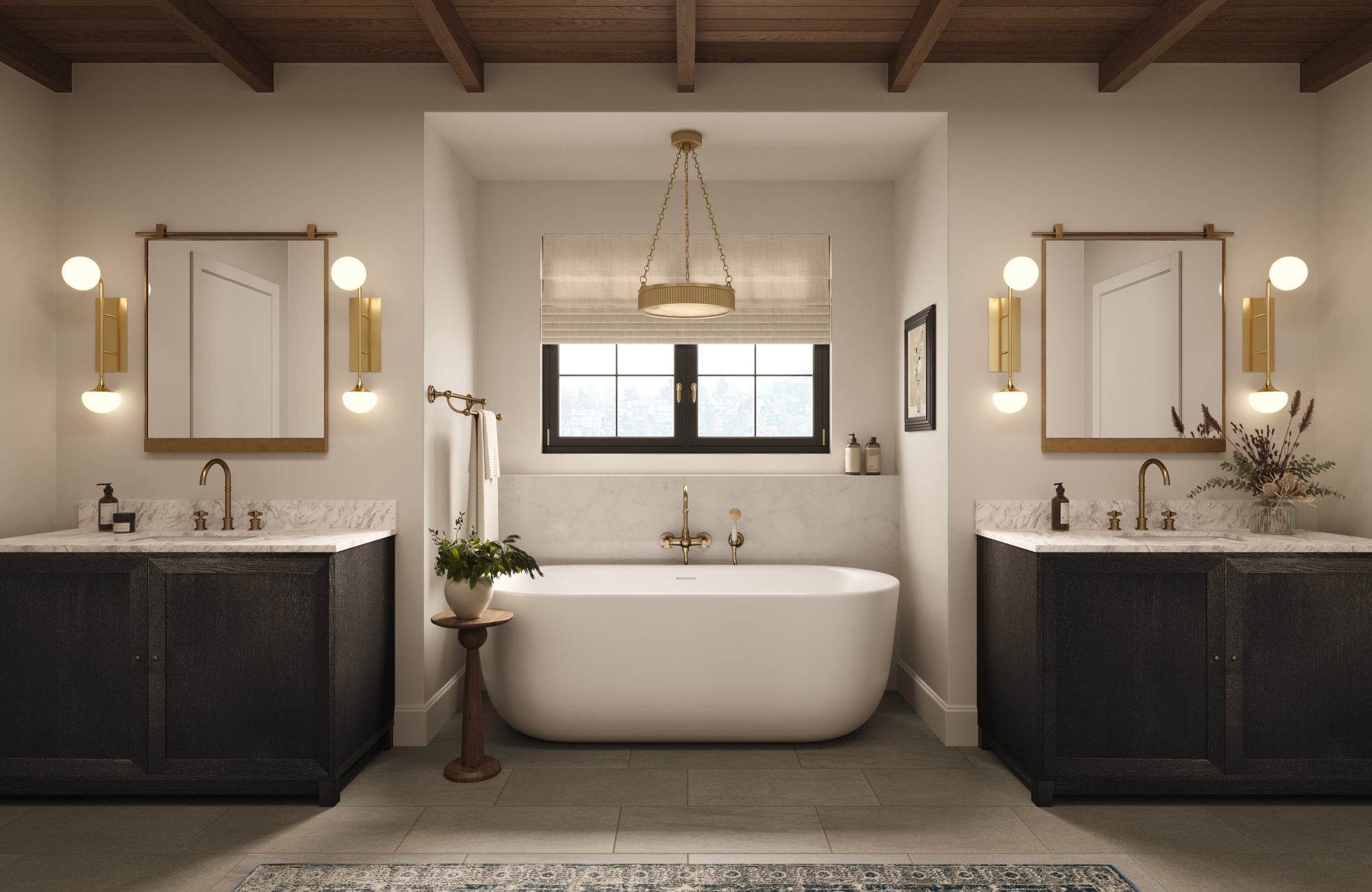
Bathrooms rely on mirrors for daily grooming, but their design also matters. A large mirror above the sink reflects more light, brightening the entire space. In dressing areas, full-length mirrors can provide utility while contributing to the atmosphere, especially when paired with good lighting. When mirrors are framed thoughtfully or backlit, they also elevate the mood of the room, giving these practical spaces a polished, finished look.
In the photo shown above, Edward Martin’s Clancy Small Mirror in Antique Brass demonstrates how framed mirrors can add structure and warmth to a bathroom, complementing lighting fixtures while enhancing both function and style.
Dining Rooms and Kitchens
In dining rooms, mirrors reflect the table setting and lighting, doubling the sense of occasion. In kitchens, they can be integrated into backsplashes or cabinet doors, subtly increasing brightness and reducing the feeling of confinement in smaller layouts. Well-placed mirrors in these rooms also extend sightlines, creating the impression of more space while complementing the social nature of these areas.
Creating Illusions of Space and Depth
One of the most powerful roles mirrors play in design is altering how we perceive space. They can make rooms feel larger, taller, or more layered without requiring structural changes or major renovations.
Expanding Narrow Spaces
Narrow hallways or small rooms benefit from mirrors placed along one wall. This creates the illusion of added width, helping the area feel more balanced and less confined. In especially compact spaces, choosing a mirror that reaches from floor to ceiling can also draw the eye upward, giving the impression of greater height as well as width.
Layering with Furniture
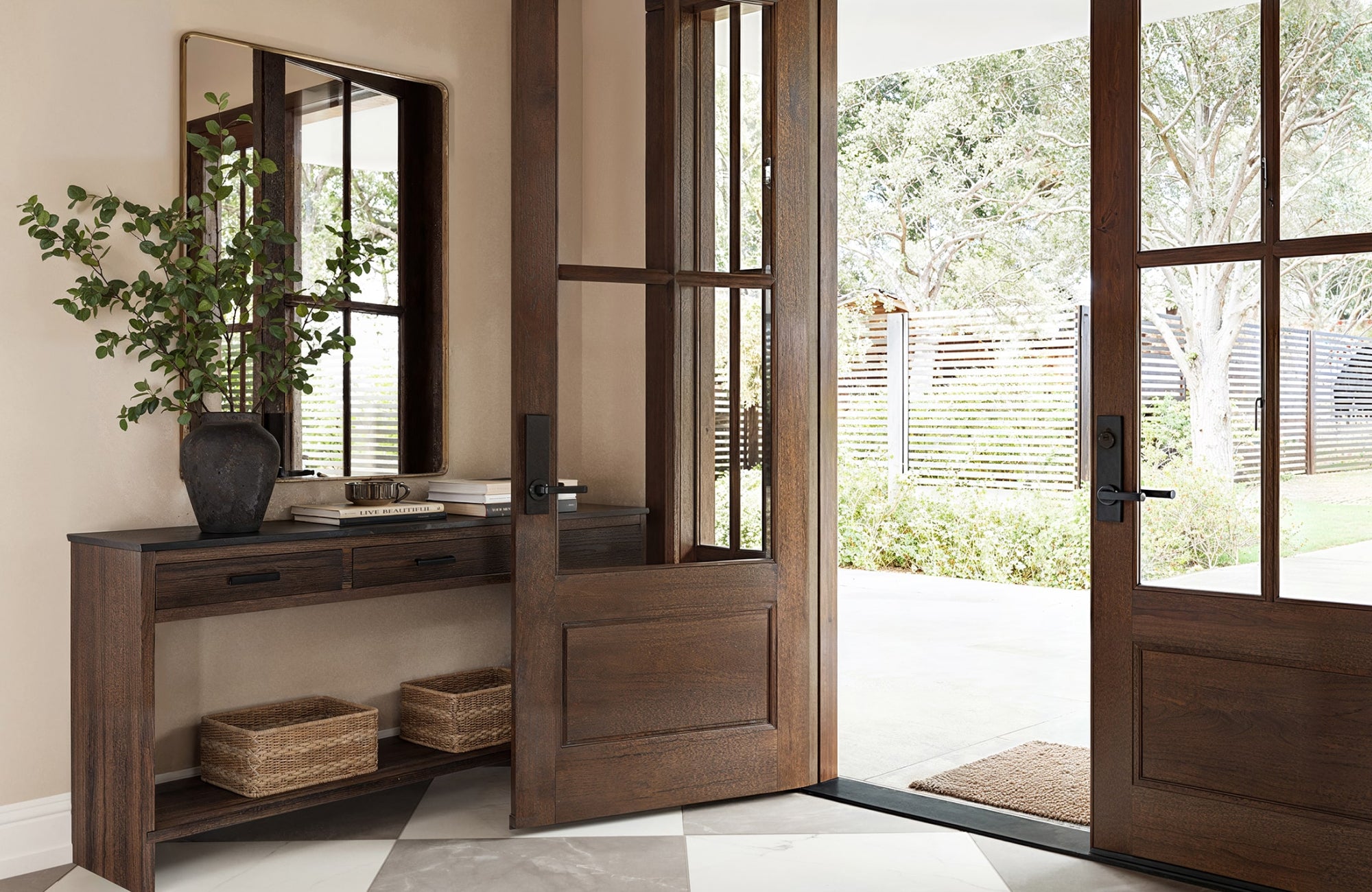
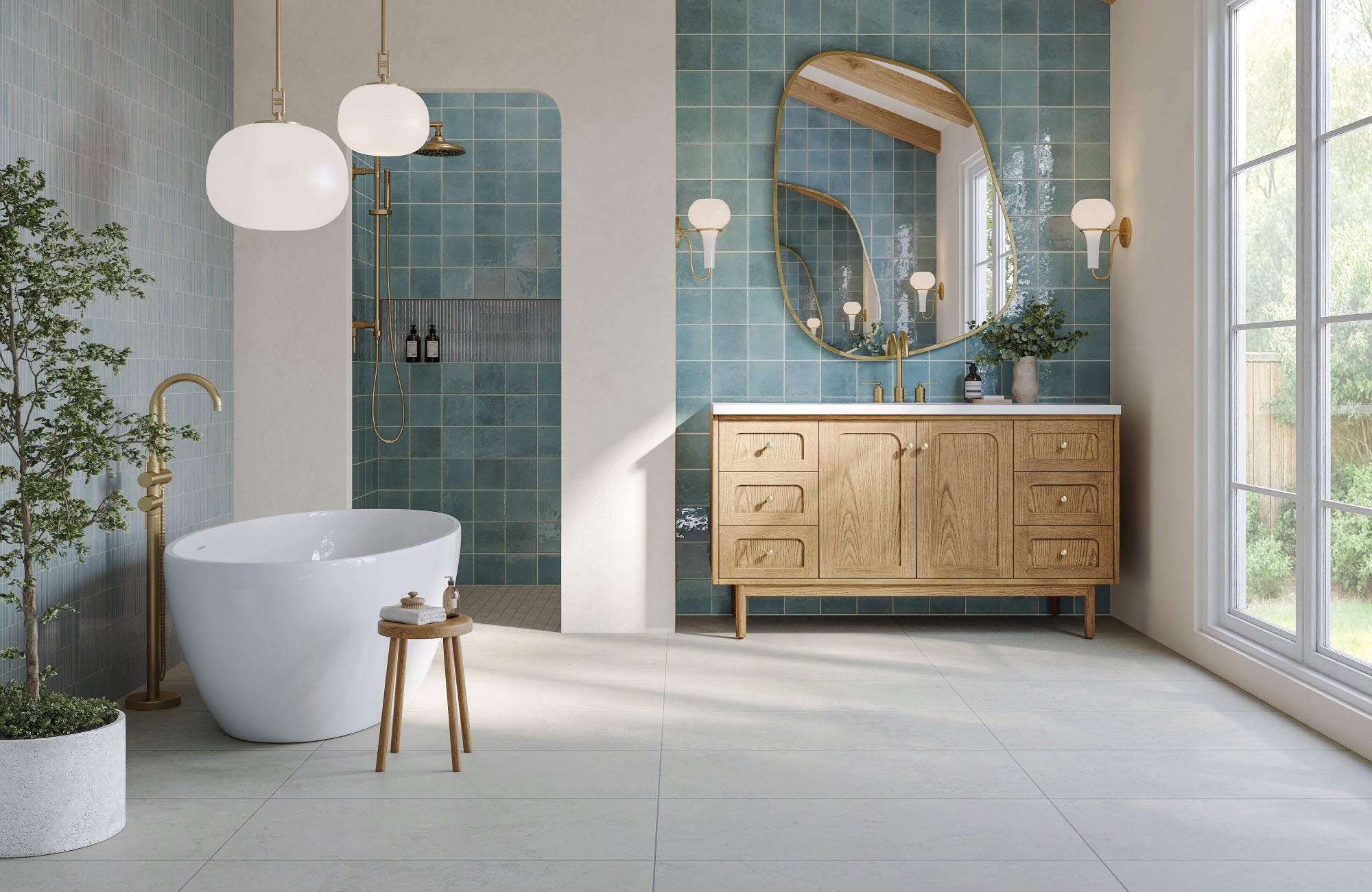
Placing mirrors behind shelving, cabinets, or console tables adds depth to the arrangement. This layering effect keeps furniture from looking flat against the wall and adds visual depth that draws the eye further into the space. It also helps highlight objects placed on the surface, as the reflections create a sense of repetition and richness that a plain wall cannot achieve. In the shown photo above, our Shirley Large Mirror in Antique Brass Iron illustrates this effect beautifully, reflecting the light-filled surroundings while adding dimension to the vanity. The pairing of mirror and cabinet makes the wall feel more expansive and visually layered, turning a functional area into a striking focal point.
Outdoor and Garden Illusions
Mirrors aren’t limited to interiors. In gardens, they reflect greenery and create the impression of more space, especially in enclosed courtyards. By positioning a mirror to catch plants or pathways, you extend the sense of landscape without expanding the footprint. When framed in materials that blend with outdoor finishes, they appear almost like hidden windows, adding intrigue and depth to outdoor settings.
Bringing Mirrors into Your Interior Design
Mirrors are powerful tools in interior design; they can transform the way a room looks and functions. From choosing the right size and scale to maximizing light, creating focal points, and experimenting with shapes and finishes, mirrors can influence both style and practicality. They also serve important roles in specific rooms, from brightening entryways and bathrooms to expanding narrow spaces and even extending the look of outdoor areas. When used thoughtfully, mirrors go beyond reflection to add depth, balance, and character to your home. If you’d like personalized advice, contact us today or explore our design services to see how mirrors can transform your interiors.
Follow us on Instagram
@EDWARD.MARTIN
)
)
)
)
)
)
)
)
)
)
)
)
)
)
)
)