When arranging a sectional, decorative pillows play an important role in shaping both the look and feel of the space. They serve not only as visual accents but also as functional elements that influence comfort and everyday usability. By placing them with intention, you can create a balanced arrangement that supports daily living while enhancing the overall design. Instead of arranging pillows at random, it helps to take a more deliberate approach that considers layout, proportion, and cohesion. With a clear method, you can turn a sectional into a well-organized and inviting focal point.

Getting Familiar With Your Sectional Layout and Shape
To arrange pillows effectively, take a closer look at your sectional’s structure and how you use it in daily life. This awareness allows you to place pillows in a way that supports both visual balance and everyday comfort.
Identify Sectional Type
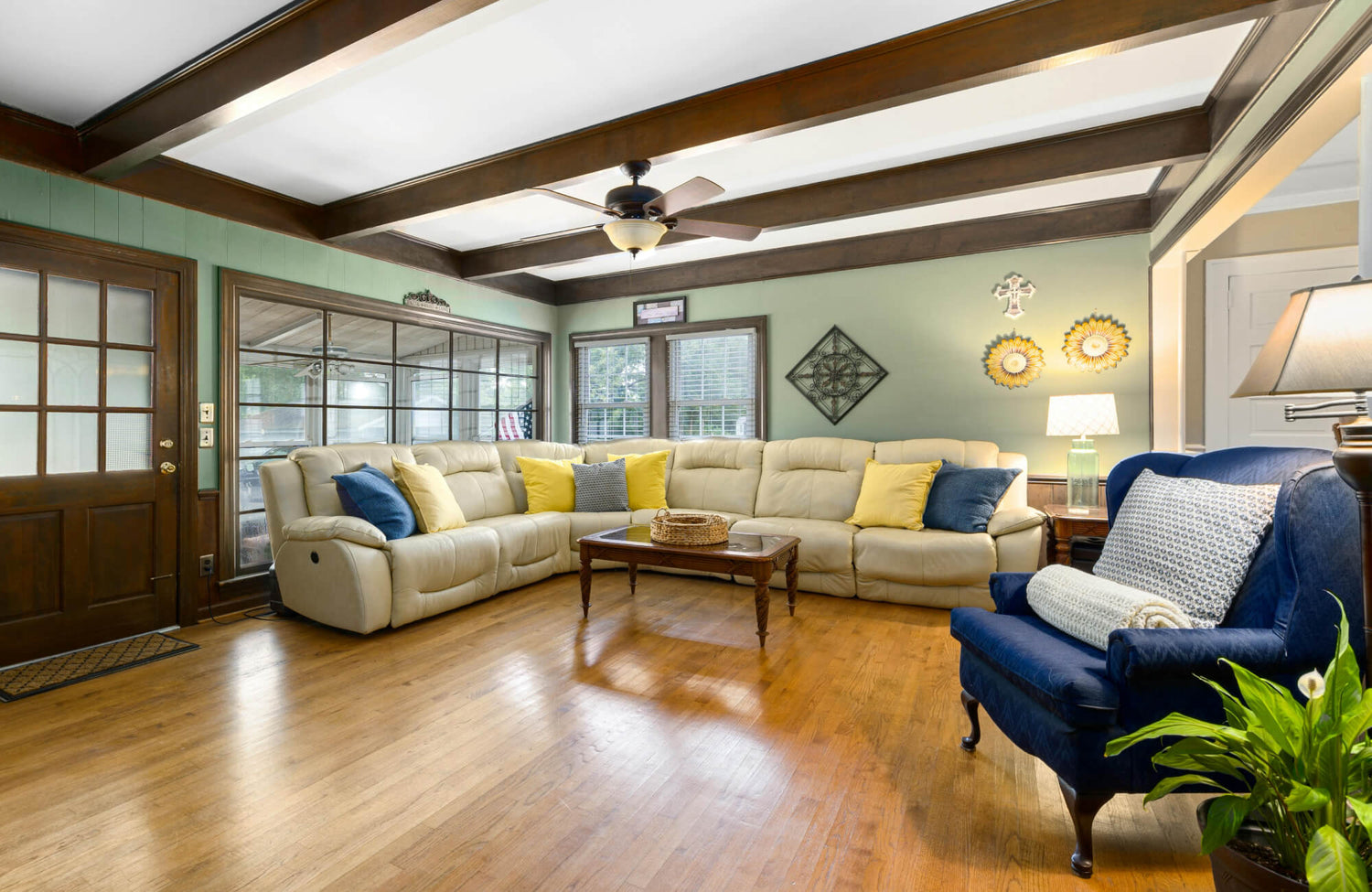
When looking at a sectional, it is helpful to identify its overall form, whether it is L-shaped, U-shaped, modular, or includes a chaise. Each configuration influences how pillows are arranged, as an L-shaped sectional naturally draws attention to the corner, while a U-shaped layout benefits from a more evenly distributed arrangement. By identifying the type, it becomes easier to move away from random placement and create an arrangement that follows the natural lines of the furniture. This approach allows the pillows to complement the sectional’s shape rather than disrupt it.
Map Key Seating Zones
The sectional can be divided into functional zones such as corners, central seating, and lounging areas. Each zone serves a different purpose, so pillow placement should reflect how the space is used. For instance, corner seats often benefit from supportive pillows that enhance back comfort, while middle sections are best kept more open for seating. This approach maintains comfort while still creating a polished and intentional look.
Consider Scale and Depth
The depth and size of the sectional play a key role in determining how many pillows can be used comfortably. A deeper sectional can accommodate larger pillows and layered arrangements, while a more compact design calls for a simpler setup to avoid overcrowding. Matching pillow size to the scale of the furniture helps create a balanced and well-proportioned look. This helps prevent the arrangement from appearing cramped or visually uneven.

Choosing the Right Pillow Sizes and Inserts
With the sectional layout in mind, attention can shift to selecting pillows that offer both support and visual appeal. The size and fill of each pillow play a key role in shaping how comfortable and refined the overall arrangement feels.
Start With Base Sizes
Larger pillows serve as the foundation of the arrangement, typically placed at the ends or corners to establish structure and define the seating area. For example, our Merelle 22" x 22" Down Pillow in Olive works well as a base piece due to its size and supportive fill. Its presence helps anchor the overall look and creates a clear visual starting point. Choosing the right base size prevents the arrangement from feeling scattered and provides a strong base for layering additional pillows.
Layer With Medium and Small Pillows
Once the base pillows are in place, medium and smaller pillows can be added to introduce depth. For instance, our Brielle 18'' x 18'' Down Pillow in Natural / Mustard works well to layer in front of larger pillows, adding contrast without overwhelming the arrangement. This layering creates dimension and keeps the setup from appearing flat or one-dimensional. Careful use of smaller pillows is important, as too many can make the sectional feel crowded. When used selectively, they can highlight specific areas and add subtle detail.
Select Quality Inserts
The insert inside each pillow plays a key role in both appearance and comfort. Well-made inserts help pillows maintain their full shape and retain their structure over time. Slightly overfilling pillow covers can create a more tailored look. This simple adjustment gives even basic pillows a more refined and intentional appearance.

Balancing Colors, Patterns, and Textures
With the structure and sizing in place, attention can shift to visual composition. The way colors, patterns, and textures are combined plays a key role in determining whether the arrangement feels cohesive or disconnected.
Build a Color Palette
A strong starting point is to identify colors already present in the room, such as those found in rugs, curtains, or artwork. This approach helps create a palette that visually connects the sectional to its surroundings. Limiting the number of colors maintains consistency while still allowing for subtle variation. This balance prevents the arrangement from feeling overwhelming or disjointed.
Mix Patterns Thoughtfully
Patterns add character to the arrangement, but they require careful coordination to avoid visual clutter. To achieve this, combining large-scale prints with smaller patterns creates contrast while maintaining clarity. In addition, pairing bold patterns with solid designs helps keep the overall look balanced. As a result, no single element overpowers the arrangement.
Incorporate Texture Variety
Texture introduces depth, even when the color palette is restrained. Mixing materials such as linen, velvet, or woven fabrics creates a layered effect that adds visual interest. For example, a Brielle 18'' x 18'' Down Pillow in Natural/Brown can add subtle texture while maintaining a neutral, cohesive look. This variation keeps the arrangement engaging without relying solely on color or pattern, while also enhancing the sectional’s tactile comfort. In addition, it helps define each pillow’s role within the arrangement, making the overall design feel more intentional.

Arranging Pillows for Visual Balance
With the pillows selected, attention can shift to placement techniques that bring the entire arrangement together. A well-arranged sectional feels intentional while still maintaining a relaxed and inviting appearance.
Anchor the Corners
Placing the largest pillows at the corners helps establish a strong visual foundation, as these areas naturally draw attention. For example, our Merelle 22" x 22" Down Pillow in Ivory works well in corner positions due to its size and structured fill. This approach supports the rest of the arrangement and gives it a clear sense of structure. Anchoring the corners also defines the sectional edges, making the overall layout feel more complete. In addition, it provides a natural starting point for placing the remaining pillows. This method ensures the arrangement feels grounded rather than scattered.
Layer From Back to Front
Pillows can be arranged from back to front by positioning larger ones behind smaller ones. This layering technique creates depth and allows each pillow to remain visible without competing for attention. Slight overlapping adds cohesion to the arrangement while maintaining a relaxed and approachable look. It also helps soften the transition between different sizes, making the setup appear more natural. As a result, the sectional feels styled without appearing overly structured.
Use Symmetry or Asymmetry
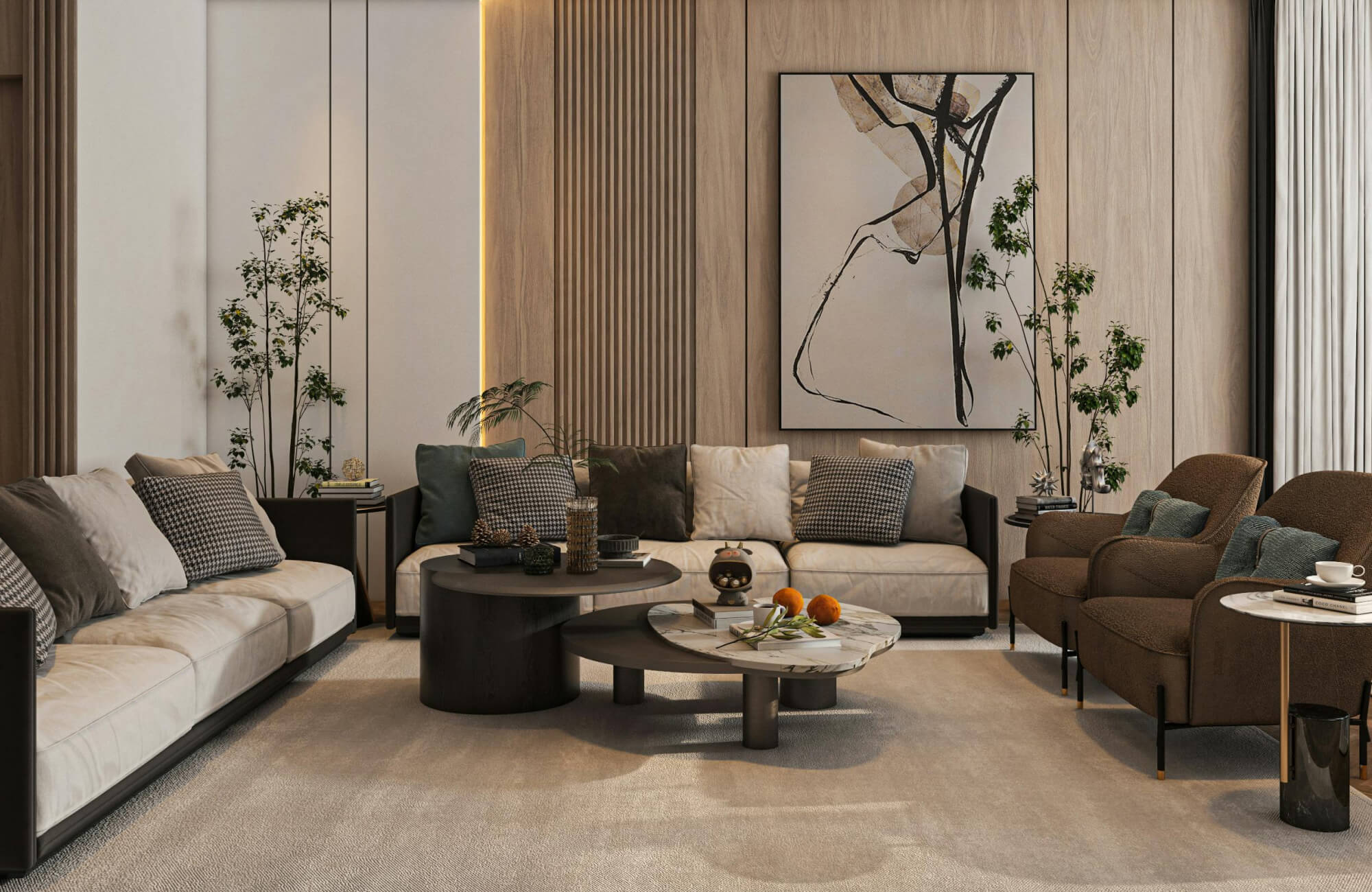
The arrangement can follow either a symmetrical or asymmetrical approach, depending on the desired style. Symmetry offers a polished, formal appearance by mirroring pillow placement on both sides. In contrast, asymmetry creates a more relaxed and modern feel by varying the number and placement of pillows. Both methods are effective when applied consistently across the sectional. Choosing one approach and maintaining it throughout helps create a unified and intentional design.

Styling for Function and Everyday Comfort
While aesthetics play an important role, it is equally important to consider how the sectional is used daily. A practical arrangement helps ensure the space remains comfortable, functional, and easy to maintain over time.
Keep Seating Usable
Enough space should always be left for comfortable seating. Overloading the sectional with too many pillows may look appealing at first, but it can quickly become impractical. Limiting the number of pillows helps maintain a balance between style and usability. This approach makes the space feel more open and inviting for everyday use. It also ensures that pillows enhance comfort rather than interfere with it.
Adjust for Activities
Different activities call for different arrangements, so flexibility is key. A lounging area may benefit from fewer pillows to allow for relaxation, while a more formal seating section can accommodate a fuller, layered setup. Adapting the arrangement based on how the space is used helps maintain both comfort and visual appeal. This thoughtful adjustment ensures the sectional remains suitable for a variety of needs. It also allows the space to transition easily between casual and structured settings.
Make Pillows Easy to Move
Pillows should be easy to reposition, especially in frequently used spaces. Choosing lightweight inserts and manageable sizes makes it simple to adjust the arrangement as needed. This flexibility supports both comfort and convenience without disrupting the overall design. Easy-to-move pillows also encourage regular use rather than constant readjustment. As a result, the sectional remains both functional and visually consistent.

Adapting Pillow Arrangements to Style Themes
To create a cohesive interior, the pillow arrangement should align with the overall room design style. Each style brings its own approach to color, placement, and layering, influencing how the sectional is styled.
Modern and Minimalist
In a modern setting, the focus is on simplicity and restraint. Using fewer pillows with clean lines and subtle textures creates a refined look that complements the sectional without overwhelming it. This approach highlights clarity and balance, allowing each element to stand out without excess. It also helps maintain a sense of openness, making the space feel organized and intentional. Careful selection ensures that even a minimal arrangement still feels complete.
Traditional and Classic
A traditional style relies on a more structured arrangement, often with symmetrical placement. Rich fabrics and timeless patterns add depth while preserving a sense of order and consistency. This method creates a formal yet welcoming atmosphere that feels grounded and cohesive. Attention to detail is important, as each pillow contributes to the overall harmony of the arrangement. The result is a balanced and composed look that complements classic interiors.
Bohemian and Eclectic
A more relaxed style allows for a mix of colors, patterns, and textures. This layered approach introduces personality and creates a visually engaging arrangement. Although the look may appear casual, thoughtful placement helps prevent it from feeling disorganized. Varying shapes and materials can add depth while maintaining a sense of cohesion. This style encourages creativity while still benefiting from a considered approach.
Placing Decorative Pillows on a Sectional
Placing decorative pillows on a sectional starts with creating structure, typically by positioning larger pillows at the corners and ends. From there, smaller pillows can be layered inward to add depth while keeping the seating area functional and uncluttered. The arrangement should follow the sectional shape with balanced placement that feels connected rather than random.
Color, pattern, and texture should complement the overall room design, while the number of pillows should still allow for comfortable everyday use. Whether the look is symmetrical or more relaxed, consistency in placement helps create a cohesive result. If you need guidance tailored to your space, feel free to contact us or explore our design service for personalized styling support.