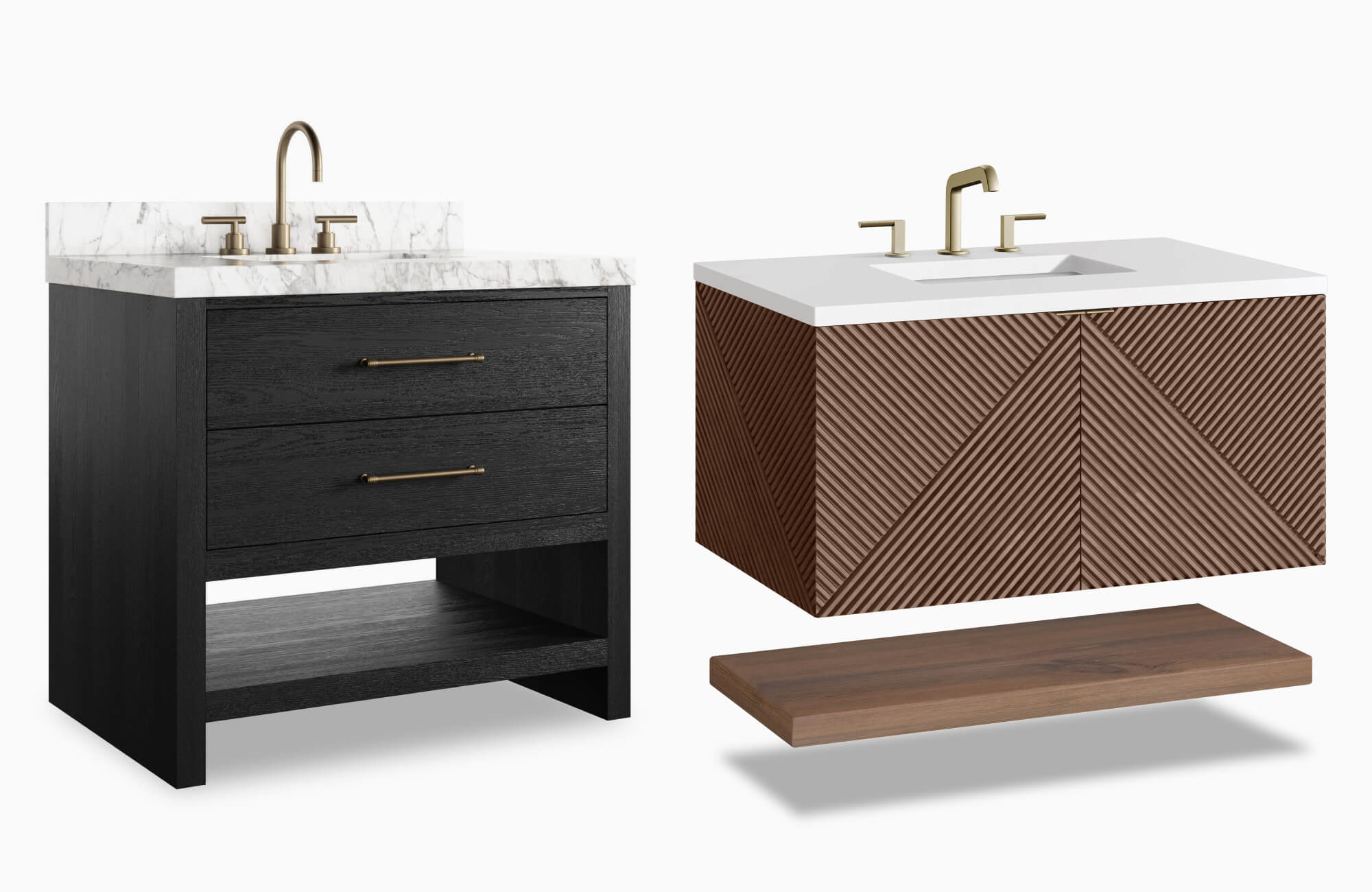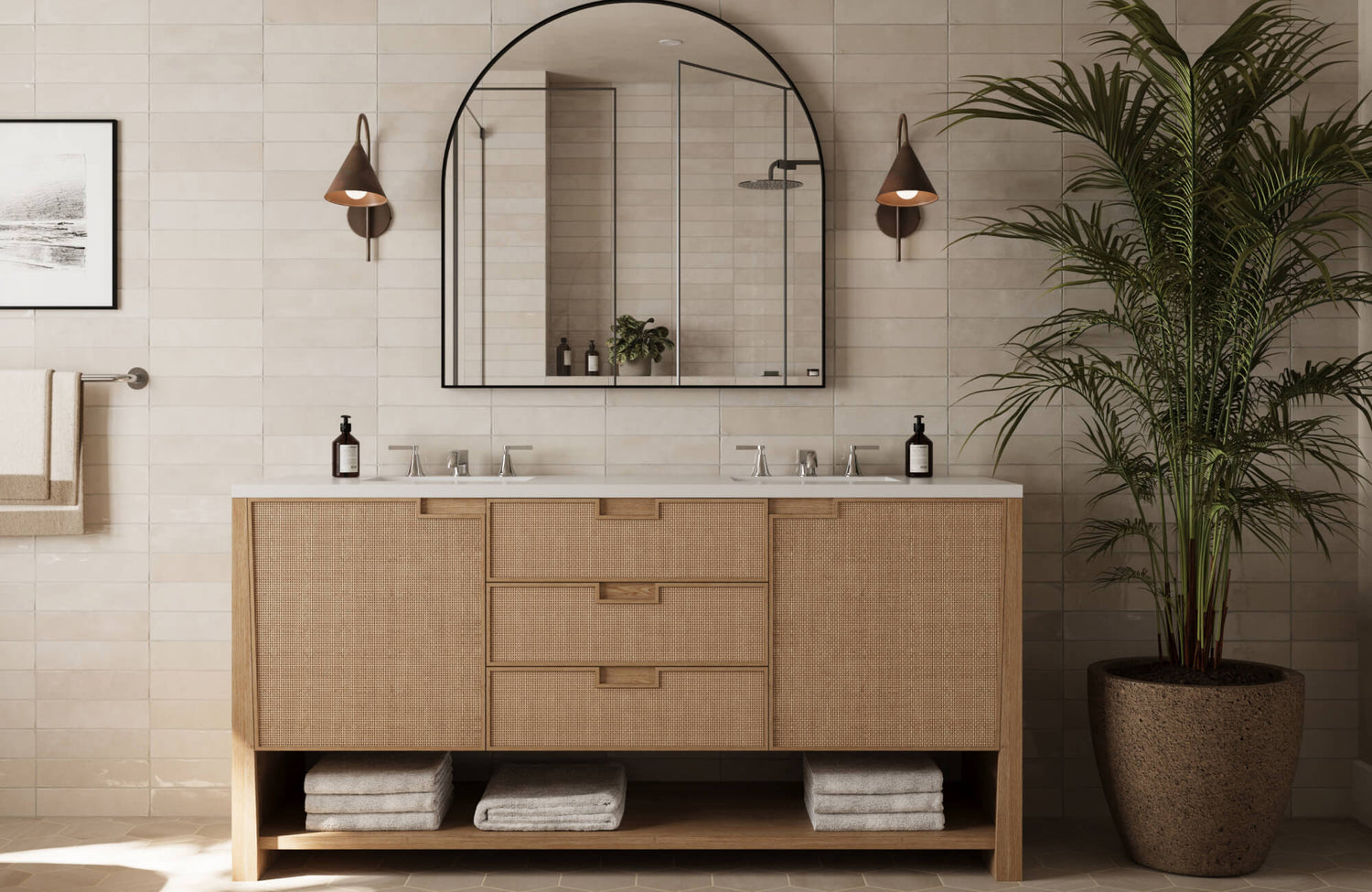
Picking the perfect vanity color goes beyond simply choosing a shade you like; it’s about creating a harmonious and functional space that reflects your style and enhances your daily routine. This comprehensive guide will walk you through the considerations, from foundational color theory to practical design applications, ensuring your vanity becomes a true centerpiece in your bathroom.
By understanding how different colors interact with light, space, and existing decor, you'll be empowered to make a confident and lasting choice for your home.

Decoding Color Theory for Vanities
Understanding the fundamental principles of color theory is the first step toward making an informed and impactful decision for your vanity. It's not just about what looks good, but about how different hues influence your space, shaping mood, perception of size, and overall ambiance. You'll gain insight into both the scientific and emotional dimensions of color to guide your choices.
The Psychology of Hues
Color psychology plays a pivotal role in how we experience our spaces. Choosing the right hue for a bathroom vanity means creating the desired ambiance in your personal retreat.
Calming Blues and Greens
Serene spa environments often feature tranquil blues or earthy greens. These colors connect us to nature, promoting relaxation and spaciousness. A vanity in a soft sage green or muted sky blue, for instance, can turn your bathroom into a peaceful escape, emphasizing cleanliness and purity.
Energizing Yellows and Oranges
While perhaps less common for an entire vanity, a thoughtful touch of yellow or orange can inject warmth and vitality. These hues are associated with sunshine and enthusiasm, capable of adding a cheerful pop to a vanity's accent details or within a multi-toned finish. Use them sparingly, perhaps in a subtle undertone or a small accessory, to prevent overwhelming the calm of a bathroom space.
Sophisticated Grays and Blacks
For those drawn to a modern, sleek, or even dramatic aesthetic, grays and blacks offer unparalleled sophistication. For example, a charcoal gray vanity exudes quiet elegance, providing a contemporary foundation that can be easily paired with metallic accents. Similarly, black vanities, especially in a matte finish, create a bold, luxurious statement, anchoring the space with depth and intensity. A perfect example is the Josephine 48" Single Vanity in Satin Drifted Black Veneer with Carrara Marble Top from Edward Martin, as shown in the photo above. Its refined black veneer contrasts beautifully with the bright veining of Carrara marble, striking a balance between modern edge and classic refinement. This combination enhances a minimalist setting while delivering visual drama and a high-end finish, ideal for anyone looking to make their bathroom feel both current and enduring.
Purity of Whites
The classic white vanity remains a timeless choice for good reason. White signifies purity, cleanliness, and simplicity. It reflects light brilliantly, making small bathrooms feel larger and brighter, and provides a versatile canvas for any decor style. Whether a crisp, bright white or a warmer off-white, its adaptability ensures it never goes out of fashion, making it a safe yet stylish investment.
Warm vs Cool Undertones
Beyond the primary color, understanding a color's undertone, whether warm or cool, is crucial in harmonizing your vanity with existing bathroom elements and lighting.
Identifying Undertones
To spot undertones, compare your vanity sample to a true white. If it appears yellowed, it likely has a warm undertone; if it looks blue or gray, it's cool. Identifying undertones helps ensure harmony with your walls, tiles, and lighting in your bathroom.
Matching with Finishes
Fixtures also carry vanity’s undertones. Warm colors like beiges or reddish woods pair well with warm metals like brass, gold, or bronze. Cool colors, such as cool gray, true whites, and deep blues, work best with chrome, brushed nickel, or matte black finishes.
Creating Harmony
When creating a cozy, inviting bathroom, lean into warm vanity colors to enhance that snug feeling. For a bright, airy, and refreshing space, cooler tones will help achieve that crisp, clean atmosphere. The goal is to ensure all design elements of your bathroom speak the same "color language."

Your Personal Style
Your home is a reflection of your identity, and the bathroom vanity plays a pivotal role in shaping that expression. Choosing a vanity color that aligns with your broader design aesthetic helps reinforce consistency and elevate your space. Below, we explore how different style preferences influence color choices for a vanity that’s both personal and purposeful.
Modern Minimalism’s Palette
Modern and minimalist styles prioritize simplicity, functionality, and clean lines, and this is reflected in the color and material choices of bathroom vanities. Grays and whites are the foundation of this aesthetic, often used in matte finishes that offer a soft, understated elegance. These neutral tones also create a clean canvas, allowing fixtures, lighting, and architectural details to stand out without overwhelming the space. To avoid a flat or monotonous appearance, texture becomes essential. Surfaces like concrete-look finishes, subtle wood graining, or high-gloss whites add depth and interest while maintaining the overall simplicity. Black accents, whether in the form of a matte black vanity or streamlined hardware, introduce contrast and visual structure, helping to ground the room and reinforce a sleek, modern atmosphere.
Classic Elegance
Traditional and transitional styles celebrate timeless beauty, comfort, and refinement, and this sensibility extends naturally to vanity color choices. Deep wood tones such as walnut, cherry, or espresso offer warmth and highlight craftsmanship, bringing a sense of luxury and lasting character to the space. A standout example is the Sasha 60" Double Vanity in Mid Century Walnut with 3 cm White Zeus Quartz Top, as featured in the image above, which balances rich wood grain with the crisp contrast of quartz, blending classic appeal with modern functionality. Creamy whites and soft off-whites serve as softer alternatives to bright white, helping to avoid a sterile feel while complementing ornate fixtures and traditional detailing. For a more dramatic yet equally classic option, navy and hunter green vanities introduce rich, sophisticated tones that evoke a tailored look with subtle ties to nature. Together, these color choices form a palette that feels grounded, elegant, and enduring.
Bohemian Expression
Boho-inspired interiors celebrate individuality, global influences, and artistic freedom, making the bathroom vanity a perfect outlet for self-expression. For instance, jewel-toned vanities in emerald green, sapphire blue, or amethyst purple serve as vibrant focal points, instantly energizing the space and adding a layer of exotic charm. These rich hues bring personality and artistic flair, acting as conversation starters within the design. For added character, distressed finishes, whether from aged wood or layered paint effects, introduce a sense of history and authenticity, making each vanity feel one-of-a-kind. Bohemian design also embraces material diversity. A colorful vanity can be paired with eclectic elements like mismatched hardware, hammered copper sinks, or patterned concrete countertops. This blend of textures and finishes creates a layered, dynamic aesthetic, turning the vanity into a central piece that unites the room’s expressive, free-spirited style.

Lighting and Space Considerations
Understanding your bathroom’s lighting and dimensions helps you choose a vanity color that works harmoniously within its environment.
Natural Light’s True Colors
Natural light varies in quality depending on direction and time of day, which can significantly alter the way vanity colors look.
North-Facing Rooms
These spaces receive cooler, softer, and more consistent light throughout the day. Colors in north-facing bathrooms can sometimes appear muted or even dull. To counteract this, consider a vanity in warmer or more saturated tones to introduce a sense of brightness and warmth.
South-Facing Rooms
Bathed in the brightest and warmest natural light, south-facing bathrooms are generally more forgiving. This abundant light can handle cooler vanity tones like crisp whites or cool grays without making the space feel cold. The warmth of the light also helps to balance these hues, making them appear inviting and fresh.
East/West-Facing Rooms
These rooms experience significant shifts in light. East-facing bathrooms get bright, warm morning light that turns cooler in the afternoon, while west-facing rooms receive soft morning light that becomes intense and warm in the late afternoon. When choosing a vanity color for these spaces, it’s also essential to select a shade that performs well under changing conditions—mid-tone neutrals or colors with balanced undertones are often safe bets.
Artificial Illumination’s Influence
When natural light is limited or absent, artificial lighting takes center stage in determining how your vanity color is perceived.
Color Temperature
Bulbs are rated by Kelvin (K), indicating their color temperature. "Warm white" bulbs (around 2700K-3000K) have a yellowish cast, similar to incandescent bulbs, and can make colors appear richer and cozier. "Cool white" or "daylight" bulbs (4000K-5000K or higher) have a bluer tint and will make colors appear sharper and truer to their natural shade, sometimes even making warm colors feel cooler.
CRI (Color Rendering Index)
For accurate color perception, especially when applying makeup at your vanity, look for bulbs with a high CRI, ideally 90 or above. CRI measures how accurately a light source renders colors compared to natural daylight. A high CRI ensures that your vanity color, and everything else in your bathroom, looks as it truly is, without distortion.
Layered Lighting
The most effective bathroom lighting uses multiple layers. For example, task lighting around the mirror illuminates your face for grooming, while ambient lighting provides overall brightness, and accent lighting can highlight features like your vanity. Using these layers strategically, you can enhance the chosen vanity color, making it pop or softening its appearance as desired.
Small Spaces Big Impact
The size of your bathroom should influence your vanity color choices just as much as lighting does.
Light Colors and Reflection
In compact bathrooms, light hues like whites, soft grays, or pastels reflect more light and make the room feel larger and more open.
Monochromatic Schemes
Using one color family across walls, vanities, and even floors can create a seamless visual flow. This approach minimizes visual breaks and makes a small room feel larger and more cohesive.
Floating Vanities
Floating or wall-mounted vanities expose more floor space, enhancing the room’s openness. When combined with a pale or glossy color, they can further amplify this effect.
Avoiding Overwhelm
While bold, dark, or highly saturated vanity colors can be striking, they can also absorb light and make tiny rooms feel even smaller and more enclosed. Unless you're specifically aiming for a dramatic, jewel-box effect in a powder room, it's generally best to steer clear of very dark or overwhelmingly vibrant hues in small bathrooms to maintain an airy feel.

Durability and Maintenance
While color is essential, practical concerns should also guide your vanity selection to ensure long-lasting beauty and ease of care. Understanding how different finishes respond to daily wear can help you make a choice that balances aesthetics with functionality. When in doubt, it’s best to consult a professional who can assess your space, usage needs, and maintenance preferences to recommend the most suitable options.
The Wear and Tear Factor
Some vanity colors and finishes are far more forgiving when it comes to the inevitable dirt, dust, watermarks, and minor scuffs of daily bathroom life. Choosing wisely here can save you a lot of cleaning effort and keep your vanity looking fresh.
Matte vs. Glossy
Matte finishes, with their non-reflective surface, are champions at camouflaging fingerprints, smudges, and minor imperfections. They absorb light rather than reflecting it, making everyday grime less noticeable. Glossy finishes, while visually striking and modern, tend to highlight every touch and streak, demanding more frequent wiping to preserve their polished appearance.
Patterned or Grained Finishes
Natural wood grains, subtle textured patterns, or even slightly distressed finishes can also help mask dust, water spots, and minor scratches. Their visual texture creates a level of complexity that allows small blemishes to blend in, making them a practical and stylish choice for lower-maintenance upkeep.
Darker Colors
While darker colors like deep navy, charcoal, or black may appear elegant, they often reveal dust, lint, and dried water spots more easily due to the strong contrast. For a more balanced approach, mid-tone hues such as soft grays or natural wood finishes tend to hide imperfections better, requiring less frequent touch-ups while maintaining a warm, refined appearance.
Cleaning Regimens for Every Finish
Maintaining the long-term beauty of your vanity starts with using the right cleaning techniques for its specific finish. Proper care not only helps preserve appearance and durability but also prevents unnecessary damage over time.
Wood Vanities
For stained or sealed wood vanities, avoid harsh chemical cleaners that can strip the finish. Instead, use a soft, damp cloth with a mild, wood-safe cleaner or simply warm water, drying immediately to prevent water spots and warping. Polishing occasionally with a furniture wax or oil designed for wood can protect the finish and enhance its natural beauty.
Painted Finishes
Painted vanities, especially those with a lacquer or enamel topcoat, are generally durable. Clean them with a soft cloth and a gentle, non-abrasive all-purpose cleaner for routine cleaning, and always spot-test new products in an inconspicuous area. Avoid abrasive pads or harsh chemicals, which can scratch the surface or cause premature paint wear and chipping.
Laminate/Melamine
Often found on more budget-friendly vanities, laminate and melamine are highly moisture- and stain-resistant, making them low-maintenance options. A simple wipe-down with a damp cloth and mild soap is usually all that’s needed. However, to maintain their appearance over time, steer clear of harsh scrubbing or chemical cleaners that could degrade the surface finish.
Future Proofing
While it can be tempting to follow the latest design trends, choosing a vanity color with lasting appeal helps your bathroom stay stylish and functional for years, without the need for frequent updates.
Invest in Timeless Neutrals
Neutral tones like white, gray, and natural wood are classic for a reason. Their understated elegance allows them to blend effortlessly with changing decor styles, making it easy to refresh the space with new accessories, linens, or wall colors rather than replacing the entire vanity. This adaptability makes neutrals a smart and enduring choice.
Accent with Trends
If you’re drawn to bolder or trendier colors, consider introducing them through easily changeable elements, such as accent walls, towels, rugs, or decorative items. These additions allow you to experiment with current styles without locking your vanity into a look that may feel outdated in a few years.
Durability of Materials
Regardless of color choice, the longevity of your vanity depends on the quality of its materials and construction. Solid wood, high-grade plywood, or well-constructed MDF with a resilient finish will better resist moisture and daily wear, helping your chosen color maintain its appearance over time. Prioritizing build quality ensures your vanity is not only stylish but also built to last.

Accessorizing Your Chosen Shade
Once your vanity color is chosen, the next step is to enhance it with thoughtful accessories. These finishing touches bring your bathroom design together, adding personality, cohesion, and functionality in a way that truly reflects your style.
Metallic Accents
The hardware and fixtures on and around your vanity are more than just functional elements; they are opportunities to highlight or contrast your chosen vanity color, adding depth and polish.
Warm Metals with Warm Colors
Pair the inviting warmth of gold or brass hardware with vanities in rich wood tones, creamy whites, or deep greens. Just like the Bridgette 36" Single Vanity in Bright White with 3 cm White Zeus Quartz Top, as featured in the picture above, captures this balance beautifully. Its crisp white finish paired with brass accents creates a timeless and welcoming aesthetic that feels both polished and inviting.
Cool Metals with Cool Colors
Chrome and brushed nickel fixtures beautifully complement vanities in cool grays, crisp whites, or serene blues. This pairing enhances the modern, clean, and refreshing feel of the space.
Matte Black as a Contrast
Matte black hardware offers a striking, contemporary contrast against almost any vanity color. It defines lines on lighter finishes and adds depth to darker ones, creating a bold and refined statement. Edward Martin’s Rosalie 36" Single Vanity in Amber Birch with 3 cm White Zeus Quartz Top demonstrates this balance beautifully—its rich wood tone is elevated by matte black fixtures that bring clean definition and modern edge to the overall design.
Textiles and Soft Layers
Soft furnishings like towels and rugs add essential layers of depth, comfort, and color, helping to tie the entire bathroom aesthetic together.
Towels and Linens
Match or contrast towels with your vanity color for a cohesive look. Mixing textures, like waffle weave with plush cotton, adds depth and tactile appeal.
Rugs
A well-placed bath rug can anchor the vanity area while offering comfort underfoot. Choose a solid hue or a subtle pattern that harmonizes with your vanity and bathroom palette.
Patterned Accents
Shower curtains and decorative towels with patterns introduce personality and help break up large areas of solid color. They’re also an easy way to experiment with style without making permanent changes.
Greenery and Natural Elements
Bringing natural elements into the bathroom infuses the space with life, freshness, and organic texture, enhancing nearly any vanity color.
Small Potted Plants
Low-maintenance plants like snake plants or ZZ plants add a vibrant pop of green, providing a soothing contrast to neutral vanities or echoing earthy tones.
Wooden Trays or Bowls
Incorporate decorative wooden trays, bowls, or even a natural stone dish to add warmth and texture. These natural accents pair well with most vanity finishes and bring a grounded, organic feel.
Fresh Flowers
Fresh flowers in a small vase offer a dynamic, ever-changing way to introduce color and charm. They allow you to play with seasonal palettes and keep the space feeling fresh and personal.
Bringing Your Vanity Vision to Life
Choosing the perfect vanity color is a multifaceted decision that blends personal taste with practical considerations. By understanding the nuances of color theory, considering your home's aesthetic, factoring in lighting and space, and planning for maintenance, you can create a vanity that is both beautiful and enduring. Embrace the process, trust your instincts, and design a space that feels uniquely yours. If you’re looking for guidance or want help selecting the right finish or fixture, our team is here to assist—simply contact us to get started!