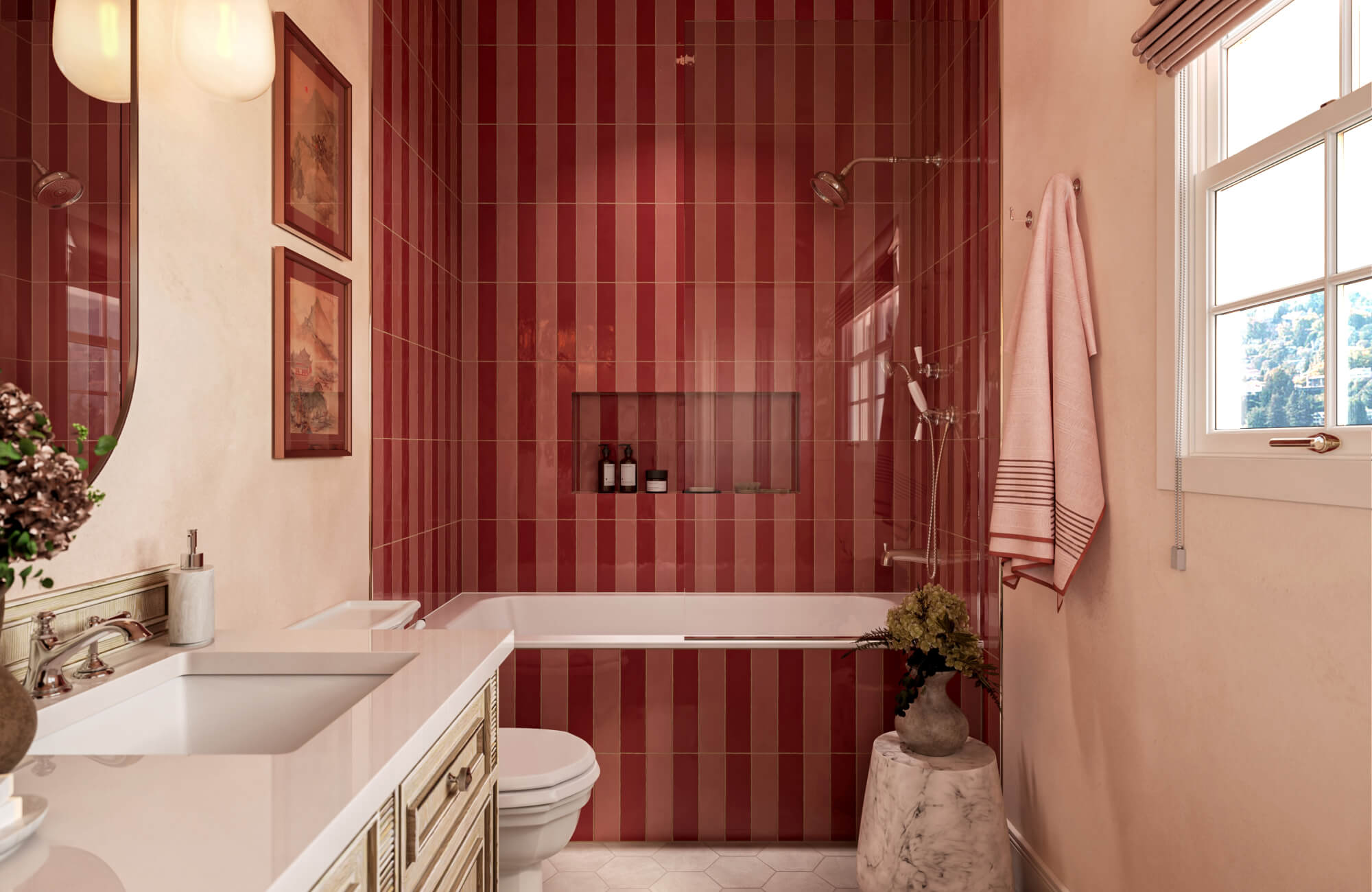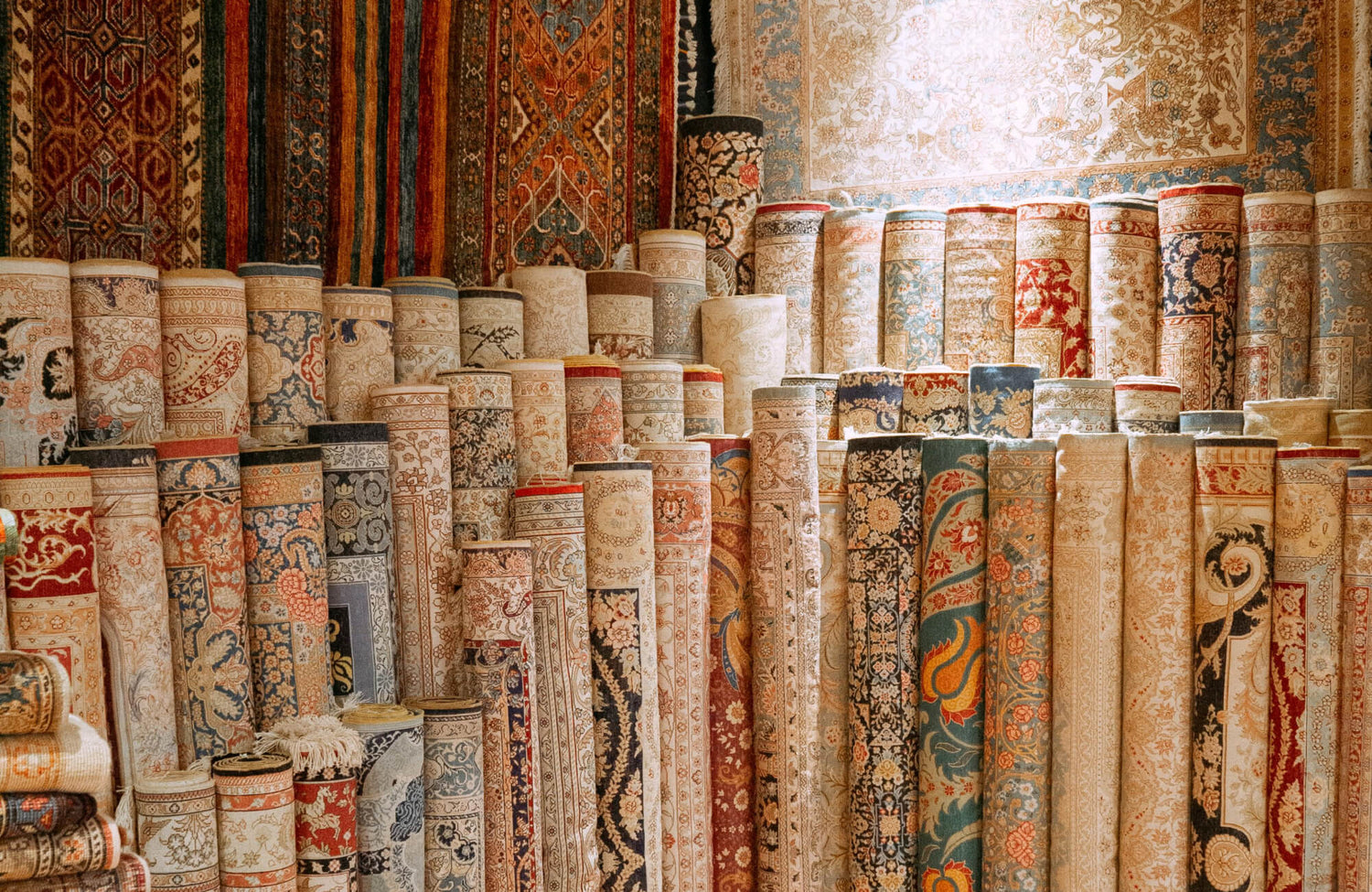
Modern interiors are often defined by clean lines, open layouts, and restrained finishes, but they can sometimes feel a bit too polished on their own. Vintage rugs introduce contrast, texture, and history that soften those sharp edges without disrupting a contemporary aesthetic. In this blog, we’ll explore how to mix vintage rugs with modern decor in a way that feels intentional, balanced, and designed to hold up beautifully over time.

Why Vintage Rugs Work So Well in Modern Interiors
Modern interiors often rely on clean lines, open space, and restrained palettes, which can sometimes feel a bit stark on their own. Vintage rugs naturally counterbalance that simplicity by introducing contrast, texture, and a sense of lived-in warmth. Rather than disrupting modern design, they tend to make it feel more grounded and intentional.
The Role of Contrast in Modern Design
Contrast is one of the main reasons vintage rugs feel so at home in modern spaces. When placed against streamlined furniture or minimalist architecture, the rug’s layered patterns and softened colors stand out without overpowering the room. This contrast helps prevent modern interiors from feeling flat or overly uniform. Instead of competing with clean lines, the rug gives the eye a place to rest and explore. For instance, a worn rug beneath a simple sofa adds visual interest without adding clutter. Because the contrast feels natural rather than forced, the space remains cohesive and calm.
How Patina Adds Depth to Minimal Interiors
Patina brings a sense of depth that modern interiors often benefit from, especially when the overall design is pared back. The subtle fading, variation, and wear found in vintage rugs introduce visual layers that can’t be replicated by newer pieces. This depth keeps minimalist rooms from feeling one-dimensional or overly polished. Over time, those imperfections read as character rather than flaws, which makes the space feel more personal. In rooms dominated by smooth surfaces and solid colors, that gentle variation adds richness. The result is a modern interior that feels more relaxed and lived-in.
Why Vintage Rugs Soften Clean-Lined Spaces
Clean-lined spaces can sometimes feel sharp or rigid, particularly when dominated by hard materials and straight edges. Vintage rugs help soften that effect by introducing organic patterns and irregular details. Their presence breaks up strict geometry without disrupting the overall structure of the room. For example, placing a vintage rug beneath a modern dining table can make the area feel more welcoming. This softening effect also improves how the space feels day to day, not just how it looks. Ultimately, vintage rugs bring balance, allowing modern interiors to feel comfortable as well as visually refined.

Choosing the Right Vintage Rug Style for Modern Spaces
Not all vintage rugs create the same effect in a modern interior, which is why style selection matters just as much as color or scale. Certain patterns naturally complement contemporary furniture and open layouts, while others need a bit more balance to feel intentional. Below, we’ll look at how different vintage rug styles interact with modern spaces and what makes them work visually.
Persian and Oriental Rugs in Modern Rooms
Persian and Oriental rugs often bring structure and elegance to modern interiors, especially when the surrounding furnishings are simple. Their detailed motifs add visual richness that contrasts nicely with clean-lined sofas, minimalist tables, or streamlined cabinetry. In modern rooms, these rugs tend to work best when they’re allowed to be the most expressive element in the space. Rather than overwhelming the room, they create a focal point that grounds everything else. The key is letting the rug’s pattern stand out while keeping other finishes calm. When paired thoughtfully, these classic styles make modern spaces feel layered rather than busy.
Distressed and Faded Rugs for Relaxed Interiors
Distressed and faded vintage rugs are often the easiest to integrate into modern homes because their softened appearance feels less formal. The muted colors and worn-in look blend seamlessly with contemporary palettes, especially in spaces that lean warm or neutral. These rugs tend to feel more casual, which helps modern interiors feel approachable instead of overly polished. Because the pattern is already subdued, it doesn’t compete with modern furniture silhouettes. This makes them a popular choice for open layouts or spaces designed for everyday living. The overall effect feels effortless rather than styled.
Tribal and Geometric Vintage Patterns
Tribal and geometric vintage rugs often align naturally with modern design because of their bold shapes and rhythmic repetition. The graphic quality of these patterns echoes the clean geometry found in contemporary furniture and architecture. At the same time, the handmade nature of vintage pieces keeps the look from feeling too rigid. These rugs work especially well in modern spaces that favor strong lines and contrast. Instead of softening the room, they reinforce structure while still adding warmth. When used well, they create a strong visual connection between old and new.
When Ornate Designs Still Work in Modern Settings
Ornate vintage rugs can still feel at home in modern spaces when the surrounding design is intentionally restrained. Detailed borders and intricate motifs tend to work best when paired with solid-color furniture and minimal accessories. This balance prevents the space from feeling visually crowded. In modern settings, ornate rugs often act as a counterpoint to simplicity rather than an extension of it. The contrast can feel striking without becoming overwhelming. When the rest of the room stays quiet, even the most decorative vintage rugs can feel purposeful and refined.
Our Charlise Polypropylene & Polyester Pile Rug in Bone / Denim above is a great example of how a vintage-inspired design can feel composed rather than overwhelming in a modern interior. Its softened palette of light beige, gray, and subtle navy tones allows the medallion and botanical detailing to settle naturally into the space. While not a true vintage piece, the low-profile construction and balanced pattern give it the same refined presence, making it feel intentional against clean-lined cabinetry and contemporary finishes.

Vintage Rug Materials and How They Age
Material plays a major role in how a vintage rug looks and feels over time, especially once it’s placed in a modern home. Different fibers respond to light, movement, and daily use in their own way, which affects both texture and overall appearance. Below, we’ll look at how common vintage rug materials age and what that means for long-term visual balance in contemporary spaces.
Wool Rugs and Natural Aging Patterns
Wool is one of the most common materials found in vintage rugs, largely because it wears in rather than wearing out. Over time, wool fibers soften and develop a subtle variation in tone that adds depth without looking worn down. This natural aging process helps the rug feel more integrated into a space rather than dated. In modern interiors, that softness pairs well with clean-lined furniture and smooth surfaces. Wool also tends to hold its structure, which keeps patterns readable even as the surface relaxes.
Our Mallory Wool Pile Rug in Khaki is a great example of how wool rugs age with character rather than wear. Its intricate taupe and off-white medallion pattern softens over time while staying visually defined, thanks to the structure and resilience of 100% wool. That natural durability allows the rug to feel warm, settled, and lived-in without losing the clarity that works so well in modern interiors.
Cotton Foundations and Flexibility
Many vintage rugs rely on cotton for their foundation, which affects how the rug lies and moves within a room. Cotton backing gives rugs more flexibility, allowing them to sit flatter and adjust more easily to changes in flooring or furniture placement. As cotton ages, it can become softer, which contributes to a more relaxed, lived-in feel. In modern homes, this flexibility helps rugs feel less rigid and more natural within open layouts. The material supports the overall structure without drawing attention to itself. Over time, cotton foundations help the rug feel settled rather than stiff.
Silk and Silk-Blend Rugs as Accent Pieces
Silk and silk-blend vintage rugs tend to age differently from wool or cotton-based pieces. Their fibers reflect light more dramatically, which causes the surface to shift in tone depending on viewing angle and lighting. As these rugs age, that sheen often becomes more nuanced rather than dull. In modern spaces, silk rugs usually work best as accents where visual impact matters more than durability. They add a layer of refinement that contrasts beautifully with matte finishes and minimal decor. Because of their delicate appearance, they often feel more like art underfoot than a background element.
How Natural Fibers Develop Character Over Time
Natural fibers in vintage rugs respond gradually to daily life, and that response is part of their appeal. Small variations in color, texture, and softness develop as the rug interacts with light and movement. Instead of looking inconsistent, these changes create a sense of history and depth. In modern interiors, this evolving character prevents spaces from feeling static or overly controlled. The rug becomes more visually interesting as time passes, not less. This natural progression is what allows vintage rugs to feel timeless rather than frozen in a specific era.

Balancing Color and Pattern Without Overwhelming the Room
Color and pattern are often what draw people to vintage rugs in the first place, but they also require the most restraint in modern interiors. The goal is to let the rug bring personality without letting it take over the room visually. Here, we’ll look at how color, spacing, and scale help vintage rugs feel grounded and intentional rather than overwhelming.
Letting the Rug Anchor the Color Palette
A vintage rug works best when it acts as the starting point for the room’s color story rather than an afterthought. Pulling a few key tones from the rug into surrounding finishes helps the space feel connected without looking coordinated. In modern interiors, this usually means echoing colors subtly rather than matching them exactly. Neutral walls and simple furniture give the rug room to breathe while still allowing its colors to register. Over time, this approach makes the rug feel like a natural part of the room rather than a statement placed on top. The rug quietly sets direction instead of demanding attention.
Using Negative Space to Balance Bold Patterns
Negative space plays an important role when a vintage rug features intricate or high-contrast patterns. Open floor areas, simple furniture profiles, and uncluttered walls help offset visual density at ground level. Without this breathing room, even a beautiful rug can start to feel busy. Modern interiors tend to benefit from restraint elsewhere, so the rug can carry the detail on its own. For example, keeping nearby surfaces smooth and understated allows the pattern to read clearly. This balance keeps the room calm while still letting the rug’s character show through.
How Scale Affects Pattern Readability
Scale has a direct impact on how a vintage rug’s pattern is perceived once it’s placed in a modern room. Larger rugs often allow patterns to feel more relaxed because the design has space to repeat naturally. Smaller rugs can make the same pattern feel more concentrated, which increases visual intensity. In modern layouts, choosing a size that allows at least part of the pattern to remain visible around furniture helps maintain balance. When patterns feel cramped, they tend to dominate the space. A proper scale lets the design feel intentional instead of compressed.
When Muted Vintage Tones Work Best
Muted vintage rugs often integrate more easily into modern interiors because their colors feel softened by time. Faded reds, worn blues, and gentle neutrals tend to sit comfortably alongside contemporary finishes. These tones add warmth without creating a sharp contrast. In rooms where simplicity is the priority, muted rugs provide interest without visual noise. They also adapt well as the surrounding decor evolves. This makes them a flexible choice for modern spaces that value longevity over bold statements.
Our Hutchinson Polyester Face Rug in Burgundy / Denim above shows how a vintage-inspired palette can still feel right at home in modern spaces. Its softened burgundy, denim blue, and warm beige tones create a worn-in look that adds character without overwhelming the room, even with a more detailed pattern. Because the colors feel settled rather than sharp, the rug delivers visual interest while maintaining the balance modern interiors rely on.

Pairing Vintage Rugs With Modern Furniture and Finishes
Vintage rugs tend to shine most when they’re paired with furniture that knows when to step back. In modern interiors, clean shapes and controlled finishes give older rugs the breathing room they need to feel intentional rather than busy.
Mixing Vintage Rugs With Sleek Upholstery
Sleek upholstery creates a calm backdrop that allows a vintage rug to do the expressive work in the room. Sofas and chairs with clean lines, smooth fabrics, and minimal detailing help prevent visual competition at eye level. This contrast works especially well because it lets the rug’s age, pattern, and color feel purposeful instead of decorative. For example, a tailored sofa paired with a worn rug creates balance without feeling staged. Over time, this pairing tends to age well because neither element relies on trend-driven details.
Wood, Metal, and Stone Finishes That Pair Well
Material finishes quietly shape how vintage rugs are perceived in modern spaces. Natural wood tones often echo the warmth and depth found in older rugs, which helps everything feel connected rather than mixed at random. Softer metal finishes, such as brushed brass or matte black, support that warmth without adding visual glare. Stone surfaces also pair well when they lean understated, allowing the rug’s texture to stand out. When finishes feel calm and intentional, the rug doesn’t have to compete for attention. Instead, it settles naturally into the space.
Furniture Leg Exposure and Rug Proportions
How furniture sits on a vintage rug has a big impact on how balanced the room feels. Exposed furniture legs keep the layout visually light, which helps detailed rugs feel less heavy or crowded. When too much furniture fully covers the rug, the pattern can feel chopped up or accidental. Proper proportions allow the rug to frame seating areas rather than disappear beneath them. This is especially important in modern interiors, where clarity matters. A well-sized rug makes the entire layout feel more deliberate.
Mixing Soft and Structured Forms Thoughtfully
Vintage rugs often carry softness through wear, fading, and texture, which pairs well with more structured modern furniture. Straight-edged tables, crisp shelving, or boxy seating help offset the organic qualities of an older rug. This contrast keeps the room from leaning too far in one direction stylistically. When both soft and structured elements are present, the space feels layered rather than themed. The rug adds warmth, while the furniture maintains order. Together, they create a comfortable middle ground.
Avoiding Visual Clutter Through Restraint
Restraint is often what allows a vintage rug to feel elevated instead of overwhelming. When a rug already carries pattern and color, surrounding furniture works best when it stays relatively simple. Too many competing shapes, finishes, or bold details can pull focus away from the rug. Limiting variety helps the eye move easily through the room. This doesn’t mean the space has to feel plain, just controlled. When restraint leads the way, the rug naturally becomes a focal point without trying too hard.
Letting One Element Lead the Room
In spaces that mix old and new, it helps to decide what leads the design. When a vintage rug is chosen as that anchor, other elements can quietly support it rather than compete with it. This approach keeps decisions clearer and prevents over-layering. Furniture, finishes, and accessories then serve a supporting role. As a result, the room feels cohesive instead of crowded. Letting the rug lead often makes the entire space feel more intentional and relaxed.
If you want a modern space that still carries a vintage-inspired feel, our Haverford Polyester Pile Rug in Platinum / Bronze above strikes that balance well. Its classic border and softened mix of gray, beige, and warm brown tones bring in character without pulling the room away from clean-lined furniture. When the rug leads visually, the rest of the space can stay simple and refined, allowing modern finishes to feel intentional while the rug adds depth and warmth.

Common Maintenance Mistakes to Avoid With Vintage Rugs
Vintage rugs can live beautifully in modern spaces, but they often require a different mindset when it comes to care. Many issues arise not from the rug itself, but from everyday habits that don’t account for age, materials, or construction. Small oversights can quietly shorten a rug’s lifespan or change how it looks over time.
Overcleaning or Using Harsh Products
One of the most common mistakes with vintage rugs is cleaning them too aggressively. Because older rugs often have natural dyes and fibers, harsh cleaners or frequent deep scrubbing can strip color and weaken the pile. This usually happens when people treat vintage rugs like new, synthetic ones that are designed to handle stronger products. Over time, this approach can cause fading or uneven wear. Gentle, infrequent cleaning is usually far more effective. Allowing the rug to age naturally helps preserve its character rather than diminish it.
Ignoring Rotation and Even Wear
Vintage rugs tend to show wear more quickly when the path flow concentrates in the same areas. In modern layouts, furniture placement and open walkways often create predictable paths that stress certain sections of the rug. When rugs aren’t rotated occasionally, these areas can fade or flatten faster than the rest. This can make the rug look uneven, even if it’s structurally sound. Rotating the rug helps distribute wear more evenly across the surface. It’s a simple habit that makes a noticeable difference over time.
Placing Rugs Without Considering Sun Exposure
Natural light is a defining feature in many modern interiors, but it can be tough on vintage rugs. Prolonged sun exposure can gradually fade colors, especially in hand-dyed pieces. This often happens near large windows or glass doors where light hits the same section of the rug daily. Because fading occurs slowly, it’s easy to miss until the contrast becomes noticeable. Using window treatments or rotating the rug can help manage this exposure. Being mindful of light keeps the rug’s tones more balanced long term.
Skipping Padding and Proper Support
Placing a vintage rug directly on hard flooring without a pad can lead to unnecessary strain. Without cushioning, the rug absorbs more impact from walking, which can stress fibers and backing over time. This also increases the chance of slipping or shifting, which causes additional wear along edges. A proper rug pad supports the structure and helps the rug sit more evenly. It also improves comfort underfoot, which encourages gentler use. Support underneath often extends a rug’s life more than people expect.
Treating Vintage Rugs Like Low-Maintenance Décor
A common misconception is that vintage rugs are purely decorative and don’t need ongoing attention. In reality, they benefit from small, consistent care habits rather than reactive fixes. Waiting until a rug looks worn or damaged often means the issue has been developing for a while. Regular light vacuuming, prompt spill attention, and basic awareness go a long way. Vintage rugs don’t need constant upkeep, but they do need consideration. Treating them as functional pieces with history helps them age more gracefully in modern homes.
Making Vintage Rugs Work Beautifully Over Time
Mixing vintage rugs with modern décor works best when intention guides every decision, from scale and placement to material awareness and long-term care. Vintage rugs bring warmth, texture, and history into modern interiors, but they rely on balance to feel settled rather than styled. When contrast is handled thoughtfully, and maintenance is treated as part of everyday living, these rugs don’t just decorate a space; they anchor it. Over time, the right mix allows both old and new elements to age together naturally, creating rooms that feel layered, comfortable, and enduring rather than trend-driven.
If you’re unsure how a vintage rug will work within your modern layout, our design consultation can help clarify those choices before they’re finalized. Looking at furniture scale, finishes, lighting, and daily use together makes it easier to see where a rug will add warmth and where restraint matters most. Working with a professional designer helps ensure your rug feels integrated into the space, not added after the fact.