
)
)
)
)
)
)
)
)
How To Fix Common Issues With LED Bathroom Mirrors
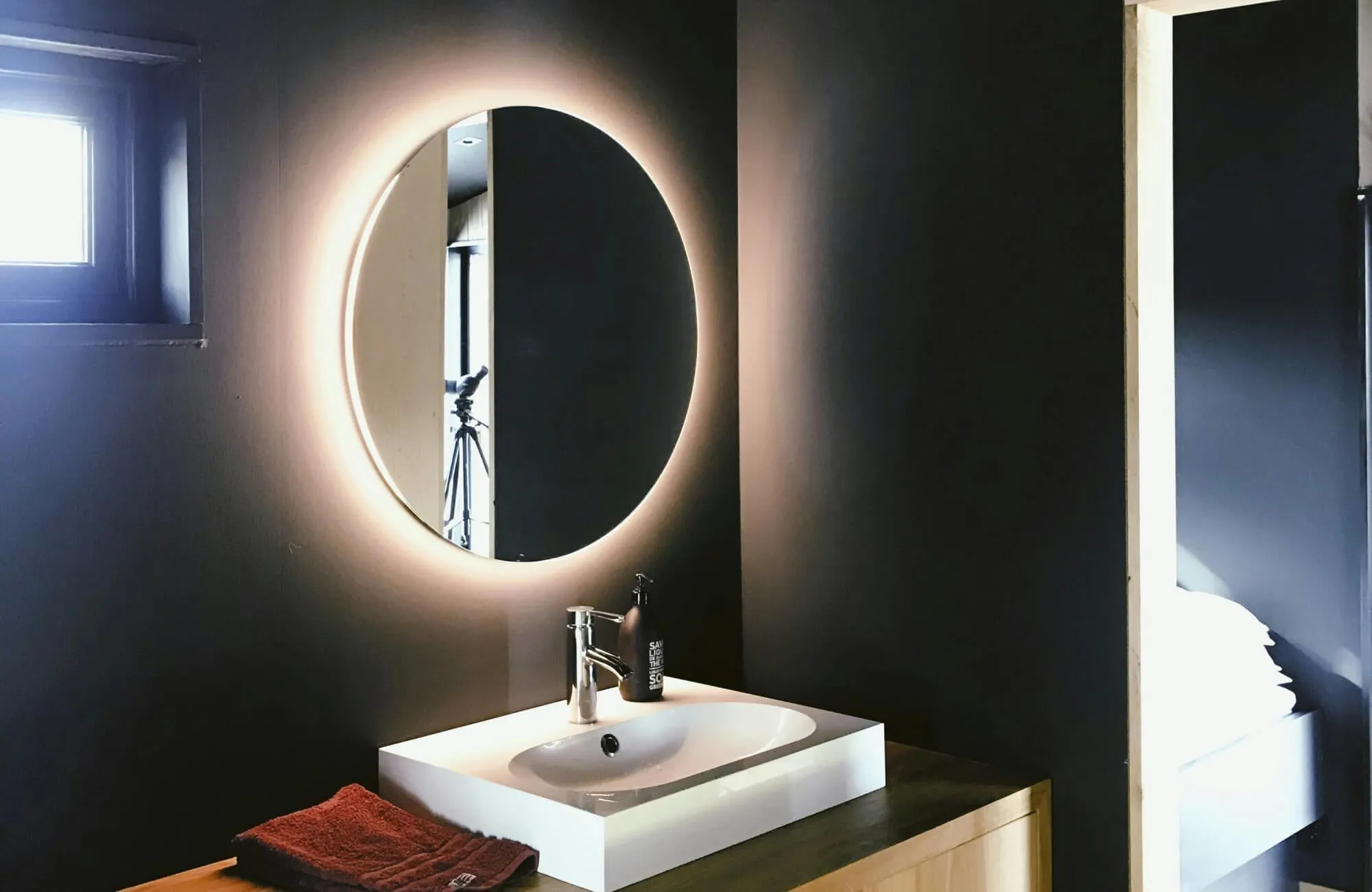
Bathroom mirrors with built-in LED lighting can feel like a smart upgrade at first, offering better visibility and added convenience at the vanity. Over time, though, issues like flickering lights, fogging, unresponsive touch controls, or inconsistent brightness can start to interfere with everyday use. In this blog, we’ll break down the most common LED bathroom mirror issues, explain why they happen, and help you decide when repairing, replacing, or switching to a traditional mirror is the more reliable choice.
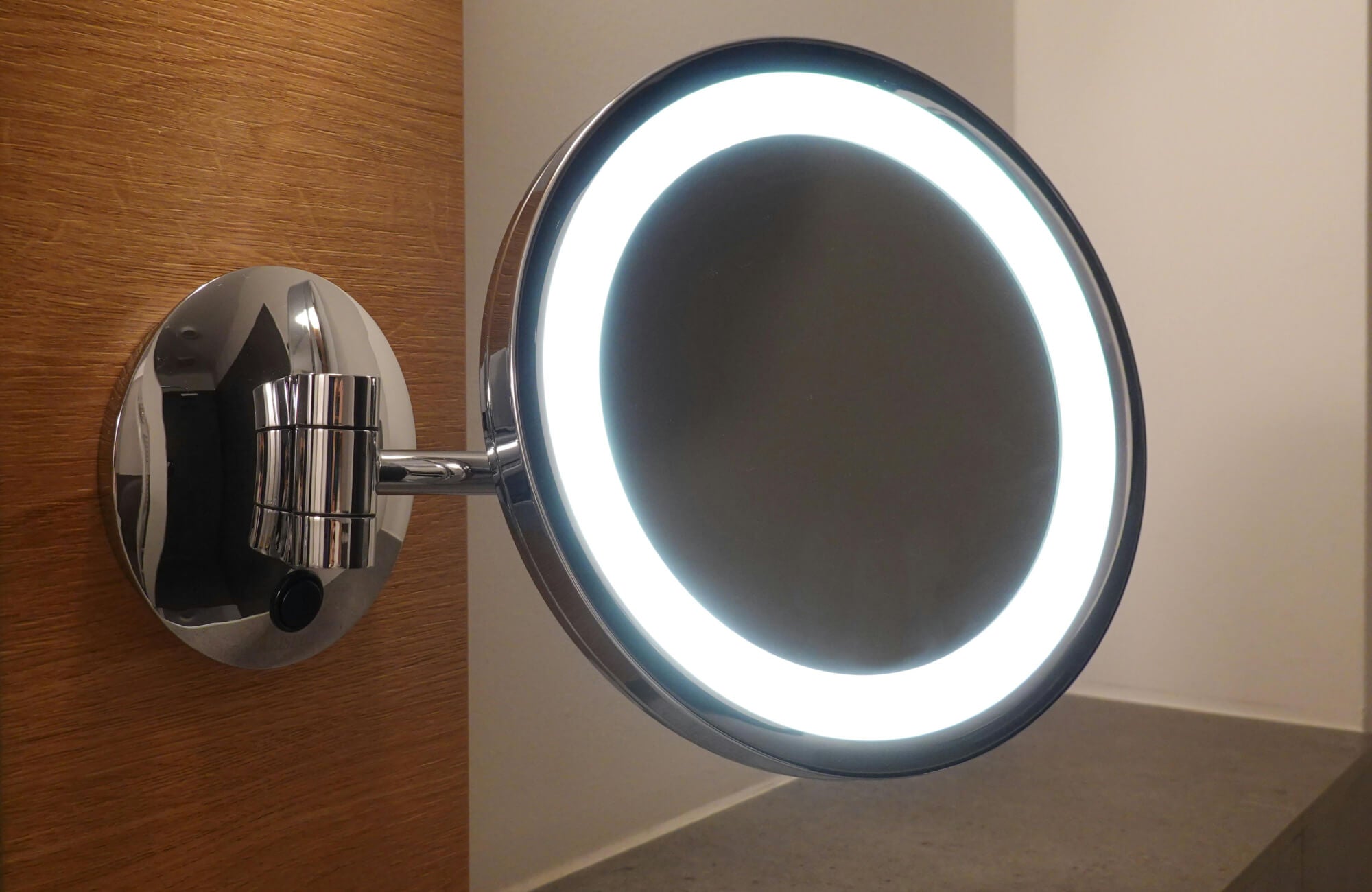
Why LED Bathroom Mirrors Have Issues
LED bathroom mirrors offer added convenience, but they also introduce components that can be sensitive to bathroom conditions over time. Because they combine lighting, electronics, and moisture-prone placement, small issues can surface even when the mirror is properly installed. Below, we’ll look at the most common reasons LED mirrors develop problems and why they tend to show up gradually rather than all at once.
Common Electrical And Power-Related Problems
Electrical issues are one of the most common reasons LED bathroom mirrors stop working as expected. Over time, wiring connections can loosen slightly, especially in bathrooms where temperature changes are frequent. Power supplies may also struggle to deliver consistent voltage, which can lead to flickering or uneven brightness. In some cases, the mirror still turns on but doesn’t perform consistently. Because LEDs rely on steady power, even minor fluctuations can cause noticeable issues. These problems often develop slowly, which makes them easy to overlook at first.
Moisture And Humidity-Related Issues
Bathrooms naturally produce moisture, and that environment can take a toll on electronic components. Steam from showers can seep into areas that aren’t fully sealed, even if the mirror appears well-built. Over time, this moisture exposure may affect internal connections or reduce performance. Humidity can also shorten the lifespan of certain components, especially when ventilation is limited. For instance, mirrors installed in smaller bathrooms without proper airflow tend to show issues sooner.
Touch Sensor And Control Panel Malfunctions
Touch sensors and control panels are convenient, but they can be sensitive to both moisture and repeated use. Over time, sensors may become less responsive or trigger inconsistently. In some cases, condensation on the surface can interfere with touch accuracy. Oils from hands or cleaning residue can also affect how the controls respond. This often leads to frustration, especially when the mirror turns on or off unexpectedly. While the mirror itself may still function, the controls are usually the first part to feel unreliable.
Heat Buildup And Component Wear Over Time
LED components generate heat during use, even though they’re more efficient than traditional lighting. In a bathroom setting, that heat can build up behind the mirror if airflow is limited. Over time, repeated heating and cooling cycles can stress internal parts. This gradual wear may show up as dimming, delayed startup, or uneven lighting. Because the changes happen slowly, they’re often mistaken for minor quirks rather than early signs of wear. Heat management is an often-overlooked factor in long-term LED mirror performance.
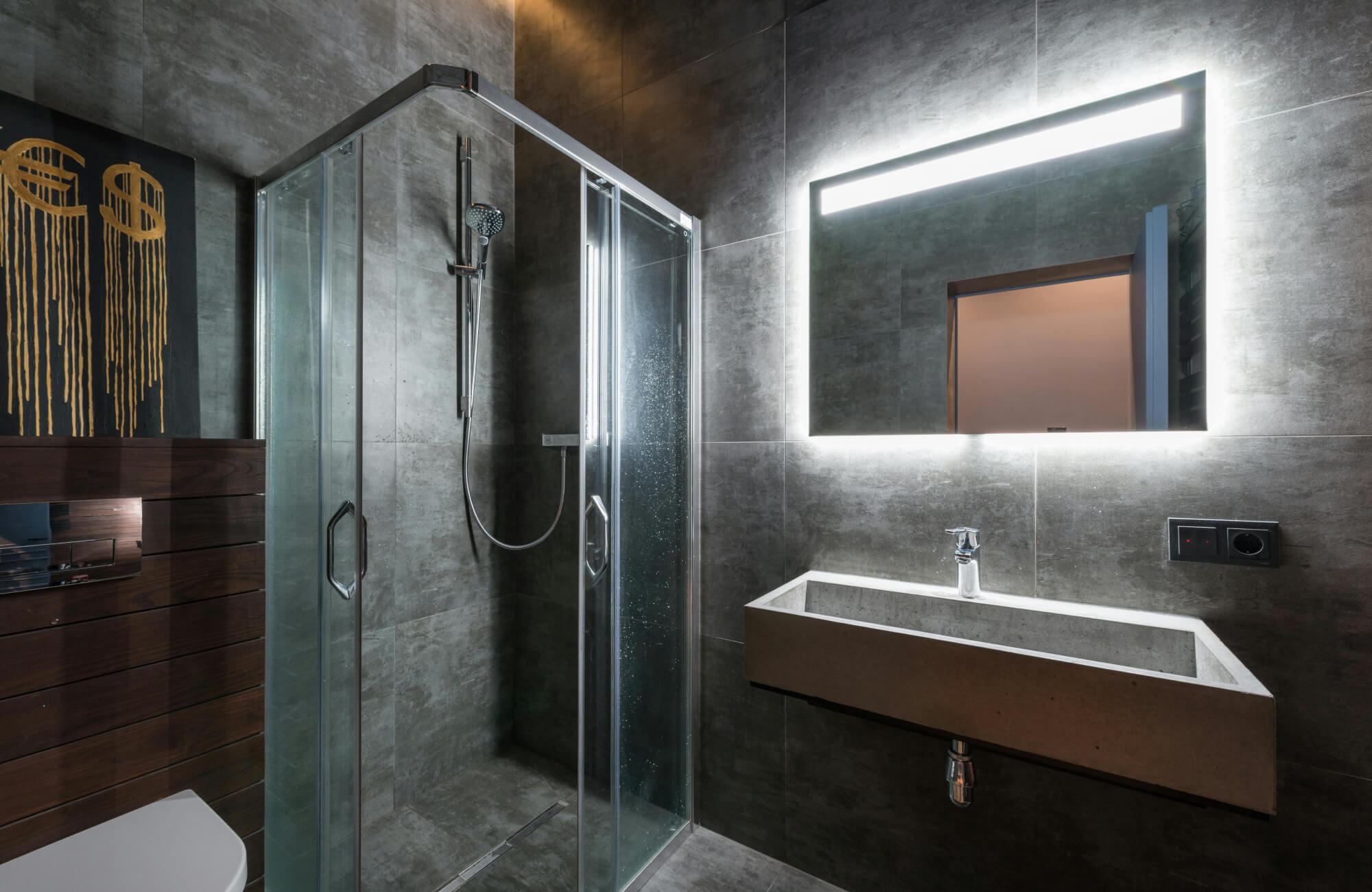
Fixing Flickering, Dimming, Or Uneven LED Light
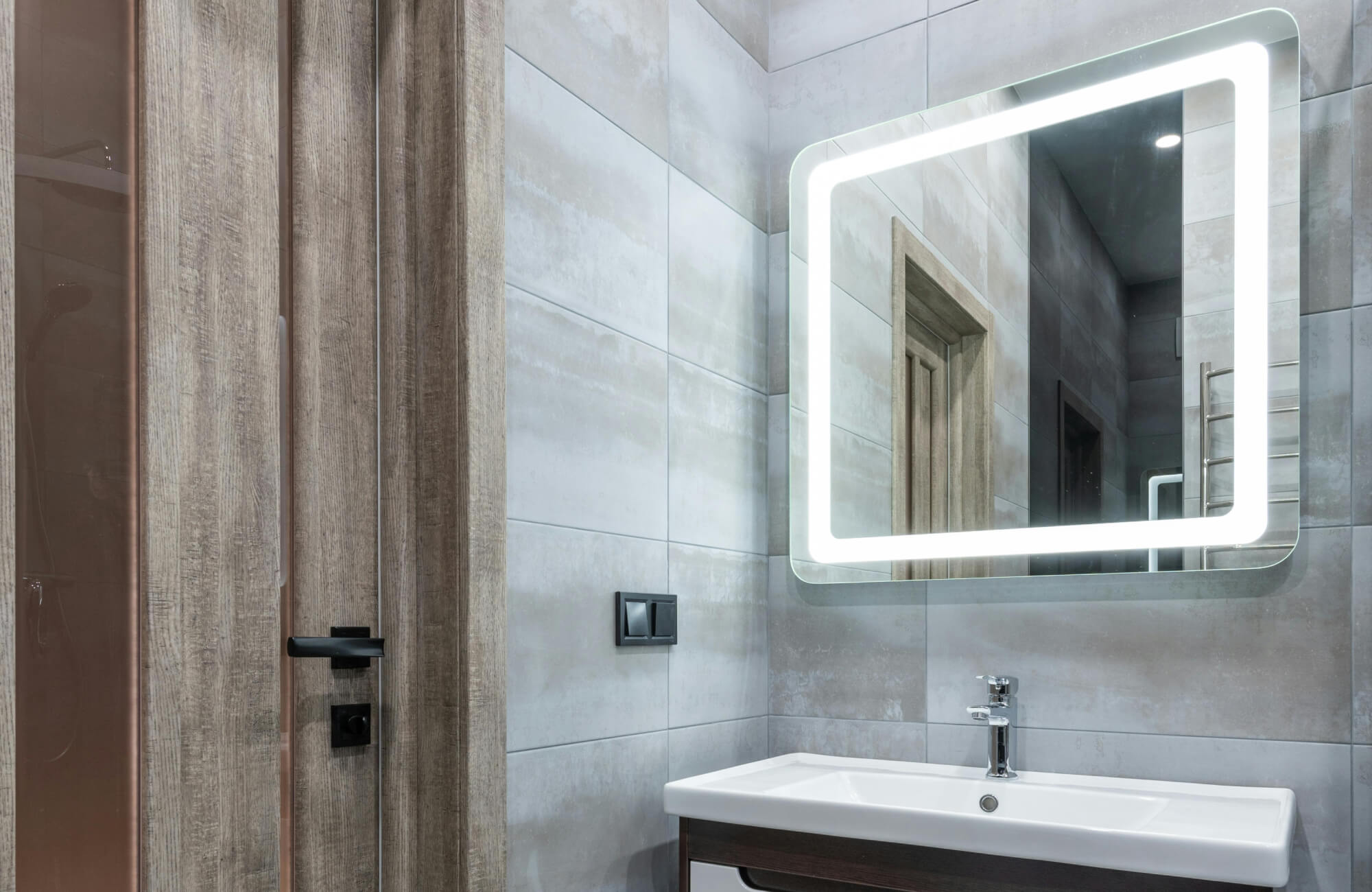
Flickering or uneven lighting is one of the most noticeable issues homeowners experience with LED bathroom mirrors. These changes often start subtly, then become more distracting over time, especially during daily routines at the sink.
Loose Connections And Power Supply Issues
Inconsistent lighting often traces back to loose connections or power supply limitations. Over time, slight shifts in wiring or connectors can interrupt the steady flow of electricity that LEDs need to function properly. This can show up as flickering, brief dimming, or light that turns on and off unexpectedly. Power supplies may also weaken with age, delivering uneven output even if the mirror still powers on. Because these issues develop gradually, they’re easy to dismiss at first. When lighting behavior feels unpredictable, power-related factors are often at play.
LED Strip Wear And Light Distribution Problems
LED strips don’t usually fail all at once, but they can wear unevenly over time. As individual diodes age, some sections may dim faster than others, creating patchy or uneven light. This is especially noticeable around the edges of the mirror where the lighting is most visible. Heat buildup and long daily use can accelerate this wear. In some cases, the mirror still works but no longer looks consistent. When light quality drops rather than completely fails, wear is often the underlying cause.
When Flickering Signals A Larger Issue
Occasional flickering doesn’t always mean something is seriously wrong, but frequent or worsening issues can signal a larger problem. Persistent flickering may point to failing internal components rather than a simple connection issue. When the light struggles to stay on, takes longer to reach full brightness, or dims unpredictably, the system may be nearing the end of its lifespan. At that point, repairs can become more frustrating than helpful. Recognizing when flickering crosses from minor annoyance to ongoing issue helps guide smarter decisions. Sometimes, replacement offers more peace of mind than continued troubleshooting.
Addressing Fogging And Defogger Performance Problems
Defogging features are meant to improve everyday comfort, but they don’t always perform consistently over time. When mirrors stay cloudy longer than expected or stop clearing altogether, the issue is usually tied to how the defogger interacts with the bathroom environment.
Why Anti-Fog Features Stop Working Properly
Anti-fog systems rely on gentle heat to prevent condensation from forming on the mirror surface. Over time, the heating element can weaken or lose efficiency, especially with frequent use. In some cases, the defogger still activates but no longer produces enough warmth to clear the mirror fully. Wear on internal components can also affect how evenly heat is distributed. Because these changes happen gradually, performance often declines without an obvious warning. What once worked quickly may start to feel slow or unreliable.
How Room Humidity Affects Defogging Performance
Room humidity plays a major role in how well defoggers perform, even when the feature itself is functioning. In bathrooms that produce heavy steam, condensation can overwhelm the defogging zone before it has time to clear. This is especially noticeable in smaller spaces where moisture builds up quickly. Higher humidity levels can also extend the time it takes for the mirror to fully defog. As a result, the feature may seem ineffective even though it’s technically working. Understanding this interaction helps set more realistic expectations.
When Defoggers Are Not Worth Repairing
There comes a point when repairing a defogger may no longer be practical. If the heating element has significantly weakened, performance improvements are often minimal even after service. Older mirrors may also rely on components that are difficult to replace or no longer supported. In these cases, the cost and effort of repair can outweigh the benefit. When fogging issues persist despite troubleshooting, replacement may offer a more reliable solution. Knowing when to stop repairing helps avoid ongoing frustration.
Troubleshooting Touch Controls And Smart Features
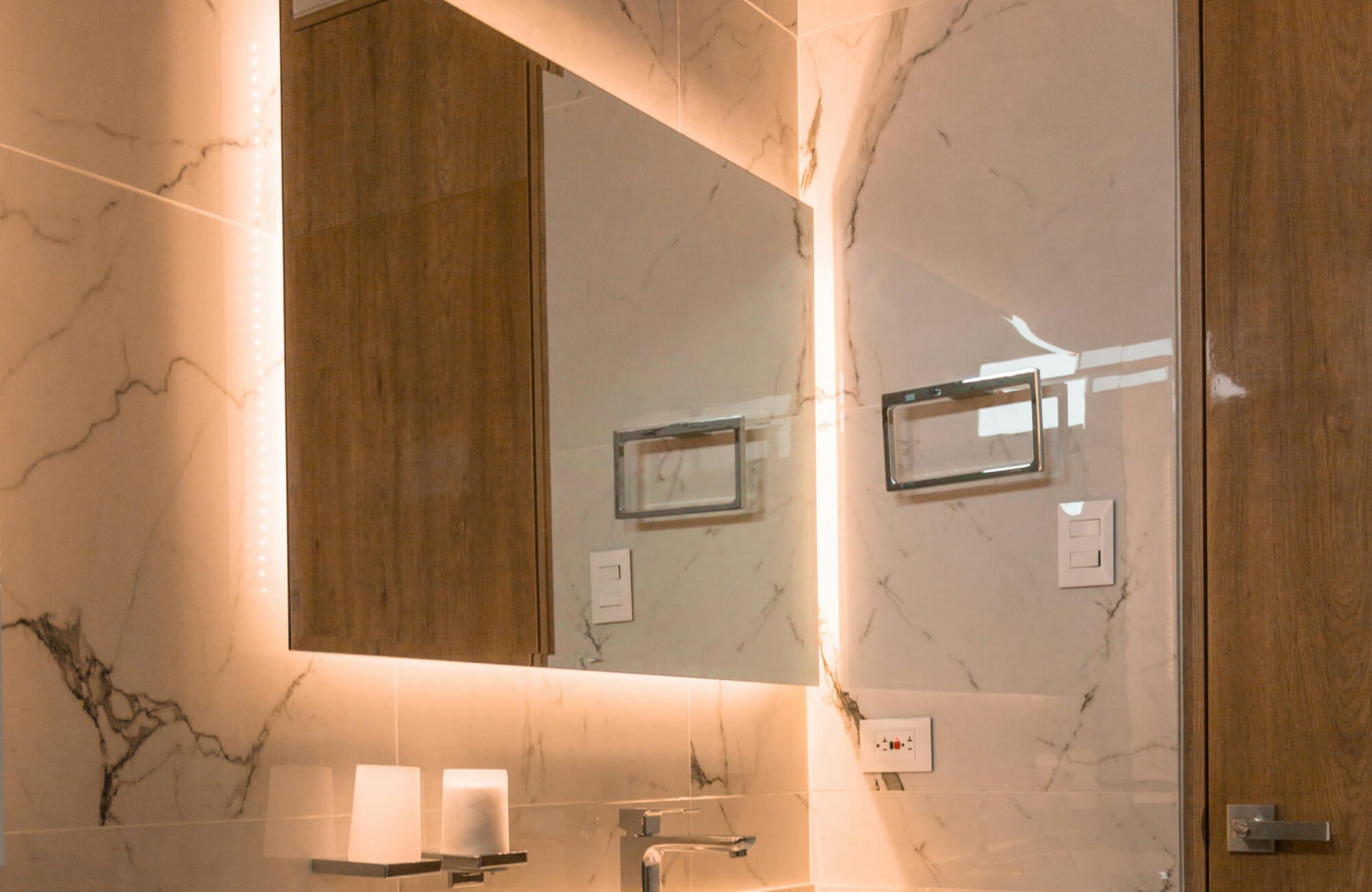
Touch controls and smart features add convenience to LED bathroom mirrors, but they can also introduce new points of frustration. Because these features rely on sensors and electronic components, they tend to be more sensitive to moisture, frequent use, and environmental changes.
Unresponsive Touch Sensors
Touch sensors can become less responsive over time, even when the mirror still powers on. Moisture buildup, condensation, or residue from cleaning products can interfere with how the sensor reads input. In some cases, the sensor requires multiple taps or stops responding altogether. This can be especially frustrating during daily routines when quick adjustments are expected. Repeated use also contributes to gradual wear on sensitive components. When responsiveness drops, the mirror often feels unreliable, even if other functions still work.
Accidental Activation And Sensitivity Issues
Some LED mirrors are designed with highly sensitive touch controls, which can lead to accidental activation. For example, light brushing against the control area while wiping the mirror can turn features on or off unexpectedly. Changes in humidity or temperature can also affect sensor sensitivity, making controls behave inconsistently. This unpredictability often becomes more noticeable over time. While the mirror may still function properly, the experience can feel less intuitive. What once felt convenient may start to feel distracting or annoying.
Smart Features That Create More Frustration Than Value
Smart features sound appealing, but not all of them age well in everyday use. Dimming controls, color temperature settings, or memory functions may stop working as smoothly as intended. When these features fail, they often affect basic functions like lighting consistency. In some cases, users end up relying on default settings and ignoring the extra features altogether. This raises the question of whether the added complexity is worth it long term. Simpler controls often deliver a more dependable experience over time.
When It’s Easier To Choose A Traditional Mirror Instead
For some bathrooms, choosing a traditional mirror is simply the more practical and stress-free option. Without built-in electronics, these mirrors avoid many of the maintenance concerns that come with LED features, which can be appealing for long-term use. Below, we’ll look at traditional mirror styles that offer reliability, versatility, and visual appeal without added complexity.
Framed Rectangular Mirrors For Everyday Reliability
Framed rectangular mirrors remain a go-to choice because they are dependable and easy to live with. Their straightforward shape works well above most vanities and provides full, even reflection for daily routines. Because there are no electronic components involved, there’s less to worry about over time. These mirrors also pair easily with different lighting setups, whether wall sconces or overhead fixtures. From a design standpoint, they adapt well to both modern and classic bathrooms. That flexibility makes them a reliable option for long-term use.
Round Mirrors For A Softer, Simpler Look
Round mirrors, such as our Esmeralda Round Mirror in Iron Matte Black, offer a softer visual break from the straight lines often found in bathrooms. Their curved shape helps balance sharp edges from vanities, tile, or fixtures, creating a more relaxed feel. Without built-in lighting or controls, they remain easy to maintain and consistently reliable. Round mirrors also work especially well in smaller bathrooms, where harsh angles can feel overwhelming. When paired with simple vanity lighting, they deliver both function and style. This makes them a popular choice for homeowners who prefer minimal upkeep.
Arched Mirrors For Subtle Visual Interest Without Electronics
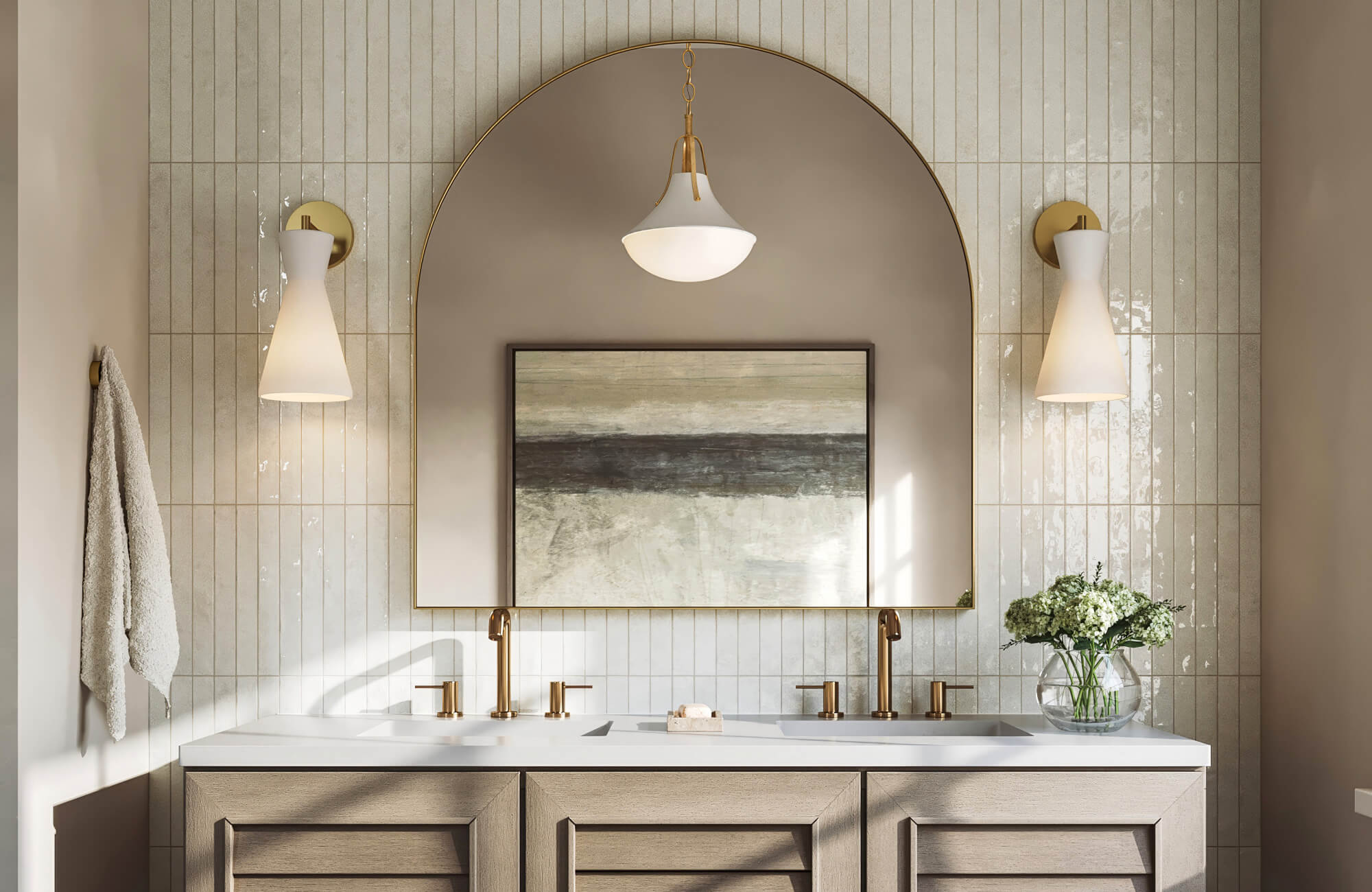
Arched mirrors, such as our Esmeralda Wide Mirror in Polished Brass above, introduce visual interest without relying on technology or added features. The gentle curve at the top draws the eye upward, which can make the bathroom feel taller and more open. At the same time, they maintain the simplicity of a traditional mirror. Because they don’t include electrical components, they avoid issues related to moisture or wiring. Arched mirrors also feel timeless, fitting comfortably in both classic and contemporary spaces. They offer personality without creating extra maintenance concerns.
Medicine Cabinet Mirrors For Added Function
Medicine cabinet mirrors combine reflection with hidden storage, which is especially useful in smaller bathrooms. Keeping everyday items tucked away helps reduce visual clutter around the vanity. This added function comes without the technical risks associated with electronic mirrors. Many designs now offer cleaner profiles that don’t feel bulky or outdated. When paired with proper lighting, they perform just as well as standard mirrors for grooming tasks. For homeowners focused on practicality, this option often makes the most sense.
Choosing Finishes That Complement Your Bathroom Style
The finish of a traditional mirror plays a big role in how it fits into the overall bathroom design. Metal frames in brushed or matte finishes can echo nearby fixtures, helping the space feel cohesive. Wood or painted frames add warmth and character without introducing complexity. Because finishes are purely visual, they don’t create additional maintenance concerns. This allows you to focus on style without sacrificing reliability. Thoughtful finish selection helps a simple mirror feel intentional and well integrated.
Choosing Between Convenience And Long-Term Reliability
LED bathroom mirrors can be convenient, but as you’ve seen, their added features often come with long-term considerations around moisture, electronics, and upkeep. Understanding why these issues happen makes it easier to decide whether fixing, replacing, or simplifying is the right move for your space. In many cases, choosing reliability and ease of use leads to a bathroom that feels calmer and more dependable day to day. The goal is not more features, but a mirror that supports how you actually use the space.
If you’re unsure which direction makes the most sense, a design consultation can help bring clarity. Our design team can walk through your bathroom layout, lighting setup, and lifestyle needs to recommend a mirror solution that truly fits. Whether that means troubleshooting an LED mirror or transitioning to a traditional style, having guidance makes the decision feel easier. It’s a simple way to move forward with confidence and avoid future frustration.
Follow us on Instagram
@EDWARD.MARTIN
)
)
)
)
)
)
)
)
)
)
)
)
)
)
)
)