Bar stools might seem like a small decision, but they play a bigger role in daily comfort and how a space functions than most people expect. The choice between adjustable and fixed-height stools affects posture, ease of use, and how cohesive your kitchen or dining area feels over time. In this blog, we’ll break down the differences between adjustable and fixed-height bar stools, look at how each performs in everyday settings, and help you decide which option makes the most sense for your space and routine.

The Difference Between Adjustable And Fixed-Height Bar Stools
Before deciding which stool type fits your space, it helps to understand how adjustable and fixed-height bar stools are built and how they function day to day. While both are designed to provide comfortable seating at counters or bars, their construction, height flexibility, and mechanics differ in ways that affect usability, comfort, and visual consistency.
How Adjustable Bar Stools Work
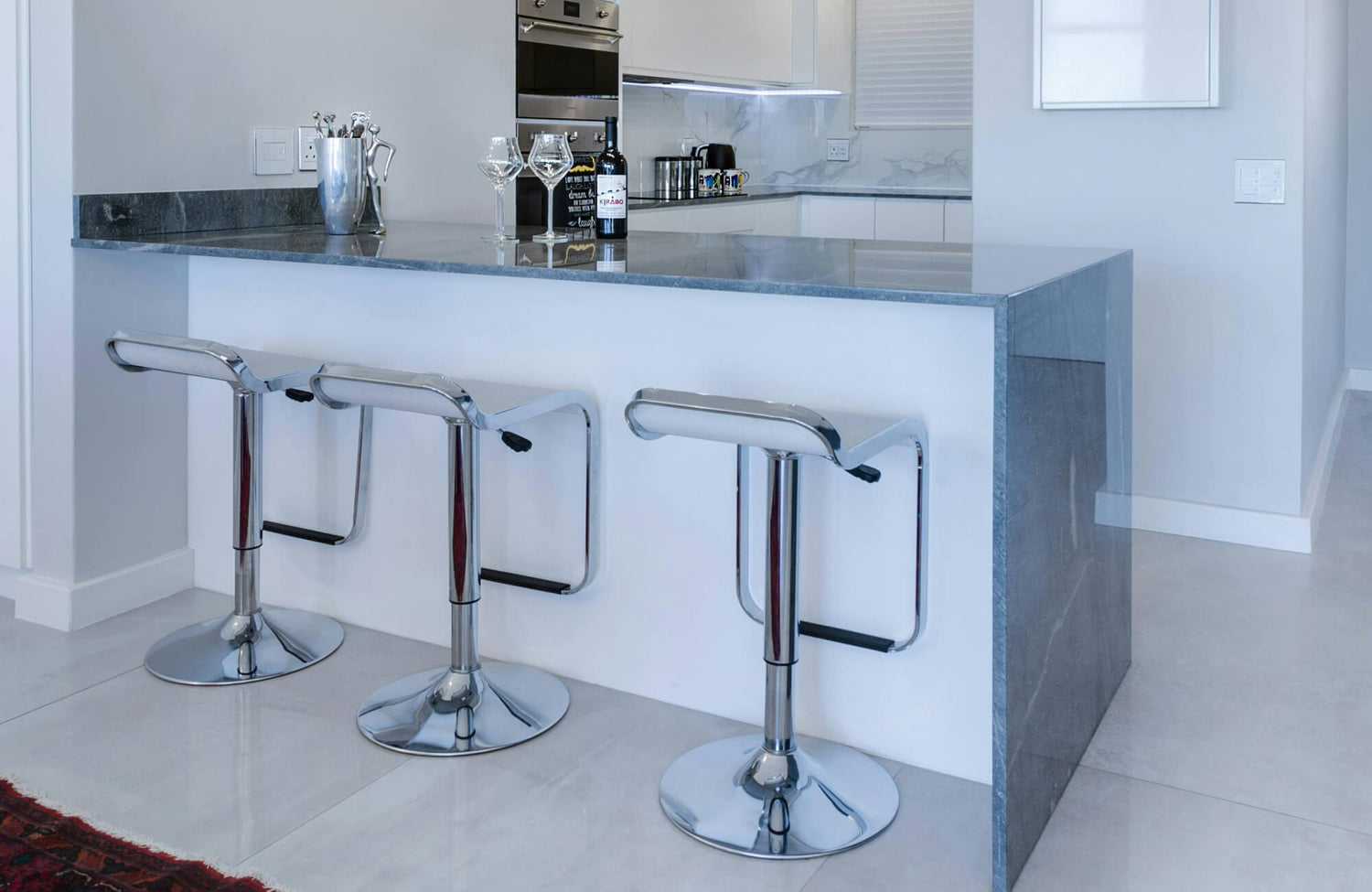
Adjustable bar stools are designed with a height-changing mechanism that allows the seat to move up or down, usually through a gas lift or screw-based system. This flexibility makes it easier to accommodate users of different heights or counters that fall slightly outside standard measurements. Many adjustable stools also include a built-in footrest that moves with the seat, helping maintain leg support as the height changes. Because of their mechanical components, these stools often have a more contemporary look, with visible hardware playing a role in the overall design. Over time, the moving parts may require light maintenance, especially in spaces where the height is adjusted frequently. Still, for multi-use kitchens or shared seating areas, the adaptability can feel practical and accommodating.
What Defines A Fixed-Height Bar Stool
Fixed-height bar stools are built at a single, predetermined seat height and do not include adjustable mechanisms. Their simplicity allows for a more solid, grounded feel, which many people associate with stability and long-term comfort. Because there are no moving parts, fixed stools often have a cleaner silhouette and a more cohesive look when lined up along a counter or island. This consistency can be especially appealing in kitchens or dining areas where visual balance matters. Fixed-height stools also tend to feel sturdier under frequent use, since their structure remains unchanged over time. However, choosing the correct height from the start is important because there is little room for adjustment once they are in place.
Typical Height Ranges For Each Style
The height range of a bar stool plays a major role in how comfortably it pairs with a counter or bar surface. Fixed-height stools are usually designed to match standard counter heights around 36 inches or bar heights closer to 42 inches, with the seat positioned accordingly. Adjustable stools, on the other hand, often span a wider range, allowing them to work at both counter-height and bar-height surfaces. This flexibility can help compensate for non-standard counters or varied seating needs within the same space. That said, adjustable stools still have limits, and not every model covers the full range comfortably. Understanding these height differences helps set realistic expectations before choosing one style over the other.

Comfort And Seating Experience Over Time
Comfort at a bar or counter isn’t just about the first few minutes of sitting, but how the stool feels after repeated, everyday use. Factors like seat stability, foot support, and consistent posture all influence whether a stool remains comfortable during meals, work sessions, or casual conversations.
Seat Stability And Everyday Comfort
Seat stability plays a big role in how comfortable a bar stool feels over time, especially during longer periods of sitting. Fixed-height stools often feel more solid because the seat remains locked in one position, which helps users maintain a consistent posture. Adjustable stools can also be comfortable, but their moving mechanisms may introduce slight movement that some people notice more than others. This subtle shift isn’t always a problem, but it can feel distracting during extended use. Over time, a stable seat tends to reduce muscle tension because the body isn’t constantly making small adjustments. For daily meals or work at a counter, that sense of steadiness can make a noticeable difference.
Footrest Placement And Leg Support
Foot support is just as important as seat height when it comes to long-term comfort. Fixed-height stools usually place the footrest at a height that naturally aligns with the seat, helping legs rest comfortably without strain. With adjustable stools, the footrest position may move with the seat or remain fixed, depending on the design, which can affect leg support at different heights. When the footrest doesn’t align well, pressure can build in the thighs or lower back over time. This is especially noticeable during longer sitting periods, such as working or lingering meals. A well-positioned footrest helps maintain balance and encourages a more relaxed seating posture.
How Frequent Height Changes Affect Comfort
Frequently adjusting the height of a bar stool can subtly influence how comfortable it feels over time. While adjustability offers flexibility, constantly changing the seat height may prevent the body from settling into a consistent posture. This can lead to small but repeated shifts in balance, which some users find less comfortable during extended use. In shared spaces, stools may also be left at awkward heights, requiring readjustment before sitting. Over time, this can interrupt comfort and ease of use, especially in busy households. Having a stable, familiar seat height often supports a more relaxed and predictable seating experience.

How Counter And Bar Heights Influence Stool Choice
Choosing the right stool often starts with understanding the height of the surface it will sit under. Counters, islands, and bars all fall into different height ranges, and even small mismatches can affect comfort over time. Below, we’ll look at how fixed and adjustable stools respond to these differences, and where flexibility helps or falls short in real layouts.
Standard Counter And Bar Height Guidelines
Most kitchen counters sit around standard counter height, while bar-height surfaces are noticeably taller and require different seating proportions. The goal is to leave enough space between the seat and the underside of the counter so legs can move comfortably. When this gap feels too tight or too wide, sitting quickly becomes awkward. These guidelines work well as a starting point, but real kitchens don’t always follow perfect measurements. For instance, raised islands or custom bars may fall between standard sizes. Knowing your exact surface height helps narrow down stool options before style even enters the conversation.
Fixed-Height Stools And Precise Fit
Fixed-height stools work best when the counter or bar height is known and consistent. Because the seat doesn’t adjust, comfort depends heavily on choosing the correct height from the start. When the fit is right, fixed stools feel natural and balanced, which supports better posture over time. However, even a small mismatch can lead to knees feeling cramped or feet losing proper support. This is why fixed-height stools tend to work well in finished spaces with standard dimensions. Once placed, they deliver a predictable and steady seating experience.
Adjustable Stools And Height Flexibility
Adjustable stools offer flexibility when counter heights vary or when multiple users share the same seating area. Being able to fine-tune seat height helps accommodate different body types or slightly unconventional surfaces. This can be especially helpful in mixed-use spaces where stools move between counters and bars. That said, adjustability doesn’t automatically guarantee comfort if the stool isn’t set correctly. Over time, frequent adjustments can also disrupt consistency in posture. Adjustable stools shine most when flexibility is needed, not as a fix for poor sizing.
When Mismatched Heights Cause Discomfort
Height mismatches tend to show up quickly in daily use, often as leg strain or awkward posture. Sitting too high can leave feet dangling, while sitting too low may force knees upward in an uncomfortable way. These issues become more noticeable during longer meals or extended work sessions. Over time, even minor discomfort adds up and affects how often stools are used. This is why matching stool height to the surface is just as important as choosing between adjustable or fixed designs. A well-matched setup supports comfort without constant adjustment.

Visual Impact And Design Consistency
Beyond comfort and fit, stools play a noticeable role in how a kitchen or dining area looks as a whole. The choice between fixed-height and adjustable stools can subtly influence visual balance, flow, and how cohesive the space feels.
Clean Lines And Uniformity With Fixed-Height Stools
Fixed-height stools tend to create a cleaner, more uniform look because every seat sits at the same level. This consistency helps kitchens feel calmer and more intentional, especially in spaces with long islands or straight sightlines. Because there are no moving parts, the silhouette stays simple and predictable. That simplicity often works well in kitchens where cabinetry, lighting, and finishes already follow a structured design language. Over time, this uniformity helps the seating blend seamlessly into the overall layout. The stools feel like a natural extension of the space rather than a focal point competing for attention.
Adjustable Stools And Mixed-Use Spaces
Adjustable stools can visually suit spaces that serve multiple purposes, such as kitchens that double as casual dining or work areas. Their flexibility often signals a more relaxed, adaptable environment rather than a strictly formal one. In open-plan layouts, this can make sense because the space itself shifts throughout the day. However, adjustable stools may introduce visual variation if seat heights differ from one another. This isn’t necessarily a drawback, but it does create a more dynamic, less uniform look. The key is deciding whether that variation supports or disrupts the overall design flow.
How Visible Hardware Affects Design
The mechanical components of adjustable stools, such as lift columns or levers, become part of the visual story. In some designs, this hardware adds an industrial or utilitarian edge that complements the space. In others, it may feel visually busier compared to the clean profile of fixed-height stools. Because these elements are often visible from across the room, they can draw attention even when the stools aren’t in use. Fixed-height stools avoid this entirely, which helps keep the focus on surrounding finishes. Deciding how much visual detail you want at seating level helps guide the choice.
Consistency Across Multiple Seating Positions
When multiple stools line an island or bar, consistency becomes more noticeable. Fixed-height stools naturally maintain even spacing and alignment, which supports a polished, balanced look. Adjustable stools can still achieve this, but only when heights are intentionally set and maintained. If stools drift to different levels over time, the row can start to feel visually uneven. In design-forward spaces, that subtle imbalance may stand out more than expected. Thinking about how the stools will look day to day, not just on installation day, helps ensure long-term visual cohesion.

Durability, Maintenance, And Long-Term Use
Durability becomes especially important with bar stools because they’re used daily and often moved, adjusted, or leaned on. How a stool is built, the materials used, and whether it includes moving parts all influence how it holds up over time.
Mechanical Wear In Adjustable Bar Stools
Adjustable bar stools rely on internal mechanisms that allow the seat to raise, lower, and sometimes swivel. Over time, these moving parts can experience wear, especially in busy households where adjustments happen frequently. That doesn’t mean issues are guaranteed, but it does mean there are more components that may need attention down the line. For instance, gas lifts and locking systems can gradually lose responsiveness with repeated use. Regular, gentle operation helps extend their lifespan, too. Understanding this helps set realistic expectations rather than assuming problems will appear quickly.
Fixed-Height Stools And Structural Simplicity
Fixed-height stools benefit from a simpler construction, which often supports long-term stability. With no adjustable mechanisms, the focus shifts to solid joints, strong frames, and quality materials. This simplicity can reduce the likelihood of mechanical issues over time. Because the stool stays at one height, stress is distributed more evenly across the structure. That said, durability still depends on build quality rather than design alone. A well-made fixed stool tends to age predictably, which many homeowners appreciate.
Maintenance Expectations Over Time
Maintenance needs differ depending on stool design and materials, not just adjustability. Adjustable stools may require occasional checks to ensure mechanisms move smoothly and remain secure. Fixed-height stools typically involve simpler care, such as tightening joints or addressing surface wear. In both cases, finishes and upholstery play a big role in upkeep. For example, metal frames and easy-clean seat materials often hold up better in busy kitchens.
A good example of a low-maintenance option is our Savannah Counter Stool in Cream above, which balances durability with everyday ease. Its powder-coated stainless steel frame resists corrosion, while the leather-like upholstery is designed to handle regular use without constant upkeep. With fewer exposed mechanisms and materials chosen for longevity, it’s a smart alternative for kitchens or commercial-style spaces where stools see consistent, repeated use.
How Usage Frequency Impacts Longevity
How often stools are used has a major impact on how long they last, regardless of style. In busy areas like kitchen islands, stools experience more movement, shifting, and weight changes throughout the day. Adjustable stools may see more strain if height changes are frequent, while fixed stools absorb wear through constant sitting and sliding. Neither option is immune to daily use, but patterns matter. Choosing a stool designed for your level of activity helps ensure it performs well over time.
Matching Bar Stools To Your Space And Routine
Choosing between adjustable and fixed-height bar stools isn’t about which option is better overall, but which one fits your space and habits more naturally. Adjustable stools offer flexibility for mixed-use areas and households with varying needs, while fixed-height stools bring consistency, stability, and a more uniform visual presence. Both styles perform well when they’re matched thoughtfully to counter height, layout, and how the seating is actually used day to day.
If you’re unsure which option makes the most sense for your kitchen or dining area, getting a second perspective can help. Schedule a design consultation to talk through your counter height, layout, and how your seating is actually used. A designer can help you weigh flexibility versus consistency without overcomplicating the decision.