Vanity lighting affects far more than how a bathroom looks. It shapes how comfortably you use the space every day, from quick morning routines to slower evening wind-downs. When lighting is poorly planned, shadows, glare, and uneven brightness quickly become daily frustrations. In this blog, we’ll take a closer look at how many lights actually work best over a bathroom vanity, why size and layout matter, and how different fixture types change the way light behaves at the mirror.

Why Vanity Lighting Matters More Than You Think
Vanity lighting plays a much bigger role in bathroom comfort than many people realize, because it directly affects how you see yourself at the sink. Unlike general lighting, this is the light you rely on for close, daily tasks where clarity matters. When vanity lighting is planned well, it supports both function and ease, helping the space feel more comfortable to use every day.
Task Lighting Vs Ambient Lighting At The Vanity
Task lighting at the vanity is designed to provide focused, even illumination where you need it most, especially around the face and sink. This type of lighting helps reduce harsh shadows, making everyday tasks like shaving or applying skincare feel more accurate and less frustrating. Ambient lighting, on the other hand, sets the overall mood of the bathroom but often isn’t strong or directional enough on its own. When relied on alone, it can leave the face partially shaded or unevenly lit. That’s why task lighting is so important at the vanity, even in well-lit bathrooms. The most comfortable setups usually balance both, with task lighting doing the heavy lifting at the mirror.
How Lighting Affects Daily Grooming And Comfort
Vanity lighting directly influences how comfortable and confident daily grooming feels. Poor lighting can distort shadows, making it harder to see details clearly and causing unnecessary strain. When lighting is even and well-positioned, movements feel more natural and less rushed. This becomes especially important during morning routines or in shared bathrooms, where visibility needs to be reliable. Good lighting also reduces the need to lean in too close to the mirror. Over time, this consistency makes everyday routines feel smoother and more relaxed.
Common Problems Caused By Poor Vanity Lighting
Poor vanity lighting often leads to uneven shadows, glare, or areas of the face being underlit. These issues can make grooming tasks feel awkward and less precise, even if the bathroom looks bright overall. Lights placed too high or too far from the mirror tend to cast shadows downward, which can be unflattering and impractical. In some cases, overly bright fixtures can create glare that feels harsh rather than helpful. These problems usually aren’t noticeable until the space is used daily. Addressing vanity lighting early helps avoid these frustrations altogether.

How Vanity Size And Sink Count Affect Light Quantity
Vanity size and sink count have a direct impact on how many lights you actually need for the space to work well. What looks fine on paper can feel very different once you’re standing at the sink and using the mirror. Thinking about width, spacing, and how the vanity is used helps you avoid dark spots or lighting that feels uneven.
Single-Sink Vanities And Recommended Light Counts
Single-sink vanities are usually the simplest to light, but they still benefit from thoughtful placement. In most cases, one well-sized vanity light or a pair of sconces can provide enough coverage for daily use. The key is making sure the light reaches both sides of the face evenly, rather than concentrating brightness in the center. If the vanity is wider or paired with a large mirror, a longer light bar may feel more balanced. It’s also worth considering how close the light sits to the mirror surface. When lighting is sized appropriately, the sink area feels comfortable without being overdone.
Double-Sink Vanities And Even Light Distribution
Double-sink vanities introduce a new challenge because each sink needs its own balanced light. Relying on a single fixture in the center often leaves one side better lit than the other. For this reason, many double-sink setups work best with two separate light sources or multiple fixtures spaced evenly across the vanity. This ensures both users have the same level of visibility. It also helps the vanity feel visually balanced from end to end. When lighting is distributed evenly, the space feels more intentional and easier to share.
Wide Vanities And When One Fixture Is Not Enough
As vanities get wider, a single light fixture can start to feel insufficient. Even if the fixture is bright, it may not spread light evenly across the entire mirror. This often results in darker edges and uneven shadows near the ends of the vanity. In these cases, adding a second fixture or using a longer light bar helps create more consistent illumination. The goal is to avoid pockets of shadow that make parts of the mirror less usable. Wider vanities tend to feel more polished when lighting matches their scale.
As seen above, a sculptural fixture like our Emmery 29" LED Vanity Light in Brushed Gold/Opal Glass works especially well in wider vanity setups where even coverage matters. Its branching arms and layered opal glass orbs help distribute light more evenly across the mirror, reducing shadow buildup at the edges. The integrated LED glow feels balanced rather than harsh, making it a strong option when a single fixture needs to do more visual and functional work.
Compact Vanities And Avoiding Overlighting
With compact vanities, more light isn’t always better. Too many fixtures or overly bright lights can make a small space feel harsh and uncomfortable. Instead, a single well-placed fixture or thoughtfully sized sconces usually provide enough illumination. This approach keeps the vanity functional without overwhelming the room. It also helps maintain a softer, more relaxed atmosphere in tight bathrooms. In smaller layouts, restraint often leads to a more comfortable and balanced result.

Different Types Of Bathroom Vanity Lighting Fixtures
Bathroom vanity lighting comes in several fixture styles, each affecting how light spreads across the mirror and sink. Some options prioritize even facial illumination, while others lean more toward visual impact or subtle support lighting. Below, we’ll look at the most common vanity lighting fixtures and how each one behaves in real, everyday use.
Wall Sconces Placed On Either Side Of The Mirror
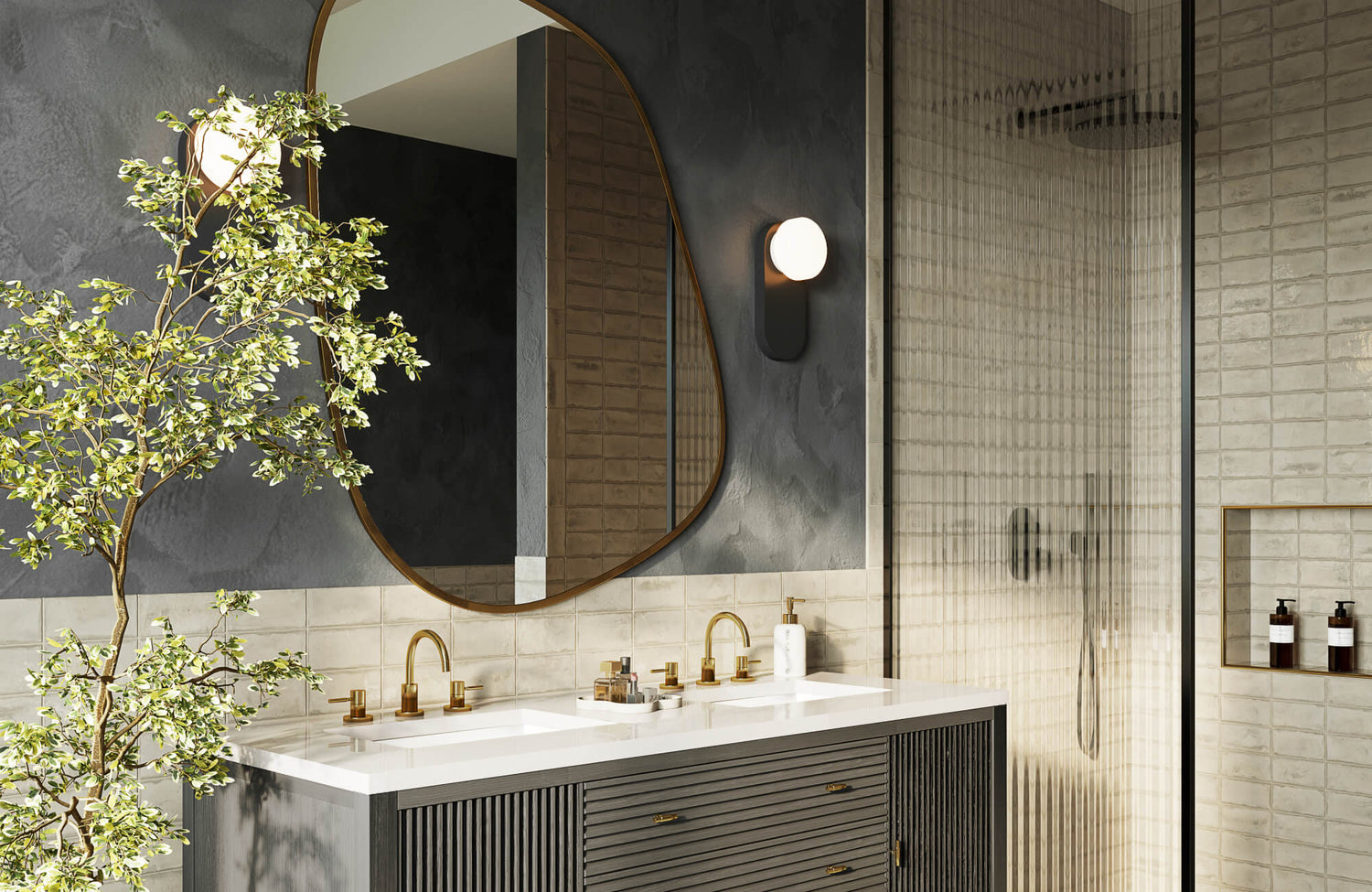
Wall sconces placed on either side of the mirror are often considered one of the most effective vanity lighting options. Because they sit at face level, they cast light evenly across both sides of the face, which helps reduce shadows. This setup feels especially comfortable for grooming tasks where accuracy matters. Sconces also create a balanced, symmetrical look that works well with many vanity widths. When spaced correctly, they provide consistent light without glare. This makes them a reliable choice for both small and large bathrooms.
Over-Mirror Vanity Light Bars
Vanity light bars mounted above the mirror are a popular and practical choice for many bathrooms. They provide broad coverage across the mirror, making them easy to pair with single- or double-sink vanities. When sized correctly, light bars can deliver even illumination without overwhelming the space. However, placement matters because fixtures mounted too high can cast shadows downward. Choosing a light bar that matches the vanity width helps maintain visual balance. In many setups, this option offers a clean, straightforward lighting solution.
Pendant Lights For Statement Vanities
Pendant lights are often chosen for their visual impact rather than pure function. Hung at the right height, they can add personality and draw attention to the vanity area. However, pendants tend to provide more directional light, which may not evenly illuminate the face on their own. Because of this, they work best when paired with other light sources. In smaller bathrooms, scale becomes especially important to avoid visual crowding. When used thoughtfully, pendants can enhance style without sacrificing usability.
Integrated Mirror Lighting
Integrated mirror lighting offers a streamlined look by combining the mirror and light source into one element. This type of lighting provides soft, even illumination that reduces harsh shadows. Because the light is built into the mirror, it often feels clean and uncluttered visually. Integrated lighting works well in modern or minimalist bathrooms where simplicity is key. It may not always provide enough brightness on its own, depending on the design. Still, it’s a popular option for creating a calm, polished vanity area.
Backlit Mirrors As Supplemental Vanity Lighting
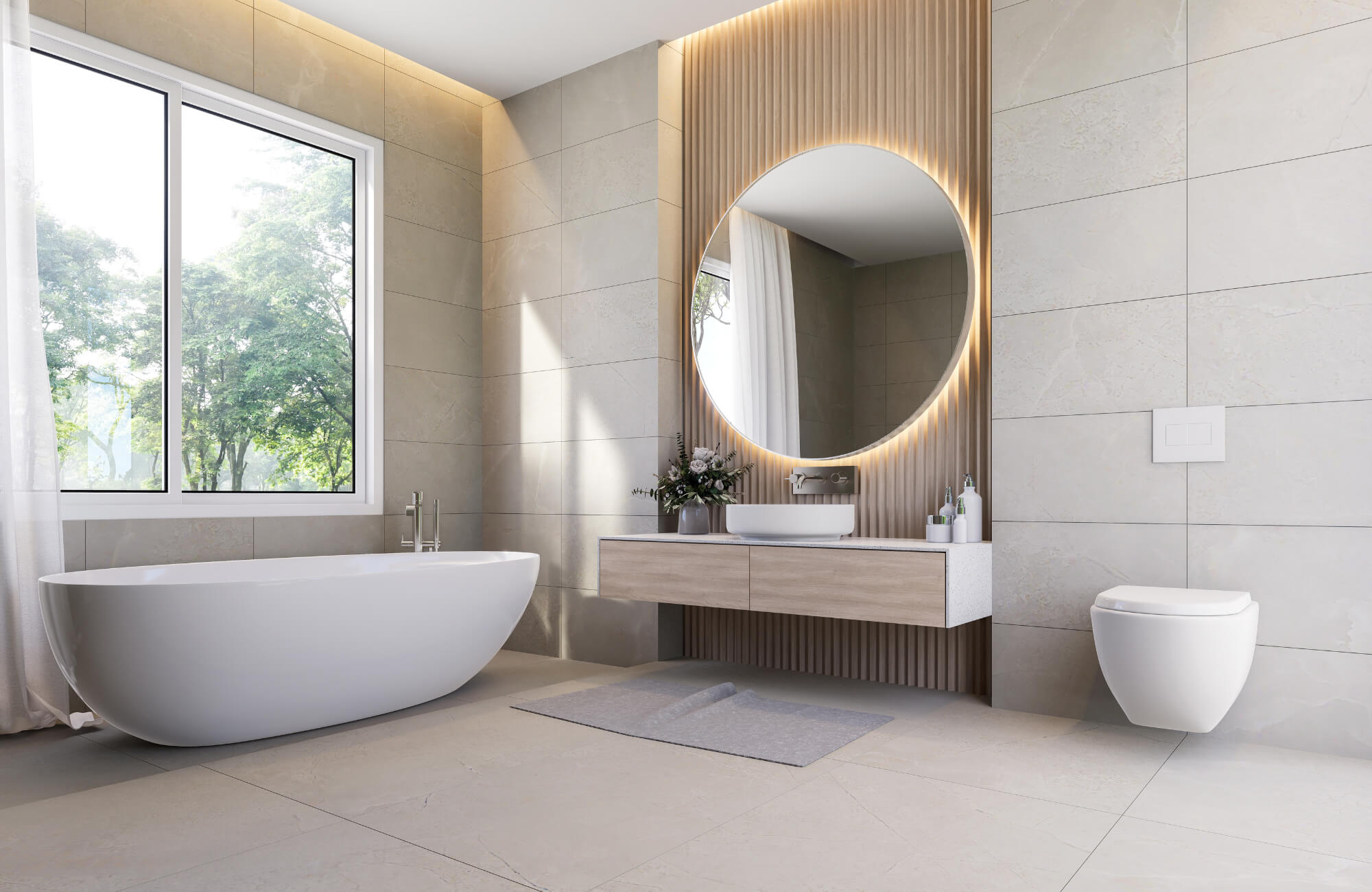
Backlit mirrors create a subtle glow that adds depth and atmosphere to the vanity area. Rather than lighting the face directly, this option provides ambient support that softens the space. Backlighting works well as a secondary light source alongside sconces or light bars. It helps reduce contrast and makes the bathroom feel more inviting overall. On its own, it’s usually not enough for detailed tasks. However, when layered with other fixtures, it adds comfort and visual interest.

How Mirror Size And Placement Influence Lighting Needs
Mirror size and placement play a major role in how effective vanity lighting actually feels once the bathroom is in use. Even the right fixtures can fall short if the mirror doesn’t work with the light around it.
Mirrors That Span The Full Vanity Width
Mirrors that match or closely span the full width of the vanity tend to work best with most lighting setups. Because the reflective surface extends evenly across the sink area, light is distributed more consistently from side to side. This helps reduce dark edges that can occur when mirrors are too narrow. Full-width mirrors also make it easier to align lighting fixtures in a balanced way. As a result, the vanity feels more intentional and easier to use. This approach is especially effective for single- and double-sink layouts.
Tall Or Vertical Mirrors And Light Coverage
Tall or vertically oriented mirrors can change how light moves through the vanity area. By extending higher up the wall, they help reflect light upward as well as outward, which can make the bathroom feel taller. This is particularly helpful in smaller bathrooms with limited ceiling height. However, lighting placement becomes more important, since light needs to reach both the upper and lower portions of the mirror. When paired correctly, vertical mirrors create a brighter, more open feel. They work well in compact layouts where visual lift matters.
Medicine Cabinets And Built-In Lighting Considerations
Medicine cabinets introduce additional depth at the vanity, which can affect how lighting behaves. Because the mirror sits slightly forward from the wall, overhead lighting may cast different shadows than expected. Built-in lighting can help offset this by providing more direct illumination. That said, not all medicine cabinets offer enough light on their own. Many work best when paired with side lighting or a light bar above. Planning for this upfront helps avoid uneven lighting later on.
How Mirror Shape Impacts Vanity Lighting
Mirror shape also influences how light spreads across the vanity area. Rectangular mirrors tend to distribute light evenly and are easy to pair with most fixture styles. Round and oval mirrors soften the look of the space but may concentrate light more toward the center. Arched mirrors add visual interest, though they often require careful fixture placement to avoid shadowing near the top. Because shapes interact differently with light, it’s important to think beyond aesthetics. Choosing a shape that complements both the vanity size and lighting setup helps the space feel balanced and functional.

Common Vanity Lighting Mistakes To Avoid
Vanity lighting tends to work best when it’s planned around real, everyday use rather than just how it looks on paper. Many issues come from small choices that feel harmless at first but show up quickly once the bathroom is used daily.
Relying On Ceiling Lights Alone
Ceiling lights on their own rarely provide enough usable light at the vanity, because they cast light straight down. As a result, shadows often form around the eyes, chin, and sides of the face. This makes everyday tasks like shaving, makeup application, or skincare more difficult than they need to be. While ceiling fixtures help with general brightness, they aren’t designed for close-up grooming. Vanity lighting works better when light comes from eye level or slightly above. Relying only on overhead lighting usually leads to uneven and uncomfortable results.
Placing Lights Too High Or Too Far Apart
As mentioned earlier, lights positioned too high above the mirror or spaced too far apart can leave the face unevenly lit. When fixtures sit well above eye level, shadows become more noticeable, especially under the eyes and along the jawline. Wide spacing can also create bright edges while leaving the center of the mirror dim. This imbalance may not stand out immediately, but it becomes obvious during daily use. Proper placement helps light fall evenly across the face. Keeping fixtures closer to eye level and within the mirror’s width improves both comfort and visibility.
Choosing Style Over Function
It’s easy to be drawn to fixtures that look great but don’t perform well at the vanity. Decorative lights with exposed bulbs or narrow beams, for instance, may add visual interest but often create glare or harsh shadows. In some cases, the light output simply isn’t strong or even enough for grooming tasks. While style certainly matters, function needs to come first in this area. A good vanity fixture balances appearance with comfortable, usable light. When the function is overlooked, the vanity quickly becomes frustrating to use.
Ignoring Room Size And Wall Spacing
Room size and available wall space play a bigger role in vanity lighting than many people expect. In smaller bathrooms, oversized fixtures can overwhelm the mirror and make the area feel crowded. In wider layouts, lights that are too small or too closely grouped may not provide adequate coverage. Wall spacing also affects where fixtures can realistically sit without interfering with mirrors or cabinets. Overlooking these factors often leads to awkward layouts or uneven lighting. Taking proportions into account helps create a setup that feels balanced, practical, and intentional.
Making Vanity Lighting Work For Your Bathroom
Getting vanity lighting right is less about following a fixed rule and more about understanding how your bathroom actually functions day to day. Vanity size, mirror shape, fixture type, and placement all work together to determine how comfortable and usable the space feels. When lighting is planned with these details in mind, daily routines feel easier and more natural. The result is a bathroom that supports how you use it, rather than one that works against you.
If you’re unsure how many lights your vanity needs or which setup makes the most sense for your layout, a second set of eyes can make a big difference. Schedule a design consultation to talk through your vanity size, mirror choice, and lighting options in context. A designer can help you balance function, scale, and style without overcomplicating the decision. That guidance often turns a good bathroom into one that feels truly comfortable to use every day.