A beautifully curated outdoor setting has the ability to transform an ordinary garden into a refined space designed for gathering, relaxation, and everyday enjoyment. Choosing garden furniture thoughtfully allows every patio, terrace, or landscaped courtyard to feel intentional, where proportions, textures, and materials work together to create a cohesive outdoor atmosphere. From sculptural dining collections to contemporary lounge seating designed for modern outdoor living, each furniture piece contributes to the character and functionality of the environment distinctly.
As outdoor design continues to evolve, homeowners are increasingly drawn toward furniture that balances architectural elegance, ergonomic comfort, and lasting craftsmanship while complementing the surrounding landscape. Understanding how to select garden furniture carefully ensures that outdoor spaces feel inviting, visually harmonious, and naturally connected to the lifestyle they are meant to support.

The Seabrook Outdoor Dining Table, 102" showcases a monolithic double pedestal base and textured sand concrete surface, naturally balanced with Hightide Outdoor Dining Armchairs in Stained Aged Grey and Alessi Linen
Understanding the Functional Purpose of Your Outdoor Space
Every outdoor space should be designed around how it will be used, since functionality influences the ideal furniture layout, proportions, and overall atmosphere of the garden. Whether the space is intended for dining, relaxation, entertaining, or multiple activities throughout the day, choosing furniture according to purpose creates a more cohesive and comfortable outdoor environment. When function is prioritized from the beginning, the entire landscape feels more intentional, balanced, and naturally connected to everyday living.
Outdoor Dining Areas
Outdoor dining spaces are centered around shared experiences, which means the furniture within these environments should encourage conversation while maintaining comfort and practicality in an open-air setting. Dining tables and seating arrangements should feel spacious enough for movement while still creating a sense of intimacy that supports relaxed gatherings and long meals outdoors. The proportions of the furniture also matter greatly, since oversized pieces can overwhelm a patio while undersized furniture may make the space feel visually incomplete.
Moreover, material selection within dining areas should prioritize surface stability and ease of maintenance, especially in settings frequently exposed to food, sunlight, and fluctuating temperatures. Ceramic tabletops, treated hardwoods, and powder-coated aluminum frames are often preferred because they combine refined aesthetics with long-term usability.
Pieces such as Edward Martin’s Seabrook Outdoor Dining Table, 102" (shown in the photo above), naturally complement this type of outdoor setting because its elongated silhouette creates a sophisticated focal point while offering generous space for entertaining and large gatherings. Its sculptural form also introduces a more elevated architectural presence, allowing the dining area to feel visually grounded without losing the relaxed atmosphere essential to outdoor living.
In addition, expandable dining systems offer a practical advantage by allowing you to host larger gatherings without permanently occupying unnecessary space. When thoughtfully arranged, an outdoor dining area becomes more than a functional setting for meals and instead serves as a natural gathering point within the landscape.
Lounge and Relaxation Zones
Lounge-focused outdoor spaces are designed to create a slower and more restorative atmosphere, where the furniture encourages people to settle in comfortably and remain connected to the surrounding environment. Unlike dining furniture, which is structured around upright posture and active interaction, lounge seating introduces softer lines, deeper proportions, and more relaxed ergonomics that immediately influence the mood of the space. The physical comfort provided by these pieces plays an important role in shaping how inviting the garden ultimately feels.
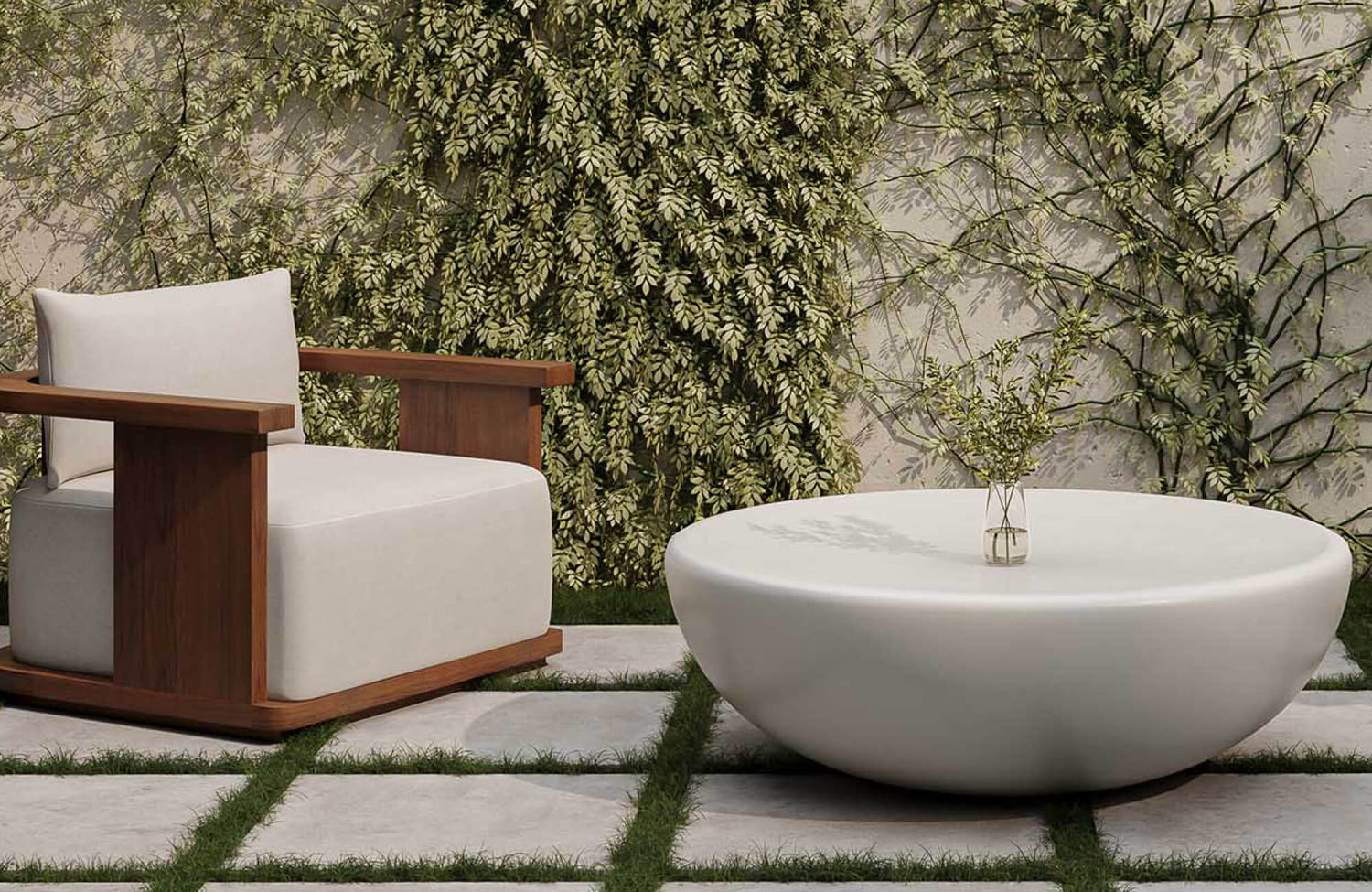
Contemporary outdoor lounge collections often include sectional seating, chaise lounges, oversized armchairs, and layered textiles that create a sense of warmth and visual softness against architectural surroundings. The arrangement of furniture also contributes significantly to the experience of the space, as conversational layouts naturally encourage interaction while preserving openness within the garden. Features such as pergolas, ambient lighting, and fire elements are frequently incorporated alongside lounge seating to strengthen the atmosphere and create a more immersive outdoor setting. When these elements are integrated carefully, the lounge area begins to feel calm, cohesive, and effortlessly connected to the overall landscape design.
Multi-Functional Outdoor Spaces
Modern outdoor environments are increasingly expected to accommodate several activities within a single area, particularly in homes where outdoor square footage must be used efficiently without sacrificing visual clarity. A terrace, for instance, may function as a workspace during the day, transition into a dining area in the evening, and later become a setting for entertaining guests, requiring furniture that can adapt naturally to changing needs and occasions. This growing emphasis on versatility has made modular furniture systems especially valuable in contemporary outdoor design.
Modular furniture also allows layouts to evolve fluidly because seating units, tables, and storage components can be rearranged without disrupting the overall aesthetic of the space. This flexibility creates a stronger sense of practicality while making outdoor areas feel more open and organized. Stackable chairs, movable side tables, and sectional configurations are particularly useful in compact patios and urban gardens where every element must contribute to both comfort and efficiency. By incorporating adaptable furniture thoughtfully, you can create outdoor spaces that remain functional and visually balanced even as lifestyle needs change over time.

The Kendra Outdoor Dining Chairs in Natural, Set of 2 feature handwoven brown rope seating and a solid teak frame, beautifully paired with the Selena 55" Outdoor Dining Table in Cream for a warm and sophisticated outdoor dining space.
Evaluating Outdoor Furniture Materials
Outdoor furniture materials determine not only the visual character of a space but also how well the furniture performs over time under continuous environmental exposure. Factors such as texture, structural stability, maintenance requirements, and climate compatibility all influence the long-term quality and appearance of outdoor furnishings. Selecting the right materials ensures the outdoor space remains visually refined, practical, and enduring through changing seasons.
Teak Wood and Natural Hardwood Performance
Teak has remained one of the most sought-after materials in outdoor furniture design because of its dense grain structure, rich natural oils, and timeless visual character. Its naturally occurring protective properties help minimize moisture absorption and surface instability, allowing the wood to perform exceptionally well in outdoor environments over long periods of time. Unlike softer hardwoods that may deteriorate under prolonged exposure, teak develops a graceful silver-gray patina that many designers intentionally embrace for its understated elegance.
Beyond durability, teak also contributes warmth and texture to outdoor environments in a way that few other materials can replicate. Its organic appearance softens contemporary architectural lines while complementing natural landscape elements such as stone, greenery, and textured paving surfaces. Pieces like the Kendra Outdoor Dining Chairs in Natural, Set of 2, reflect these qualities beautifully, as their natural teak construction introduces an inviting warmth that feels both refined and effortlessly relaxed within outdoor dining spaces. The subtle wood grain and clean silhouette also help create a balanced contrast against modern materials, allowing outdoor settings to feel more layered and visually grounded.
Premium teak furniture is often kiln-dried before production to improve structural stability and reduce the likelihood of expansion or cracking caused by seasonal changes. Combined with skilled craftsmanship and refined joinery techniques, teak furniture continues to represent one of the most enduring investments in luxury outdoor living.
Aluminum and Lightweight Metal Construction
Aluminum furniture is widely appreciated for its clean architectural appearance and practical versatility, particularly in modern outdoor spaces where flexibility and visual simplicity are highly valued. Because aluminum is lightweight, furniture pieces can be repositioned easily, making them ideal for patios and terraces that frequently change according to gatherings, entertaining needs, or seasonal arrangements. This adaptability allows outdoor layouts to feel dynamic without becoming visually cluttered.
In addition to its lightweight structure, aluminum also offers excellent resistance against corrosion, which makes it especially suitable for humid and coastal environments. Powder-coated finishes further improve durability by protecting the surface against fading, scratches, and environmental wear while creating a smooth and refined appearance. The streamlined silhouette commonly associated with aluminum furniture also works particularly well in minimalist landscape designs, where clean lines and restrained forms contribute to a more sophisticated outdoor aesthetic. As a result, aluminum remains one of the most versatile materials in contemporary outdoor furniture design.
Synthetic Rattan and Engineered Wicker Systems
Synthetic rattan introduces texture and softness into outdoor spaces while offering greater resilience than traditional natural wicker materials. Manufactured using engineered polymers designed for exterior use, synthetic rattan maintains its flexibility and visual consistency even in settings exposed to changing temperatures and sunlight. This also allows the furniture to preserve its woven appearance without becoming brittle or structurally unstable over time.
The visual appeal of synthetic rattan lies largely in its ability to create warmth and informality within outdoor settings, making it especially popular in resort-inspired gardens and relaxed lounge environments. Woven textures add depth and contrast against smooth architectural materials such as concrete, stone, and metal, helping outdoor spaces feel more layered and inviting. High-quality synthetic rattan furniture also relies on durable internal framing systems that improve stability while maintaining relatively lightweight handling characteristics. When paired with neutral outdoor textiles and soft landscaping, synthetic rattan contributes to outdoor spaces that feel comfortable, approachable, and visually balanced.
Steel Furniture and Structural Stability
Steel furniture offers a stronger and more grounded visual presence compared to lighter materials, making it particularly effective in larger outdoor environments where furniture must anchor the space architecturally. Its structural strength allows for slimmer yet highly supportive designs that maintain stability even in exposed or open-air settings. This creates opportunities for contemporary furniture silhouettes that feel refined without appearing fragile.
Stainless and galvanized steel are commonly used in outdoor furniture because they provide improved resistance against corrosion while preserving the material’s structural integrity over time. Steel also introduces a distinctly modern aesthetic that pairs naturally with concrete surfaces, large-format paving, and minimalist landscape architecture. Although steel furniture tends to feel more substantial visually and physically, this quality can enhance the overall sense of permanence and sophistication within an outdoor setting. When balanced with softer materials such as wood, upholstery, or greenery, steel furniture creates a striking contrast that strengthens the visual composition of the landscape.
Designing Outdoor Spaces That Endure
Choosing the right garden furniture is about creating an outdoor space that feels comfortable, visually balanced, and naturally connected to the way you live and entertain. By carefully considering material durability, ergonomic comfort, climate compatibility, and overall landscape aesthetics, homeowners can design outdoor environments that remain functional and elegant throughout every season. Well-selected outdoor furniture not only enhances the beauty of gardens, patios, and terraces, but also transforms them into inviting extensions of the home where relaxation and outdoor living come together effortlessly.
Edward Martin’s design services help homeowners curate sophisticated outdoor spaces with thoughtfully selected furniture, materials, and layouts tailored to their lifestyle and landscape. Contact us today to create a timeless outdoor living experience designed with comfort, durability, and refined elegance in mind!

The Elysia Mid Sofa features richly layered all-weather resin wicker and oversized cushioning, finished with Leona 24x24 Checkerboard Matte Porcelain Tile in Calacatta and Amani Grey for a sophisticated outdoor lounge setting.
Frequently Asked Questions (FAQs)
Choosing garden furniture often comes with practical questions about durability, maintenance, comfort, and long-term outdoor performance. These commonly asked questions help you better understand how to select outdoor furniture that complements both your lifestyle and the overall design of your outdoor living space.
What is powder coating in outdoor furniture?
Powder coating is a dry finishing process applied to metal outdoor furniture to improve surface durability and environmental resistance. The coating is electrostatically bonded to the frame and heat-cured, creating a protective layer that helps resist scratching, fading, oxidation, and corrosion in outdoor environments.
Why is quick-dry foam important for outdoor cushions?
Quick-dry foam uses an open-cell structure that allows water and airflow to pass through the cushion more efficiently, significantly reducing moisture retention after rain or humidity exposure. This technology helps minimize mildew growth, improves drying time, and maintains cushion performance in outdoor settings.
What does SVLK-certified teak mean?
SVLK certification verifies that teak wood has been legally harvested and sourced in accordance with sustainable forestry regulations. In outdoor furniture, SVLK-certified teak is valued not only for its environmental responsibility but also for its consistent material quality and structural reliability.
How does tensile strength affect outdoor furniture durability?
Tensile strength refers to a material’s ability to resist breaking or deforming under tension or stress. In outdoor furniture, higher tensile strength improves frame stability, structural integrity, and long-term performance, particularly in frequently used seating and dining pieces.
What are UV stabilizers in outdoor furniture materials?
UV stabilizers are chemical additives integrated into outdoor fabrics, synthetic wicker, and polymer-based materials to reduce damage caused by prolonged ultraviolet exposure. These stabilizers help preserve color consistency, prevent brittleness, and extend the lifespan of outdoor furniture used in direct sunlight.