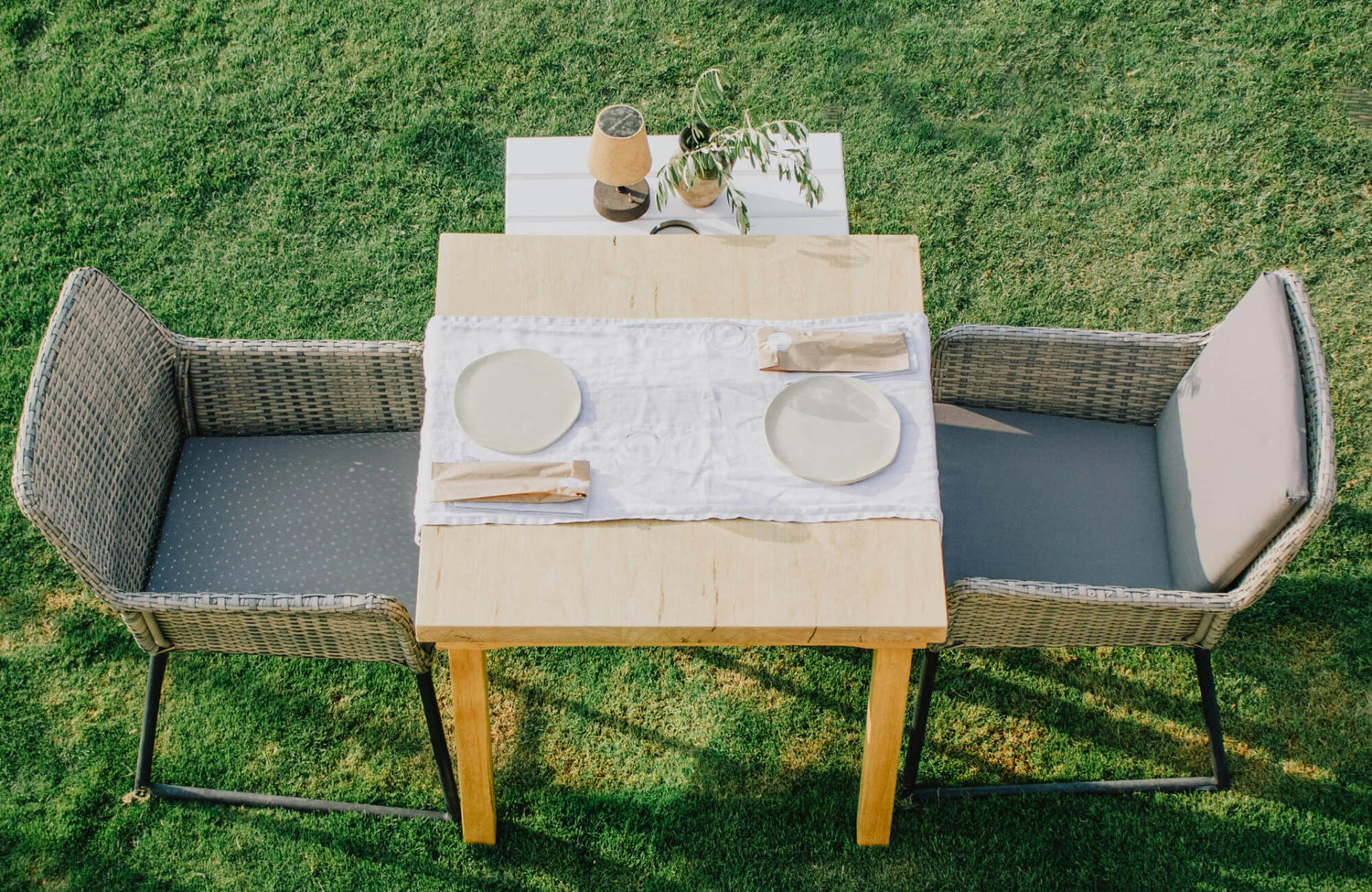
Outdoor dining chairs take on far more than most people realize, quietly absorbing sun, moisture, temperature swings, and daily use every time the space is enjoyed. Because of that constant exposure, material choice plays a much bigger role than appearance alone. In this blog, we’ll break down how outdoor conditions affect performance, how different materials respond over time, and how chair design influences everyday durability, so your seating choices support real outdoor living rather than just looking good on day one.

Why Material Choice Matters for Outdoor Dining Chairs
Outdoor dining chairs are exposed to far more stress than indoor seating, which makes material choice one of the most important decisions you’ll make. Sun exposure, moisture, temperature shifts, and daily use all affect how chairs perform and age over time.
How Outdoor Conditions Affect Chair Longevity
Outdoor conditions place constant pressure on dining chairs, even when they’re used casually. Sun exposure can gradually weaken surfaces and cause fading, while moisture introduces the risk of warping, swelling, or surface breakdown. Temperature changes also matter, since repeated heating and cooling can stress materials over time. Daily use adds another layer of wear, especially in chairs that are moved often or used for longer gatherings. When these factors combine, even well-designed chairs can deteriorate faster than expected. That’s why understanding how outdoor environments impact longevity is essential before focusing on looks.
Durability vs Comfort in Outdoor Seating
Durability and comfort need to work together, especially in outdoor dining settings where chairs are used for extended periods. A chair that holds up well but feels stiff or awkward can make outdoor meals less enjoyable. At the same time, seating that feels comfortable at first may lose its support if the material isn’t built to handle outdoor exposure. Over time, this imbalance becomes noticeable through sagging, instability, or uneven wear. Comfort also affects how often chairs are actually used, not just how they look in the space. Because outdoor dining is meant to feel relaxed, both durability and comfort should be considered from the start.
Why Weather Resistance Matters More Than Appearance Alone
While appearance often drives initial interest, weather resistance plays a much bigger role in how outdoor dining chairs perform long-term. Chairs that look great at first can quickly lose their appeal if they don’t handle outdoor conditions well. Exposure to rain, humidity, and sun can change how surfaces feel and function, not just how they look. Over time, this can lead to discomfort, reduced stability, or the need for early replacement. Prioritizing weather resistance helps ensure chairs remain usable and comfortable season after season. When performance holds up, appearance tends to follow naturally rather than becoming a constant concern.

Common Weather-Resistant Materials Used in Outdoor Dining Chairs
Outdoor dining chairs are made from a range of materials designed to handle exposure better than indoor furniture. Each option performs differently once it’s placed outside, especially when it comes to durability, comfort over time, and how it visually holds up. Below, we’ll walk through the most common materials used for outdoor dining chairs and look at their general strengths and limitations in everyday settings.
Metal Options Like Aluminum and Steel
Metal remains a popular choice for outdoor dining chairs thanks to its strength and dependable structure. Aluminum stands out for being lightweight and easy to move, while still holding its shape well through regular use. Steel, in comparison, tends to feel more substantial, which can add a sense of stability, though it also brings a bit more weight. Both materials generally perform well outdoors, although they can transfer heat or cold more noticeably depending on the weather. Over time, surface finishes influence how the chair looks and feels, even when the frame itself stays solid. Overall, metal chairs are valued for reliability, with comfort largely shaped by the chair’s design rather than the material alone.
Wood Materials Designed for Outdoor Use
Wood offers a natural warmth that many people find appealing in outdoor dining spaces. When selected specifically for outdoor use, these woods are better equipped to handle exposure than standard indoor varieties. Even so, wood naturally reacts to its environment, which can lead to gradual changes in color or texture as time passes. These shifts are often visual rather than structural, giving the chairs a more lived-in character. From a comfort standpoint, wood typically feels sturdy and supportive, though slightly firmer than some other materials. Its lasting appeal comes from blending visual warmth with dependable long-term performance.
Synthetic Materials Such as Resin and Polypropylene
Synthetic materials like resin and polypropylene are designed to perform consistently in outdoor settings. They handle moisture well and tend to maintain a uniform appearance even with regular exposure. Another advantage is their lighter weight, which makes it easier to move or rearrange seating as needed. Comfort can vary depending on the chair’s shape and construction, rather than the material itself. While synthetics may feel simpler compared to natural options, they often make up for it with dependable, low-effort performance. For everyday outdoor dining, this reliability is what makes them a practical and easygoing choice.
Wicker and Woven Styles Made for Outdoor Conditions
Wicker and woven outdoor chairs bring texture and visual softness to dining spaces while still being built for outdoor exposure. Unlike traditional indoor wicker, outdoor versions use materials designed to better handle moisture, sun, and changing conditions. This helps the chairs keep their shape and structure even with regular use. One of their biggest strengths is comfort, especially when the weave offers a bit of natural flexibility. Over time, woven surfaces tend to show wear in a more gradual, forgiving way compared to solid materials. Because of this balance, these styles are often chosen for combining visual interest with comfortable, everyday usability outdoors.
A good example of this approach is our Leticia Indoor / Outdoor Dining Chair in Cream above, which blends woven texture with materials built for outdoor use. Its polyethylene rattan wicker offers visual softness and flexibility, while the powder-coated aluminum frame provides reliable structure in changing weather. The upholstered seat adds comfort without sacrificing durability, making it suitable for longer outdoor gatherings. This kind of combination shows how woven designs can feel refined and inviting while still standing up well to everyday outdoor conditions.

How Climate and Exposure Influence Material Performance
Outdoor dining chairs don’t just respond to how often they’re used; they’re constantly shaped by the environment around them. Sun exposure, moisture, air quality, and temperature shifts all play a role in how materials age and perform over time. Rather than thinking about durability in abstract terms, it helps to look at how real outdoor conditions influence everyday comfort and longevity.
Materials That Handle Sun and Heat Best
Strong sunlight and heat can gradually change how outdoor chair materials look, feel, and perform. Extended exposure often leads to fading, surface drying, or subtle stiffness, especially in areas with little shade. Some materials maintain their color and structure more evenly, while others begin to show visible wear sooner, even if they remain structurally sound. Heat also affects comfort, as certain surfaces warm up quickly and can feel uncomfortable during peak daytime hours. Over time, these shifts influence how inviting the chairs feel during regular use. Thinking about sun and heat together helps set realistic expectations for both appearance and comfort long-term.
Choosing Chairs for Rain, Humidity, and Coastal Areas
Moisture-heavy environments introduce a different set of challenges for outdoor dining chairs. Frequent rain or high humidity can cause materials to swell, soften, or wear unevenly if they aren’t suited to ongoing exposure. In coastal areas, salt in the air adds another layer of stress that can quietly accelerate surface breakdown over time. Even when chairs look fine initially, consistent dampness can change how they feel and function day to day. Airflow, drainage, and how quickly materials dry all play a role in long-term comfort and usability. Matching chair materials to moisture conditions helps prevent premature wear and keeps seating feeling dependable longer.
Cold Weather Considerations for Outdoor Seating
Cold temperatures tend to affect outdoor seating in quieter, long-term ways rather than all at once. Repeated shifts between cold days and milder weather can cause materials to expand and contract, which may gradually impact joints, connections, or surface finishes. Some materials stay stable through these changes, while others begin to feel less forgiving after prolonged exposure. Comfort can also shift in cooler conditions, as certain surfaces feel firmer or less welcoming when temperatures drop. In areas with winter seasons, how chairs are stored or left exposed becomes just as important as the material itself. Thinking through cold-weather behavior helps ensure seating remains usable beyond the warmer months.
Mixed-Climate Spaces and Seasonal Use
Many outdoor dining spaces don’t deal with just one type of weather, but a rotation of changing conditions throughout the year. Sun, rain, humidity, and cooler temperatures often cycle in and out, sometimes in quick succession. In these environments, materials need to adapt without reacting too aggressively to constant change. Seasonal use patterns matter as well, since chairs may sit unused for periods before returning to daily use. Materials that handle these transitions smoothly tend to feel more dependable over time. Taking a mixed-climate perspective helps outdoor dining chairs remain comfortable and functional across real, everyday conditions rather than ideal ones.
A good example of this adaptable approach is our Kendra Outdoor Dining Chair in Natural, shown above, which is designed to perform well across changing conditions. Its handwoven all-weather rope allows airflow and dries quickly after rain, while the solid teak frame naturally resists moisture, pests, and temperature shifts. Over time, the teak develops a soft silver-gray patina that adds character rather than showing wear. This makes it especially suited for outdoor spaces that transition between sun, humidity, and cooler seasons without requiring constant upkeep.

Armchairs vs Armless Chairs in Outdoor Dining Sets
Armchairs and armless chairs may seem similar at first glance, yet their construction plays a noticeable role in how they hold up outdoors over time. Added components, weight distribution, and everyday use all shape durability and comfort in different ways. Below, we’ll compare both options from a practical perspective, with long-term usability in mind.
Structural Differences That Affect Durability
One of the biggest structural differences between armchairs and armless chairs is the number of connection points involved. Armchairs introduce additional joints where the arms meet the seat and back, which naturally creates more areas exposed to movement and stress. Over time, those points absorb repeated pressure from leaning, shifting, and resting weight during everyday use. Armless chairs, on the other hand, rely on a simpler frame that channels weight more directly through the seat and legs. With fewer components involved, there are often fewer opportunities for loosening or uneven wear. This doesn’t make one option universally better, but it does influence how durability shows up over years of outdoor use.
How Armchairs Hold Up Over Time Outdoors
Armchairs tend to experience a wider range of use since people naturally rely on the arms when sitting down, standing up, or settling in at the table. That repeated interaction can slowly affect joints, especially in outdoor settings where materials are already responding to sun, moisture, and temperature shifts. Arms may also be more exposed to direct sunlight or rain, depending on placement, which can contribute to visible aging over time. At the same time, armchairs often feel more comfortable for longer meals or gatherings, so they may be used more frequently. That higher level of use can make wear more noticeable, even if the chair remains structurally sound. In the long run, how armchairs perform depends on how well their construction manages both daily interaction and environmental exposure.
Durability Benefits of Armless Dining Chairs
Armless dining chairs often benefit from a simpler, more straightforward structure. Without arms, there are fewer joints and fewer surfaces exposed to constant pressure from daily movement, as highlighted earlier. This simplicity often leads to more consistent performance outdoors, particularly in spaces where chairs are frequently moved, rearranged, or stacked. Armless chairs are also easier to lift and reposition, which helps reduce strain on the frame during everyday handling. Since they tend to be lighter, they’re less likely to experience stress from dragging or shifting across outdoor surfaces. Over time, this cleaner design can help chairs maintain stability with less visible wear.
With its streamlined profile, our Clark Outdoor Dining Chair in Louis Cream above highlights the durability advantages of armless seating in outdoor dining sets. The absence of arms keeps the structure simple, reducing stress points that can loosen over time with frequent movement. Its cushioned seat and supportive backrest still provide comfort for longer gatherings, without adding unnecessary weight or bulk. This balance makes armless chairs especially reliable in outdoor spaces where chairs are often shifted, pulled in and out, or used daily.
Mixing Armchairs and Armless Chairs in One Set
Many outdoor dining areas mix armchairs and armless chairs to strike a balance between comfort and long-term practicality. Armchairs are often placed at the ends of the table, where they’re used less frequently but provide added support when needed. Armless chairs usually fill the remaining seats, taking on most of the daily use around the table. This setup helps spread wear more evenly across the set instead of concentrating it in one chair type. It also allows armchairs to serve a more relaxed, supportive role without carrying constant stress. Over time, this balanced approach helps the entire dining set stay comfortable, functional, and visually cohesive.

Finishes, Fabrics, and Details That Improve Weather Resistance
Beyond the core material, finishes, fabrics, and small construction details play a bigger role in longevity than many people expect. These elements quietly protect outdoor dining chairs from daily exposure while also shaping how comfortable they feel during regular use. In this section, we’ll take a closer look at how these details extend lifespan without getting overly technical.
Protective Finishes and Powder Coatings
Protective finishes and powder coatings serve as the first layer of defense against outdoor conditions. They help shield chair surfaces from moisture, prolonged sun exposure, and gradual surface wear that builds up with everyday use. When applied well, these coatings can slow fading, reduce corrosion, and help materials age more evenly through seasonal changes. They also play a role in maintaining a consistent appearance, even as chairs are exposed to shifting weather. From a comfort standpoint, smoother, well-sealed surfaces tend to feel better to the touch, especially in warmer conditions. Over time, these finishes quietly support both durability and day-to-day usability.
Outdoor Fabrics and Cushion Materials That Last
Outdoor fabrics and cushion materials are designed to handle frequent exposure without losing their comfort or structure. They’re typically made to resist moisture absorption, fading, and mildew, which helps seating stay usable after rain or periods of humidity. Because these materials dry more quickly, chairs are less likely to feel damp or uninviting during regular use. Well-constructed cushions also retain their shape longer, supporting comfort rather than flattening out over time. While fabrics don’t carry the chair’s weight, they strongly influence how often the seating is actually used. Durable fabrics help chairs remain welcoming instead of turning into a maintenance concern.
How Fasteners and Joints Handle Weather Exposure
Fasteners and joints may be small details, but they often determine how well an outdoor chair holds up over time. Shifts in temperature and moisture cause materials to expand and contract, which puts repeated stress on connection points. When joints are designed to accommodate that movement, chairs tend to stay stable and secure longer. Poorly protected fasteners, however, can gradually loosen as exposure adds up. This usually shows up as wobbling or reduced support during everyday use. Strong, well-designed joints help preserve both comfort and safety without the need for frequent tightening or adjustments.
Maintenance Expectations Based on Material Choice
Maintenance expectations often depend on how finishes, fabrics, and construction details are meant to perform outdoors. Some chairs are designed to handle exposure quietly, relying on protective layers that reduce visible wear and upkeep. Others may show signs of aging sooner, even when the overall structure remains sound. Knowing this ahead of time helps set realistic expectations and avoids surprises later on. Chairs that age evenly tend to feel easier to live with during regular use. When durability-focused details are built in, maintenance becomes more occasional and manageable rather than a constant concern.

Choosing Outdoor Dining Chairs That Last Day to Day
Choosing outdoor dining chairs that truly last is less about first impressions and more about how well they support everyday use. How often the space is used, how people move through it, and how comfortable the seating feels over time all shape what works long term. Below, we’ll pull everything together and focus on choices that feel practical, supportive, and easy to live with as time goes on.
Matching Chair Materials to How the Space Is Used
The way an outdoor dining area is used on a daily basis should guide material choices more than trends or styling alone. Spaces that host frequent meals, gatherings, or longer seating periods naturally place more stress on chairs over time. In these settings, materials need to handle regular movement, shifting weight, and ongoing exposure without losing stability. More occasional-use areas may allow for a bit more flexibility, though durability still plays a role. It also helps to consider how often chairs are moved, stacked, or rearranged throughout the season. When materials align with real usage patterns, chairs tend to remain comfortable and dependable for longer.
Balancing Durability With Visual Comfort
Durability and visual comfort work best when they complement each other rather than pull in opposite directions. A chair may be structurally strong, yet still feel visually heavy or out of place in a smaller or more open layout. On the other hand, lighter-looking designs can feel airy and inviting, as long as they’re built to handle regular use. The goal is to find a balance where chairs feel supportive without overwhelming the space. This balance helps the dining area feel welcoming instead of overly utilitarian. When seating looks and feels right, it naturally becomes part of everyday outdoor living rather than something used only when necessary.
That same balance of durability, comfort, and thoughtful design carries through our indoor dining chair collections as well. You’ll find a wide range of finishes, materials, and styles designed to support everyday use while fitting naturally into different interiors. It’s an easy way to bring the same long-lasting performance and visual ease into dining spaces beyond the outdoors.
Planning for Long-Term Use and Easy Care
Looking beyond the first season can make a big difference in how enjoyable outdoor dining chairs feel over time. Chairs that demand frequent upkeep often become less appealing, even when they start out looking great. Options that age evenly and tolerate everyday exposure tend to feel more dependable as months and years pass. This doesn’t mean maintenance disappears entirely, but it becomes simpler and more predictable. That ease of care encourages regular use rather than hesitation. Planning with longevity in mind helps the space feel settled, comfortable, and easy to live with.
When to Prioritize Armchairs, Armless Chairs, or Both
Deciding between armchairs, armless chairs, or a combination usually comes down to how the dining area is used day to day. Armchairs add comfort and a sense of structure, especially at the ends of the table or in areas meant for longer meals. Armless chairs bring flexibility, making them easier to move, slide under the table, or fit into tighter layouts. Using both styles together often creates the best balance, offering comfort where it matters most while keeping the setup adaptable. This mix supports everyday usability without locking the space into a single, rigid arrangement.
Creating an Outdoor Dining Setup Built for Real Life
Choosing durable, weather-resistant materials for outdoor dining chairs is ultimately about how the space performs over time, not just how it looks on day one. When materials, construction details, and chair styles work together, outdoor seating feels more comfortable, reliable, and easier to enjoy season after season. Thinking through climate exposure, daily use, and long-term wear helps prevent frustration and early replacement. With the right approach, outdoor dining chairs can feel like a natural extension of everyday living rather than a constant upkeep project.
If you’re unsure how to balance durability, comfort, and layout in your outdoor space, a thoughtful second perspective can help. Our design consultation is built to guide you through material choices, chair styles, and usage needs based on how you actually live outdoors. We help connect the details so your dining area feels intentional, functional, and comfortable long-term. With a clear plan in place, choosing outdoor seating becomes simpler and far more confident.