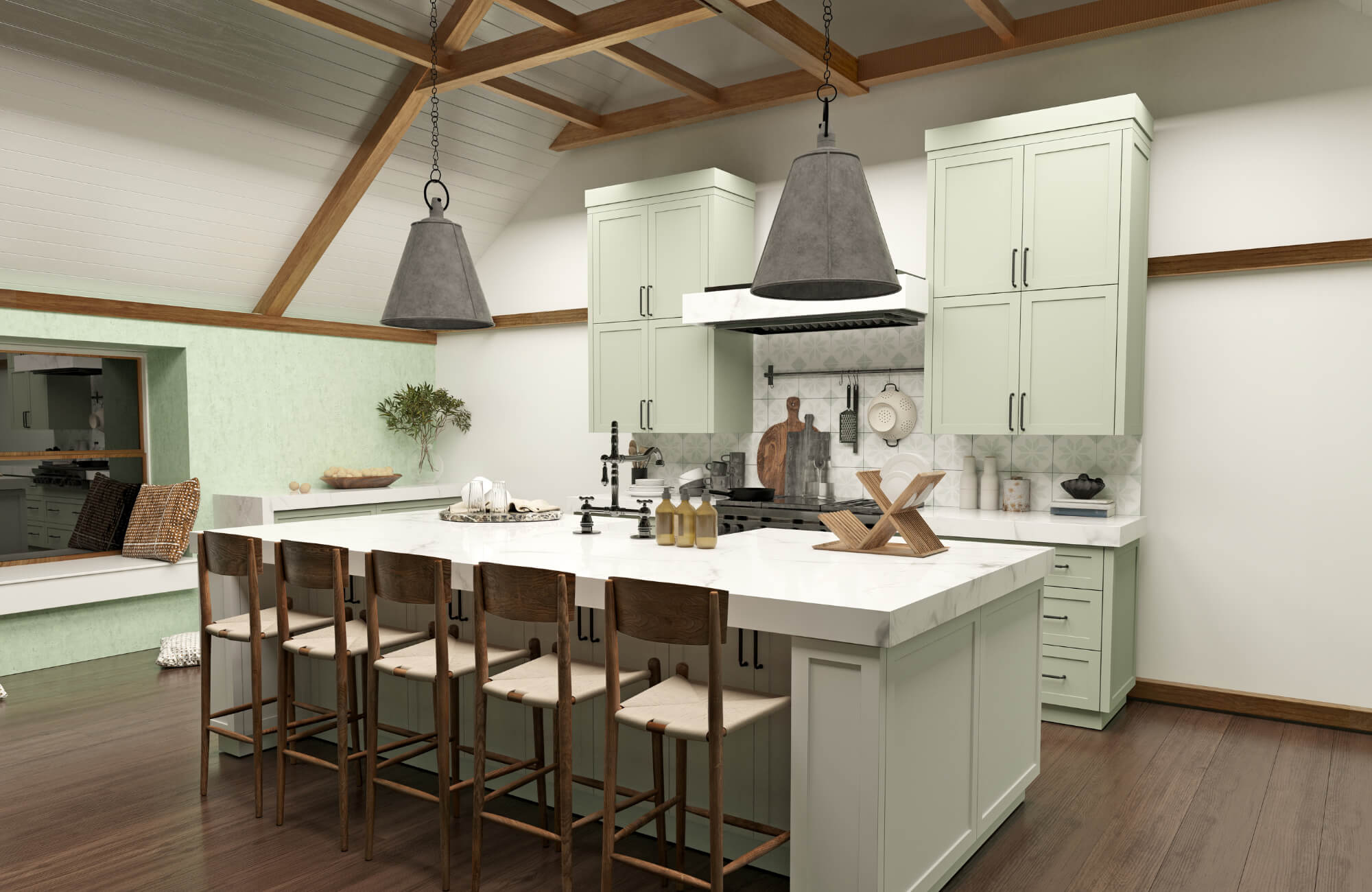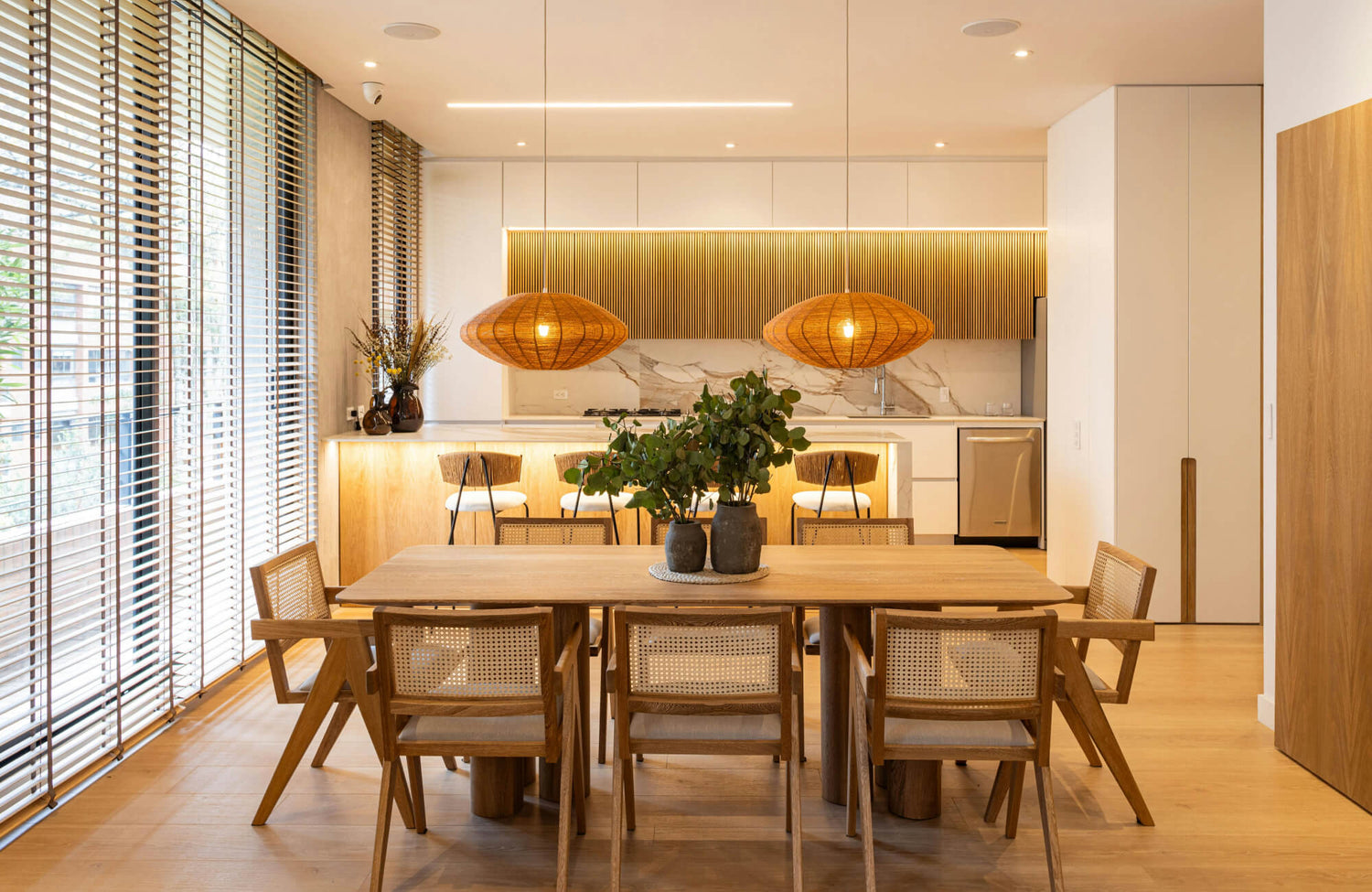
A well-chosen dining room light fixture does more than brighten the space. It also guides the mood of the room, supports the way you use the area, and contributes to a balanced, cohesive atmosphere. When the lighting is chosen thoughtfully, it also enhances everyday meals and gives the room a clear sense of purpose. In this article, we’ll walk you through six practical considerations to help you choose a fixture confidently and with complete clarity.

The Role Of Dining Room Lighting
Dining room lighting shapes your experience of the space each day. Before diving into fixture styles or materials, it helps to understand what you want the lighting to achieve. When your needs are clear, the decisions that follow become more focused, practical, and reassuring rather than overwhelming.
Define The Room’s Purpose
Every dining room serves people differently, so the lighting should reflect how you actually use the space. For example, if you often host dinners, you may want a fixture that creates a welcoming glow and encourages conversation. On the other hand, if the room also functions as a homework spot or workspace, a more balanced level of brightness can help it adapt.
To make this easier, start by listing the activities you do in the dining area. Once those needs are visible, it becomes clearer which type of illumination will support them. A family that uses the table for evening tasks may look for steady, low-glare lighting, while someone who mainly entertains might lean toward a warm, relaxed atmosphere. By recognizing your daily routines, you can narrow the path toward the most suitable lighting choice.
Clarify The Atmosphere You Want
Once you understand how you use the space, the next step is to consider the atmosphere you want to create. The fixture plays a significant role in determining whether your dining room feels intimate, bright, energetic, or calm. For instance, if you prefer a cozy setting, a fixture that diffuses light gently can encourage lingering conversations. Alternatively, if you envision a more open and lively environment, a design that spreads light broadly may be a better fit. To refine your direction even further, it can help to gather images, fabrics, and colors that capture the mood you’re aiming for. As you review these references, it becomes easier to see how various lighting qualities influence the room’s overall mood.
Identify Focal Points
Every dining room has features that naturally draw the eye, whether it’s the table, an architectural detail, or a piece of art. Your lighting should highlight these elements rather than compete with them. For instance, if the table is the focal point, a well-proportioned fixture centered above it adds emphasis without overwhelming the space. If artwork plays a major role, you may prefer a fixture that supports its colors or forms without distracting from it. Ultimately, the goal is to determine what you want people to notice first. Once those focal points are clear, it becomes easier to choose a fixture that enhances them with subtlety and intention.

Evaluating Fixture Shapes And Proportions
The form of a light fixture has a strong influence on how it relates to the rest of the room. Once you’re clear on your goals and focal points, the next step is choosing a shape and scale that feels balanced within the space. The right proportions can create harmony, while the wrong ones can interrupt the room’s comfort and flow.
Match Fixture Shape To Table Style
Since the dining table is usually the main feature of the room, the fixture above it should complement its shape. For example, a round table often works well with a circular chandelier or globe-style pendant, creating a sense of unity. In the photo displayed above, Edward Martin's Lumira 18" LED Pendant in Vintage Brass/Glossy Opal pairs beautifully with the Anastasia 59" Dining Table in Taupe, illustrating how a round fixture can echo the table’s silhouette and strengthen the overall harmony of the space.
Similarly, oval or rectangular dining tables naturally suit linear fixtures that spread light evenly along their length. If you have a live-edge or irregular table, a long bar pendant, or a thoughtfully spaced series of smaller pendants can also provide structure and balance. When the fixture mirrors or complements the table’s form, the entire area feels more cohesive, and the light reaches everyone seated at the table comfortably.
Assess Overall Room Proportions
The size of your fixture should complement the proportions of the dining room. A small pendant in a large space can appear insignificant, while an oversized chandelier may feel overwhelming in a compact area. Ceiling height also plays an important role. Higher ceilings can support taller or more sculptural fixtures, whereas lower ceilings benefit from designs that feel refined without being intrusive.
A helpful starting point is to consider the table’s width. Many people choose a fixture that measures about half to two-thirds of the table’s width, which creates presence without overpowering the furniture. As you evaluate the room’s dimensions, remember to consider both horizontal and vertical space so the fixture feels well-scaled from every angle.
Use Visual Weight Strategically
A fixture’s visual weight refers to how substantial it appears rather than how much it physically weighs. Airy frames, open designs, and clear glass shades create a lighter look that helps the room feel more open. In contrast, sculptural forms, opaque shades, or layered detailing can create a more grounded presence.
When considering visual weight, think about what your space needs. A large dining area with high ceilings may benefit from a bold, statement-making fixture, while a smaller or more intimate room often feels more comfortable with a lighter silhouette. By selecting a form that aligns with the room’s tone, the fixture enhances the environment instead of drawing attention away from it.

Selecting The Right Materials And Finishes
Materials shape not only how a fixture looks but also how it holds up to daily use. By exploring different material options, you gain a clearer sense of what supports durability, adds character, and contributes to long-term appeal.
Choose Materials That Fit Your Space
Materials play a key role in expressing the style of your dining room. For instance, metal fixtures suit contemporary and transitional settings, especially when paired with clean lines or subtle detailing. Glass brings clarity and softness, blending easily with different styles while brightening the space. In contrast, natural fibers such as rattan or bamboo add an organic touch, which works well in casual or coastal dining rooms.
Mixed materials can also introduce depth when used thoughtfully. This idea is illustrated in the photo above, where Edward Martin’s McKay Chandelier in Burnished Brass hangs gracefully over the Dominic 95" Dining Table in Dark Mango, showing how warm metal finishes and rich wood tones can work together to create a layered, inviting look. As you consider your options, take note of what already exists in the room. If your dining area features prominent wood tones, a fixture with a contrasting metal can help create balance. Similarly, if you prefer a gentler look, frosted or lightly tinted glass can add color without overwhelming the decor.
Coordinate Finishes Without Overlapping
Coordinating finishes helps bring the dining room together, but too much uniformity can make the space feel flat. Instead of matching every metal, consider creating a small palette of two or three finishes that complement one another. For instance, a brass fixture can pair well with black hardware, while a nickel fixture might blend nicely with brushed steel accents. When mixing metals, think about balancing warm and cool tones to add depth. A helpful guideline is to repeat each finish at least once somewhere in the room so the choices look intentional. This approach adds visual interest while still maintaining a sense of harmony.
Consider Maintenance And Durability
Different materials require different maintenance, so it’s equally important to consider how much upkeep you are comfortable with. For example, polished metals can show smudges quickly, while textured finishes tend to conceal light wear. Glass shades collect dust but are straightforward to clean.
In contrast, natural fibers add warmth, but they may not withstand areas exposed to moisture or heat. With this in mind, consider how often the dining room is used. If it’s part of your daily routine, a material that resists fingerprints or wipes clean quickly may be more practical. Ultimately, the best choice is one that fits your lifestyle without requiring more upkeep than you’re comfortable managing.

Mastering Light Output And Layering
Beyond appearance, lighting performance has a significant impact on how comfortable the room feels each day. By understanding brightness, shade behavior, and the value of layered lighting, you can create an atmosphere that adapts smoothly from morning to evening.
Choose The Appropriate Brightness Level
Brightness is measured in lumens, and dining rooms usually benefit from lighting that provides clear visibility without feeling harsh. A helpful approach is to multiply the room’s square footage by a recommended lumen range, giving a clear starting point for how much light you may need. If your dining room is part of an open-plan layout, consider how nearby lighting contributes to the overall brightness. Choosing a fixture with dimming capabilities also adds versatility, allowing you to adjust the light to suit the moment, whether you’re enjoying a quiet dinner or hosting a lively gathering.
Evaluate Shade Style And Light Behavior
Shades play an equally important role in shaping how light moves through the room. For instance, fabric shades soften brightness and reduce glare, creating a comfortable setting for both formal and relaxed dining. Glass shades vary based on their transparency; clear glass spreads light widely and brightens the room efficiently, while frosted glass diffuses light for a gentler glow.
In contrast, metal shades direct light downward, which is useful when you want focused illumination above the table. Exposed bulbs also offer a bold look, though they often benefit from dimmers to maintain comfort. As you compare shade styles, think about whether you want the light to feel diffused, concentrated, or open.
Integrate Additional Layers
Relying on a single fixture can leave the room feeling one-dimensional, so adding layers of light helps create depth and flexibility. For example, wall sconces introduce gentle accent lighting, while recessed lights provide general illumination that supports the main fixture. Table lamps or floor lamps can also bring warmth to nearby areas, especially in open layouts. As you build these layers, aim for balance so each light source complements the others rather than competes with them. When you plan these elements, the room becomes far more adaptable to different activities and times of day.

Planning, Placement, and Installation Height
Placement plays a major role in how well the fixture supports the dining room as a whole. With thoughtful positioning, the light feels like a natural part of the space rather than something that pulls attention away from it.
Determine Optimal Hanging Height
A fixture hung too high can feel disconnected from the table, while one placed too low can obstruct views. As a reliable starting point, many people position the bottom of the fixture about 30 to 36 inches above the tabletop. This range can shift slightly depending on the table’s size and the height of the ceiling. For example, taller ceilings often benefit from raising the fixture a bit to maintain visual balance. Conversely, with lower ceilings, keeping it toward the higher end of the range helps prevent it from feeling intrusive. With these adjustments in place, the fixture remains comfortable from both seated and standing perspectives.
Center The Fixture With Purpose
Centering the fixture above the table is often the most natural choice because it visually anchors the space. However, if the dining table isn’t aligned with the room’s architecture, it usually makes more sense to center the fixture over the table rather than the room itself. In open layouts where different areas blend, placing the fixture directly above the dining zone also helps define the space.
A good example of this approach appears in the photo featured above, where Edward Martin’s Clement Chandelier in Aged Brass is positioned directly over the Rebecca 86" to 120" Dining Table in Greige, creating a clear focal point that grounds the entire setting. And if the junction box happens to be off-center, a ceiling canopy or pendant swivel can reposition the fixture without changing the wiring. These small adjustments can further help maintain a clean and cohesive look.
Plan For Multi-Pendant Or Linear Arrangements
Some dining rooms benefit from using multiple pendants or a linear fixture instead of a single central light. For example, longer tables often work well with a linear fixture that distributes light evenly from end to end. Multiple pendants can also create a pleasing sense of rhythm when they are spaced consistently. In either case, the spacing should support both visual balance and practical coverage. If you choose more than one fixture, consider how their shapes, sizes, and brightness levels work together so the arrangement feels unified. When planned thoughtfully, these configurations offer both style and well-balanced lighting.

Balancing Aesthetic Impact With Practical Needs
Balancing style and function ensures that the fixture you choose will serve you well over time. When you approach the selection process with both considerations in mind, the result feels more intentional, cohesive, and rewarding.
Prioritize Function Without Sacrificing Style
A beautiful fixture should still perform well. Before committing to a design, consider whether it provides the level of light you need and whether its scale fits comfortably above the table. It also helps to evaluate the shade or bulb style to ensure it minimizes glare. Once the functional details are covered, you can shift your attention to the aesthetic and determine whether it aligns with your vision. By prioritizing function first, you build a solid foundation for a fixture that both performs well and complements your space.
Evaluate Long-Term Versatility
Dining rooms often evolve as décor trends shift or as you update furniture, so choosing a fixture that adapts to change can help you avoid frequent replacements. Timeless shapes, such as simple globes, well-proportioned chandeliers, or clean linear designs, tend to work well with a variety of styles. If you enjoy experimenting with décor, consider a fixture with a flexible form that complements different looks. Choosing something versatile also helps ensure your lighting remains relevant and appealing for years to come.
Test Visual Harmony Before Committing
Previewing a fixture before installation helps you understand how it will look and feel in your space. Digital mockups can place the fixture in your dining room virtually, giving you a clearer sense of its scale. Painter’s tape on the wall or simple cardboard cutouts can also help you visualize the height and width. It’s useful to review these mockups during both daytime and evening lighting so you can see how the fixture performs throughout the day. This step reduces uncertainty and supports more confident decision-making.
Choosing The Right Dining Room Light Fixture
Selecting the right dining room light fixture becomes much clearer when you understand your space, your lighting needs, and the atmosphere you want to create. Every decision, from materials to placement, influences how the room looks and functions. When these elements work together, the fixture enhances the dining experience and supports the way you use the space each day.
If you’d like guidance tailored to your home, you’re welcome to contact us. Our design team can help you explore options, refine your ideas, and select a fixture that fits your space with confidence and clarity.