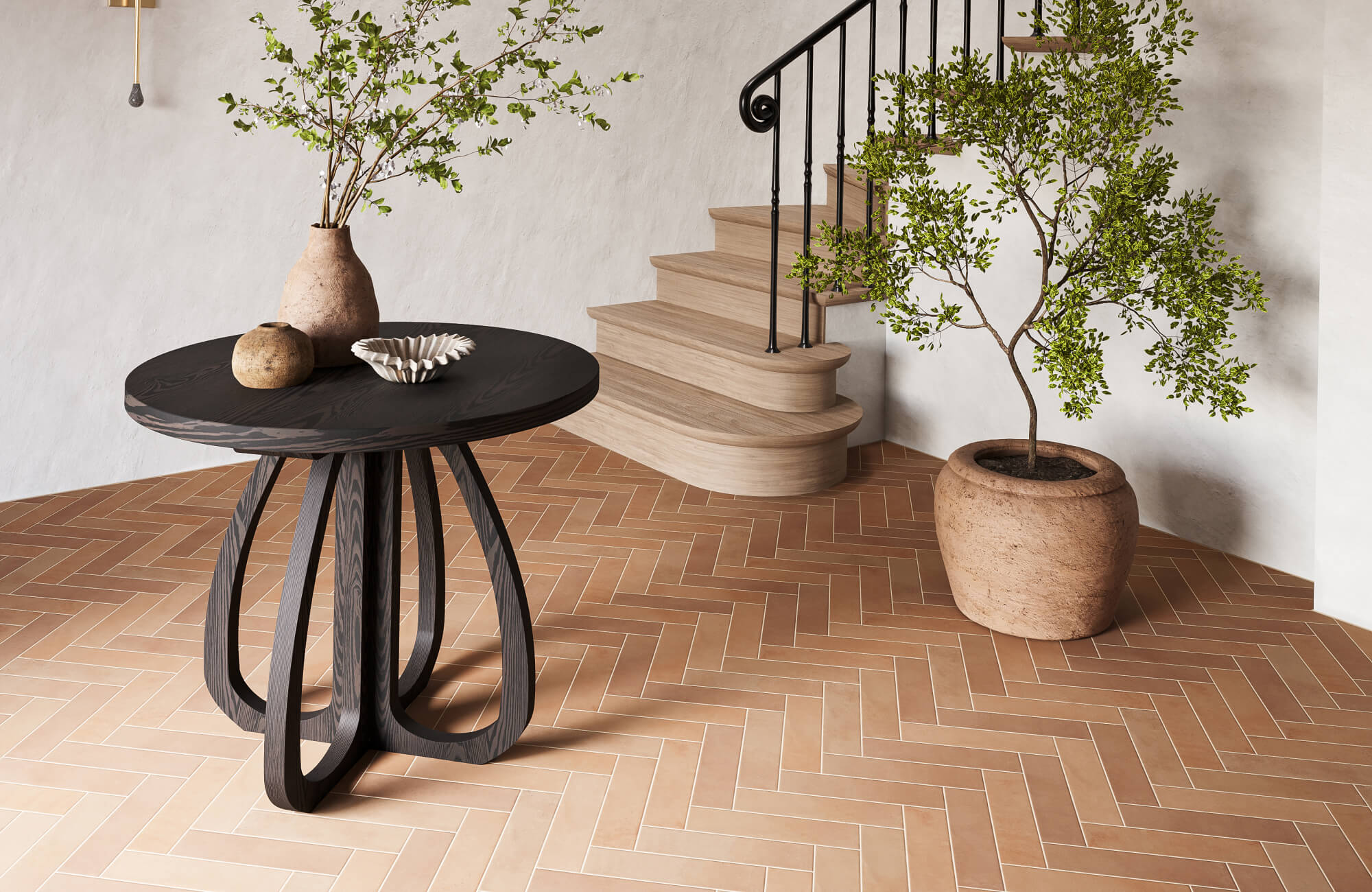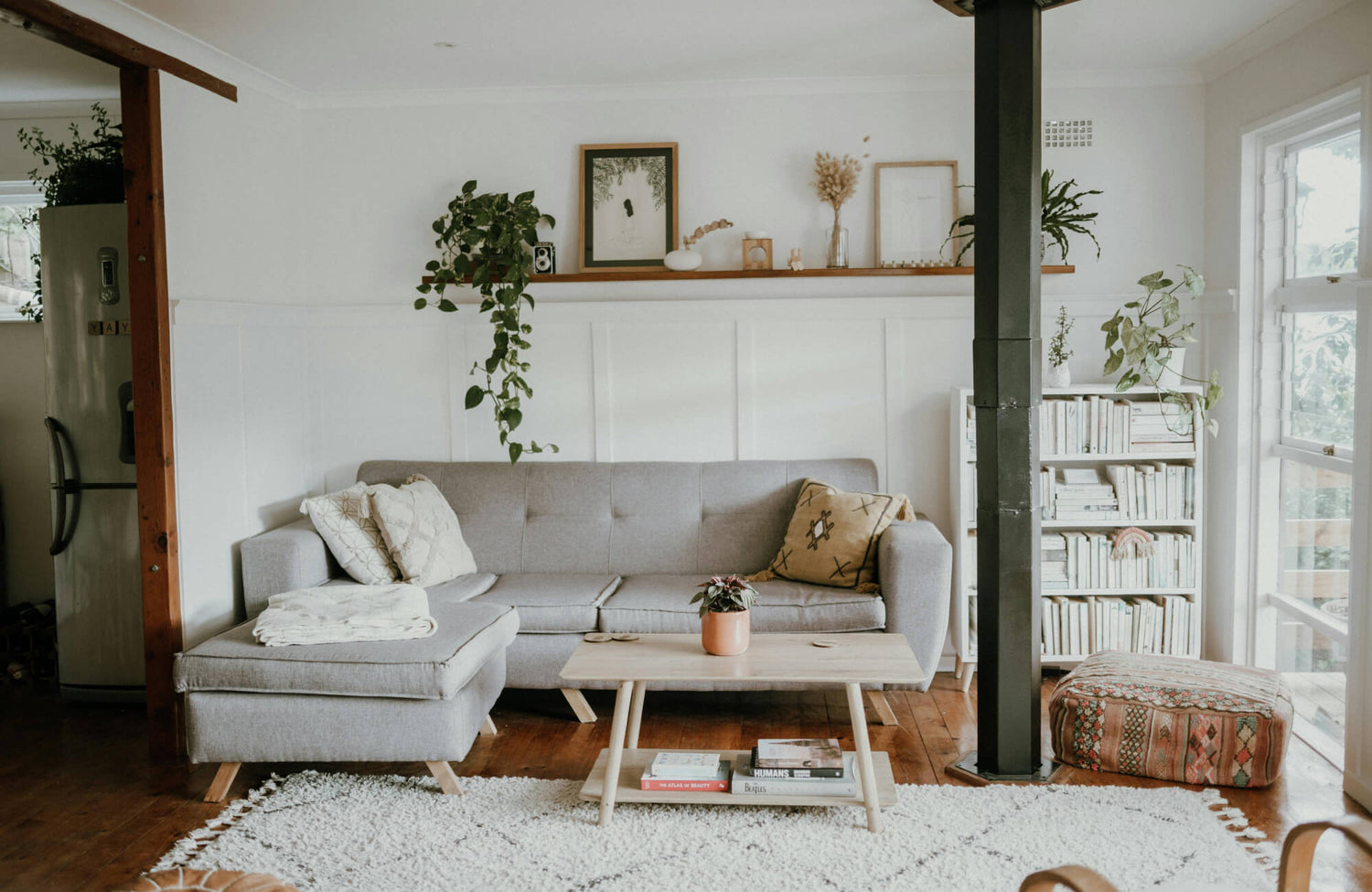
A Scandinavian living room isn’t about stripping everything back. It’s about creating a space that feels calm, warm, and genuinely easy to live in. Light, natural materials, and thoughtful simplicity all work together to shape interiors that feel comfortable without feeling bare. In this blog, we’ll look at how wood-look floor tile fits naturally into that approach, along with finishing touches that support it, and how they can be thoughtfully brought together to create a space that feels cohesive and lived in.

What Defines a Scandinavian Living Room Aesthetic
A Scandinavian living room is built around creating a space that feels calm, comfortable, and easy to live in. Rather than focusing on decoration, the style brings together light, simplicity, and warmth in a way that feels natural and unforced. Below, we’ll take a closer look at how these elements work together to shape a living room that feels welcoming rather than minimal for its own sake.
The Role of Light, Simplicity, and Comfort
Light plays a central role in Scandinavian living rooms, largely because these spaces are meant to feel open and comfortable for everyday living. When a room is bright and well-lit, it naturally feels calmer, which is also why simplicity becomes so important. Clean layouts allow light to move through the space without feeling blocked or interrupted. At the same time, comfort prevents the room from feeling too bare or rigid. Thoughtful spacing, soft seating, and practical furniture choices all support how the space is actually used day to day. Together, these elements create a living room that feels relaxed, welcoming, and easy to spend time in.
Why Neutral Palettes Feel Central to Scandinavian Spaces
Neutral palettes are a cornerstone of Scandinavian interiors because they help create a sense of balance and ease. Light, muted tones reflect natural light, which also helps the space feel more open and breathable. These colors form a quiet backdrop that lets other elements sit comfortably without competing for attention. For example, gentle shifts between warm and cool neutrals can add depth while still keeping the look calm. This approach makes it easier for the room to feel cohesive over time. Neutral palettes also allow the living room to evolve naturally as personal touches are added or changed.
How Natural Materials Shape the Overall Look
Natural materials play a key role in helping Scandinavian living rooms feel grounded and comfortable rather than overly styled. They bring in texture in a quiet, understated way, which keeps the space from feeling flat. Materials inspired by nature also help soften clean lines and simple forms. For instance, natural textures balance more structured furniture or open layouts without adding visual weight. This contrast adds warmth while still keeping the room uncluttered. Because of that, the overall look feels approachable and easy to live with.
Balancing Warmth and Minimalism Without Feeling Cold
Scandinavian design relies on restraint, but it’s warmth that keeps the space feeling human. Minimalism provides structure and clarity, while softer elements bring in comfort as well. Small details, such as layered textures or gentle shifts in tone, help soften the simplicity. This balance keeps the room from feeling stark or impersonal. Because warmth and minimalism work together, the living room feels intentional rather than sparse. It becomes a space that feels calm, comfortable, and genuinely inviting.

Why Wood-Look Floor Tile Works So Well in Scandinavian Spaces
Wood-look floor tile aligns naturally with Scandinavian design because it supports both warmth and practicality in a single surface. The style values materials that feel comfortable, understated, and easy to live with, and this type of flooring fits that mindset well. Below, we’ll explore what makes wood-look tile such a natural fit for Scandinavian living rooms, from tone and texture to how it supports everyday use.
Capturing the Warmth of Wood With Added Durability
Warmth is a defining feature of Scandinavian interiors, and wood-look porcelain tile helps bring that feeling into the living room without relying on delicate materials. Visually, it carries the familiar character of wood, which helps the space feel grounded and welcoming. At the same time, the durability of tile supports how the room is actually used day to day. This combination makes the space feel comfortable rather than overly styled. Because the floor can handle regular activity, there’s less pressure to treat the room carefully. That sense of ease plays a big role in how Scandinavian spaces feel lived in and relaxed.
Warmth plays a central role in Scandinavian interiors, and wood-look porcelain tile delivers that feeling without sacrificing practicality. As shown above, a floor like our Nora 8x48 Matte Porcelain Tile in Honey brings the familiar comfort of oak tones into the space while offering the durability needed for everyday living. The soft grain variation and long plank format keep the look grounded and natural rather than decorative. This balance allows the room to feel inviting and lived in, without the maintenance concerns that come with traditional wood flooring.
Light Wood Tones That Keep Living Rooms Feeling Open
Light wood tones are especially well-suited to Scandinavian living rooms because they help maintain an open, airy feel. These tones reflect natural light instead of absorbing it, which keeps the space feeling bright even in softer lighting conditions. They also work quietly in the background, allowing the room to feel spacious without relying on strong contrast. Because the color remains subtle, the floor doesn’t overpower the rest of the design. Instead, it supports the calm, balanced look the style is known for. This makes light wood tones a natural choice for living rooms meant to feel easy and uncluttered.
Subtle Grain Patterns That Feel Calm and Unforced
Grain pattern has a noticeable influence on how wood-look porcelain tile is experienced in a Scandinavian living room. Softer, more restrained grain tends to feel calmer and closer to nature, which fits naturally within the style. It adds enough texture to keep the floor from feeling flat, but not so much that it pulls attention away from the rest of the space. This sense of restraint helps the room feel cohesive rather than visually busy. For example, subtle grain allows furniture, textiles, and natural light to share focus more evenly. Because nothing is competing too strongly, the space feels settled and thoughtfully put together.
Why Matte and Low-Sheen Finishes Fit the Style Best
Matte and low-sheen finishes feel especially well-suited to Scandinavian interiors because they create a softer visual experience overall. By reducing glare and harsh reflections, these finishes help the room feel calmer and more comfortable. They also respond more gently to natural light, allowing surfaces to feel warm rather than overly polished. Since Scandinavian design tends to avoid anything too glossy or attention-grabbing, low-sheen finishes feel more in line with the aesthetic. They allow the floor to blend naturally into the space instead of standing out. This keeps the overall look relaxed, balanced, and easy to live with.
How Wood-Look Tile Supports Everyday Living
Everyday comfort sits at the heart of Scandinavian design, and wood-look porcelain tile supports that mindset in very practical ways. Because porcelain is non-porous, it doesn’t absorb moisture, spills, or everyday messes the way natural wood can. This makes the living room feel easier to maintain over time, especially in spaces that see regular use. The surface holds up well to daily movement, furniture shifts, and general wear without requiring special care. Because of that durability, the room feels more forgiving and less precious. It allows the space to be used naturally, which is essential in a style centered on real, everyday living.
That focus on ease becomes even more noticeable when you consider how traditional wood flooring typically performs in similar spaces. Natural wood is more sensitive to moisture, temperature changes, and surface wear, which can lead to ongoing maintenance concerns over time. These limitations often require a bit more caution in how the room is used. Wood-look porcelain tile offers the same visual warmth without those drawbacks, while still aligning with the style’s emphasis on natural materials. Because it combines the look of wood with the performance of porcelain, the living room can feel relaxed rather than high-maintenance. This balance makes it especially well-suited for Scandinavian spaces designed to be comfortable, durable, and easy to live in.

Choosing the Right Tile Finish and Layout for a Scandinavian Look
The finish and layout you choose play a big role in how a Scandinavian living room feels once everything comes together. Rather than aiming for visual impact, these decisions are more about restraint, balance, and allowing the space to feel calm and intentional. When finished and laid out together, the floor supports the room without calling attention to itself.
Matte vs Textured Finishes for a Soft, Natural Feel
Matte finishes are often associated with Scandinavian interiors because they create a surface that feels soft, natural, and easy on the eyes, as highlighted earlier. Instead of reflecting light sharply, they absorb it gently, which helps the room feel calm and visually settled. This quieter interaction with light supports the relaxed atmosphere Scandinavian spaces are known for. Matte surfaces also tend to feel more tactile and grounded, which adds to the overall sense of comfort in a living room. Because nothing feels glossy or sharp, the floor blends naturally into the space. That subtle presence allows other elements to sit comfortably without visual tension.
Textured finishes can work just as well, especially when the texture remains understated rather than pronounced. A light texture adds depth and character, helping the floor feel less flat while still staying true to a clean, restrained look. This can be especially effective in living rooms where warmth and softness are important. The key is choosing a texture that feels natural instead of decorative. When texture is handled with restraint, it adds interest without disrupting the room’s visual flow. In this way, textured finishes support the Scandinavian aesthetic without overwhelming it.
Plank Widths and Lengths That Feel Balanced
Plank size has a clear influence on how a Scandinavian living room feels as a whole. Wider planks often read as calmer and more grounded, which fits well with the style’s focus on simplicity. They reduce visual breaks across the floor, allowing the surface to feel more continuous and relaxed. Longer planks also help guide the eye through the space, which supports a sense of openness. Because Scandinavian interiors tend to avoid unnecessary visual clutter, getting the proportions right really matters. The goal is to support visual flow rather than draw attention to the flooring itself.
At the same time, balance becomes especially important when choosing both plank width and length. Planks that feel too narrow or too short can introduce visual noise that works against the calm atmosphere. This can make the floor feel busier than intended, particularly in a living room meant to feel restful. Well-proportioned planks help the space feel cohesive and easy to take in. They also allow furniture and other elements to sit comfortably on top of the floor without competing for attention. When the proportions feel right, the room naturally feels more settled and at ease.
A great example of this balance is our Preston 8x48 Matte Porcelain Tile in Pine, seen above. Its longer plank format helps reduce visual breaks across the floor, allowing the surface to read as calm and continuous rather than busy. The proportion feels intentional, supporting the open, airy quality Scandinavian interiors are known for. Instead of drawing attention to the floor itself, the scale quietly reinforces the room’s sense of ease and visual flow.
Simple Layouts That Let the Floor Breathe
Simple layouts are a natural fit for Scandinavian living rooms because they allow the floor to breathe visually. Straightforward arrangements create long, uninterrupted lines that help the space feel open and calm. This sense of flow becomes especially important in shared living areas where comfort and ease matter. By keeping the layout uncomplicated, the floor supports the room instead of becoming a focal point. That restraint helps maintain the relaxed atmosphere the style is known for. Simplicity here is intentional, not accidental.
Letting the floor breathe also means giving the eye space to rest as it moves through the room. When layouts remain clean and consistent, the living room feels easier to navigate visually. This can make the space feel larger and more comfortable to spend time in. Simple layouts also work well with natural light, allowing it to move across the surface without interruption. Because Scandinavian design values clarity and balance, this approach feels especially fitting. The floor becomes a steady foundation rather than a visual distraction.

Mirrors That Complement Wood-Look Floors in Scandinavian Living Rooms
Mirrors play an important role in Scandinavian living rooms, especially when paired with wood-look porcelain floors. Rather than acting as decorative statements, they help manage light, soften the space, and support a calm overall feel. Below, we’ll look at mirror shapes, finishes, and placement choices that help keep the space feeling open and comfortable without overpowering it.
Mirror Shapes That Keep the Space Feeling Light
Mirror shape plays an important role in how light and movement flow through a Scandinavian living room. Softer shapes tend to feel more natural because they gently break up straight lines without adding visual weight. This subtle shift helps the space feel lighter and more relaxed overall. Rounded or softly curved mirrors also pair well with wood-look tile floors, which already bring warmth and texture into the room. Instead of pulling attention, these shapes support a calmer visual rhythm. Because ease is the goal rather than contrast, the mirror shape should feel quiet and unobtrusive.
A great example of this approach is our Meliora Mirror in Cream, shown above. Its round silhouette softens the surrounding lines and helps the space feel lighter without adding visual weight. The gentle curve pairs naturally with wood-look floors, which already bring warmth and texture into the room. Instead of standing out, the mirror supports a calm, easy rhythm that feels right at home in Scandinavian interiors.
Thin Frames and Minimal Profiles That Blend In
Thin frames and minimal profiles feel especially at home in Scandinavian interiors because they don’t interrupt the room’s natural flow. They allow the mirror to do its job without turning it into a focal point. This matters in spaces that rely on clean lines and simple forms to feel balanced. A minimal frame helps the mirror blend into the wall instead of competing with nearby elements. Because of this restraint, the room feels more cohesive and visually settled. The mirror reads as part of the space rather than something added on top of it.
Wood, Black Metal, and Soft Metallic Finishes That Pair Well
Finish plays a big role in how a mirror connects with wood-look flooring and the rest of the room. Natural wood finishes echo the warmth of the floor and reinforce the Scandinavian focus on natural materials. Black metal adds contrast in a subtle way, especially when the frame stays slim and simple. Soft metallic finishes can work too, as long as they remain understated rather than reflective. These finishes introduce variation while keeping the overall palette grounded. When chosen with restraint, mirror finishes support the space instead of pulling attention away from it.
Using Mirrors to Reflect Natural Light Without Overdoing It
Mirrors are often used in Scandinavian living rooms to help reflect natural light, especially in spaces where daylight may feel limited. The key is using them in a way that feels supportive rather than excessive. A thoughtfully placed mirror can help bounce light deeper into the room without making the space feel overly reflective. This softer reflection keeps the atmosphere calm and comfortable instead of bright or harsh. Because Scandinavian design values balance, mirrors should enhance the light rather than overpower it. When placement is handled with care, the room feels brighter while still maintaining its sense of ease.
Where Mirrors Work Best in Scandinavian Living Rooms
In Scandinavian living rooms, mirrors tend to work best when they feel naturally integrated into the layout rather than added as a statement piece. They often sit in spots where they can quietly support light and openness without becoming the center of attention. This approach helps the room feel intentional instead of styled. Mirrors that are placed with purpose also reinforce visual flow and balance throughout the space. Because these interiors are meant to feel comfortable and lived in, mirror placement should feel effortless. When mirrors support the room rather than dominate it, they contribute to the calm, welcoming atmosphere Scandinavian spaces are known for.

Rugs That Add Comfort Without Competing With the Floor
Rugs play an important role in Scandinavian living rooms because they help soften wood-look floors without taking attention away from them. Instead of acting as bold accents, they add comfort and warmth while keeping the space visually calm. When texture, scale, and contrast are handled thoughtfully, rugs support the overall flow of the room rather than interrupt it.
Flatweave and Low-Pile Rugs That Feel Effortless
Flatweave and low-pile rugs tend to feel most at home in Scandinavian spaces because they keep the look relaxed and unfussy. Their lower profile allows more of the wood-look porcelain floor to remain visible, which also helps the room feel open and breathable. At the same time, these rugs add just enough softness to make the living room feel comfortable underfoot. Because they don’t feel bulky or overly plush, they blend easily into the space. This makes them especially suitable for everyday living areas where ease matters. The overall effect feels natural, as if the rug simply belongs there without trying too hard.
A good example of this is our McGowan Polyester & Polypropylene Pile Rug in Midnight / Sand, shown above. Its low-pile construction keeps the rug feeling light and unobtrusive, allowing the wood-look floor to remain part of the visual story. The muted mix of beige, dark gray, and soft golden accents adds warmth without overpowering the space. Rather than competing with the floor, the rug settles in comfortably, bringing softness and balance to the room in a way that feels easy and lived in.
Neutral and Muted Colors That Support Wood-Look Floors
Color choice plays a big role in how a rug works with wood-look flooring. Neutral and muted tones tend to feel most balanced because they complement the warmth of the floor rather than competing with it. These softer shades also help maintain the calm, understated atmosphere Scandinavian design is known for. Instead of pulling attention toward the rug, the color supports the room’s overall palette. This makes the space feel cohesive and easy on the eyes. When colors stay subtle, the living room feels more settled and comfortable over time.
Layering Rugs Without Breaking the Visual Flow
Layering rugs can work well in Scandinavian living rooms, as long as the approach stays restrained. The goal is to add comfort and dimension without interrupting the visual flow of the space. Keeping layers simple helps the rug and floor work together instead of competing. This can introduce depth while still feeling intentional and relaxed. Because Scandinavian interiors value clarity, layering should feel purposeful rather than decorative. When done thoughtfully, it adds warmth while preserving a clean, balanced look.
Choosing the Right Rug Size for Scandinavian Balance
Rug size has a noticeable influence on how balanced a Scandinavian living room feels. When a rug is too small, the space can feel disconnected, while one that’s too large may overwhelm the floor. Choosing a size that relates naturally to the seating area helps anchor the room without making it feel closed in. This sense of proportion supports the relaxed, open feeling the style is known for. It also allows furniture and flooring to feel connected rather than separate elements. When the size feels right, the entire room comes together in a way that feels effortless.
When Texture Matters More Than Pattern
In Scandinavian living rooms, texture often matters more than pattern when it comes to rugs. Subtle texture adds interest without creating visual noise, which helps maintain a calm atmosphere. This approach keeps the rug from becoming a focal point while still adding depth to the space. Because patterns can sometimes feel busy, texture offers a quieter and more flexible alternative. It allows the rug to bring warmth and comfort without competing with the wood-look porcelain floor. By focusing on texture, the living room can feel layered, balanced, and easy to live in.

Lighting Fixtures That Support a Calm Scandinavian Atmosphere
Lighting plays a quiet but important role in shaping a Scandinavian living room, especially when paired with wood-look porcelain floors. Rather than standing out on its own, lighting is meant to support warmth, balance, and everyday comfort throughout the space. In here, we’ll explore lighting styles, tones, and materials that help create a calm, inviting atmosphere without disrupting the room’s simplicity.
Warm Light Temperatures That Enhance Wood Tones
Warm light temperatures tend to work especially well in Scandinavian living rooms because they naturally complement the warmth of wood-look tile floors. Rather than creating a sharp contrast, warmer light softens the space and helps it feel more inviting. This type of lighting also allows wood tones to appear richer and more natural throughout the room. Because Scandinavian design places a strong emphasis on comfort, light that feels gentle rather than harsh is important. Warm lighting supports a relaxed atmosphere that works well for everyday living. Over time, this warmth helps the space feel welcoming instead of overly styled.
Floor Lamps and Table Lamps With Simple Silhouettes
Floor lamps and table lamps are commonly used in Scandinavian interiors because they add light without disrupting the room’s sense of simplicity. Clean, uncomplicated silhouettes help these fixtures blend naturally into the space rather than standing out. Instead of pulling attention, they support the overall flow of the room. These lamps also make it easier to layer lighting in a way that feels soft and adaptable. Because living rooms are used differently throughout the day, that flexibility matters. Simple lamp designs help maintain a calm, cohesive look while still being practical.
Pendant and Ceiling Fixtures That Feel Lightweight
Pendant and ceiling fixtures in Scandinavian living rooms are typically chosen for their light, understated presence. Designs with clean lines and balanced proportions help keep the ceiling from feeling crowded or visually heavy. This restraint allows the rest of the room to feel open and uncluttered. Because wood-look porcelain floors already add warmth and texture, lighter fixtures help maintain visual balance. They also allow light to spread evenly without overpowering the space. This approach supports a living room that feels airy, comfortable, and easy to spend time in.
Natural Materials Like Wood, Linen, and Soft Metal Finishes
Natural materials play an important role in Scandinavian lighting because they reflect the same warmth found in wood-look floors. Wood accents, linen shades, and soft metal finishes help lighting fixtures feel grounded and approachable rather than overly polished. These materials also introduce subtle texture, which adds interest without creating visual clutter. Because the finishes stay understated, they support the room instead of standing apart from it. This consistency across materials helps the space feel cohesive and well thought out. Over time, these natural elements contribute to a living room that feels comfortable, familiar, and lived in.
A great example of this approach is our Finch 20" 1 Light Pendant in Brushed Gold/Opal Glass, shown above. The woven rattan shade introduces natural texture that feels warm and relaxed, while the soft metallic details keep the fixture from feeling too rustic. As light filters through the layered materials, it creates a gentle glow that complements wood-look floors rather than competing with them. Instead of acting as a statement piece, the pendant settles into the space, supporting a calm, lived-in Scandinavian atmosphere that feels both intentional and easy.
Using Lighting to Create Soft Zones in the Living Room
Lighting is often used in Scandinavian living rooms to gently define different areas while keeping the space feeling open. Instead of relying on a single central source, light is layered across the room in softer, more flexible ways. This approach helps seating areas feel comfortable and personal without closing them off. Because the transitions between zones remain subtle, the room stays visually connected. Soft zoning also allows the space to adapt easily to different activities throughout the day. As a result, the living room feels flexible, calm, and easy to live in.

Finishing Touches That Complete the Scandinavian Living Room
Finishing touches are where a Scandinavian living room starts to feel truly personal, but they still follow the same sense of restraint found throughout the space. Rather than layering in more elements, the focus is on choosing a few details that support comfort and cohesion. When these final pieces are thoughtfully selected, they bring the room together without disrupting its calm, balanced feel.
Pillows and Throws That Add Softness Without Clutter
Pillows and throws are often what make a Scandinavian living room feel comfortable rather than just minimal. Instead of layering in many pieces, the focus is usually on a small, well-chosen selection that feels intentional. Soft textures help balance clean lines and structured furniture, which also keeps the space from feeling too rigid. At the same time, limiting the number of accents prevents the room from feeling crowded or overstyled. This approach allows the living room to feel inviting while still staying visually calm. Because comfort comes first, these pieces should feel natural to use, not carefully arranged for display.
Wall Art That Feels Personal but Restrained
Wall art in Scandinavian interiors tends to reflect personal taste in a quiet, understated way. Rather than filling every wall, the emphasis is on choosing a few pieces that actually mean something. This restraint helps keep the space from feeling visually busy or overly styled. Simple compositions allow the artwork to sit comfortably within the room instead of competing with it. Because the overall design stays calm, each piece feels more intentional and considered. The art becomes part of the room’s atmosphere rather than a focal distraction.
Subtle Wallpaper Textures That Add Depth, Not Distraction
Wallpaper can add depth to a Scandinavian living room when it’s approached with the same sense of restraint as the rest of the space. Subtle textures or soft, barely-there patterns introduce dimension without drawing attention away from the room as a whole. This works especially well in interiors built around neutral tones and natural materials. Instead of creating contrast, the wallpaper supports the room’s softness and balance. Because the texture stays understated, it enhances the space rather than competing with it.
Keeping Finishes Cohesive Across Floors, Furniture, and Decor
Cohesion is what allows all the elements in a Scandinavian living room to feel connected rather than pieced together. Finishes across floors, furniture, and decor tend to work best when they relate to one another in subtle ways instead of standing apart. This doesn’t mean everything needs to match exactly, but the choices should feel intentional. Soft consistency in tones and textures helps the room feel settled and visually calm. Because Scandinavian design relies on balance, cohesive finishes reduce visual tension and support a sense of ease. The space then feels comfortable, unified, and genuinely easy to live in.
Where Comfort, Simplicity, and Scandinavian Design Meet
A Scandinavian living room works best when every element feels intentional without trying too hard, and wood-look porcelain tile helps set that foundation. Its warmth, durability, and easy upkeep support the kind of everyday living this style is built around. When paired with thoughtful choices in lighting, rugs, mirrors, and finishing touches, the space feels calm, balanced, and genuinely comfortable. Rather than following trends, the focus stays on creating a room that’s easy to live in and easy to come back to.
If you’re putting these ideas together and want guidance that feels clear and reassuring, our personalized design consultation can help bring everything into focus. It’s a chance to talk through finishes, proportions, and styling choices so the space feels cohesive from floor to ceiling. With the right support, small decisions become more confident ones. That way, your Scandinavian living room comes together in a way that feels natural, thoughtful, and truly your own.