Area rugs do more than soften a room visually; they absorb everyday use, collect dust and allergens, protect flooring, and help define how a space feels and functions. Because they sit at the center of everyday activity, their care routine should be more thoughtful than occasional vacuuming. The right cleaning schedule helps preserve color, texture, pile structure, and overall comfort while preventing soil and debris from settling deep into the fibers.
In this article, we’ll look at how often you should clean your area rugs based on where they are placed, how they are used, and what they are made from. You’ll also find practical guidance for seasonal upkeep, professional cleaning, and routine DIY care, so you can keep your rugs fresh, attractive, and long-lasting without over-cleaning or using methods that may damage delicate materials.

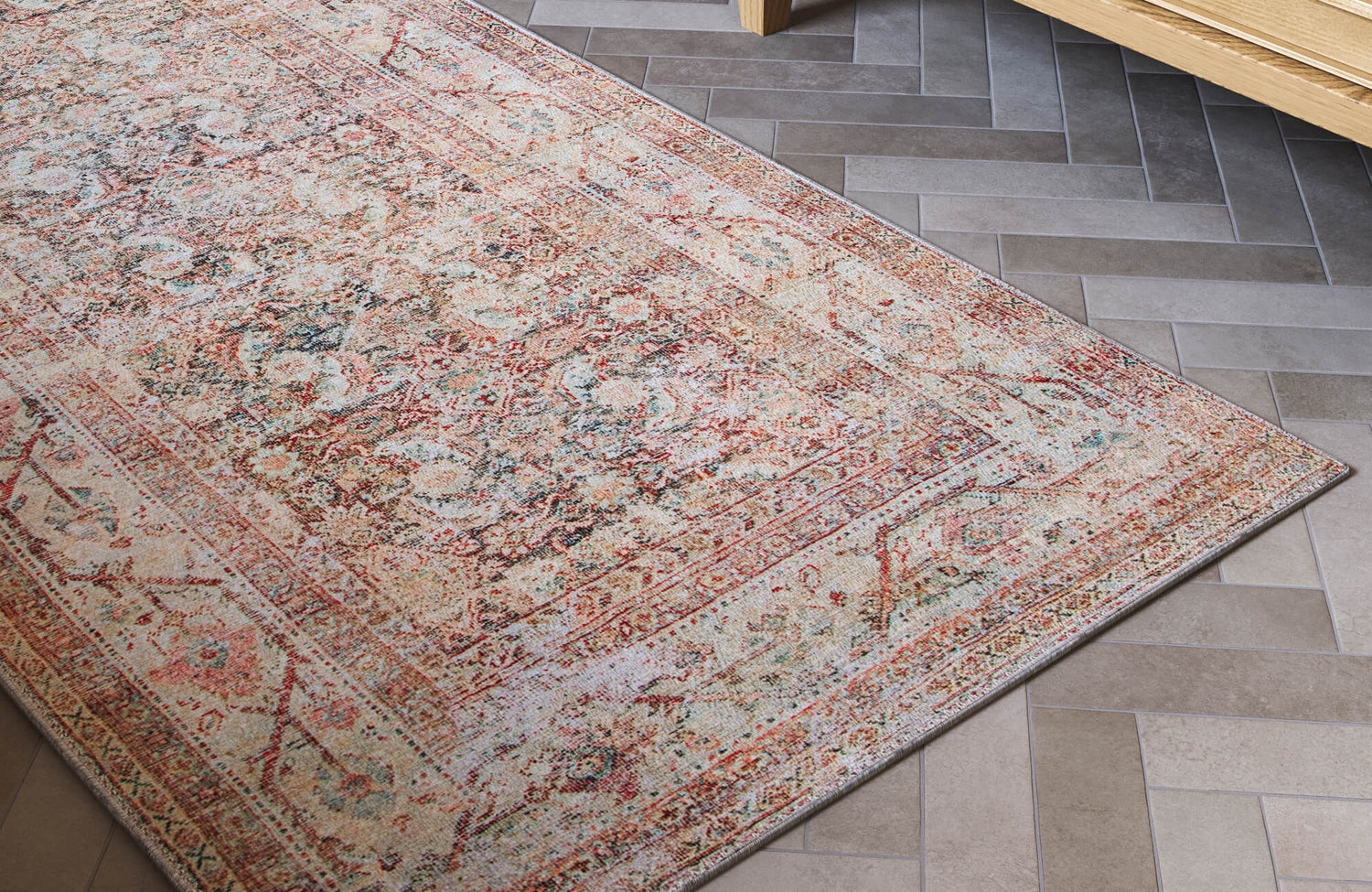
Pascal Rug in Smoke / Multi brings layered pattern and muted warmth to the surrounding Juliet 7 x 8 Hexagon Matte Porcelain Tile in Rust, creating a grounded transition between soft textile detail and structured tile geometry.
Factors That Impact Rug Cleaning Frequency
Several factors influence how often an area rug should be cleaned, from where it is placed to the type of fiber it is made from. A rug in a busy hallway will naturally need a different care routine than one used mainly for decoration in a guest room. Household habits, pets, children, and allergy concerns can also affect how quickly dirt, debris, and odors build up.
Suggested Cleaning Schedules Based on Rug Usage
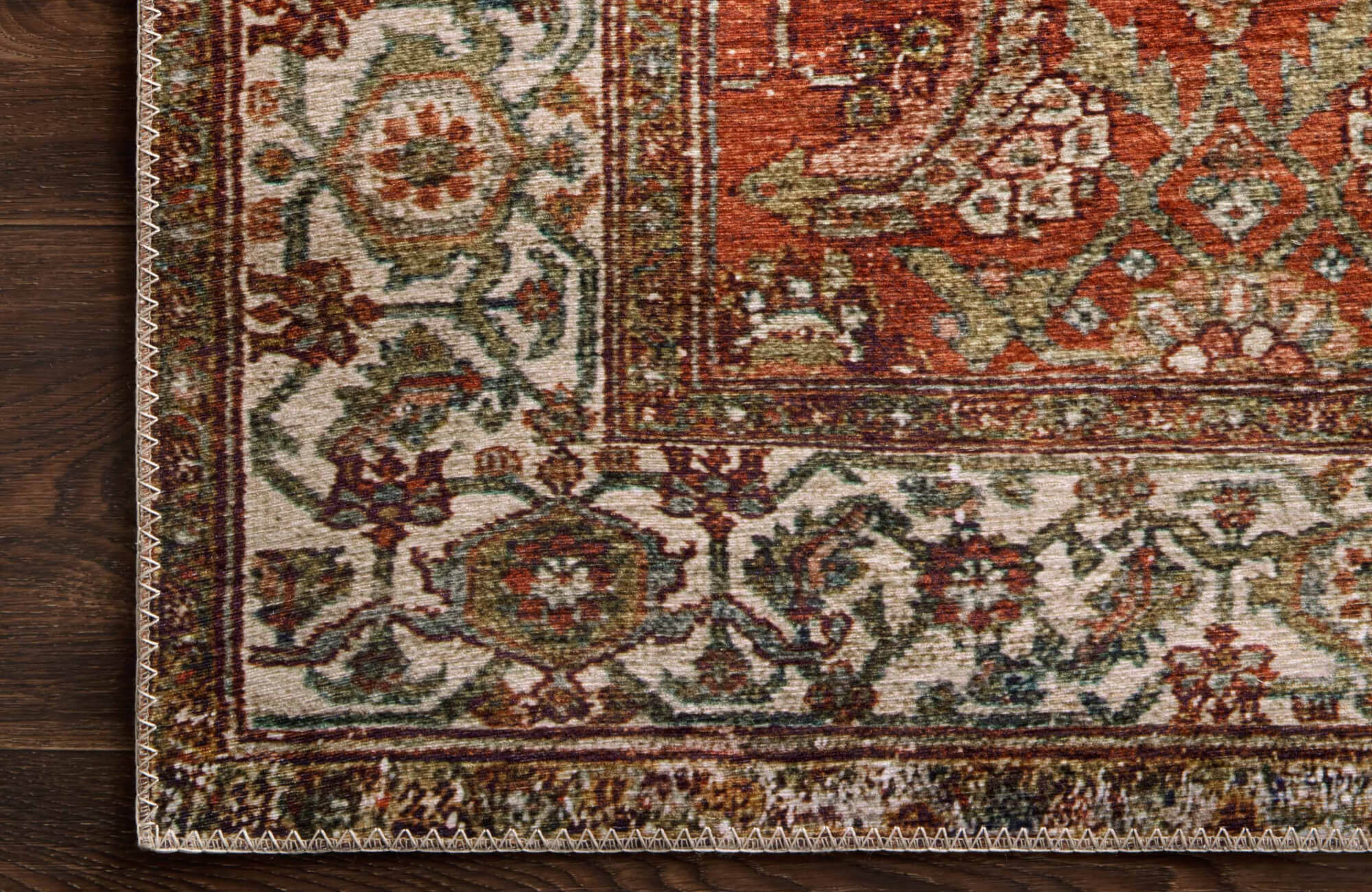
For rugs in busy areas, weekly vacuuming is usually the minimum needed to prevent grit from settling into the fibers. Entryway rugs, hallway runners, and living room rugs may need attention even more often during wet weather, shedding seasons, or periods of heavier household activity. Edward Martin's Pascal Rug in Smoke / Multi is a useful example of why this matters: its low-profile surface, distressed traditional pattern, and muted mix of smoke, taupe, rust, and beige can help disguise the marks of daily use, but the same detailed patterning may also make fine debris less obvious at first glance. A deeper clean every three to six months can help remove embedded soil, refresh flattened pile, and address buildup that routine vacuuming cannot fully reach.
Moderately used rugs, such as those in bedrooms, dining rooms, and home offices, can often be maintained with vacuuming every one to two weeks. Dining room rugs should be checked regularly for food crumbs, drink spills, and chair-leg wear, while bedroom rugs may need less stain treatment but still collect dust and textile fibers. For these spaces, an annual deep cleaning is typically sufficient unless visible staining, odors, or allergy concerns appear sooner.
Lightly used or mostly decorative rugs still need periodic care. Even when a rug is rarely walked on, dust can settle into the surface, sunlight can fade exposed areas, and furniture placement can create pressure marks over time. Monthly vacuuming, occasional rotation, and a yearly inspection help preserve the rug’s shape and appearance. If the rug is delicate, vintage, or placed under heavy furniture, a lighter maintenance routine paired with professional evaluation may be safer than frequent DIY washing.

A softly distressed rug balances the warm wood tones, scenic wallpaper, and Corvello Banquette in Brown, while Nora 8 x 48 Matte Porcelain Tile in Crema keeps the entryway feeling light and cohesive.
Seasonal Cleaning Tips
Rug care changes throughout the year because each season brings different conditions into the home. Moisture, pollen, humidity, dust, mud, and heavier indoor activity can all affect how rugs look, feel, and wear over time. A seasonal approach helps prevent buildup before it becomes harder to remove while keeping each rug’s material and care requirements in mind.
Spring
Spring is an ideal time to refresh area rugs after months of heavier indoor living. During winter, rugs often collect fine debris, dust, moisture residue, and tracked-in particles from shoes and entryways. A thorough vacuuming on both sides of the rug, where appropriate, helps loosen dry soil before deeper cleaning. For rugs that can tolerate it, professional washing or carefully controlled steam cleaning can help remove embedded buildup and restore a cleaner feel.
Spring is also a good season to address allergens. Pollen, dust, and pet dander can become trapped in rug fibers, especially in rooms with open windows or steady everyday use. Airing rugs outdoors on a dry, mild day can help reduce stale odors, but they should not be left in direct sunlight for long periods, as strong UV exposure may fade colors. This is also the right time to inspect edges, fringe, binding, and backing for loose threads or early signs of wear before they become more difficult to repair.
Summer
Summer rug care often centers on humidity, dust, and odor control. Warm weather can make rugs more vulnerable to musty smells, especially in damp rooms, basements, or spaces without good airflow. Regular vacuuming helps remove surface soil, while a dehumidifier or improved ventilation can reduce the moisture that encourages mildew. Edward Martin's Charlise Rug in Indigo / Charcoal illustrates this seasonal balance well in a sunlit entry setting: its cool indigo and charcoal tones bring visual depth to the room, while its placement near doors, windows, and outdoor greenery reinforces why rugs in breezy, high-exposure areas need steady dust removal and careful moisture control. If a rug feels damp, it should be dried thoroughly before furniture or rug pads are placed back over it.
Because summer often brings more outdoor activity, rugs may also be exposed to sunscreen residue, food spills, dirt, and increased foot traffic. Prompt spot cleaning is important, but it should be done with a light hand: blot rather than rub, use minimal moisture, and avoid harsh cleaners unless the care label confirms they are safe. For general freshness, baking soda may help absorb mild odors on some durable rugs, but it should be used cautiously and vacuumed completely to avoid leaving residue in dense pile or delicate fibers.
Fall
Fall is the best time to prepare area rugs for the increased indoor use that often comes with colder weather. Start with a detailed vacuuming to remove summer dust, pollen, and dry debris before those particles become ground into the rug during winter. Rotating rugs in fall can also help balance sunlight exposure and foot traffic patterns, especially in rooms where furniture creates fixed pathways across the rug.
This is also a practical time to review rug pads and floor protection. A worn or undersized rug pad can allow slipping, bunching, and friction between the rug and the floor, which may contribute to premature wear. For durable rugs in busy areas, a suitable fabric protector or stain-resistant treatment may help guard against future spills, but it should be compatible with the rug’s fiber and construction. Inspecting fringe, corners, and edges before winter gives you a chance to repair small issues before heavier seasonal use makes them worse.
Winter
Winter often puts the most stress on area rugs, particularly in entryways, living rooms, and other gathering spaces. Shoes can track in mud, salt, moisture, and grit, all of which can dull fibers and leave residue if not removed quickly. Using sturdy entry mats, removing shoes indoors, and vacuuming frequently used rugs more often can significantly reduce the amount of debris that reaches the rug.
Moisture control is especially important in winter. Wet spots should be blotted promptly and allowed to dry fully, since trapped dampness can lead to odor or mildew. Spills should be treated immediately to prevent staining, while heavy furniture may benefit from felt or rubber protectors to reduce compression marks in the pile. A light fabric refresher can improve the room’s sense of cleanliness, but it should never replace proper cleaning or be used heavily on delicate, antique, or moisture-sensitive rugs.

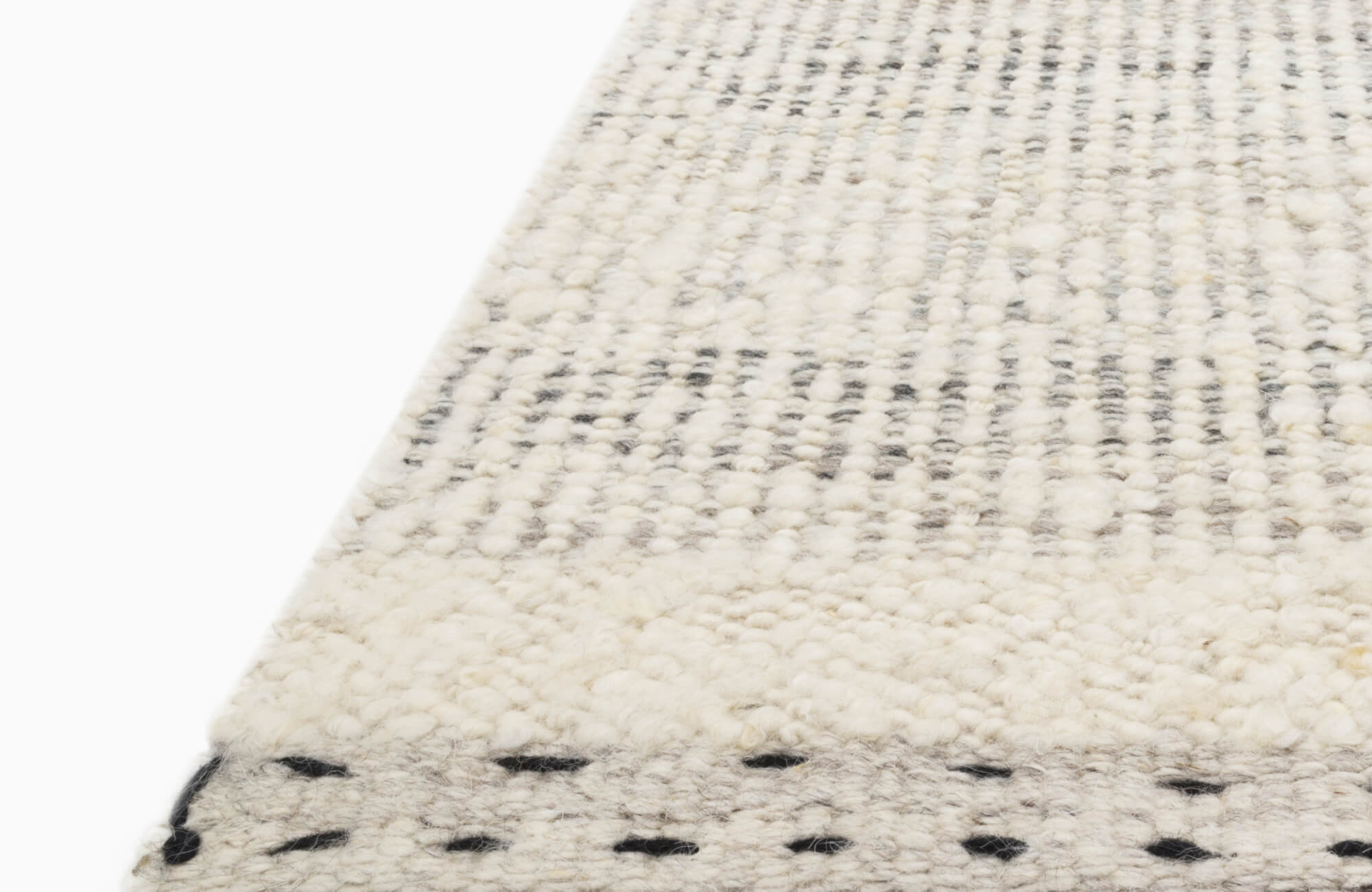
Pascal Rug in Platinum / Mist highlights a soft, low-contrast pattern and bound edge, showing how pale rug tones and subtle texture can add quiet dimension without overwhelming surrounding finishes.
Professional vs. DIY Cleaning
Professional rug cleaning is an excellent choice for addressing deep stains, embedded dirt, and delicate materials that need specialized care. Antique or handwoven rugs, for example, benefit greatly from the expertise of professionals who know how to clean without risking damage. These services utilize advanced techniques like steam cleaning or hot water extraction to target allergens, pet odors, and deeply embedded grime. Edward Martin's Pascal Rug in Platinum / Mist helps clarify why cleaning method matters: its pale platinum and mist tones, softly distressed surface, and visible bound edge would make overwetting, residue, or uneven spot treatment more apparent than on a heavily patterned dark rug. For rugs placed in frequently used areas or those showing significant wear, professional cleaning can restore their appearance and hygiene while helping extend their lifespan.
In contrast, DIY rug cleaning offers a cost-effective approach for routine upkeep and smaller cleaning tasks. Regularly vacuuming both sides of the rug helps control surface debris, while using gentle cleaning solutions can address minor stains and spills. For more intensive cleaning, renting a carpet cleaner is a practical option, especially for synthetic or machine-made rugs. It’s also important to always test cleaning methods on a hidden section first to avoid potential damage. If you are unsure about a rug’s fiber, construction, or care requirements, you can contact Edward Martin for guidance before choosing a cleaning method. By choosing the right approach based on your rug’s needs, you can achieve a balance between affordability and proper care to keep your rug in great condition.

A narrow runner adds pattern and softness across Leona 24 x 24 Checkerboard Matte Porcelain Tile in Amani Grey and Marfil, while Kenzie Counter Stool in Napa Cognac complements the kitchen’s warm wood cabinetry and neutral finishes.
Long-Term Care and Preservation
Rotating your area rugs regularly is a simple yet effective way to ensure even wear and tear, especially in frequently used areas. Over time, daily use and sunlight exposure can cause uneven fading or damage, but a quick rotation every three to six months helps maintain the rug’s original appearance. Edward Martin's Charlise Rug in Bone / Denim demonstrates why this is especially important for runners and narrow rugs: its elongated shape suits kitchens and hallways, where the center of the rug often experiences more repeated use than the edges. This practice is particularly beneficial for rugs placed under or near furniture, as it helps prevent uneven fading, repeated wear, pressure marks, and indentations from becoming permanent.
Another essential step in extending the life of your area rug is using a quality rug pad. Not only do rug pads keep rugs securely in place to reduce the risk of slipping, but they also add a cushioning layer that protects the rug’s fibers from friction with the floor. Over time, they can even help prevent dirt from building up underneath, where it could cause unseen damage. To further preserve your rugs, consider placing shoe racks near entrances and using doormats to minimize the dirt and debris tracked inside. Together, these strategies ensure your rug remains a stylish and functional feature of your home for years to come.
Preserving the Beauty of Your Area Rugs
Maintaining the cleanliness and condition of your rugs is essential to preserving their beauty and durability. By considering factors like usage, location, and household dynamics, you can create a cleaning routine tailored to your rugs' unique needs. Regular care, whether through professional cleaning or consistent DIY maintenance, keeps your rugs vibrant and ensures they remain a functional part of your home. With a schedule that works for you, your rugs can continue to add warmth and character to your living space for years to come.
If you’re choosing a new rug or reconsidering how an existing one fits into your space, scale, color, texture, and placement all play a role in how easy it is to maintain and how naturally it supports the room. Edward Martin’s design services can help with those decisions by looking at the rug alongside flooring, furnishings, finishes, and the way the space is used day to day. With the right balance of style and practicality, your rug can continue to add warmth, character, and comfort to your living space for years to come.