
)
)
)
)
)
)
)
)
How Long Will Peel And Stick Checkerboard Tiles Last Compared To Traditional Checkerboard Tiles?
Peel and stick checkerboard tiles have surged in popularity for their bold style and instant transformation. Affordable and DIY-friendly, they promise a fast refresh with minimal effort. But how do they really stack up against the time-tested durability of traditional tiles such as porcelain? When it comes to longevity, moisture resistance, and long-term value, the differences are more than surface deep.
This article breaks down everything you need to know, from construction quality and environmental resilience to installation methods and maintenance demands. Whether you're updating a rental, planning a busy kitchen upgrade, or simply weighing your options, this comparison will help you choose flooring that not only looks great today but also holds up for years to come.
Material Composition and Construction Quality
The core materials and construction methods used in each checkerboard tile type are foundational to their lifespan and functional reliability. Understanding the differences between peel and stick tiles and traditional ceramic or porcelain tiles can inform smarter, more durable flooring investments.
Core Layers and Adhesive Strength
Peel and stick checkerboard tiles rely on a flexible vinyl or polymer top layer supported by a pressure-sensitive adhesive backing. These adhesives are formulated to stick best to smooth, clean, and dry surfaces, but that dependency is also their biggest vulnerability. If the subfloor is uneven, dusty, or exposed to humidity, the tiles may begin lifting or shifting over time. Moreover, the adhesive deteriorates faster in areas with temperature fluctuations, like sunrooms or near radiators, reducing the overall lifespan of the tile.
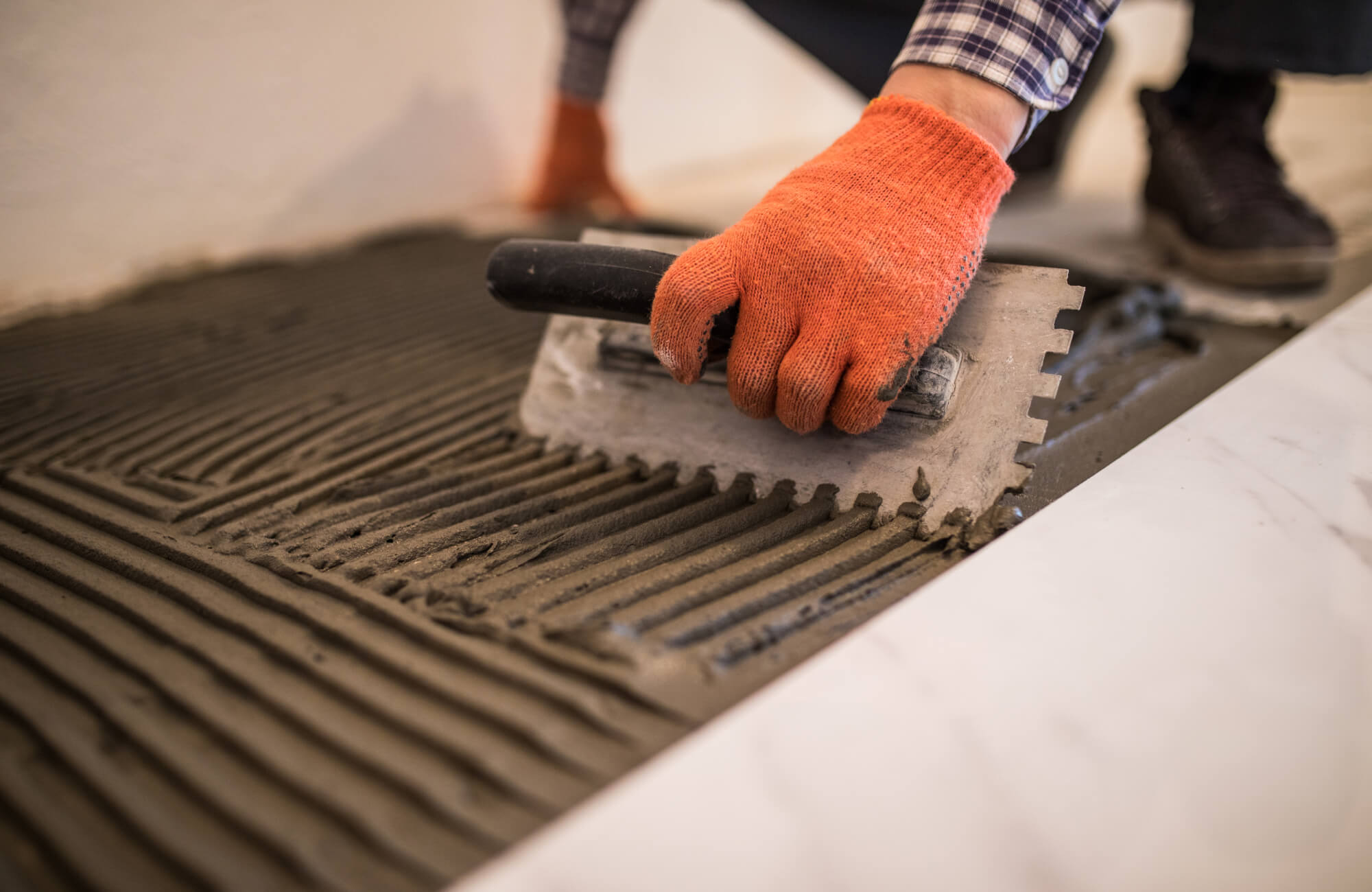
On the other hand, traditional checkerboard tiles are affixed using a mortar bed that bonds permanently to the subfloor. Grout is then applied between tiles to create a water-resistant seal and lock the layout in place. This dual bonding system (mechanical from the mortar and chemical from the curing process) also ensures a solid, stable installation that lasts decades. Once cured, the bond becomes nearly impossible to shift, offering exceptional resistance to peeling, warping, or loosening, even in areas with constant use or consistent moisture.
Surface Durability and Abrasion Resistance
When it comes to surface resilience, peel and stick checkerboard tiles have clear limitations. Most are constructed with a wear layer designed to protect the pattern or print, but the vinyl underneath remains relatively soft. Over time, dragging furniture, high heels, or even the presence of pets can create noticeable gouges, scratches, or indentations. If these tiles are exposed to sunlight, their printed surface may also fade, especially if they lack UV-resistant coatings. Even minimal use in a sunny hallway could leave them looking worn within just a few years.
Traditional checkerboard tiles take a very different approach. Made from dense clay and fired at extremely high temperatures, these tiles develop an incredibly hard, non-porous surface. Porcelain, in particular, is renowned for its resistance to abrasion, which is why it’s often used in commercial or busy settings like floors. Its strength is also measured using the PEI (Porcelain Enamel Institute) rating, and higher-rated tiles can endure decades of use without dulling, chipping, or showing visible wear, even under daily stress.
Manufacturing Standards and Tolerances
One major factor that affects the reliability and lifespan of any tile is how consistently it’s made. Traditional checkerboard tiles are produced according to rigorous manufacturing standards such as those established by ANSI (American National Standards Institute) or ISO (International Organization for Standardization). These standards ensure uniform thickness, flatness, moisture absorption rates, and resistance to cracking or thermal shock. When you choose a checkerboard tile from a reputable brand, you’re also buying a product that has passed detailed inspections and is designed for long-term performance.
In contrast, peel and stick checkerboard tiles are not held to such consistent, industry-wide guidelines. Their construction varies widely between manufacturers, and while some high-end brands offer improved quality, many budget options compromise on adhesive strength, thickness, or surface integrity. This inconsistency also means that two peel and stick tiles from different brands or even from the same pack can age at different rates or perform differently under identical conditions. Without standardization, predicting their longevity becomes difficult, especially if you're relying on them for a lasting flooring solution.
Environmental Exposure and Room Conditions
The room's environment, such as temperature, moisture, and sunlight, can significantly impact how long your tiles last and how they look. Each condition interacts differently with peel and stick tiles compared to traditional checkerboard tiles, affecting durability, performance, and aesthetic retention.
Heat and Temperature Fluctuation Resistance
Porcelain checkerboard tiles have a natural advantage in areas exposed to heat or drastic temperature swings. Because they are made from dense clay and fired at extreme temperatures, they exhibit minimal thermal expansion. This means you can confidently install them near ovens, stoves, fireplaces, or even over radiant heating systems without worrying about distortion or loosening. Their structural integrity also remains stable even in environments where temperature fluctuates frequently throughout the day or season.
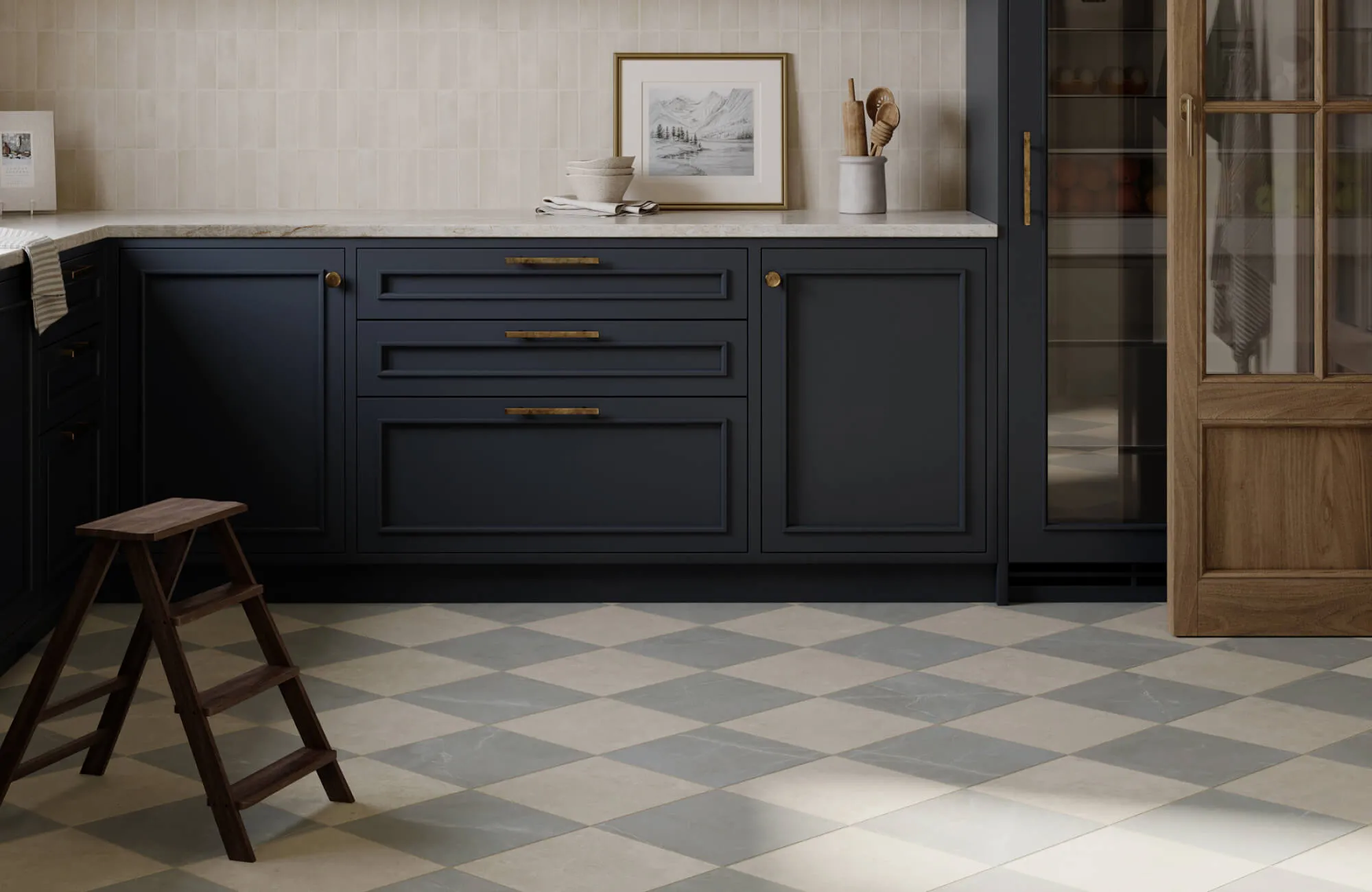
A great example of this durability in action is the Leona 24x24 Checkerboard Polished Porcelain Tile in Calacatta and Amani Grey. With its luxurious mix of white marble look and deep grey tones, this large format tile is not only visually striking but also engineered to withstand thermal stress without compromising its finish or alignment. Whether you're designing a busy kitchen or a sunlit entryway, tiles like this provide both elegance and resilience, making them a smart choice for temperature-sensitive environments.
Peel and stick checkerboard tiles, however, are far less tolerant of thermal stress. Composed of flexible vinyl or polymer layers, they expand and contract more significantly when exposed to heat. In kitchens or sun-drenched spaces, this movement can gradually weaken the adhesive, causing the edges to lift or the tiles to shift out of alignment. Over time, repeated expansion and contraction can also lead to surface warping or brittleness, especially if the adhesive begins to dry out or lose its tackiness. If you’re installing flooring in a room that experiences heat variation, this is a critical performance gap to consider.
Moisture and Water Infiltration
In moisture-prone areas like bathrooms or laundry rooms, the difference between water-resistant and waterproof becomes a deciding factor. Peel and stick checkerboard tiles are often marketed as water-resistant, but their effectiveness depends entirely on surface adhesion and installation precision. Water can easily seep into seams or under edges, especially if the floor shifts, the adhesive weakens, or if the tiles are installed over an imperfect surface. This trapped moisture can also degrade the adhesive further and potentially encourage mold growth beneath the tile layer.
On the other hand, traditional ceramic and porcelain checkerboard tiles provide a near-seamless water barrier when properly installed with high-quality grout. The grout locks the tiles in place and prevents water from infiltrating through the joints. Even in rooms with frequent spills, splashes, or high humidity, these tiles also maintain their form and function without absorbing moisture. One great option is the Blair 24x24 Checkerboard Polished Porcelain Tile in Volakas White and Oniciata Beige, which features a luxurious pairing of soft white and warm beige tones. Ideal for bathrooms or wet zones, this tile’s polished surface and durable porcelain body offer reliable moisture resistance while elevating the look of your space with timeless elegance. That kind of performance is crucial in environments where water exposure isn’t just occasional, but part of daily life.
UV Exposure and Color Stability
Sunlight exposure is another environmental factor that directly affects checkerboard tile longevity, particularly when it comes to appearance. Peel and stick tiles, which often feature printed or pigmented surfaces, are vulnerable to UV degradation. Prolonged exposure to sunlight can also cause fading, yellowing, or discoloration, particularly in lighter or more vibrant patterns. Even within the same room, you may notice some tiles dulling faster than others, depending on how much direct light they receive.
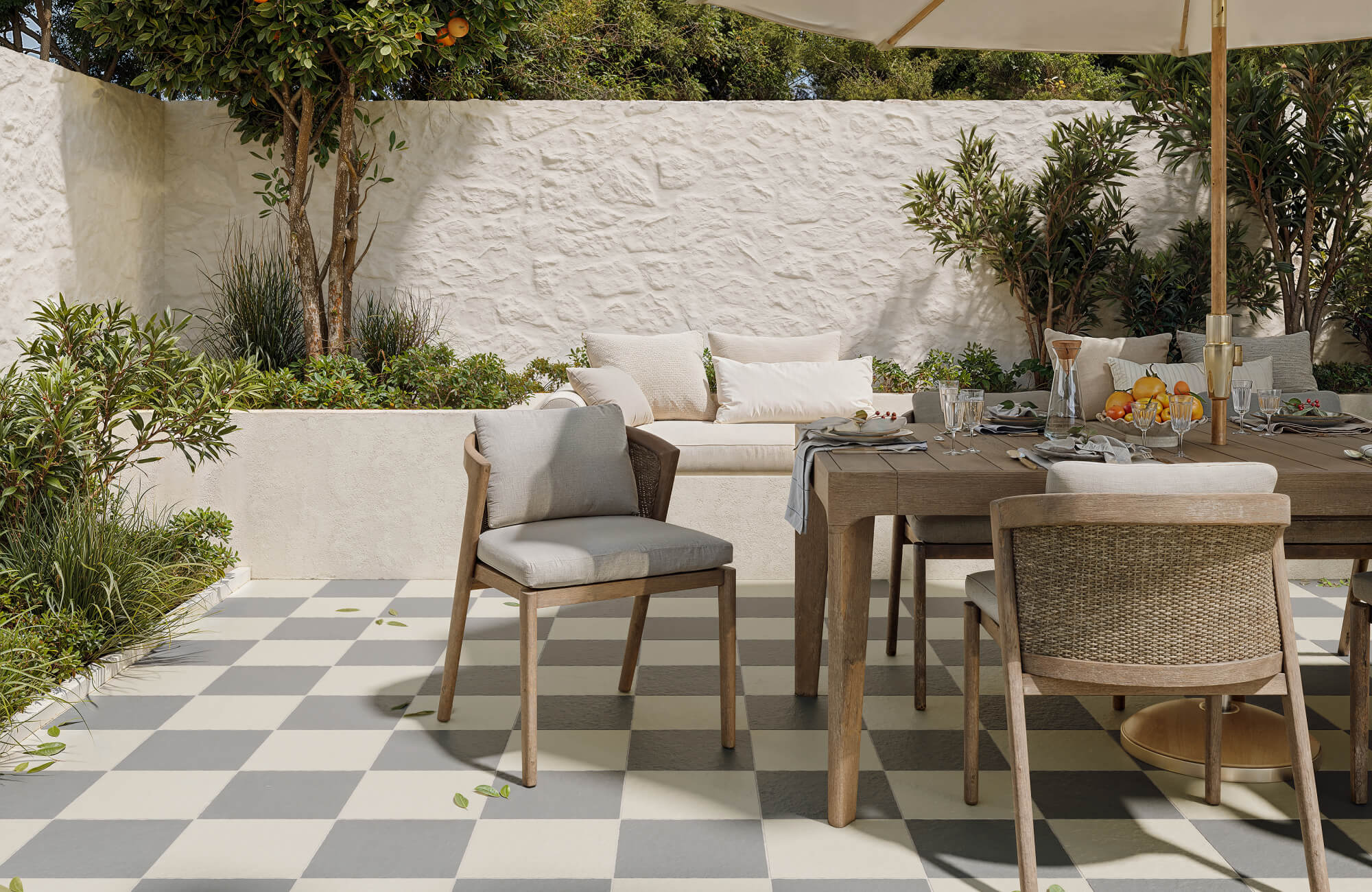
Porcelain checkerboard tiles are far more resilient in sunlit areas due to their UV-resistant glazes. These glazes are fired into the tile surface during manufacturing, creating a protective layer that resists color fading and photodegradation. As a result, these tiles maintain their color consistency and vibrancy for decades, even in sunrooms, near glass doors, or bright outdoor settings like patios or courtyards. For example, the Palmer 12x12 Checkerboard Raw Porcelain Tile in White and Grey, as seen in the image above, offers a classic light grey and ivory combination that not only enhances natural spaces but also holds up beautifully under direct sunlight. If preserving visual appeal over time is important to you, especially in well-lit or outdoor environments, traditional tiles like these offer a much more reliable solution.
Installation Methods and Their Impact on Longevity
How your checkerboard tiles are installed and by whom play a major role in how well they perform. The method of installation directly affects adhesion, structural stability, and ultimately, how long the tiles stay intact and attractive in your space.
Surface Preparation and Substrate Compatibility
Peel and stick checkerboard tiles demand a highly controlled surface to work as intended. The subfloor must be completely smooth, dry, dust-free, and level. Even a small imperfection, such as a grain of debris or a minor dip, can prevent full contact between the adhesive and the surface, leading to lifting or bubbling. If you’re applying over an old floor or unfinished substrate, you may also need to invest in patching, sanding, or leveling compound before installation begins. Without meticulous prep, the tiles simply won’t adhere correctly, which can significantly shorten their lifespan.
By contrast, traditional checkerboard tiles are much more tolerant of imperfect surfaces. Because they are installed with mortar, the bonding layer itself can account for and correct slight surface irregularities. Whether you're tiling over a concrete slab, cement board, or an approved underlayment, the mortar fills gaps and supports the tile uniformly. This structural buffer not only enhances stability but also prevents the tile from cracking or detaching later on. In terms of surface adaptability, standard tiles offer more flexibility and a stronger, longer-lasting installation overall.
DIY Versus Professional Application
Peel and stick checkerboard tiles are marketed for easy DIY use, which certainly adds to their appeal. With just a utility knife and a straightedge, you can transform a room over a weekend. However, this simplicity can also backfire if not handled carefully. Misaligned tiles, inconsistent pressure during application, or failure to acclimate the product to room temperature can all lead to poor adhesion and faster deterioration. The seemingly quick fix can turn into a maintenance headache if the installation is rushed or improperly executed.
Traditional checkerboard tile installation is a far more complex process, which is why it's often best handled by professionals. From mixing mortar and applying consistent spacing to ensuring level alignment and correct grout sealing, a skilled installer brings precision and durability to the table. Many professionals also follow the guidelines set by the Tile Council of North America (TCNA), which promotes techniques proven to extend tile life. That attention to detail doesn’t just improve appearance; it builds a floor that can last for decades with little intervention.
Maintenance Requirements and Long-Term Upkeep
The ease or difficulty of cleaning and repairing flooring can make or break your satisfaction years after installation. When comparing peel and stick checkerboard tiles to standard tiles, it's clear that upkeep plays a pivotal role in preserving both appearance and functionality.
Cleaning Practices and Product Compatibility
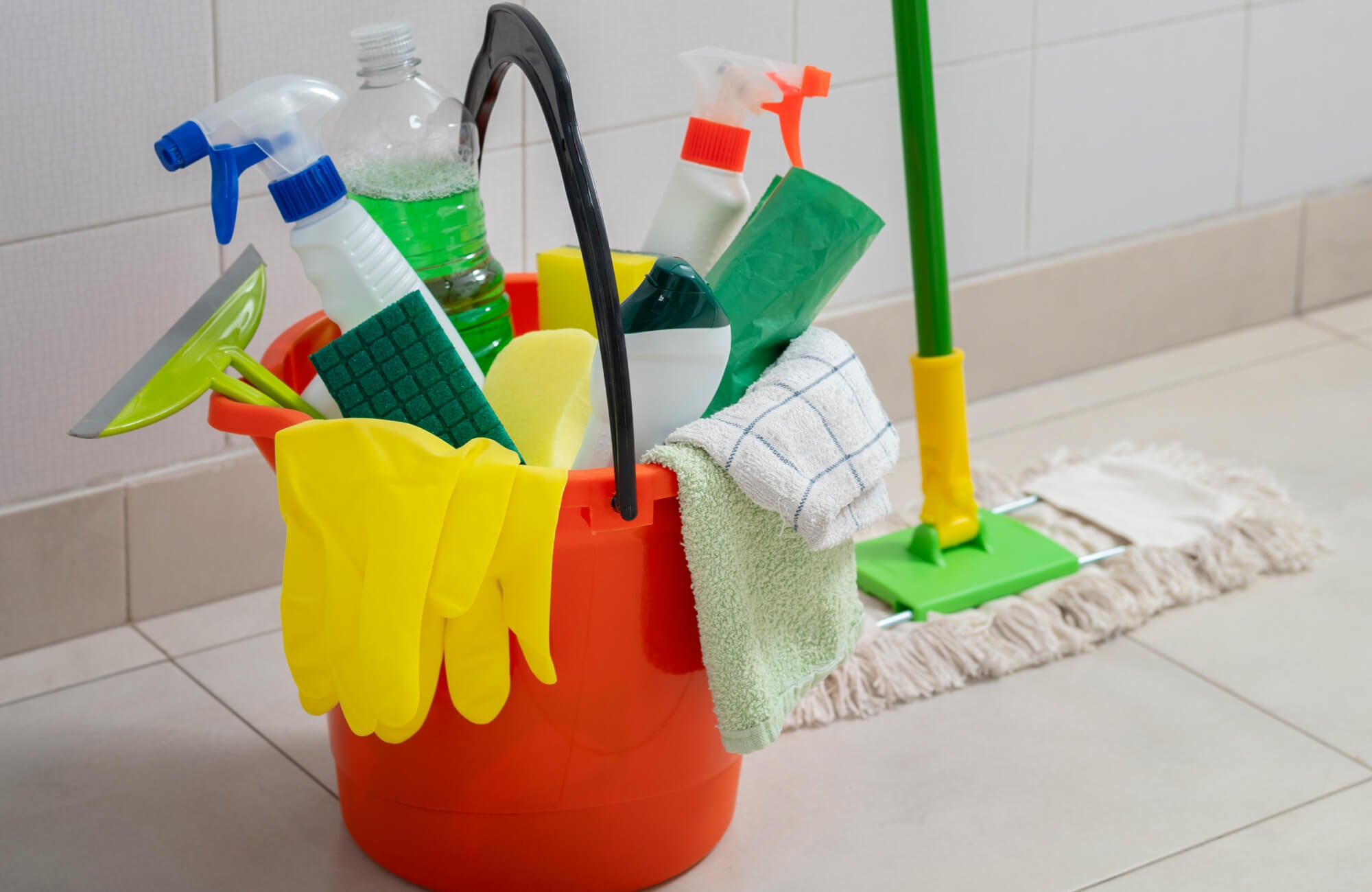
Peel and stick checkerboard tiles come with surface limitations that affect how you can clean them. Their vinyl construction doesn’t tolerate harsh chemicals, abrasive pads, or acidic solutions well. Using strong cleaners, bleach, or rough scrubbing tools can strip the finish, dull the design, or even degrade the adhesive underneath. To maintain their appearance, you’ll also need to stick with manufacturer-approved mild, pH-neutral solutions and soft cleaning tools. Although that may seem manageable, it can pose a challenge in rooms that require deeper sanitation, like kitchens or mudrooms, where grease, bacteria, or tough stains are more likely.
In contrast, traditional checkerboard tiles are far more resilient when it comes to cleaning. Their glazed surfaces can withstand a much wider variety of cleaning agents, from commercial-grade degreasers to bleach and steam. This allows you to disinfect more thoroughly without worrying about damaging the tile. Whether you’re tackling spills, pet messes, or general grime, these tiles also hold up beautifully to aggressive scrubbing and high heat. However, it’s still important to follow the manufacturer's cleaning recommendations, as certain finishes or specialty glazes may require specific care to preserve their appearance and longevity.
Grout Versus Grout-Free Surfaces
Peel and stick checkerboard tiles are grout-free by design, which initially makes cleaning simpler. There are no joints to trap grime, no porous lines to seal, and no need to worry about mildew forming in hard-to-reach crevices. However, this simplicity has a downside. Without grout acting as a protective barrier, the exposed edges between tiles become vulnerable to dirt buildup and water intrusion. Over time, moisture or debris can also work its way underneath, leading to loosening tiles or unsightly peeling, particularly in kitchens, bathrooms, or entryways.
On the other hand, traditional checkerboard tiles rely on grout not just for aesthetics, but for structure and protection. Properly installed grout fills the gaps between tiles, supporting the layout and blocking moisture. Although cement-based grouts do require periodic sealing to maintain water resistance, newer epoxy grout options eliminate much of that maintenance. These epoxy variants are also stain-resistant, antimicrobial, and highly durable, providing a low-maintenance alternative that still offers the edge protection your tile surface needs. In the long run, this added barrier significantly extends the life of your floor while keeping cleaning routines efficient and manageable.
Damage Repair and Spot Replacement
Replacing individual peel and stick checkerboard tiles is relatively easy. You just peel up the damaged tile and stick down a new one. However, the reality isn’t always seamless. Over time, peel and stick tiles may fade from sunlight or wear unevenly, making new replacements look noticeably different next to older ones. Even if you find the same brand and pattern, matching them exactly can be difficult. Furthermore, once the adhesive weakens in one area, it's common for adjacent tiles to begin lifting as well, compounding the issue.
With traditional checkerboard tiles, the repair process is more involved but yields more consistent results. If a tile cracks or chips, it can be carefully removed and replaced without disturbing the surrounding layout. When done properly, with matched tile and re-grouted seams, the fix is virtually invisible, preserving the uniform look of your floor. Although it takes more time and skill, the outcome feels permanent and professional. Over time, that level of consistency pays off, keeping your space looking sharp and intact with fewer reminders of past damage.
Cost and Value Retention
Upfront costs don’t tell the full story. Consider the long-term financial and real estate implications of your flooring choice, especially when weighing short-term affordability against lasting value and space appeal.
Initial Investment and Cost Per Square Foot
Peel and stick checkerboard tiles offer a low barrier to entry. Typically priced between $1 to $5 per square foot (depending on the material), they’re among the most budget-friendly flooring options available and require virtually no specialized tools or labor. With their simple peel-and-place installation, you can revamp a small space over a weekend without hiring a contractor or investing in additional materials. If you’re tackling a cosmetic update or staging a temporary living area, the low initial cost is also undeniably appealing.
That said, traditional checkerboard tiles require a higher upfront investment. Depending on quality and design, tile prices generally range from $3 to $10 per square foot, with additional costs for mortar, grout, underlayment, and labor if hiring a professional. Altogether, the total installation can average $8 to $20 per square foot. However, this one-time investment often pays for itself over time. Compared to peel and stick tiles, which may need full replacement every few years, properly installed porcelain or ceramic tiles can last for decades with little to no structural changes. If you consider cost per year rather than just cost per square foot, traditional checkerboard tiles quickly begin to look more economical in the long run.
Property Value and Resale Perceptions
When it comes time to sell your space, material choices can make a noticeable impact on buyer perception. Traditional checkerboard tiles are widely regarded as high-end finishes. They also convey permanence, durability, and a sense of craftsmanship, qualities that elevate the perceived value of a space. In areas like kitchens, bathrooms, or entryways, well-maintained tile floors, walls, or even backsplash can become a selling point, helping your property stand out in a competitive market.
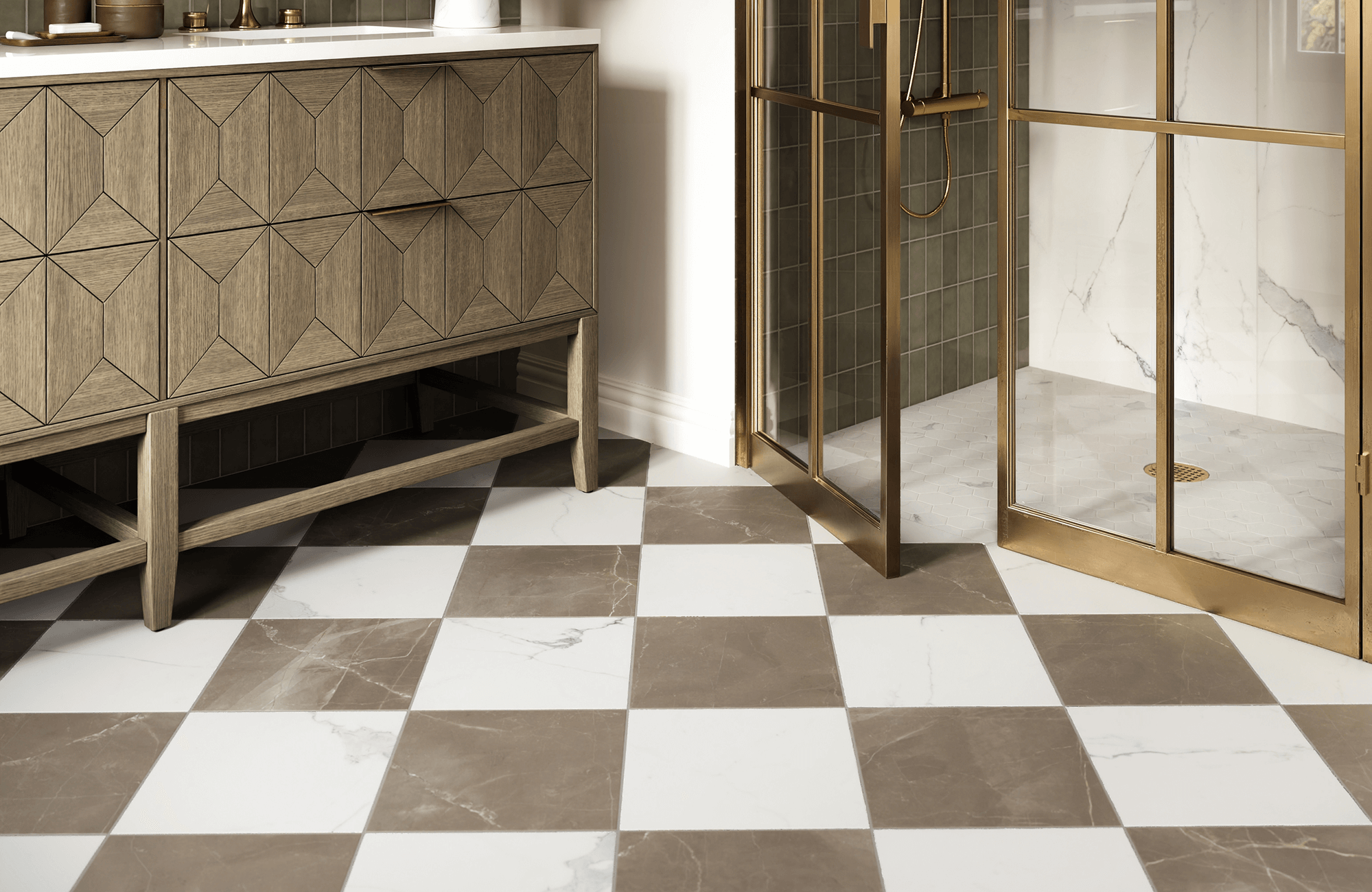
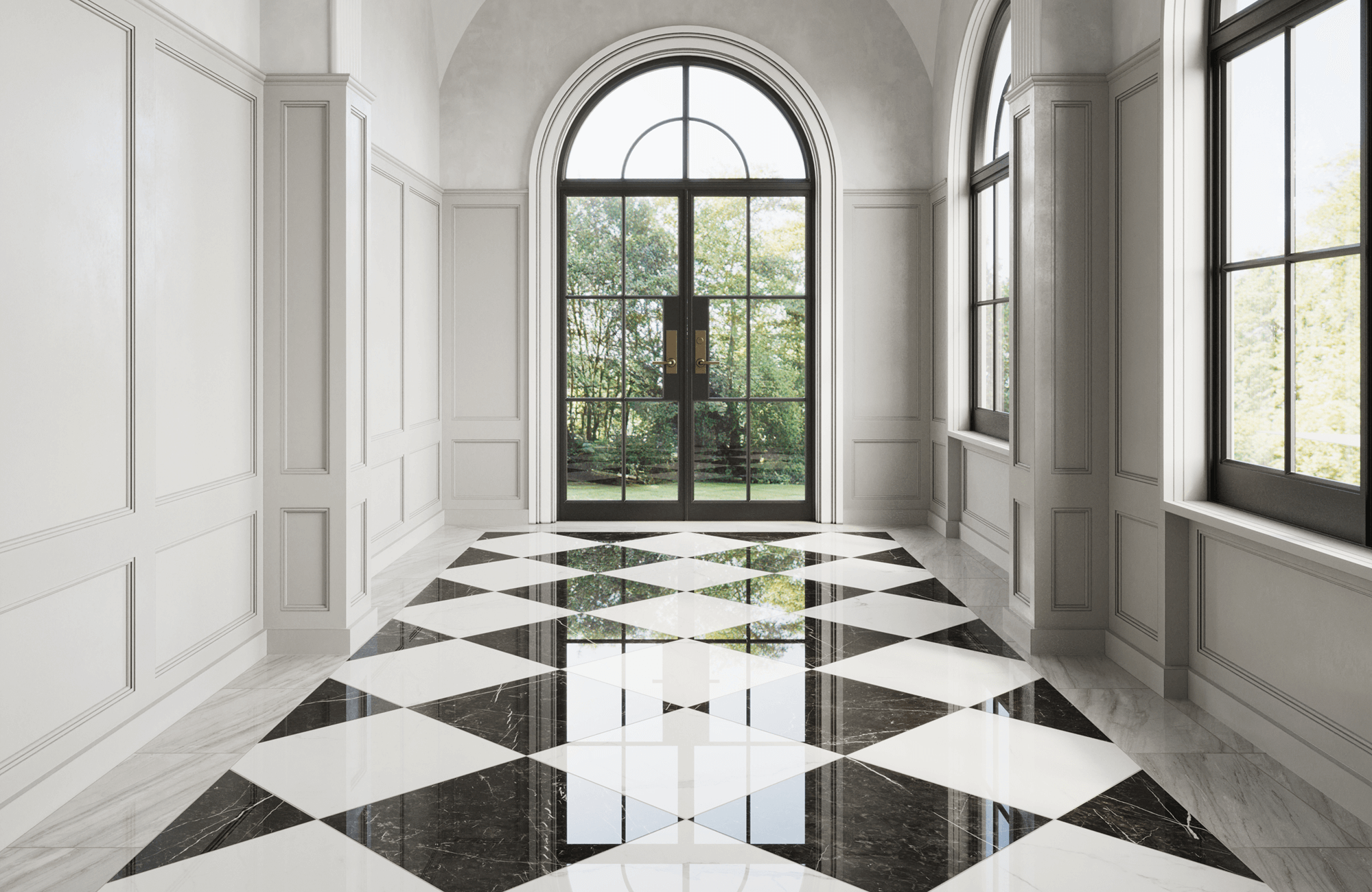
One luxurious example is the Leona 24x24 Checkerboard Polished Porcelain Tile in Calacatta and Nero Marquina. As shown in the photo above, with its bold black and white marble-inspired pattern and mirror-like polished finish, it not only brings timeless elegance but also signals quality and longevity to potential buyers. Used in grand foyers or formal living spaces, tiles like these can transform first impressions and make a lasting impact on resale value.
Peel and stick checkerboard tiles, however practical in the short term, don’t carry the same weight. In rooms where durability and water resistance are expected, such as bathrooms or laundry rooms, they may raise concerns about shortcuts or cost-cutting. Even if the space looks updated at first glance, savvy buyers may also see peel and stick tiles as a project waiting to happen. This can subtly lower the perceived value of your space, especially if they’re used in primary living areas rather than temporary or decorative zones.
How Long Will Each Tile Type Last?
Peel and stick checkerboard tiles typically last 3 to 5 years in non-busy, dry areas with proper installation. They’re ideal for renters or temporary design updates. In contrast, traditional tiles, when correctly installed and maintained, can last 20 years or more, making them the preferred option for kitchens, bathrooms, and busy areas. Ultimately, your choice depends on how long you plan to stay in the space, your budget, and the tile’s exposure to wear and moisture. For lasting durability and timeless style, traditional tiles remain the better long-term investment.
If you decide traditional checkerboard tiles are the right fit, you’ll find a wide range of color combinations beyond the classic black and white. From muted neutrals to bold, modern pairings, these tiles can be customized to complement virtually any design vision. To help you visualize the possibilities, our augmented reality (AR) tool lets you preview your chosen tiles directly in your space, making it easier to see how different styles, patterns, and colors will look before you commit. Combined with our expert design services, you can also explore your options with confidence and create a palette that reflects your style and enhances your environment. With the right combination of color, pattern, and placement, traditional checkerboard tile becomes a timeless statement tailored uniquely to your space.
Follow us on Instagram
@EDWARD.MARTIN
)
)
)
)
)
)
)
)
)
)
)
)
)
)
)
)