

)
)
)
)
)
)
)
)
What Do Chandeliers Symbolize?
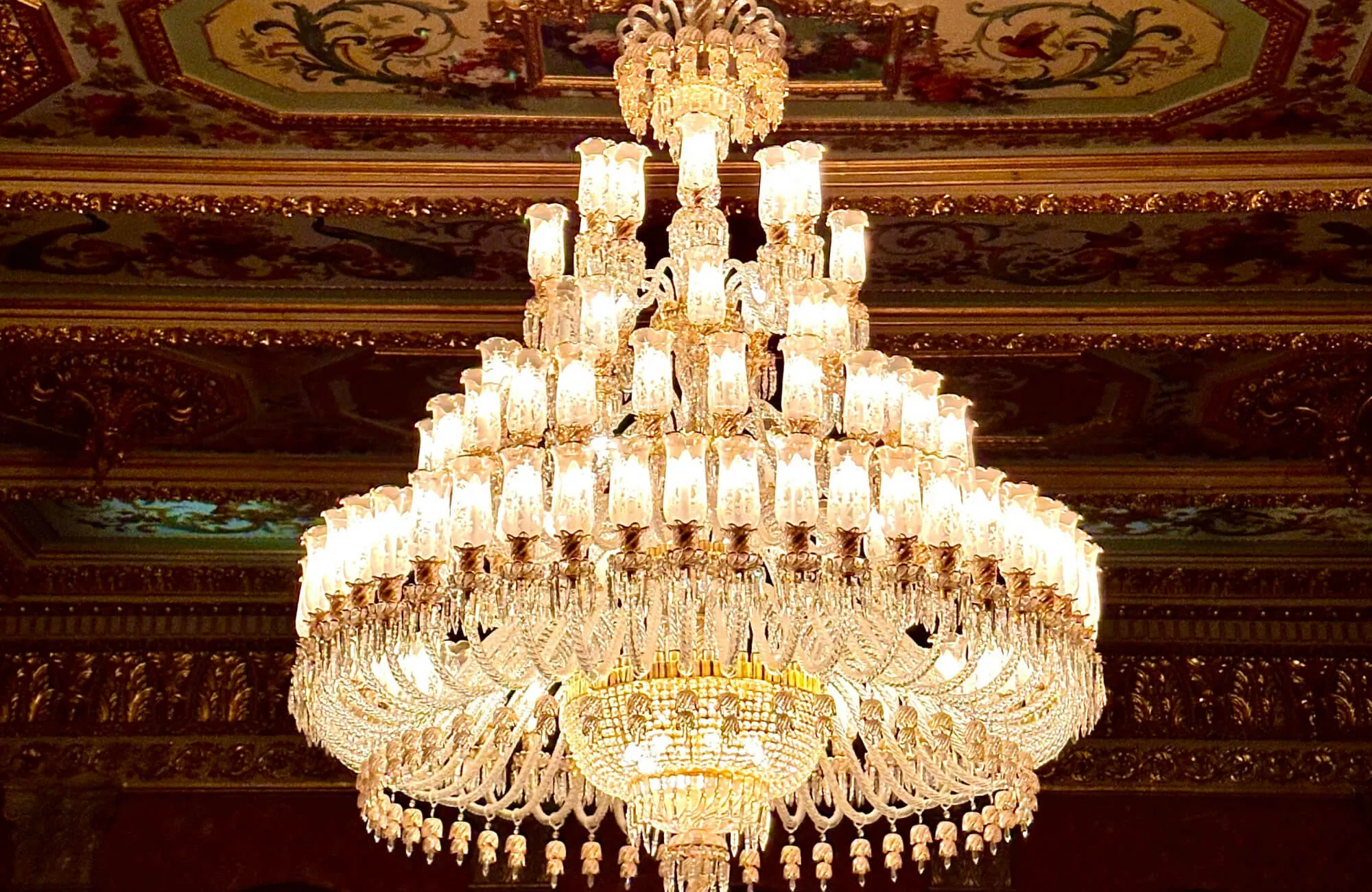
A chandelier is more than a source of light—it is a statement piece that embodies elegance, artistry, and meaning. From glittering crystal cascades in grand ballrooms to minimalist geometric designs in modern interiors, chandeliers have always symbolized refinement and elevated taste. Their history traces a journey from aristocratic halls and sacred spaces to contemporary homes, where they continue to define luxury and sophistication. Each design, whether ornate or understated, tells a story of wealth, craftsmanship, cultural tradition, and creative innovation. To understand what chandeliers symbolize is to uncover their role as timeless icons of aspiration, beauty, and identity in interior design.
Chandeliers as Symbols of Wealth and Prestige
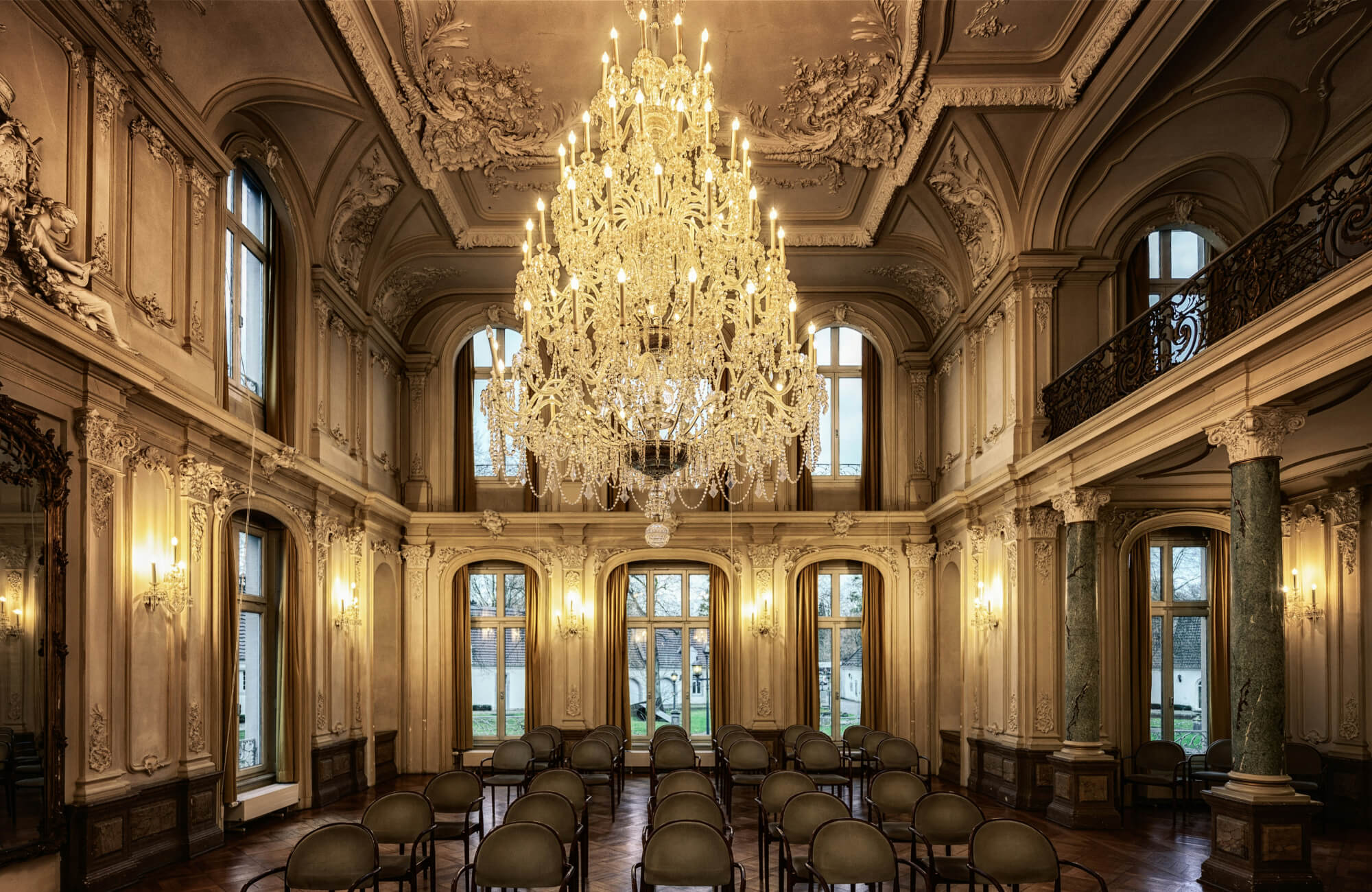
From medieval castles to contemporary luxury interiors, chandeliers have long projected power and economic success. Their presence in grand spaces not only illuminated interiors but also elevated them into statements of exclusivity and refinement.
Aristocratic Origins
In the Middle Ages, chandeliers crafted from wood or wrought iron were coveted luxuries reserved for the nobility, as candles themselves were costly to maintain. When suspended in castles and great halls, these fixtures reinforced authority and visibly separated the privileged elite from the wider public. Many were also adorned with heraldic motifs, making them extensions of family identity and reinforcing lineage through design. Wealthy patrons commissioned artisans to create increasingly ornate structures, signaling their ability to fund both expensive materials and highly skilled craftsmanship. In this way, chandeliers became more than light sources—they were enduring emblems of aristocratic dominance and social hierarchy. Ultimately, they symbolized how even illumination could become a tool of power.
Crystal Revolution and Social Signaling
By the 17th century, the introduction of lead glass prisms transformed chandeliers into radiant sculptures capable of refracting candlelight into dazzling rainbows. This innovation elevated chandeliers from functional objects to breathtaking symbols of prestige within aristocratic Europe. Their brilliance also conveyed both material wealth and cultivated sophistication, aligning owners with the era’s ideals of refinement and intellect. Guests entering a palace or banquet hall could not miss the dramatic interplay of light, which acted as an immediate signal of prosperity. As their reputation spread, crystal chandeliers became essential elements in royal residences and stately homes. They defined social dominance through light itself, turning interiors into spectacles of wealth.
Contemporary Luxury Status
In modern times, chandeliers remain purposeful markers of affluence and exclusivity, carrying forward their historic symbolism. Oversized crystal installations dominate the lobbies of hotels, casinos, and private residences, offering immersive experiences that echo the grandeur of earlier centuries. Interior designers also deliberately select chandeliers as focal points, using them to elevate a space’s ambiance while reinforcing the client’s identity. Even minimalist interiors often feature statement chandeliers, balancing simplicity with an intentional display of refinement. This integration ensures that chandeliers act as subtle yet powerful symbols of wealth within contemporary design. By uniting history with modern aesthetics, they continue to embody the essence of luxury living.
Chandeliers as Emblems of Artistic Craftsmanship
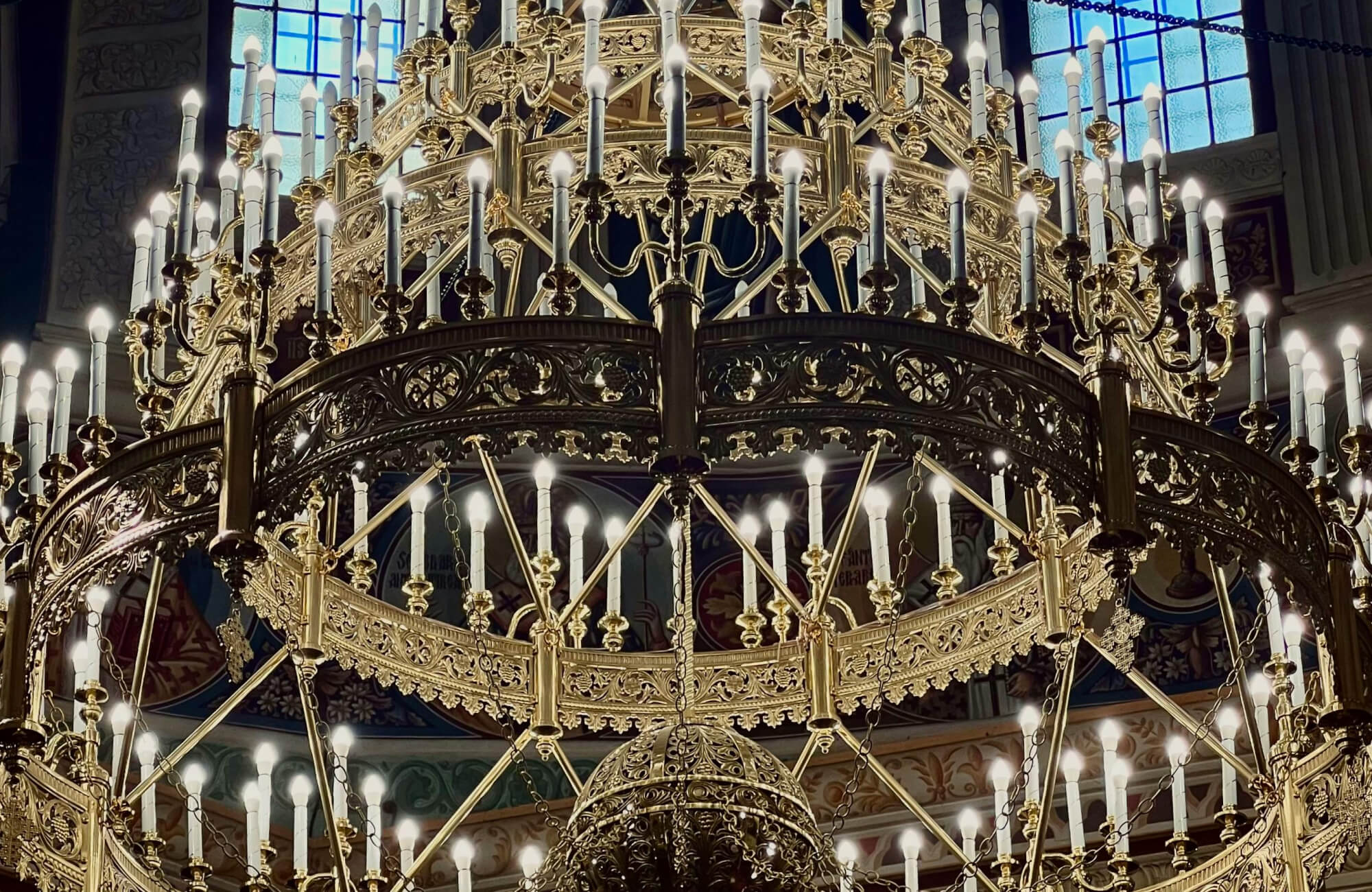
Every chandelier reveals centuries of innovation in artistry and engineering, embodying both technical mastery and aesthetic sophistication. Their design exemplifies the union of form and function, showcasing how craftsmanship itself can become a symbol of cultural achievement.
Artisanal Metalwork and Glassmaking
Traditional chandeliers demanded artisans skilled in iron forging, bronze casting, and wood carving, each element contributing to the fixture’s structural and visual beauty. The rise of crystal cutting elevated this artistry further, transforming utilitarian lighting into luminous masterpieces. Additionally, Venetian Murano glassmakers perfected the craft, creating chandeliers with elaborate floral arms and multicolored pendants that dazzled viewers. These works were not merely lighting instruments but testaments to the creativity and innovation of their makers. Preserved as cultural treasures, such chandeliers also highlight how design can embody entire artistic traditions. In this way, they symbolize the enduring dedication of artisans to both beauty and technical mastery.
Balance of Structure and Aesthetics
Designing a chandelier requires careful reconciliation of stability with elegance, as safety cannot be sacrificed for beauty. Every arm and tier must be proportioned to distribute weight evenly, ensuring the fixture remains both secure and graceful. Hidden metal frameworks also support fragile glass pendants, allowing them to appear weightless while maintaining strength. In addition, symmetry and scale are meticulously calculated, ensuring that no element disrupts the visual harmony of the piece. The resulting design communicates both resilience and delicacy, qualities rarely united so seamlessly. By embodying this balance, chandeliers stand as striking examples of how art and engineering can coexist.
Innovation in Contemporary Craft
In the modern era, chandelier craftsmanship has expanded to embrace sustainable practices and experimental design. Artisans increasingly work with reclaimed wood, resin, and recycled glass, reimagining traditional materials through an eco-conscious lens. LED technology also enhances these designs, allowing creative control over color temperature and light distribution while maximizing energy efficiency. This blending of sustainability with artistry proves that chandeliers remain adaptable without losing their aura of luxury. Moreover, sculptural contemporary chandeliers are often displayed as works of art in their own right, reinforcing their symbolic value. Through this evolution, craftsmanship continues to define chandeliers as timeless symbols of innovation and creativity.
Chandeliers as Icons of Illumination and Enlightenment
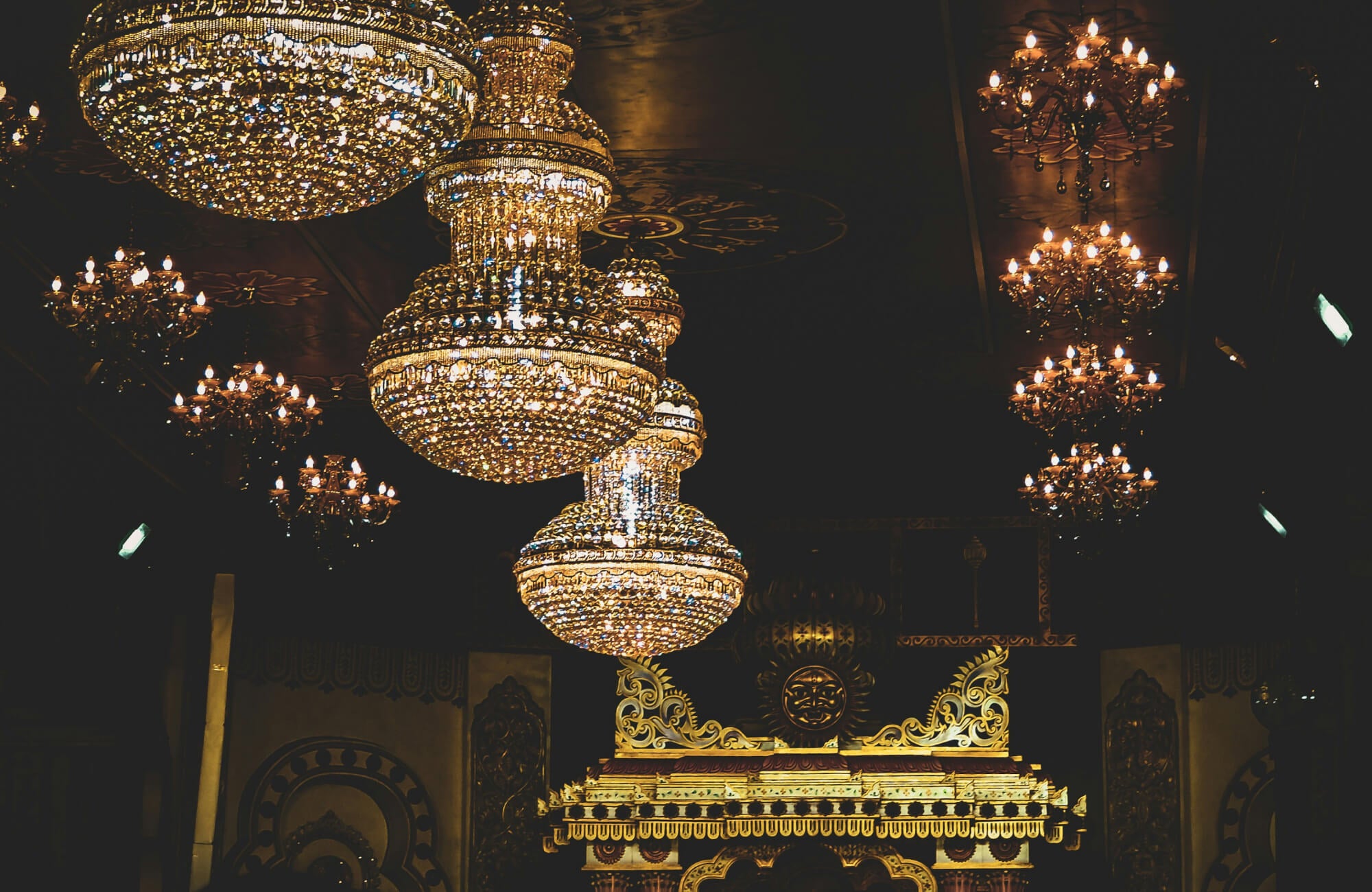
Beyond their practical role, chandeliers have always symbolized light as knowledge, clarity, and spiritual awakening. Their radiance has served as a metaphor for intellectual discovery and divine guidance across cultures and eras.
Symbol of Intellectual Clarity
In libraries, salons, and academic institutions, chandeliers came to represent the spread of knowledge through both literal and metaphorical light. Enlightenment thinkers often gathered beneath their glow, linking chandeliers to the era’s ideals of reason and progress. The reach of light across vast spaces also mirrored the dissemination of new ideas within society. Their brilliance created atmospheres conducive to reflection, debate, and intellectual exchange. Thus, chandeliers became not just architectural features but enduring emblems of human curiosity. Through their radiance, they symbolized clarity of thought and the pursuit of wisdom.
Spiritual and Religious Symbolism
Religious architecture embraced chandeliers as symbols of divine light and sacred beauty. For example, cathedrals suspended ornate chandeliers high above, encouraging worshippers to lift their gaze heavenward in contemplation. Similarly, in Orthodox churches, multi-tiered fixtures reflected celestial order, while mosques incorporated grand brass chandeliers to signify purity and spiritual generosity. The encompassing light also created an atmosphere of reverence, enveloping congregations in symbolic radiance. These associations transformed chandeliers into powerful conduits between earthly architecture and transcendent ideals. Their glow thus embodied the sacred link between humanity and the divine.
Metaphors in Literature and Art
Writers and artists frequently turned to chandeliers as evocative symbols within their work. A chandelier shattering in a novel might signify dramatic revelation or the collapse of the old order. In theater, its rise or fall often heightens atmosphere, imbuing stagecraft with layered meaning. Painters also used chandeliers to emphasize themes of brilliance, fragility, and moral commentary, situating them as central motifs. Their shimmering presence made them metaphors for both beauty and impermanence, lending richness to artistic narratives. Through these interpretations, chandeliers extended their symbolism from architecture into the cultural imagination.
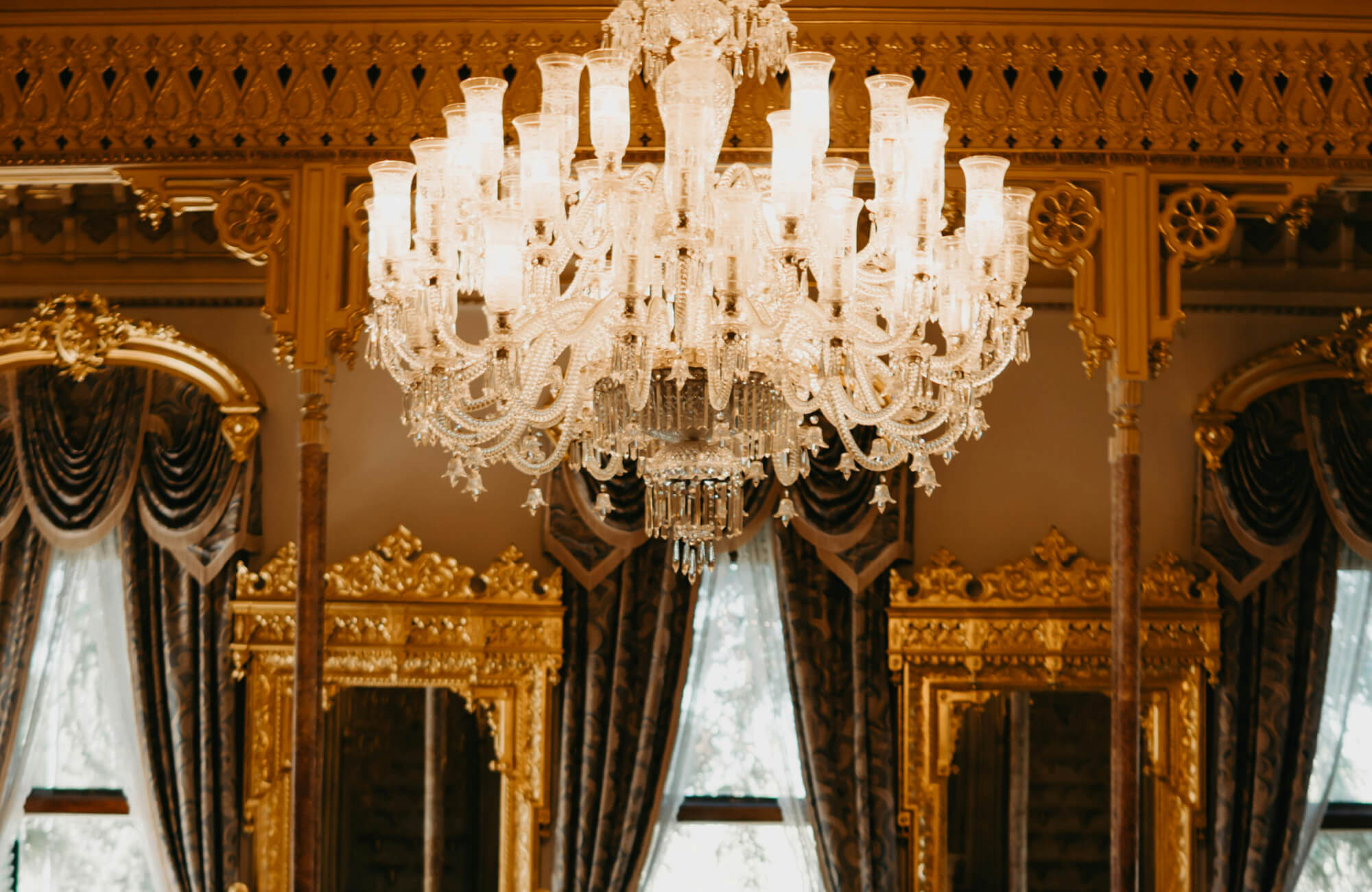
Chandeliers as Cultural and Social Symbols
The meaning of chandeliers has always been shaped by cultural context, adapting to reflect local traditions and collective identity. Across continents, they have served as backdrops for rituals of grandeur, hospitality, and celebration.
European Grandeur and Rococo Influence
In Europe, chandeliers became inseparable from Baroque and Rococo architecture, epitomizing theatrical opulence and artistic excess. Designers favored gilded bronze, intricate scrollwork, and cascades of crystals to reflect monarchical grandeur. Installed in salons and palaces, they also reinforced the authority and cultural dominance of ruling elites. Additionally, their elaborate ornamentation mirrored the era’s fascination with spectacle and refinement. Over time, these chandeliers became lasting markers of European cultural heritage. Their influence continues to inspire luxury interior design in the modern age.
Middle Eastern and Asian Traditions
In Middle Eastern palaces and mosques, chandeliers symbolize sacred hospitality and divine illumination, casting warm light that reinforces generosity and unity. Crafted from glass and brass, their intricate structures embody the artistry of Islamic design traditions. In Asia, chandeliers merged with lantern culture, creating hybrids that conveyed both storytelling and spiritual meaning. Palatial installations also often reflected cosmic harmony, aligning with cultural philosophies of balance and order. Each adaptation retained universal associations of radiance while reflecting unique local values. Together, these traditions demonstrate the chandelier’s ability to transcend borders and embody diverse cultural meanings.
Social Gatherings and Collective Identity
Chandeliers are central to theaters, opera houses, and banquet halls, where communities gather for shared experiences. Their luminous presence enhances the grandeur of weddings, performances, and national celebrations alike. By uniting people under a canopy of light, chandeliers foster a sense of togetherness and tradition. Their symbolism lies not only in their beauty but also in their ability to transform events into unforgettable occasions. In this way, they reinforce collective memory and cultural identity through design. The chandelier thus becomes an enduring symbol of unity woven into the fabric of social life.
Chandeliers as Contemporary Design Statements
In the modern era, chandeliers symbolize individuality, sustainability, and forward-thinking design. They stand as statement pieces that define architectural character while preserving their aura of timeless elegance.
Minimalist and Geometric Interpretations
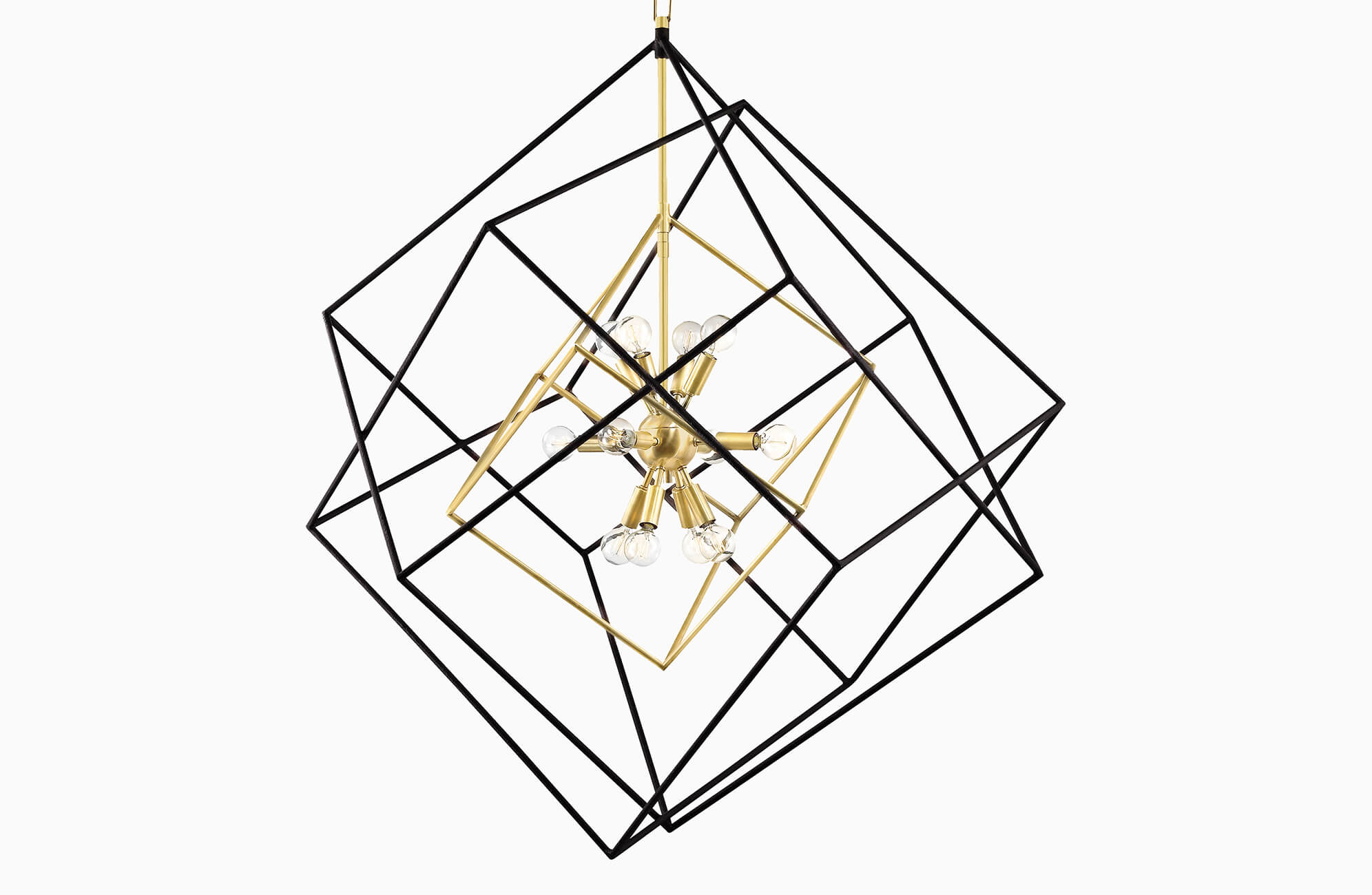
Contemporary chandeliers increasingly embrace minimalist aesthetics with clean geometric structures and sculptural forms. FOr instance, linear LED rods, modular grids, and spherical arrangements replace excessive ornamentation with deliberate simplicity. These designs also communicate clarity, balance, and modern sophistication, aligning seamlessly with open-plan architectural spaces. Their visual restraint enhances impact by focusing attention on proportion and light rather than embellishment.
A striking example, as displayed in the picture above, is Edward Martin’s Osborne 34" Chandelier in Aged Brass, which combines layered geometric frames in black with a radiant brass core, creating a bold architectural statement. By embodying precision, contrast, and modern elegance, this chandelier illustrates how contemporary design redefines luxury while retaining its timeless symbolic resonance.
Sustainable and Smart Lighting Integration
Sustainability has become integral to chandelier design, with artisans incorporating reclaimed wood, recycled metals, and eco-friendly glass. In particular, advanced LED systems offer both efficiency and creative control, allowing personalized ambiance while minimizing energy use. Smart-home integration also introduces programmable lighting, enabling flexibility that complements modern lifestyles. This fusion of sustainability and technology reflects the cultural shift toward responsible luxury. Chandeliers now symbolize not only beauty but environmental awareness and innovation as well. Their adaptability ensures they remain relevant in the era of sustainable architecture.
Branding and Interior Identity
In commercial spaces, chandeliers function as signature design elements that define brand character and create memorable first impressions. Boutique hotels, for example, employ sculptural chandeliers to convey exclusivity and bespoke luxury, while high-end retail stores use dramatic fixtures to craft immersive shopping experiences that resonate with customers. Restaurants also select distinctive chandeliers to reinforce their culinary philosophy and atmosphere, ensuring the lighting reflects the mood of the dining experience.
A refined example is the Cressida 32" Chandelier in Vintage Gold Leaf, whose graceful curves and radiant gold finish exude warmth, sophistication, and timeless glamour. Its presence elevates interiors by communicating elegance while reinforcing a brand’s unique identity. Ultimately, chandeliers like this transform lighting into a storytelling tool that symbolizes both personality and prestige.
The Enduring Allure of Chandeliers
Chandeliers continue to embody a rare balance of artistry, innovation, and symbolism, casting more than light into the spaces they grace. They speak of heritage and craftsmanship while evolving into modern expressions of individuality and sustainable luxury. Each piece, whether a crystal masterpiece or a sculptural contemporary design, reflects the values and aspirations of its time. Their enduring presence ensures that chandeliers remain timeless icons of elegance and identity in interior design.
For those seeking to bring this same level of refinement into their own spaces, Edward Martin’s design services offer bespoke solutions tailored to both classic and contemporary interiors. To explore how a chandelier can transform your home or project, we invite you to contact us and discover the artistry of exceptional lighting design!
Follow us on Instagram
@EDWARD.MARTIN
)
)
)
)
)
)
)
)
)
)
)
)
)
)
)
)