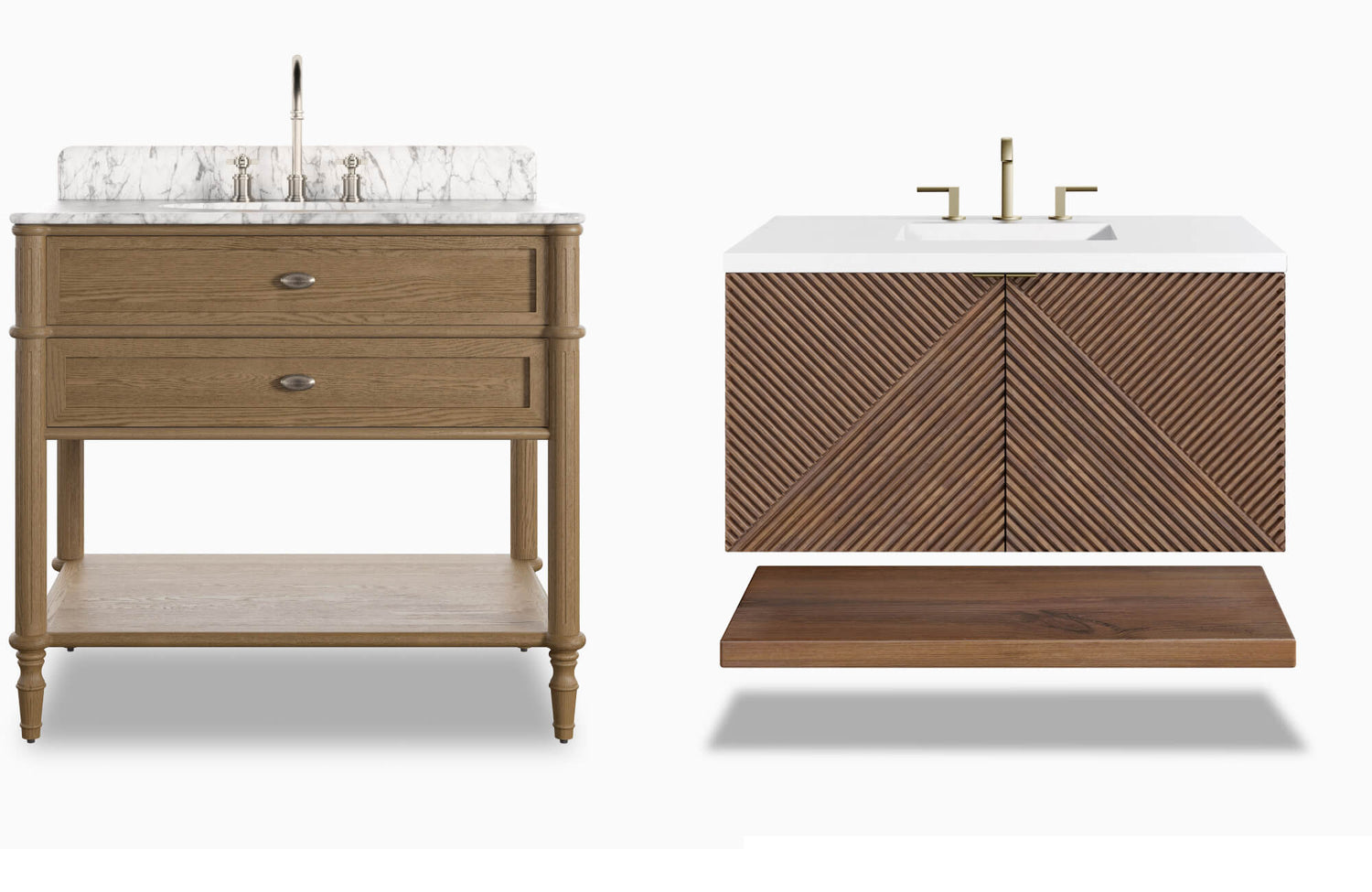
A well-designed bathroom vanity does more than provide storage—it defines the tone, flow, and sophistication of your entire space. Whether you're refreshing a compact powder room or creating a spa-like master bath retreat, selecting the right vanity can elevate both style and function with lasting impact. Among the most popular, freestanding and floating vanities each bring distinctive advantages, from architectural presence to sleek minimalism, making them well-suited for a variety of bathroom layouts and design visions.
To make the best choice, it's important to understand how each type interacts with space, structure, plumbing, and everyday use. In this article, we’ll explore freestanding and wall-mounted vanities across five key categories, helping you confidently choose a design that blends beauty with purpose.

Structural Design and Mounting Techniques
The construction and installation method of a vanity directly influences its stability, material compatibility, and long-term support. Recognizing how each vanity type interacts with the structure of the bathroom is vital for ensuring both safety and design integrity. Due to the weight-bearing demands and precise alignment required, especially with wall-mounted options, professional installation is strongly recommended for best results and lasting performance.
Support System and Load Distribution
Freestanding vanities are designed to rest directly on the bathroom floor, distributing weight evenly through legs or a full base that provides natural stability. This self-supported structure eliminates the need for wall reinforcement, making it highly adaptable to a wide range of layouts and flooring systems.
A strong example of stable freestanding construction is Edward Martin’s Delilah 72" Double Vanity in Seaside Oak with 3 cm White Zeus Quartz Top, as shown in the photo above. Its wide, grounded frame and solid oak build provide excellent weight distribution across the floor, while the quartz-based countertop adds durability without requiring wall support. The integrated open shelf at the bottom further anchors the unit while offering functional storage, making it ideal for larger bathrooms seeking both strength and style. With its balanced proportions and classic construction, this Delilah vanity illustrates how freestanding designs handle substantial countertop materials effortlessly.
Floating vanities, on the other hand, require secure attachment to wall studs or specially installed blocking because their cantilevered design transfers all load-bearing responsibility to the wall. Every element, from countertop materials to stored contents, adds to this load, demanding precision during installation. Proper mounting hardware and careful load calculations are non-negotiable for a reliable setup. In spaces with solid framing or during new construction, floating designs can also offer a clean, contemporary alternative without compromising structural soundness.
Material Compatibility and Structural Load
Freestanding vanities are more forgiving in terms of material choices, easily supporting heavier finishes such as marble, granite, or natural hardwood due to their grounded, stable form. This structural independence allows greater flexibility when selecting countertops or cabinet builds without concern for wall load limits.
Floating vanities, by contrast, often require lighter materials like engineered wood or medium-density fiberboard (MDF) to reduce stress on wall anchors and maintain long-term safety. Overloading these units with dense materials or heavy hardware can lead to eventual sagging or detachment if wall support is insufficient. The viability of high-density surfaces in floating designs also depends on professional installation and carefully reinforced walls. For projects where solid surface materials are a priority, freestanding vanities remain the more versatile and secure option.
Subfloor and Wall Material Compatibility
The effectiveness of a vanity installation often depends on how compatible it is with the existing subfloor and wall materials in the bathroom. Freestanding vanities can be installed over most flooring types, including tile, vinyl, and wood, without concern for anchoring, making them ideal for diverse remodels.
Floating vanities, however, require strong wall surfaces such as reinforced drywall, cement board, or blocking behind tile to support their weight and ensure safety. In homes with plaster walls or thin partitions, installing a wall-mounted unit may require structural retrofitting, which can add both time and cost to the project. At the same time, subfloor strength becomes a crucial consideration, especially when placing heavier freestanding vanities over raised wood joists or older substructures. By planning for material compatibility early on, you can avoid potential issues like sagging, detachment, or warping after installation.

Spatial Optimization and Floorplan Efficiency
The impact of a vanity extends far beyond its footprint, influencing how a bathroom feels, flows, and functions daily. Depending on room size and usage needs, each vanity style offers unique advantages in space optimization and layout adaptability.
Visual Continuity and Perceived Space
Floating vanities enhance the visual openness of a bathroom by revealing more of the floor—a design feature that naturally increases the perception of space. This effect is particularly beneficial in small bathrooms or powder rooms, where every inch of openness contributes to a more airy and uncluttered atmosphere.
By allowing floor materials to extend uninterrupted beneath the cabinet, floating vanities create a seamless visual flow that helps the room appear larger. Their elevated design also enables both natural and artificial light to move more freely through the space, further amplifying the overall sense of volume. As a result, floating vanities are especially well-suited for minimalist and modern layouts, where negative space is just as important as the physical elements within the room.
A perfect example of this effect, as displayed in the picture above, is the Royce 36" Single Vanity in Chestnut with 3 cm White Zeus Quartz Top, which balances warm wood tones with a sleek, compact silhouette. Its floating configuration creates uninterrupted floor visibility, ideal for tighter layouts where openness and light distribution are crucial. The refined proportions and smooth quartz-based surface also contribute to a clean, streamlined appearance that visually declutters the room.
Paired with simple wall-mounted fixtures and minimalist mirrors, this vanity supports both functional efficiency and aesthetic harmony. Compact yet impactful, this Royce vanity demonstrates how thoughtful design can elevate even the smallest spaces without overwhelming them.
Storage Footprint and Floor Contact
Freestanding vanities, in contrast, excel in maximizing enclosed storage space by using the full height of the cabinet from floor to counter. Their floor contact allows for deep drawers, built-in shelves, and closed compartments that are ideal for housing bulky items like towels or cleaning products. This additional storage makes them well-suited to busy family bathrooms or master en-suites where functionality is a priority.
However, their solid base can visually dominate smaller rooms, reducing the overall sense of openness. The physical bulk of these units may also interrupt flooring continuity, particularly in narrow layouts. Ultimately, choosing between freestanding and floating vanities comes down to balancing storage requirements with desired visual flow.
Lighting and Spatial Perception
Vanity placement significantly affects how light moves throughout the bathroom, which in turn impacts the perceived spaciousness of the room. Floating vanities allow ambient and task lighting to disperse more evenly across the floor and lower wall surfaces, giving the illusion of increased depth. This lighting effect can make compact bathrooms feel brighter and more open, especially when paired with wall sconces or under-cabinet LEDs.
Freestanding vanities, particularly those with solid bases, may block or absorb light, creating darker visual pockets near the floor. While they offer a more grounded appearance, they may also require additional lighting solutions to counterbalance shadowing. Understanding the relationship between lighting and vanity design helps enhance overall ambiance and functionality.

Plumbing Configuration and Installation Flexibility
Plumbing is a hidden yet critical aspect of vanity selection, with layout compatibility and accessibility playing a major role in installation cost and future maintenance. Each vanity type interacts with plumbing infrastructure differently, affecting how seamlessly it integrates into new or existing bathroom systems. For optimal results and to avoid costly errors, professional installation and adherence to the manufacturer's maintenance guidelines are strongly recommended.
Plumbing Pathways and Accessibility
Freestanding vanities are highly compatible with both floor-mounted and wall-mounted plumbing systems, offering more installation flexibility, especially in renovation scenarios. Because these vanities often include open backs or concealed internal compartments, they can easily accommodate existing pipes and drain lines without requiring significant modifications. This makes them particularly appealing in older homes where floor plumbing is the norm and re-routing would be complex or costly.
Floating vanities, in contrast, demand wall-mounted plumbing configurations, which can involve rerouting both supply and waste lines. This level of structural adjustment may increase the project's labor and material costs. For those retrofitting a space, freestanding vanities simplify the process and reduce the risk of installation delays.
Maintenance Access and Repair Ease
When it comes to long-term plumbing maintenance, floating vanities offer the advantage of easier access due to their open underside. This unobstructed clearance allows homeowners and professionals to visually inspect and reach plumbing fixtures without disassembling the vanity.
Freestanding vanities, while slightly more enclosed, often include access panels or open backs that allow for repair work without disrupting the cabinet structure. However, in some models, tight compartments can complicate access and increase service time. Floating vanities also reduce the risk of water pooling at the vanity base, lowering the chance of water damage to cabinet material. Whether prioritizing aesthetics or serviceability, understanding these differences ensures better performance and fewer surprises over time.

Design Flexibility and Aesthetic Expression
A bathroom vanity is not just a functional fixture—it often serves as a visual centerpiece. Each vanity type supports a distinct design language and level of customization, influencing the overall tone and cohesion of the space.
Stylistic Range and Architectural Influence
Freestanding vanities are available in a wide range of styles, from ornate traditional cabinets to rustic farmhouse consoles, making them adaptable to nearly any aesthetic preference. With details like paneled doors, antique hardware, and carved legs, they bring character and craftsmanship to spaces that favor warmth and personality. These vanities also function as standalone furniture pieces, offering a timeless appeal that grounds the bathroom visually.
A beautiful representation of freestanding elegance is our Maxine 72" Double Vanity in Washed Natural Veneer with Carrara Marble Top. This vanity pairs understated sophistication with generous proportions, making a strong visual statement. Its clean-lined frame, soft wood grain, and subtle mid-century inspiration make it an ideal choice for transitional interiors that seek warmth without added visual weight.
In addition, the Carrara marble top introduces a luxurious contrast to the natural finish, creating a harmonious balance between organic texture and refined polish. With dual sinks and an open base shelf, this Maxine vanity is both highly functional and aesthetically grounded, delivering everyday utility with an elevated design sensibility.
Floating vanities, on the other hand, are best suited for contemporary or Scandinavian-inspired spaces that value clean lines and functional simplicity. Their pared-down design emphasizes geometry, symmetry, and the interplay of surfaces rather than decorative embellishments. For those pursuing either a statement piece or a seamless modern look, vanity style plays a defining role.
Customization Potential and Visual Integration
Floating vanities lend themselves to custom fabrication, often incorporating integrated sinks, wall-mounted faucets, and under-cabinet lighting for a highly curated appearance. This level of integration creates a minimalist and luxurious feel that blends harmoniously with other architectural elements.
Freestanding vanities, while offering fewer built-in features, allow for broader personalization of finishes, countertop materials, and sink styles, from vessel to undermount options. They also pair well with decorative mirrors, backsplashes, and accent lighting, supporting more layered and textured interiors. Floating vanities, on the other hand, often work in harmony with recessed shelving or linear tile arrangements to create a cohesive and unified look. While both styles can be tailored to suit specific design goals, their overall aesthetic language remains distinct.
Pairing Vanities with Bathroom Fixtures and Features
Vanity selection should align with other key elements of the bathroom, such as sink type, faucet placement, and mirror size, to achieve a cohesive and well-balanced design. Floating vanities pair seamlessly with wall-mounted faucets and minimalist mirrors, reinforcing their modern, streamlined aesthetic. On the other hand, freestanding vanities, particularly those featuring detailed moldings, tend to complement countertop-mounted faucets and framed mirrors that echo their traditional or transitional character.
Coordinating cabinet hardware with light fixtures, towel bars, and other fittings helps to further unify the space. Additionally, maintaining material consistency across the vanity, tile, and accessories ensures that the bathroom’s overall mood and palette remain harmonious. With thoughtful integration, the vanity becomes a focal point that enhances, rather than competes with, surrounding fixtures.
Color and Finish Longevity Over Time
The durability and appearance of vanity finishes can vary significantly based on material quality and daily exposure to moisture and light. Floating vanities often feature glossy lacquer or laminate finishes that offer water resistance and a modern aesthetic; however, these finishes may show signs of wear more quickly when exposed to harsh lighting. Conversely, freestanding vanities made from stained hardwoods or painted MDF provide a richer texture and visual depth, though they may require occasional touch-ups to maintain their original look over time.
Opting for UV- and moisture-resistant coatings can also help extend the life of any vanity, particularly in bathrooms that experience heavy use. Lighter colors are generally more effective at concealing water spots or dust, while darker tones, though dramatic, can be prone to fading under direct sunlight. By carefully evaluating finish performance during the selection process, you can ensure long-term visual appeal and durability.

Durability, Maintenance, and Long-Term Value
Choosing the right vanity also means considering how it will perform over time in a high-moisture, busy environment. From construction materials to daily upkeep, each style offers unique strengths that contribute to longevity and value. As mentioned earlier, adherence to the manufacturer's maintenance guidelines is strongly recommended for best results.
Structural Longevity and Environmental Resistance
Freestanding vanities are generally more durable, thanks to their floor-mounted construction, which provides enhanced structural stability and evenly distributes weight over time. Because their design is less reliant on wall integrity, they are also less susceptible to issues such as wall shifting or settling.
Floating vanities, while structurally sound when properly installed, may develop stress points over time if wall supports begin to weaken or if moisture seeps into the mounting area. This risk is heightened in bathrooms with poor ventilation or fluctuating humidity levels. In older homes or busy environments where long-term resilience is essential, freestanding vanities often prove to be the more reliable choice. For lasting performance with fewer structural concerns, floor-mounted options offer a dependable and practical solution.
Cleaning Convenience and Moisture Management
Floating vanities simplify cleaning by exposing the floor underneath, preventing dust, hair, or water buildup in hard-to-reach areas. This design also minimizes contact with standing water, reducing the potential for baseboard swelling or mold growth in wet zones. On the other hand, freestanding vanities, while more enclosed, can protect walls and surrounding finishes from splash damage and may better contain plumbing condensation.
Cleaning under or behind them can be more challenging, especially in tight spaces or for models with solid bases. Still, many freestanding vanities are treated with moisture-resistant coatings that enhance their durability in damp conditions. The ease of maintenance often comes down to design details and proper installation techniques.
Resale Appeal and Long-Term Investment Value
Beyond daily performance, the vanity you choose can have a lasting impact on your home’s long-term value and buyer appeal. Freestanding vanities tend to resonate with buyers looking for traditional styling, ample storage, and grounded permanence, especially in primary bathrooms. Floating vanities, on the other hand, are increasingly seen as luxury features in contemporary homes, often associated with custom design and upscale finishes. Because of their clean lines and space-enhancing qualities, they can also give smaller bathrooms a high-end feel that appeals to modern tastes.
Whether classic or modern, high-quality materials and professional-grade installation contribute significantly to resale potential. Choosing a vanity that aligns with current design trends while maintaining timeless craftsmanship ensures both style longevity and property value retention.
How to Choose the Ideal Bathroom Vanity for Both Style and Function
A well-chosen bathroom vanity brings harmony to both the form and function of your space, acting as a focal point that effortlessly balances utility with design. Both freestanding and floating vanities present thoughtful solutions, each tailored to suit varying layouts, lifestyles, and aesthetic goals. Whether your priority is generous storage, enhanced visual openness, or flexible installation, your selection lays the foundation for a more refined and efficient daily experience. With the right vanity, even the most utilitarian areas of the home can be transformed into something timeless and deeply personal. Ultimately, the key is to align your structural needs with a vision that reflects lasting beauty and purpose.
If you need guidance selecting the ideal piece, Edward Martin’s design services are here to help you navigate finishes, functionality, and fit. Contact us to get started with a tailored consultation!