Porcelain pavers have quickly become a preferred option for outdoor living spaces, and it’s not just because they look polished and modern. Their ability to withstand pressure, both literally and figuratively, makes them a smart, long-lasting choice. If you're considering using them on your patio, around the pool, or in a garden setting, it's natural to ask how long they last. Let’s walk through what gives porcelain pavers their staying power, what conditions can affect their lifespan, and how to get the most value from your investment.

What Makes Porcelain Pavers So Durable
Before we talk numbers or timelines, it helps to know what makes porcelain pavers so resilient. Their unique composition and firing process put them in a league of their own when it comes to long-term performance.
How Porcelain Pavers Are Made
When porcelain pavers are created, refined clay is blended with minerals like feldspar and quartz. This mixture is then fired at over 2,000°F, resulting in a product that’s incredibly dense and non-porous. This means the pavers are practically waterproof, which immediately sets them apart from more porous materials like concrete or limestone. That density also gives them their signature strength, something you’ll appreciate once they’re installed outdoors.
Key Strength Characteristics
The strength of porcelain isn’t just about density; it’s also about how it holds up under stress. Porcelain pavers have a high compressive strength, which means they can support significant weight without cracking or buckling. Their ultra-low absorption rate (often below 0.5%) makes them highly resistant to frost damage, even in harsh winter climates. This resilience makes them equally suitable for patios in warm southern zones and garden walkways in cold northern areas.
Comparison With Other Materials
Now, if you’re weighing porcelain against concrete or natural stone, the differences are clear. While natural stone offers beauty, it requires sealing and regular upkeep. Concrete tends to discolor and degrade over time, especially in wet or icy conditions. Porcelain, on the other hand, resists fading, doesn’t absorb stains, and never needs sealing. It’s engineered for longevity without the maintenance headaches, which is why so many people are choosing it as a permanent solution.
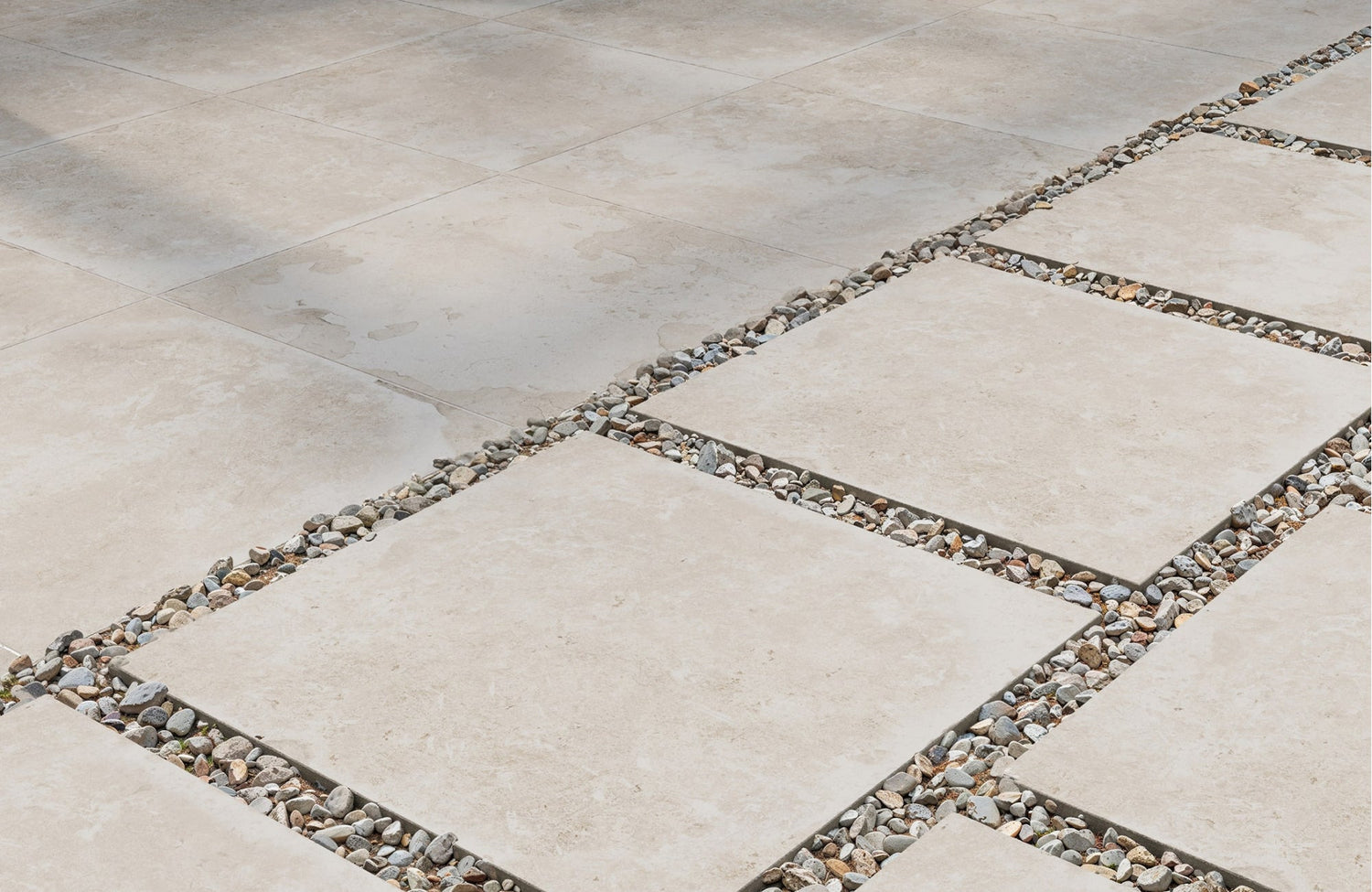
Take, for instance, Edward Martin’s Ramsey 24x48 Grip Porcelain 2cm Paver Tile in Putty, as featured in the photo above. It blends durability with modern style, offering a clean, matte finish that pairs beautifully with greenery and natural light. These tiles not only enhance outdoor spaces visually, but they also perform exceptionally well under real-world conditions, from rain to strong sun. With this kind of porcelain option, you're getting more than just a surface; you’re also investing in a solution that lasts.

How Environmental Conditions Affect Lifespan
Even the toughest materials need to contend with nature, and porcelain is no exception. Let’s explore how environmental factors like temperature changes, moisture, and sun exposure influence its durability.
Freeze and Thaw Cycles
If you live in a region with snowy winters and frosty mornings, freeze-thaw cycles are a real concern. Water that seeps into porous materials and freezes will expand, causing those materials to crack over time. Because porcelain pavers absorb so little water, they simply don’t allow that freeze expansion to take place. That means fewer cracks and far better long-term integrity, especially on patios or steps exposed to seasonal weather swings.
Sun Exposure and UV Resistance
Constant sun can wreak havoc on some outdoor surfaces, bleaching out color and making everything look older than it is. Fortunately, porcelain pavers are built with UV stability in mind. The pigmentation is baked into the surface through a high-temperature process, so the colors remain vibrant year after year. Whether your outdoor area faces full southern sun or just gets a few hours of afternoon light, the finish won’t fade prematurely.
Impact of Humidity and Rain
Humidity and rainfall can turn wood and untreated stone into breeding grounds for mold and algae. That’s where porcelain’s non-porous surface becomes a major advantage. It doesn’t soak up moisture, so it stays clean and stable, even during long, wet seasons. That moisture resistance also means the pavers won’t warp, swell, or lose their shape, keeping your layout smooth and intact.
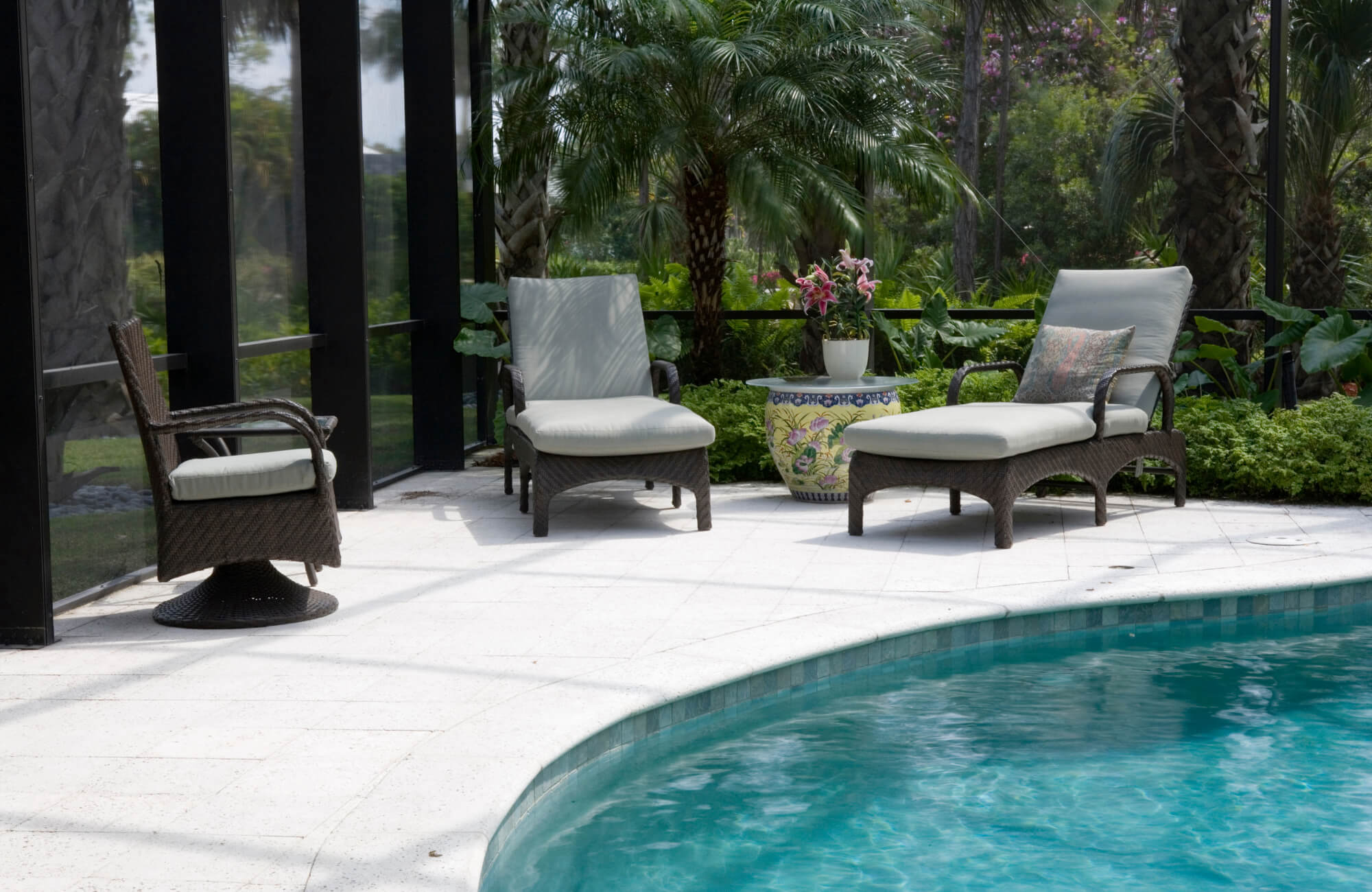
That’s why Edward Martin’s Bowden 24x24 Grip Porcelain 2cm Paver Tile in Canvas, as displayed in the photo above, is such a practical fit for areas exposed to frequent rain or humidity. Its anti-slip finish adds an extra layer of safety underfoot, particularly around pools or wet patios. With a large-format design that reduces grout lines, there are fewer places for water or debris to settle. Due to its grip texture and porcelain’s inherent moisture resistance, paver tiles like Bowden perform beautifully in damp conditions while keeping the space looking clean and contemporary.

Installation Quality and Its Long-Term Impact
The durability of porcelain pavers isn’t just about the material; it also depends heavily on how they’re installed. When done right, the difference is night and day. For the best results and to ensure your pavers perform as intended over time, it’s always a good idea to consult with a professional installer who understands the specific requirements of porcelain systems.
Base Preparation
When it comes to porcelain pavers, what’s underneath is just as important as what you see on top. A well-prepared base, usually made up of compacted gravel and a layer of sand, provides the support needed to keep everything level and secure. If that foundation is too thin or not compacted properly, the pavers can begin to shift or sink over time. That kind of movement isn’t a reflection of the porcelain’s quality; it simply means the groundwork wasn’t done right.
Joint Filling and Grouting
The material used between the pavers also plays a major role in how they perform. Loose sand can wash away or invite weed growth, while resin or polymeric sand offers more stability and less maintenance. Mortar joints, on the other hand, work well for areas where you want a tighter, more formal layout. Whatever joint filler you choose, it's equally important to apply it correctly to prevent water seepage and maintain structural strength.
Edging and Restraints
One of the most overlooked aspects of installation is edge restraint. Without it, the pavers can gradually slide outward, especially in areas with lots of use or shifting ground. Installing proper edge barriers or concrete borders helps lock the layout in place, preserving alignment and reducing the chance of movement. When pavers are installed with these added measures, the surface not only looks clean and intentional but also holds up beautifully over the years.

Maintenance and Cleaning Routines
Porcelain pavers are designed to be low maintenance, but a bit of routine care can also help them look their best for years to come. With just a few simple habits, you can easily preserve your finish, prevent damage, and get the most out of your investment. For best results, always follow the manufacturer’s care guidelines for both the pavers and the grout, as product-specific recommendations ensure lasting performance and avoid unintentional wear.
Basic Cleaning Practices
The beauty of porcelain is that it’s easy to keep clean. For everyday upkeep, a simple sweep and occasional rinse with water are all you need. Dirt and spills won’t soak in, and most stains, like grease, food, or mildew, can be wiped off with mild soap and water. Because the surface is non-porous, it doesn’t harbor bacteria or odors, making it a great option for outdoor dining areas.
This is especially true with Edward Martin’s Wren 24x24 Grip Porcelain 2cm Paver Tile in Dune, as featured in the photo above. Its smooth, matte surface resists staining and is incredibly easy to maintain, even in busy areas like patios or outdoor kitchens. The warm, sandy tone adds a natural look to the space, while the grip finish ensures safety without sacrificing style or ease of cleaning.
Avoiding Harsh Chemicals
Even though porcelain is strong, it’s still wise to avoid abrasive chemicals. Acidic cleaners or bleach-based products might dull the surface over time, especially if used regularly. Instead, it's recommended to use pH-neutral cleaners designed specifically for tile and stone. These are effective, safe, and gentle enough to preserve the finish while still getting the job done.
Preventing Surface Damage
While it’s hard to damage porcelain with everyday use, certain habits can leave marks. Dragging heavy furniture or using metal tools without padding may scratch the surface over time. It’s suggested to place rubber pads under chair legs or grills, especially on uncovered patios. Small efforts like these can also help maintain the original finish and keep the surface looking sharp year after year.

Expected Lifespan and Signs of Wear
Porcelain pavers are built for the long haul, but like anything, they can also show wear under certain conditions. Here’s what to expect as the years go by.
Average Longevity Estimates
Under normal use and with proper care, you can expect porcelain pavers to last anywhere from 20 to 30 years, often longer. Many people are surprised to find that their porcelain patios still look nearly new after a decade or more. Because they don’t fade, crack easily, or absorb water, their visual and structural integrity holds up far better than many traditional alternatives.
A great example of this kind of durability is Edward Martin’s Ramsey 24x24 Grip Porcelain 2cm Paver Tile in Putty, as featured in the photo above. Its robust construction and slip-resistant surface make it ideal for outdoor lounge areas that get frequent use. The neutral tone stays consistent over time, and its weather-resistant properties ensure that even with exposure to sun, rain, or heavy furniture, the surface maintains its original look and strength year after year.
Common Signs of Aging
With time, you might notice subtle signs of aging like loose joints, slight shifting, or minor edge chipping. These signs don’t always mean the pavers are failing, but they do suggest that maintenance or inspection is due. Spotting these early also helps you prevent more serious issues and gives you a chance to make minor adjustments before they become costly repairs.
When to Replace or Repair
One of the advantages of porcelain pavers is how simple they are to repair when needed. If a tile becomes chipped or damaged, it can often be removed and replaced individually without affecting the rest of the layout. This focused approach allows you to maintain the overall look and function of the space without a major renovation. Being able to recognize when a quick fix is enough and when a full replacement makes more sense also helps you protect your investment while keeping disruptions to a minimum.

How Porcelain Pavers Perform in Demanding Outdoor Spaces
Not all surfaces experience the same level of wear, and some areas require extra strength. Let’s look at how porcelain pavers perform in more demanding settings.
Driveway and Heavy Load Use
Not all porcelain pavers are designed to handle the demands of a driveway. For these areas, it’s important to choose thicker pavers specifically rated for heavy loads. When paired with a properly reinforced base and secure joint support, they can easily withstand the weight of vehicles without cracking or shifting. To ensure long-term performance, always review the product’s load rating before installation and confirm that it’s suited to your intended use.
Busy Commercial Spaces
In commercial environments like retail entrances, hotel courtyards, and restaurant patios, surfaces need to be both durable and low-maintenance. Porcelain pavers are well-suited to these settings due to their strength and resistance to wear. When installed with a slip-resistant texture, they can also support safer footing for guests and staff. Additionally, their ability to stay clean and resist staining helps maintain a polished, professional look, even in areas that see continuous daily use.
Poolside and Water Features
Surfaces around pools, spas, and water features face constant exposure to moisture, chlorine, and direct sunlight, making material choice especially important. You need something that offers slip resistance for safety, holds up against water, and stays looking clean over time. Porcelain checks all these boxes, especially when paired with proper drainage and slope to prevent standing water and protect the substructure.
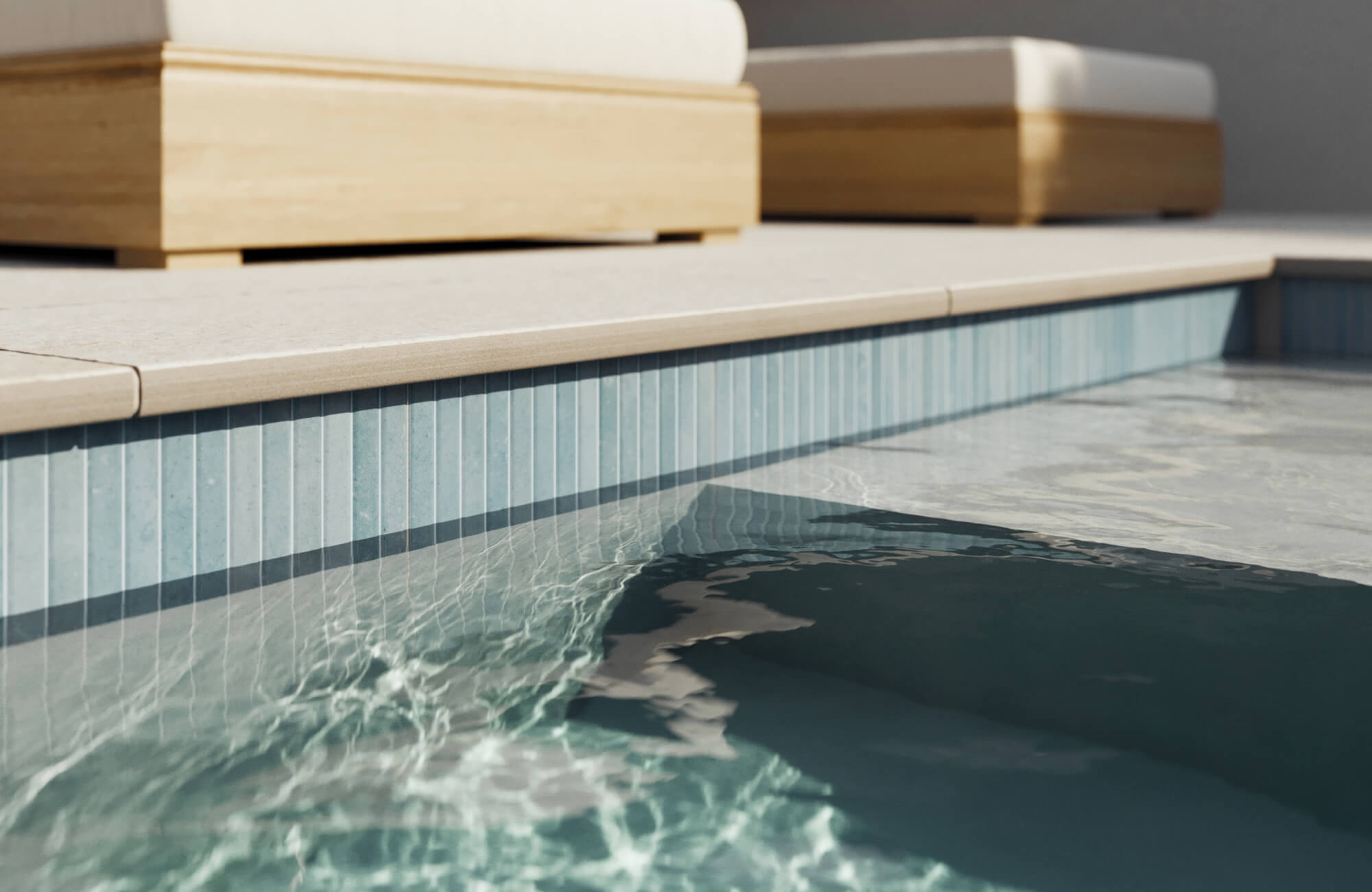
A great example is Edward Martin’s Dawson 24x48 Grip Porcelain 2cm Paver Tile in Alabaster, as displayed in the photo above. Its textured finish enhances grip underfoot, making it a safe and stylish option for wet areas. The light, natural tone helps keep the space feeling open and cool, while the large format reduces grout lines and keeps maintenance simple. Tiles like Dawson deliver both function and design in high-moisture settings where reliability matters the most.
The Long-Term Value of Porcelain Pavers
With proper installation and routine care, they can easily hold up for 20 to 30 years or even longer. Their resistance to water, stains, and fading makes them one of the most reliable surfaces for outdoor use. Whether you're creating a backyard retreat, a poolside lounge, or a commercial patio, porcelain pavers offer lasting performance without sacrificing style. By choosing the right product and following best practices, you're setting yourself up for decades of beauty, durability, and peace of mind.
If you're ready to explore options for your space, our team is here to help. Contact us for expert guidance or use our AR Tool to visualize how different porcelain pavers will look in your outdoor setting, right from your phone or tablet. It’s the easiest way to make confident design decisions before you build.