A bathroom vanity does more than complete your space—it anchors your daily routine. From holding your essentials to setting the tone of your bathroom’s style, it’s a functional fixture you rely on constantly. But how long can you expect it to hold up before wear, moisture, or time take their toll?
The truth is, there’s no one-size-fits-all answer. A vanity’s lifespan depends on several moving parts: the quality of materials, how well it’s installed, the way it’s used, and the level of care it receives over time. In this article, you’ll uncover the key factors that influence durability and learn how to make smart, lasting choices so your vanity not only looks good but also stays solid for the long haul.

Material Quality
The type and quality of materials used in constructing a bathroom vanity are the most fundamental predictors of how long it will perform reliably in a humid, busy environment. Each component from the cabinet base to the countertop plays a critical role in how well the vanity resists wear and moisture over time.
Solid Wood vs Engineered Wood
If you're aiming for a vanity that can stand the test of time, solid hardwoods like oak, maple, and cherry remain some of the most dependable choices. These woods naturally resist warping and cracking when properly sealed, offering firm structural integrity even in moisture-heavy environments. Over the years, they can also be sanded down, refinished, and brought back to life, making them ideal if you want a fixture that grows with your space rather than breaks down over time.
Engineered woods, on the other hand, vary greatly in performance. Plywood, especially the marine-grade variety, holds up well in humid spaces due to its layered construction and water-resistant adhesives, making it a strong, moisture-tolerant option. MDF (Medium-Density Fiberboard), although often seen as less durable in wet environments, actually performs well when properly sealed and maintained. It also offers a smooth, uniform surface ideal for painted finishes and intricate detailing, making it a popular choice for modern or transitional designs. A perfect example is our Royce 72" Double Vanity in Chestnut with 3 cm White Zeus Quartz Top, which uses MDF construction to deliver durability and clean lines, complemented by a bright white quartz top that enhances its contemporary elegance.
To elevate both style and practicality, veneers can be incorporated into engineered wood construction. By adding a thin layer of real wood to the surface, veneers mimic the appearance of solid hardwood while keeping materials lighter and more cost-effective. This not only enhances visual appeal but also allows for greater design flexibility without sacrificing structural performance.
Countertop Materials
Your vanity’s countertop endures the daily impact of water, cosmetics, and cleaning products, so choosing a material that can handle daily wear is essential. Quartz stands out as one of the most durable and practical options available. As a non-porous surface, it resists staining from makeup, lotions, and water without requiring any sealing. It’s also incredibly hard and scratch-resistant, making it well-suited for busy bathrooms where durability and easy upkeep are priorities. With a wide range of colors and patterns, many mimicking natural stone, quartz offers both versatility and long-term performance with minimal maintenance.
If you're looking to elevate your space with a touch of refinement, marble is an excellent choice. Known for its timeless beauty and luxurious veining, marble instantly adds sophistication to any vanity. Its naturally cool surface is ideal for bathrooms and can remain stunning for years with proper sealing and routine care. Although it may be more susceptible to etching and staining compared to other stones, many find that the visual richness and character it brings far outweigh the maintenance.
One design that beautifully showcases this material is our Maxine 72" Double Vanity in Washed Natural Veneer with Carrara Marble Top, shown in the image above. Featuring a soft white countertop with delicate gray veining, this vanity pairs classic Carrara marble with a warm, wood-toned base, creating a look that’s both elevated and inviting, perfect for today’s spa-like bathroom settings.

Moisture Control
Managing moisture is essential to preserving the integrity of your bathroom vanity. Without proper control, consistent exposure to humidity can gradually damage even the most durable materials. Poor ventilation also allows steam and damp air to linger, seeping into cabinetry and causing swelling, peeling, or warping. Fortunately, improving airflow with a properly rated exhaust fan or a humidity-sensing switch can significantly reduce this risk. In high-humidity climates, a dehumidifier can offer additional protection, helping to maintain stable conditions that extend the life of your vanity and improve overall bathroom comfort.
Beyond managing air quality, it’s important to protect the surfaces of your vanity directly. Using water-resistant finishes or sealants provides a necessary layer of defense against spills, splashes, and steam. Stone countertops should be resealed regularly to prevent erosion or staining, while wooden cabinetry benefits from coatings like polyurethane or lacquer to repel moisture. Sealing edges and plumbing cutouts thoroughly and adding waterproof liners under the sink can also help prevent unnoticed leaks from turning into long-term structural issues. Together, effective ventilation and sealing practices create a comprehensive moisture defense system that helps your vanity withstand the challenges of a damp environment.

Proper Installation
No matter how durable or high-end your vanity may be, poor installation can dramatically shorten its lifespan. A long-lasting vanity begins with a stable, well-supported foundation that protects it from shifting, sagging, or moisture-related damage. For wall-mounted units, securing the frame to wall studs or reinforced blocking is non-negotiable, while freestanding vanities must sit level to avoid structural stress. Taking the time to evaluate wall and floor conditions before installation also ensures your vanity will remain secure and fully functional, especially when paired with the added weight of a stone countertop.
Equally important is what happens behind the scenes. Plumbing connections, though hidden, can quietly compromise your vanity if not properly sealed and maintained. A small leak can saturate cabinet interiors over time, leading to mold, warping, and costly repairs. Careful pipe sealing, waterproof liners, and periodic inspections also add critical layers of protection. And even the smallest details, like correctly installed handles and drawer slides, play a major role in long-term usability. When installation is approached with precision and foresight, every element from support to hardware works together to keep your vanity performing beautifully for years.

Everyday Use Habits
Beyond materials and moisture control, the way you use your vanity every single day plays a major role in how quickly it wears down. Repeated actions, handling styles, and daily routines all add up, either supporting longevity or quietly accelerating damage.
Shared Bathrooms
When a vanity is used by multiple people throughout the day, its wear and tear increase significantly. In shared bathrooms, especially family or guest spaces, you’ll notice more frequent opening and closing of drawers, heavier use of countertops, and occasional neglect like standing water or toothpaste spills left uncleaned. These small, repeated actions create stress points that, over time, can weaken joints, loosen hardware, and wear down finishes.
To handle the extra strain, it’s worth choosing materials that are built for durability. Marine-grade plywood, for instance, resists warping from excess moisture, while quartz countertops provide a non-porous, low-maintenance surface that handles spills and abrasions with ease. Investing in soft-close hinges and drawer slides is also a smart move. They don’t just reduce noise; they prevent slamming and repetitive shock, preserving the structural integrity of the vanity over the years.
Our Delilah 72" Double Vanity in Seaside Oak with 3 cm White Zeus Quartz Top (shown above) is a thoughtful example of both style and strength in a shared space. Its quartz top provides a durable, stain-resistant surface that holds up beautifully under daily use, while the textured oak finish adds warmth without compromising resilience. Designed with ample storage and built to last, it’s a vanity that gracefully meets the demands of busy mornings and constant activity.
Kid-Friendly Features
Children bring energy and sometimes chaos to bathroom routines, and vanities often take the brunt of it. Splashing water onto cabinets, tugging open drawers with sticky hands, or using the vanity as a step stool can quickly result in chipped finishes, misaligned doors, or water-damaged surfaces. Without added protection, even a well-built vanity can show signs of wear far sooner in a family-focused bathroom.
To guard against this, consider features specifically suited to households with kids. Rounded corners reduce the risk of injury and damage from bumps, while impact-resistant finishes can withstand the occasional toy or toothbrush drop. Soft-close mechanisms on doors and drawers not only protect small fingers but also reduce mechanical wear. Choosing snag-free, recessed handles further keeps things streamlined and safe. Additionally, non-porous surfaces like quartz or solid surface are more forgiving when it comes to toothpaste smears, colored soap, or juice-like spills that often show up in the most unexpected places.
For a family-friendly option that still delivers style, our Atticus 36" Single Vanity in Rustic Oak with Carrara Marble Top features rounded corners that make it especially safe for young children. Its sturdy construction, soft-close drawers, and timeless white marble surface also provide durability and elegance, making it a smart choice for busy bathrooms where both kids and aesthetics matter.
Interior Organization
Not all damage happens on the surface. Sometimes, the most wear occurs inside your vanity. Cluttered drawers filled with toiletries, tools, and grooming products tend to cause gradual friction, scratching interior panels or putting excess pressure on joints and tracks. Over time, the result is not just a mess, but actual structural fatigue.
Keeping things tidy inside your vanity can prevent this silent wear. Drawer organizers help separate items, reducing the chance of contents rolling around and scraping against surfaces. Anti-slip mats also add a layer of protection and hold items in place, especially in high-use areas. For the under-sink cabinet, where moisture and spills are more common, a waterproof liner can help contain leaks from cleaning supplies or slow plumbing drips before they soak into the wood. With the right interior setup, you protect the integrity of your vanity from the inside out.

Design Choices
Some vanity styles look beautiful but require thoughtful execution to ensure they hold up over time. Trend-forward designs may come with hidden trade-offs, especially when structure or material durability is sacrificed for appearance. By understanding how certain design choices impact longevity, you can enjoy the look you want without shortening the life of your vanity.
Floating Vanities
Floating vanities create a sleek, modern aesthetic and give the illusion of more space, but they depend entirely on the strength of your walls. Since these vanities are mounted directly onto the wall, every pound of cabinet, countertop, and stored items must be supported without help from the floor. If installed into hollow drywall or without proper reinforcement, the mounting points may begin to loosen, causing sagging, cracking, or full detachment over time.
To avoid these risks, it's critical to ensure the vanity is anchored into wall studs or specially added blocking between studs. Heavy-duty mounting brackets should always be used, and you should double-check that the total loaded weight doesn’t exceed the manufacturer's specifications. In older spaces, where walls may be less structurally reliable, extra precautions are necessary. Before committing to a floating vanity, evaluate your wall’s condition and consult with a contractor if needed.
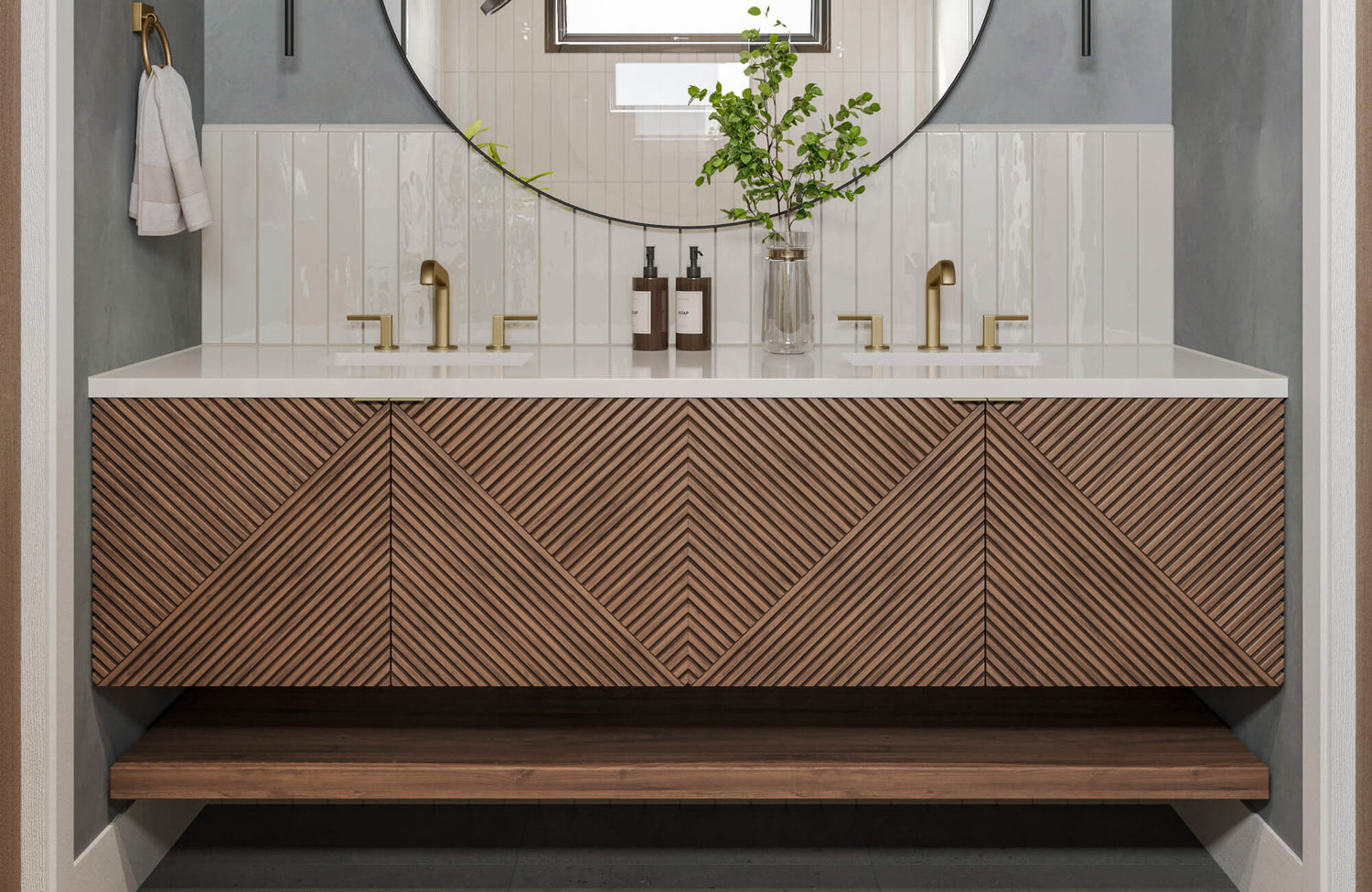
For those seeking a floating vanity that pairs clean lines with lasting strength, our Royce 36" Single Vanity in Chestnut with 3 cm White Zeus Quartz Top is a standout choice. As shown in the picture above, its wall-mounted design maximizes floor space while the warm chestnut finish and crisp bright white quartz top offer a sophisticated, modern look, perfect for smaller bathrooms that still demand style and functionality.
Minimalist Designs
Minimalist vanities often feature thin cabinet panels, narrow countertops, and sleek hardware, all of which contribute to a clean, modern look. However, behind that simplicity can lie potential problems. Thin materials are more susceptible to chipping, flexing, or collapsing under pressure. In pursuit of minimalism, some manufacturers cut corners that compromise durability.
But that doesn’t mean you have to sacrifice style for strength. You can still achieve a minimalist design by choosing products built with high-density cores or solid wood components under the thin façade. In addition, pay attention to construction quality. Look for dovetail joints, reinforced corners, and durable surface finishes. With careful material selection, it’s entirely possible to enjoy the refined, lightweight look of minimalism without inviting premature wear or structural failure.
Repurposed Furniture
Repurposing vintage dressers or antique cabinets into bathroom vanities brings character and uniqueness to your space, but it also introduces some structural challenges. These pieces were never designed to accommodate plumbing, hold up to high humidity, or support the weight of a modern countertop. Without reinforcement, their frames may weaken quickly, and moisture can warp or split the wood.
Before converting any piece of furniture, assess its condition carefully. Reinforce the frame to handle added weight, especially if you're installing a stone top or vessel sink. Create proper openings for plumbing without compromising stability. Finally, seal every surface inside and out with a durable, water-resistant finish to guard against steam, splashes, and spills. When retrofitted correctly, repurposed furniture can be both durable and distinctive, but it requires much more planning and care than simply placing a sink on top.

Maintenance
Regular maintenance plays a crucial role in preserving the longevity and appearance of your bathroom vanity. With just a bit of routine care, you can protect surfaces, prevent wear, and catch minor issues before they turn into expensive repairs. Weekly cleaning using pH-neutral products and soft cloths helps maintain finishes and prevent the buildup of dirt or product residue, while monthly deep cleans allow you to reach hidden corners, inspect for wear, and reseal materials like natural stone if needed. These consistent habits not only keep your vanity looking fresh but also slow down the natural aging process.
In addition to cleaning, it’s important to conduct seasonal inspections to catch early signs of damage. By checking for loose hardware, caulking gaps, and moisture buildup under the sink, you can tackle small problems before they escalate. Even more importantly, adapting your maintenance routine to suit your climate ensures your vanity holds up against environmental stress. Dry winter air may require humidifiers to prevent wood cracking, while humid summers call for added ventilation or moisture control products. Also, always consult your vanity and countertop manufacturer’s care guidelines, as specific materials and finishes may require tailored cleaning agents or sealing schedules to maintain their warranty and durability.
Lasting Beauty and Durability
Bathroom vanities typically last between 10 and 20 years, but with the right materials, thoughtful installation, and consistent upkeep, they can easily outlast that range. From ventilation and sealing techniques to daily habits and design decisions, every detail adds up to determine how well your vanity ages. By choosing wisely and maintaining attentively, you’re not just extending the life of your vanity. You’re also protecting an essential part of your space’s comfort and function for years to come.
To ensure you get the most out of your investment, we're here to help you every step of the way. Whether you have questions about material performance, care recommendations, or options that suit your lifestyle, our team is ready to provide expert guidance. Visit our Contact Us page to connect with a representative who can assist you with tailored advice and product support. After all, lasting beauty and durability start with informed decisions, and we’re committed to making that process as seamless and rewarding as possible.