
)
)
)
)
)
)
)
)
How High Should Pendant Lights Be Hung Above A Kitchen Island?
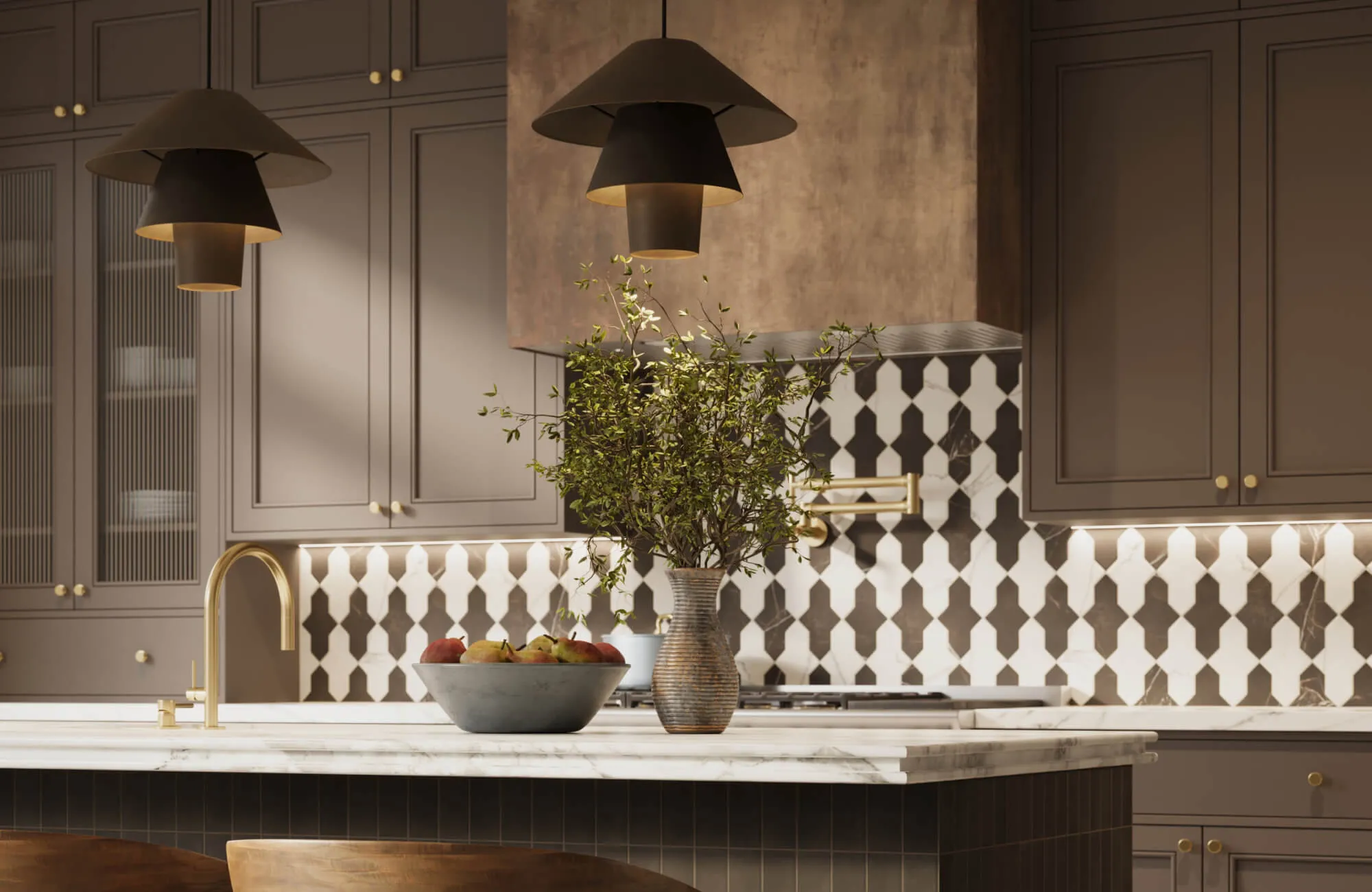
Pendant lights can completely change how a kitchen island looks and feels, yet height is one detail that’s often overlooked. Hang them too low, and they interrupt sightlines and everyday movement. Hang them too high, and they lose their purpose and visual impact. In this guide, we’ll break down how high pendant lights should be hung above a kitchen island, along with the key factors that influence placement, so your lighting feels intentional, comfortable, and visually aligned with the rest of your space.
The Standard Hanging Height Range
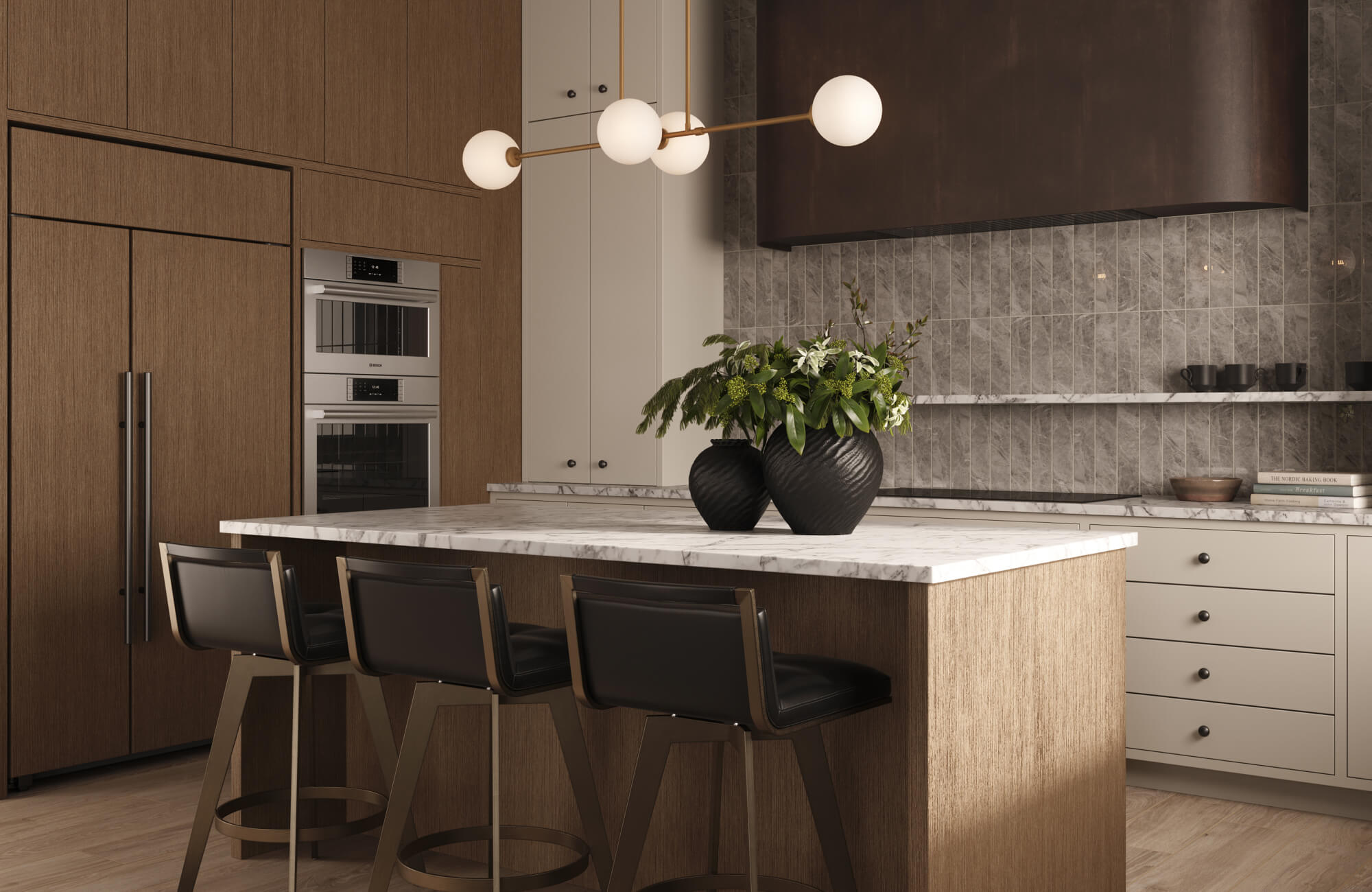
When it comes to pendant lighting over a kitchen island, there is a reason designers often start with a standard height range. Hanging pendants at the right level helps balance visibility, comfort, and visual flow in the space. Below, we’ll break down the common guidelines and explain why they work so well in most kitchens.
The 30–36 Inch Rule and Why It’s the Industry Standard
The 30 to 36 inch guideline refers to the distance between the bottom of the pendant and the countertop surface. This range works because it keeps the light low enough to illuminate the island while still allowing clear sightlines across the kitchen. It also prevents pendants from feeling intrusive when you are seated or moving around the space. For example, this height keeps the fixture visually connected to the island instead of floating awkwardly above it. Because it balances function and comfort, it has become a reliable starting point for many layouts.
How Counter Height Influences Pendant Placement
Counter height plays a bigger role in pendant placement than many people realize. Standard kitchen islands are typically around 36 inches tall, which is why the 30 to 36 inch range feels so natural in most homes. If your island is taller or includes a raised bar, the pendants may need to hang slightly higher to maintain the same sense of balance. Lower counters, on the other hand, can make pendants feel too dominant if the height is not adjusted. Paying attention to the counter height helps the lighting feel proportional rather than forced.
When to Go Higher or Lower Than the Standard Range
There are situations where adjusting outside the standard range makes sense, especially based on how the kitchen is used. If the island doubles as a main walkway or a busy prep area, hanging pendants a bit higher can improve clearance and comfort. In more intimate settings, such as islands used mainly for dining, slightly lower pendants can create a cozier, more focused feel. Ceiling height also matters because higher ceilings can support pendants that hang lower without feeling heavy. The key is using the standard range as a guide, then fine-tuning it to fit how your space actually functions.
Factoring in Pendant Size, Shape, and Shade Style
Pendant height is not just about measurements, because the fixture itself plays a big role in how low or high it should hang. Size, shape, and shade style all influence how heavy a pendant feels visually once it is in place. Here, we’ll look at how different designs affect the ideal hanging height so the lighting feels balanced rather than overpowering.
Larger Pendants and the Need for Extra Clearance
Larger pendants naturally carry more visual weight, which means they often need a bit more breathing room above the island. Hanging them slightly higher helps prevent the space from feeling crowded, especially in kitchens with standard ceiling heights. This extra clearance also keeps the pendant from blocking sightlines across the room. For example, wide drum or globe styles can feel overwhelming if they sit too low. Raising them just a few inches helps maintain comfort while still making a strong design statement.
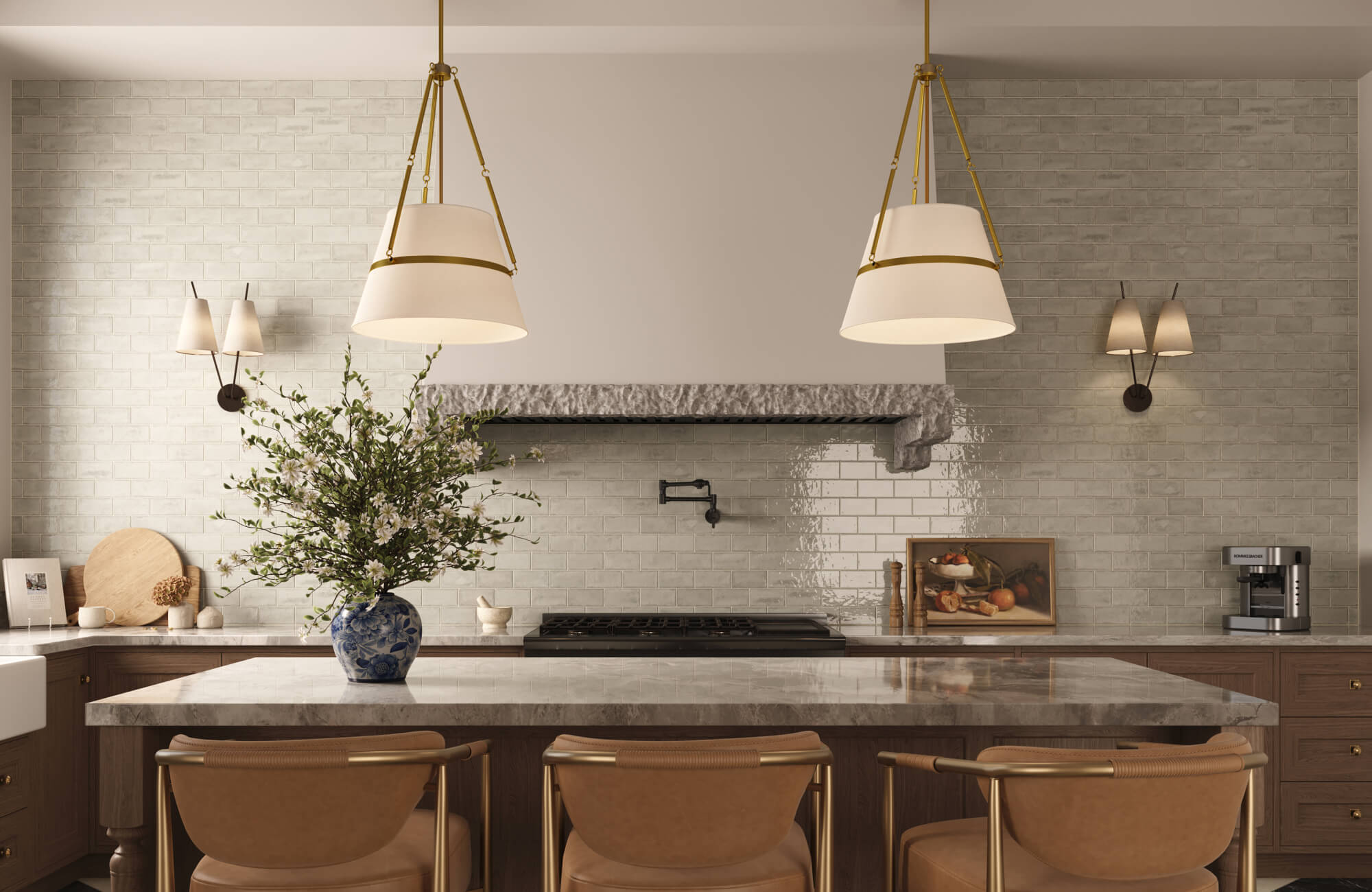
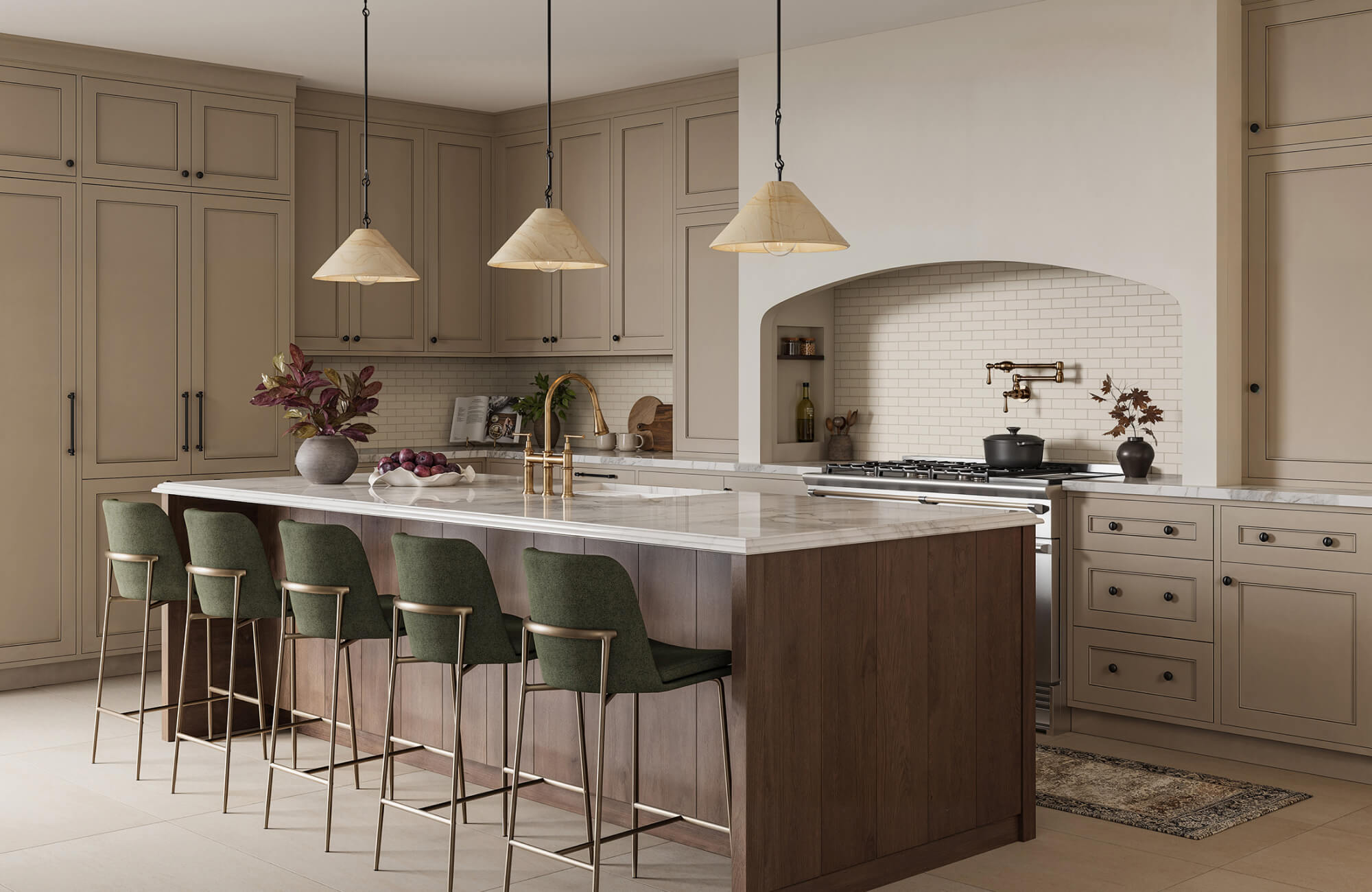
A fixture like our Matthew 18" 1 Light Pendant in Aged Gold/White Linen, as shown above, benefits from a touch of extra clearance to let its softly flared linen shade read as a focal point without feeling heavy over the island. Hanging it slightly higher allows the layered warmth of the fabric shade and refined metal detailing to stand out while keeping sightlines open. This balance works especially well in kitchens that lean classic or transitional, where proportion and comfort matter just as much as style.
Small or Narrow Pendants and Their More Flexible Height Range
Smaller or slimmer pendants tend to feel lighter in the space, which gives you more flexibility with height. They can usually sit closer to the lower end of the standard range without dominating the island visually. This works well in kitchens where you want the lighting to feel more subtle or decorative. Narrow pendants also leave more open space around them, which keeps the kitchen feeling airy. Because of this, they adapt easily to a variety of layouts and ceiling heights.
How Open vs Closed Shades Change the Ideal Hanging Height
Shade style influences how low a pendant should hang because it affects both visibility and visual density. Open shades often feel lighter and allow light to spread more freely, so they can hang slightly lower without feeling heavy. Closed shades, on the other hand, tend to feel more solid and visually contained. Hanging these a bit higher helps prevent them from feeling bulky over the island. The shade design plays a quiet but important role in how comfortable the lighting feels at eye level.
Considering Clustered or Tiered Pendants
Clustered or tiered pendants introduce more visual movement, which changes how height should be handled. Because multiple elements draw the eye, these styles often look best when positioned a little higher overall. This keeps the grouping from overwhelming the island or interfering with sightlines. It also allows the layered design to read clearly as a feature rather than a distraction. When thoughtfully placed, clustered pendants add interest without sacrificing balance or comfort.
Adjusting Height Based on Ceiling Height and Room Scale
Ceiling height has a direct impact on where pendants should sit, because the vertical space changes how low or high the lights feel once installed. What works perfectly in one kitchen can feel cramped or disconnected in another if the ceiling height is different. In here, we’ll break down how common ceiling heights and fixture types influence pendant placement so everything feels properly scaled.
Pendant Placement for Standard 8-Foot Ceilings
With standard 8-foot ceilings, pendants usually need to stay closer to the lower end of the recommended hanging range to maintain balance. Hanging them too high can make the lights feel disconnected from the island, while going too low can crowd the workspace. Keeping pendants around 30 to 32 inches above the countertop often works well because it preserves head clearance without sacrificing presence. This height also helps the island remain visually anchored in the room. In smaller kitchens, this thoughtful placement keeps everything feeling comfortable and proportional.
Ideal Height for 9–10 Foot Ceilings
Higher ceilings allow for more flexibility, which means pendants can hang slightly lower without feeling intrusive. In kitchens with 9 to 10-foot ceilings, increasing the hanging height by a few inches helps fill the vertical space more naturally. This approach keeps the pendants from looking lost above the island. It also adds a sense of balance between the ceiling and the work surface below. When scaled correctly, the lighting feels intentional rather than floating or oversized.
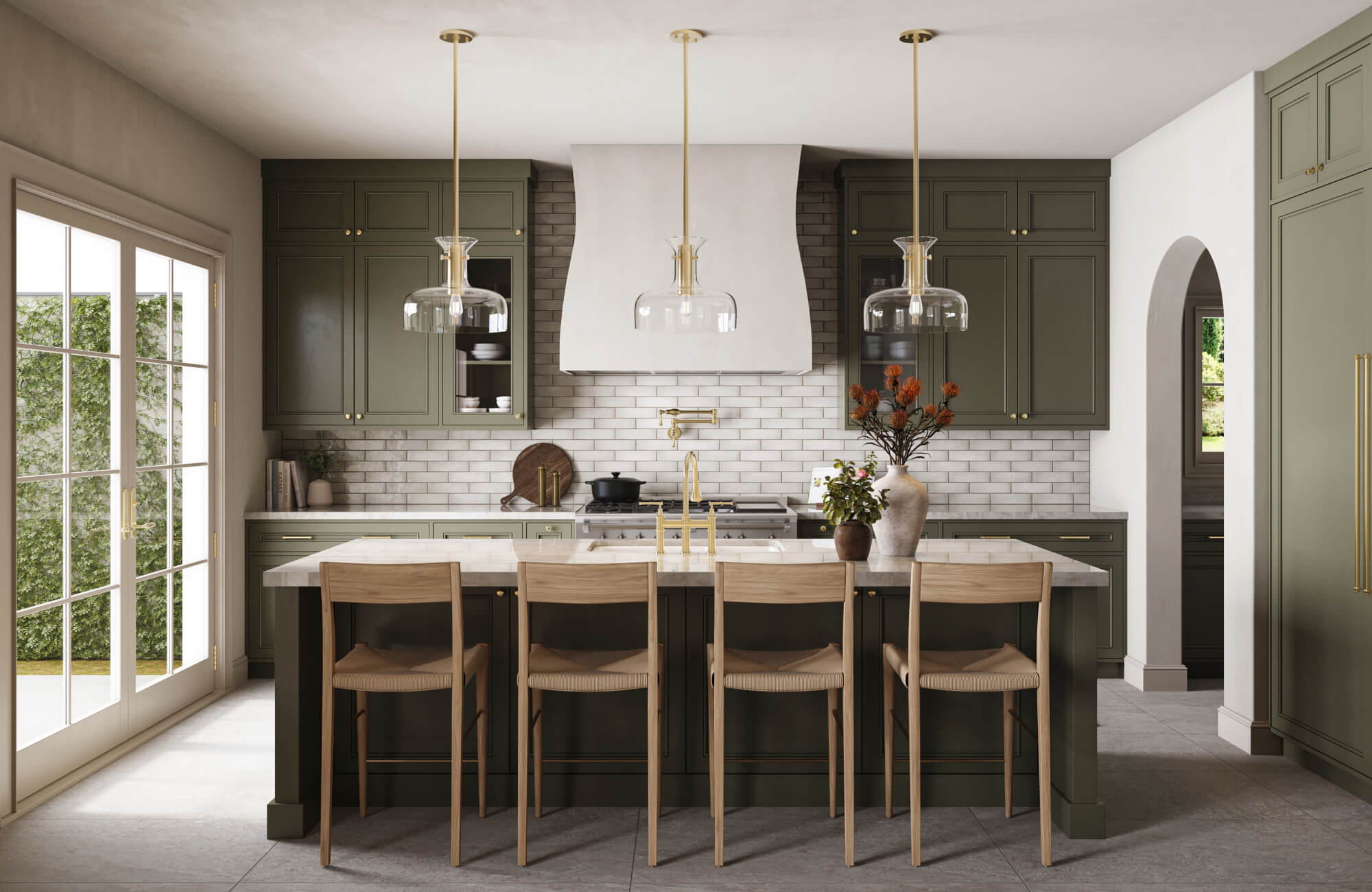
A style like our Otis Pendant in Aged Brass, as shown above, works especially well in kitchens with taller ceilings because its clear glass dome keeps the silhouette feeling open rather than heavy. Hanging it slightly lower than you would in an 8-foot space helps visually connect the pendant to the island while still taking advantage of the added vertical room. This approach allows the warm brass hardware and airy form to feel intentional and well-balanced within the larger scale of the room.
Strategies for Vaulted or Sloped Ceilings
Vaulted or sloped ceilings require a more visual approach since the ceiling line itself changes across the room. Instead of measuring strictly from the ceiling, it often helps to focus on consistent clearance above the island. Adjustable pendants make this easier because they allow the fixture to align visually with the space. You might also stagger heights slightly to follow the slope in a subtle way. When done carefully, the lighting feels connected to the architecture rather than awkwardly suspended.
Chain vs Rod Fixtures and How Adjustment Limits Affect Placement
The type of suspension system affects how much flexibility you have when setting pendant height. Chain fixtures offer more adjustability, which is helpful in rooms with taller or uneven ceilings. Rod fixtures, on the other hand, have fixed lengths that limit how much you can customize the drop. This makes planning more important before installation. Choosing the right suspension style helps ensure the pendants land at a height that feels both practical and visually balanced.
Determining the Best Height for Function and Comfort
Beyond measurements, pendant height needs to support how you actually use your kitchen island day to day. The right placement keeps the island comfortable for cooking, eating, and gathering, while also preventing visual distractions.
Keeping Pendants Out of the Line of Sight
Pendants should sit low enough to light the island properly, but not so low that they block your view across the kitchen. When lights hang directly in your line of sight, they can feel distracting, especially when you’re seated. Raising them just enough helps preserve clear sightlines between the island and the surrounding areas. This is particularly important in open kitchens where the island faces living or dining spaces. When pendants stay visually out of the way, the room feels more open and comfortable.
Avoiding Glare While Maintaining Good Task Lighting
Glare becomes an issue when pendants are either too low or positioned so that the bulb is directly visible. This can make the light feel harsh rather than helpful, even if the brightness is right. Adjusting the height slightly upward often softens the light while still keeping the work surface well-lit. Shades that diffuse light also play a role, but height remains the first line of control. With the right balance, the island stays bright without feeling uncomfortable on the eyes.
Ensuring Enough Clearance for Eating, Cooking, and Gathering
Kitchen islands often serve multiple purposes, so pendant height needs to allow for easy movement and interaction. Lights that hang too low can interfere with serving food or reaching across the counter. Leaving enough vertical space keeps the island functional for prep work as well as casual meals. It also makes conversations across the island feel more natural. When clearance feels right, the island becomes a place people naturally gather.
How Different Seating Heights Affect Your Lighting Level
Seating height plays a bigger role in lighting comfort than many people expect. Bar stools place people higher, which means pendants need a bit more clearance to avoid eye-level glare. Counter-height seating allows for slightly lower placement since sightlines stay lower as well. Considering how you plan to use the island helps fine-tune the hanging height. When lighting aligns with seating, the island feels welcoming instead of awkward.
Achieving Visual Balance and Overall Aesthetic
Pendant height does more than light the island; it also shapes how balanced and intentional the kitchen feels. When proportions are right, the pendants look like they belong in the space rather than floating awkwardly.
Aligning Pendants With the Island’s Width and Shape
The size and shape of your island help determine where pendants should visually sit in the space. When pendants align well with the island’s width, the setup feels centered and purposeful. Hanging them at a consistent height across the island reinforces symmetry, especially with longer or rectangular islands. This consistency also helps the eye move smoothly across the room. When height and island shape work together, the kitchen feels more polished and intentional.
Matching Pendant Height to Other Fixtures (like Dining Lights)
Pendant height should feel connected to other lighting in the room, particularly in open layouts. If dining or nearby fixtures hang much lower or higher, the contrast can feel jarring. Keeping pendant heights within a similar visual range creates a smoother transition between spaces. This doesn’t mean everything must match exactly, but the overall balance should feel natural. When heights relate well, the lighting feels cohesive rather than pieced together.
Creating a Balanced Look With Color, Shade Style, and Finish
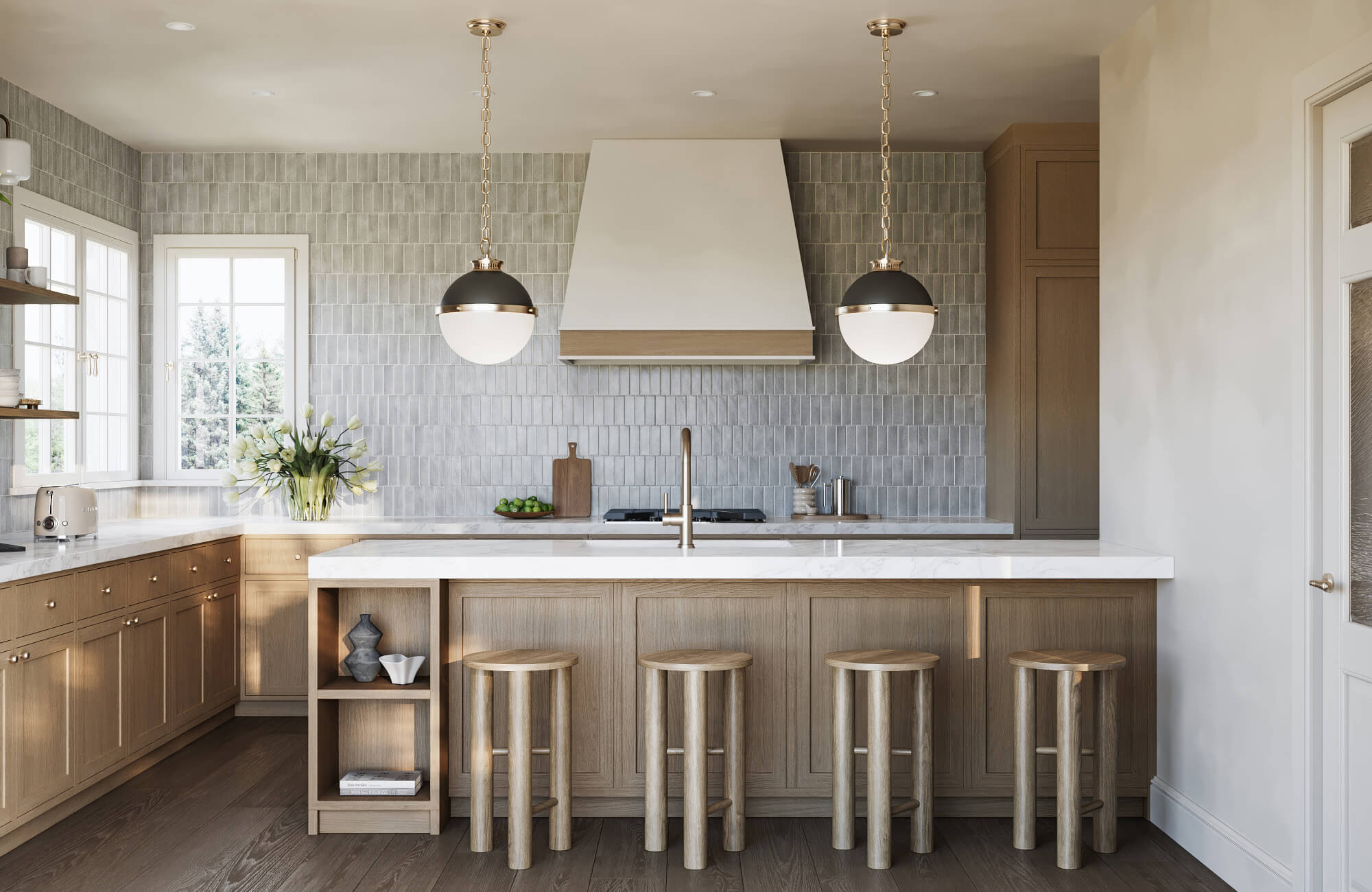
The visual weight of a pendant depends on more than size alone, because color and shade style also play a role. Dark or opaque shades tend to feel heavier, which can make lower hanging heights feel more dramatic. Lighter finishes or translucent materials allow pendants to sit slightly lower without overwhelming the space. Height adjustments help compensate for these visual differences. When shade style and height are in sync, the pendants feel balanced rather than dominating.
How Pendant Height Affects the Room’s Vertical Lines
Pendant height influences how tall or compressed a room appears. Lower pendants emphasize horizontal lines, which can make ceilings feel cozier but visually lower. Raising pendants slightly draws the eye upward, helping highlight ceiling height and vertical space. This is especially useful in kitchens with higher ceilings or open sightlines. When used thoughtfully, pendant height becomes a subtle tool for shaping how the room feels overall.
Spacing Between Pendants and How It Relates to Height
Pendant spacing and hanging height work together to shape how balanced your kitchen island lighting feels. Even well-chosen pendants can look off if the spacing does not match how high they hang. Below, we’ll go into detail on how to coordinate these two factors so the lighting feels intentional and visually comfortable.
The Distance Rule: 24–30 Inches Apart (and When to Adjust)
A common guideline is to space pendants about 24–30 inches apart, measured from center to center. This range works well for most island sizes because it keeps the lights visually connected without overlap. When pendants hang lower, slightly increasing the distance helps prevent the island from feeling crowded. If the pendants are installed higher, they can often sit a bit closer together without looking heavy. Letting height guide spacing creates a layout that feels balanced instead of rigid.
How Pendant Height Impacts Perceived Spacing
Pendant height plays a big role in how spacing reads once you step back and view the room as a whole. Lower-hanging pendants naturally draw more attention, which can make tight spacing feel busy or overwhelming. Higher pendants feel lighter and less dominant, allowing closer spacing to look more relaxed. This is why two layouts with the same measurements can feel very different depending on height. Considering visual weight helps spacing feel intentional rather than crowded.
Balancing Three Pendants vs Two
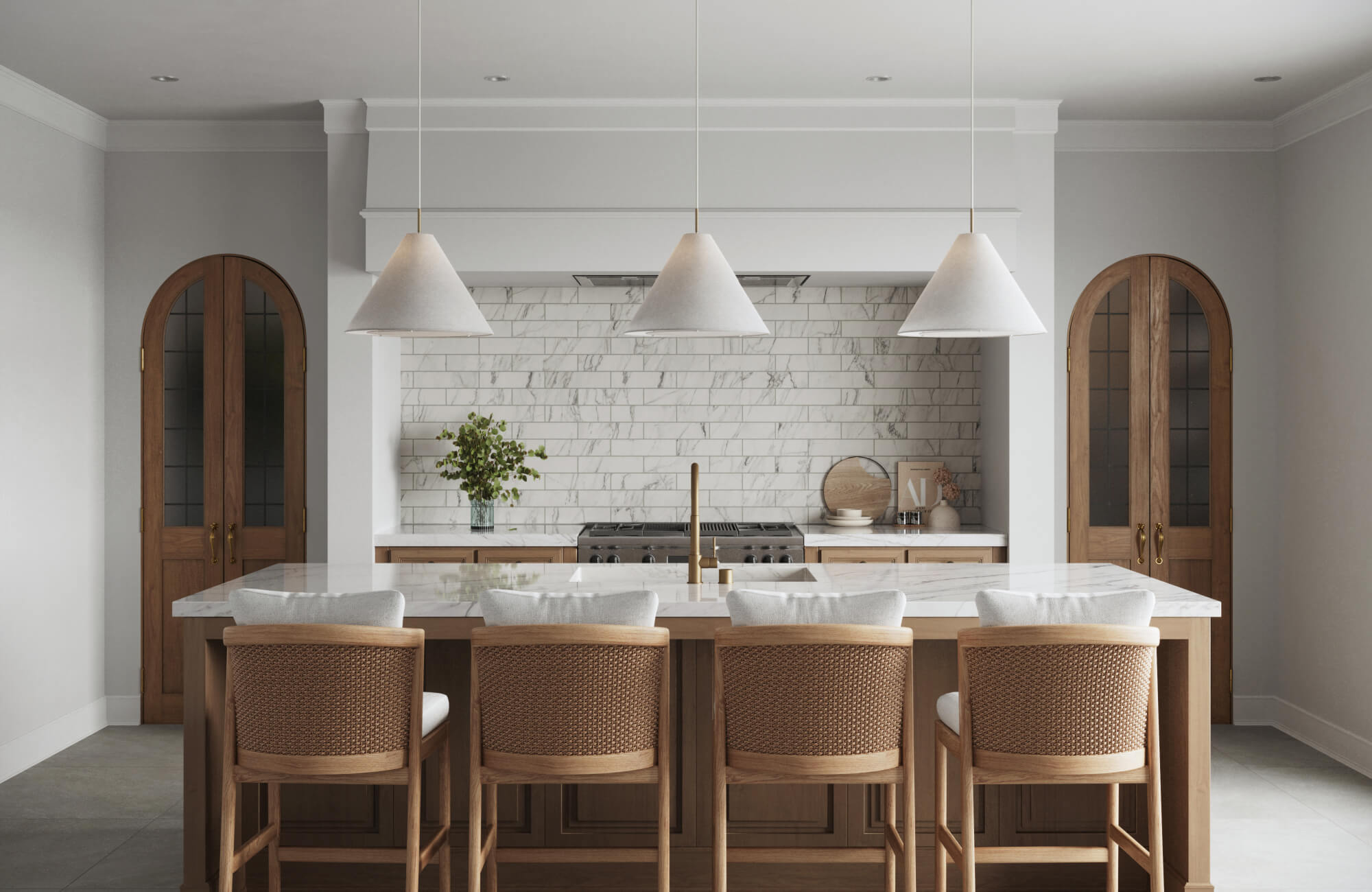
The number of pendants changes how spacing and height should work together. Three pendants usually require more precision because uneven spacing becomes noticeable quickly. Hanging them slightly higher can help distribute visual weight more evenly across the island. With two pendants, spacing often feels more forgiving, especially when the fixtures are wider or visually substantial. Matching height and spacing to the number of pendants keeps the arrangement feeling calm and cohesive.
How the Right Pendant Height Brings the Kitchen Together
Finding the right height for pendant lights above a kitchen island comes down to balancing comfort, proportion, and how the space is actually used. While general guidelines provide a solid starting point, details like ceiling height, pendant size, seating, and spacing all shape the final result. When these elements work together, the lighting feels natural rather than forced. The goal is a setup that supports everyday tasks while making the kitchen feel visually calm and well considered.
If you’re unsure how these guidelines translate to your specific kitchen, a design consultation can help bring clarity. Working with a designer allows you to fine-tune pendant height, spacing, and scale so everything feels intentional from every angle. It’s also a great way to make sure your lighting complements your island, cabinetry, and overall layout. With expert guidance, your pendant lighting can move from “close enough” to confidently right for your space.
Follow us on Instagram
@EDWARD.MARTIN
)
)
)
)
)
)
)
)
)
)
)
)
)
)
)
)