
)
)
)
)
)
)
)
)
How Do You Stop Black Dining Chairs From Looking Gloomy?
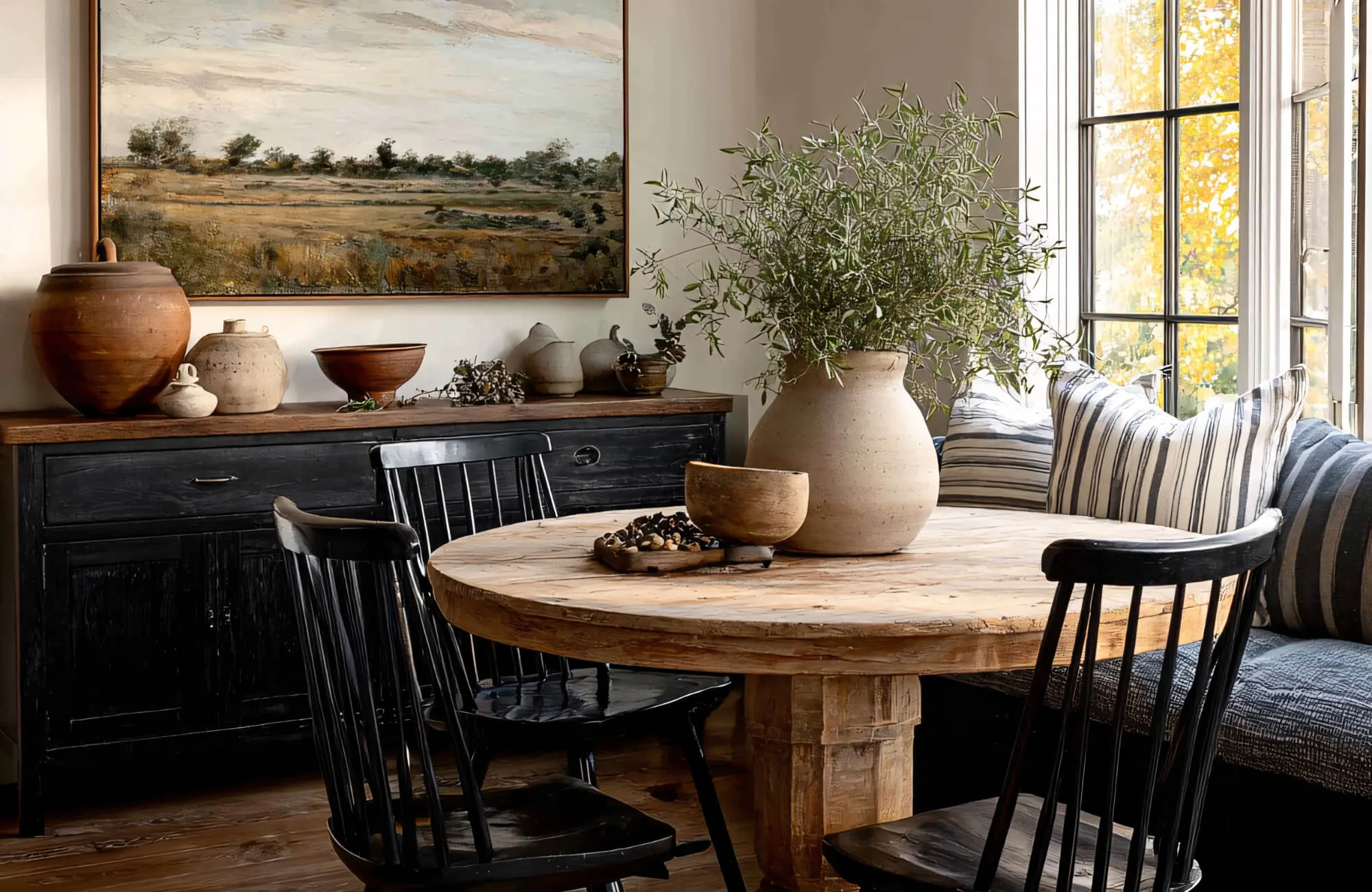
Black dining chairs carry a natural sense of sophistication, but without the right surroundings they can easily feel visually heavy. Many homeowners love the clean, modern presence of black seating yet worry that the color may dim the room or create an overly stark impression. The real solution isn’t to avoid black chairs but to balance them with light, warmth, contrast, and texture so they become the grounding element they’re meant to be.
By approaching the room holistically, table selection, lighting design, textiles, accessories, and vertical brightness, you can create a dining space that feels inviting rather than austere. The following sections explore the specific strategies that bring out the best in black dining chairs while elevating the room as a whole.
Creating High Contrast with Your Dining Table
Black dining chairs instantly feel lighter when paired with the right table, and this section lays the foundation for achieving that balance. By exploring how different tabletop materials interact with dark seating, you can create contrast that feels intentional rather than overpowering.
The Warmth of Light and Medium Wood Tones
Pairing black dining chairs with a lighter table is one of the most effective ways to prevent a gloomy visual effect. Wood tones in the light to medium spectrum introduce warmth and natural variation that immediately softens the intensity of black. These colors catch and reflect ambient light far more readily, which means even a room with minimal direct sunlight can feel more open. The grain patterns and organic striations of oak, ash, maple, or warm walnut bring subtle movement to the composition, preventing the chairs from feeling monolithic. When the tabletop introduces a welcoming glow, the contrast between dark seating and lighter wood appears purposeful, adding sculptural appeal rather than darkness. This harmony creates a grounded yet uplifting aesthetic that suits both modern and transitional interiors.
Using White Marble or Stone to Reflect Light
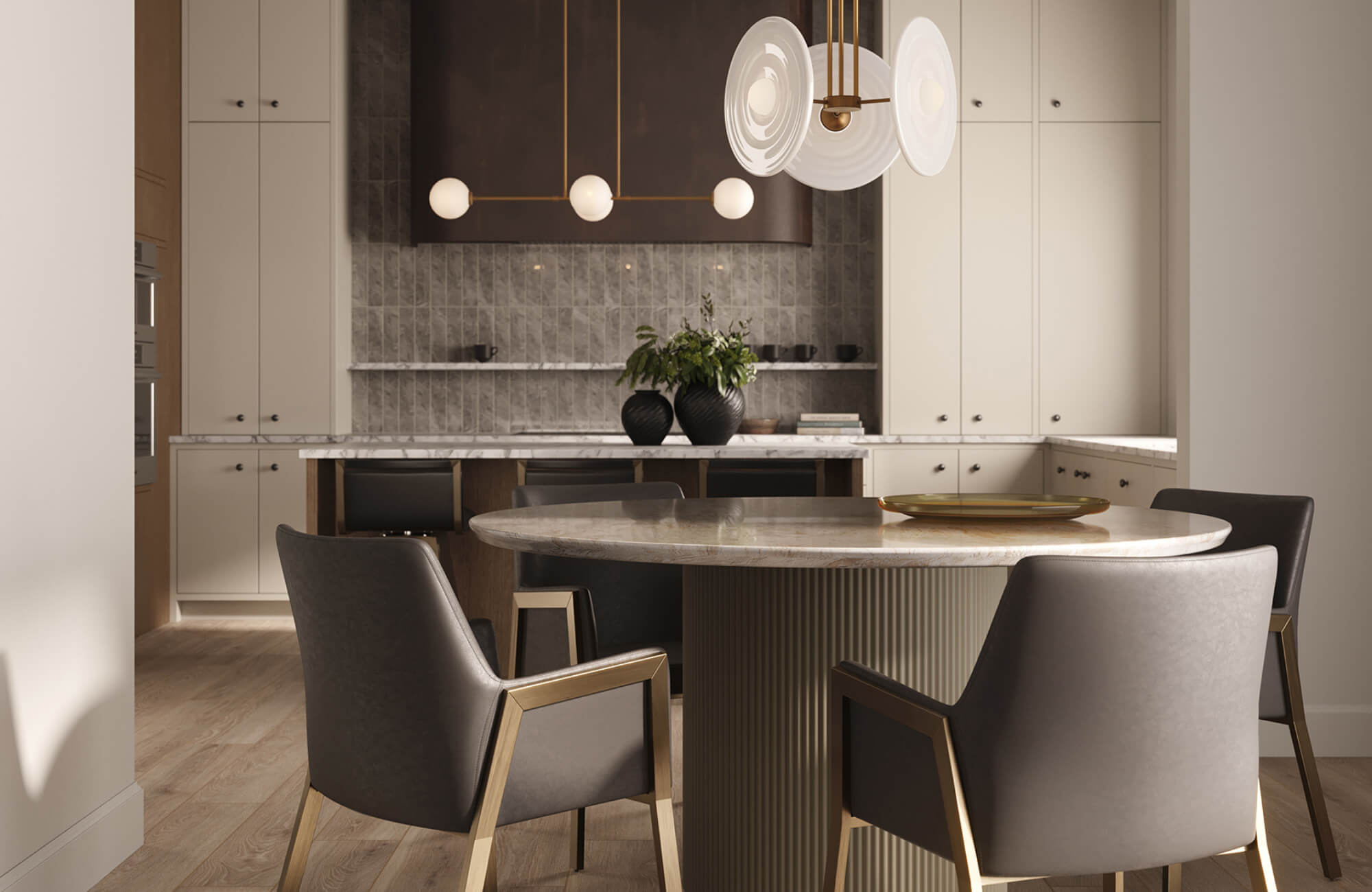
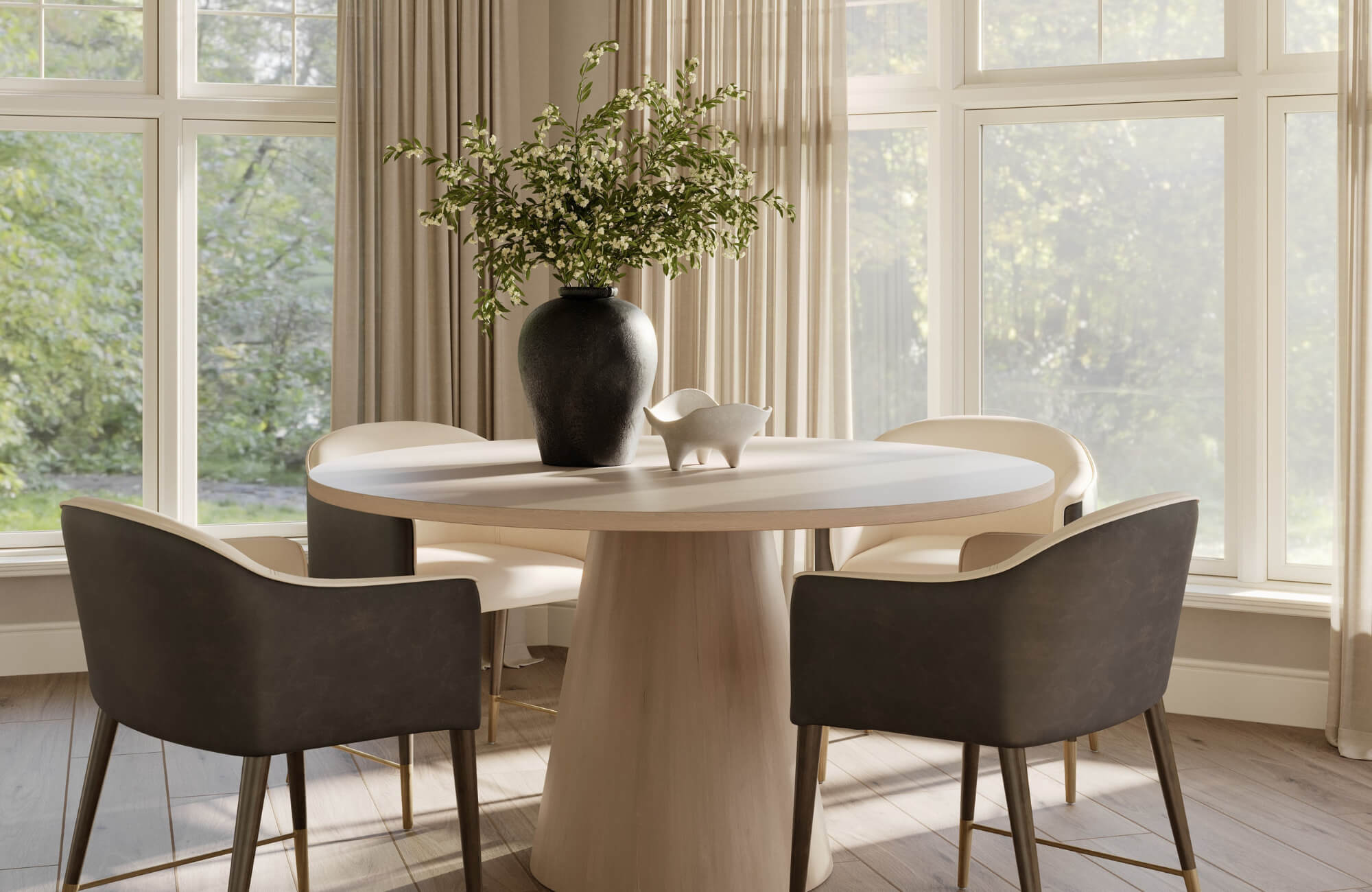
A white stone or marble dining table acts almost like a built-in reflector, bouncing illumination around the room and instantly countering the depth of black chairs. In settings like the image above, Edward Martin’s Anastasia 59" Dining Table in Taupe demonstrates how soft stone tones and gentle veining deliver elegance without overwhelming the space, especially when paired with streamlined seating such as the Gideon Dining Chair in Grey. Because stone has a naturally cool undertone, it balances the visual weight of darker elements and creates a crisp interplay between light and shadow. The reflective quality of polished surfaces intensifies this effect, particularly in the evening when overhead lighting skims across the tabletop. Even in smaller dining areas, this pairing prevents darker chairs from absorbing too much attention or dimming the overall ambiance.
The Visual Lightness of Glass Top Tables
For homeowners who want black dining chairs to stand out without overpowering the room, a glass top table offers the ultimate sense of airiness. The transparency reduces perceived bulk, allowing light to move freely in every direction while giving the chairs a floating visual quality. Because the eye sees through the table rather than stopping at a solid mass, the chairs appear integrated rather than heavy. Metal or wood bases beneath the glass can introduce either warmth or sleekness, depending on the design direction. Glass tops also help highlight the silhouette of each chair, emphasizing sculptural details and craftsmanship that might otherwise be visually compressed under a darker or heavier surface. The result is an environment that feels contemporary, breathable, and uncluttered even with bold black seating.
Mastering Vertical Brightness and Room Lighting
Once the table–chair relationship is established, the next step is shaping the room’s vertical brightness to reinforce that sense of openness. Lighting, wall color, and reflective surfaces all work together to lift the room visually and prevent the chairs from feeling heavy.
Choosing Crisp Wall Colors for a Gallery Effect
The vertical surfaces in a dining room have enormous influence on how dark furniture is perceived. Crisp wall colors such as soft white, pale cream, or warm greige create a gallery-like backdrop that lifts the room visually. When walls are light, black chairs read as intentional focal points rather than dense masses. The clean contrast sharpens the lines of the furniture and helps the entire space feel more expansive. Wall color also determines how light bounces around the room, shaping the overall brightness and mood. Even subtle undertones in the paint, whether warm or cool, can affect how the black chairs interact with the rest of the décor, making the selection of vertical color a strategic part of preventing gloominess.
Strategic Mirror Placement to Amplify Light
Mirrors offer a powerful way to counteract visual heaviness, particularly when positioned to capture natural light. When sunlight reflects across a dining room, the illumination reframes black chairs as accents instead of shadows. Even in a room with limited daylight, a well-placed mirror multiplies the glow of existing fixtures and softens the darker elements. The reflective surface expands the perceived boundaries of the space, making it feel less enclosed and more inviting. Mirrors also break up wall expanses, adding dimension and preventing the chairs from becoming the dominant dark feature. Whether hung horizontally to emphasize width or vertically to stretch the height of the room, a mirror contributes brightness that changes the overall visual balance.
Selecting Airy and Metallic Light Fixtures
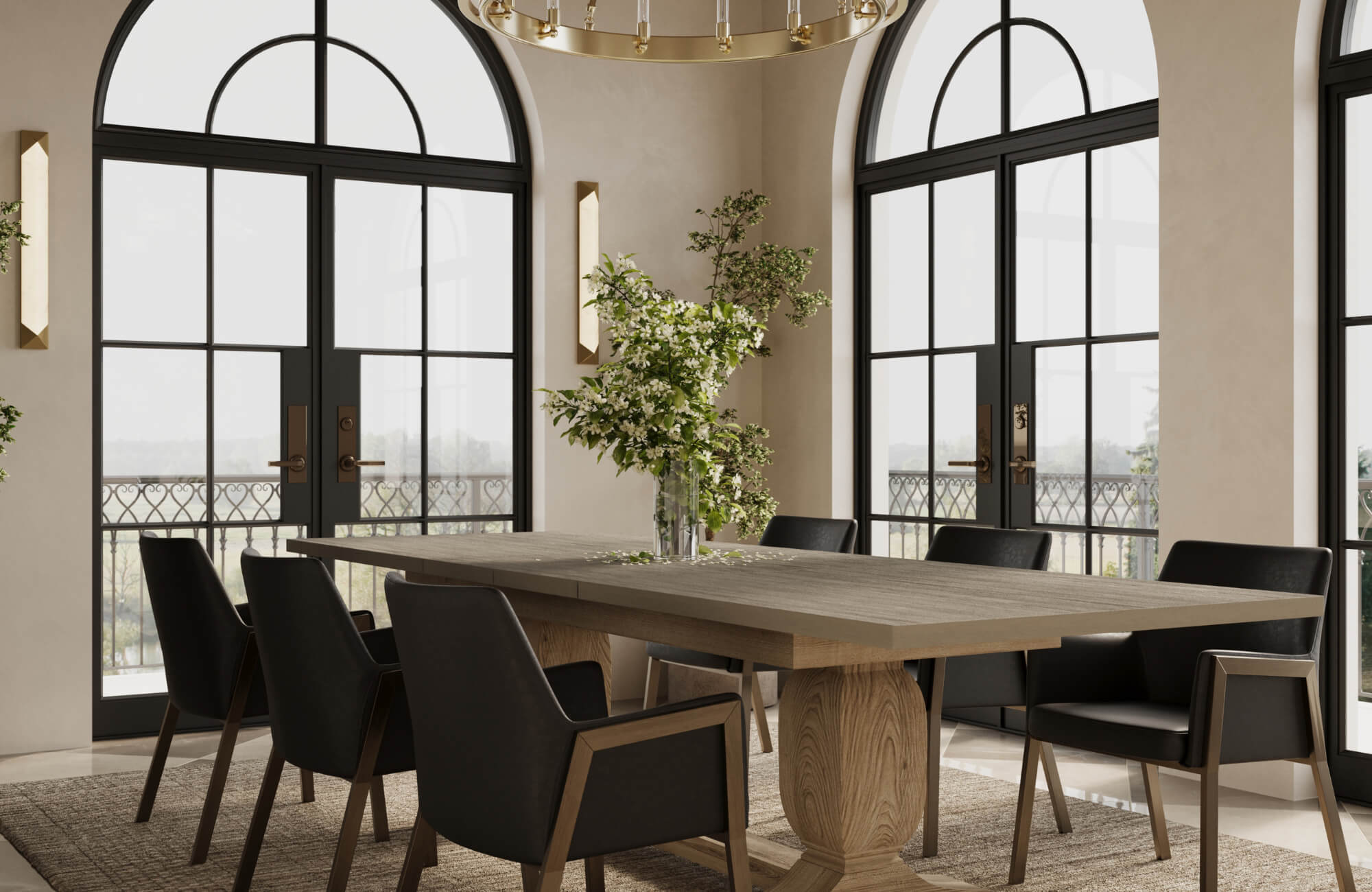
Light fixtures serve two important purposes in a dining space: providing illumination while acting as sculptural design elements. Choosing fixtures with open, airy forms allows light to disperse widely, ensuring black chairs remain part of a bright and comfortable environment. In the image above, Edward Martin’s Aleece 25" LED Wall/Vanity Light in Vintage Brass/Alabaster introduces a soft glow that complements the clean lines of the Gideon Dining Chair in Black without competing for attention. Metallic finishes such as brass add warmth and subtle reflectivity, helping darker seating feel intentional rather than heavy. The right balance of form, finish, and light temperature transforms black chairs from visually weighty to elegantly grounded.
Softening the Look with Textiles and Rugs
After enhancing brightness and contrast, adding softness becomes essential for creating a comfortable, welcoming dining space. Textiles, upholstery, and rugs introduce warmth and subtle texture that help black chairs blend beautifully into the overall environment.
Grounding the Space with a Lighter Rug
A rug sets the foundation for how the dining area feels, and placing a lighter rug beneath black chairs immediately offsets their depth. Bright neutrals, warm creams, or subtle patterned designs introduce softness underfoot that balances the visual weight of dark furniture. The rug creates a clear zone within the dining area, helping the chairs feel integrated rather than isolated or overpowering. The contrast between the rug and the chair legs draws attention to their silhouette while maintaining openness on the floor plane. Textural variations in the rug, woven details, subtle raised patterns, or tonal layering, add visual interest without competing with the furniture. This grounding effect ensures the chairs complement the space rather than define it too heavily.
The Benefit of Mixed Material Chairs
Black dining chairs that incorporate mixed materials offer a built-in strategy for softening their appearance. Upholstered seats or lighter finishes break up darker surfaces and introduce visual warmth, as seen in Edward Martin’s Colin Dining Chair in Cream, which balances structure with softness in the image above. These material contrasts reduce the monolithic feel often associated with all-black designs while keeping the overall look cohesive. Mixed materials also add tactile depth, creating comfort and approachability without sacrificing sophistication. As a result, the dining space feels layered and inviting rather than stark or overly formal.
Softening the Windows to Frame the Light
Window treatments influence how brightness flows across a dining room. Soft, translucent drapery or airy linen panels help diffuse natural light, creating a warm glow that counteracts the strength of black chairs. When the windows feel inviting and well-dressed, the entire room takes on a sense of comfort and ease. Light fabrics gently frame the outdoor views without blocking illumination, ensuring that the chairs remain visually balanced. Even in spaces where heavy drapery is needed for privacy, incorporating lighter colors or layered sheers prevents the windows from contributing additional darkness. The softness at the vertical edges of the room enhances the dining experience and complements the grounding effect of dark seating.
Breaking Up the Heaviness with Accessories
With foundational elements in place, the final layer is all about personality and lightness. Accessories, greenery, and art bring movement and visual interest, ensuring black dining chairs feel bold and stylish rather than somber.
Incorporating Vibrant Greenery and Botanicals
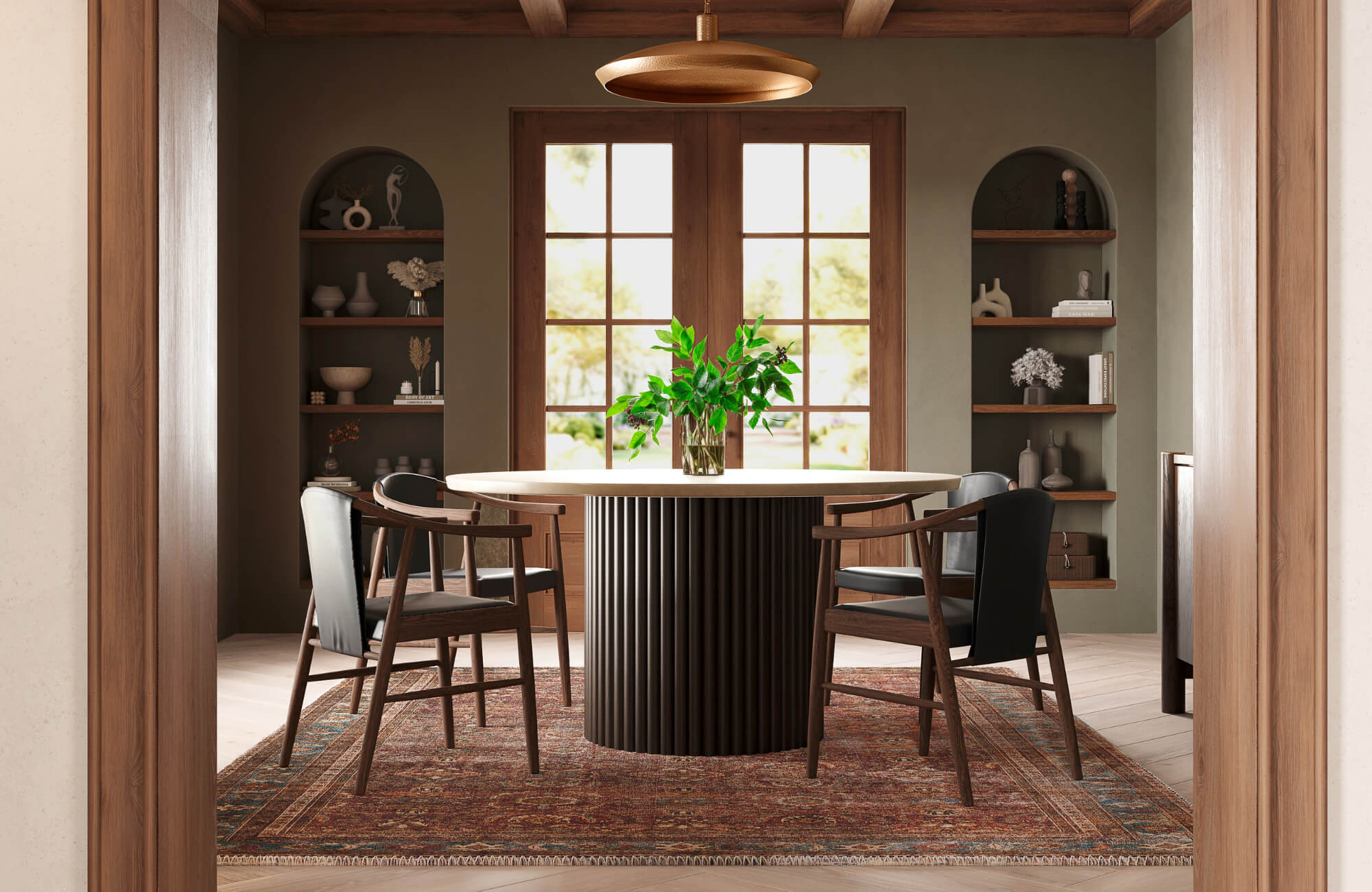
One of the simplest ways to brighten the mood around black dining chairs is through the addition of plant life. Lush greenery introduces organic movement and vivid color that naturally offsets darker finishes. In the image above, Edward Martin’s Foster Dining Chair in Onyx Leather gains visual lift when paired with a sculptural arrangement of botanicals placed at the center of the table. The contrast between deep leather tones and fresh greenery adds life and dimension, preventing the seating from feeling visually heavy. Even minimal plant styling helps draw the eye upward, ensuring black chairs feel integrated into a lively, well-balanced dining environment.
Styling the Table with Light Dinnerware
The tabletop becomes a natural focal point in any dining room, and styling it with light or neutral dinnerware helps counterbalance the presence of black chairs. White ceramics, soft stoneware, and pale linens reflect surrounding light and create an elegant contrast. These elements brighten the center of the room, ensuring the chairs feel intentional rather than overly dominant. Even small details such as light placemats or a neutral runner contribute to this interplay between brightness and depth. The layers of tabletop styling reinforce the sense of openness and add sophistication to the entire dining setting.
Using Art to Distract and Uplift
Artwork provides an opportunity to shift visual attention away from darker furniture and toward expressive, uplifting elements. Pieces with lighter backgrounds, vibrant color palettes, or bold graphic compositions draw the eye to the walls and create vertical interest. This upward focus prevents the chairs from feeling like the heaviest part of the room. Art also introduces personality, texture, and movement, enriching the dining experience and helping establish the room’s thematic direction. Whether the artwork is contemporary, abstract, or nature-inspired, it becomes an anchor that balances the darker tones and encourages visual harmony.
Black Is Bold Not Boring
A dining room anchored by black chairs has the potential to feel both dramatic and inviting when carefully balanced with complementary elements. Light tables, crisp walls, well-placed mirrors, and airy fixtures create brightness from above and around, while thoughtful textiles, soft window treatments, and botanical accents enrich the room at human scale. Each layer contributes to an environment where black chairs feel like confident design choices rather than sources of gloom. For those refining these details, Edward Martin’s design consultation service offers personalized guidance to help align furniture, rugs, lighting, and tile selections with your space and style goals. And if questions arise along the way, you can always contact Edward Martin for expert support, making it easier to move forward with clarity and confidence.
Follow us on Instagram
@EDWARD.MARTIN
)
)
)
)
)
)
)
)
)
)
)
)
)
)
)
)