Hardwood flooring has long been admired for the warmth, character, and natural beauty it brings to a home. Many homeowners choose it not only for its appearance but also for its reputation as a long-lasting flooring option. Still, the durability of wooden flooring over time depends on several factors, including the wood species, installation quality, daily care, and environmental conditions within the home. In this blog, we’ll look at what exactly influences the lifespan of wood flooring and explore practical alternatives that offer a similar style with added durability.

The Role of Wood Species in Longevity
Not all wood floors age the same way, and much of that comes down to the species you choose. Some woods are naturally harder and better equipped to handle everyday wear, while others bring softer textures that may show signs of use sooner. Understanding these differences can help homeowners choose a floor that fits both their design goals and the way their home is used.
Oak
Oak remains one of the most trusted choices for wood flooring because it strikes a strong balance between durability and visual character. Its dense structure helps it handle everyday use while still showcasing the natural grain patterns many homeowners appreciate. Red and white oak varieties both perform well in spaces where furniture moves often or where the floor sees regular activity. When properly installed and maintained, oak floors can last anywhere from 50 to 100 years. This long lifespan is one reason oak continues to be a reliable investment for many homes.
Maple
Maple flooring is known for its impressive hardness and smooth, consistent grain. Because of its dense structure, it resists dents better than many other wood species, which makes it a practical choice for frequently used rooms. Its subtle appearance also works well in contemporary interiors where homeowners prefer a cleaner, more uniform surface. Over time, maple floors tend to hold up well with routine care and occasional refinishing. In most homes, they can last around 30 to 50 years while maintaining their visual appeal.
Walnut
Walnut offers a very different aesthetic compared to lighter wood species. Its deep brown tones and distinctive grain patterns create a sense of warmth and sophistication that many homeowners love. While walnut is slightly softer than oak or maple, it still performs well in spaces where the goal is to combine elegance with durability. With consistent maintenance and mindful use, walnut flooring can last between 40 and 60 years. For homeowners who prioritize rich color and character, walnut remains a beautiful and lasting option.
Hickory
Hickory stands out as one of the toughest domestic hardwood species used for flooring. Its natural density gives it excellent resistance to dents and surface wear, which makes it especially suitable for active households. Hickory also features bold grain variation, creating a lively and textured appearance across the floor. This combination of durability and visual interest makes it popular for rustic, farmhouse, and contemporary interiors alike. With proper care, hickory floors can remain strong and attractive for 50 to 70 years.

The Impact of Installation Quality
Even the most durable wood species can struggle if the flooring is not installed correctly. Proper installation helps the boards settle naturally within the space, preventing structural issues and ensuring the floor performs well over time. When corners are cut during installation, problems such as squeaking, shifting boards, or uneven surfaces often appear much sooner than expected.
Improper Acclimation
Wood naturally expands and contracts as humidity and temperature change, which is why acclimation plays an important role before installation begins. When flooring boards are brought into a home, they need time to adjust to the indoor climate so their moisture levels stabilize. If installers skip this step or rush the process, the boards may shrink or expand after installation. This movement can create visible gaps, cupping, or even buckling across the floor surface. Over time, these structural changes can weaken the floor and affect its appearance. Allowing wood to acclimate properly helps the material adapt to the space and reduces the risk of these long-term issues.
Poor Subfloor Preparation
A stable and well-prepared subfloor forms the foundation for any long-lasting wood floor. If the surface beneath the flooring is uneven, weak, or damaged, the finished floor may not perform as intended. Homeowners may notice boards shifting underfoot, creaking sounds when walking, or slight dips across certain areas of the room. These problems often develop gradually but can become more noticeable as the flooring continues to settle. Preparing the subfloor by ensuring it is clean, dry, and level creates a more reliable base for the wood planks. This step helps maintain structural stability and supports the flooring for many years.
Incorrect Fastening
Proper fastening keeps each board firmly secured and prevents movement that can cause damage over time. When nails or staples are driven too deeply or placed incorrectly, the boards may loosen or shift with regular use. This often results in squeaking sounds, uneven surfaces, or boards separating along the seams. Over time, repeated movement can weaken the overall structure of the floor and lead to premature wear. Professional installers carefully follow manufacturer guidelines to ensure each board is secured at the correct depth and spacing. When done correctly, fastening helps the entire floor remain stable and quiet under everyday use.
Choosing a Qualified Installer
Hiring an experienced installer can make a significant difference in the long-term performance of wood flooring. Skilled professionals understand how to handle different wood species, environmental conditions, and subfloor types. They also know how to anticipate potential challenges and address them before installation begins. A qualified installer will take time to measure the space, plan the layout, and ensure every board is properly secured. This attention to detail helps prevent common problems such as gaps, buckling, or uneven surfaces. For homeowners, investing in professional installation often means fewer repairs and a floor that lasts much longer.
Inspecting the Finished Installation
Once installation is complete, a careful inspection helps ensure everything meets proper standards. Installers typically check that boards are aligned correctly, fasteners are secure, and expansion gaps are consistent along the edges of the room. These small details help the flooring adapt to seasonal changes without causing damage. Homeowners should also walk across the floor to listen for unusual sounds or notice any uneven areas. Identifying small issues early can prevent larger problems from developing later. A thorough inspection confirms that the flooring was installed correctly and is ready to perform well for many years.

The Power of Proper Maintenance
Even the most durable wood floors rely on consistent care to maintain their appearance and strength over time. Regular maintenance helps protect the surface from everyday wear while preventing small issues from turning into costly repairs. With the right cleaning habits and preventative steps, homeowners can keep their floors looking beautiful for decades.
Essential Cleaning and Care Routines
Keeping wood floors in good condition begins with simple, consistent cleaning habits. Sweeping or vacuuming regularly removes dust, dirt, and small debris that can scratch the surface when walked on. Many homeowners also find that using a microfiber mop helps capture fine particles without damaging the finish. For deeper cleaning, a lightly damp mop paired with a wood-safe cleaner can help remove buildup and restore the floor’s natural appearance. It is important to avoid soaking the floor with water because excess moisture can seep into the seams and cause the boards to swell or warp. By maintaining a gentle and consistent cleaning routine, homeowners can significantly reduce surface wear and keep the finish looking fresh.
Polishing and Refinishing Over Time
Even with careful cleaning, wood floors naturally show signs of wear as years pass. Polishing from time to time can help restore the surface’s shine while providing an additional protective layer against everyday scuffs. Quality wood floor polishes can also minimize the appearance of small scratches, helping the floor maintain a smoother finish. Eventually, however, the protective coating will begin to wear down, which is when refinishing becomes necessary. This process involves sanding the surface to remove the old finish and applying a new protective sealant, often polyurethane. When done properly, refinishing can completely refresh the floor’s appearance and extend its lifespan for many more years.
Avoiding Common Maintenance Mistakes
While proper care helps preserve wood floors, certain mistakes can shorten their lifespan. One of the most common issues is exposing wood to too much moisture during cleaning or from spills that are left unattended. Because wood naturally absorbs moisture from the environment, excess water can cause the boards to warp, cup, or swell over time. Another mistake homeowners make is using harsh chemical cleaners that strip away the protective finish and leave the wood vulnerable to damage. Choosing mild, pH-neutral cleaners specifically designed for wood flooring helps maintain the protective coating. Keeping a consistent cleaning routine and addressing small problems quickly can go a long way toward protecting the floor’s long-term durability.

Addressing Common Issues and Their Impact on Lifespan
Even well-installed wood floors can face challenges over time. Everyday conditions such as moisture, sunlight, and regular household activity can gradually affect their appearance and structural stability. Understanding these common issues allows homeowners to take simple preventive steps that help protect their floors and extend their lifespan.
Water Damage
Moisture is one of the most significant threats to wood flooring because wood naturally absorbs water from its environment. Even small spills can seep into seams and joints if they are not cleaned up quickly, leading to problems such as warping, cupping, or swelling. Over time, prolonged exposure to moisture can also encourage mold growth beneath the surface of the floor. To reduce these risks, homeowners should wipe up spills promptly and maintain balanced indoor humidity levels. Using dehumidifiers in humid climates can help keep moisture levels under control. In areas where water exposure is more likely, such as kitchens or bathrooms, choosing water-resistant flooring materials may offer better long-term protection.
Scratches and Dents
Daily household activity can gradually leave marks on wood flooring. Furniture movement, pet claws, and small debris carried in from outside can all contribute to surface scratches or dents. While some signs of wear are expected over time, a few preventative steps can help reduce visible damage. Placing felt pads under furniture legs and lifting heavy objects instead of dragging them across the floor can protect the surface. Regular sweeping or vacuuming also removes grit that might otherwise scratch the finish when stepped on. When scratches become more noticeable, professional refinishing can restore the floor’s appearance and add a fresh protective layer.
Fading and Discoloration
Sunlight can gradually alter the color of wood flooring, especially in rooms that receive strong natural light throughout the day. Prolonged UV exposure may cause sections of the floor to fade or develop uneven color variations over time. Homeowners can minimize this effect by using curtains, blinds, or UV-filtering window treatments to soften direct sunlight. Rearranging furniture occasionally also helps prevent noticeable color differences in areas that remain covered for long periods. Routine cleaning helps remove dust and debris that can dull the surface and affect the finish. Applying a protective coating when needed can further shield the wood and help preserve its natural tones for years.

Cost vs. Lifespan
When choosing wood flooring, many homeowners focus on the upfront price, but the long-term value matters just as much. A floor that lasts decades can often justify a higher initial investment, especially when maintained properly over time. Looking at both the starting cost and the ongoing upkeep helps you determine whether wood flooring fits your budget and lifestyle.
Initial Costs
The price of wood flooring can vary widely depending on the wood species, installation method, and overall project scope. Domestic hardwoods such as oak or maple tend to be more budget-friendly, while exotic options like Brazilian cherry or mahogany often come with a higher price due to their rarity and distinctive appearance. Installation complexity also plays a major role in the total cost. Straight plank installations are typically more affordable, while intricate layouts like herringbone or chevron require additional labor and expertise. Subfloor preparation and finishing materials can further influence the final budget. For homeowners planning a long-term investment, understanding these factors can help set realistic expectations before the project begins.
Maintenance Costs
Beyond installation, maintaining wood floors requires occasional upkeep to preserve their appearance and structural integrity. Routine cleaning is relatively simple and typically involves sweeping, vacuuming, and using wood-safe cleaners to remove buildup. Over time, homeowners may also choose to polish their floors to restore shine and add a protective layer against minor scratches. Eventually, refinishing becomes necessary as the surface coating wears down from everyday use. This process involves sanding the floor and applying a new protective finish, which can significantly refresh the floor’s appearance. While refinishing represents a larger maintenance expense, it can extend the lifespan of the flooring for many more years.
Long-Term Value
Despite the costs involved, wood flooring often delivers strong long-term value for homeowners. Its natural appearance complements a wide range of interior styles, allowing it to remain visually appealing even as design trends evolve. Well-maintained wood floors are also widely viewed as a desirable feature in real estate markets. Many buyers appreciate the durability, warmth, and classic character that wood flooring brings to a home. In addition, the ability to refinish wood floors multiple times reduces the need for full replacements. Over time, this combination of durability, aesthetic appeal, and resale value makes wood flooring a worthwhile investment for many homeowners.

Stylish and Durable Alternatives Beyond Wood
While hardwood flooring remains a classic choice, many homeowners look for options that offer the same warm, natural look with fewer limitations. Wood-look tiles made from porcelain or ceramic provide a practical solution that combines the appearance of wood with greater durability and moisture resistance. With modern manufacturing techniques, these tiles recreate the grain and character of wood while performing reliably in a wider range of spaces.
Wood-Look Tiles Made from Porcelain and Ceramic
Wood-look tiles are designed to replicate the natural character of wood while using highly durable tile materials. Most are made from porcelain or ceramic, both known for their strength and long-term reliability. Porcelain tiles are especially dense, which helps them withstand heavy use and shifting environmental conditions. Ceramic tiles, while slightly lighter, still offer strong performance along with a wide range of finishes and color tones. Advances in digital printing technology allow these tiles to feature detailed grain patterns, knots, and tonal variation that closely resemble real hardwood. Homeowners can enjoy the familiar appearance of wood while using a surface better suited for moisture-prone or frequently used areas.
Exceptional Durability and Longevity
One of the most notable advantages of wood-look tiles is their impressive durability. Porcelain and ceramic surfaces are highly resistant to scratches, dents, and general surface wear from everyday household activities. Furniture movement, pet claws, and human activity are far less likely to leave visible marks on these materials compared to natural wood. Because they are harder and more stable, they maintain their structure even in environments where humidity and temperature fluctuate. This level of longevity makes them an appealing option for homeowners seeking a long-term flooring investment.
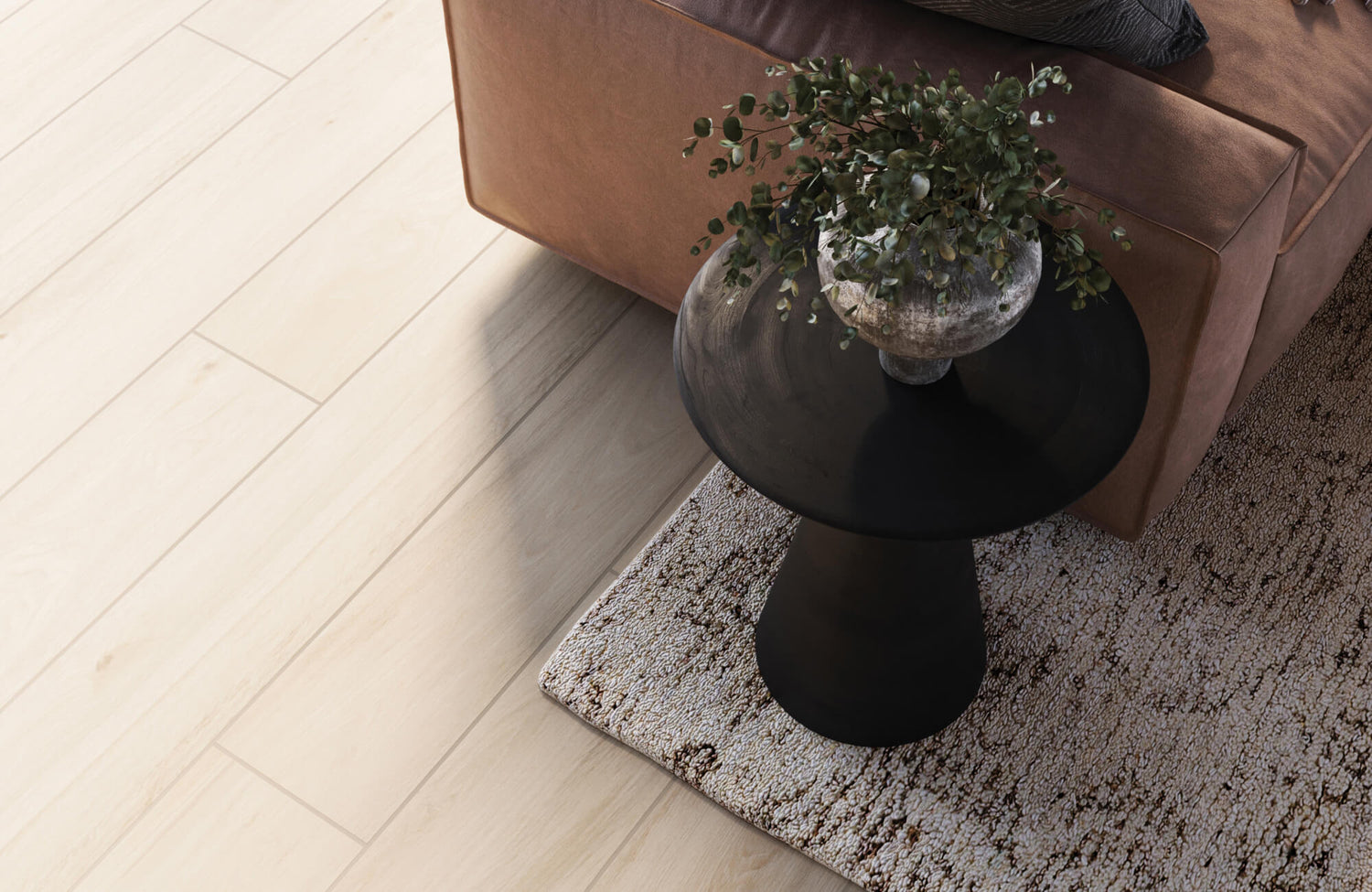
For example, our Nora 8x48 Matte Porcelain Tile in Macchiato above captures the warm character of European oak through rich brown tones and subtle grain movement while delivering the long-lasting performance of porcelain. With proper installation and routine care, wood-look tile flooring like this can last 50 to 100 years or more.
Strong Resistance to Moisture and Stains
Moisture resistance is another major reason homeowners turn to wood-look tile flooring. Porcelain and ceramic materials do not absorb water the way natural wood does, which helps prevent swelling, warping, or staining. This quality makes them suitable for areas where spills, humidity, and regular cleaning are common. Kitchens, bathrooms, laundry rooms, and entryways all benefit from flooring that can tolerate moisture without compromising structural stability. Even in climates with frequent humidity changes, the tiles maintain their shape and appearance. Their resistance to stains also helps preserve the floor’s color and finish over time.
Low Maintenance and Easy Care
Wood-look tiles are widely appreciated for how simple they are to maintain. Unlike hardwood flooring, they do not require refinishing, sealing, or specialized treatments to keep their appearance intact. Regular sweeping or vacuuming removes dust and debris that might accumulate on the surface. Occasional mopping with a mild cleaner helps maintain a clean and polished look. Because the material resists moisture and stains, spills are less likely to leave permanent marks. This easy care routine allows homeowners to enjoy wood-inspired floors without committing to extensive upkeep.
Choosing Flooring That Lasts for Years
Wood flooring can remain a beautiful and durable feature in a home when the right species, proper installation, and consistent maintenance come together. Hardwoods such as oak, maple, walnut, and hickory can last for decades, especially when homeowners follow good care practices and address minor issues early. Environmental factors like moisture, sunlight exposure, and everyday use can gradually affect how the flooring performs over time. Being aware of these influences allows homeowners to plan for both longevity and proper upkeep.
For those who appreciate the warmth of wood but prefer a surface that handles moisture and daily wear more easily, wood-look porcelain tiles offer a practical alternative. These tiles recreate the natural grain and tones of wood while delivering the durability and easy care that porcelain provides. If you are exploring flooring options and want guidance tailored to your space, Edward Martin’s Personalized Design Consultation can help you evaluate materials, layouts, and finishes with expert support. With thoughtful planning and the right materials, you can create a floor that balances style, durability, and long-term performance.