Flooring is more than a surface—it is the foundation of a home’s character, blending aesthetics with performance in every step. Among today’s leading choices, Luxury Vinyl Plank or LVP flooring has emerged as a versatile option celebrated for its waterproof construction, realistic wood and stone designs, and ease of installation.
Traditional porcelain and ceramic tile flooring, however, remains the benchmark for timeless strength, enduring beauty, and unrivaled longevity. The conversation around durability, whether comparing LVP’s layered resilience with tile’s dense, kiln-fired hardness, continues to shape how homeowners and designers select the perfect flooring. Understanding how each material performs under daily wear, moisture exposure, impact, and long-term use reveals not just differences in durability but also the unique value each brings to modern living spaces.

Structural Composition and Surface Hardness
The durability of flooring begins with its structural makeup, which determines how well it resists abrasion, scratches, and surface wear over time. LVP and tile achieve strength through entirely different methods, and understanding these differences highlights why their performance levels diverge so greatly.
Layered Build of LVP
Luxury Vinyl Plank is engineered in multiple layers that work together to deliver resilience and comfort underfoot. At the surface, a transparent wear layer—measuring anywhere from 6 to 30 mils—provides protection against scratches, scuffs, and everyday household wear. Beneath this, a printed film replicates the look of natural wood or stone, adding realism but not structural strength. The true foundation of durability lies in the rigid core, which may be SPC (stone plastic composite) for added density or WPC (wood plastic composite) for softer comfort. An attached underlayment can further enhance acoustic performance and cushioning, though it does not contribute to surface hardness. Taken together, these elements create a product that withstands regular use well, but even premium LVP does not reach the hardness levels achieved by ceramic or porcelain tile.
Fired Clay Density of Tile
Porcelain and ceramic tiles are produced through a high-heat firing process that permanently hardens refined clay and mineral mixtures. This vitrification creates an exceptionally dense, non-porous body that naturally resists scratching, staining, and heavy wear. Porcelain, with its Mohs hardness rating of around 7, rivals quartz in durability and can withstand years of abrasive conditions without losing surface quality. Ceramic tile, though slightly less dense, remains significantly more durable than vinyl planks when it comes to surface hardness. Unlike LVP, which relies on its top wear layer for protection, tile’s durability exists throughout its entire body, meaning small chips or scratches remain localized rather than compromising the whole surface. This uniform strength allows tile to maintain its appearance and function for decades, even in the most demanding settings.

Moisture Resistance and Environmental Stability
How a flooring material performs under water exposure and humidity changes often determines its true resilience. While both LVP and tile offer strong moisture resistance, the extent and long-term stability of that protection differ in meaningful ways.
Waterproof Core Technology in LVP
One of the reasons LVP has surged in popularity is its ability to handle moisture far better than traditional laminate or engineered wood. Its SPC core provides rigidity that prevents swelling, while WPC cores add comfort underfoot but slightly less density. This layered construction ensures the planks can withstand everyday spills, pet accidents, and routine mopping without warping or buckling. Unlike wood, which expands and contracts dramatically with humidity, LVP remains stable across seasonal changes. However, its performance does have limits, as prolonged standing water or flooding can cause adhesives to weaken and plank edges to curl. For most residential environments, it is more than sufficient, but it does not match the long-term imperviousness of tile.
Impermeability of Tile
Porcelain tile remains the benchmark for moisture resistance, with a water absorption rate of less than 0.5% by weight. This exceptionally low porosity allows porcelain to be installed in showers, steam rooms, and even outdoor patios exposed to heavy rain or freeze-thaw cycles. Unlike LVP, porcelain will not expand, warp, or separate when exposed to water, ensuring dimensional stability over decades. Ceramic tile, while slightly more porous, performs equally well when combined with high-quality sealants and grout maintenance.
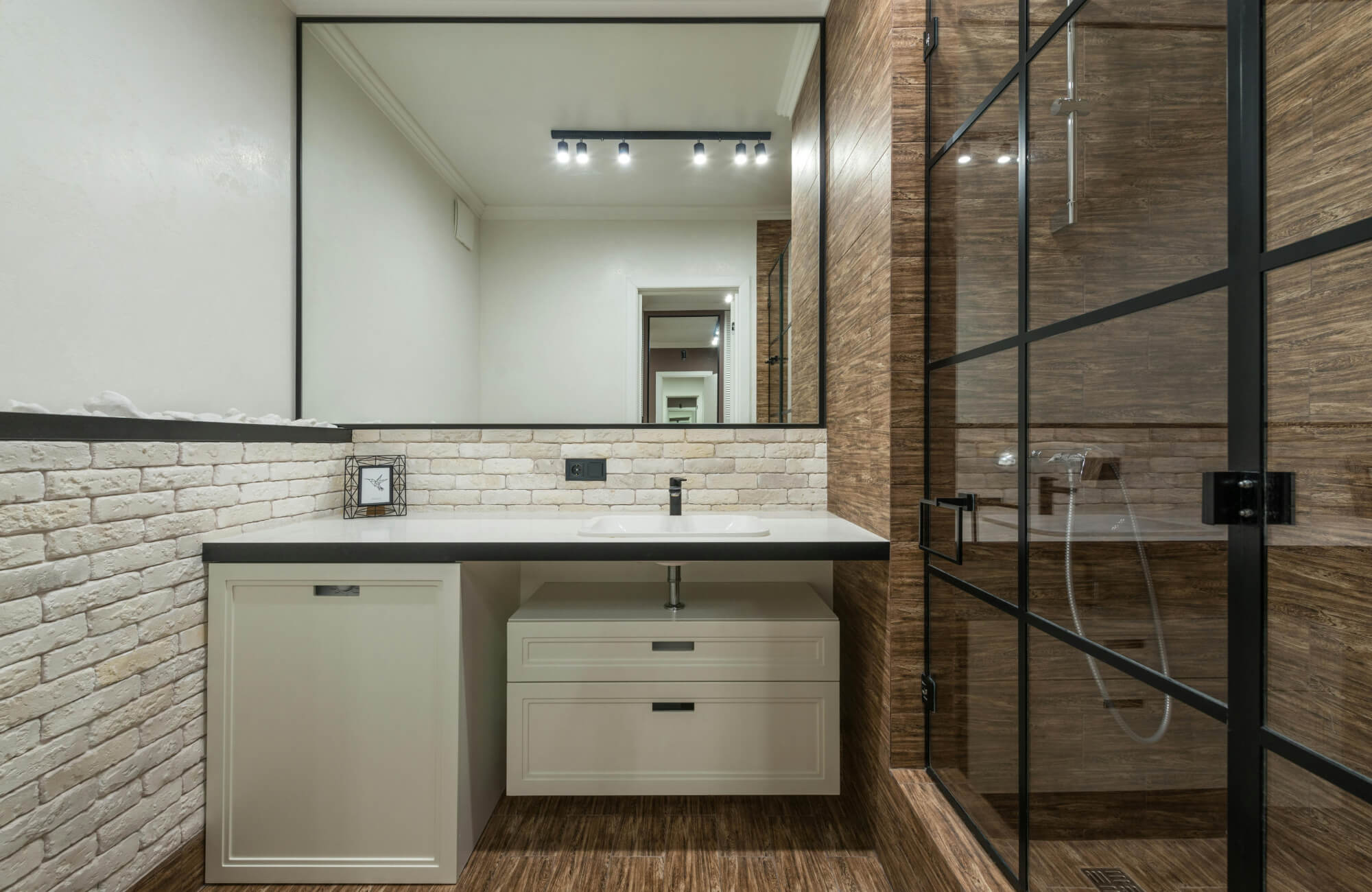
A standout example, as displayed in the picture above, is Edward Martin’s Jameson 8x48 Grip Porcelain Tile in Ash, which combines the natural beauty of wood tones with the proven waterproof strength of porcelain, making it ideal for both indoor wet areas and exterior applications. For a bold yet timeless alternative, the Leona 24x24 Checkerboard Matte Porcelain Tile in Calacatta and Amani Grey offers striking visual contrast while delivering the same moisture resistance and structural reliability, perfect for statement spaces that demand both style and endurance.
Over the years, tile retains both structural integrity and surface finish in areas where vinyl might eventually show signs of weakness. This ability to withstand water exposure without compromise makes tile the most reliable option for both indoor wet areas and demanding outdoor applications.

Impact Resistance and Load-Bearing Strength
Durability is also measured by how flooring responds to dropped objects, rolling loads, and concentrated weight. While LVP provides flexibility and comfort, traditional tile consistently demonstrates higher resistance to compression and long-term impact.
Resilience of LVP Under Pressure
Luxury Vinyl Plank provides a softer, slightly cushioned surface that helps absorb minor impacts, reducing the risk of immediate fractures. This resilience is particularly useful in households with children or pets, where dropped items and everyday wear are common. However, this softness comes at the cost of vulnerability to dents and punctures, especially from sharp or heavy objects like high heels or furniture legs. Over time, these small dents accumulate and can create visible wear patterns in busy areas. Heavy furniture may also leave permanent indentations if protective pads are not used. While LVP is comfortable and forgiving for daily living, its long-term durability under high stress does not compare to tile’s structural strength.
Load-Bearing Capacity of Tile
Porcelain tile, by contrast, is engineered to withstand significant weight without compression, with a breaking strength often exceeding 250 pounds per square inch. This capacity allows it to handle heavy appliances, pool tables, and commercial-grade equipment without risk of permanent deformation. Unlike LVP, tile like the Natasha 2x6 Glossy Porcelain Tile in Oat does not dent under concentrated loads, retaining both appearance and stability over decades. While individual tiles can chip if struck with sharp force, the damage is usually localized and easily repaired by replacing the affected piece.
To help minimize direct impact in busy or heavy-use areas, adding soft layering, such as our Sweeney Wool Pile Rug in Graphite, provides an extra buffer. This not only protects tile from dropped items but also introduces warmth and comfort underfoot. Ultimately, tile’s ability to combine aesthetic appeal with industrial-level strength reinforces its long-standing reputation for durability.

Longevity and Lifecycle Value
Durability also involves how long a flooring material can maintain its structural integrity and visual appeal before needing replacement. In this regard, tile consistently outlasts LVP, offering a lifecycle value that is difficult to rival.
Lifespan of Luxury Vinyl Plank
Most Luxury Vinyl Plank floors last between 15 and 25 years, with the exact lifespan depending heavily on the thickness of the wear layer and the quality of installation. While UV-resistant coatings help reduce fading, extended sunlight exposure often results in discoloration over time. Seams may also begin to lift or separate when subjected to extreme temperature fluctuations or heavy use. Once the wear layer wears through, planks cannot be refinished like hardwood, meaning replacement becomes the only solution. This limitation reduces its lifecycle value, as sections of the floor may need replacement after just a couple of decades. Even so, LVP provides an appealing balance of durability and affordability for short- to mid-term flooring solutions.
Endurance of Traditional Tile
Porcelain and ceramic tile, by comparison, regularly last 50 years or more, often outliving the homes they are installed in. Historical examples across the world showcase tile installations that have retained both structure and beauty for centuries. Unlike LVP, tile does not fade under UV light or weaken with moisture, ensuring that its finish remains stable and attractive even after decades of use. When damage does occur, individual tiles can be replaced with minimal disruption, extending the floor’s life further.
A refined option that embodies this balance of longevity and elegance is the Aniston 24x48 Matte Porcelain Tile in Calacatta Antico (shown in the picture above), which pairs the timeless look of natural marble with the unmatched durability of porcelain. This ability to repair rather than replace entire sections greatly enhances the tile’s long-term value, making it an investment in beauty and endurance that stands the test of time.

Maintenance Demands and Value Retention
Ease of care and its effect on long-term value are essential parts of durability. While both LVP and tile are relatively low-maintenance, their upkeep needs and impact on property value diverge in meaningful ways.
Upkeep of LVP Flooring
Day-to-day maintenance for LVP is simple, consisting mainly of sweeping, vacuuming, and damp mopping. Its wear layer effectively protects against stains and light spills, but deeper scratches or gouges cannot be refinished. In active households, such damage may accumulate more quickly, leading to the need for plank replacement over time. Although replacing individual planks is easier than regrouting a tile floor, frequent replacements can add to long-term upkeep costs. LVP is also prone to gradual fading, particularly in rooms with direct sunlight, giving floors a worn appearance sooner than tile. While highly convenient in the short term, these limitations affect its long-term durability and overall value.
Care and ROI of Tile Floors
Tile requires slightly more upkeep in terms of grout cleaning and occasional sealing, yet the tile surface itself is exceptionally durable. Modern stain-resistant grouts have reduced maintenance demands significantly, making it easier than ever to keep tile installations looking pristine. Because tile resists scratches, stains, and fading so effectively, it often retains its appearance for decades with minimal effort. Beyond ease of care, tile also enhances property value, thanks to its reputation as a premium flooring material. Real estate professionals frequently cite tile as a feature that improves home desirability and resale appeal. A beautiful example, as featured in the photo above, is our Chantel 24x48 Matte Porcelain Tile in Imperial, which blends refined aesthetics with exceptional durability, offering homeowners a flooring solution that is both low-maintenance and value-enhancing for years to come. This combination of minimal upkeep, long-term durability, and return on investment makes tile one of the most valuable flooring choices available.
Lasting Impressions on Flooring Durability
Choosing between Luxury Vinyl Plank flooring and traditional tile flooring ultimately comes down to balancing convenience with timeless endurance. LVP brings comfort, waterproof innovation, and affordability, making it ideal for modern lifestyles that prioritize flexibility. Tile, with its unparalleled hardness, dimensional stability, and ability to last for generations, continues to define true long-term durability. Together, these materials offer distinct pathways toward creating interiors that harmonize beauty, performance, and value.
To make the decision even more effortless, Edward Martin’s innovative augmented reality (AR) tool allows you to visualize different flooring options directly in your own space before committing. You can also request tile samples, giving you the chance to experience the textures, tones, and finishes firsthand, ensuring confidence in selecting the perfect flooring solution!