

)
)
)
)
)
)
)
)
How Does Lighting Affect Mood, Focus, And Daily Productivity?
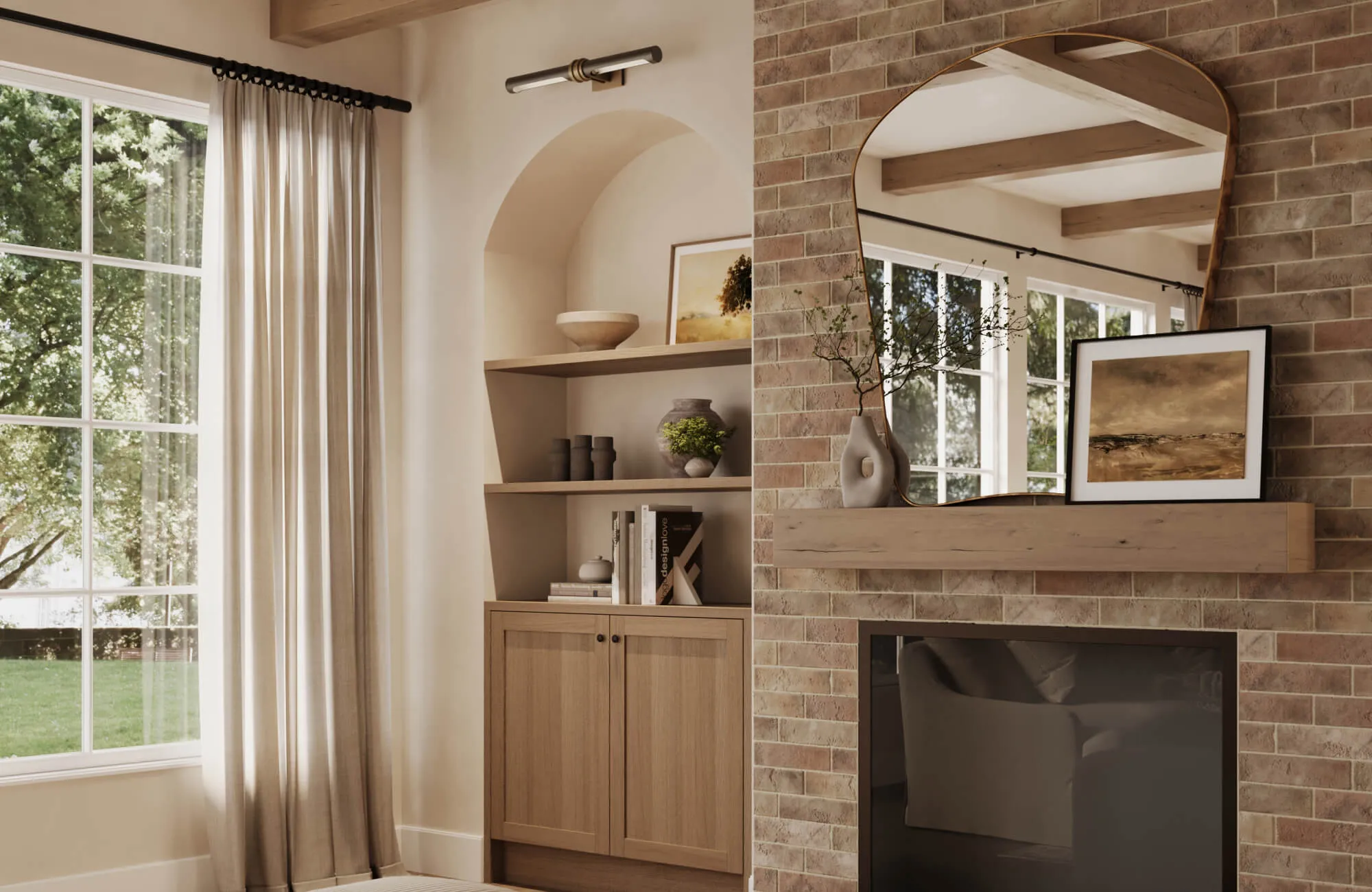
Lighting plays a powerful role in shaping our daily experiences, influencing everything from our mood and focus to how productive we feel. The right setup can lift your spirits, sharpen your concentration, and help you maintain steady energy throughout the day, while poor lighting can leave spaces feeling flat or even uncomfortable. In this guide, we’ll explore how lighting affects mood, focus, and daily productivity, and how intentional choices can help you design a space that works seamlessly with your lifestyle.
The Connection Between Lighting and Human Behavior
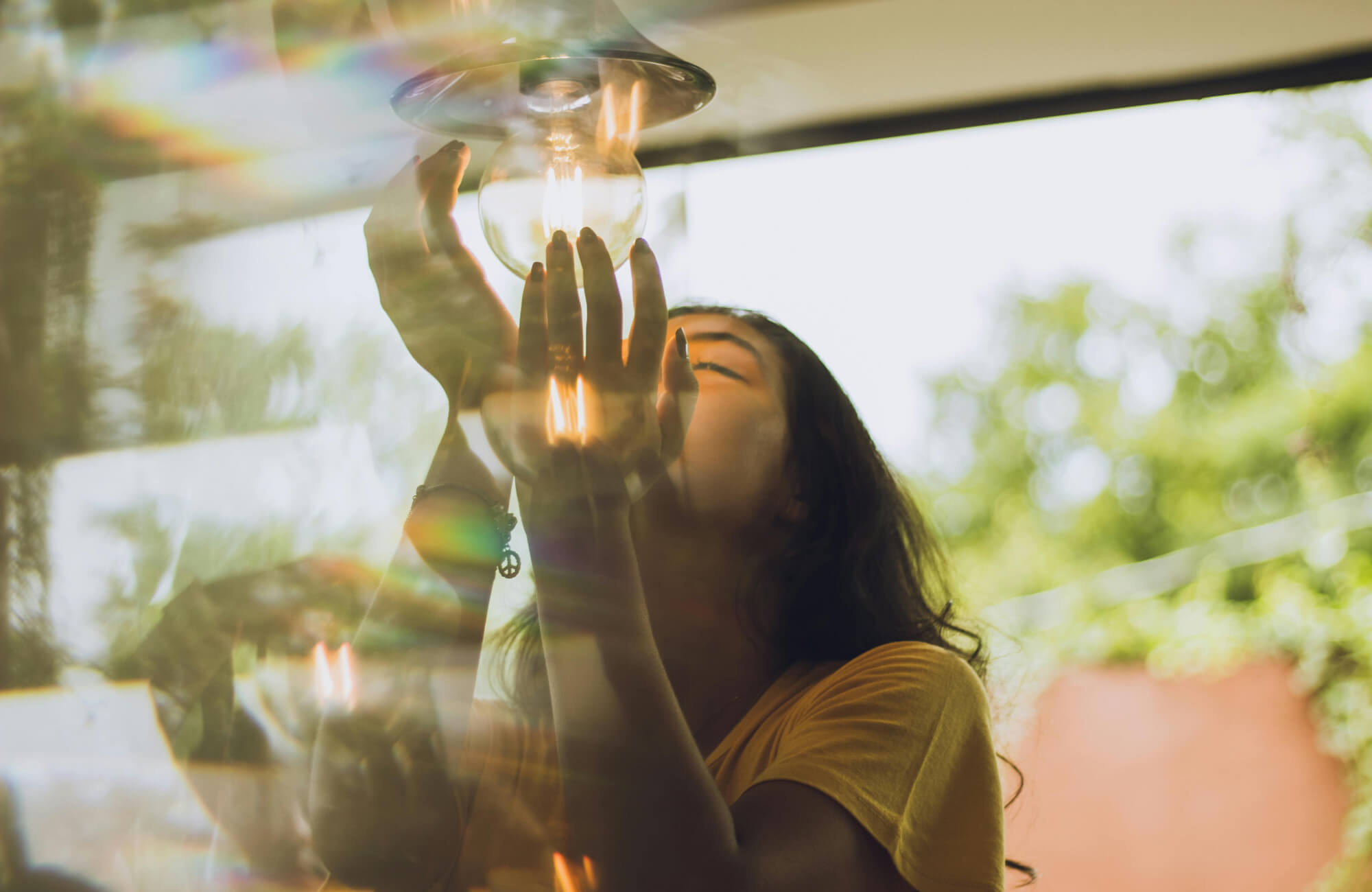
Lighting shapes far more than just how a space looks; it directly influences how we feel, think, and function throughout the day. From regulating sleep-wake cycles to affecting emotional balance and mental focus, light plays a critical role in aligning our bodies with natural rhythms.
The Science of Light and the Brain
Light exposure triggers chemical changes in the brain that directly influence mood, energy, and alertness. Natural sunlight helps regulate melatonin production, signaling the body when it’s time to wake up or wind down. At the same time, bright light boosts serotonin and dopamine, improving mood and motivation. Artificial light can mimic these effects, but poor quality or poorly timed lighting can disrupt this balance. By choosing lighting that supports natural brain chemistry, we can positively influence both emotional and cognitive performance.
How Different Types of Light Affect Mood
The tone and intensity of light can instantly shift the atmosphere of a room. Warm lighting tends to create a calming, cozy environment, making it ideal for living areas or bedrooms. In contrast, cooler light tones often promote alertness and concentration, which is why they’re commonly used in offices or task-oriented spaces. Brightness also plays a role; overly dim light can cause drowsiness, while excessive brightness may feel harsh or stressful. Selecting the right mix of tone and intensity helps shape a space that supports the mood you want to cultivate.
Circadian Rhythms and Daily Energy Levels
Our internal body clocks, or circadian rhythms, are deeply influenced by light exposure patterns. Bright light in the morning signals the brain to suppress melatonin and increase alertness, setting an energetic tone for the day. As evening approaches, softer and warmer light cues the body to relax and prepare for rest. Disruptions to this cycle, such as exposure to blue light late at night, can interfere with sleep quality and next-day performance. Maintaining consistent light cues throughout the day supports a healthy balance of wakefulness and rest.
Lighting for Enhancing Mood
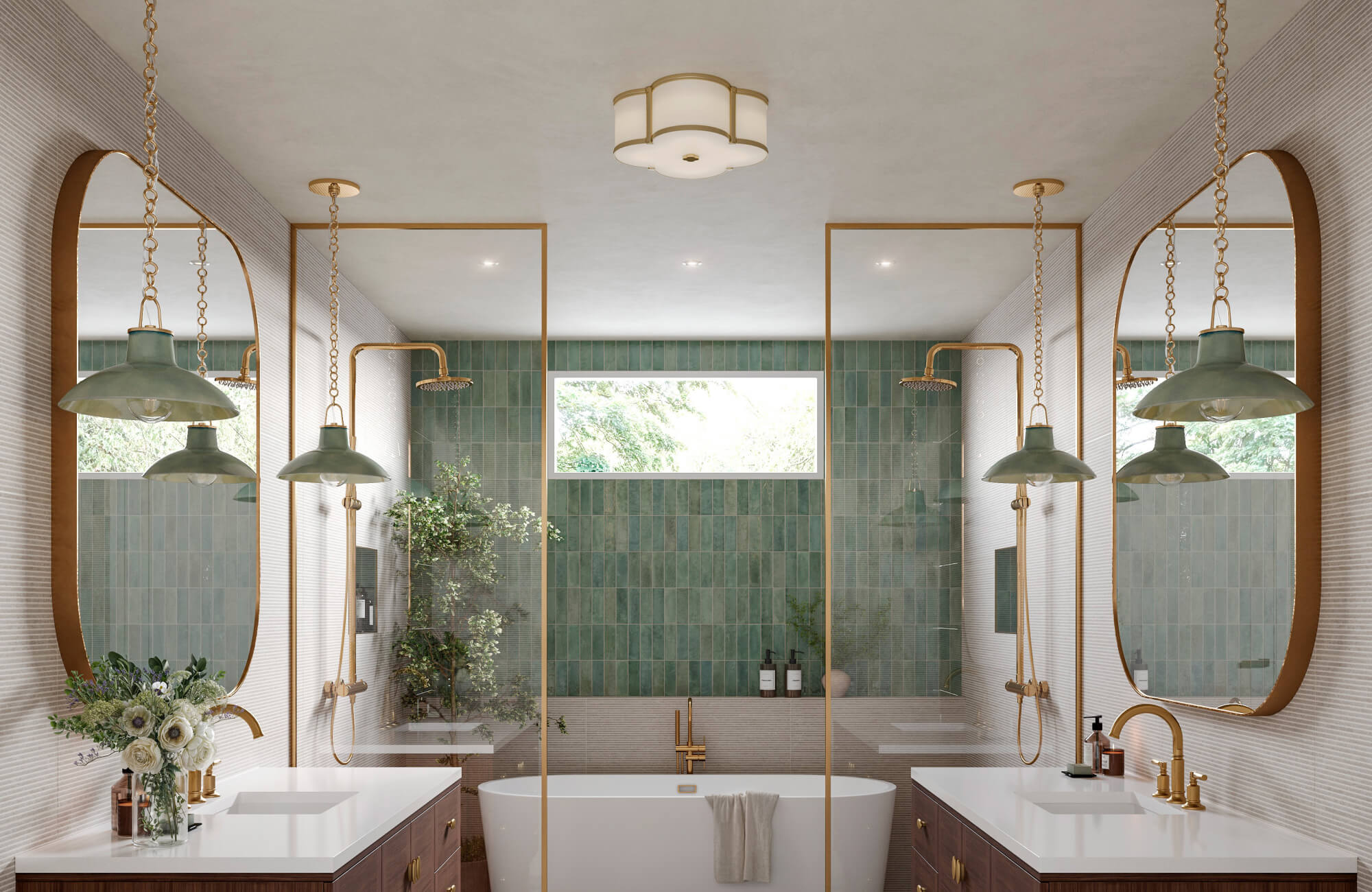
Thoughtful lighting design has the power to influence how we feel in a space, helping create environments that encourage calmness, happiness, and emotional balance. By choosing lighting intentionally, we can reduce stress, make rooms feel more welcoming, and support a sense of well-being throughout the day.
Natural Light for Boosting Positivity
Exposure to natural light can uplift mood by stimulating serotonin production and helping regulate sleep patterns. Sunlight also supports vitamin D synthesis, which plays a role in overall mental and physical health. Incorporating large windows, skylights, or sheer curtains can maximize daylight in your home, making spaces feel bright and open. However, balance is key—too much direct sunlight can cause glare or heat buildup, so filtering it through shades or plants keeps it comfortable. This approach creates a cheerful, energized atmosphere without overwhelming the senses.
Dimmable Lighting for Emotional Flexibility
Dimmable fixtures allow you to adjust brightness based on mood, activity, or time of day, offering a dynamic way to control a room’s emotional tone. Lower settings can make a space feel calm and reflective, while brighter levels can energize and stimulate focus. This flexibility is especially useful in multipurpose areas, such as open-plan living spaces or home offices. Pairing dimmable lights with warm or cool bulbs further enhances the mood-shaping effect. By tailoring light levels to the moment, you can maintain an environment that supports both relaxation and productivity.
Lighting for Better Focus and Concentration
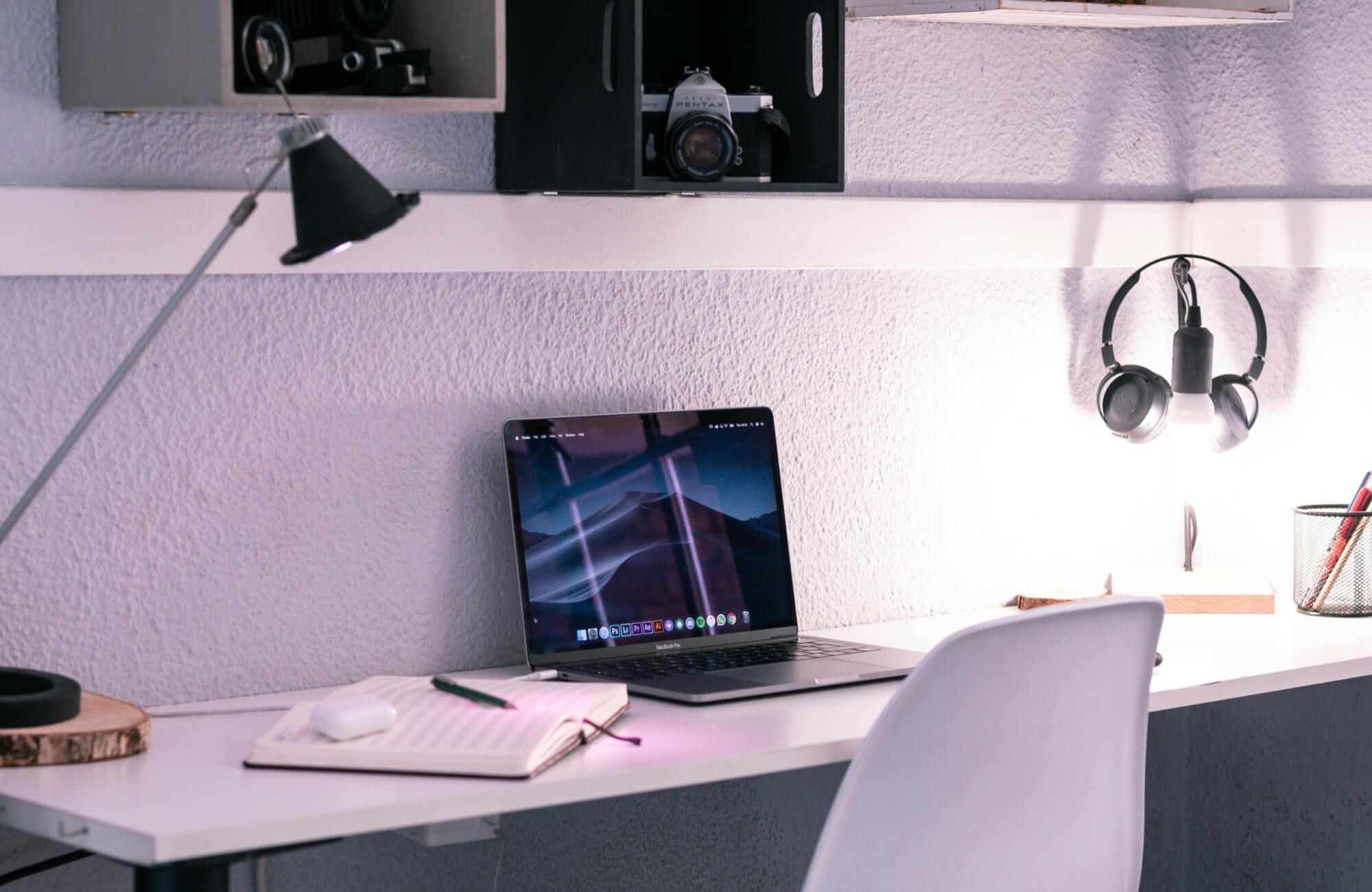
The right lighting setup can make a noticeable difference in your ability to focus, process information, and complete tasks efficiently. By selecting brightness levels, tones, and fixture placements that support alertness, you can create an environment that encourages mental clarity.
Bright, Cool Lighting for Work Environments
Cool-toned, bright lighting is ideal for stimulating alertness and sustaining concentration during mentally demanding tasks. In offices and study spaces, bulbs with a daylight-like quality can mimic natural light, keeping your mind engaged and reducing the afternoon slump. Rather than getting caught up in Kelvin scale numbers, look for lighting labeled as “cool white” or “daylight” for practical results. This setup works best in areas where long periods of reading, writing, or computer work take place. Pairing cool light with a clutter-free environment further enhances focus.
Task Lighting for Precision Work
Task lighting provides concentrated illumination for activities that require accuracy and attention to detail. Desk lamps with adjustable arms, under-cabinet lighting in kitchens, or targeted beams in craft rooms all help direct light exactly where it’s needed. By isolating the light to your work area, you reduce shadows and distractions, making it easier to stay on track. Choosing fixtures with adjustable brightness adds another layer of control for different tasks. This focused approach ensures you’re working under optimal conditions without flooding the entire room with light.
Reducing Glare to Maintain Focus
Glare can quickly break concentration by creating visual discomfort and making it harder to see details clearly. Positioning lights to avoid direct reflection on screens or work surfaces helps keep your eyes relaxed. Using diffused bulbs, lampshades, or frosted covers can soften harsh light without compromising brightness. Matte finishes on nearby surfaces can also help reduce bounce-back glare. These strategies work together to create a comfortable environment where your focus stays on the task at hand rather than adjusting to visual distractions.
Lighting for Sustaining Daily Productivity
Lighting plays a direct role in how consistently you can perform throughout the day. When brightness, tone, and placement are tailored to match your body’s natural energy cycles, it becomes easier to stay alert during active hours and unwind when needed. The right mix of natural and artificial light ensures you remain comfortable, focused, and efficient from morning until evening.
Dynamic Lighting to Match Daily Routines
Dynamic lighting involves adjusting brightness and tone throughout the day to align with your body’s natural energy cycles. For example, bright, cool-toned light in the morning can help you wake up and focus, while softer, warmer tones in the evening signal your body to wind down. Smart lighting systems can automate these shifts, making it easier to stay in sync with your circadian rhythm. This adaptability prevents fatigue that comes from working under static lighting all day. It’s a simple yet effective way to keep productivity steady without disrupting comfort.
Layered Lighting for Multifunctional Spaces
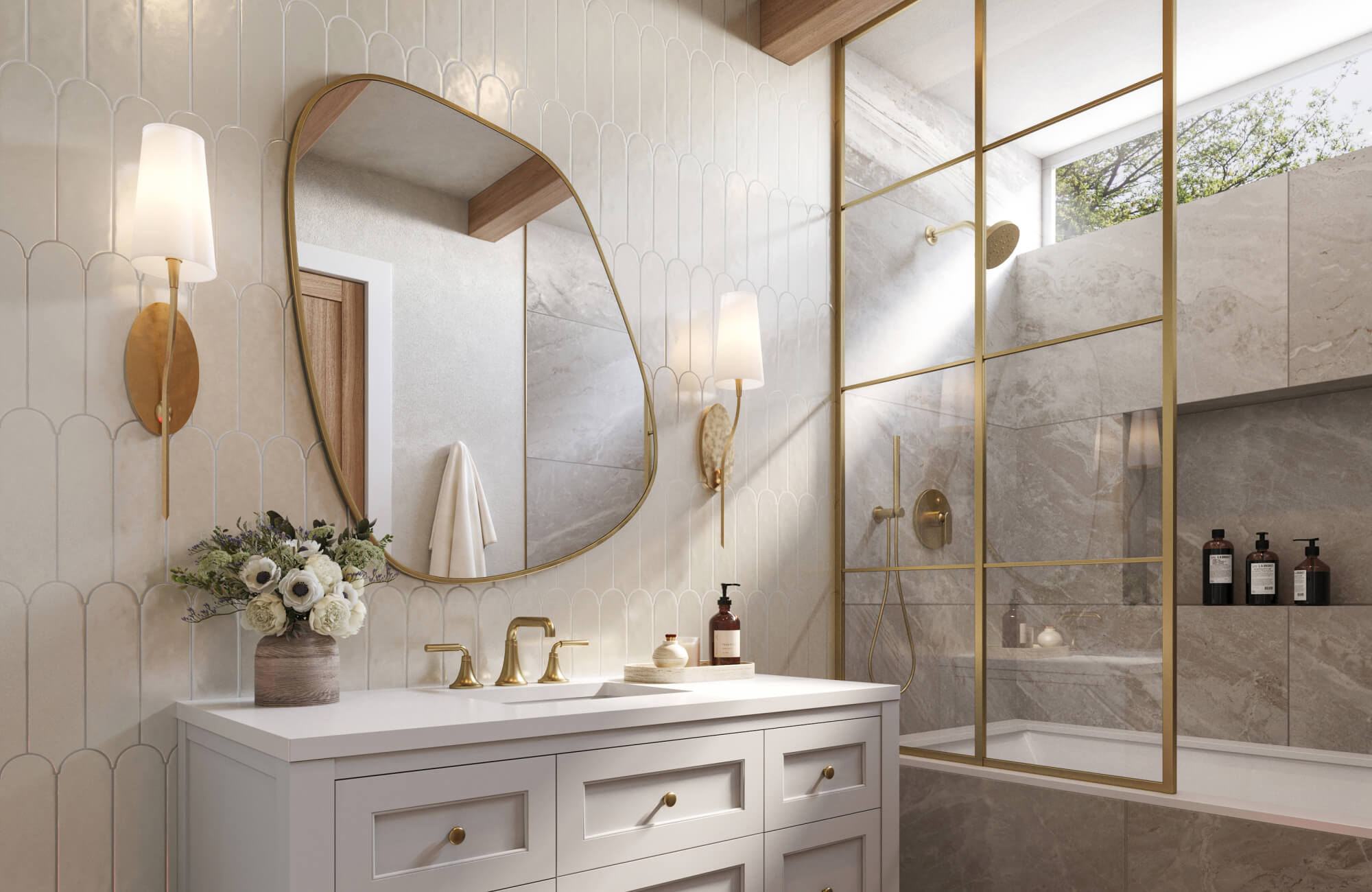
In rooms that serve multiple purposes, layered lighting ensures each activity has the right level of illumination. Combining ambient lighting for general visibility, task lighting for focused work, and accent lighting for visual interest creates a flexible and supportive setup. For instance, a living room that doubles as a home office can benefit from pendants for group activities, desk lamps for work, and wall sconces, such as our Goodwin Wall Sconce in Aged Brass above, for evening bath relaxation. This approach allows you to transition between activities without losing efficiency. It also makes the space feel adaptable rather than confined to a single use.
Balancing Natural and Artificial Light Sources
The most productive spaces often use a thoughtful mix of natural and artificial light. Position desks and workstations near windows to take advantage of daylight, but use sheer curtains or blinds to diffuse glare. As the sun sets, layer in warm-toned artificial lighting to maintain visibility without overstimulating your senses. This combination keeps energy levels stable while ensuring you can work comfortably at any hour. Avoid relying solely on natural light, as it can be unpredictable and inconsistent throughout the year.
Common Lighting Mistakes That Hurt Mood and Productivity
Small oversights in lighting design can quickly undermine both comfort and efficiency. When brightness levels, tones, or placement are poorly chosen, the result can be spaces that feel draining, unfocused, or visually unbalanced. By recognizing and correcting these mistakes, you can create an environment that supports both emotional well-being and daily performance.
Overly Harsh or Dim Lighting
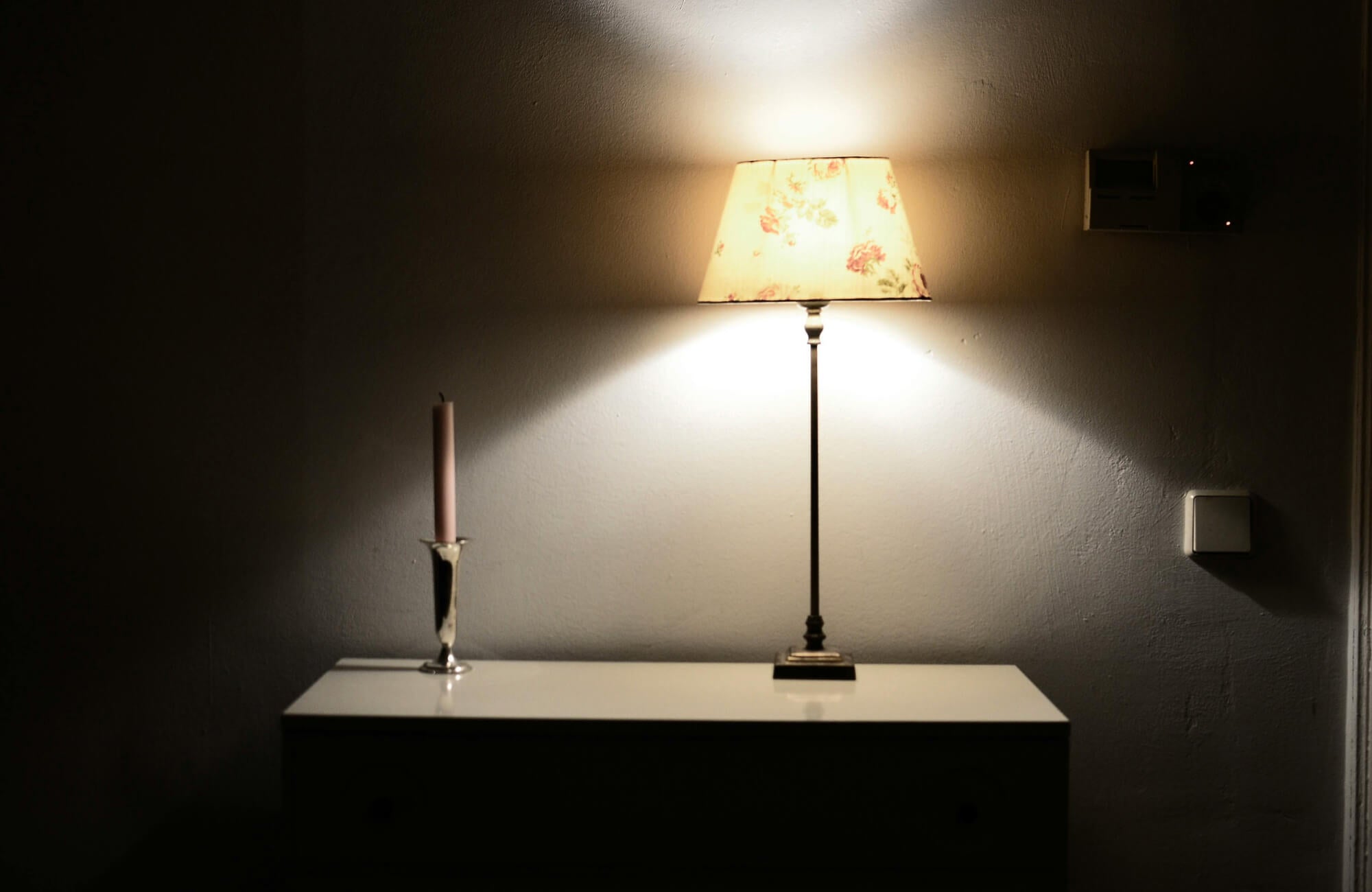
Lighting that is too bright can cause visual fatigue, headaches, and a tense atmosphere, while lighting that’s too dim may lead to sluggishness and reduced alertness. Harsh overhead fixtures without diffusers often make it harder to relax or focus for extended periods. On the other hand, insufficient lighting forces the eyes to strain, which can trigger discomfort and shorten attention spans. Balancing brightness with the room’s function is key; task-heavy areas benefit from more illumination, while relaxation zones work best with softer, diffused light.
Ignoring Color Temperature Matching
Using mismatched lighting tones within the same space can create a jarring and distracting effect. For instance, combining warm-toned lamps with cool-white overhead lighting often makes a room feel disjointed, affecting both focus and comfort. Consistent color temperature helps the brain process light cues more naturally, whether you’re aiming for energizing daylight tones or calming warm hues. This doesn’t mean all lights must be identical; rather, they should align with the intended mood and activity of the space.
Poor Light Placement
Even with the right brightness and tone, poor positioning can lead to frustrating results. Placing lights where they create glare on screens or deep shadows over work areas can disrupt focus and strain the eyes. Uneven illumination, where some corners are overly bright while others are left in darkness, also makes a space feel unbalanced. Thoughtful placement ensures that light falls evenly where it’s needed, enhancing both visibility and comfort throughout the day.
Creating a Lighting Plan for Your Space
The most effective lighting setups are built around how a space is used, not just how it looks. By balancing light quality, placement, and adjustability, you can create an environment that adapts to different activities and times of day. Thoughtful planning also ensures your space supports focus, promotes comfort, and enhances the overall atmosphere.
Assessing Your Daily Needs
The first step to a successful lighting plan is identifying the activities that take place in each part of your home or workspace. For example, a home office might need bright, cool-toned task lighting to keep you alert, while a bedroom benefits from warm, soft illumination for winding down at night. Mapping out these zones and their primary uses helps guide where to place fixtures and what type of bulbs to use. This approach makes it easier to match lighting to the emotional and practical needs of each area.
Equally important is considering the time of day you use each space and how natural light plays into your routine. A dining area used primarily in the evening may need warmer tones to create a relaxed ambiance, while a morning reading nook could benefit from adjustable daylight bulbs. By understanding when and how you occupy a space, you can better anticipate lighting needs throughout the day. This clarity forms the foundation for a plan that supports both comfort and productivity.
Investing in Quality Fixtures and Bulbs
While it may be tempting to choose lighting based solely on price or aesthetics, investing in quality fixtures and bulbs ensures better performance and longevity. High-quality bulbs often offer more consistent light output, better color rendering, and longer lifespans, making them cost-effective in the long run. Adjustable fixtures, such as dimmable sconces or multi-position desk lamps, give you flexibility to adapt the lighting to different tasks or moods. These features enhance both the look and functionality of your space.
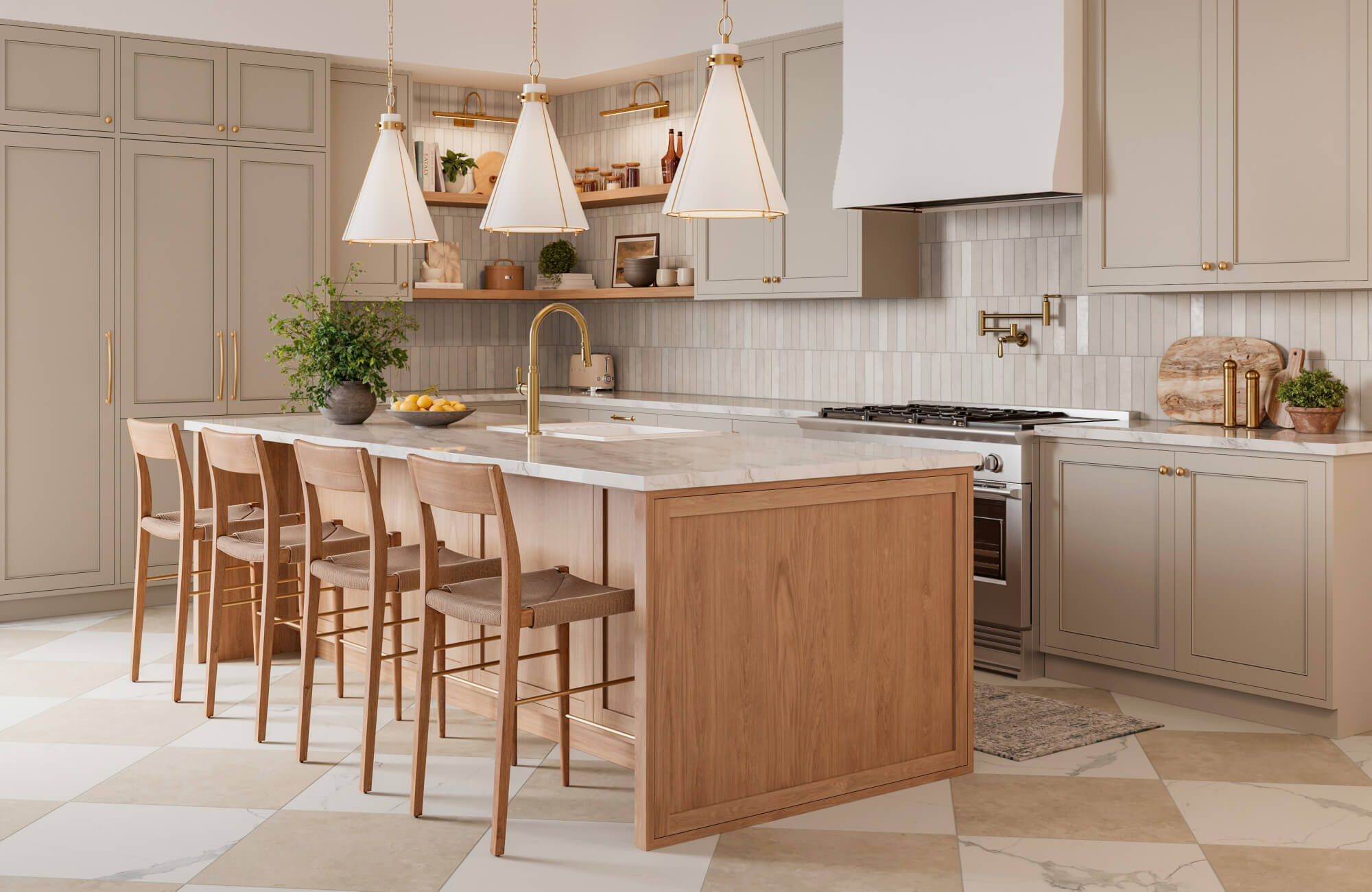
Beyond lasting longer, well-made lighting fixtures influence how comfortably and evenly light fills a room. Well-designed fixtures control glare, spread light evenly, and highlight key areas without creating harsh contrasts. As seen above, our Rosa Triangular Pendant in Aged Brass brings warm, focused light over the kitchen island, combining refined design with practical task lighting. Choosing pieces that balance form and function ensures your lighting plan serves you well for years while maintaining visual appeal.
Consulting with a Lighting Expert
While it’s possible to create a functional plan on your own, consulting with a lighting expert can streamline the process and help you avoid common pitfalls. A professional can assess your space, recommend the best fixture types, and suggest optimal placements based on your daily activities and architectural layout. This tailored advice ensures that your lighting not only looks good but also works efficiently for your needs.
An expert can also guide you in balancing natural and artificial light, selecting energy-efficient options, and incorporating features like smart controls. These insights can be especially valuable for multifunctional spaces or homes with challenging layouts. Even if you choose to handle most of the setup yourself, a consultation can provide a solid framework that saves you time, money, and frustration in the long run.
Light Your Way to Better Living
Lighting affects far more than the way a room looks; it shapes how we feel, think, and function every day. From setting the tone for relaxation to boosting alertness for focused work, the right lighting plan aligns with your natural rhythms and supports both comfort and efficiency. By considering factors like placement, temperature, brightness, and design, you can transform any space into one that truly works for your lifestyle.
If you’re ready to create a lighting setup that balances beauty and function, a professional consultation can help you bring that vision to life. Our team can guide you in selecting fixtures, positioning them for maximum impact, and ensuring your lighting adapts to your daily routine. With a plan tailored to your home and habits, you can enjoy an environment that keeps you feeling energized, focused, and at ease from morning to night.
Follow us on Instagram
@EDWARD.MARTIN
)
)
)
)
)
)
)
)
)
)
)
)
)
)
)
)