Arched mirrors have a timeless quality that makes them an effortless bridge between old and new. Their graceful curves and architectural presence instantly soften a space, while the right finishes, details, and styling can push the design toward an unmistakably vintage or antique aesthetic. Whether you're a homeowner elevating a living room vignette or an interior-design enthusiast curating a character-rich home, an arched mirror can become a defining piece.
Below, we’ll explore how to choose the right frame, incorporate authentic-looking glass details, style thoughtful vignettes, and create the ideal backdrop for a truly vintage-inspired look.

Choose a Frame That Tells a Story
Before anything else, the frame sets the visual tone of your arched mirror, making it the quickest way to introduce vintage charm. Think of it as the piece’s “voice”, the details, finishes, and textures that hint at a past life, even if the mirror is newly made. Starting here lays the foundation for every other design choice that follows.
Embrace Warm and Aged Metallic Finishes
Nothing evokes antique charm quite like warm metals that look slightly worn by time. Brass, antique gold, burnished bronze, and even pewter-like finishes can instantly age a piece without making it feel dated. In the image above, the warm framework echoes the subtle patina found in Edward Martin’s Clancy Small Arch Mirror in Antique Brass, which beautifully mimics naturally aged metal.
Aged metallic frames work particularly well in traditional homes, French-inspired spaces, and rooms where you want a hint of glamour without leaning into something overly polished. Pair them with rich woods, vintage rugs, or moody wall colors to enhance their depth.
Look for Ornate Carved and Filigree Details
Arched mirrors with carved crests, scrollwork, botanical motifs, or intricate filigree echo the craftsmanship of past eras, from Victorian to Rococo to early-20th-century revival styles. These ornate details add dimension, shadow play, and a sense of artistry that mass-manufactured mirrors often lack.
Even modern reproductions with cast resin or machine-carved details can feel authentic if the finish is executed with care. Avoid perfectly crisp, factory-fresh lines; instead, gravitate toward softened edges or paint-layer variations that suggest age.
Consider Distressed or Richly Stained Wood
Wood-framed arched mirrors bring warmth and earthiness to a vintage look, whether you prefer the charm of distressed, chipped, or wormhole-marked finishes or the richness of deep stains like walnut, mahogany, or chestnut.
When choosing a wooden frame, pay close attention to the undertone, warm brown woods feel classic and traditional, while gray or driftwood finishes lean more rustic or European farmhouse. Dark espresso stains, on the other hand, evoke the moody elegance of antique English interiors.
Ultimately, depth of color is what anchors the piece in a heritage-inspired aesthetic, giving your mirror a sense of history and authenticity.

Look for Authentic Details in the Glass Itself
Once the frame establishes the mood, the glass can deepen the antique feel with subtle, historically inspired details. Features like light foxing, beveling, or convex surfaces add another layer of authenticity, helping the mirror feel more like a cherished heirloom than a modern reproduction. This step builds naturally on the character already introduced through the frame.
The Subtle Charm of "Foxed" or Distressed Glass
Foxed glass, glass with scattered speckles, cloudiness, or soft areas of oxidation, mimics the natural aging process of mercury-backed mirrors. Used sparingly, it adds instant history and texture without making the reflection unusable.
Foxed glass works beautifully in foyers, dining rooms, or living rooms where the goal is ambiance over pristine clarity. If you're intentionally creating a vintage look, incorporating even a hint of foxing adds authenticity and depth.
The Classic Elegance of a Beveled Edge
A beveled edge refracts light, giving the mirror a jewelry-like sparkle associated with early-20th-century craftsmanship. This small detail elevates the piece and visually separates it from modern, flat-polished designs.
Beveled edges pair particularly well with ornate, metallic, or wood-carved frames. They create an elegant interplay between the mirror’s simplicity and the frame’s texture, making the entire piece feel heirloom-worthy.
The Unique Character of a Convex Mirror
Convex mirrors have a distinctive domed surface that gently distorts the reflection, creating a charming, old-world effect reminiscent of Georgian and Regency design.
Though they’re often smaller in scale, they can serve as surprisingly powerful accents when used with intention, whether incorporated into a curated gallery wall, positioned above a console as a focal point, or displayed in pairs to emphasize traditional symmetry. Their sculptural quality alone introduces a strong sense of heritage, making even the simplest space feel more historic and thoughtfully designed.

Style a Vignette with Vintage-Inspired Decor
With both the frame and glass working together, the next step is to anchor the mirror in a setting that supports the vintage narrative. Thoughtfully styled decor, layered objects, collected accents, and soft textures, brings the mirror to life and makes the entire area feel curated over time. These styled vignettes help the mirror blend seamlessly into the room’s overall story.
Create a Symmetrical and Layered Arrangement
Symmetry is a hallmark of traditional design and instantly reinforces a sense of timelessness, especially when paired with an arched mirror. You can style a console or mantel beneath the mirror with matching lamps, urns, candlesticks, or sculptural accents to establish balance.
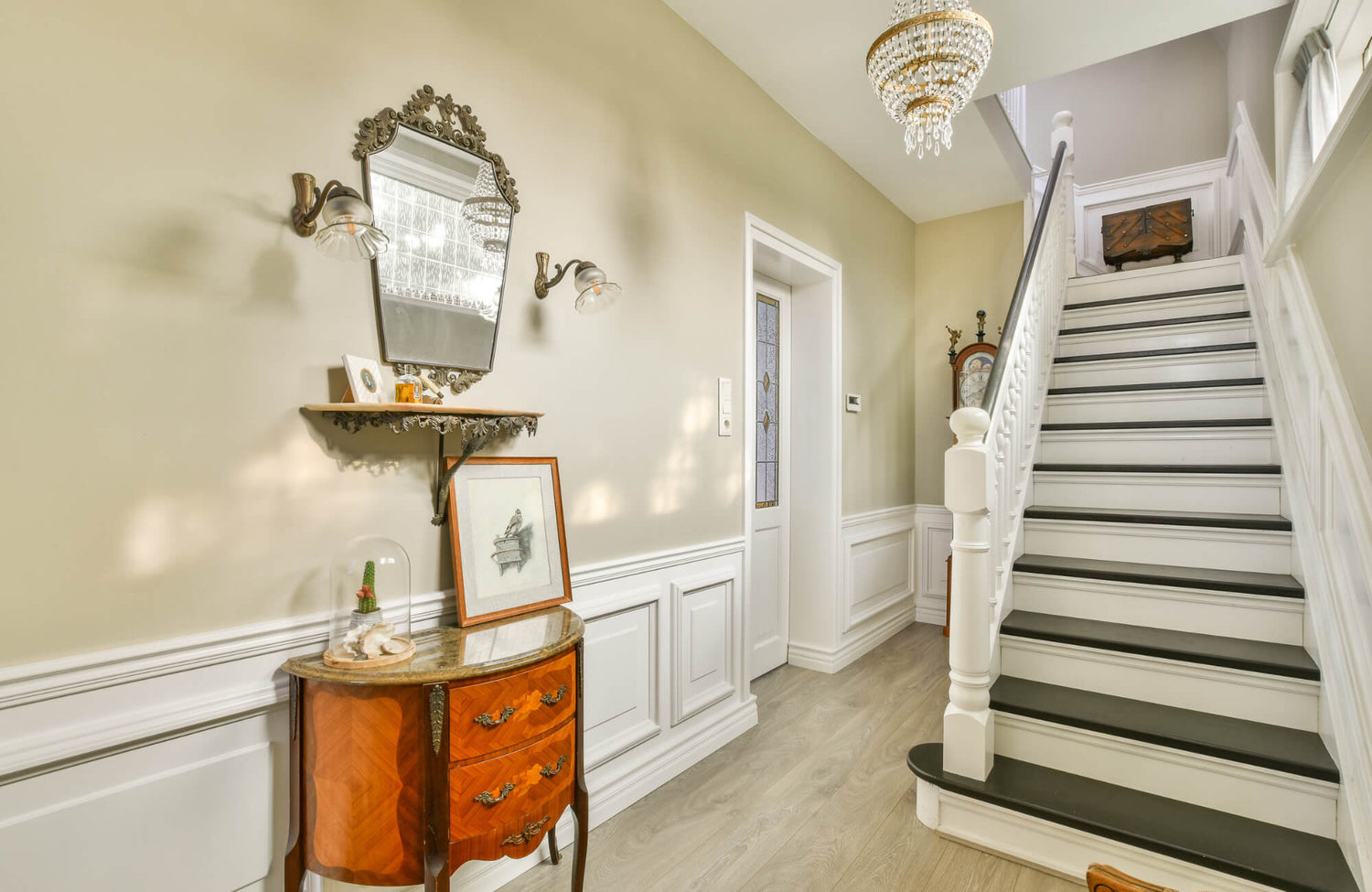
As featured in the image above, the layered vignette reflects the same refined elegance seen in Edward Martin’s Clementine Mirror in Antiqued Gold Leaf, which naturally complements symmetrical arrangements.
From there, introduce layers by leaning framed artwork or vintage photographs so they overlap the mirror slightly, placing smaller objects in front to build depth, and varying heights to keep the arrangement visually engaging while still structured. This thoughtful layering softens the formality of symmetry, giving the entire vignette a relaxed, collected-over-time feel.
Curate a "Collected" Grouping of Objects
Vintage design thrives on the impression that pieces were gathered over years rather than purchased all at once.
To create this sense of history, incorporate objects with personal or storied resonance, perhaps a stack of vintage books, a gently tarnished clock, a ceramic vase with subtle crazing, worn leather-bound journals, or small framed landscapes and portraits. The goal isn’t to crowd the space but to choose items with intention, allowing each piece to carry visual weight or a narrative that enhances the mirror’s antique character.
Mix in Soft, Organic, or Aged Elements
To ensure your vintage vignette feels inviting rather than museum-like, weave in softened, organic textures that add movement and warmth.
A trailing plant in a weathered pot, dried florals in muted tones, a stone bowl filled with natural objects, or even a linen runner or lace antimacassar can shift the mood instantly. These touches introduce life and gentle imperfections that complement the graceful silhouette of an arched mirror, rounding out the display with a sense of romance and authenticity.

Create the Perfect "Vintage" Backdrop
After the vignette is in place, the surrounding wall and background become essential in completing the look. The right color, texture, or placement can amplify the mirror’s antique character and tie the entire composition together. This final layer ensures your vintage-inspired mirror feels intentional, integrated, and truly timeless within your home.
Use a Rich or Moody Wall Color
Vintage decor loves atmosphere. Deep, saturated tones, forest green, midnight blue, charcoal, oxblood, and tobacco brown, make an arched mirror feel regal and storied. These colors create contrast that highlights the mirror’s shape and enhances metallic or wood tones.
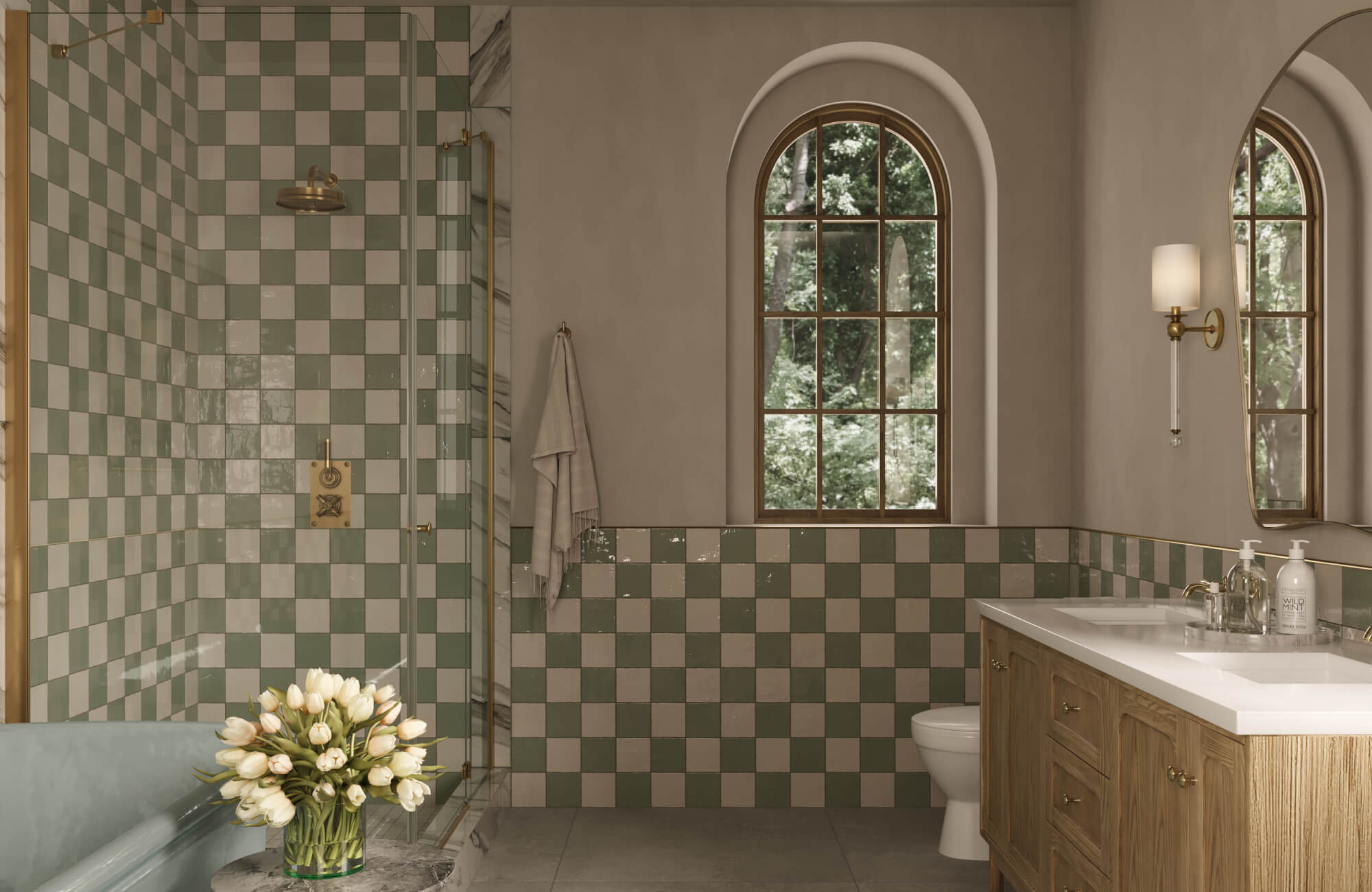
In the photo shown above, the rich hues elevate the warm metallic accents much like Edward Martin’s Raelynn Mantel Mirror in Polished Brass, which stands out beautifully against deeper backdrops. For softer interiors, warm neutrals such as taupe, mushroom, or creamy ivory can suggest understated heritage when paired with antique-inspired pieces.
Pair with Textural Wall Treatments
Historically, walls were rarely left as simple flat paint, so adding texture is an effective way to deepen a room’s vintage character. Incorporating architectural paneling such as board and batten or beadboard brings traditional structure, while faux plaster finishes introduce European depth and movement.
Vintage-inspired wallpaper, whether damask, botanical, or toile, adds pattern and historical charm, and limewash or clay paint creates a soft, matte patina that feels naturally aged. Together, these treatments form a richly layered backdrop that helps an arched mirror feel truly rooted in a curated, timeworn environment.
The "Leaning" vs. "Hanging" Placement
Placement has just as much impact on style as materials and finishes. Leaning a mirror, especially a larger arched piece, suggests casual, collected charm, and it’s a designer favorite for console tables, mantels, and entryways because it feels natural and unforced.
Hanging a mirror, on the other hand, evokes a more traditional, formal look and works beautifully when symmetry is the priority or when the mirror is part of an architectural composition, such as centered between sconces.
Both approaches can feel vintage; choose based on the mood you want to convey, and if you’re unsure which direction suits your home, Edward Martin’s design consultation can help you make confident style decisions with personalized recommendations. You can also contact Edward Martin for support with product questions or assistance selecting tiles, rugs, or furniture to complete your project.
A Mirror That Reflects Your Timeless Style
An arched mirror is more than a reflective surface, it’s a design tool that adds architectural grace, historical texture, and emotional warmth to a home. By choosing a thoughtfully detailed frame, paying attention to the glass, styling intentional vignettes, and setting the right backdrop, you can create a vintage or antique aesthetic that feels authentic rather than contrived.
Most importantly, a well-chosen arched mirror becomes a reflection not just of your room, but of your personal vision. It’s an opportunity to celebrate craftsmanship, honor classic design principles, and curate a space that feels deeply rooted yet effortlessly elegant.
With the right approach, your mirror won’t just imitate history, it will help you tell a story that feels timeless, inviting, and entirely your own.