Wallpaper can look clean for years or start showing wear in just a few months, and the difference usually comes down to how it’s cleaned day to day. It’s easy to assume a quick wipe is harmless, but small habits like repeated rubbing, excess moisture, or using the wrong cleaner can slowly affect the surface. Because wallpaper is layered, those changes don’t always show up right away, which makes them harder to catch early. In this blog, we’ll walk through how to clean wallpaper properly without affecting its finish, along with practical ways to keep it looking consistent over time.

Why Cleaning Wallpaper Needs a Different Approach
Unlike paint or tile, you’re working with a layered finish where the printed design, protective coating, and adhesive all react differently to moisture, pressure, and repeated contact. Because of that, even small cleaning decisions can have a lasting impact, especially when they’re done regularly without much thought.
The Difference Between Removing Dirt and Damaging the Surface
When you clean wallpaper, it’s not just about removing what you see on the surface; it’s about how that dirt is lifted without disturbing the layers underneath. For example, when a mark doesn’t come off right away, it’s natural to go back over it, apply a bit more pressure, or keep wiping until it fades. What’s easy to miss, though, is that each pass isn’t only dealing with the dirt, it’s also interacting with the ink and coating that give the wallpaper its depth and detail. Because of this, the line between effective cleaning and surface wear can get blurred, especially when the method feels gentle but is repeated often.
At the same time, “clean” doesn’t always mean the surface is left untouched. You might remove the visible smudge, but in doing so, you could be slightly dulling the finish or softening the edges of the pattern in that area. These changes don’t usually show up right away, which is why they’re easy to overlook in the moment. Over time, though, those small adjustments can make certain sections look flatter or less defined compared to the rest of the wall. That’s why the goal isn’t just to clean, but to do it in a way that keeps the surface looking consistent from one area to another.
How Small Cleaning Habits Add Up Over Time
In most homes, wallpaper damage doesn’t come from one obvious mistake; it tends to build up through everyday habits that feel completely normal. For instance, wiping the same area near a light switch, brushing against a wall in a narrow space, or going back to clean a spot that keeps catching your eye can all seem harmless on their own. However, these repeated actions create ongoing friction, and over time, that friction slowly wears down the top layer where the color and texture sit. Even light pressure, when applied often enough, can start to affect how the surface looks and feels.
Moisture plays a role here, too, even when it’s used sparingly. A slightly damp cloth might not seem like an issue, but if it’s used frequently on the same spots, it can begin to affect seams, edges, or areas where the wallpaper is more exposed. You might not notice anything at first, but over time, those sections can start to look uneven or subtly faded compared to the rest of the wall. This is why a more controlled approach matters, not just in how you clean, but in how often you do it, so the wallpaper stays consistent and holds its appearance longer.

Knowing Your Wallpaper Before You Clean It
Before you clean anything, it helps to take a step back and really look at what kind of surface you’re working with. Wallpaper isn’t one-size-fits-all, and how it reacts to touch, moisture, and pressure can vary more than most people expect. Paying attention to those small details early on makes it easier to avoid damage later, especially when you’re dealing with finishes that don’t respond well to trial and error.
Vinyl Wallpaper and Why It’s More Forgiving
Vinyl wallpaper tends to be the most forgiving option when it comes to everyday cleaning, which is why it’s often used in kitchens, bathrooms, and other busy areas. Its surface has a protective coating that resists moisture better than most materials, so light wiping usually doesn’t cause immediate issues. Because of that, it can handle routine maintenance like removing fingerprints or light marks without much risk, as long as the approach stays controlled. Even so, it’s still important to avoid going too far, since repeated pressure or overly wet cleaning can eventually affect seams or edges. The durability here gives you more flexibility, but it doesn’t mean the surface is immune to wear over time. Keeping that balance in mind helps you maintain it without relying too heavily on frequent cleaning.
Non-Woven Wallpaper as a Balanced Option
Non-woven wallpaper sits somewhere in the middle, offering more durability than delicate materials while still needing a bit of care. It’s designed to be breathable and stable, which means it can handle light contact and occasional wiping without reacting too quickly. At the same time, its surface isn’t as sealed as vinyl, so moisture and friction still need to be controlled. This is where many people get caught off guard, because it looks strong but doesn’t always behave like a fully protective finish. If handled gently, it holds up well and maintains its appearance, but repeated cleaning in the same spots can start to show subtle changes. Treating it with a lighter touch helps preserve both its texture and overall consistency.
Fabric and Natural Fiber Wallpaper Limitations
Fabric and natural fiber wallpapers require a much more cautious approach, mainly because of how easily they absorb moisture and react to friction. These materials don’t have the same protective layer as vinyl or non-woven options, so even small amounts of water can soak in rather than sit on the surface. As a result, wiping can sometimes spread a stain instead of removing it or leave behind marks that are harder to fix. The texture itself can also be affected, especially if the surface is rubbed too often or too firmly. Over time, this can lead to uneven areas where the fibers look flattened or worn compared to the rest of the wall. Knowing these limitations early helps you avoid treating them like more durable finishes.
How to Identify Your Wallpaper Without Peeling It Back
If you’re not sure what type of wallpaper you have, there are a few simple ways to get a better idea without damaging it. Start by looking at the surface closely, especially how it reflects light and how it feels to the touch. A smoother, slightly glossy finish usually points toward vinyl, while a softer, more matte texture may indicate non-woven or fabric materials. You can also check the seams, since tightly sealed edges often suggest a more moisture-resistant type, while softer or less defined seams may need more care. Lightly running your hand across the surface can also give clues about how textured or delicate it is. These small observations can guide your approach before you even think about cleaning.
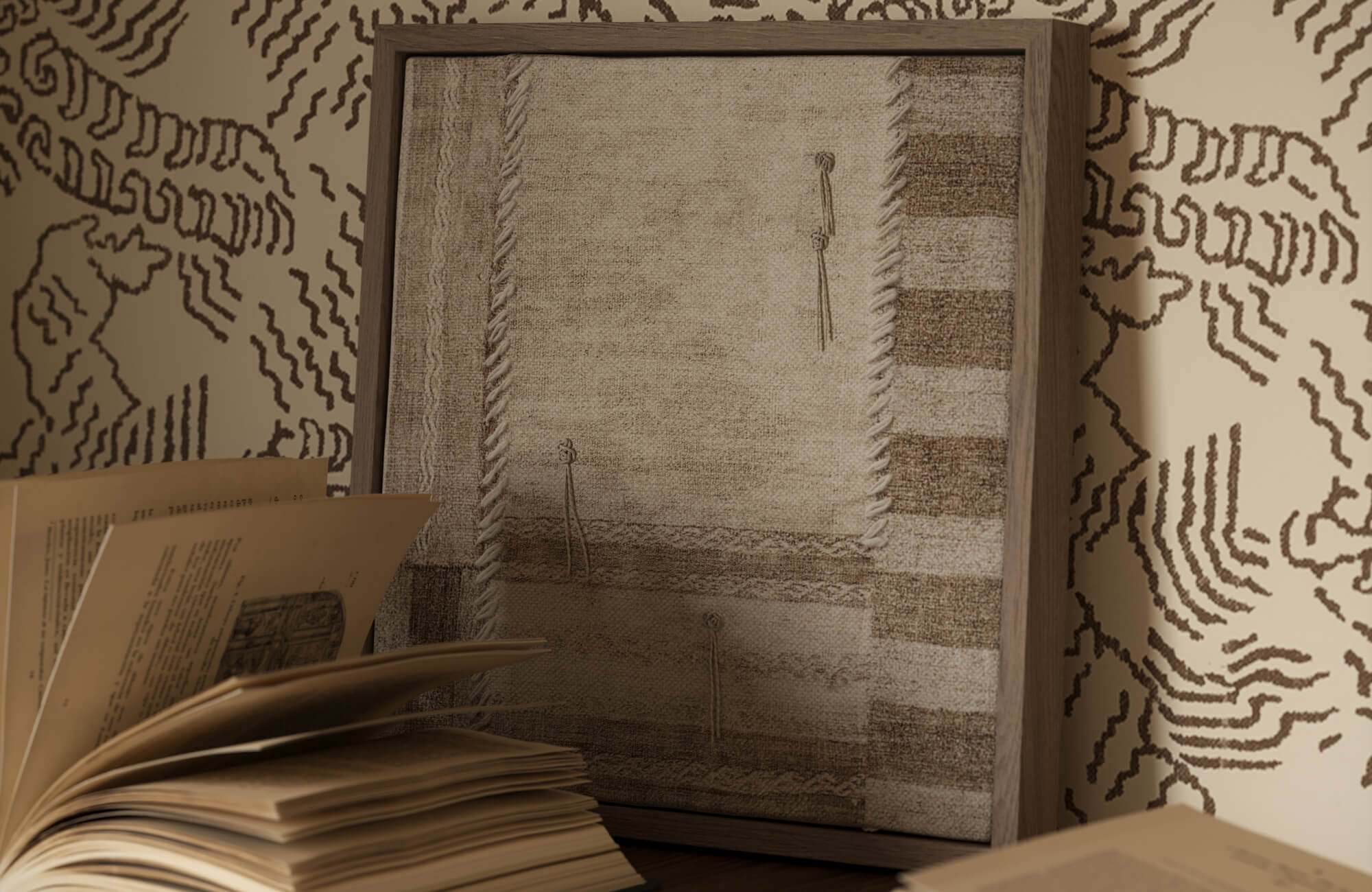
Looking closely at patterns and surface detail can also reveal more than you might expect about the material. Our Porter Wallpaper in Olive Night I, 52" × 132", seen above, is a good example, with its woven-like olive base and hand-sketched donkey motifs that give away its lightly textured finish rather than a sealed, glossy surface. That kind of texture tells you early on that moisture should be handled carefully and wiping kept to a minimum. It’s those visual cues, not just labels, that help you adjust your approach before any cleaning even begins.
Why “Washable” Doesn’t Mean You Can Scrub It
The term “washable” can be misleading, especially if it’s taken to mean that the wallpaper can handle heavy cleaning. In most cases, it simply means the surface can tolerate light moisture under controlled conditions, not repeated scrubbing or strong pressure. It’s easy to assume that if something is labeled this way, you can clean it the same way you would a more durable surface, but that’s where problems begin. Scrubbing, even with a soft cloth, can wear down the finish faster than expected, especially on printed designs. Over time, this can lead to fading, dull spots, or areas that look uneven compared to the rest of the wall. Treating “washable” as a limit rather than an invitation helps prevent that kind of gradual damage.

Common Cleaning Mistakes That Cause More Harm Than Good
A lot of wallpaper damage doesn’t come from obvious mistakes, but from habits that feel normal while you’re doing them. Things like using a bit more water, pressing slightly harder, or reaching for a stronger cleaner can seem harmless in the moment. However, these small choices tend to build up over time, and the effects usually don’t show right away, which is why they’re easy to overlook until the surface starts to change.
Using Too Much Water Without Realizing It
One of the most common issues is using more water than the wallpaper can actually handle, even when it doesn’t feel excessive. A cloth that’s just a little too damp or going over the same area multiple times can introduce more moisture than intended. At first, nothing seems wrong, which is why this habit sticks around. However, moisture doesn’t just stay on the surface; it can slowly work its way into seams and edges where the wallpaper is more vulnerable. Over time, this can begin to affect how securely the wallpaper stays in place.
As that moisture builds up, it can start to weaken the adhesive behind the wallpaper without any immediate warning. Seams may begin to loosen slightly, or certain sections may not sit as flat as they used to. These changes are often subtle at first, which makes them easy to ignore. Eventually, though, they can lead to visible lifting or uneven areas that are much harder to fix. Keeping moisture controlled from the start helps avoid these long-term issues altogether.
Harsh Cleaners That Slowly Break Down the Finish
Another mistake that often goes unnoticed is using cleaning products that are too strong for the surface. It’s easy to reach for common household solutions like vinegar, bleach, or alcohol-based cleaners, especially when dealing with stubborn marks. These products can seem effective at first because they remove stains quickly. However, they don’t just target the dirt; they can also react with the coating that protects the wallpaper’s design. This reaction isn’t always immediate, which makes it even more misleading.
Over time, these cleaners can begin to break down the finish, leaving the surface looking dull or uneven. You might notice that certain spots lose their original depth or appear slightly faded compared to surrounding areas. In some cases, the damage only becomes noticeable under certain lighting, which makes it harder to trace back to the cause. What starts as an attempt to clean more effectively can end up shortening the lifespan of the wallpaper’s appearance.
Scrubbing Instead of Lifting Dirt Properly
Scrubbing is another habit that feels instinctive, especially when a mark doesn’t come off right away. When you’re focused on removing a stain, it’s natural to apply more pressure or go over the same spot repeatedly. The problem is that scrubbing doesn’t just remove dirt, it also creates friction against the surface. This friction can gradually wear down the printed layer or texture, especially in areas that are cleaned more often. Even soft cloths can cause damage when used this way over time.
Instead of lifting dirt away, scrubbing tends to spread the pressure across the surface, which can lead to fading patterns or flattened textures. You might not notice it immediately, but certain sections can start to look less defined or slightly worn compared to untouched areas. As this continues, the wallpaper can lose some of its original character, particularly in detailed or textured designs. Being mindful of how dirt is removed, rather than how quickly, helps maintain the overall look much longer.

A Safe Cleaning Routine That Actually Works in Real Homes
Keeping wallpaper clean doesn’t have to be complicated, but it does need to be consistent and controlled. Instead of relying on one heavy cleaning session, it works better to follow a simple sequence that manages moisture, reduces friction, and focuses on small areas at a time. This kind of routine feels more natural in everyday life and, at the same time, helps prevent the gradual damage that often comes from doing too much too quickly.
Start With Dry Cleaning Before Anything Else
Before introducing any moisture, it helps to start with dry cleaning methods that remove loose dust and debris without putting any added stress on the surface. A microfiber cloth, a soft brush, or even a vacuum with a gentle brush attachment can lift particles that would otherwise get pushed around during wiping. This step might seem minor, but it changes how effective the rest of the cleaning process feels, since you’re not dealing with grit that can drag across the finish. When that initial layer of dust is properly removed, there’s less need to go back over the same spot repeatedly. It also reduces friction in a way that protects the texture and printed details, especially in areas where buildup tends to happen more often.
Controlled Damp Cleaning Without Soaking the Surface
Once the surface is free of loose debris, damp cleaning can be introduced in a more controlled and intentional way. Instead of working across large sections, it’s more effective to focus on smaller areas using a lightly damp cloth and a steady, gentle touch. The idea isn’t to wet the wallpaper, but to carefully lift any remaining marks without letting moisture settle into seams or edges. Moving slowly from one section to another gives you better control and helps you notice how the surface is responding as you go. This approach naturally limits over-wetting, which is often where long-term issues begin, even if everything looks fine at first.
Choosing a Cleaner That Won’t React With the Wallpaper
When a cleaning solution is needed, keeping things simple usually leads to better results over time. A mild soap or a pH-neutral option is often enough to handle everyday marks without introducing unnecessary variables. Stronger cleaners might seem like a quicker fix, especially when dealing with visible spots, but they can interact with the wallpaper’s finish in ways that aren’t immediately obvious. Over time, that interaction can affect how the surface reflects light or how the colors hold up in certain areas. Sticking with a gentle solution keeps the process predictable and helps maintain a more even look across the wall.
Why Spot Testing Saves You From Bigger Problems
Before applying any method across a larger section, taking a moment to spot test can make a noticeable difference in the outcome. Choosing a small, less visible area allows you to see how the wallpaper reacts without putting the overall look at risk. This is especially helpful when you’re unsure how a surface will respond to moisture or a particular solution, since even slight changes can become more noticeable on a full wall. Spot testing gives you a chance to catch those reactions early and adjust your approach if needed. In the long run, this small step helps avoid situations where a full section ends up looking uneven or slightly off compared to the rest.

Handling Stains Without Making Them Worse
Not all stains behave the same, and treating them like they do is where things usually go wrong. It helps to look at what caused the mark and how deep it sits before deciding how to deal with it, rather than applying one method across the entire surface.
Grease and Fingerprints in Everyday Areas
Grease and fingerprints are some of the most common marks you’ll notice, especially around kitchens, light switches, and seating areas where hands come into contact with the wall more often. These stains tend to sit on the surface at first, but over time, they can settle in slightly, making them harder to remove if left unattended. Because of that, it’s important to approach them gently, rather than trying to scrub them out right away. Pressing too hard can spread the oils further or push them deeper into the surface, which makes the area look more uneven instead of cleaner. A lighter, more controlled approach helps lift the residue gradually without affecting the surrounding finish. Keeping an eye on these high-touch areas and addressing them early makes a noticeable difference in how the wallpaper holds up overall.
Water Marks and Humidity-Related Discoloration
Water marks and humidity-related discoloration tend to show up in spaces like bathrooms or areas with limited airflow, where moisture lingers longer than expected. Unlike surface-level stains, these marks often form because moisture has already interacted with the wallpaper, which means wiping alone won’t always fix the issue. In some cases, trying to clean them the same way as other stains can actually make the problem more visible, especially if additional moisture is introduced. It’s important to recognize that these marks are often tied to the environment, not just the surface itself. Without addressing the underlying humidity, the discoloration can return even after cleaning. Taking a more cautious approach helps avoid making the affected area stand out even more.
Deep Stains That Won’t Fully Come Out
Some stains go beyond the surface and settle into the material in a way that makes complete removal difficult. This is more common with darker marks, older stains, or anything that has had time to absorb into the wallpaper. In these situations, it’s important to manage expectations and understand that trying to remove the stain entirely may do more harm than good. Repeated attempts can gradually wear down the finish, especially if the same spot is treated multiple times. Overworking the area can leave it looking lighter, duller, or uneven compared to the rest of the wall. In many cases, reducing the appearance of the stain is a better outcome than trying to eliminate it completely. This mindset helps protect the overall look rather than focusing too much on a single spot.
Knowing When to Stop Before You Damage the Wallpaper
It’s easy to keep going when a stain doesn’t come out right away, especially when you feel like you’re close to removing it. However, this is often where damage starts to happen, as repeated cleaning can slowly affect the surface without immediate signs. The more you go over the same area, the more likely it is that the finish or pattern will begin to wear down. At a certain point, the focus shifts from cleaning the stain to preserving what’s left of the surface. Recognizing that moment and stepping back is what prevents a small issue from turning into a larger, more noticeable one. Being aware of that limit helps maintain consistency across the wall.
When Replacement Is the Better Option
There are situations where cleaning simply isn’t the best solution, especially when the stain has permanently affected the surface or altered its appearance. In these cases, continuing to clean can make the surrounding area look different rather than improving the original mark. Replacing a section of wallpaper might feel like a bigger step, but it often leads to a more consistent and balanced result. This is especially true when the damage is concentrated in one area and stands out against the rest of the wall. Looking at the bigger picture helps guide that decision, rather than focusing only on the stain itself. Sometimes, choosing to replace instead of overworking the surface is the more practical and long-term approach.
Keeping Your Wallpaper Looking Consistent Over Time
In the end, keeping wallpaper in good shape isn’t really about finding the “perfect” cleaning method. It comes down to understanding how the surface behaves in your space and adjusting your habits around that. Small choices, like how often you clean, how much pressure you use, or even where marks tend to build up, have a bigger impact than most people expect. Once you start paying attention to those patterns, it becomes easier to maintain a consistent look without overworking the surface. That’s usually what separates wallpaper that ages well from one that starts to look uneven over time.
If you’re unsure how to care for your specific wallpaper or you’re planning a new space and want to avoid these issues from the start, a more tailored approach can make all the difference. At Edward Martin, our personalized design consultation helps you choose the right materials, finishes, and placements based on how your space is actually used. That way, you’re not just picking what looks good, but what will hold up and stay consistent over time. It’s a more practical way to design, especially when details like maintenance and longevity matter just as much as the initial look.