Cleaning and maintaining vinyl plank flooring is much easier than most people expect, but consistency is what keeps it looking its best. Even though vinyl is known for its durability, daily use, moisture, and dirt buildup can slowly wear down its surface if it’s not cared for properly. In this guide, we’ll walk through the best cleaning habits, deep-cleaning tips, damage-prevention methods, and alternatives to consider if you’re exploring other flooring options for your home.

Why Maintenance Matters for Vinyl Plank Flooring
Vinyl plank flooring is known for its durability and everyday convenience, but it still needs consistent care to stay looking its best. Proper maintenance helps protect the surface from wear, moisture, and buildup that can shorten its lifespan over time. Below, we’ll go over why caring for vinyl plank flooring matters and how it supports long-term performance.
What Makes Vinyl Plank Flooring Durable
Vinyl plank flooring is built with multiple protective layers that help it stand up to scratches, moisture, and daily foot movement. Its wear layer plays a big role, too, because it shields the surface from scuffs and light spills. The material also stays dimensionally stable, which helps prevent warping or lifting in busy areas. Many homeowners choose vinyl because it looks like natural wood without the high-maintenance demands. When you understand what makes it resilient, it becomes easier to support that durability through proper care.
Common Issues That Happen Without Proper Care
When vinyl plank flooring doesn’t get regular upkeep, small issues can build up more quickly than expected. Dirt and grit can scratch the wear layer, especially in entryways or high-activity spots, making the floor look dull over time. Moisture left on the surface, too, can seep into seams and weaken the adhesive in certain installations. Even everyday spills can leave residue that becomes harder to remove if ignored. These problems are preventable, which is why consistent care plays such an important role in keeping vinyl floors looking clean and smooth.
Why Routine Maintenance Extends Its Lifespan
Routine cleaning helps protect the surface of vinyl plank flooring because it removes debris before it has a chance to wear down the finish. It also keeps the floors looking brighter and more polished, which adds to the overall feel of the room. Taking a few simple steps each week prevents long-term damage, especially in areas where moisture or dirt tends to build up. By staying consistent, you help the flooring hold its shape, color, and texture much longer. This regular attention ensures your vinyl planks stay durable and comfortable for years to come.

Daily and Weekly Cleaning Habits for Vinyl Plank Flooring
Keeping vinyl plank flooring in good shape starts with simple, everyday habits that stop dirt and dust from building up. Light, regular cleaning helps preserve the surface so the finish stays smooth and consistent over time.
Best Ways to Sweep and Dust Vinyl Floors
Sweeping or dusting regularly helps remove the fine particles that can slowly scratch the floor’s protective layer. A soft-bristle broom or microfiber dust mop works best because both pick up debris without dragging it across the surface. These tools also make it easier to reach corners and tight spots that often collect dust. For busy households, quick daily passes help prevent grit from spreading to other rooms. When the floor stays free of buildup, it looks cleaner and stays protected for much longer.
Safe Mopping Techniques
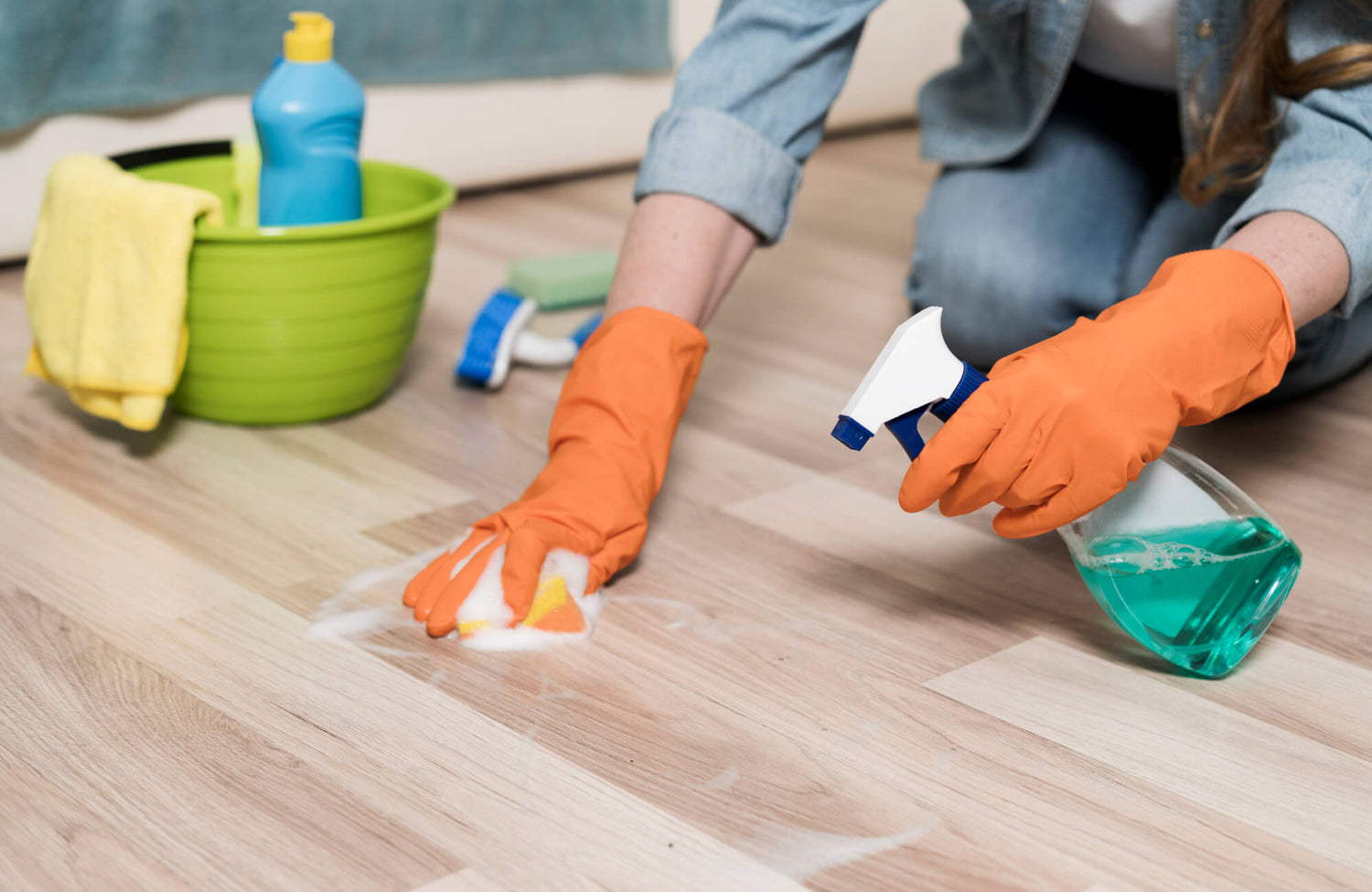
Mopping vinyl plank flooring requires a gentle approach so the surface doesn’t get overly wet. A damp microfiber mop is usually enough because it lifts dirt without soaking the planks. Mild, vinyl-safe cleaners work well too, especially when you want to refresh the floor without leaving residue. It helps to wring the mop thoroughly so excess water never pools between planks. With consistent, light mopping, the floor stays clean while the finish remains intact.

Deep Cleaning Methods for Long-Term Vinyl Floor Care
Deep cleaning helps vinyl plank flooring stay in great condition by removing buildup that regular sweeping or mopping can’t reach. It refreshes the surface, restores brightness, and keeps the finish looking consistent over time.
Choosing the Right Vinyl-Safe Cleaning Solutions
Using the right cleaner is essential because harsh chemicals can dull or weaken the protective wear layer. Vinyl-safe solutions are designed to break down grime gently without stripping the finish or leaving a sticky residue. It’s best to avoid bleach, ammonia, or abrasive powders since they can cause discoloration or surface damage. Many homeowners prefer diluted neutral cleaners because they lift dirt effectively while keeping the plank surface smooth. When you rely on gentle formulas, the floor maintains its natural sheen and lasts longer.
How to Deep Clean Without Damaging the Finish
The safest deep-cleaning method starts with a thorough vacuum or sweep to remove loose debris before applying any liquid cleaner. A damp mop paired with a vinyl-friendly solution helps loosen embedded dirt without oversaturating the planks. It’s important to avoid steam mops because the high heat and moisture can warp or weaken the flooring over time. Working in sections and drying the surface as you go keeps water from settling into seams. With this careful approach, the floor gets fully cleaned while the finish stays protected.
When to Schedule a Seasonal Deep Clean
Most vinyl plank floors benefit from a deep clean every three to four months, depending on how busy the space is. High-use areas like kitchens, hallways, and living rooms may need it more often, especially if they collect dust or spills quickly. Seasonal cleaning helps reset the floor by removing buildup that regular mopping doesn’t catch. It also gives you a chance to check for early signs of wear, such as dull spots or trapped grime. Keeping a seasonal schedule ensures the flooring stays fresh, smooth, and consistently well-maintained all year.

How to Keep Your Vinyl Floors Looking New
Vinyl plank flooring stays beautiful much longer when you take simple steps to protect it from dents, moisture, and fading. These preventative habits reduce everyday stress on the surface and help maintain a clean, consistent look throughout your home.
Furniture Pads, Rugs, and Other Protective Add-Ons
Protective accessories make a big difference in preserving the top layer of vinyl plank flooring. Felt pads under chairs, tables, and heavier pieces help prevent dents or scratches when items shift or get moved around. Area rugs or runners also add a layer of cushioning, especially in busy zones like entryways or dining areas. It’s best to choose rugs with non-staining backings so they won’t leave marks on the vinyl over time. With these simple add-ons, the floor stays smoother and more resistant to everyday wear.
Preventing Moisture Issues in Bathrooms or Kitchens
Moisture control is essential because vinyl plank flooring can be sensitive to prolonged water exposure along seams or edges. Using bath mats near tubs and sinks helps prevent standing water from seeping underneath the planks. Promptly wiping spills keeps the flooring from warping or lifting in busy kitchen areas. In bathrooms, maintaining good airflow decreases humidity that might affect the adhesive or subfloor. When moisture is managed well, vinyl planks stay stable, secure, and long-lasting.
Tips for Avoiding Discoloration and Wear Patterns
Sunlight, heavy furniture placement, and repeated footpaths can all create uneven coloration or visible wear. Closing blinds during the brightest hours or installing UV-filtering window films helps protect the vinyl from fading. Rotating furniture and shifting rugs occasionally prevents marks or pressure spots from forming over time. It also helps to vary walking paths when possible so the surface wears more evenly. With these small adjustments, the flooring maintains a consistent look and stays vibrant for years.

Handling Tough Stains, Scuffs, and Minor Repairs
Even with good maintenance habits, vinyl plank flooring can develop scuffs, stains, or small imperfections over time. Knowing how to address these issues gently helps you preserve the floor’s appearance without causing additional damage.
How to Remove Scuffs Without Damaging the Finish
Scuffs often come from shoes, furniture legs, or everyday movement, but they can usually be lifted with gentle methods. A soft cloth or melamine eraser works well for light marks because it removes residue without scratching the protective layer. For tougher scuffs, a bit of diluted dish soap helps loosen buildup while keeping the surface safe. It’s best to avoid abrasive scrubbers since they can dull the finish. With the right approach, scuffs disappear quickly, and the floor keeps its smooth, polished look.
Safe Techniques for Treating Stains
Stains on vinyl plank flooring often respond well to mild cleaners, especially when handled early. A mixture of warm water and gentle, vinyl-safe detergent is usually enough to lift food spills, pet accidents, or tracked-in grime. For slightly more stubborn spots, using a soft cloth with a bit of white vinegar can help break down residue without harming the finish. Avoid harsh chemicals or solvent-based cleaners since they can discolor the surface or weaken the protective layer. With steady, gentle cleaning, stains can be removed without leaving behind marks or dull patches.
Fixing Minor Scratches or Lifting Edges
Small scratches can often be blended using vinyl repair kits designed to match common plank colors and finishes. These kits help fill shallow lines so the surface looks smoother and more uniform. If you notice an edge lifting, applying a small amount of vinyl-safe adhesive underneath and weighing it down while it dries usually resolves the issue. Keeping the area clean and dry afterward helps prevent the problem from returning. Addressing these minor repairs early keeps the floor secure and visually consistent for everyday use.

Popular Alternatives to Vinyl Plank Flooring
Vinyl plank flooring works well for many homes, but it’s not the only option when you want something more durable, more luxurious, or better suited to long-term wear. Depending on your lifestyle and design preferences, certain materials offer benefits that vinyl can’t match. Below, we’ll look at popular alternatives and what makes each one worth considering.
Porcelain & Ceramic Tile
Porcelain and ceramic tiles are some of the best alternatives to vinyl because they offer unmatched durability, water resistance, and long-term performance. They hold up incredibly well in high-moisture areas, making them ideal for bathrooms, kitchens, and laundry rooms. Their wide range of colors, patterns, and textures also gives you more freedom to match any interior style. These materials resist scratches, stains, and fading far better than most flooring types, which means they stay looking new for years.
A great example of this level of durability and style is our Jameson 8x48 Matte Porcelain Tile in Camel above, which captures the warmth of natural hardwood with its soft grain patterns and golden brown tone. Its sturdy porcelain body and matte finish make it especially reliable in high-moisture or high-activity areas, giving you long-term performance with a comfortable, sophisticated look.
Wood Flooring
Wood flooring brings warmth, richness, and natural charm to a home, offering a look that vinyl can’t fully replicate. Its authentic grain patterns create a timeless foundation that works beautifully in both classic and modern interiors. Wood floors also age gracefully and can be refinished multiple times, extending their lifespan. They add a level of character that many homeowners find uniquely inviting. The main drawback is that wood is more sensitive to moisture and requires careful upkeep to prevent warping or staining.
Laminate Flooring
Laminate flooring offers an affordable alternative that still mimics the appearance of natural materials like wood or stone. It’s designed to resist scratches and everyday wear, which makes it a practical option for busy households or high-use living areas. Laminate is also quick to install, often making it a good choice for DIY projects. Its consistent patterns help create a smooth, cohesive aesthetic throughout a space. The main limitation is that laminate doesn’t handle moisture as well as vinyl, so it’s not ideal for bathrooms or very humid rooms.
Engineered Wood
Engineered wood combines the beauty of real hardwood with improved structural stability, making it a smart choice for homes that want a more premium feel. Its layered construction helps it withstand temperature changes and slight moisture better than solid wood. It offers the same natural appearance but with easier installation and often a more budget-friendly price point. Many homeowners appreciate that it feels more authentic than vinyl while requiring less maintenance than traditional hardwood. The downside is that engineered wood can’t always be refinished as many times as solid wood.
Creating a Long-Lasting Flooring Routine
A well-maintained vinyl plank floor can stay clean, smooth, and dependable for many years, especially when you follow a routine that fits your home’s activity level. Simple habits like regular dusting, light mopping, and protecting busy areas make a noticeable difference in how the surface holds up over time. As you start paying attention to what your floors experience each day, it becomes easier to prevent dullness and small issues from building up. These small adjustments help keep the flooring looking polished and comfortable for daily use. And for homeowners who eventually want something even more durable, porcelain and ceramic remain the best alternatives.
If you’re choosing between vinyl plank flooring and other materials, a design consultation can help clarify which option truly fits your lifestyle. Our team can walk you through styles, durability levels, and layout ideas so you feel confident about what will work best in your home. Book a design consultation today and start designing a home that feels beautifully coordinated and built to last.