Outdoor dining spaces invite moments of gathering, where comfort, design, and durability quietly shape the experience of every meal. Selecting outdoor dining chairs for all-weather patio sets requires a thoughtful balance between refined aesthetics and high-performance materials engineered for exterior use. Each element, from material composition to structural detailing, works in harmony with the outdoor dining table to withstand sun exposure, moisture, and daily use while preserving a sense of visual elegance.
As outdoor living continues to evolve, choosing weather-resistant outdoor furniture that maintains its integrity over time becomes an essential consideration for both residential and commercial settings. With an emphasis on durability, craftsmanship, and environmental adaptability, well-selected seating completes a cohesive and enduring garden dining set.

Material Performance and Durability Characteristics
Material composition fundamentally influences how outdoor dining chairs respond to environmental stress, mechanical wear, and long-term exposure. By prioritizing high-performance materials, one ensures structural reliability while maintaining cohesion within patio dining sets and broader outdoor furniture collections.
High-Performance Metals for Outdoor Dining Chairs
Powder-coated aluminum outdoor dining chairs are widely favored for their lightweight construction and exceptional corrosion resistance, particularly in humid or coastal environments. Through an electrostatic application process, the powder coating forms a uniform, bonded layer that protects the metal from oxidation and surface degradation. Stainless steel outdoor dining chairs, especially those crafted from marine-grade 316 stainless steel, also offer enhanced resistance to salt air exposure alongside superior tensile strength.
While steel inherently provides greater rigidity than aluminum, it relies on proper finishing techniques to prevent rust formation over time. At the same time, aluminum benefits from a naturally occurring oxide layer that further reinforces its durability in outdoor settings. When integrated into patio dining sets with a matching outdoor dining table, these metals contribute to a cohesive and long-lasting outdoor furniture arrangement.
Natural Hardwood Options with Long-Term Stability
Teak wood outdoor dining chairs for durable garden dining set arrangements are distinguished by their dense grain structure and high natural oil content, both of which contribute to resistance against moisture, decay, and insect damage. This inherent resilience reduces dependence on chemical treatments while preserving structural integrity in outdoor conditions. As exposure to sunlight gradually transforms the surface, teak also develops a soft silver-gray patina that enhances its character without compromising durability.
A refined example of this, as displayed in the photo above, is Edward Martin’s Kendra Outdoor Dining Chairs in Natural, Set of 2, which pairs a solid teak frame with a meticulously handwoven rope seat and backrest, allowing air and light to pass through for a breezy, open design suited to al fresco settings. The use of SVLK-certified Grade-A teak also ensures long-term stability, while natural oils protect against rot, fungus, and wood-boring pests, reinforcing its performance in outdoor environments. Complemented by a fade-resistant synthetic rope weave that cleans easily, this construction offers both visual lightness and enduring strength, making it a seamless addition to high-quality outdoor furniture and cohesive patio dining sets.
Advanced Synthetic Materials and Polymer Engineering
High-density polyethylene outdoor dining chairs are engineered to deliver exceptional durability, offering resistance to ultraviolet radiation, moisture, and impact. Because color is integrated throughout the material, these chairs maintain a consistent appearance even as surface wear occurs. All-weather resin wicker outdoor dining chairs combine flexible synthetic fibers with reinforced frames, resulting in a structure that remains both resilient and visually refined.
Unlike natural wicker, these engineered materials do not absorb moisture or become brittle under prolonged sun exposure. In addition, polymer-based outdoor furniture resists chemical degradation from cleaning agents and environmental pollutants. This makes them particularly suitable for modern patio dining sets where low maintenance and longevity are essential.

Environmental Resistance and Climate Adaptability
Outdoor dining chairs must be carefully matched to their surrounding climate to maintain both performance and longevity. When materials and construction align with environmental conditions, the entire garden dining set remains durable and visually consistent.
UV Resistance for Sun-Exposed Outdoor Dining Areas
Outdoor dining chairs designed for prolonged sun exposure incorporate UV stabilizers that help prevent polymer breakdown and surface discoloration. Without such protection, extended ultraviolet exposure can lead to brittleness, fading, and structural weakening. Solution-dyed materials also ensure that pigmentation is embedded throughout the material, allowing color to remain consistent over time.
Similarly, metal surfaces treated with UV-resistant coatings retain their finish without chalking or peeling. These protective measures preserve the flexibility and strength of synthetic components. As a result, UV-resistant outdoor furniture ensures that both chairs and the outdoor dining table maintain their visual appeal.
Moisture Management and Water Resistance
In climates characterized by frequent rain or humidity, outdoor dining chairs must effectively manage moisture to prevent long-term damage. Non-porous materials such as HDPE and powder-coated metals naturally repel water while resisting corrosion, ensuring consistent performance within patio dining sets. Sling seating constructed from PVC-coated polyester mesh also allows for efficient drainage and airflow, thereby minimizing moisture retention.
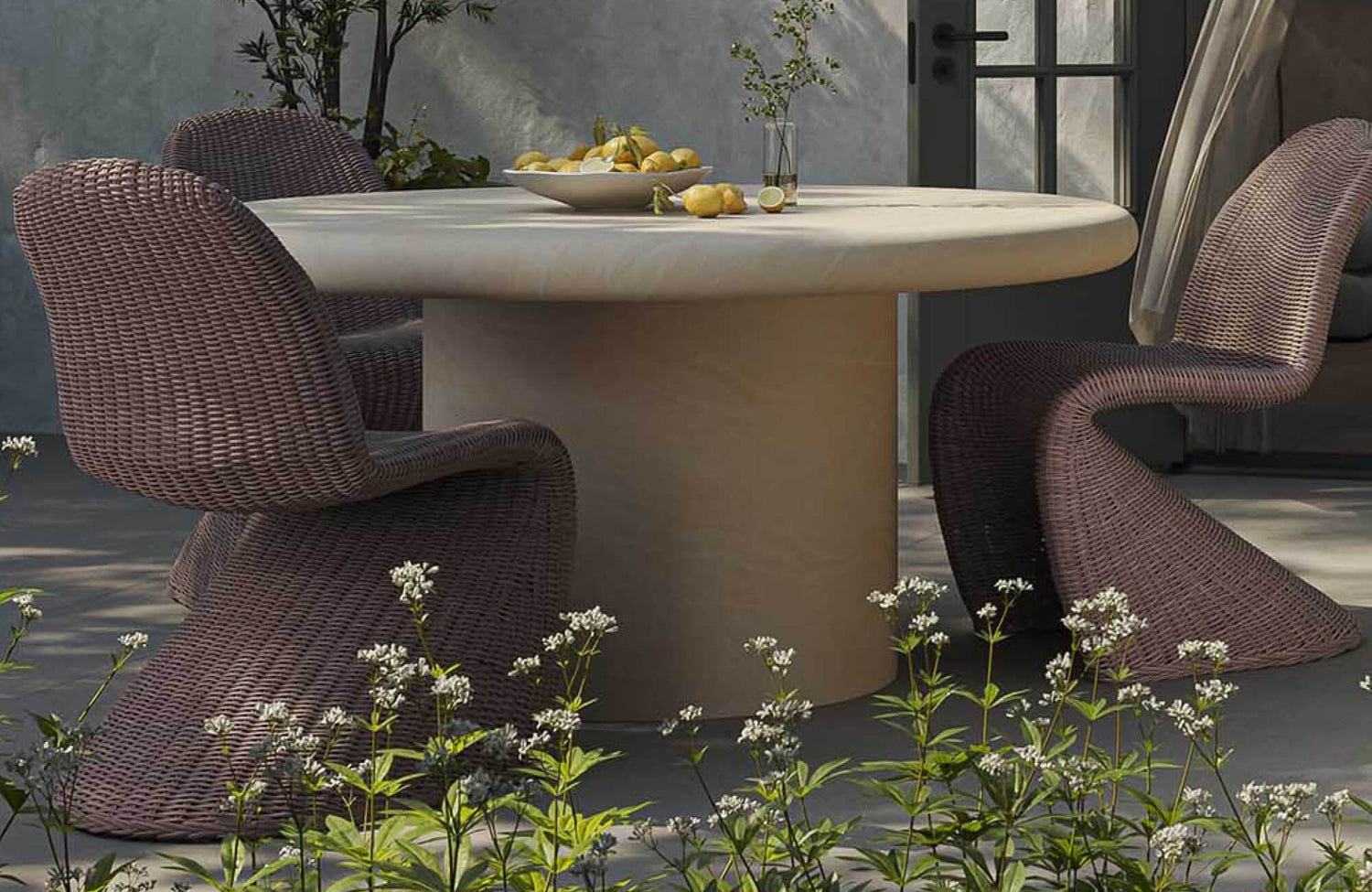
A refined interpretation of this principle, as shown in the photo above, is the Calandor Outdoor Dining Chair in Vintage Natural, where finely woven all-weather wicker resists moisture while maintaining structural flexibility and ease of maintenance. Its open, cantilevered form further encourages airflow, allowing the chair to dry quickly after exposure to rain or humidity while preserving comfort. Together, these materials and design elements support long-term durability, ensuring that outdoor furniture remains resilient and visually cohesive across changing weather conditions.
Thermal Stability and Expansion Control
Temperature fluctuations introduce expansion and contraction in outdoor furniture materials, which can place stress on joints and compromise structural integrity over time. Aluminum outdoor dining chairs, for instance, exhibit strong thermal stability, allowing them to maintain their form under varying heat conditions. By contrast, untreated steel may expand more significantly and therefore depends on protective coatings to maintain performance. At the same time, engineered synthetic materials are designed to resist warping, even when exposed to extreme temperature shifts. Thoughtful construction accommodates these natural movements through reinforced joints and flexible design elements. This adaptability ensures that outdoor furniture remains stable across changing climates.

Structural Engineering and Joinery Techniques
The durability of outdoor dining chairs is closely tied to the precision of their construction and the strength of their joinery. Well-engineered frames ensure that patio dining sets remain stable, comfortable, and reliable over time.
Reinforced Joinery and Frame Construction
Mortise-and-tenon joinery in wooden outdoor dining chairs offers exceptional strength by interlocking components rather than relying solely on mechanical fasteners. This method distributes stress more evenly, reducing the likelihood of joint failure over time. In metal seating, fully welded frames also provide superior durability compared to bolted connections, which may gradually loosen with repeated use. Reinforced connection points further enhance the chair’s ability to withstand continuous weight and movement. Moreover, precision manufacturing ensures tight tolerances and consistent alignment across all components. As a result, well-constructed frames maintain stability within a complete garden dining set.
Load Distribution and Weight Capacity Design
Ergonomic outdoor dining chair design is rooted in balanced load distribution, which helps minimize stress on key structural areas. By incorporating cross-bracing and reinforced supports, weight is more evenly dispersed across the frame, enhancing both stability and durability. Chairs with higher weight capacity ratings often reflect not only stronger materials but also more precise engineering that supports long-term performance. This thoughtful distribution of force reduces strain on joints, ultimately extending the lifespan of the furniture. At the same time, ergonomic shaping is carefully considered to enhance comfort without compromising structural integrity. As a result, the chair integrates seamlessly with an outdoor dining table while remaining well-suited for consistent, everyday use.
Corrosion-Resistant Fasteners and Hardware
High-quality outdoor dining chairs are often constructed with stainless steel or galvanized fasteners, ensuring resistance to corrosion while maintaining long-term joint stability. In contrast, lower-grade hardware tends to deteriorate more quickly when exposed to the elements, which can lead to loosening and, over time, compromised structural performance. When fasteners are properly secured, they minimize movement between components, effectively reducing wear and helping extend the overall lifespan of the chair.
Additionally, designs that conceal or recess hardware provide an extra layer of protection by limiting direct exposure to moisture and environmental stressors. To preserve this integrity, regular inspection is essential, ensuring that all connections remain tight and fully functional. In this way, durable hardware becomes a fundamental component in maintaining the reliability and longevity of outdoor furniture systems.

Protective Coatings and Surface Technologies
Protective finishes act as a barrier against environmental exposure, helping outdoor dining chairs retain both their appearance and performance. These treatments ensure that outdoor furniture remains visually cohesive and structurally sound over time.
Powder Coating and Anti-Corrosion Finishes
Powder-coated metal outdoor dining chairs feature a thermally cured finish that forms a dense, protective barrier against moisture and oxidation. This coating resists chipping, scratching, and fading, even in demanding outdoor conditions, making it ideal for long-term outdoor furniture use. Unlike conventional paint, powder coating also adheres evenly across the surface, eliminating inconsistencies that could lead to premature wear.
A refined example of this is our Vetra Dining Chair, as featured in the photo above, where a powder-coated aluminum frame in a dark gray metallic tone enhances both durability and resistance to environmental stressors. Its rounded tube frame, inspired by mid-century design, provides structural integrity while maintaining a clean, sculptural silhouette that integrates seamlessly into modern patio dining sets. Complemented by fade-resistant all-weather rope and a supportive cushioned structure, this construction demonstrates how advanced finishes and material engineering contribute to outdoor dining chairs that remain both resilient and visually refined over time.
Wood Sealants and Oil-Based Protective Treatments
Outdoor wooden dining chairs benefit from penetrating oil finishes that not only enhance resistance to moisture but also bring out the richness of the natural grain. To further protect the surface, marine-grade sealants can be applied, adding a durable barrier against ultraviolet exposure and environmental stress. Over time, regular reapplication of these treatments helps prevent surface cracking, splitting, and gradual deterioration caused by changing weather conditions. By stabilizing the wood, these finishes also minimize the effects of expansion and contraction, which can compromise structural integrity. With consistent care, both the performance and visual depth of the material are preserved. As a result, the chairs maintain a cohesive and refined appearance when paired with a wooden outdoor dining table in a well-curated garden dining set.
Performance Fabrics for Outdoor Seating Components
Outdoor dining chairs that incorporate cushions or sling seating rely on high-performance fabrics specifically engineered to withstand exterior conditions. Among these, solution-dyed acrylic fabrics offer exceptional resistance to fading, mildew, and moisture intrusion, making them particularly well-suited for prolonged outdoor use. Because the color is embedded directly within the fibers, these materials also retain their vibrancy even after extended exposure to sunlight. At the same time, their breathable construction allows for better airflow, reducing heat retention and enhancing overall comfort. In addition, built-in stain resistance and ease of cleaning support the practical demands of daily use. Together, these qualities ensure that upholstered outdoor furniture maintains both its durability and refined appearance over time.

Maintenance Strategies and Lifecycle Optimization
Long-term durability is sustained not only through material selection but also through consistent and thoughtful maintenance practices. With regular care, outdoor furniture retains both its structural integrity and its role within a cohesive patio dining set.
Routine Cleaning and Preventive Care
Routine cleaning of outdoor dining chairs removes accumulated dirt, salt, and organic residue that can gradually degrade materials. Using mild soap solutions and non-abrasive tools helps preserve finishes without causing surface damage. This process also prevents buildup that may lead to staining or corrosion over time. In coastal or high-pollution environments, more frequent cleaning becomes particularly important. Maintaining clean surfaces supports both visual clarity and structural performance. Preventive care ensures that the entire outdoor dining set remains in optimal condition.
Seasonal Protection and Storage Solutions
Weatherproof covers provide an effective layer of protection for outdoor dining chairs, shielding them from prolonged sun exposure, rain, and debris. During periods of extreme weather, storing chairs in sheltered or indoor spaces further reduces environmental stress. This approach helps prevent issues such as warping, rust formation, and fabric deterioration. Stackable or foldable designs also simplify storage while maximizing space efficiency. By limiting unnecessary exposure, seasonal protection preserves both function and appearance. This is especially important for maintaining high-quality outdoor furniture.
Inspection and Repair for Extended Lifespan
Regular inspection of outdoor dining chairs allows for the early identification of wear, including loose joints, surface damage, or compromised finishes. By addressing these issues promptly, minor concerns can be resolved before they develop into more significant structural problems. Simple maintenance tasks such as tightening fasteners and restoring protective coatings help preserve the overall integrity of the furniture. In turn, timely repairs reduce the likelihood of more extensive damage and costly replacements over time. Consistent monitoring also ensures that each component continues to perform as intended under regular use. Through this proactive approach, both individual chairs and complete garden dining sets maintain their durability and long-term functionality.
Enduring Outdoor Dining Comfort and Lasting Performance
Selecting durable outdoor dining chairs for long-term use reflects a careful balance between material resilience, refined construction, and attentive care. When high-performance outdoor furniture materials are thoughtfully paired with climate-responsive design, patio dining sets achieve both lasting stability and visual harmony. Protective finishes, combined with well-engineered structures, further enhance longevity while maintaining a cohesive relationship with the outdoor dining table. With consistent maintenance, both function and appearance are preserved, allowing each element within the garden dining set to perform reliably over time. In bringing together strength, comfort, and enduring design, outdoor furniture ultimately becomes a lasting foundation for elevated outdoor living.
For a more tailored approach, Edward Martin’s design services offer expert guidance in creating cohesive outdoor spaces that reflect both durability and style. Contact us to refine your patio dining sets and bring your vision to life!