Wall sconces can instantly change the mood and style of a room while adding just the right kind of light where you need it. With a range of sconce designs, sizes, and features available, finding the right one can feel overwhelming. That’s why we’ve put together this easy, step-by-step guide to help you make a clear, confident choice that fits both your space and your needs. Whether you're lighting a hallway, framing a mirror, or adding a cozy glow to your bedroom, the right sconce can bring both function and style effortlessly.

Understand the Purpose and Placement
Before exploring styles or finishes, it’s important to start with the reason you’re adding a wall sconce in the first place. Understanding its purpose and placement also helps shape every decision, from the type of light it provides to the way it complements the atmosphere of your space.
Light for Function
Let’s begin with the practical side. What do you need the sconce to accomplish? Are you reading in bed at night, lighting a dim stairway, or adding visibility around a bathroom mirror? Each of these scenarios requires a tailored approach. For bedroom use, swing-arm or articulating sconces with adjustable heads are highly effective. They can deliver targeted light exactly where it’s needed, all without cluttering your nightstand. In stairwells or long corridors, sconces that offer wide, even illumination are often recommended. These can provide reliable visibility while maintaining a soft, balanced look that doesn’t overwhelm the space or create unnecessary glare.
Light for Accent
Now, if you’re using a sconce to enhance visual interest rather than provide general lighting, the approach changes slightly. When the goal is to draw attention to a painting, textured wall, or architectural detail, you’ll want a fixture that acts more like a spotlight. Uplights are excellent for this; they naturally guide the eye upward, making them ideal for emphasizing tall ceilings, crown molding, or layered trim. Conversely, downlights can also help bring out the character in materials like brick, stone, or paneling by casting gentle shadows that highlight depth and detail. Some sconces even offer both upward and downward light, giving you a balanced effect that works beautifully for accent walls or framed art, without glare or harsh edges.
Take the dining room above as an example, here, Edward Martin’s Esme 26" Wall Sconce in Aged Brass has been used to frame a richly textured wall hanging. Its sleek vertical design doesn’t overpower the art; instead, it quietly enhances it. Its dual-light direction softly highlights both the upper and lower edges of the feature piece, adding visual rhythm to the space without stealing focus. In rooms where subtlety and elegance matter, a sconce like our Esme brings just the right touch of warmth and depth.
Height and Spacing
Once you've determined the purpose and location of your sconce, the next step is to get the placement just right. Proper positioning not only affects how the light functions but also how it feels within the room. Mounting a sconce too high can make the light feel disconnected from the room, while placing it too low might interrupt the visual flow or create uncomfortable glare. As a general guideline, aim to position the light source around 60 to 66 inches from the floor, roughly eye level for most adults.
When installing multiple fixtures, such as in a hallway or beside a mirror, maintaining consistent placement is essential for a balanced and cohesive look. Symmetrical placement also helps create balance and a polished look. Spacing between sconces typically falls within the 6 to 8-foot range in longer corridors, though this can vary depending on how bright each sconce is and how wide its light beam spreads. Don’t be afraid to adjust slightly for your room’s layout or lighting goals; small tweaks can also make a noticeable difference in both function and appearance.

Choose the Right Style for Your Space
The style of your sconce should feel like a natural extension of the room, not an afterthought. Instead of following trends, focus on how the fixture complements your home’s architecture and existing décor. It’s less about matching exact colors and more about creating a sense of visual harmony.
Reflect Your Home’s Personality
It helps to begin with the overall feel of your space; what kind of atmosphere do you want to create? If your living room leans toward mid-century modern with its clean lines and minimal décor, a brass sconce with a sleek, streamlined profile can complement that look effortlessly. In a farmhouse or coastal kitchen, on the other hand, a more laid-back fixture with distressed wood or a matte finish can add warmth and charm without feeling out of place. In transitional spaces that blend classic and contemporary elements, sconces with layered textures, such as mixed metals or softly patterned glass, can also strike the perfect balance. The goal is to choose a piece that feels like it naturally belongs, enhancing the character your room already has.
Consider Shape and Shade
The shape of a wall sconce and the style of its shade can significantly influence how the light behaves and how the fixture feels within your space. Cone shades, for example, offer focused, directional light with a sharp, tailored look, making them great for task areas. Globe shades tend to soften the spread of light, creating a warmer and slightly nostalgic atmosphere that works well in both vintage and contemporary rooms. For something bolder, boxy or angular silhouettes in matte or opaque finishes can also add visual weight and help direct light more precisely. On the other hand, if your goal is a soft, welcoming glow, linen or parchment shades gently diffuse brightness, making the space feel calm and cozy.
A great example of this balance can be seen in the photo above, where Edward Martin’s Geraldine Wall Sconce in Aged Brass frames the mirror with both elegance and practicality. Its cylindrical fabric shades provide gentle, even illumination that's ideal for grooming without casting harsh shadows, while the vertical brass structure adds sophistication without overpowering the space. This pairing of shape and material elevates the room’s overall tone, offering both function and quiet refinement.
Tie In Finishes Thoughtfully
When selecting a wall sconce, the finish should feel intentional, not like a last-minute decision. One of the easiest ways to create cohesion is to take cues from existing elements in your space, such as cabinet pulls, door hardware, or faucets. If those details feature brushed nickel or antique bronze, echoing that finish in your sconce can tie the room together seamlessly. That said, mixing finishes can also work beautifully when done with purpose. For instance, a matte black sconce against a crisp white wall creates a striking contrast, while soft gold can add warmth and continuity when paired with similar tones in chair legs or light fixtures.
If you're unsure how a finish will look in your space, try placing the sconce near its intended spot before installation, just hold it up or temporarily secure it with painter’s tape. Then step back and observe how the finish interacts with nearby materials in different lighting throughout the day. This simple step can also help determine whether the finish complements your space or feels off, giving you a clearer, more confident direction before committing.

Evaluate Light Quality and Direction
Wall sconces do more than add style; they can also shape how light flows throughout your space. Choosing the right light quality and direction can mean the difference between a room that feels warm and inviting and one that’s harsh or unbalanced.
Up, Down, or Diffused
Let’s talk about direction, because where the light goes matters just as much as how bright it is. Uplighting sconces direct light toward the ceiling, helping to visually expand tight spaces and create a more open, airy feel. They’re especially effective in living rooms or dining areas where you want to add ambient light without drawing attention to a specific object. Downlights, on the other hand, direct light downward, making them ideal for functional areas such as bedside, vanities, or reading nooks.
If you're aiming for a softer, more even glow, diffused lighting is an excellent choice. Sconces with frosted glass, fabric shades, or layered materials gently scatter light, reducing harshness and creating a warm, balanced atmosphere. It’s a smart choice for areas where you want the light to support the room’s mood rather than dominate it.
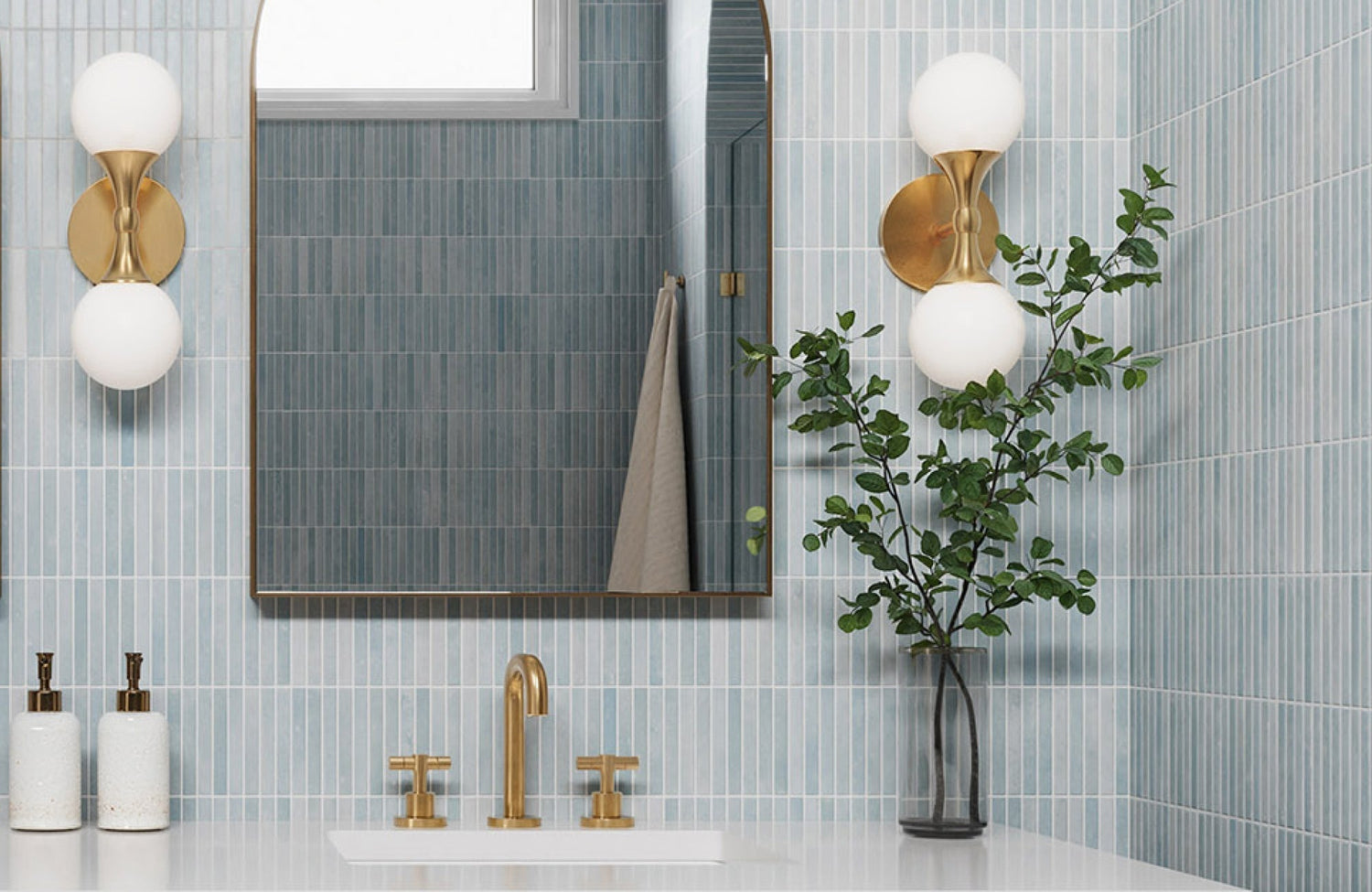
In a vanity setup like the one pictured above, Edward Martin’s Patty Wall Sconce in Aged Brass demonstrates this balance beautifully. Its frosted shade softens the light, eliminating glare while maintaining clarity, perfect for daily routines. The gentle downward cast ensures focused illumination right where it's needed, while the aged brass finish adds a touch of elegance that complements both modern and traditional spaces. It’s a great example of how the right direction and diffusion can elevate both the functionality and feel of a room.
Brightness and Bulb Type
Once you’ve settled on the direction and style of your sconce, it’s time to think about what kind of light it will produce. This is where color temperature and brightness come into play. In spaces designed for unwinding, such as bedrooms, living rooms, or cozy reading nooks, 2700K bulbs can emit a warm, golden glow that gently sets the mood and reduces eye strain. For bathrooms, kitchens, or any area where task lighting is vital, a cooler temperature around 3000K provides greater clarity without feeling too harsh.
In addition, LED bulbs are a popular choice for good reason; they’re energy-efficient, long-lasting, and come in a wide variety of brightness levels and color temperatures to suit any space. For greater flexibility, especially in rooms with multiple uses, consider choosing bulbs or fixtures that are dimmable. This allows you to adjust the lighting to match the time of day or mood, giving you greater control over the overall ambiance.
Shadow and Glare Considerations
As you narrow down your lighting choices, it's equally important to think about how the light will interact with nearby surfaces. Different wall textures, finishes, and colors can reflect or absorb light in ways that create unexpected shadows or harsh glare. Whenever possible, it’s recommended to test the light output against the actual wall, particularly if the sconce will be placed near a mirror, in a stairwell, or above a bed, where glare can be more noticeable.
In tighter spaces, be cautious with clear glass shades. While they may look sleek, they can produce intense hotspots or uncomfortable glare if the bulb is too exposed, especially without dimming capability. If you're drawn to the look of clear glass, consider pairing it with a dimmable setup to help manage brightness and minimize eye strain when needed.

Know Your Installation Needs
As you narrow down your options, it’s also important to consider what installation will involve. The type of setup can impact what’s practical for your space, especially if you're renting or not planning to make changes to the existing electrical layout.
Hardwired vs Plug-In
One of the first decisions you’ll need to make is whether a hardwired or plug-in sconce is right for your space. Hardwired sconces offer the most seamless look, with no visible cords and a clean, built-in feel. They’re also a great fit for remodels or new construction, where access to in-wall wiring is part of the plan.
If you're looking for something more flexible, or if you're renting, plug-in sconces are a practical alternative. These can mount directly to the wall and connect to a standard outlet, making installation quick and easy without the need for an electrician. They’re also ideal if you like to change up your layout from time to time, since they can be repositioned with minimal effort.
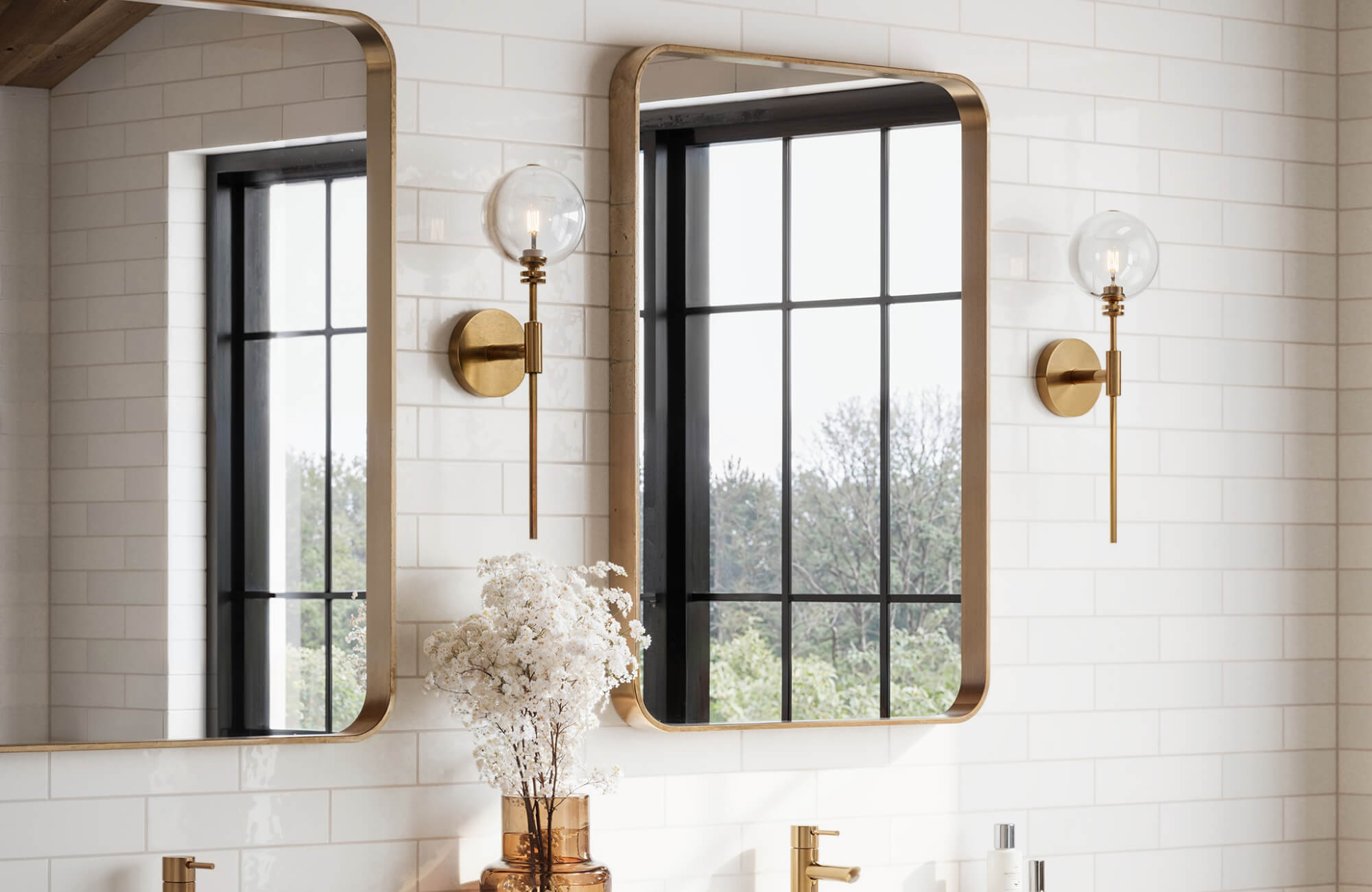
A great example of a hardwired application is Edward Martin’s Perkins Wall Sconce in Old Bronze, featured above beside the vanity mirrors. Concealed wiring creates a clean, uninterrupted look, while the rich bronze finish adds contrast and depth to the neutral backdrop. It’s a strong case for choosing hardwired lighting when you're aiming for a polished, permanent feel, especially in spaces where design details matter.
Wall Type and Mounting
Mounting hardware also plays a key role in how securely your fixture will hold, especially over time. A sconce might look perfect in pictures, but it also needs to be suitable for the wall surface where it’s being installed. For example, drywall generally makes installation easier, particularly if there’s a stud in the right spot to support the weight.
However, if you’re installing on brick, concrete, or plaster, the approach changes. These surfaces require masonry anchors or more robust mounting systems to ensure stability. To avoid surprises during installation, it’s recommended to identify your wall type in advance and select a fixture with a backplate and hardware that match its structural needs. This small step also helps guarantee both a safe fit and a finished look that lasts.
Switch and Dimming Options
As you plan your lighting setup, it’s equally important to think about how you’ll control the sconce in your daily routine. Not all fixtures connect to a wall switch, so consider what will be most convenient for your space. Many hardwired sconces can be linked to an existing wall switch, providing a simple, integrated way to control the light along with the rest of the room.
Others may include a built-in toggle, pull chain, or rotary dimmer, ideal if you prefer local control right at the fixture. For those using smart bulbs or home automation systems, it’s also important to check that the sconce is compatible with your setup. For added flexibility, many plug-in models include inline dimmers or remote controls, allowing you to adjust brightness with ease; no wall switch needed. Selecting the right control option ensures your lighting is not only functional but also seamlessly fits into your daily routine.

Think About Energy Use and Maintenance
Choosing a wall sconce isn’t just about style; it’s also about how it performs over time. Energy efficiency and maintenance play a key role in long-term satisfaction, so it’s worth factoring them into your decision from the start. Let’s take a closer look.
Energy Usage
When it comes to energy efficiency and long-term savings, LED bulbs are hard to beat. They use far less power than traditional incandescents and often last over a decade with regular use, making them a smart, low-maintenance choice for everyday lighting. While some still gravitate toward the warm glow of classic incandescent bulbs, today’s LEDs can also offer a wide range of color temperatures, including soft, warm whites that closely mimic that familiar look. This way, you can enjoy the same cozy ambiance without the added heat or higher energy costs.
Maintenance
In frequently used areas like entryways, bathrooms, and kitchens, it’s also vital to choose a sconce that can withstand regular cleaning. Fixtures with glass, metal, or powder-coated finishes are typically the easiest to maintain; they can wipe down quickly and hold up well over time. On the other hand, cloth or pleated fabric shades, while visually appealing, tend to attract dust and can be more challenging to keep clean in everyday settings.
That said, if you're drawn to the warmth and texture of fabric, there are still practical options. Consider shades made with easy-to-clean materials or ones that feature removable covers for more convenient upkeep. This allows you to enjoy the look you love without committing to high-maintenance upkeep.
A perfect example of easy-to-maintain design is Edward Martin’s Wilma Wall Sconce in Aged Brass, featured in the bathroom above. Its sleek metal base resists smudges and moisture, while the sculpted glass shade can be quickly wiped down without delicate handling. The upward curve of the shade helps prevent dust buildup, making it a smart, low-fuss choice for spaces that require both style and practicality. With its timeless silhouette and durable finish, the Wilma sconce strikes an ideal balance between beauty and everyday ease.

Match the Sconce to the Room’s Scale
Scale is about more than just size; it’s also about how well a fixture fits within its surroundings. A wall sconce should feel thoughtfully placed, not oversized or lost on the wall. Let’s explore how to choose a size that complements your space and maintains visual balance.
Avoid Over- or Under-Sizing
Getting the size right is just as important as choosing the right style. A sconce that’s too small can disappear against a large, open wall, while one that’s too large can overwhelm a narrow hallway or a smaller room. To maintain visual balance, a helpful guideline is to choose a fixture that's roughly one-third the height of the element it’s paired with, whether that’s a mirror, headboard, or doorway. This straightforward ratio also helps the sconce blend seamlessly into the overall design, making it feel intentional rather than an afterthought.
Balance With Other Elements
A wall sconce doesn’t stand alone; it also plays a role in the larger visual story of your space. It interacts with nearby furniture, finishes, and other light sources, so it’s important to consider its presence in context. If you're placing it next to a tall armoire or above a striking console table, opt for a fixture with enough visual weight to complement those bold pieces. In more compact or minimalist settings, a slender sconce with clean lines can also maintain a sense of openness and clarity. Ultimately, the sconce should feel like an intentional part of the room’s overall composition, not an afterthought or distraction.
Use Sconces in Odd Numbers When Needed
In some spaces, especially long hallways or expansive feature walls, a pair of sconces might not be enough to create the right balance. In these cases, don’t hesitate to use three or even five sconces, depending on the wall’s length and the light each fixture provides. Odd-numbered groupings often feel more dynamic and visually natural, adding a sense of rhythm and flow to the layout. Just be sure to maintain consistent spacing and align the fixtures thoughtfully with surrounding architectural elements such as windows, trim, or built-ins for a cohesive look.
A great example of this approach can be seen with Edward Martin’s Ryder Wall Sconce in Old Bronze, as featured in the photo above. Its vertical orientation and soft, diffused light of each fixture work together to create a rhythmic balance across the wall, while the bold bronze finish grounds the look. Using three sconces here enhances the symmetry between the mirrors and adds just enough repetition to make the entire wall feel intentionally designed, elegant, practical, and well-composed.
Choosing the Right Wall Sconce for Your Space
Selecting the right wall sconce goes far beyond simply adding light; it’s also about enhancing the atmosphere, supporting daily function, and tying the room together with thoughtful design. By taking the time to consider your sconce’s purpose, aesthetic fit, light direction, installation needs, energy use, and overall scale, you set yourself up for a result that feels intentional and truly works for your space.
If you're still weighing your options or not quite sure where to begin, we’re here to help. Whether you need help narrowing down styles or determining what works best with your layout, our team is happy to guide you through the process. Reach out to us anytime for personalized advice or take advantage of our complimentary design services. We’ll help you find a sconce that not only lights your space but also elevates it!