Pendant lights are far more than decorative ceiling fixtures. They offer a powerful blend of practicality and personality, making them one of the most versatile lighting options in any space. Whether you’re preparing dinner, setting the tone for a cozy evening, or simply trying to bring order and clarity to an open-plan layout, pendant lighting allows you to do it with style and intention.
As you explore this article, you’ll discover just how many roles these fixtures can play. From task lighting that boosts productivity to design statements that define a room’s identity, pendant lights adapt to the needs of your lifestyle, all while helping you shape spaces that feel both functional and deeply personal.

Enhancing Task Lighting in Functional Spaces
Pendant lights are excellent for delivering focused lighting exactly where you need it most. In functional areas where accuracy, clarity, and comfort matter, they outperform general ceiling fixtures by offering targeted brightness that enhances performance and minimizes distractions.
Kitchen Counters and Islands
In a kitchen, where slicing, chopping, and cooking all demand visual clarity, pendant lights above counters and islands offer the precise illumination needed for safety and efficiency. Instead of relying on diffuse overhead lighting that casts shadows, pendant fixtures can be positioned directly above work surfaces, directing light exactly where you need it. When fitted with directional shades, they also help prevent glare and offer a more concentrated glow that follows your every move.
Additionally, pendant lights contribute to the overall ambiance of the kitchen without compromising functionality. Adjustable height options make it easy for you to fine-tune the lighting depending on the task or time of day. Whether you're preparing meals or gathering with friends over drinks, these fixtures balance form and function, turning your kitchen into a space that works hard and looks good doing it.
Edward Martin’s Sable Pendant in Distressed Bronze/Ceramic Ivory Crackle, as shown in the image above, is a beautiful example of how pendant lighting can combine focused functionality with refined style in a kitchen setting. Its warm finish and timeless shape also enhance the surrounding textures while delivering the targeted illumination essential for both everyday tasks and an inviting ambiance.
Home Office and Workstations
Your home office should be designed for focus, and proper lighting plays a major role in your ability to concentrate and reduce fatigue. Pendant lights positioned above desks or reading areas create zones of concentrated light, which can help prevent the eye strain that often comes from relying on ambient lighting alone. Rather than scattering light across the room, they also allow you to target illumination where it matters most—your keyboard, notebook, or screen.
To further enhance functionality, dimmable pendant fixtures give you control over the brightness depending on the time of day or task. If you're editing photos, sketching, or working with color-sensitive materials, high CRI-rated bulbs ensure that tones appear accurate and vibrant. With the right pendant lighting, your workspace becomes more inviting, focused, and tailored to your needs.
Bathroom Vanities and Grooming Areas
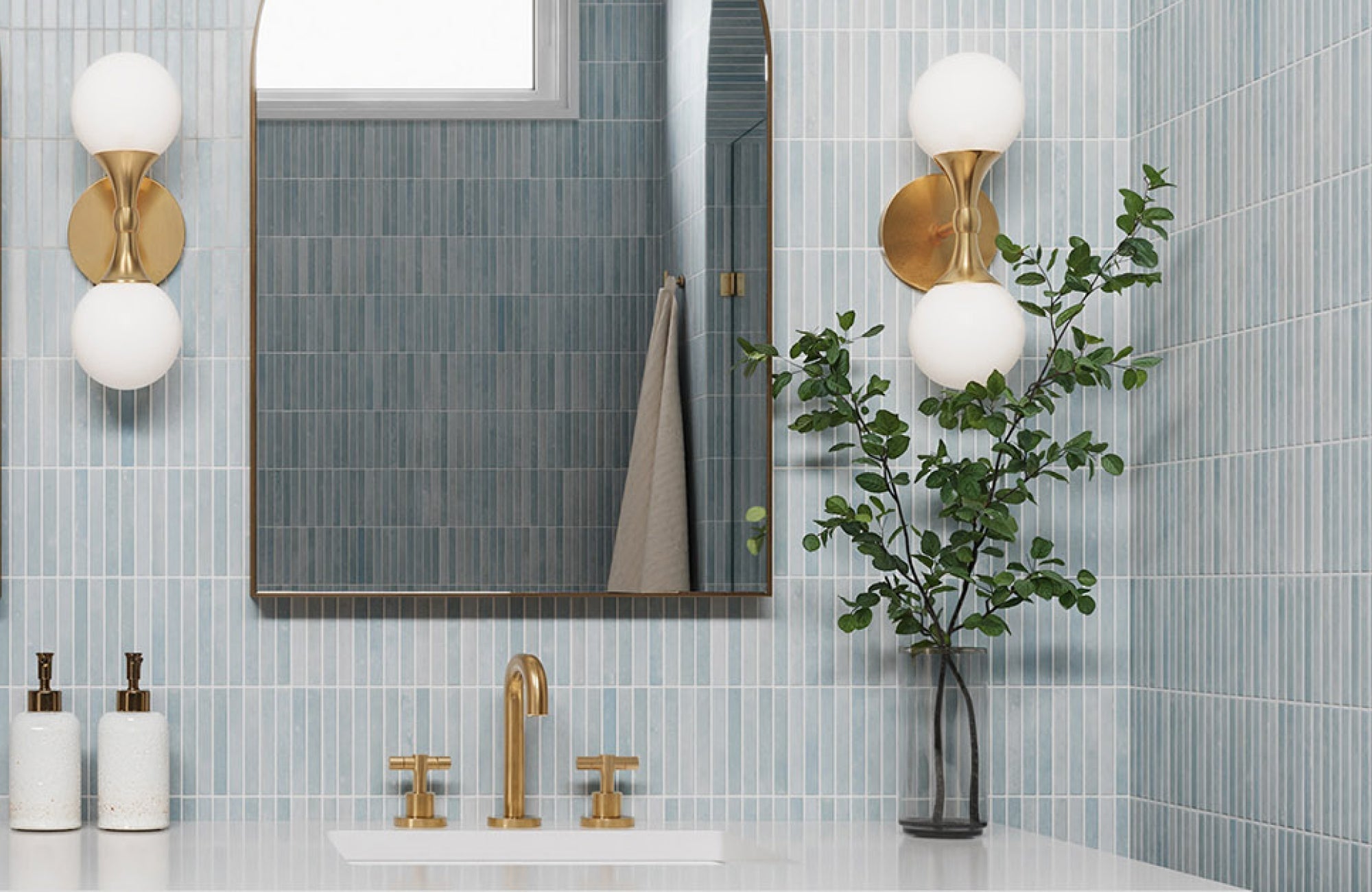
Lighting plays a critical role in grooming spaces, and poorly placed fixtures can create shadows that distort your reflection. By flanking a bathroom mirror with pendant lights instead of relying on overhead bulbs, you get even illumination across your face, making everyday grooming tasks like shaving or applying makeup far more precise and comfortable.
Beyond functionality, pendant lights add a sense of style and luxury to the bathroom. Opting for warm-toned bulbs creates a flattering glow that mimics natural light, helping you look your best in any mirror. The addition of these thoughtfully placed fixtures also enhances both the aesthetic and practicality of your daily routine, turning a basic bathroom into a well-lit retreat.
For a refined option that reflects this balance of function and style, the Hilda 18" Pendant in Distressed Bronze offers both timeless design and effective illumination. Its warm finish and graceful proportions cast a soft, even glow around the vanity area, improving visibility for daily tasks while contributing to a calm, spa-like atmosphere.
Craft and Hobby Nooks
When you’re engaged in detailed tasks like painting, embroidery, or model-building, the right lighting makes all the difference. Pendant lights designed with flexible arms or focused beams can be directed exactly where your hands are working, eliminating the need to constantly reposition your materials or strain your eyes. This concentrated light also improves your accuracy and allows for longer, more comfortable work sessions.
Moreover, these specialized pendants create a creative zone that’s distinctly your own. Whether tucked into a corner of the living room or set up in a dedicated hobby space, well-placed lighting signals that this is a place for making, building, or imagining. With the right pendant fixture overhead, your craft nook becomes both inspiring and functional, a small investment that yields big creative returns.

Creating Visual Impact as a Design Statement
Pendant lights are key visual elements that can anchor a room's style and elevate its atmosphere. When thoughtfully chosen, they enhance your interior aesthetic while helping define the identity and layout of your space.
Defining Space with Dramatic Fixtures
In open-concept layouts where boundaries between rooms blur, pendant lights can step in as subtle yet powerful dividers. By hanging a bold or oversized fixture above a dining table or lounging area, you visually carve out distinct zones without the need for walls or partitions. This method of spatial definition also brings both organization and cohesion to large, shared spaces.
As displayed in the picture above, the Carly 34" Pendant in Vintage Brass is a standout example of how a statement fixture can define space in an open-concept kitchen. Its bold scale and rich, reflective finish draw the eye, anchoring the island as a central gathering zone while adding a layer of sculptural elegance overhead.
Beyond layout purposes, dramatic pendants also introduce artistry to your ceiling line. Sculptural pieces such as hand-blown glass, intricately woven shades, or angular metalwork do more than illuminate; they invite conversation and attention. These pieces act as both lighting and decor as well, helping you structure your interior while giving it personality and depth.
Complementing Interior Styles
Your choice of pendant light can reinforce the design language you've established throughout your space. For instance, if your area leans industrial, exposed bulbs in matte black or burnished metal offer a cohesive and intentional look. On the other hand, if your vibe is more coastal or bohemian, woven rattan or soft ceramic shades can reflect that easygoing, natural aesthetic.
To fully achieve this harmony, it’s important to align the fixture's material, shape, and finish with your room’s existing palette and textures. By doing so, pendants serve as the bridge between lighting and decor, uniting function with design. When chosen with care, they don’t just blend in. They also become an integral expression of your style.
If you need expert guidance to bring this vision together seamlessly, exploring our design services can help you make informed and confident choices.
Layering Lighting for Depth and Texture
Creating atmosphere isn’t about relying on a single light source. Pendant lights work best when part of a layered lighting plan that includes ambient, task, and accent lighting. By integrating pendants with recessed lights, sconces, or even floor lamps, you can control how your space feels from day to night.
Varying the brightness and warmth of these layers also adds subtle depth and texture. Cooler temperatures might energize a workspace in the morning, while a warmer pendant light over a dining table softens the mood at night. With strategic layering, you build not just a well-lit room, but one that adapts to how you live in it.
Highlighting Architectural Features and Art
Pendant lights are highly effective tools for calling attention to the unique aspects of your space. Whether it’s a textured accent wall, a piece of artwork, or a striking alcove, directional pendant lighting can transform these details into visual highlights. By casting focused beams, you turn everyday elements into dramatic statements.
This technique works especially well in spaces where you want to draw the eye or create focal points without adding more decor. A well-placed pendant above a sculpture, for example, elevates it into an illuminated centerpiece. These touches not only add visual interest but also elevate the character and sophistication of your surroundings.

Saving Space and Reducing Clutter
Pendant lights are a smart, stylish choice for compact or multifunctional spaces where maximizing every inch matters. By suspending light from the ceiling, they free up floor and surface space without compromising on illumination or design.
Eliminating the Need for Floor and Table Lamps
In tight spaces, every surface counts. Pendant lights offer a practical alternative to bulky lamps by delivering focused lighting from above. Instead of sacrificing precious nightstand space to a table lamp, you can suspend a pendant light over the bed, giving you ample illumination while keeping your surface clear for books, devices, or décor.
This approach is especially useful in minimalist interiors or tiny apartments where visual clarity is just as important as physical space. By eliminating unnecessary cords and fixtures, pendant lighting helps create a more open and breathable environment. With this, you gain both aesthetic simplicity and functional lighting without compromise.
Maximizing Space in Open Commercial Interiors
In cafés, bakeries, and other service-oriented interiors, lighting must do more than simply brighten a space. It should also enhance visibility, preserve flow, and support a clean, inviting atmosphere. Overhead pendant lighting is especially effective in these environments, as it eliminates the need for bulky floor or table lamps while keeping counters and busy zones free of visual clutter.
By drawing the eye upward, pendants take full advantage of ceiling height, allowing you to maintain openness and airiness even in busy or compact layouts. They help create a sense of vertical rhythm while providing targeted illumination where it matters most, whether over a service counter, communal table, or display area.
As portrayed in the photo above, the Santos Pendant in Vintage Gold Leaf is a refined example of how vertical lighting can enhance tight, multifunctional spaces. Its slender, tapered form and suspended profile deliver warmth and clarity from above, preserving open floor space while adding a refined, artisan touch to the room’s overall design.
Integrating with Built-ins and Furniture
When built-in furniture like desks, shelves, or bunk beds forms part of your layout, integrating pendant lights directly above these elements offers seamless functionality. A pendant above a desk removes the need for clunky lamps, leaving more workspace available. Similarly, hanging pendants next to a bunk bed can serve as a personal reading light without the risk of knocking over a lamp.
This kind of integration blends lighting into the architecture, supporting a clean, cohesive aesthetic. Rather than appearing as an afterthought, the pendant becomes a natural extension of the space, emphasizing efficiency and design harmony at once.
Optimizing Vertical Space in High-Ceiling Environments
Tall ceilings may create a sense of grandeur, but they can also pose challenges for effective lighting. Pendant lights solve this by bringing illumination down to a usable level, filling the vertical void, and making the room feel more grounded. When hung at the right height, they draw attention to the scale of the room while making it feel more intimate and usable.
This is particularly effective in lofts, entry halls, or vaulted living rooms where light fixtures can otherwise feel distant and disconnected. Pendants bridge that gap, adding both visual and functional balance. With the right fixture, you enhance proportion, prevent shadowy upper zones, and maintain an inviting, well-lit atmosphere.
Edward Martin’s Finn Pendant in Distressed Bronze is a strong choice of how a well-scaled fixture can bring both warmth and focus to rooms with tall ceilings. This light’s substantial form and rich finish help draw the eye downward, grounding the space while adding visual weight and cohesion to the overall design.

Increasing Energy Efficiency and Lighting Control
Pendant lights support energy-conscious living when paired with the right technology and thoughtful placement. From smart controls to motion sensors, they provide flexibility that helps you reduce electricity usage while enhancing convenience and comfort.
Using Targeted Illumination to Reduce Waste
Unlike general lighting that floods an entire room, pendant lights concentrate illumination exactly where it's needed. This focused approach means you can light specific zones like a dining table, desk, or reading nook, without powering the entire room unnecessarily. As a result, you reduce energy waste and create a more intentional use of light that aligns with your daily habits.
Pairing pendant fixtures with LED bulbs also takes efficiency to the next level. LEDs consume significantly less power than traditional incandescent bulbs and last far longer, often for years before needing replacement. When used in pendant lights that already limit unnecessary spread, the combination offers a smart, sustainable lighting solution that doesn't compromise performance.
Combining with Smart Home Systems
Modern pendant lights can be integrated into smart ecosystems, giving you control at your fingertips or even by voice. Through apps or devices like smart assistants, you can schedule your lights to turn on at specific times, adjust their brightness throughout the day, or sync them with your routine to save energy.
This level of automation also helps prevent overuse and ensures that lighting is always aligned with your actual needs. For instance, you might program pendant lights in your dining area to dim after dinner or fade into warmer tones in the evening to promote relaxation. The flexibility of smart control not only saves electricity but lets you personalize the mood and atmosphere of every space as well.
Installing Motion or Occupancy Sensors
In areas where lighting is only needed momentarily, like hallways, closets, or pantries, motion-activated pendant lights offer an efficient, hands-free solution. These fixtures light up automatically when they detect movement and turn off after a set period, eliminating the chance of lights being left on by accident.
Beyond energy savings, sensor-equipped pendants add a layer of convenience to your daily life. Imagine walking into a dark pantry with your hands full and having the light switch on without you lifting a finger. It’s a simple upgrade that reduces waste and also enhances how you move through your space.
Leveraging Daylight Harvesting Capabilities
Some advanced pendant lights are equipped with sensors that detect ambient daylight and adjust their brightness accordingly, a technique known as daylight harvesting. When sunlight is abundant, these lights dim automatically, ensuring you're only using the artificial lighting necessary to maintain consistent illumination.
This not only cuts down on electricity usage but also supports a more sustainable approach to lighting. Particularly in spaces with large windows or skylights, these smart pendants help balance natural and artificial light in real-time. You enjoy a well-lit environment that works with the sun instead of competing against it, reducing both energy costs and environmental impact.

Supporting Safety and Accessibility
Pendant lighting plays a vital role in making spaces safer and more accessible. With intentional placement and thoughtful design, pendant lights can enhance visibility, prevent accidents, and support the needs of diverse users, including older adults and those navigating unfamiliar environments.
Lighting Transitional Zones and Thresholds
Areas like staircases, entryways, and landings are often overlooked in lighting plans, yet they’re among the most critical for safety. Poor illumination in these transitional spaces can lead to trips, missteps, or difficulty navigating changes in elevation. Pendant lights, when placed strategically, offer a downward spread of light that fills these zones with clear, consistent illumination.
Opting for fixtures with wide beam angles also ensures that every step, corner, or threshold is evenly lit without casting harsh shadows. This uniform coverage is particularly important at night or in dim environments, where good lighting can be the difference between a confident step and a fall. With pendant lights guiding the way, these areas become safer to navigate for everyone.
Improving Visibility for Older Adults
As vision changes with age, lighting becomes even more important for everyday comfort and safety. Pendant lights tailored to these needs can reduce glare, improve contrast, and create a visually supportive environment. Choosing fixtures that offer a high Color Rendering Index (CRI) also helps reveal true colors and details, critical for tasks like reading labels, preparing food, or simply moving around confidently.
In addition, even light distribution from pendant fixtures minimizes sharp contrasts that can confuse depth perception or obscure obstacles. By mounting them at appropriate heights and using warm, glare-free bulbs, you create an inclusive space that promotes independence and ease of use. The result is not just a more accessible environment, but one that feels thoughtfully designed for all ages.
A fixture like the Grady Pendant in Patina Brass and Soft Sand beautifully reinforces these principles of supportive, age-conscious lighting. As illustrated in the photo above, its softly diffused glow and warm finish help reduce glare and enhance contrast, creating a visually comfortable environment that feels both inviting and safe, particularly for those with evolving vision needs.
Using Pendant Lights in Healthcare and Hospitality
In healthcare settings, pendant lights contribute to both physical and emotional well-being. Installed above patient beds or in shared spaces, they offer gentle, focused lighting that reduces visual fatigue while supporting restful environments. Some models are even designed to align with circadian rhythms, adjusting color temperature to mimic natural light patterns throughout the day.
In hotels, pendant lights enhance both safety and comfort. Placed above nightstands or reading chairs, they offer guests personal lighting control without the clutter of table lamps. They serve dual purposes, creating a warm, welcoming ambiance while also enabling practical use. In both industries, these fixtures show how lighting can be seamlessly integrated into spaces that prioritize care and hospitality.
Enhancing Wayfinding and Emergency Preparedness
Pendant lights are a powerful tool for guiding people through unfamiliar spaces or during low-visibility situations. In corridors, lobbies, or exits, they help define clear visual pathways that make navigation intuitive, even in larger or more complex environments. When paired with thoughtful spatial planning, these lights can also direct flow naturally and reduce confusion.
In emergency scenarios, pendant fixtures equipped with backup power sources or integrated photoluminescent elements can continue to provide illumination when the primary power fails. This added resilience ensures that pathways remain visible and exits are easy to locate, supporting a broader safety system. From routine navigation to high-stakes moments, pendant lighting reinforces your space’s readiness and reliability.
Functional Beauty with Endless Potential
Pendant lights offer much more than illumination. They act as essential design tools that help you balance practicality with personal style. Whether you’re enhancing task visibility, saving space, or reinforcing safety, pendant lights provide targeted, customizable solutions that adapt to every room’s unique demands. Their ability to unify aesthetics and function also makes them a vital element in any well-designed space. By understanding their full potential, you can turn everyday lighting into a purposeful and expressive feature of your space.
If you're ready to explore pendant lighting options that align with your design goals, our team is here to help. Whether you have specific fixture needs, design questions, or simply want guidance on where to begin, reaching out is the first step toward transforming your vision into reality. Our experts are available to offer tailored support and product recommendations, ensuring your lighting choices are both beautiful and functional!