
)
)
)
)
)
)
)
)
How Do Cementitious Tiles Compare To Porcelain Tiles In Porosity?
Every tile tells a story—one not only of color or texture but of the unseen science within. At the heart of that story lies porosity, the measure that determines how a tile resists water, endures pressure, and weathers time. Whether you’re designing a sun-drenched terrace, a spa-like bathroom, or a bustling commercial space, understanding porosity is key to choosing tiles that last and perform beautifully. Cementitious and porcelain tiles, though often compared for their appearance, differ dramatically in their internal structure, and these differences shape everything from maintenance needs to sustainability.
This article explores how porosity defines each material’s behavior, revealing why some tiles thrive in moisture and others age gracefully through texture and tone. By diving into their composition, performance metrics, and environmental implications, you’ll gain a clear understanding of how these two materials compare and how your choice can influence not just design, but also durability, sustainability, and everyday ease of care.
Material Foundations and How They Define Porosity
To understand porosity, it’s important to begin with the core differences in material composition and manufacturing processes. These foundational factors determine how each tile interacts with moisture and, ultimately, how it performs over time.
Cementitious Tile
Cementitious tiles are built from a blend of cement binder, fine aggregates, pigments, and water. As the mixture cures, part of the water reacts with cement to form hydrated compounds, while the rest gradually evaporates. This evaporation process leaves behind a web of microscopic voids that act as capillary channels. Through surface tension, these channels also draw in moisture from the environment, which is an inherent characteristic that makes cement-based tiles naturally porous.
Because of this internal structure, you’ll find that unsealed cementitious tiles tend to absorb not only water but also stains and cleaning agents. Over time, this can alter both their appearance and structural integrity. Yet, this porosity is also what gives them their distinctive organic charm, a soft, natural texture that feels almost alive. However, that beauty comes with responsibility. To preserve it, you need to regularly seal the surface, especially in areas exposed to splashing water or outdoor humidity. Doing so closes those capillary pathways, limiting moisture intrusion and keeping the tile’s finish intact for years.
Porcelain Tile
Porcelain tiles take an entirely different route. They are fired at temperatures exceeding 1200°C, a process that fuses clay minerals, feldspar, and silica into a dense, vitrified body. This transformation produces a compact, glass-like structure where nearly all the microscopic pores are sealed shut. During this high-heat vitrification, the particles sinter together so thoroughly that almost no open voids remain, yielding a tile with an impressively low absorption rate—often less than 0.5 percent by weight.
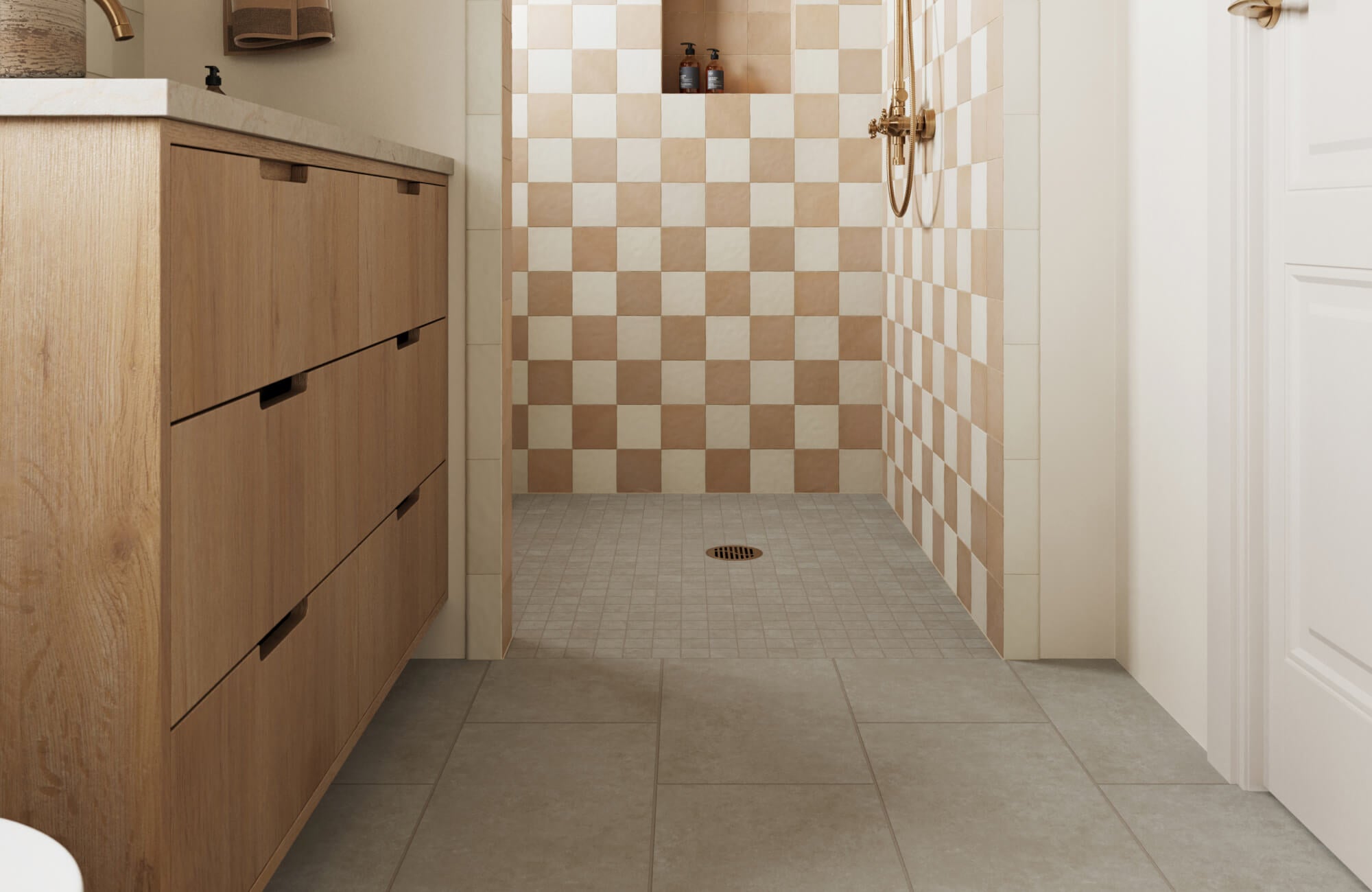
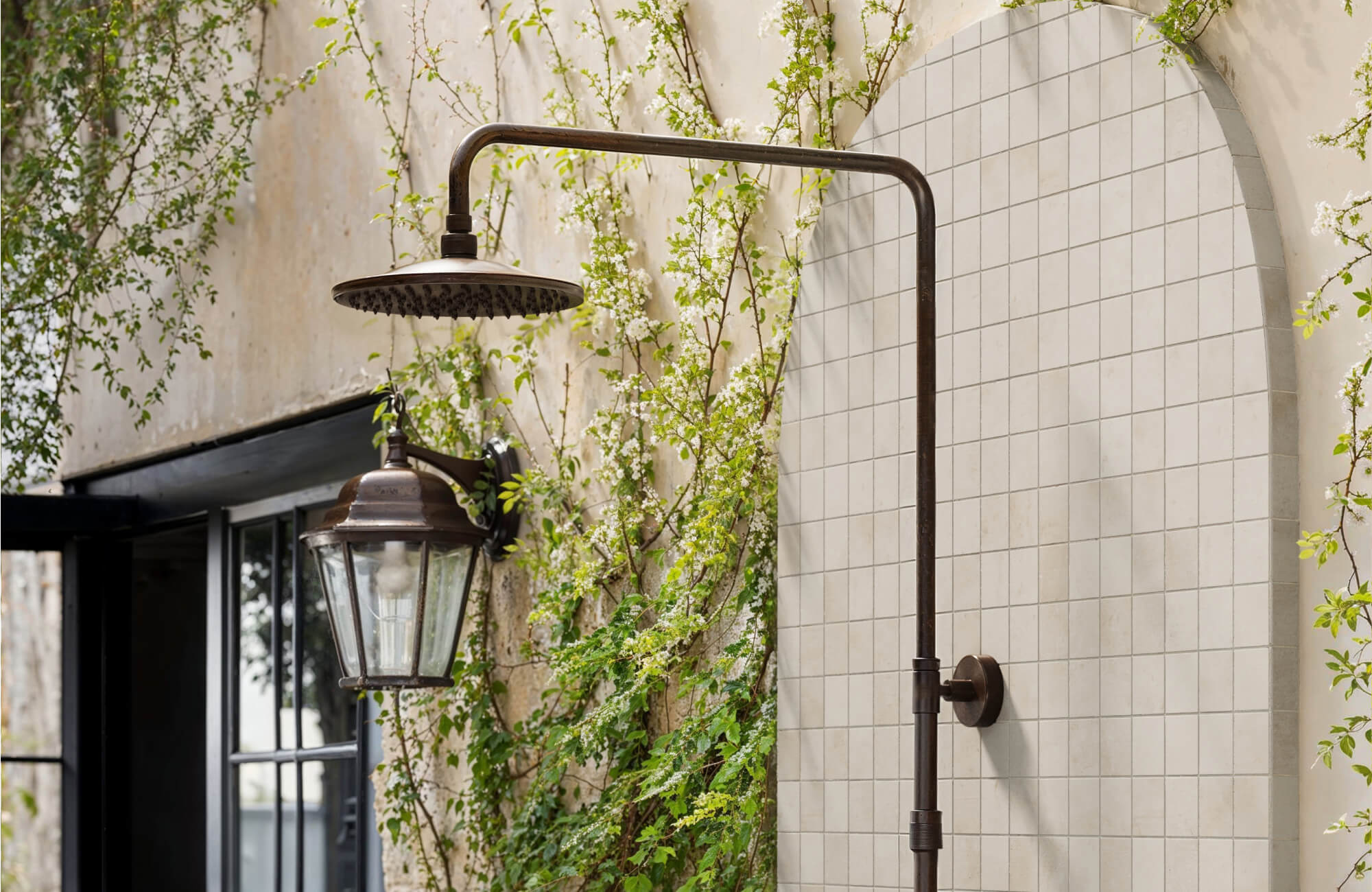
This inherent density makes porcelain practically impervious to water and stains. When you install it in areas with constant moisture, such as bathrooms, pool surrounds, or exterior facades, it resists swelling, discoloration, and freeze-thaw damage. Even when glazed or left as full-body porcelain, its resistance to absorption remains consistent across the entire tile. The result is a surface that combines sleek appearance with unmatched functionality, performing reliably under the most demanding conditions. In the image above, the floor showcases our Wyatt 12x24 Matte Porcelain Tile in Sand, a versatile gray tone that anchors the space with a calm, natural feel. Its soft matte finish highlights porcelain’s dense structure, offering both durability and understated elegance, ideal for moisture-prone settings like this refined walk-in shower.
Impact of Compaction Pressure on Density
Beyond material composition and firing, the compaction stage in tile production plays a decisive role in determining porosity. Before porcelain tiles enter the kiln, they are compacted under extremely high hydraulic pressure. This intense pressure forces mineral particles into close contact, drastically reducing void spaces within the raw tile body. Once fired, this pre-densified structure transforms into a solid, tightly bonded mass that exhibits remarkable hardness and minimal porosity.
Cementitious tiles, in contrast, are typically formed through lower-pressure processes like vibration casting. Although this method gives them their handcrafted aesthetic, it leaves behind more internal air pockets. These tiny voids, though contributing to their unique texture, also make the tiles more susceptible to water absorption and surface wear. As a result, porcelain emerges as the denser, tougher material, less permeable, and more resistant to physical stress or chemical exposure. The production pressure, quite literally, defines how each tile will perform when faced with real-world conditions, shaping not just its strength but its capacity to resist the pull of water itself.
Quantifying Porosity and Water Absorption Metrics
Porosity is a measurable property that reveals how tiles perform in real environments. Standardized tests such as ASTM C373 and ISO 10545-3 determine a tile’s water absorption rate by measuring how much moisture it gains after saturation. The results show a clear difference between materials: porcelain tiles typically absorb less than 0.5 percent of their weight in water, while cementitious tiles often exceed 5 percent. These figures explain why porcelain performs so well in wet or variable climates, whereas cementitious tiles require sealing and maintenance to prevent moisture-related damage.
Beyond absorption, other measurements like apparent porosity and bulk density provide a deeper understanding of a tile’s internal structure. Apparent porosity measures the actual void volume, while bulk density reflects how tightly packed the material is. Porcelain’s dense, vitrified body also gives it low porosity and high durability, while cementitious tiles remain lighter and more porous due to their open microstructure. Together, these metrics transform porosity from an abstract concept into a practical guide, helping you choose tiles that match your environment, use, and long-term performance needs.
The Role of Porosity in Durability and Lifespan
Porosity directly determines how tiles endure wear, weather, and the passage of time. Cementitious tiles, with their open pore structure, naturally absorb moisture and dissolved salts, which can weaken internal bonds and lead to surface degradation. Repeated cycles of wetting, drying, or freezing gradually cause cracking, efflorescence, and loss of tensile strength. Without proper sealing, these tiles become vulnerable in humid or freeze-thaw environments where water infiltration is constant. Regular application of penetrating sealants helps create a moisture barrier, preserving both structural integrity and appearance. This maintenance routine also becomes vital to slow down deterioration and extend the lifespan of cementitious surfaces.
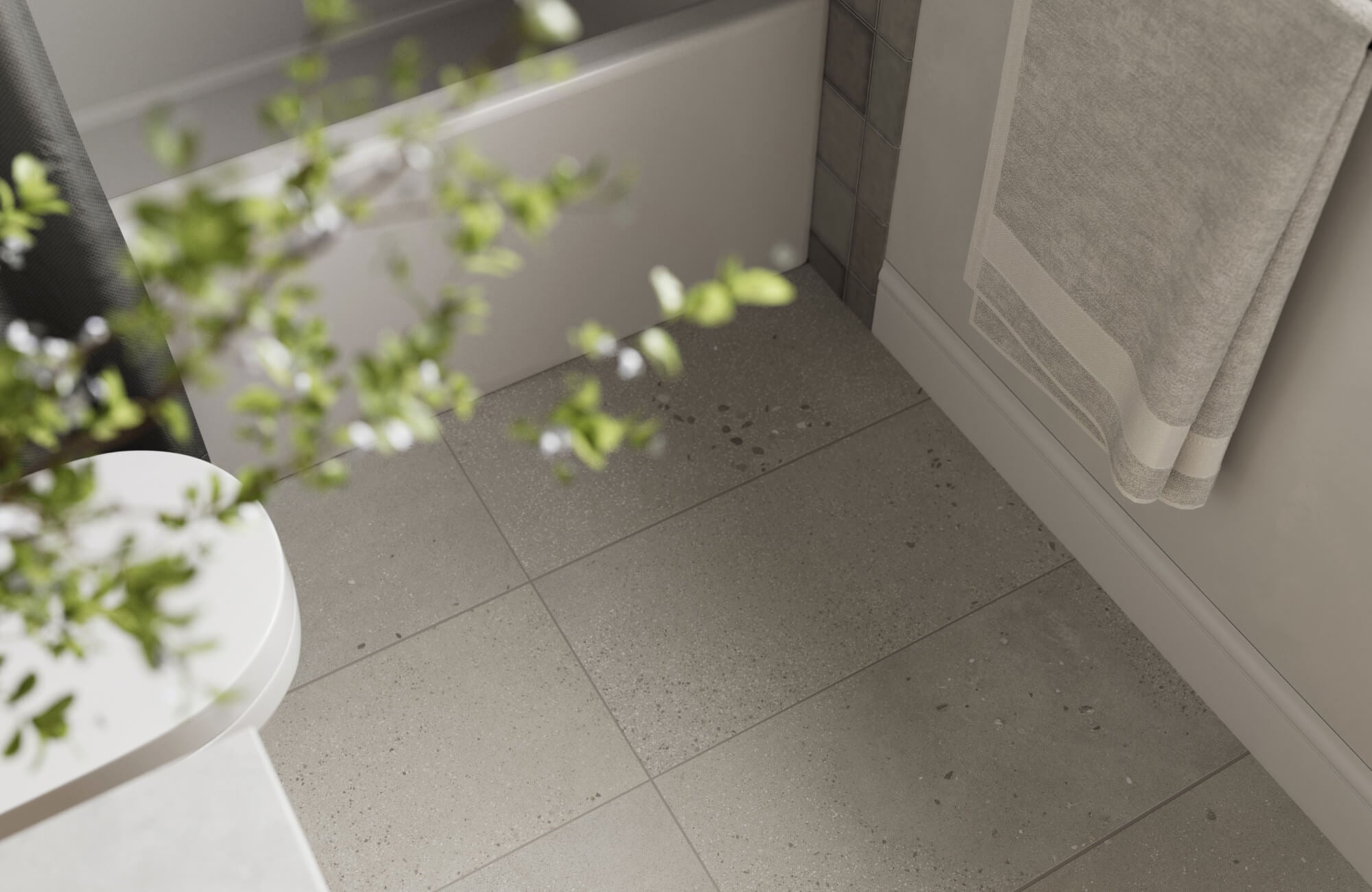
Porcelain, in contrast, owes its exceptional durability to its compact, vitrified structure. Because it has almost no open pores, water and chemicals cannot infiltrate, allowing it to remain dimensionally stable even in the harshest conditions. Its dense microstructure also grants superior resistance to impact, abrasion, and temperature fluctuations, making it ideal for busy or outdoor use. Modern examples like our Ramsey 2x2 Matte Porcelain Mosaic Tile in Chalk, shown in the photo above, with its cool gray tone and artisanal texture, demonstrate how porcelain combines aesthetic refinement with performance. Furthermore, porcelain’s low porosity offers outstanding chemical resistance, protecting it from stains, acids, and cleaning agents that would damage more absorbent materials. These qualities combine to make porcelain one of the most enduring tile types available, proof that when it comes to longevity and resilience, density is the ultimate defense.
Aesthetic and Textural Consequences of Porosity
Porosity influences not only how tiles perform but also how they look and feel, shaping the atmosphere of any space. Cementitious tiles, with their naturally porous surfaces, exude warmth and authenticity. Light gently scatters across their microtextured finish, giving them a soft, matte appearance that feels handcrafted and organic. Subtle tonal variations and surface irregularities also highlight their artisanal nature, making them ideal for rustic or Mediterranean-inspired designs where texture and imperfection become part of the visual appeal. Furthermore, their porous structure creates depth and tactility, inviting touch and adding a natural, lived-in charm that connects visually and physically with the environment.
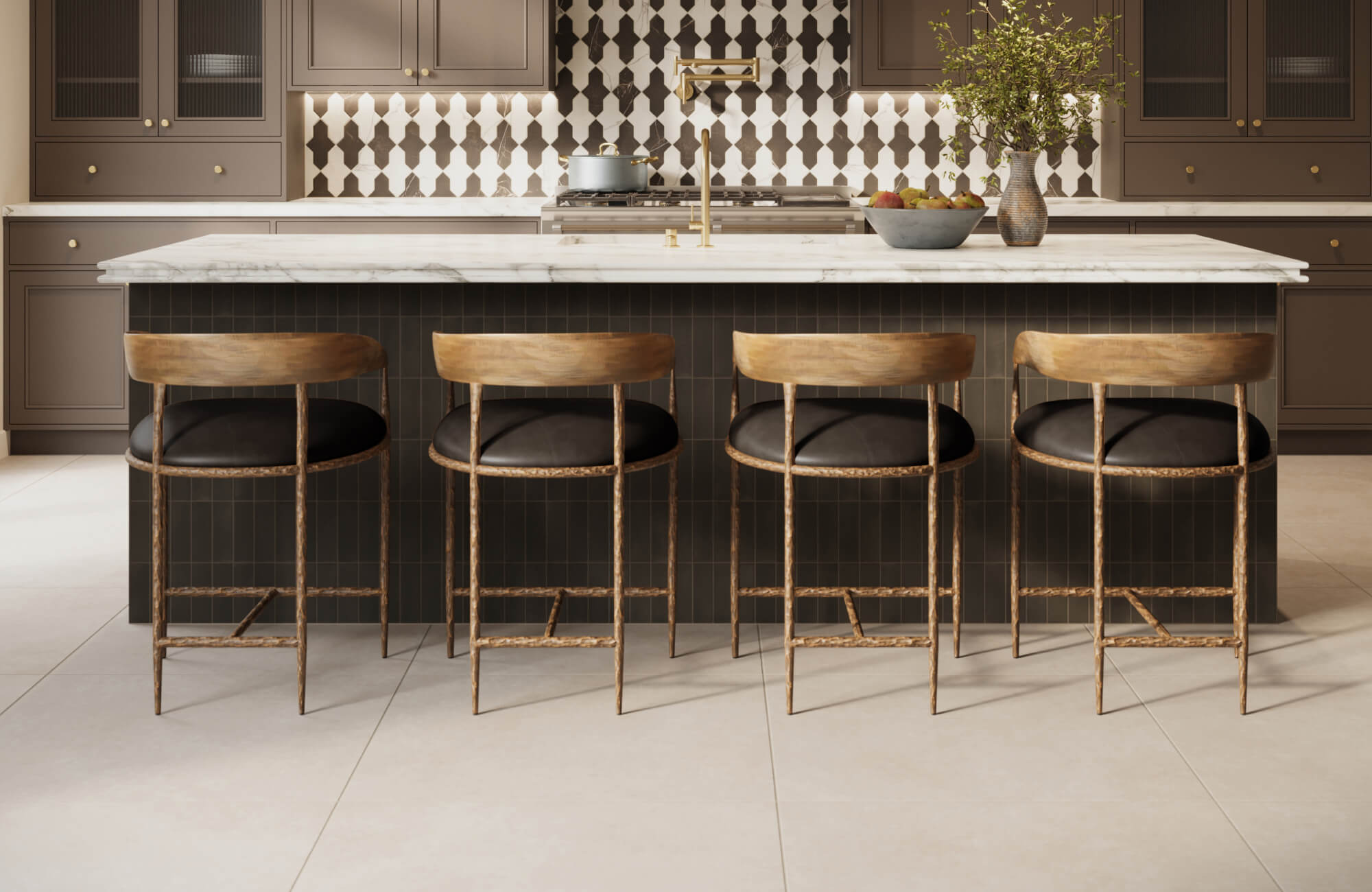
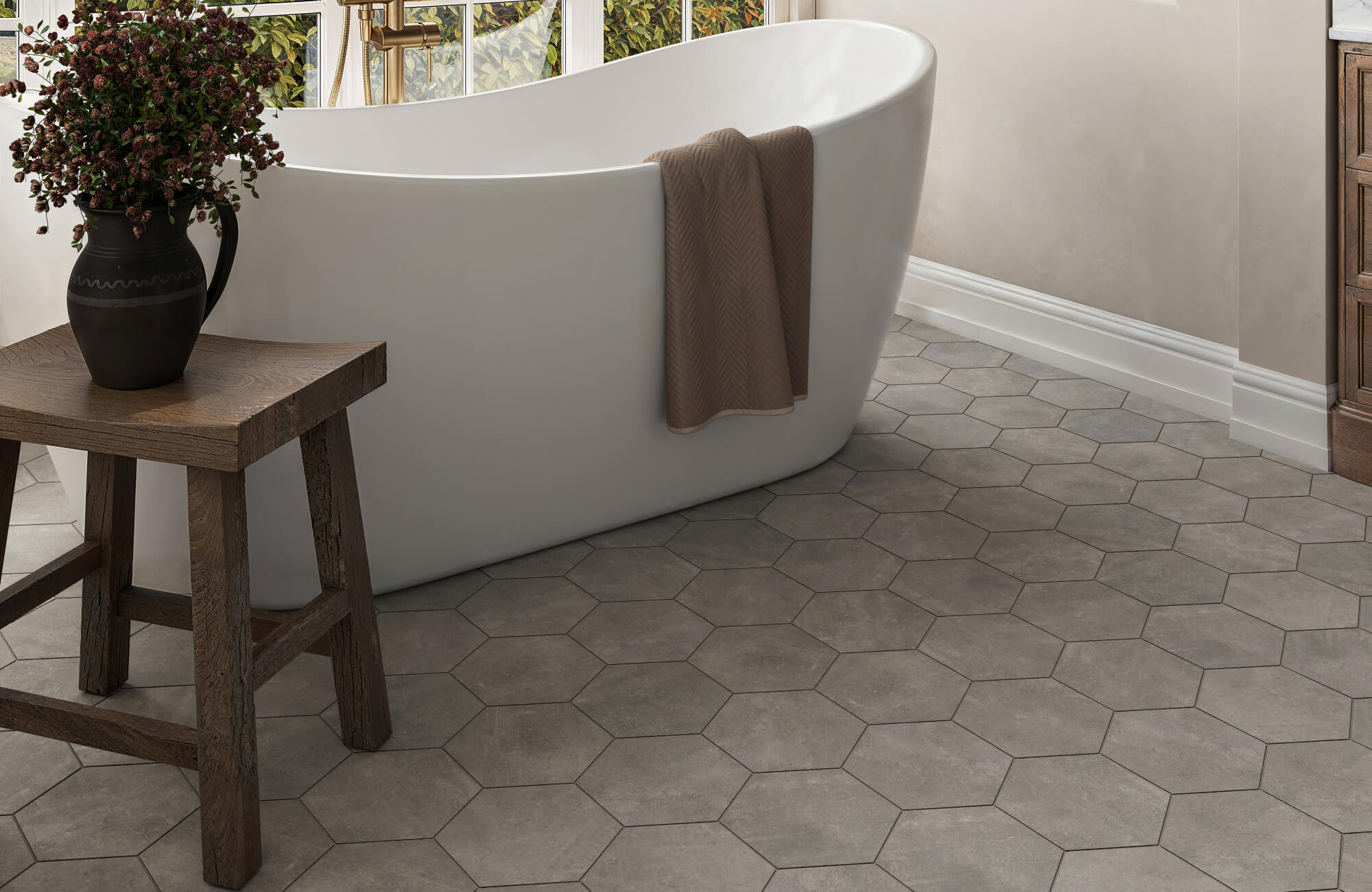
Porcelain tiles, in contrast, present a sleek and contemporary aesthetic defined by density and precision. Their low porosity allows for consistent coloration, sharp detailing, and highly controlled finishes ranging from soft satin to glossy. This uniformity supports minimalist or modern spaces that favor clean lines and uninterrupted surfaces. A prime example is our Sloane 12x24 Matte Porcelain Tile in Sandstone, displayed in the picture above, whose warm beige tone and texture evoke natural tranquility while maintaining the durability and ease of porcelain. Moreover, porosity affects how each surface interacts with light: cementitious tiles absorb and diffuse it for a warm, intimate atmosphere, while porcelain reflects it to brighten interiors and expand visual space. Together, these qualities reveal how porosity is more than a physical property; it’s a design force that defines mood, texture, and style.
Maintenance, Longevity, and Sustainability Implications
Porosity directly affects how tiles perform over their lifetime, from daily upkeep to long-term environmental impact. Cementitious tiles, with their open-pore structure, require regular care to protect against staining and water intrusion. Without consistent sealing, moisture and debris can seep into the surface, leading to discoloration and wear that are difficult to reverse. Applying a penetrating sealant every year or two helps maintain their finish and extend their lifespan, especially in busy or damp areas. Porcelain, by contrast, is virtually maintenance-free. Its dense, non-porous body resists stains, moisture, and most cleaning agents, requiring only simple cleaning to stay in excellent condition. This ease of care not only saves time but also reduces maintenance costs and resource use over time.
When viewed through a sustainability lens, porosity reveals a balance between durability and environmental cost. Porcelain’s strength and longevity reduce the frequency of replacement, offsetting its higher embodied energy from high-temperature firing. Cementitious tiles, produced at lower energy levels, initially appear more eco-friendly, but their shorter lifespan and resealing needs may narrow that advantage. Additionally, cementitious tiles can often be repaired, resurfaced, or reused, which are qualities that align with sustainable renovation practices. Porcelain’s hardness, while beneficial for performance, also limits repair and recycling options, though innovations in material recovery are emerging. In essence, both materials offer different paths to sustainability: cementitious tiles through renewability and repair, and porcelain through endurance and efficiency. Choosing between them depends on whether you value low maintenance and long service life or flexibility and a lighter production footprint.
Environmental and Installation Contexts That Influence Porosity Performance
How and where a tile is installed plays a crucial role in how its porosity behaves over time. Environmental conditions, installation materials, and even the type of grout you use can either enhance or compromise a tile’s long-term performance. Understanding how porosity interacts with its surroundings allows you to anticipate potential challenges and create a more resilient installation.
Climate-Specific Behavior
The impact of climate on tile performance is often underestimated, yet it is one of the most influential factors in how porosity manifests over time. Cementitious tiles, by nature, are more absorbent, which makes them sensitive to humid, coastal, or freeze-prone regions. In these settings, the tiles readily take in moisture and salts from the air or surface water. Over time, this can lead to a host of problems, such as salt crystallization, surface erosion, or microcracking as absorbed water freezes and expands. The constant cycle of wetting and drying also accelerates surface degradation, particularly when salt-laden air is involved, as is common near shorelines.
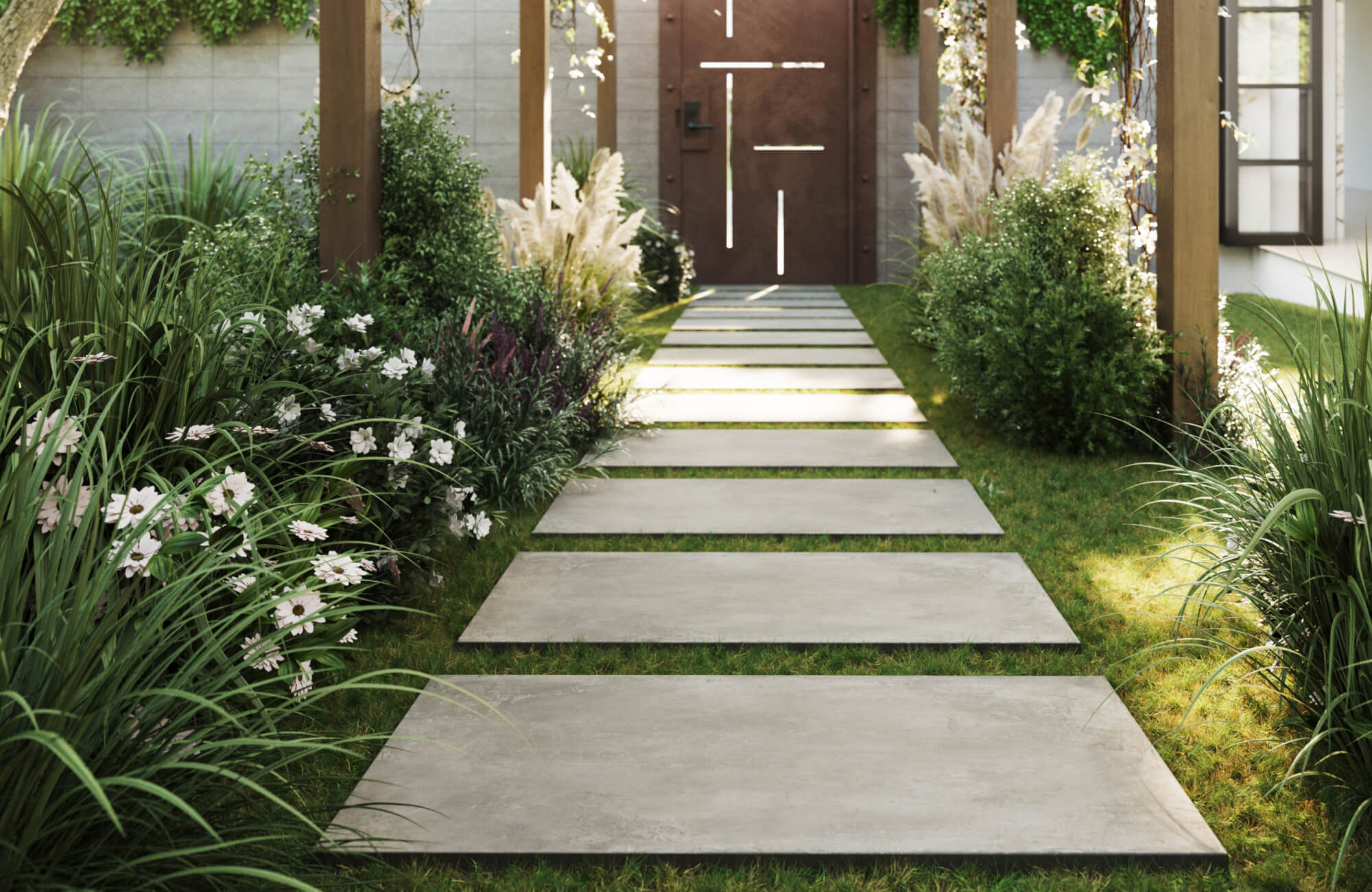
Porcelain, in contrast, thrives in such extreme environments. Its non-porous and dense body prevents water and salts from seeping in, protecting it from both mechanical and chemical attack. Exemplifying this resilience is our Ramsey 24x48 Grip Porcelain 2cm Paver Tile in Putty, featured in the image above, whose earthy beige tone and slip-resistant texture make it perfectly suited for outdoor walkways, patios, and pool surrounds exposed to fluctuating weather conditions. Whether installed outdoors in frosty climates or in coastal areas where airborne salinity is high, porcelain remains dimensionally stable and unaffected. This ability to resist the elements makes it a more reliable option in locations where environmental stressors are unavoidable. In essence, when you match tile type to climate, you’re not just choosing aesthetics; you’re choosing longevity.
Installation Materials
Porosity not only influences how tiles perform after installation; it also affects how they adhere to the substrate in the first place. Cementitious tiles, with their naturally absorbent structure, readily interact with water-based mortars. As the mortar cures, water migrates into the tile, creating a strong mechanical bond that locks the two materials together. This makes traditional cement-based adhesives highly compatible with cementitious tiles and provides excellent long-term adhesion when properly installed.
Porcelain tiles, however, present a different challenge. Because their dense surface prevents water absorption, they don’t form the same mechanical bond with standard mortars. Instead, you need polymer-modified or latex-enhanced thin-set mortars that establish a chemical bond capable of gripping the porcelain’s smooth surface. These specialized adhesives also compensate for porcelain’s impervious nature, ensuring the tile remains firmly anchored. Without them, the bond can fail, leading to loosening or delamination over time. For best results, professional installation is strongly recommended to ensure proper material compatibility and lasting performance.
Grouting and Substrate
Even when you select an impervious tile, the system as a whole still contains porous elements such as grout. Traditional cementitious grouts are inherently porous and can absorb moisture, which then travels laterally beneath the tiles. This is why sealing grout joints after curing is critical, especially in wet areas such as bathrooms, kitchens, or outdoor patios. Alternatively, using epoxy grout offers a more permanent solution. Epoxy grout forms a dense, non-porous barrier that resists water, stains, and chemicals, effectively sealing the tile assembly from above.
Beneath the tile, substrate preparation plays an equally vital role. For cementitious tiles in particular, moisture control is essential. Without a proper waterproofing membrane or vapor barrier, moisture from the subfloor can migrate upward into the tile, carrying salts that cause efflorescence or, in severe cases, surface degradation. Porcelain installations benefit from the same precautions, as even the strongest tile cannot compensate for a compromised foundation. By managing both grout and substrate porosity, you create a cohesive, well-sealed system that safeguards the installation from within. In doing so, you ensure that the tiles, whether cementitious or porcelain, perform exactly as their materials were designed to, resiliently and beautifully over time.
Evaluating Porosity as the Deciding Factor
Porosity ultimately determines how cementitious and porcelain tiles perform, age, and enrich the spaces they occupy. Cementitious tiles offer natural warmth and artisanal texture, rewarding you with character but requiring consistent sealing and care to maintain their beauty. Porcelain, with its dense, impervious structure, delivers unmatched resilience against water, stains, and wear, making it the go-to option for demanding or moisture-prone environments. Both materials also hold distinct advantages: one celebrates organic authenticity, the other champions lasting precision. By understanding how porosity influences every aspect of their behavior, you can choose confidently, balancing design vision with practical longevity to create surfaces that endure as beautifully as they inspire.
To better appreciate how porcelain’s low porosity and refined finish can transform a space, explore our design services, where design experts can help you select the right porcelain tile for your aesthetic and functional goals. You can also experience its look and performance firsthand with our augmented reality (AR) tool, which lets you visualize porcelain tiles within your own environment. Seeing how light reflects off its smooth surface or how its uniform color enhances your space allows you to fully understand why porcelain remains the preferred choice for enduring beauty and effortless elegance.
Follow us on Instagram
@EDWARD.MARTIN
)
)
)
)
)
)
)
)
)
)
)
)
)
)
)
)