
)
)
)
)
)
)
)
)
Small Bathroom Floor Tile Ideas That Make Your Space Look Bigger
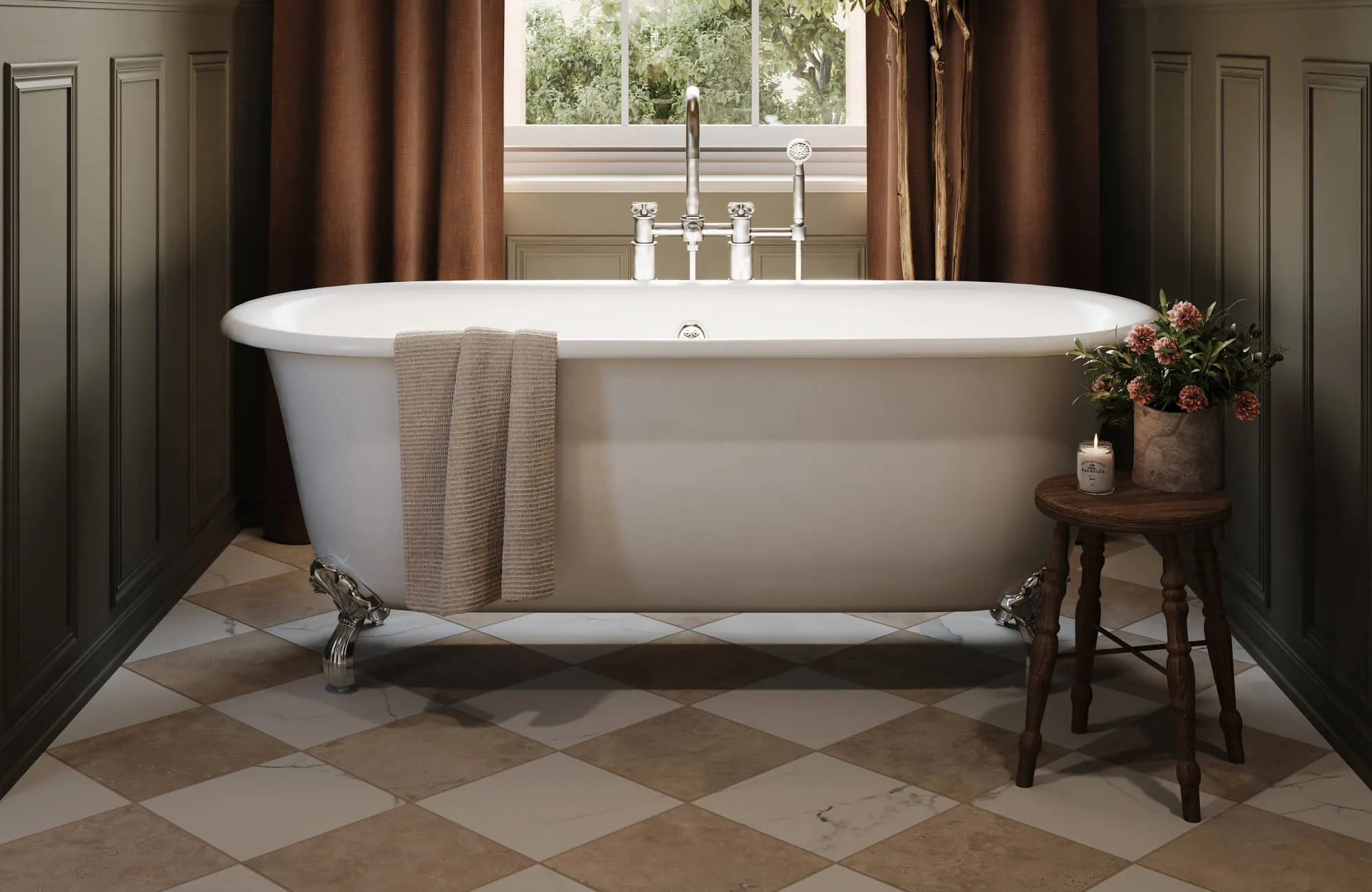
Designing a small bathroom presents unique spatial challenges that require strategic use of materials, color, and layout to visually expand the room. Among these, the selection of floor tile plays a crucial role in shaping the perception of size, depth, and openness. The right combination of tile format, finish, grout line alignment, and color palette can make even the most compact bathrooms appear larger and more luxurious.
In this article, we’ll explore proven small bathroom floor tile ideas that leverage optical illusion, material technology, and design principles to enhance visual continuity. From large format porcelain tiles and diagonal installations to mosaic tiles and glossy finishes, every section highlights a different method to amplify space perception. By understanding these professional design strategies, homeowners and designers can create a small bathroom that feels spacious, cohesive, and high-end.
Large Format Porcelain Tiles
Large format porcelain tiles create an expansive foundation where fewer grout lines allow the eye to travel uninterrupted. This smooth continuity establishes a sense of openness that feels both modern and architectural.
Reduced Grout Visibility
Minimizing grout lines is one of the most effective ways to create a seamless and expansive floor aesthetic in smaller bathrooms. Large format tiles, in particular, reduce the number of visible joints, allowing the eye to move uninterrupted across the surface. This visual continuity also enhances spaciousness while lending a refined, modern feel.
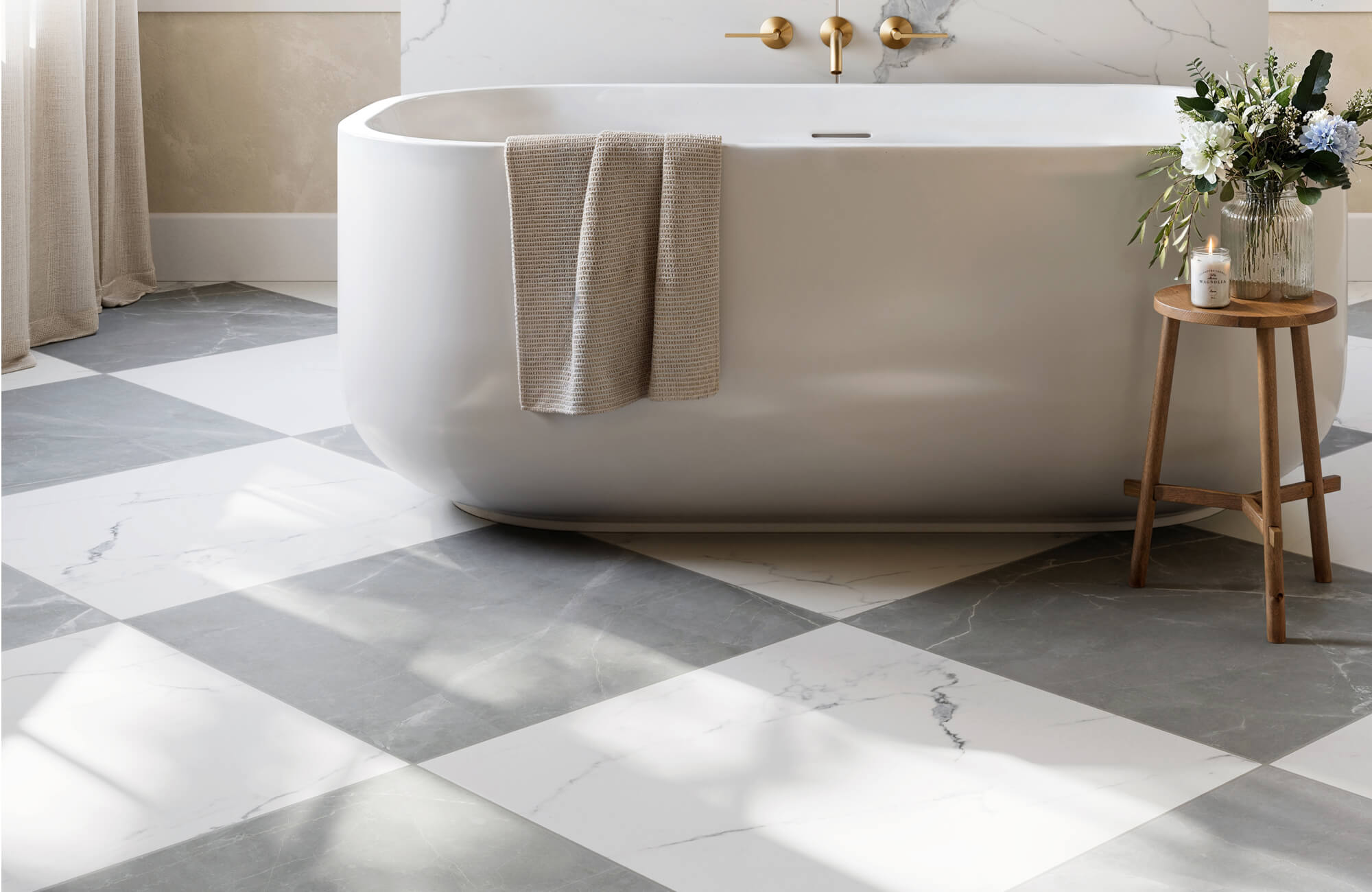
A perfect example of this approach, as displayed in the picture above, is Edward Martin’s Leona 24x24 Checkerboard Matte Porcelain Tile in Calacatta and Amani Grey, which balances soft white marble veining with muted grey tones. Its generous size and matte finish minimize grout presence while delivering timeless contrast and sophistication that beautifully grounds the space.
Surface Reflectance and Light Distribution
Surface finish plays an equally vital role in how light interacts with the floor. For instance, polished or satin porcelain tiles reflect ambient illumination, allowing brightness to cascade evenly across the space. This reflection also softens shadows in corners, subtly dissolving the boundaries of the room. For bathrooms requiring added traction, micro-textured matte finishes preserve safety without sacrificing elegance. Moreover, advances in glazing technology now make it possible to achieve both gloss and grip within a single surface. Together, these qualities transform the floor into a luminous, seamless canvas that visually enlarges the entire space.
Diagonal and Chevron Layouts
The direction in which tiles are laid determines how the eye perceives depth and proportion. Diagonal and chevron layouts introduce rhythmic motion that disrupts static geometry, creating the impression of a broader, more fluid floor.
Diagonal Installation for Expansive Angles
When tiles are positioned at a 45-degree angle, they guide the gaze outward toward the corners, expanding the perceived limits of the room. This diagonal orientation gently breaks the rigidity of linear layouts, infusing energy and movement into the floor plane. The result feels dynamic yet measured, as the pattern leads the eye along a continuous path rather than confining it within a box. In addition, square or rectangular porcelain tiles work exceptionally well in this configuration, especially when installed with consistent grout spacing to preserve symmetry. Each angle enhances the sense of depth, extending the room’s boundaries visually without structural change. Over time, this geometry establishes a subtle architectural rhythm that makes small bathrooms appear naturally more spacious.
Chevron and Herringbone Patterns
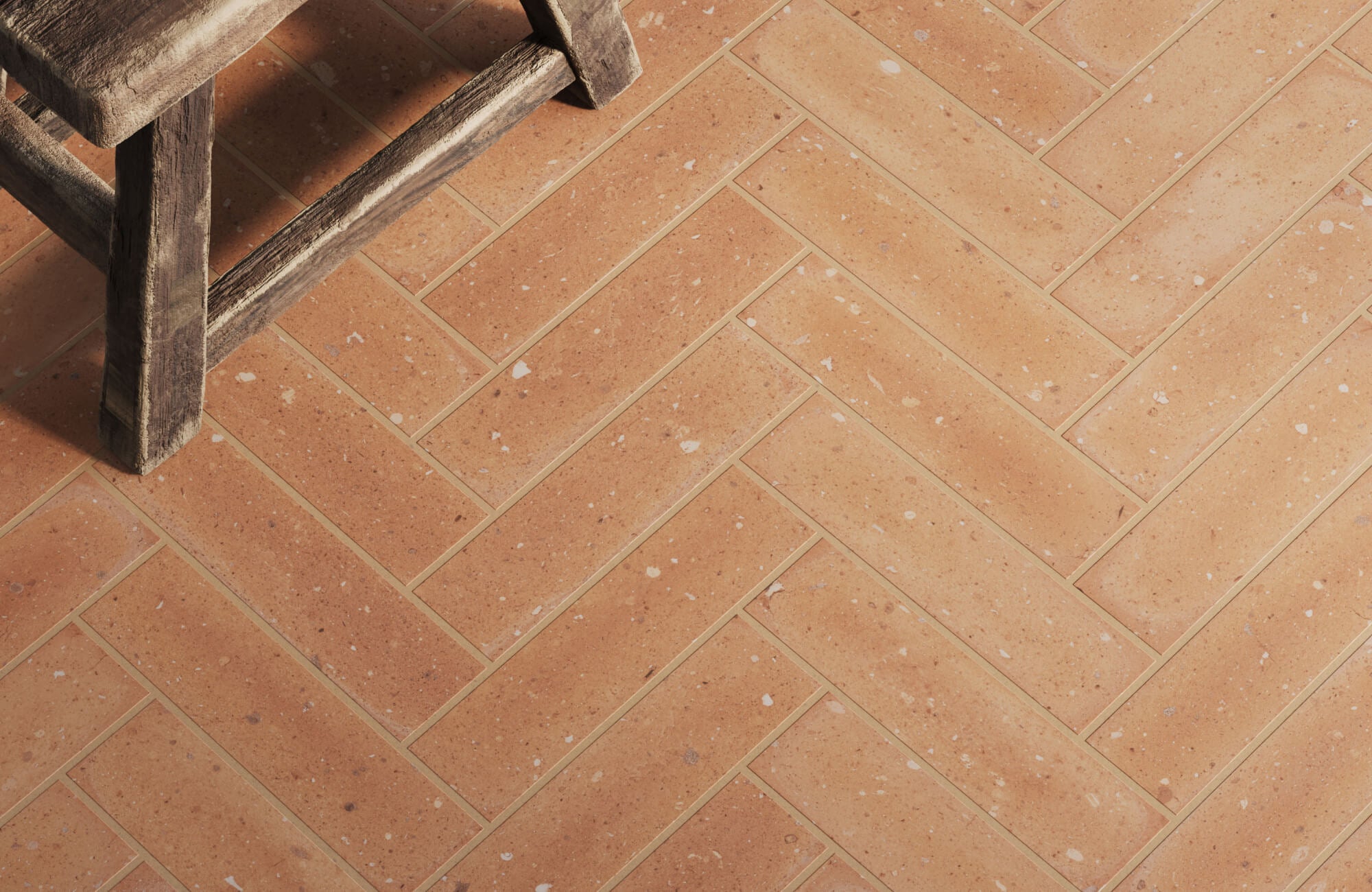
Chevron and herringbone arrangements offer a more refined interpretation of directional design. Their V-shaped formations draw the eye along diagonal axes, blending length and movement with elegant precision. Elongated wood look porcelain planks also accentuate this motion through grain and shading, producing a fluid sense of continuity. As light strikes the alternating angles, subtle highlights and shadows emerge, deepening texture without overpowering the composition. When executed with tight joint alignment and tonal harmony, the result is a floor that feels intricate yet expansive. This balance between geometry and flow introduces sophistication that complements both traditional and modern aesthetics.
Light-Colored Tiles
Pale hues naturally reflect light, allowing small bathrooms to feel airy and open. When combined with the right finish and lighting, light-colored tiles dissolve visual weight, lending a calm and expansive atmosphere.
High LRV (Light Reflectance Value) Selection
Tiles with a high Light Reflectance Value (LRV) are essential for amplifying spatial brightness. Surfaces in soft whites, creams, and cool grays bounce illumination evenly, dispersing it across both vertical and horizontal planes. This reflective behavior also prevents shadow pooling and enhances visual clarity, making every corner feel accessible and bright. Glazed porcelain and light ceramic tiles with LRV ratings above 70% optimize this balance between reflection and tone.
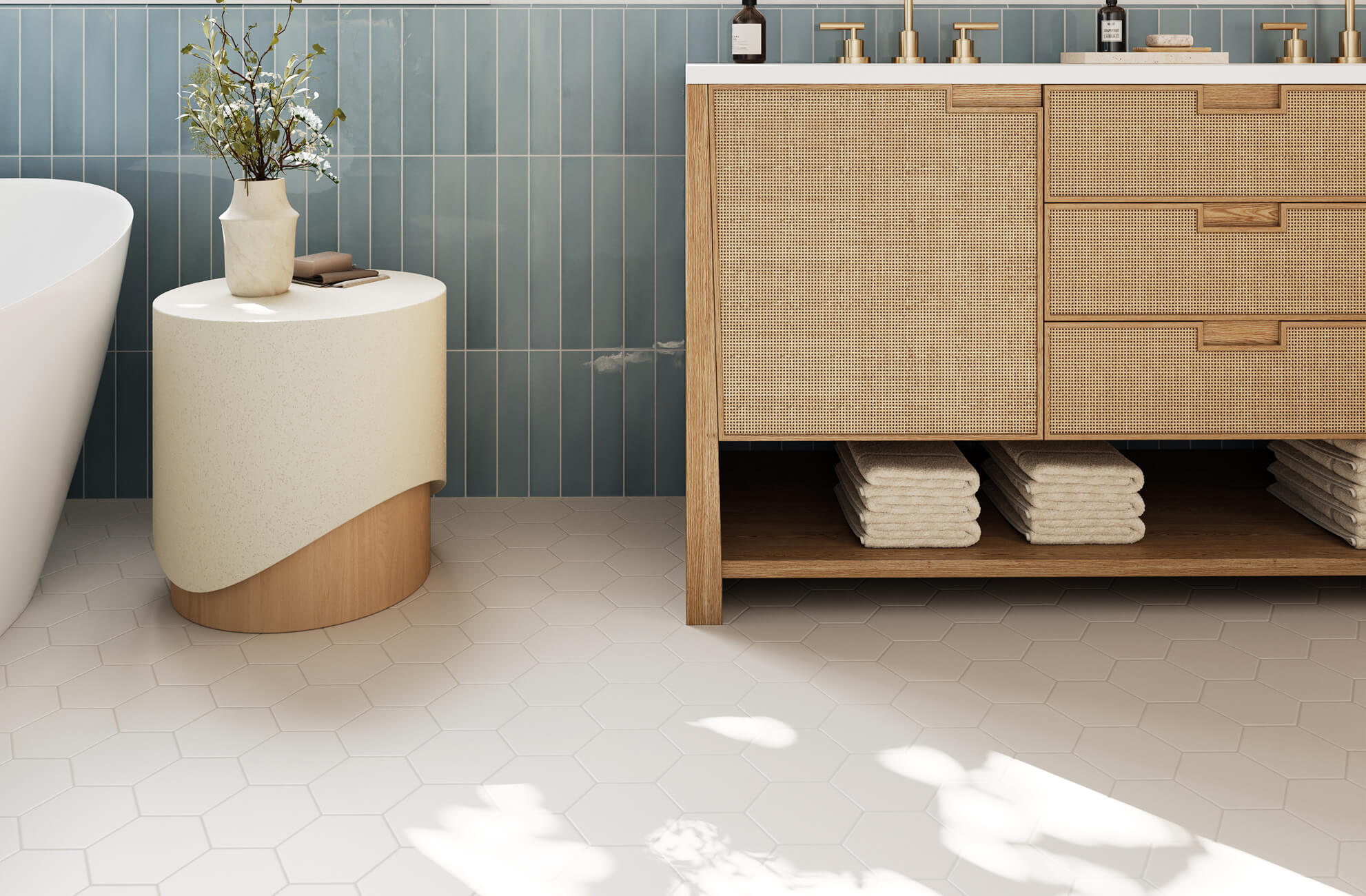
As shown in the photo above, the Reagan 5x6 Matte Porcelain Hexagon Tile in Gris perfectly embodies this principle. Its light gray tone and soft matte finish reflect natural and artificial light with subtle diffusion, brightening the room without glare. When paired with warm wood textures or blue-green wall tiles, it also creates a calm yet radiant foundation that enhances openness. The combination of high-LRV flooring and tonal harmony achieves a natural radiance that feels effortlessly spacious and refined.
Balancing Light and Texture
Texture ensures that brightness doesn’t become sterile or overexposed. Fine-grained stone or marble effect tiles introduce soft variation that gives the floor a gentle dimension without compromising luminosity. Each micro-texture also captures and diffuses light differently, producing a delicate interplay between matte and shine. This balance maintains warmth while preserving the clean, modern atmosphere that light tones create. By aligning floor finishes with slightly warmer or cooler wall tones, designers achieve layered visual harmony. The outcome is a bathroom that feels naturally illuminated, inviting, and proportionally expanded.
Unified Grout and Tile Color
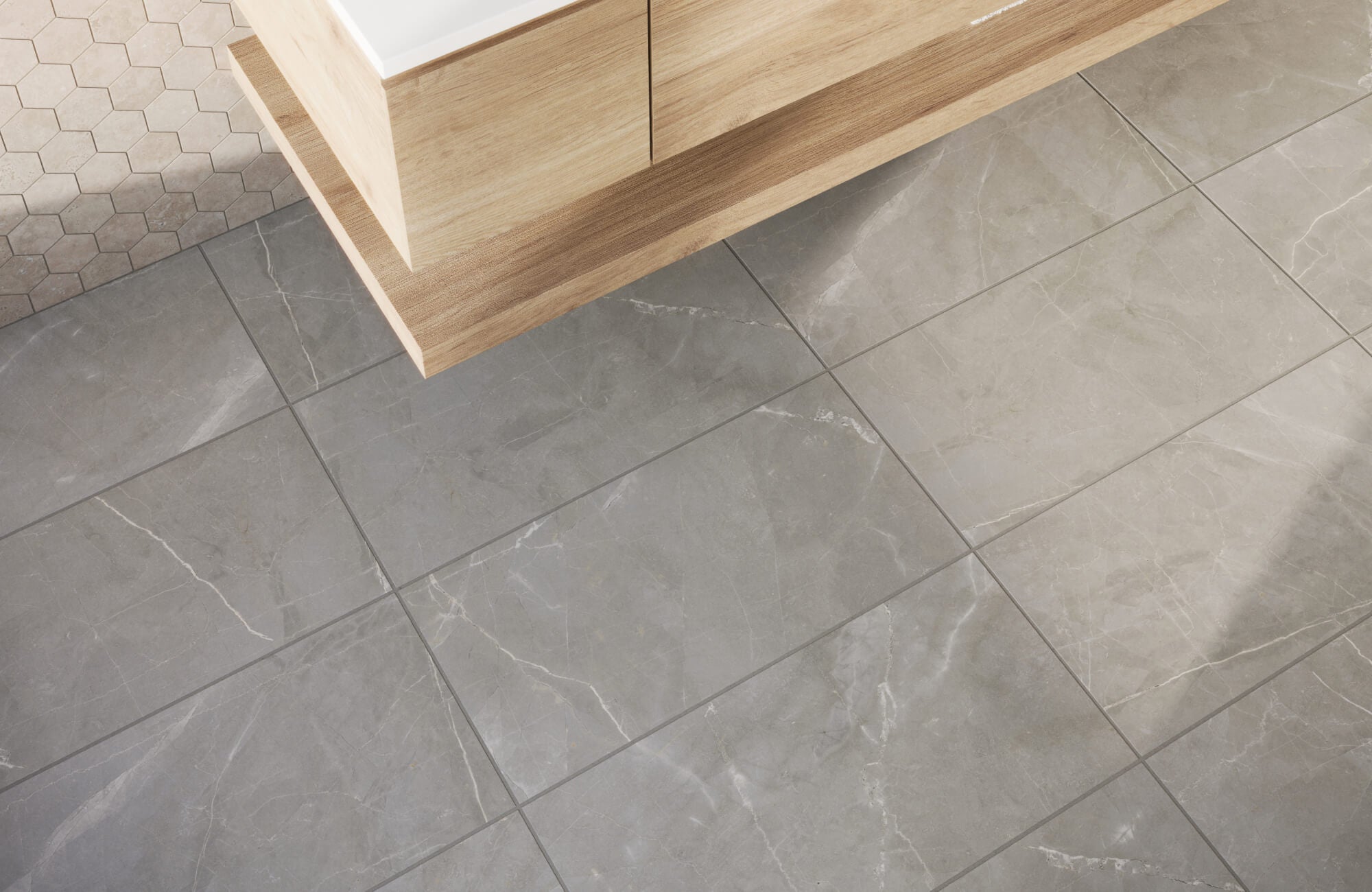
The transition between tiles is where visual continuity is often won or lost. Matching grout to tile color allows the surface to read as one cohesive material, extending perceived dimensions across the entire floor.
Epoxy Grout for Precision and Longevity
Epoxy grout provides both aesthetic unity and technical performance. Its smooth texture, impermeability, and consistent pigmentation ensure that grout lines remain discreet and resistant to discoloration. This subtle uniformity also prevents visual fragmentation, allowing the flooring to appear continuous and uninterrupted. In moisture-heavy environments like bathrooms, epoxy’s resilience prevents water absorption and staining, maintaining long-term clarity. Each joint blends imperceptibly into the surrounding tile, reinforcing the illusion of seamlessness. The result is a refined, unbroken surface that strengthens the perception of depth and luxury.
Fine Joint Alignment
Precision alignment is the foundation of spatial harmony. When rectified porcelain tiles are installed with equal spacing, their geometry reads as deliberate and proportionally balanced. This symmetry also helps the eye follow consistent lines, drawing focus across the entire room rather than to individual tiles. In addition, using narrow joints enhances the rhythm of the floor while minimizing visual interruptions. Under ambient lighting, these subtle lines appear to fade, contributing to an uninterrupted visual flow. The outcome is a bathroom floor that feels intentionally crafted and quietly expansive.
Monochromatic Tile Palettes
A unified color story helps dissolve spatial boundaries and encourages visual flow. Monochromatic design achieves this by layering tonal variations of a single hue, creating depth without division.
Tone-on-Tone Gradation
Subtle gradations of color introduce visual movement without contrast disruption. Pairing a soft gray porcelain floor tile with slightly lighter walls, for instance, creates continuity that elongates surfaces vertically and horizontally. Each tonal shift also blends naturally into the next, allowing the room to feel cohesive yet dimensional. This gentle transition guides the eye seamlessly from floor to wall, avoiding harsh color breaks that fragment perception. Maintaining similar finishes, such as consistent matte or satin sheens, reinforces the unified look.
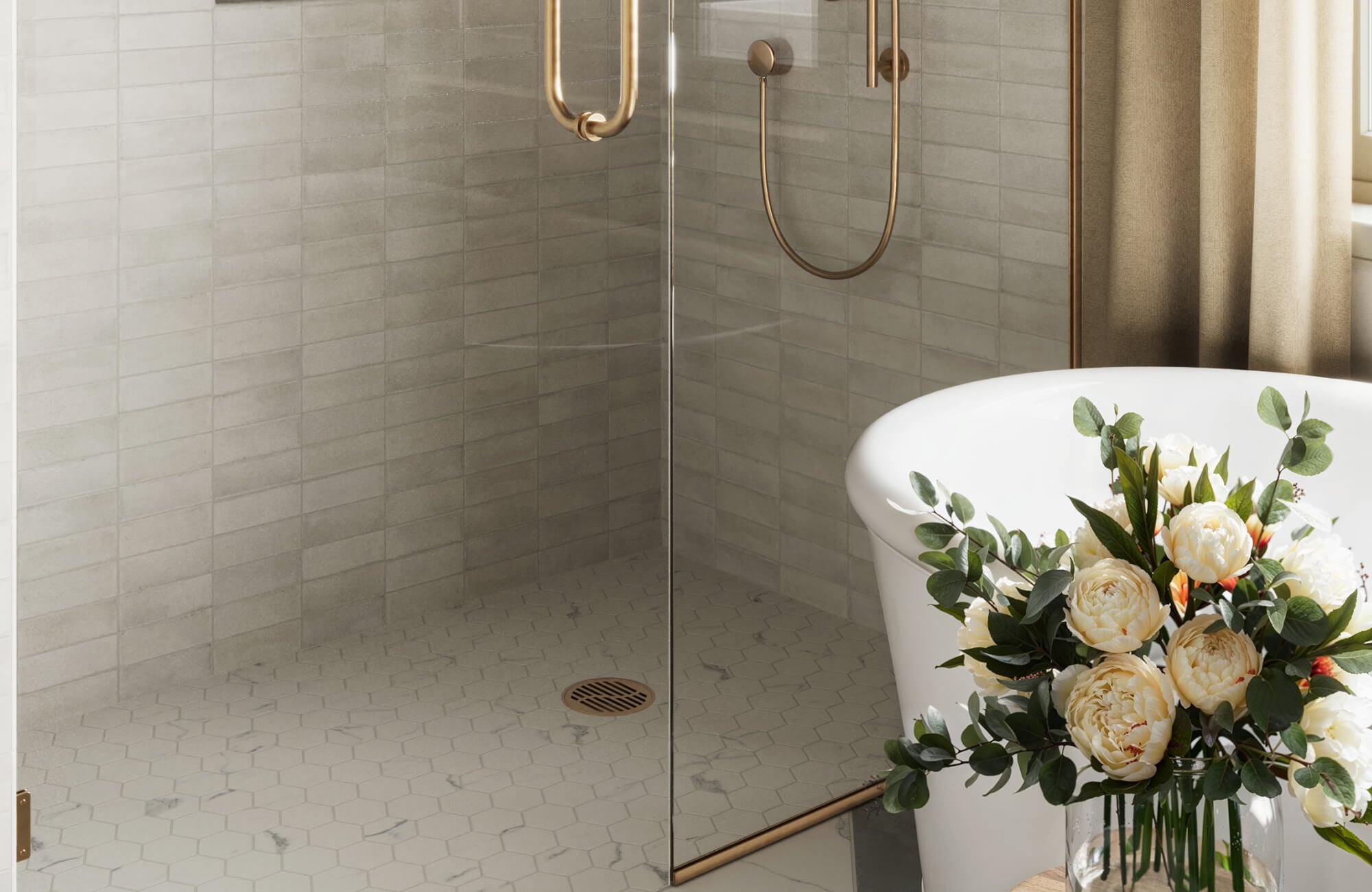
Our Leona 3x3 Matte Porcelain Hexagon Mosaic Tile in Calacatta, as featured in the photo above, exemplifies this concept through its soft white tone and delicate gray veining that add depth while keeping the palette serene and bright. Its matte surface gently diffuses light, enhancing spaciousness and calm across the floor. Complementing it, the Natasha 2x6 Matte Porcelain Tile in Oat extends the look vertically with warm, neutral undertones that create a seamless tonal transition. Together, these tiles achieve refined balance—an elegant interplay of texture, warmth, and cohesion that visually expands compact bathrooms with effortless sophistication.
Integrated Wall and Floor Surfaces
Continuing the same tile material onto the walls strengthens architectural cohesion. This floor-to-wall transition blurs the line between horizontal and vertical planes, fostering a clean and immersive experience. The technique also works particularly well in curbless showers, where material continuity enhances both visual scale and accessibility. Floating vanities and concealed drains further amplify this open aesthetic, minimizing obstructions and emphasizing flow. This consistent tone ties every surface together, creating an enveloping sense of harmony. Ultimately, this seamless integration elevates small bathrooms into spaces that feel intentionally sculpted and gracefully unified.
To help visualize how different shades and finishes come together before installation, Edward Martin’s Augmented Reality (AR) tool allows homeowners and designers to preview tile selections in real-time within their actual space, bridging inspiration and reality with precision and ease.
Reflective and Glossy Finishes
Reflective tiles harness light as a design element, transforming it into a tool for spatial amplification. The interplay of gloss and shadow produces visual energy that brings compact interiors to life.
Glossy Porcelain and Ceramic
Glossy porcelain tiles act as subtle mirrors, reflecting ambient light to expand visual boundaries. Each surface captures the surrounding illumination, diffusing it softly across the room. Advances in glaze application now allow glossy finishes to maintain slip resistance while retaining their glass-like clarity. When paired with pale colors, they also multiply brightness and dissolve visual confinement. Under recessed lighting, their luminous sheen enhances dimensional contrast, deepening the sense of openness. The overall impression is one of refinement, lightness, and effortless spatial generosity.
Marble Look Porcelain for Visual Depth
Polished marble look porcelain merges light reflection with organic veining, producing a surface that feels dynamic yet refined. Each line of veining flows like a brushstroke, guiding the eye naturally and enhancing depth across the room. The polished finish also magnifies brightness, amplifying both natural and artificial light to create a luminous, open feel. This interplay of sheen and movement evokes the richness of real marble while offering superior resistance to stains, moisture, and wear. Moreover, its precision-cut edges and consistent tone ensure seamless transitions that heighten spatial unity and architectural rhythm. The result is a finish that embodies modern elegance and enduring visual clarity.
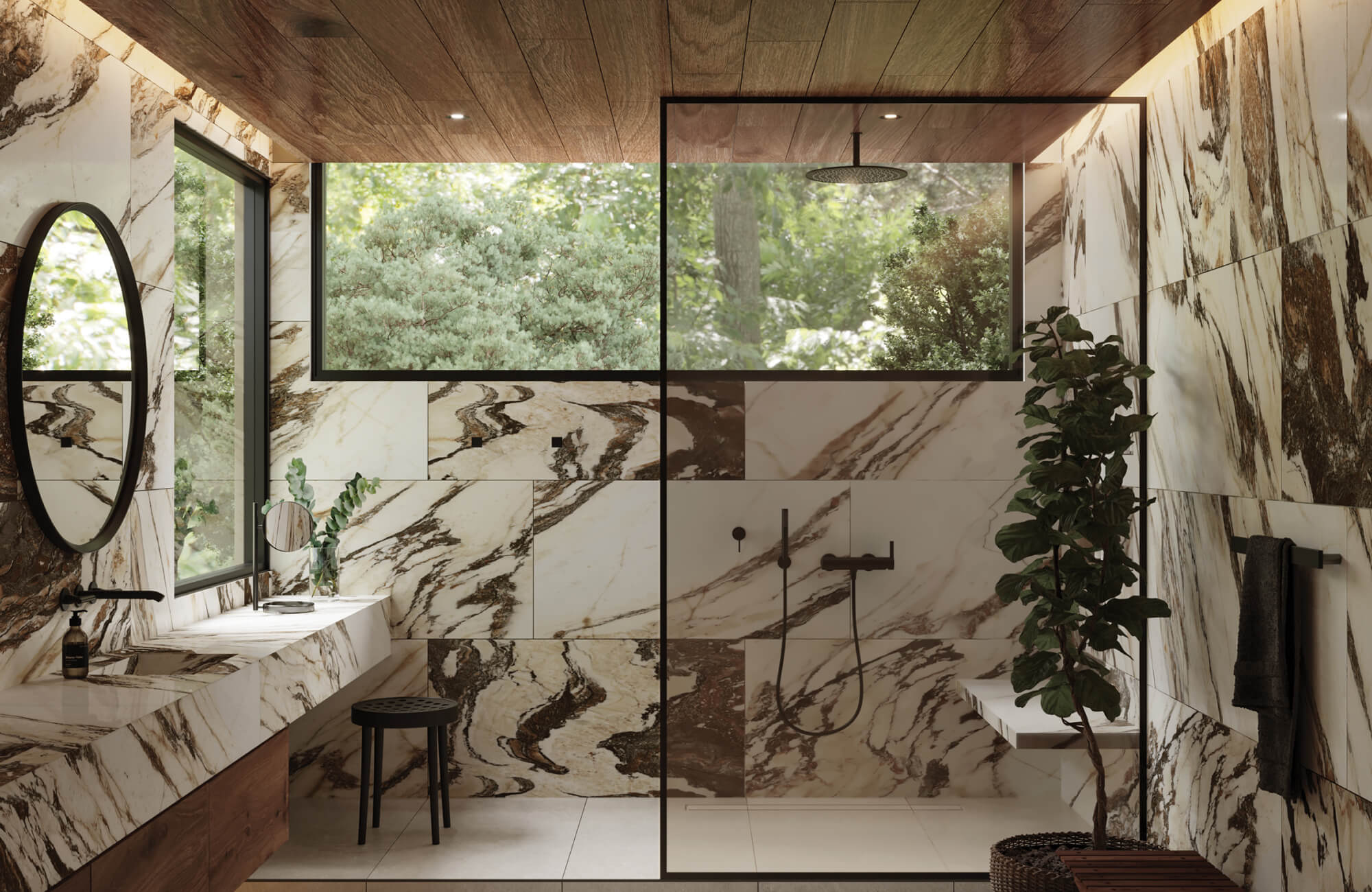
As shown in the photo above, our Aniston 24x48 Polished Porcelain Tile in Calacatta Viola captures this refined aesthetic with dramatic veining and a mirror-like polish that adds depth and dimension to every surface. Its bold strokes of deep plum and soft ivory create visual movement reminiscent of natural Calacatta stone, while the polished glaze reflects surrounding light to expand the space. The large format design also minimizes grout lines, reinforcing a seamless flow that feels both luxurious and contemporary. Perfect for feature walls and spa-inspired bathrooms, it delivers timeless sophistication with the resilience of high-performance porcelain.
Continuous Floor-to-Wall Transitions
Extending floor materials vertically introduces unity and architectural rhythm. This cohesive transition eliminates visual breaks, emphasizing proportion and uninterrupted flow.
Curbless Transitions in Wet Zones
Curbless showers allow tile flooring to extend seamlessly into wet areas, erasing boundaries that typically fragment the room. Linear drains integrated beneath these surfaces maintain slope and drainage precision without disrupting design. The continuous material flow also fosters visual elongation while simplifying maintenance. Moreover, using large format porcelain tiles reduces joint visibility, amplifying the feeling of openness. As the floor transitions upward, the entire space feels more balanced and integrated. This technique merges practicality with spatial elegance, ideal for contemporary minimalist bathrooms.
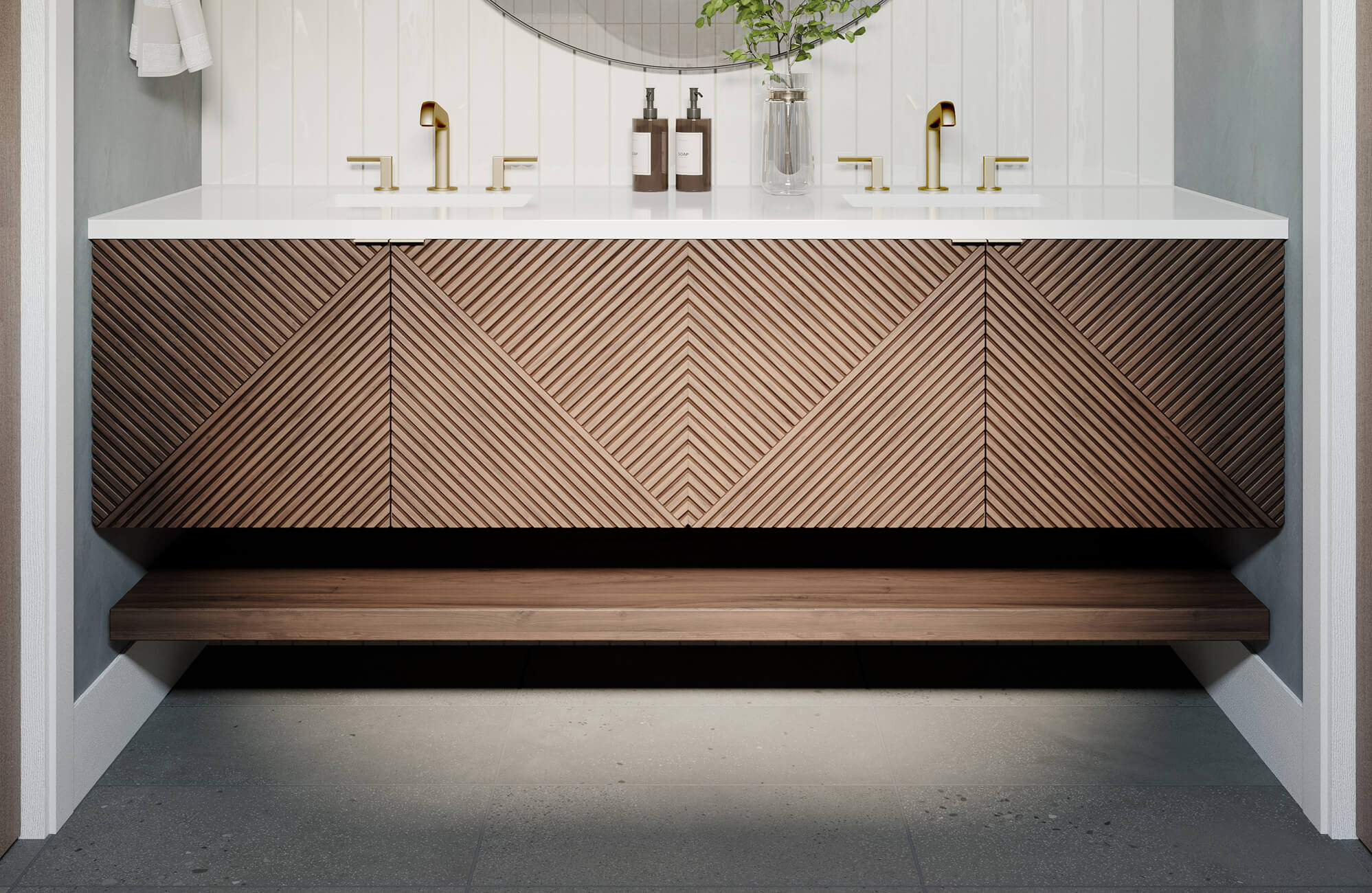
Floating Fixtures for Enhanced Airiness
Wall-mounted vanities and toilets create the illusion of floating above the floor, reinforcing a sense of visual lightness. The exposed flooring beneath extends the visible surface area, enhancing spatial perception. Recessed lighting further accentuates this floating effect, casting soft illumination that defines the surrounding planes. Additionally, the absence of bulky bases allows air and light to circulate freely.
Edward Martin’s Royce 72" Double Vanity in Chestnut with 3 cm White Zeus Quartz Top embodies this design philosophy through its suspended silhouette and sculptural chevron detailing. As shown in the photo above, its warm chestnut wood tone adds grounded texture while maintaining visual lift, perfectly balancing warmth and openness. The crisp white quartz-based countertop also amplifies brightness and contrast, complementing light-reflective porcelain floors. Together, these elements create a bathroom environment that feels fluid, weightless, and thoughtfully composed, where functionality meets refined spatial design.
Stone Look and Textured Tiles
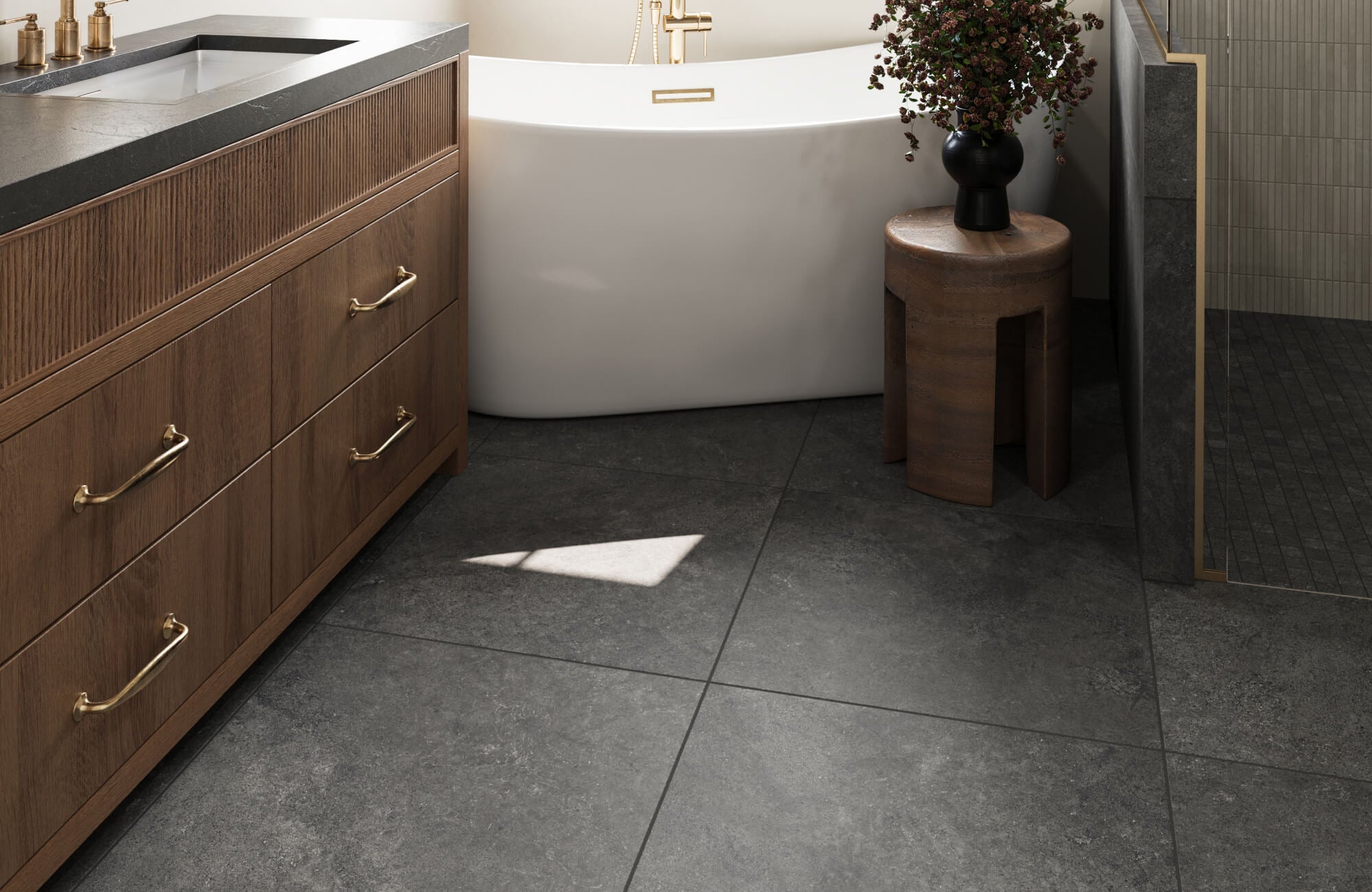
Natural textures introduce tactile warmth while maintaining the light reflection necessary for small-space expansion. When executed with precision, these surfaces add dimension without compromising openness.
Stone Look Porcelain Tiles
Stone look porcelain replicates the layered complexity of limestone, travertine, or quartzite through multi-pass digital printing. Each variation in tone and grain mirrors natural imperfection, lending authenticity to the design. These tiles also achieve the look of real stone while maintaining low porosity and superior slip resistance. Their gentle veining and color shifts capture light dynamically, adding quiet depth to the floor. By balancing organic patterning with tonal restraint, they enrich the room without visually overwhelming it. The result is a surface that feels both grounded and expansive.
Soft Texture for Shadow Play
Subtle surface texture interacts with ambient light to create gentle shadow gradients. This delicate interplay adds three-dimensional character while keeping the space visually light. Satin-finish porcelain, in particular, achieves this equilibrium by diffusing reflections without dulling their vitality. This texture also directs the eye across micro-contours, inviting visual engagement while preserving spatial calm. Under layered lighting, these effects combine into a sense of depth that feels organic rather than decorative. In small bathrooms, this nuance translates into quiet sophistication and perceptual spaciousness.
Linear and Plank Tiles
Rectangular tile formats naturally extend perspective lines, creating a guided visual pathway through the space. Their geometry fosters rhythm and proportion, making compact rooms feel longer and more balanced.
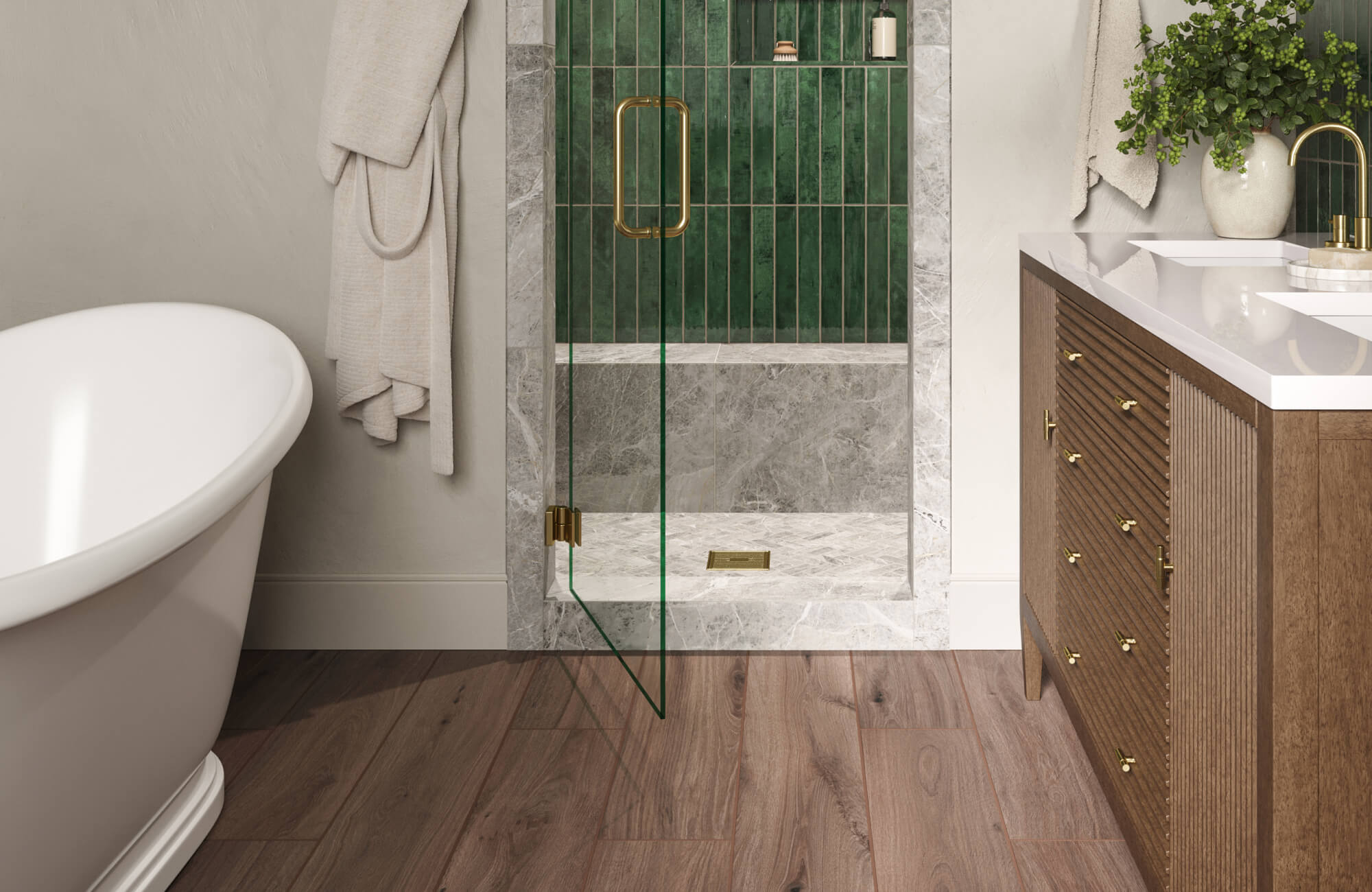
Wood Look Porcelain Planks
Wood look porcelain tiles emulate natural grain with the precision of digital printing, providing warmth without sacrificing durability. When aligned parallel to the longest wall, their linear directionality elongates the visual perspective. This consistent pattern guides the eye continuously, creating motion that expands perceived dimensions. Their nonporous composition also withstands humidity while retaining a realistic wood finish. Moreover, soft tonal variation in each plank adds depth and texture without visual clutter.
As featured in the photo above, the Preston 8x48 Matte Porcelain Tile in Chestnut perfectly illustrates these qualities with its elongated plank shape and rich, natural chestnut hue. Its fine-grained texture and matte finish capture the character of real wood while maintaining the resilience of porcelain. Installed in a running bond or linear layout, it draws the eye effortlessly across the room, enhancing warmth and proportion. The result is a floor that feels grounded yet fluid—uniting natural beauty with modern performance to create a welcoming, visually expanded bathroom environment.
Running Bond and Staggered Layouts
Installing tiles in a running bond layout introduces subtle movement that enhances spatial rhythm. The offset joints break monotony, adding gentle motion to the floor while maintaining cohesion. This arrangement also softens linear rigidity, making the layout feel relaxed and expansive. Moreover, matching grout tones maintains harmony, allowing the pattern to flow uninterrupted. When used with elongated tiles, this rhythm accentuates depth and scale. The result is an effortlessly balanced floor that visually broadens compact interiors.
Geometric and Mosaic Patterns
Thoughtful geometry draws the eye toward craftsmanship rather than confinement. Small-scale patterns introduce texture and artistry that make the floor feel intricate yet harmoniously open.
Micro-Scale Mosaics
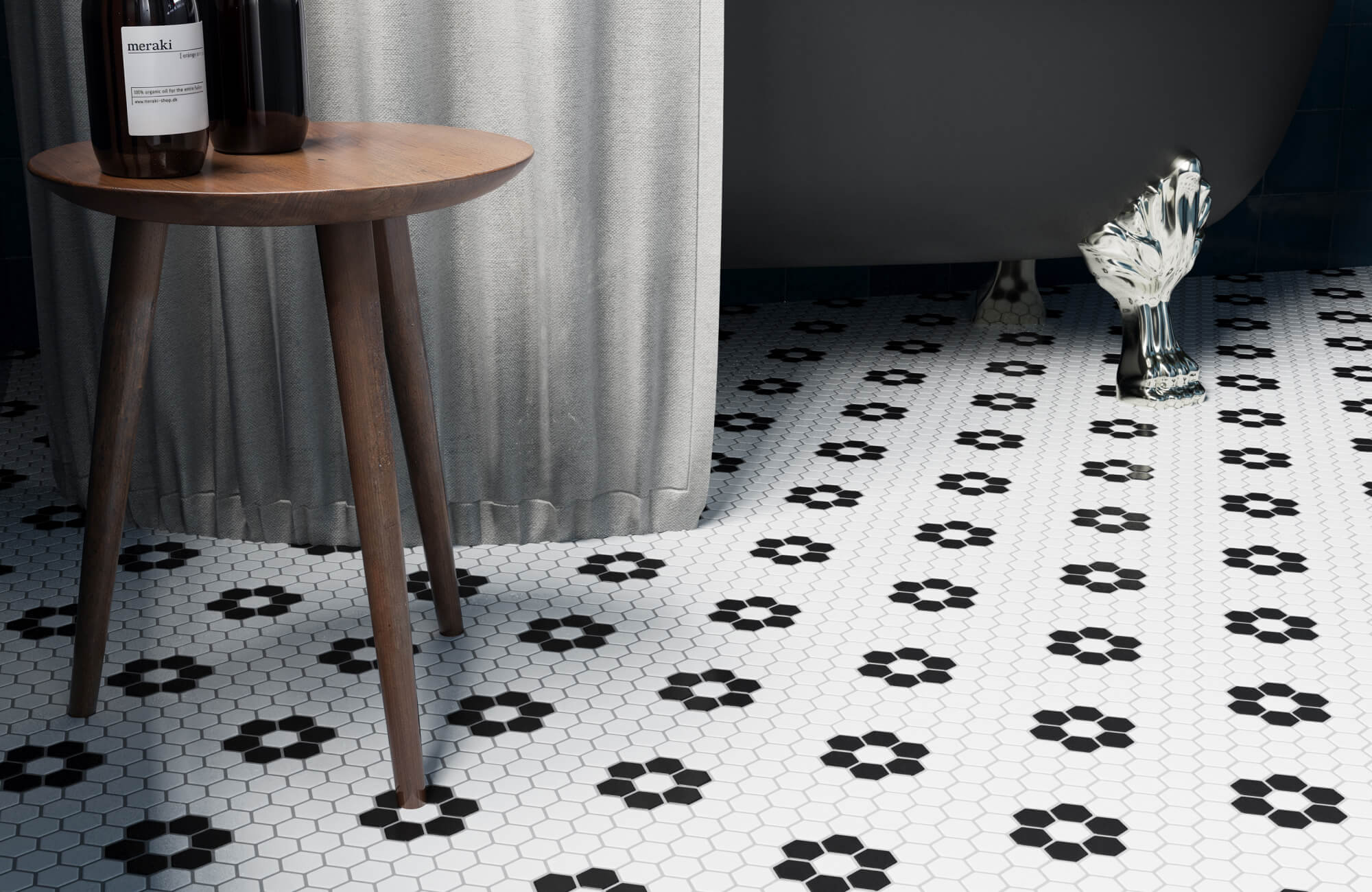
Penny rounds, mini-hexagons, and micro-squares lend a tactile, jewel-like quality to the floor. Their fine scale allows for smooth transitions on slopes and curves, perfect for shower floors and accent zones. When installed in neutral or tonal colorways, they reflect light subtly while maintaining cohesion. The repetition of the pattern also keeps the eye engaged, distributing attention evenly across the surface. High-quality mosaic sheets ensure alignment precision, maintaining symmetry across complex layouts.
Our Quinn 12x12 Matte Porcelain Hexagon Flower Mosaic Tile in Black & White Mix perfectly embodies this timeless look. As displayed in the picture above, its petite hexagonal pieces form a delicate floral motif that adds visual rhythm and nostalgic charm while keeping the layout balanced and unified. The matte finish also gently diffuses light, softening contrast between the crisp white field and bold black accents. Ideal for both classic and modern bathrooms, this design transforms the floor into a refined mosaic canvas that feels intricate yet spacious, proof that small-scale patterning can create a big visual impact.
Controlled Contrast and Zoning
Subtle tonal contrasts can define functional zones without creating visual fragmentation. By varying texture or sheen rather than color, designers achieve depth without abrupt separation. This control of contrast maintains a unified composition while emphasizing focal areas such as vanities or showers. Strategic lighting also enhances these transitions, highlighting form and proportion simultaneously. Moreover, the harmony between geometry, tone, and illumination ensures balance throughout the space. This considered approach transforms visual complexity into understated sophistication.
Design Mastery in Compact Spaces
Transforming a small bathroom into a space that feels open and inviting requires both creativity and technical precision. Every design decision, from tile scale and texture to grout alignment and reflectivity, contributes to how light, form, and proportion interact within the room. By employing large format porcelain, light-reflective finishes, and monochromatic tones, you can create continuity that visually stretches the floor and walls. Integrating seamless transitions and stone look textures also introduces layers of depth without clutter, achieving a balance between softness and structure. When geometry, tone, and material integrity converge, small spaces gain a refined sense of proportion and architectural grace. Ultimately, these techniques transform confined bathrooms into visually expansive environments that express both elegance and efficiency.
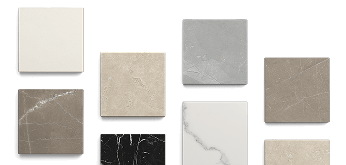
To bring these design concepts from vision to reality, Edward Martin’s Request Tile Sample feature lets homeowners experience texture, tone, and finish firsthand, ensuring every choice feels as right in hand as it does in the overall design!
Follow us on Instagram
@EDWARD.MARTIN
)
)
)
)
)
)
)
)
)
)
)
)
)
)
)
)