Lighting is often seen as a practical necessity, a simple way to banish shadows and navigate a room. But at Edward Martin, we believe it’s so much more than that. The right illumination has the power to transform a space, influencing mood, enhancing textures, and, most importantly, drawing the eye to the pieces you love most. Your favorite vase, a cherished painting, a curated collection, these objects deserve to be seen.
By mastering the strategic use of light, you can turn your home into a gallery, with every piece of decor taking center stage. This comprehensive guide will walk you through the techniques and principles needed to elevate your decor with the masterful use of light.

Mastering the Fundamentals of Directional Lighting
To highlight your favorite décor effectively, it helps to start with directional lighting. By controlling where beams fall, you can guide the eye and give artwork, furniture, or architectural details the attention they deserve.
The Power of Spotlights and Track Lighting
Spotlights and track systems are the backbone of directional lighting, offering precision and flexibility. Adjustable track heads allow for beam spreads ranging from narrow (10–20°) to wide (40–60°), making it possible to target artwork, statement furniture, or architectural details. Dimmable LED spotlights also provide excellent lumen output with energy efficiency, ensuring both control and sustainability.
Wall Washers for Dramatic Visuals
Wall washers create a uniform spread of light across vertical surfaces, minimizing shadows while emphasizing texture and color. Whether used to accentuate exposed brick, stone cladding, or large-scale wall art, these fixtures flatten glare and bring out subtle material variations. Recessed linear wall washers, in particular, deliver seamless illumination that visually expands a space and enhances its architectural rhythm.
Showcase Lighting for Cabinets and Shelves
Integrated showcase lighting adds both utility and atmosphere to cabinetry, shelving, and built-ins. Low-profile LED strips or puck lights can be recessed under shelves, delivering task-friendly illumination while highlighting curated objects. Selecting fixtures with a high color rendering index (CRI 90+) ensures that finishes, fabrics, and collectibles are shown in their true tones. Motion-activated or dimmable options add another layer of customization, enhancing both everyday function and luxury appeal.

Creating Visual Layers with Light
Once you’ve mastered directional lighting, the next step is layering. Combining ambient, task, and accent illumination creates depth and balance, ensuring your décor feels integrated rather than isolated.
Ambient Light as Your Foundation
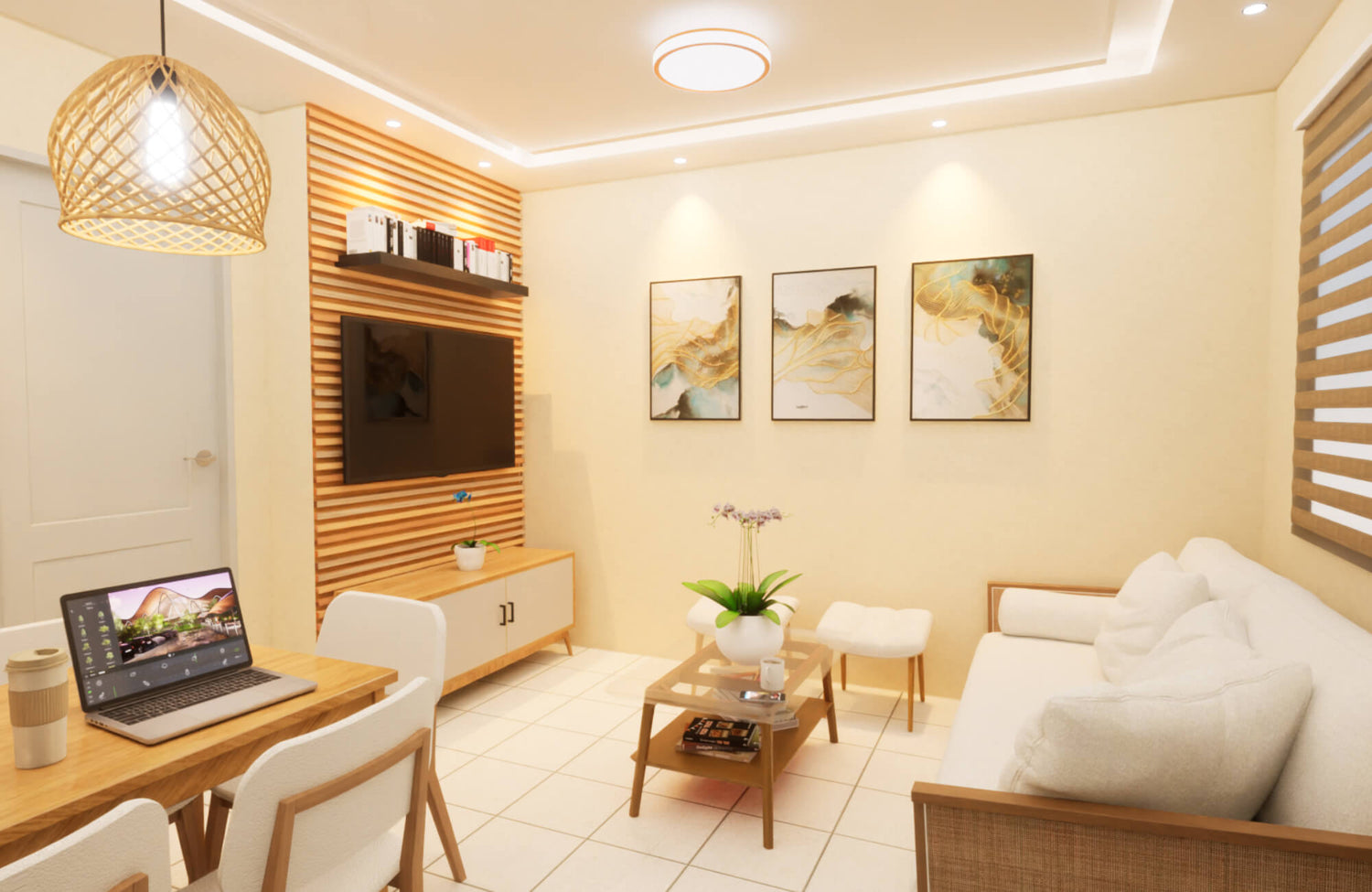
Ambient lighting establishes the baseline level of illumination in a room. Typically provided by ceiling-mounted fixtures, recessed downlights, or cove lighting, this layer ensures even light distribution and minimizes harsh contrasts. Designers often calculate lumens per square foot, known as foot-candles, to determine the right intensity for the room’s size and purpose. For example, living areas may require 10–20 foot-candles, while kitchens benefit from higher levels for safe navigation.
Task Lighting for Functional Elegance
Task lighting delivers concentrated illumination for activities such as reading, cooking, or working. Adjustable desk lamps, under-cabinet strips, and pendant lights above kitchen islands exemplify this layer. Among these, Edward Martin’s Barnes 14" Pendant in Aged Antique Distressed Bronze, shown above, demonstrates how a fixture can balance clarity with design impact, its globe form ensures even light distribution while the aged finish adds refined character to the space. When selected with intention, task fixtures like this provide both functional brilliance and visual harmony, especially when angled or shielded to reduce glare.
The Impact of Decorative and Accent Lights
Decorative and accent lighting adds character and emphasizes design features that define a space. Chandeliers, sconces, and LED strips function not only as light sources but also as focal design elements. Accent fixtures, such as track-mounted spotlights or picture lights, direct the eye toward artwork, architectural niches, or textured walls. With dimming controls and high CRI LEDs, accent lighting enhances visual drama while maintaining color fidelity, giving interiors a polished and dynamic finish.

The Psychology of Light and Color Temperature
Layering is powerful, but the atmosphere it creates depends heavily on color temperature. Understanding how warm and cool tones influence mood allows you to fine-tune lighting choices that both flatter décor and shape the room’s character.
Warm Light for Comfort and Coziness
Warm light, typically between 2,700K and 3,000K, mimics the glow of incandescent bulbs and evening sunlight. This range stimulates relaxation by triggering melatonin production, making it ideal for bedrooms, living rooms, and dining areas where comfort is prioritized. Warm lighting also enhances warm-toned materials, such as wood, leather, or earth-colored textiles, by bringing out their natural richness and creating an inviting, intimate setting.
Cool Light for Modern and Crisp Spaces
Cool light, ranging from 4,000K to 5,000K, produces a bright, energizing effect similar to daylight. It supports alertness and focus by suppressing melatonin, making it a preferred choice for kitchens, bathrooms, offices, and retail spaces. The crisp tone of cooler lighting enhances visual clarity and complements sleek finishes like glass, stainless steel, and high-gloss surfaces. A fixture such as Edward Martin’s Rosa Triangular Pendant in Aged Brass, shown above, illustrates how cool-toned illumination can heighten modern design, pairing sharp geometry with clarity to reinforce a fresh, streamlined aesthetic.
Finding the Perfect Balance for Every Room
While extremes have their place, most homes benefit from layered solutions that blend warm and cool lighting. For example, tunable LED systems allow homeowners to shift from warm evening tones to cooler daytime settings, aligning with circadian rhythms. In multipurpose spaces, dimmers and smart controls provide flexibility, enabling both ambiance and task efficiency. By thoughtfully calibrating color temperature to each room’s function, designers create environments that feel both emotionally supportive and visually coherent.

Creative and Unexpected Lighting Techniques
After exploring fundamentals and psychology, it’s worth considering more experimental approaches. Creative techniques, like unusual angles, shadow play, or portable fixtures, add personality and bring an element of surprise to your design.
Lighting from Unexpected Angles
Departing from the traditional overhead approach, lighting placed at floor level, behind furniture, or within architectural recesses introduces a fresh perspective. Floor-integrated uplights, for example, can graze walls to highlight texture, while backlighting headboards or mirrors creates a floating effect. These techniques add dimension by emphasizing vertical planes and creating subtle layers that shift the visual hierarchy of a room.
The Magic of Shadow Play
Shadows can be as impactful as light itself when strategically designed. Perforated pendants, laser-cut panels, and sculptural sconces cast intricate patterns that animate walls and ceilings, turning illumination into a living artwork. A piece like Edward Martin’s Jodie Wall Sconce in Antique Brass Iron, shown above, brings this idea to life with its elegant form that creates both soft glows and striking silhouettes. By pairing fixtures like this with directional lighting and controlled beam spreads, designers can introduce depth, texture, and atmosphere, transforming simple surfaces into dynamic visual statements.
Portable and Rechargeable Fixtures
Advancements in LED technology and battery efficiency have elevated portable lighting from novelty to necessity. Rechargeable table lamps, cordless sconces, and outdoor lanterns offer flexibility without the constraint of wiring, making them ideal for multifunctional spaces and temporary setups. Many models now include dimming controls, tunable color temperatures, and USB-C charging for convenience. Designers often use these fixtures to add accent lighting in unexpected places, such as bookshelves, side tables, or alfresco dining areas, enhancing adaptability while maintaining aesthetic cohesion.
A Brighter Way to Decorate
Light is one of the most versatile tools in interior design, capable of guiding focus, enhancing textures, and shaping the mood of a space. From accent spotlights that direct attention to art pieces, to wall washers that emphasize vertical surfaces, and integrated LEDs that bring cabinetry to life, each technique adds depth and definition.
Because these choices can feel complex, Edward Martin’s design consultation service offers expert guidance to help you apply lighting with confidence and style. For tailored recommendations, or support with tiles, rugs, or furniture selections, contact Edward Martin for personalized assistance.