Subway tiles are known for their clean geometry, timeless appeal, and practical surface performance, but their simplicity need not feel predictable. With the right combination of layout, grout color, tile finish, scale, texture, and lighting, these classic rectangular tiles can become a refined design feature in kitchens, bathrooms, fireplaces, and accent walls. The key is to treat subway tile as more than a basic wall covering and use it as a design element that shapes proportion, movement, contrast, and visual depth.
Whether the goal is a modern kitchen backsplash, a spa-inspired bathroom wall, or a dramatic tiled fireplace surround, thoughtful installation choices can transform subway tiles into a distinctive architectural detail. This guide explores creative subway tile ideas that make the surface feel more dimensional, personalized, and visually compelling.

The Natasha 2 x 6 Matte Porcelain Tile in Blue Grass showcases the timeless rectangular format that continues to make subway tiles a versatile choice across both classic and contemporary interiors
Why Subway Tiles Have Become a Design Staple
Subway tiles remain a design staple because they balance function, durability, and visual clarity. Originally associated with early 20th-century subway stations, their rectangular format, smooth surface, and easy-to-clean finish made them ideal for public interiors that required both practicality and refinement. Over time, the same qualities made them popular in residential design, especially in kitchens, bathrooms, laundry rooms, mudrooms, and fireplace surrounds. Their simple shape allows them to work with many interior styles, from traditional and transitional spaces to modern, industrial, coastal, and minimalist designs.
Standard Size and Thickness of Subway Tiles
The classic subway tile size is approximately 3 inches by 6 inches, creating the familiar rectangular proportion that defines the look. Today, however, subway tiles are available in elongated, oversized, slim, handmade-look, and mosaic formats, allowing designers to control scale and rhythm more precisely. Larger subway tiles can also create a more seamless and contemporary appearance, while smaller formats emphasize pattern, grout lines, and surface detail. Thickness varies by material and manufacturer, but most subway tiles are designed with a relatively slim profile that supports a clean installation and a refined wall plane.
Material Composition of Subway Tiles
Material selection has a major impact on the appearance, durability, and maintenance of subway tile installations. Ceramic subway tiles, for instance, are widely used because they are accessible, versatile, and available in many colors, glazes, and surface finishes. Porcelain subway tiles, on the other hand, are denser and less absorbent, making them especially suitable for bathrooms, shower walls, kitchen backsplashes, and other moisture-prone areas. meanwhile, glass subway tiles introduce luminosity and reflection, while metal tiles create a sleek industrial or contemporary effect. Natural stone subway tiles, such as marble or slate, bring organic veining and variation, although they require sealing and more careful maintenance because many stones are porous and more vulnerable to scratches or staining.
Versatility and Applications of Subway Tiles
The versatility of subway tiles comes from their ability to shift character through layout, finish, color, and grout selection. A white ceramic subway tile in a classic offset pattern feels crisp and timeless, while the same tile installed vertically can feel taller, cleaner, and more contemporary. In kitchens, subway tiles are often used for backsplashes because they create a durable surface behind counters, ranges, and sinks. In bathrooms, they can cover shower surrounds, vanity walls, tub surrounds, and wainscoting. Beyond these common applications, subway tiles can also frame fireplaces, define niches, highlight bar areas, or create elegant accent walls.

The Merrick 3 x 11 Matte Porcelain Tile in Folk Green illustrates how creative layout patterns can transform subway tile installations into striking architectural focal points
Reimagining Layout Patterns
One of the most effective ways to make subway tiles more interesting is to rethink the installation pattern. Because subway tiles have a simple rectangular format, the layout becomes a powerful design tool that controls movement, proportion, and visual direction. A traditional horizontal running bond offers a familiar and balanced look, but alternative subway tile patterns can make the same material feel more architectural. By adjusting tile orientation, offset spacing, and pattern direction, a wall can appear taller, wider, more dynamic, or more tailored.
Stylish Herringbone Pattern
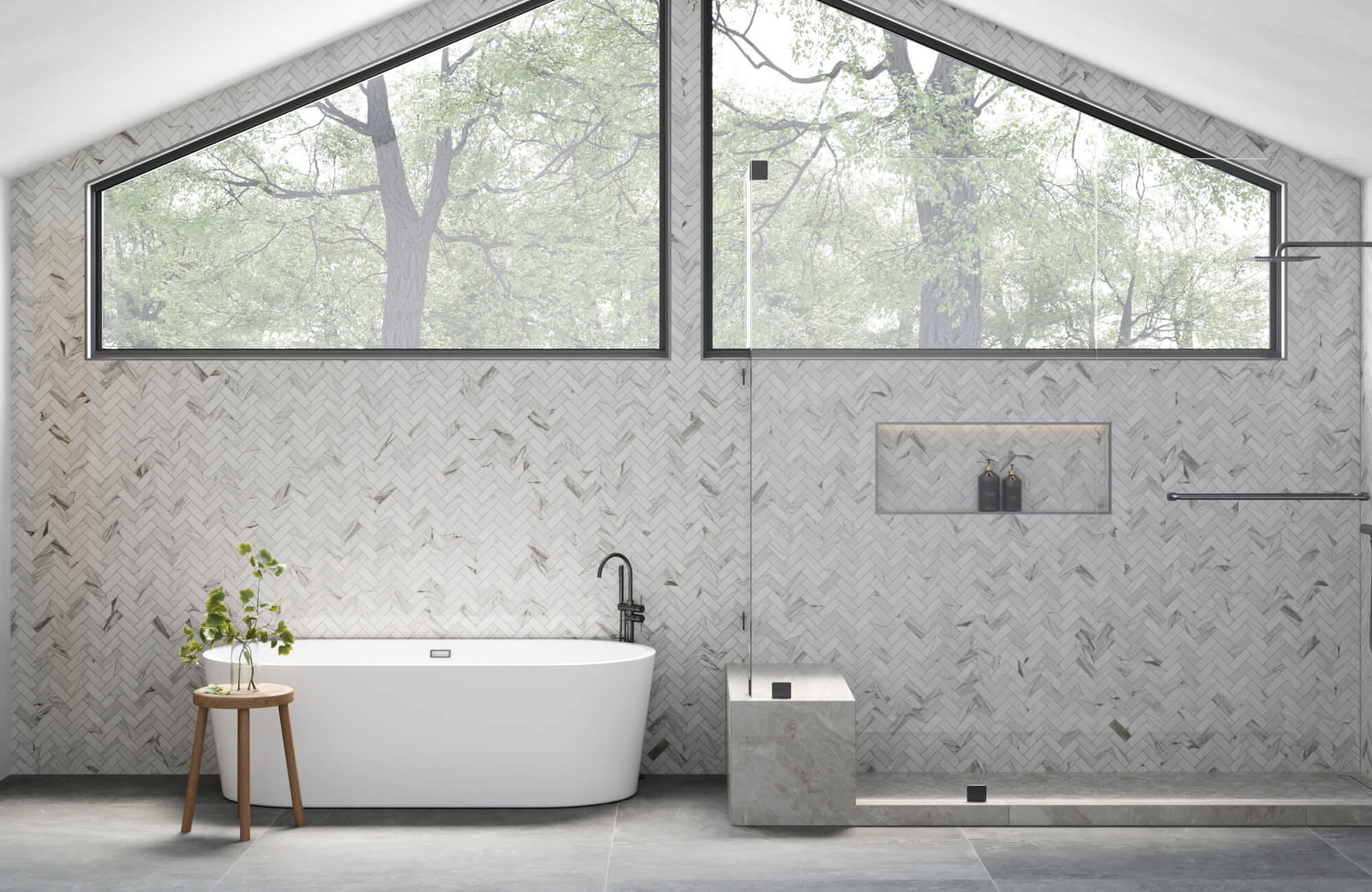
A herringbone subway tile pattern creates a strong sense of movement by arranging rectangular tiles in an angled V-shaped formation. This layout works especially well on kitchen backsplashes, shower walls, fireplace surrounds, and decorative niches because it turns a simple tile into a focal surface. The angled geometry also draws the eye across the installation and adds visual rhythm without requiring a bold color. For a more refined effect, herringbone can be paired with tonal grout, while a contrasting grout color emphasizes each tile and makes the pattern more graphic.
Modern Vertical Stacking Layout
Vertical stacked subway tile creates a clean, contemporary look by placing the tiles upright in straight columns. This installation method visually elongates the wall, making it especially effective in bathrooms, powder rooms, shower surrounds, and compact kitchens where height matters. Unlike a traditional staggered layout, vertical stacking feels precise and architectural because the grout joints align from floor to ceiling. The result is streamlined, modern, and quietly dramatic, especially when paired with elongated subway tiles, matte finishes, or soft neutral shades.
Dynamic Diagonal Installation
A diagonal subway tile installation introduces depth and perspective by shifting the tile grid away from standard horizontal or vertical lines. This layout can make a backsplash, feature wall, or shower surface feel more energetic while still maintaining the clean geometry of subway tile. Diagonal placement is particularly useful when the goal is to create a focal point without relying on bold color or decorative motifs. It also works beautifully with subtle stone-look porcelain, handmade-look ceramic, or glazed subway tiles because the angled format highlights variation in tone, edge detail, and surface reflection.
Subtle Offset or Staggered Pattern
The offset pattern remains one of the most familiar subway tile layouts, but small adjustments can make it feel more intentional. Instead of using the traditional half-offset, a one-third or one-fourth offset creates a softer, more contemporary rhythm. This variation also reduces the predictability of the layout while preserving the classic appeal of rectangular tile. It is a strong choice for kitchen backsplashes, bathroom walls, and laundry rooms where the design needs to feel timeless but not overly conventional.
Combining Layout Patterns
Combining subway tile patterns can create a custom design when handled with restraint and clear transitions. For example, a herringbone backsplash can shift into a vertical stack on an adjacent wall, or a shower niche can use a different orientation from the surrounding field tile. This approach works best when the tile color, finish, or grout tone remains consistent, allowing the layout change to feel deliberate rather than disconnected. By using pattern changes to define zones, frame focal points, or highlight architectural features, subway tiles can feel layered and designer-led.
To enhance your layout design, explore various options and let your creativity shine. Edward Martin's Augmented Reality (AR) tool can help you visualize these layouts in your spaces, making it easier to choose the perfect arrangement for your needs.

The Makenna 3 x 11 Glossy Porcelain Tile in Forest highlights how rich color saturation and a reflective finish can add depth, dimension, and visual character to subway tile designs
Playing with Subway Tile Colors and Finishes
Color and finish can completely change the character of subway tile. While white subway tiles remain a classic choice, today’s designs include warm neutrals, deep blues, soft greens, charcoal tones, earthy clay shades, and layered glaze effects. Finish selection is just as important because gloss, matte, satin, metallic, and handmade-look surfaces respond differently to light. When color and finish are considered together, subway tiles can feel crisp and minimal, warm and organic, bold and graphic, or soft and atmospheric.
Classic Appeal of White Subway Tiles
White subway tiles are timeless because they create a clean backdrop that works across many design styles. Their neutral tone reflects light, brightens the room, and supports both traditional and modern interiors. However, white subway tile does not have to feel plain. It can be elevated with an unexpected layout, a contrasting grout color, a handmade-look surface, or a glossy glaze that adds subtle movement. This makes white subway tile especially effective for kitchen backsplashes, shower walls, and small bathrooms where brightness and versatility are important.
Bold Color Blocking Technique
Color blocking is a modern subway tile idea that uses large areas of contrasting or complementary colors to define a surface. For example, deep navy subway tiles on the lower portion of a backsplash can be paired with soft white tiles above to create structure and contrast. In a bathroom, muted green or clay-toned subway tiles can be used behind the vanity while surrounding walls remain neutral. This technique works well when the color placement follows the architecture of the room, such as cabinet lines, shower zones, ledges, or wall panels.
Creative Ombre Effect
An ombre subway tile design creates a gradual transition from one shade to another, adding softness and visual depth. This effect can be achieved with tiles in different tones of the same color family, such as pale blue to deep blue or ivory to warm beige. Ombre designs work especially well in bathrooms, wet rooms, and feature walls because the gradual tonal shift creates a calming and immersive surface. To keep the look refined, grout should be selected carefully so it supports the color transition rather than interrupting it.
Mixing Colors and Shades
Mixing subway tile colors and shades adds dimension while keeping the overall design cohesive. Analogous colors, such as blue and green or beige and clay, create a harmonious palette, while complementary colors introduce stronger contrast. Even subtle shade variation within one color family can also make a tile surface feel more handcrafted and layered. This approach is ideal for homeowners and designers who want visual interest without committing to a dramatic pattern.
Impact of Tile Finishes
The finish of subway tile affects light reflection, texture, and the overall mood of the room. Glossy subway tiles reflect light and create a polished, luminous surface, making them ideal for kitchens, bathrooms, and compact spaces that benefit from added brightness, while matte subway tiles have a softer, more understated appearance and can make a room feel warmer and more grounded. Metallic finishes introduce shine and sophistication, while handmade-look glazes create tonal variation, softened edges, and artisanal character. Choosing the right finish is essential because it influences both the visual style and the way the tile interacts with surrounding materials.
Combining Different Finishes
Mixing finishes can create a subtle contrast without overwhelming the design. A wall of matte subway tile can be accented with glossy trim, while a glossy backsplash can be grounded with matte floor tile or natural wood cabinetry. The key is to use finish contrast intentionally so the room feels layered rather than visually busy. This technique is especially effective in modern kitchens and bathrooms where texture, sheen, and material balance play an important role in the final design.
To choose the right color and finish with more confidence, high-quality 4" x 4" samples from Edward Martin can help show how the surface responds to lighting, cabinetry, countertops, and surrounding finishes. These samples provide a clearer representation of color, glaze, and texture across each collection.

The Maisie 2.5 x 16 Glossy Ceramic Tile in Pistachio demonstrates how decorative niches and contrasting mosaic insets can introduce visual interest while enhancing functionality
Incorporating Decorative Accents
Decorative accents can add character to subway tile installations when they are integrated with purpose. Rather than adding ornament for its own sake, accents should support the overall design direction, whether that means framing an edge, defining a niche, creating a border, or introducing texture. Borders, mosaics, handmade tiles, decals, and grout contrast can all make subway tiles feel more customized. The strongest results come from using these details in a way that feels connected to the architecture of the room.
Classic Border Tiles
Border tiles offer a traditional way to frame a subway tile installation and create a finished edge. They can be placed at the top of wainscoting, around a shower wall, along a backsplash, or beneath a decorative trim. Simple bands of color also create a tailored look, while patterned borders introduce more ornament and detail. When used thoughtfully, border tiles help define the tiled area and make the surface feel more intentional.
Versatile Mosaic Tiles
Mosaic tiles can add texture, pattern, and scale variation to a subway tile design. They work well inside shower niches, behind ranges, around vanities, or as small accent bands within a larger tile field. A mosaic detail can also soften the repetition of rectangular subway tiles while still maintaining a cohesive material palette. To avoid visual clutter, mosaic accents should relate to the main tile through color, finish, or material family.
Unique Stencil Designs
Stencil designs offer a more decorative way to personalize subway tile, especially in spaces where a temporary or low-commitment update is preferred. They can introduce geometric patterns, vintage-inspired motifs, or custom details over a plain tile surface. For the most polished result, stencil patterns should be scaled to the size of the tile and aligned carefully with grout joints. This approach works best in areas with lighter exposure to moisture and daily wear.
Unique Handmade Tiles
Handmade subway tiles bring depth, variation, and artisanal detail to a surface. Their slightly irregular edges, glaze pooling, and tonal shifts create a sense of movement that machine-perfect tiles may not provide. Handmade or handmade-look tiles are especially effective in kitchens and bathrooms where the design calls for warmth and character. Although handmade tiles can be more expensive, they add dimension and individuality that make the installation feel custom.
Convenient Tile Decals
Tile decals are a simple way to refresh existing subway tiles without replacing the entire installation. Available in geometric, floral, vintage, and contemporary patterns, decals can be used to create a backsplash accent, frame a small area, or test a decorative style before committing to permanent tilework. They are best suited for decorative updates rather than long-term architectural finishes, but they can be useful for renters or quick design changes.
Contrasting Grout Colors
The color of your grout can significantly impact the overall look of your subway tile installation. While white grout is a classic choice, consider using a contrasting color to create a bold statement. Dark grout can make the tiles appear larger and create a modern look, while light gray grout can add a subtle touch of color. Experiment with different grout colors to find the perfect match for your design scheme.

Mixing Materials, Forms, and Textures
Material contrast is another effective way to make subway tiles more interesting. Because subway tiles often have a clean and orderly appearance, pairing them with materials that offer veining, grain, texture, or dimensional variation creates a richer design composition. Natural stone, wood, metal, glass, and stone-look porcelain can all work with subway tile when the colors and finishes feel balanced. The goal is to create contrast without disconnecting the design from the rest of the room.
Creating Eclectic Backsplashes
An eclectic subway tile backsplash can combine ceramic, porcelain, glass, metal, or wood-look accents to create a layered and personalized surface. For example, white subway tiles can be paired with brushed metal details and warm wood shelving for a modern industrial look. A softer approach might combine glazed ceramic subway tiles with marble-look porcelain accents for a refined kitchen or bathroom. The most successful combinations repeat at least one shared element, such as color temperature, finish, or undertone.
Incorporating Natural Elements
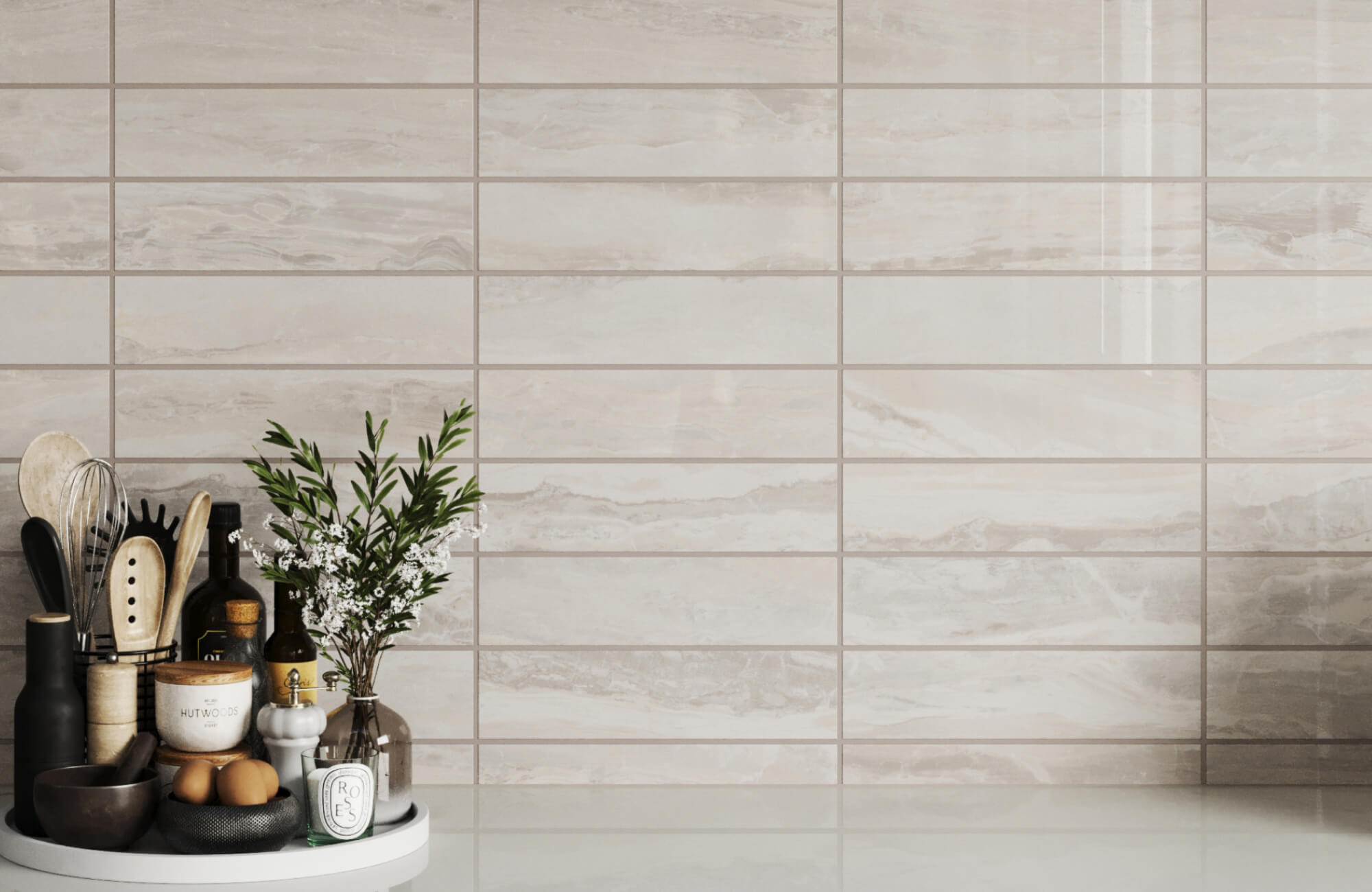
Natural materials bring warmth and organic variation to subway tile installations. Marble, granite, slate, and wood accents can complement the clean geometry of rectangular tile by adding movement, veining, or tactile contrast. However, because many natural stones are porous and require sealing, stone look subway tiles can be a practical alternative. Stone look porcelain or ceramic subway tiles offer the visual richness of natural stone with improved durability, water resistance, and easier maintenance.
Playing with Subway Tile Shapes and Sizes
Changing tile size and proportion can make a subway tile installation feel more custom. Elongated subway tiles create a sleek and contemporary look, while smaller formats emphasize pattern and grout detail. Combining rectangular tiles with square, hexagonal, or mosaic formats can add visual depth when the palette remains cohesive. This approach works well in kitchens, bathrooms, and accent walls where the design benefits from subtle variation in scale.
Adding Depth with Textured Tiles
Textured subway tiles add both tactile and visual dimension. Rippled surfaces, embossed patterns, fluted profiles, beveled edges, and three-dimensional forms catch light differently throughout the day, creating shadows and surface movement. These tiles are especially effective on shower walls, fireplace surrounds, vanity backsplashes, and feature walls where lighting can enhance the relief. When using textured subway tiles, surrounding materials should remain balanced so the dimensional surface remains the focal point.

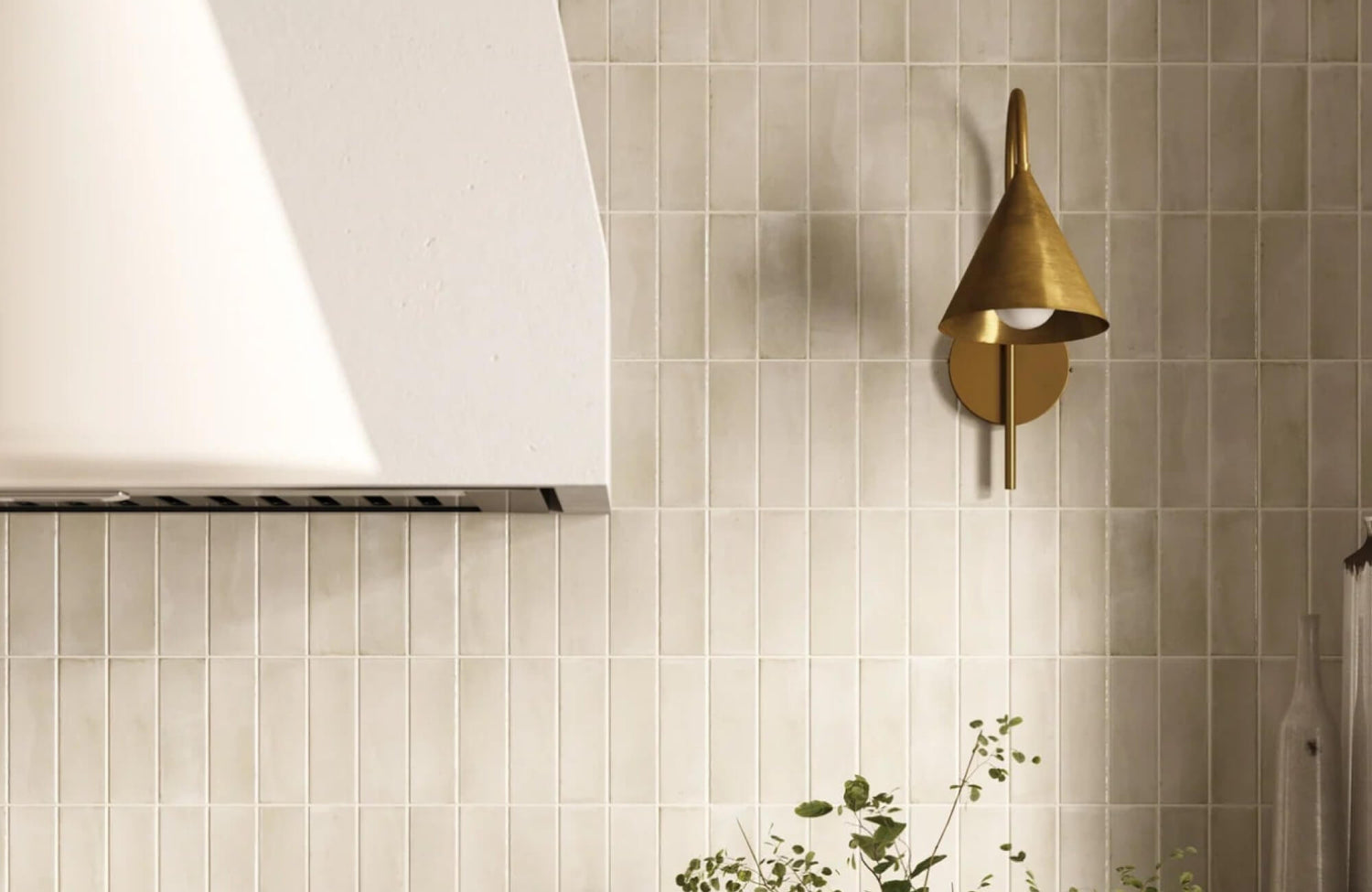
The Claire 3 x 12 Glossy Ceramic Tile in Eggshell paired with the Robbins Pendant in Aged Brass, demonstrates how thoughtful lighting and styling can amplify the texture, sheen, and overall ambiance of a subway tile installation
Lighting and Styling
Lighting can dramatically influence how subway tiles appear in a finished space. A glossy glaze may look bright and reflective under natural daylight, while a matte finish can feel softer and more grounded under warm ambient lighting. Directional lighting can emphasize texture, bevels, and surface variation, while diffuse lighting creates a smoother and more even appearance. Because tile is a reflective and architectural surface, lighting should be considered during the design process rather than added as an afterthought.
Using Recessed and Directional Lighting
Recessed lights can create even illumination across a subway tile backsplash, shower wall, or tiled fireplace surround. When placed carefully, they help reveal the pattern, color, and finish of the tile without creating harsh glare. Directional fixtures can also highlight herringbone layouts, textured surfaces, or decorative accent areas. In kitchens, under-cabinet lighting is especially useful because it brings attention to the backsplash and makes the tile surface feel more dimensional.
Enhancing Tile with Wall Sconces
Wall sconces add both function and atmosphere to subway tile installations. In bathrooms, sconces placed near mirrors can highlight tiled vanity walls while creating a flattering glow. In kitchens or bar areas, sconces can frame open shelving or accent walls and bring warmth to glossy or matte subway tiles. The finish of the fixture should relate to surrounding hardware, faucets, or cabinet pulls so the lighting feels connected to the rest of the room.
Styling Around Subway Tile
Styling helps complete the visual story of a subway tile installation. In kitchens, open shelving, ceramic vessels, brass fixtures, wood accents, and natural stone countertops can soften the clean geometry of the tile. In bathrooms, mirrors, towels, plants, and textured accessories can bring warmth and contrast to tiled walls. The key is to support the tile design rather than compete with it, allowing the pattern, finish, and material palette to remain visually clear.
Transforming Subway Tiles from Ordinary to Extraordinary
Subway tiles become more interesting when every design choice works together, from layout and grout color to finish, texture, lighting, and surrounding materials. A simple white subway tile can feel classic, modern, or dramatic depending on how it is installed, while colored, textured, or stone-look subway tiles can create a more distinctive focal point. By paying attention to scale, surface variation, joint alignment, material contrast, and lighting temperature, subway tiles can move far beyond their traditional role as a basic wall covering.