Bathroom vanity cabinets play a far greater role in design than many realize. Beyond storage, they shape how a bathroom functions, how it feels to move through, and how the entire space visually comes together. Because the vanity typically sits at the center of the room, its size, placement, materials, and proportions influence everything from spatial flow to daily comfort. When chosen thoughtfully, it becomes the element that quietly organizes both form and function.
At the same time, a vanity cabinet reflects personal priorities. It can express architectural intent, support everyday rituals, and establish a lasting design identity. Understanding how different vanity styles, finishes, layouts, and construction choices affect the room allows you to move beyond surface-level aesthetics. As you read on, you’ll see how the right vanity cabinet can transform a bathroom into a space that feels intentional, balanced, and deeply connected to how you live.

Architectural Geometry and the Mastery of Spatial Flow
How your vanity is positioned within the room influences not just the design but the way you interact with the space. Its scale, clearance zones, and orientation play a direct role in how easily you move through your bathroom, shaping everything from your morning routine to how the space feels overall. Choosing the right footprint means creating flow that supports comfort, purpose, and visual balance.
Modern Minimalism via Wall-Mounted Floating Units
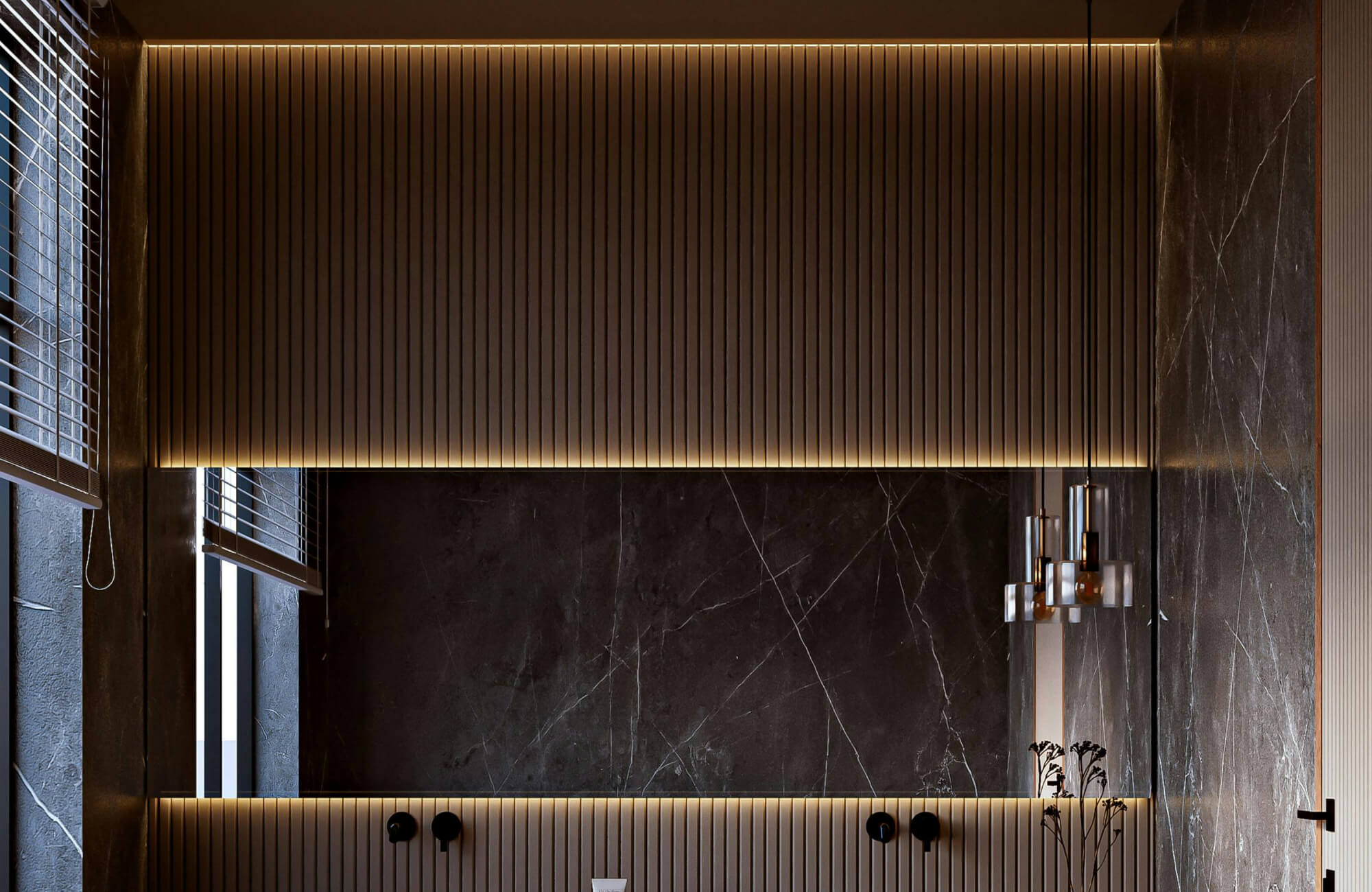
A floating vanity offers more than just a sleek look. It creates an open, weightless feel that visually expands the room. By lifting the cabinet off the floor, you open up sightlines and increase the sense of airiness, especially valuable in tight or narrow bathrooms. This "continuous floor" effect allows tile or wood finishes to run uninterrupted beneath the vanity, which not only elongates the space visually but makes cleaning easier. The negative space underneath the unit also improves ventilation and can help distribute natural and artificial light more evenly throughout the room.
To make the most of this modern aesthetic, it’s important to plan the installation carefully. Floating vanities must be anchored securely to internal wall blocking or studs to support the combined weight of the cabinet, countertop, and sink. If you're adding a vessel sink or heavy stone top, weight distribution becomes even more important. Although the result is minimal in appearance, it demands maximum precision during planning and installation. When properly executed, a wall-mounted vanity like our Royce 48" Single Vanity in Chestnut with 3 cm White Zeus Quartz Top, shown in the image above, gives your bathroom a tailored, contemporary edge that feels refined and intentional.
Anchoring Large Rooms with Furniture-Style Pieces
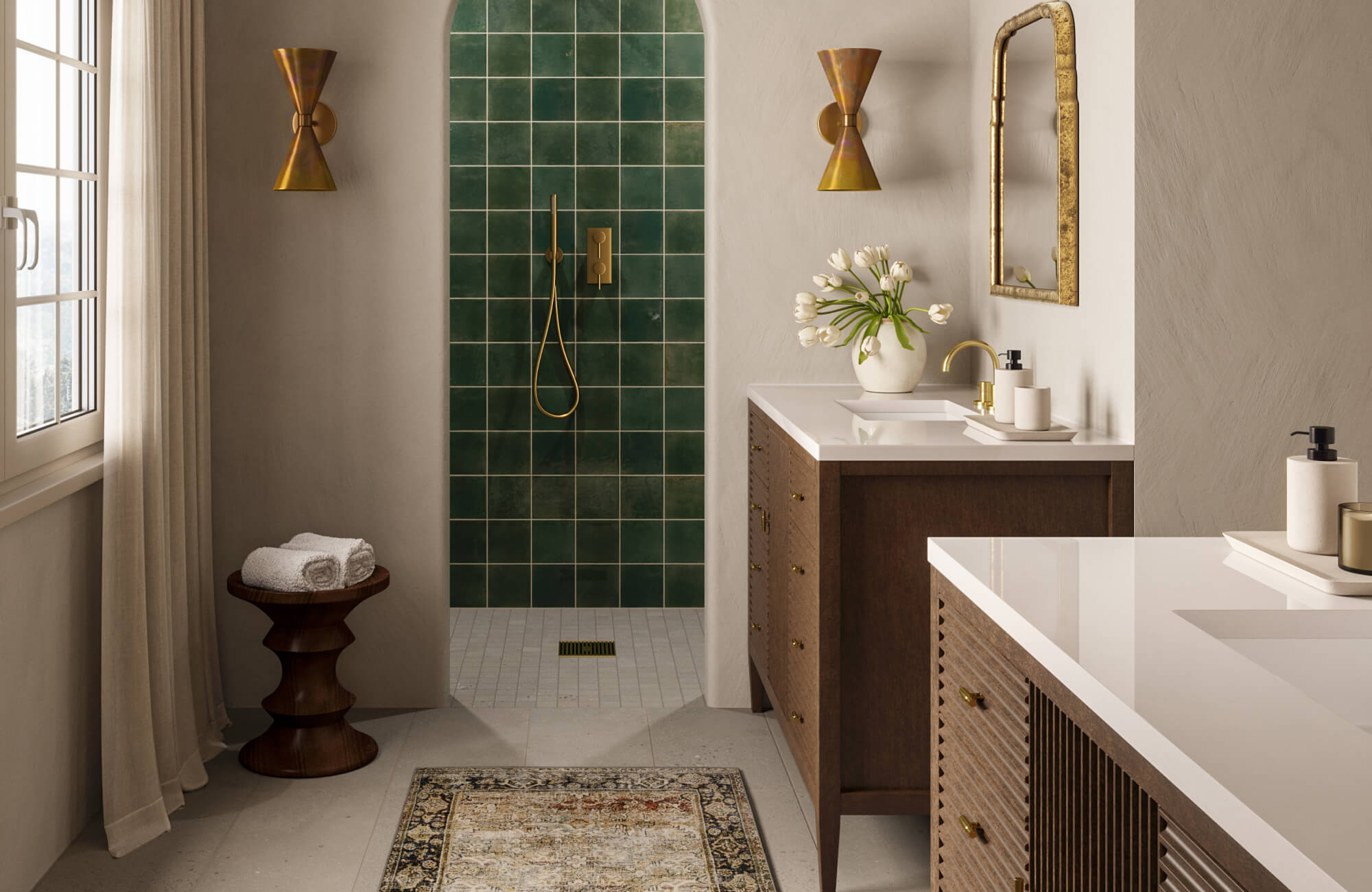
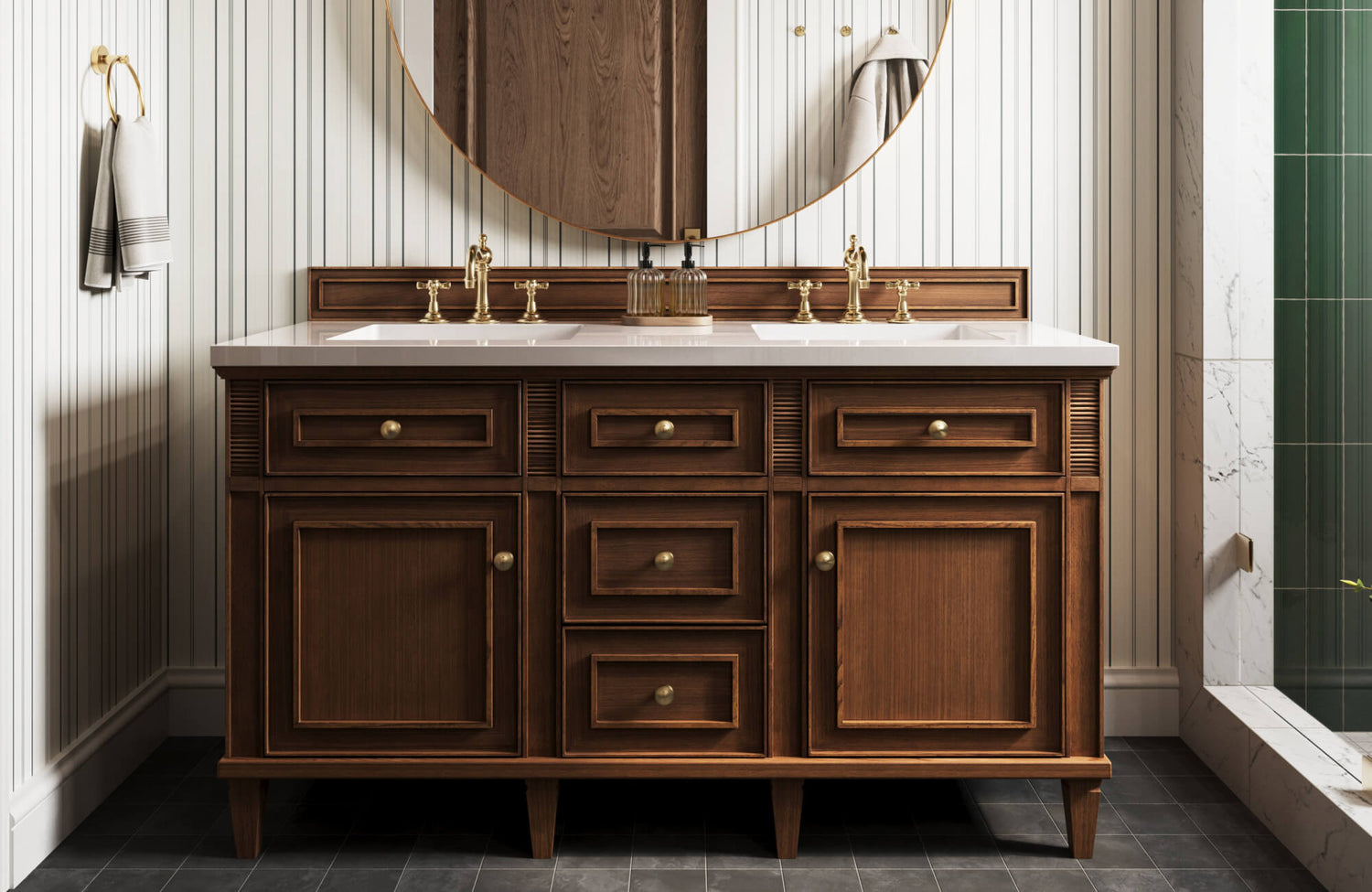
For larger bathrooms, particularly in primary suites, a furniture-style vanity creates a sense of grounded elegance. These full-height cabinets resemble freestanding dressers or sideboards and often feature base detailing like legs or plinths that add visual substance. Their presence helps anchor open floor plans and fills negative space with warmth and architectural weight. In expansive bathrooms, where a floating vanity might appear too insubstantial, these grounded units provide a necessary sense of proportion and permanence.
The scale of these vanities also lends itself well to stylistic detailing such as raised panel fronts, turned legs, or vintage-inspired hardware. This makes them especially suited to transitional or traditional design schemes, where character and texture play a central role. More than just storage, a furniture-style vanity becomes a centerpiece that defines the tone of the room, giving it a luxurious, curated feel. And because they sit directly on the floor, they’re also practical for maximizing interior storage, particularly in bathrooms that require ample space for linens, bulk toiletries, or grooming tools.

Setting the Chronological Tone through Material and Finish
Your bathroom vanity is more than a storage unit; it’s a visual storyteller. The material and finish you choose establish the design era and personality of your space, influencing everything around it. Because the vanity sits at eye level and often acts as the focal point, its surface becomes a primary driver of atmosphere, tying together tile selections, hardware finishes, and mirror styles into a cohesive narrative.
Raw Textures and the Rise of Biophilic Design
Natural textures like open-grain oak, reclaimed wood, or sandblasted finishes bring warmth and tactile richness to your bathroom. These surfaces invite touch and visual interest, softening the overall look of a space filled with smooth, hard materials like tile, porcelain, and glass. Vanities such as our Trisha 48" Single Vanity in Whitewashed Walnut with 3 cm White Zeus Quartz Top, seen in the photo above, embody this balance beautifully, pairing a softly textured wood finish with a clean, stone surface to create an organic yet refined focal point. When you introduce raw or minimally treated wood, you add an organic counterpoint that encourages relaxation and connection to nature, core principles of biophilic design.
This shift toward raw textures also supports longevity. These finishes don’t aim for flawlessness; instead, they embrace aging with grace, developing patina and deepening in character over time. Combined with a muted color palette and soft, ambient lighting, textured vanities help establish a restorative atmosphere that feels curated but never sterile. If you’re aiming to create a spa-like escape within your space, this approach offers both authenticity and enduring appeal.
Glossy Lacquer for Contemporary Urbanity
If you prefer a more refined, contemporary look, glossy lacquer or thermo-structured laminate delivers polish, both literally and figuratively. These sleek finishes reflect light beautifully, making them ideal for bathrooms where natural lighting is limited. By bouncing ambient and task lighting across the room, a glossy vanity surface visually expands the space and enhances brightness, lending a crisp, modern edge to the design.
These vanities also tend to favor minimalism in form, often featuring push-to-open drawers or integrated pulls to maintain a clean, uninterrupted silhouette. This makes them especially well-suited for urban apartments or modern homes where simplicity and efficiency are key. Beyond their visual sharpness, these surfaces are practical too—the non-porous finish resists moisture and wipes clean with ease, supporting a streamlined lifestyle that’s as functional as it is sophisticated.

Ergonomic Engineering and the Science of Daily Rituals
At its core, a bathroom vanity proves its worth not just through appearance, but through how naturally it supports your daily movements. Ergonomic design considers how your body interacts with the space, from posture and reach to overall comfort during routine tasks. As a result, modern vanity standards have evolved to better align with the human form, helping reduce strain and fatigue during activities like brushing, washing, or grooming. By prioritizing comfort-focused dimensions, today’s vanities transform everyday rituals into smoother, more intuitive experiences that feel effortless rather than demanding.
At the same time, ergonomic engineering now extends beyond height and posture to address how we use tools in our daily routines. Thoughtfully integrated storage with built-in power access allows grooming devices to be charged, stored, and used right where they’re needed, all while keeping surfaces clear and safe. This seamless integration of connectivity enhances both convenience and safety, especially in moisture-prone environments. Together, these ergonomic advancements create a vanity that works in harmony with your habits, supporting comfort, efficiency, and long-term well-being throughout every stage of daily life.
These principles are especially impactful in shared spaces, where thoughtful proportions and accessibility matter even more. A double vanity like our Bridgette 60" Double Vanity in Smokey Celadon with 3 cm White Zeus Quartz Top, featured above, demonstrates how ergonomic design and aesthetic balance can coexist. With ample counter space, balanced sink placement, and storage that keeps daily essentials within easy reach, it supports simultaneous use without crowding, allowing morning and evening routines to unfold with ease and comfort.

Tailoring Functionality through Custom Internal Layouts
The interior of your vanity often determines how well your bathroom actually functions. Although the exterior sets the tone for the room’s style, what’s behind the doors drives daily convenience. A thoughtfully designed internal layout can reduce clutter, speed up your routine, and help maintain a clean, composed space, all without sacrificing accessibility.
Vertical Storage Maximization with Pull-Out Towers
Pull-out towers are one of the most effective ways to take advantage of vertical storage in deep or narrow base cabinets. These slim, full-height organizers slide out completely, giving you clear visibility and access to everything inside. They’re especially useful for items like tall bottles, styling sprays, or bulkier skincare products that typically get lost in traditional drawers. With adjustable dividers or tiered shelving, you can also separate products by use or user, keeping everything neatly in place.
This setup is particularly helpful in vanities that need to serve multiple functions in a tight footprint. Rather than digging through a crowded drawer or rearranging items daily, pull-out towers let you organize by category, making your morning routine more intuitive and less frustrating. Plus, because they extend fully, you're less likely to forget what you have, helping reduce product waste and duplicate purchases.
Dedicated Grooming Zones for Couples
In shared bathrooms, managing personal space is key to staying organized. Creating defined grooming zones within a double vanity allows each person to have their own set of drawers or cabinet compartments. By using a central tower or dividing structure, you gain separation while still maintaining a unified design. Each zone also becomes a personal station, complete with dedicated storage for individual tools, products, and accessories. Designs that incorporate balanced sink spacing and generous storage, such as our Sasha 72" Double Vanity in Carbon Oak with 3 cm White Zeus Quartz Top, seen above, make it easier for two users to function independently while still sharing a cohesive design.
This approach not only keeps your side tidy but also minimizes overlap during busy routines. No more swapping items back and forth or digging through shared drawers. It’s a practical solution that respects different habits and preferences while bringing structure to a shared space. With a layout tailored to two users, your vanity becomes more efficient, more harmonious, and ultimately more enjoyable to use.

Color Psychology and Visual Impact
The color of your vanity cabinet plays a powerful role in shaping how the bathroom feels, both emotionally and visually. Because the vanity sits at eye level and often serves as the room’s focal point, its hue can energize, ground, or soothe depending on how it interacts with light, space, and surrounding materials. Whether you want your bathroom to feel airy and expansive or bold and dramatic, the color you choose becomes the defining emotional driver.
Moody Tones and Sophisticated Drama
Dark, saturated colors like deep navy, charcoal, or forest green introduce a sense of depth and moodiness that can transform an ordinary bathroom into a rich, cocoon-like retreat. These tones absorb more light, which helps temper the brightness in large or overly sterile spaces, lending a grounded, intimate feel. They also work beautifully in rooms where you want to create a sense of architectural weight and distinction, such as a primary bath with generous proportions. Compact designs such as our Sasha 36" Single Vanity in Carbon Oak with 3 cm White Zeus Quartz Top show how black finishes can add architectural presence even in smaller layouts without overwhelming the room.
To keep the space from feeling overly heavy, pairing dark vanities with light stone countertops or luminous hardware adds just the right contrast. Bright accents like polished brass, unlacquered gold, or glossy ceramics also cut through the darkness and offer clarity where needed. The result is a vanity that feels dramatic but balanced, an intentional style statement that’s both luxurious and livable.
Light Hues for Airy Perceptibility
In smaller bathrooms or spaces with limited natural light, lighter vanity colors offer an effective way to visually expand the room. Shades like pale oak, cream, and soft grey reflect more ambient light, enhancing brightness and eliminating shadows that can make a space feel cramped. These hues are especially useful in powder rooms or narrow layouts, where every inch of perceived space matters. A vanity like our Bridgette 60" Double Vanity in Bright White with 3 cm White Zeus Quartz Top, displayed above, exemplifies this approach, using a crisp finish and clean lines to create a fresh, open feel.
When light-toned vanities are color-matched or closely coordinated with wall finishes, the boundaries between surfaces start to blur. This creates a seamless, almost weightless effect that makes the room feel more open and calming. The palette supports a clean, minimal aesthetic while also evoking freshness and hygiene, ideal for bathrooms where clarity and comfort go hand in hand.
The Synthesis of Form and Function
Ultimately, bathroom vanity cabinets influence design by uniting structure, comfort, and visual expression into a single, defining feature. When spatial planning, material choices, ergonomic details, and color psychology work together, the vanity becomes more than a focal point. It becomes a functional anchor that supports daily routines while reinforcing the room’s character. By approaching vanity selection with both practicality and intention, you create a bathroom that feels cohesive, purposeful, and enduring. In doing so, the vanity cabinet transforms the space into one that not only looks refined but also functions effortlessly and stands the test of time.
To ensure every element aligns seamlessly with your vision, expert guidance can be invaluable. Whether you’re weighing layout options, refining material selections, or tailoring storage to your needs, our team is ready to help you navigate each decision with confidence. By reaching out through our contact page, you can access personalized support that helps translate design intent into a vanity solution that truly works for your space.