Wood look ceramic tiles bring together the classic charm of hardwood and the lasting strength of tile, making them a popular choice for many homes. If you're considering this option, one question probably comes to mind: “Do I need grout?” It’s a valid question, especially when you're going for a smooth, uninterrupted look. In this article, we’ll break down what grout does and help you decide how it fits into your wood look tile installation, from both a practical and design perspective.

How Ceramic Wood Look Tile Is Manufactured
While ceramic wood look tiles closely mimic the appearance of real hardwood, the way they’re built is completely different. Understanding their construction gives us a clearer picture of why certain installation steps, like using grout, aren’t just suggested, but often essential.
How It’s Made
Every ceramic wood look tile begins with a clay base, shaped into planks that mirror the size and form of real wood. From there, a high-resolution digital print of natural wood grain is applied, giving each piece its realistic appearance. To ensure long-term durability, the tiles are then sealed with a protective glaze and fired at high temperatures in a kiln.
However, this firing process can lead to slight variations in tile dimensions. Although these differences may be unnoticeable at first glance, they can also affect how the tiles line up during installation. Without spacing to account for these inconsistencies, even carefully placed tiles can appear uneven or misaligned once the job is complete.
Edges and Rectification
As you explore tile options, it’s worth paying close attention to the edges. Rectified tiles are precisely trimmed after firing to achieve uniform dimensions and crisp, straight edges. This consistency allows for very narrow grout joints, sometimes as slim as 1/16 inch, making it easier to achieve a smooth, wood-like finish.
In contrast, non-rectified tiles have slightly rounded edges and natural size variations due to the firing process. These slight variations also require a wider grout line to maintain an even, visually consistent layout. If you're going for that tight, hardwood-inspired look, rectified tiles are the way to go. Still, even with their precision, grout remains essential to keep the installation stable and long-lasting.

The Role of Grout in Tile Installations
Grout does more than influence the look of your space; it also absorbs movement, seals out moisture, and keeps debris from collecting between tiles. Understanding how it works helps explain why it’s essential for a durable, long-lasting installation.
Movement and Flexibility
Over time, every home naturally shifts as walls expand, contract, and respond to changes in temperature and humidity. That’s where grout plays a key role. It acts as a cushion between tiles, absorbing these subtle movements and preventing them from pressing against each other. Without that buffer, tiles are more likely to crack or loosen under stress. In this way, grout works like a flexible joint, allowing your wall installation to adapt without compromising its integrity.
Moisture Protection
Moisture is a constant factor in areas like kitchens, bathrooms, and mudrooms. That’s why grout is essential; it fills the gaps between tiles, keeping water from seeping beneath the surface where it could lead to mold, mildew, or damage to your subfloor. Even with a tight tile layout, tiny spaces can still allow moisture to sneak in over time.
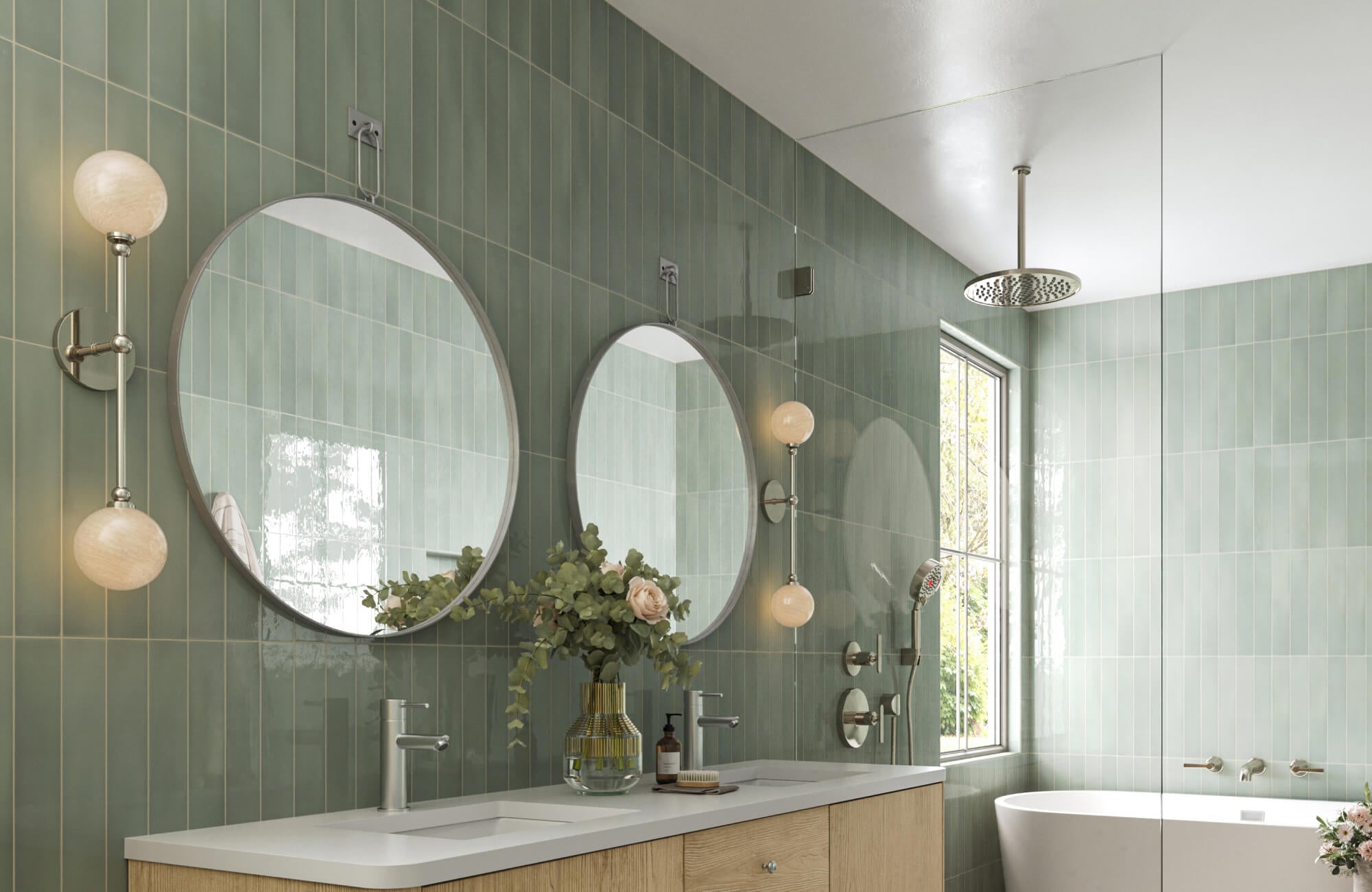
Take the photo above, for example. The shower area features Edward Martin’s Zayne 12x36 Matte Ceramic Tile in Slat, a sleek wood looking tile that blends warmth with durability. Although the design looks clean and modern, especially paired with the deep green wall tile, it’s the grout between those ceramic tiles that works quietly in the background. It forms a reliable moisture barrier, helping preserve the beauty and integrity of both the tile and the room it anchors.
Dirt and Debris Prevention
Another commonly overlooked benefit of grout is its ability to keep everyday messes under control. Without it, even narrow joints between wall tiles can quickly collect dust, grime, and moisture, turning into hard-to-clean crevices. Over time, this buildup not only affects the wall’s appearance but also adds unnecessary effort to your cleaning routine. With properly grouted joints, the surface remains smoother and much easier to maintain with regular wiping or spot cleaning.

Can You Install Ceramic Wood Look Tile Without Grout?
We know the appeal of going groutless, continuous lines, natural wood imitation, and a streamlined appearance. But skipping grout is a bigger risk than it may seem. Let’s take a closer look at what happens when you try to go without it.
Tile Spacing Requirements
Let’s start with what the manufacturers and the building codes require. Most ceramic tile producers recommend a minimum grout joint, typically around 1/16 to 1/8 inch for rectified tiles. These standards aren’t just suggestions; they’re in place to ensure a safe, stable installation. Ignoring them can lead to more than just uneven results; it may cause structural issues and even void your warranty, leaving you unprotected if problems arise later.
If you’re after a nearly seamless visual without sacrificing code compliance, you can achieve that look with our Zayne 12x36 Matte Ceramic Tile in Slat. Its rectified edges and tight, continuous design make it possible to use ultra-slim grout joints, blending the lines and giving you that grout-minimized aesthetic, without cutting corners on performance.
Alignment and Lippage Issues
No matter how precisely they’re made, no two tiles are exactly alike. Small inconsistencies in height or size can lead to lippage, where one tile edge sits slightly higher than the one next to it. Grout helps minimize the appearance of these variations, creating a smoother, more even surface. Without it, even a carefully installed wall can end up with visible unevenness that disrupts the overall look and feel.
Cleaning and Maintenance Concerns
While groutless tile may seem like a cleaner look, it often results in more work over time. Even tiny, unfilled gaps between tiles can trap dust, moisture, and grime, especially in kitchens or bathrooms. Because there’s no grout line to seal those joints, cleaning becomes more difficult and less effective. Over time, this buildup can dull your tile edges and leave surfaces looking messy rather than modern. If hygiene and easy upkeep are important to you, skipping grout could be a costly compromise.

Choosing the Right Grout Color and Width for a Realistic Look
We often remind our customers that grout doesn’t have to stand out; it can blend in seamlessly with the right choices. The key is selecting a grout color and joint width that complement your wood look tile and support the overall look you’re aiming to achieve. When done right, grout also enhances the design rather than drawing attention away from it.
For the best outcome, especially when working with specific tile types or unique layouts, it’s always best to consult with a professional installer who can recommend the most effective combination for your space.
Matching Grout to Tile
To achieve that seamless wood look finish, it’s important to choose a grout color that closely matches the main tone of your tile. This minimizes visual contrast and helps the grout lines blend in, making them far less noticeable. It’s often recommended to use soft neutrals like warm browns, beiges, or subtle greys, depending on the specific wood pattern you're working with. These shades keep the focus on the tile itself while maintaining a cohesive, natural appearance.
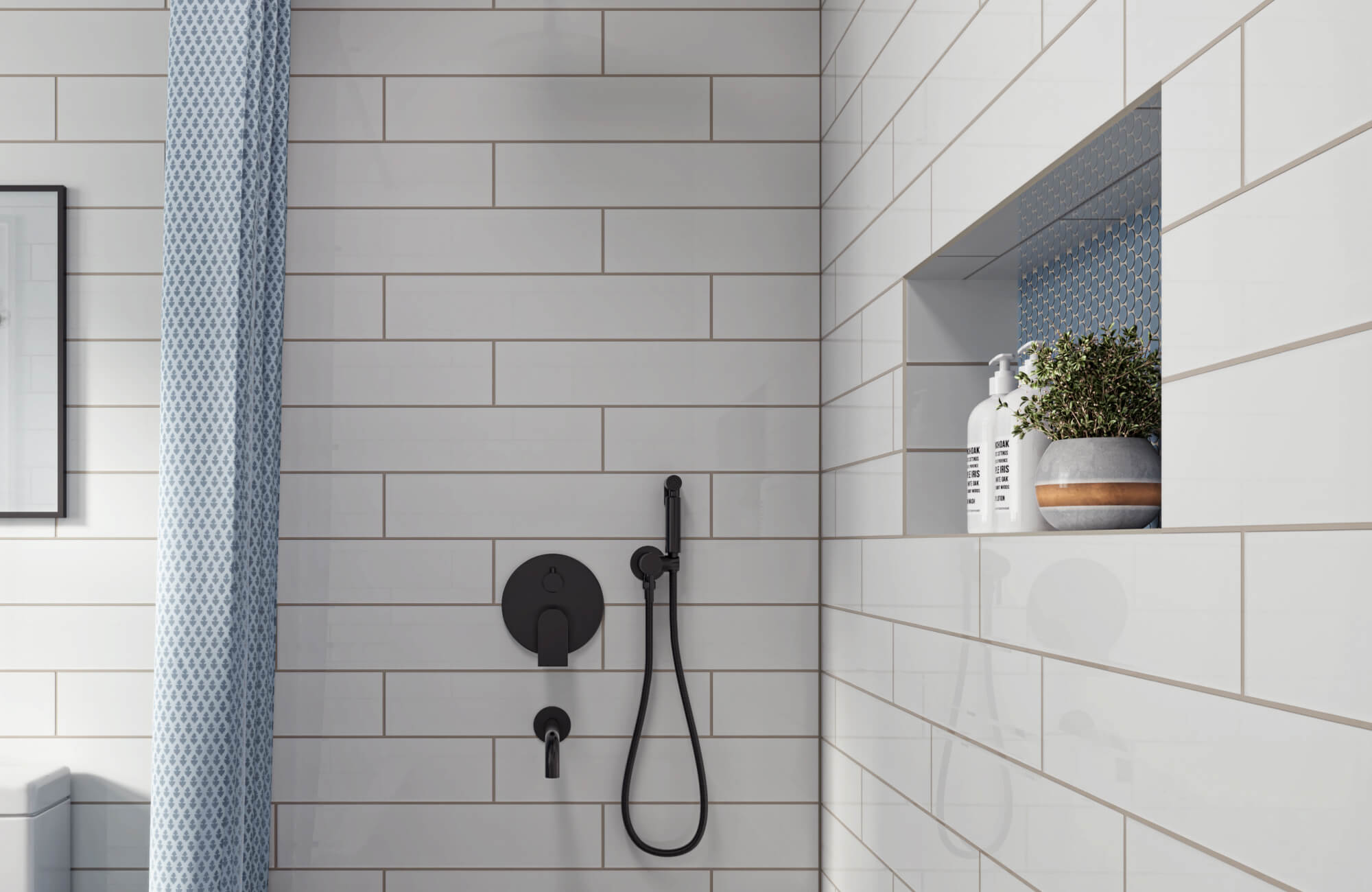
In the photo above, the shower wall features Edward Martin’s Jameson 12x36 Matte Ceramic Tile in Camel Deco, where the soft, camel-toned grout beautifully complements the warm vertical tile design. The close match between tile and grout allows the eye to focus on the texture and pattern rather than the grout lines, creating a fluid, uninterrupted look. This pairing showcases how a thoughtful grout choice can elevate the overall design without drawing attention away from the tile’s wood-inspired character.
Narrow Grout Lines
If you're aiming for a true hardwood look, tighter grout joints are the way to go, typically around 1/16 to 1/8 inch. These slim lines closely resemble the subtle seams you’d find between real wood planks, helping the tile layout feel more cohesive and authentic. When paired with rectified tiles, this narrow spacing still gives grout enough room to function properly, all while maintaining the clean, uninterrupted look that makes wood-look tile so appealing.
Stain-Resistant Grouts
Although color plays a big role in how your grout looks, performance is just as important, especially over time. Choosing a stain-resistant grout helps preserve a clean, uniform appearance, even in areas that are used often. Epoxy and urethane grouts are great options, offering excellent stain resistance and requiring far less upkeep than traditional cement-based varieties. If you're tiling a kitchen backsplash, bathroom wall, or any heavily used vertical surface, these low-maintenance solutions can help your walls stay fresh and polished with minimal effort.

Grout Alternatives and Innovative Installation Trends
While traditional grout is still widely used, newer installation methods offer fresh ways to achieve a clean, seamless wood look wall. If you're exploring modern options, there are several innovative alternatives worth considering.
Pre-Grouted or Click-Lock Systems
For those looking to simplify the installation process, some tile systems now come with pre-applied grout or click-lock edges that remove the need for separate grouting altogether. These options are especially appealing for DIY projects or when you're working with a tighter timeline. They combine the straightforward installation of laminate with the strength and style of tile, making them a convenient choice for low-moisture areas such as bedrooms, home offices, or accent walls in living spaces.
Flexible Sealants
In areas where moisture isn’t a major concern, like hallways, entryways, or mudrooms, a flexible, color-matched sealant can also be a smart alternative to traditional grout. These sealants offer a smooth, streamlined look while still allowing for slight movement between tiles, which helps prevent cracking or shifting over time. However, it’s important to note that they aren’t designed for wet environments and may not provide the same long-term durability in those conditions.
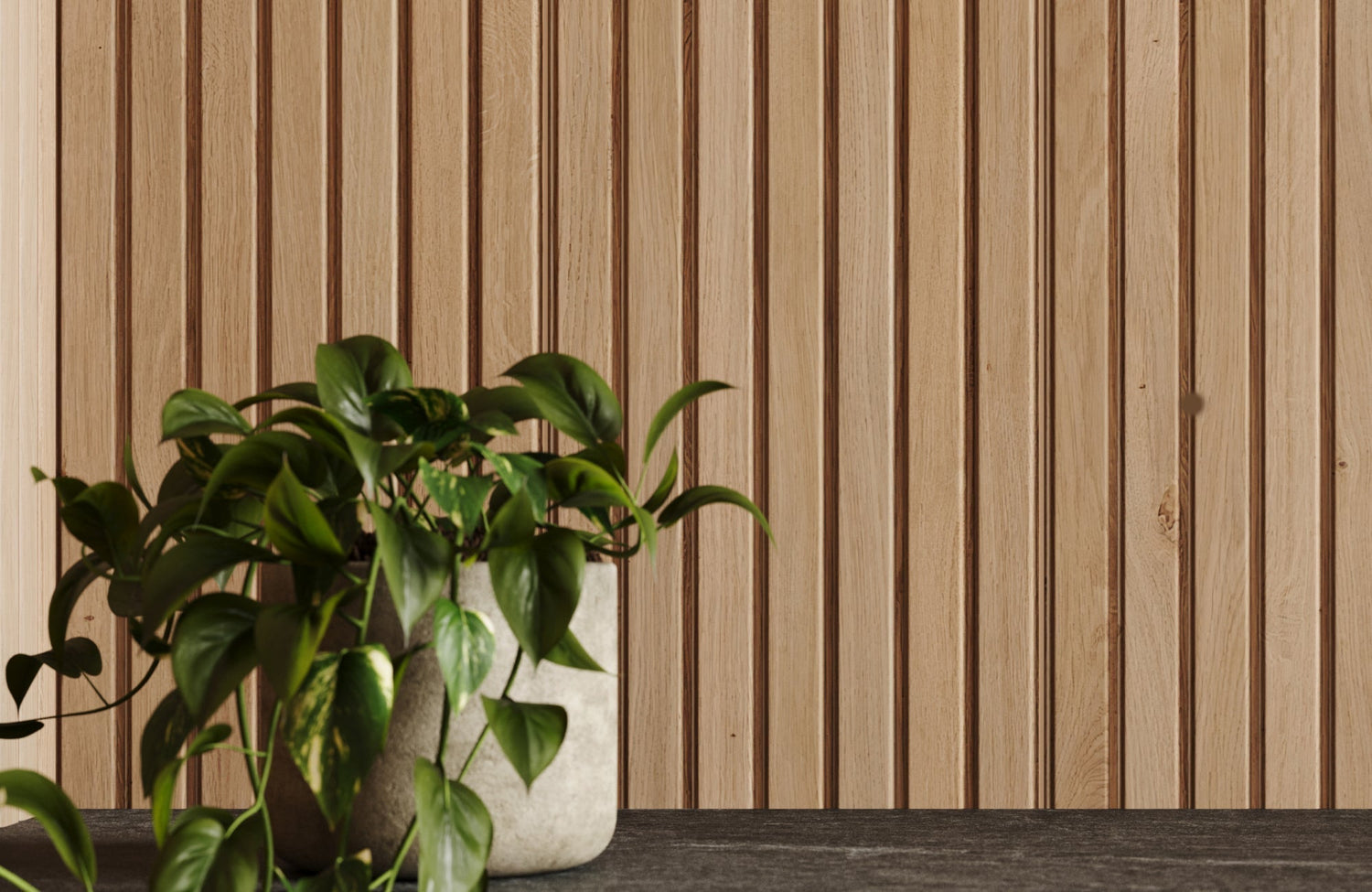
In the photo above, you can see how beautifully Edward Martin’s Zayne 12x36 Matte Ceramic Tile in Slat works in a dry interior space. Its clean lines and natural wood tone pair effortlessly with a sealant that blends into the design, maintaining a seamless, modern appearance. Unlike real wood, Edward Martin’s ceramic wood look tiles don’t require sealing, which also makes them an ideal, low-maintenance option for stylish, low-moisture areas.
Ultra-Fine Grouts
If you prefer the reliability of traditional grout but want to keep a clean, minimal look, ultra-fine grouts offer the perfect middle ground. Designed to fill narrow joints without cracking or shrinking, they maintain structural integrity while blending subtly into the overall design. These grouts are especially effective with rectified tiles, where precision edges allow the joints to almost vanish, giving your wall a seamless, refined finish without compromising durability.

Long-Term Performance and Maintenance Considerations
Your grouting choice also plays a major role in how your tile looks and holds up over time. Beyond installation day, it impacts everything from durability to how easy your surfaces are to maintain.
Resistance to Cracking and Shifting
It’s normal for subfloors to expand and contract over time due to changes in temperature and humidity. That’s where grout plays a critical role; when applied correctly, it helps absorb this movement and keeps your tiles securely in place. Without it, tiles can shift, press against one another, and eventually crack. Grout also serves as a pressure buffer, helping protect your tile installation and extend its lifespan.
Maintenance Routine
Once your tiles are installed, maintaining their appearance over time often comes down to the grout you choose. Sealing grout properly helps prevent staining and keeps it looking fresh with minimal effort. If you want to take it a step further, epoxy grout also offers long-term stain resistance and reduces the need for resealing or heavy scrubbing down the line, ideal for busy households looking to simplify upkeep.
Regrouting and Repairs
One of the often-overlooked advantages of using grout is how much easier it makes future repairs. If a section of tile on the wall gets damaged, grout allows you to isolate and fix just that area without disturbing the rest. In contrast, ungrouted tiles that are tightly butted together can be difficult to remove individually, often requiring you to take out surrounding tiles just to access the one that needs replacing.
Grouting Ceramic Wood Look Tile
Whether or not to use grout comes down to balancing style with practicality. Though the idea of a seamless, grout-free finish may be tempting, the reality is that ceramic wood look tile performs best with grout in place. It protects your installation, supports alignment, and simplifies long-term maintenance. The upside is that with thoughtful choices, like a well-matched grout color and a narrow joint, you can also achieve that natural hardwood look without compromising durability. In the end, grout isn’t just necessary; it’s what makes your tile look better and last longer.
If you’re unsure which grout color or spacing works best for your project, feel free to contact us for expert guidance. And to see how our ceramic wood look tiles would look in your space before making a final decision, try our augmented reality (AR) tool; a simple way to visualize your design, right from home.