Few design choices capture the essence of elegance and clarity quite like ceramic white tiles—timeless, luminous, and effortlessly adaptable. Whether gracing a minimalist bathroom, brightening a compact kitchen, or elevating the ambiance of a modern entryway, these tiles bring a refined sense of openness and light to any interior. Their pristine surface reflects light beautifully, expanding visual space while offering a crisp backdrop for diverse design palettes.
Beyond aesthetics, ceramic white tiles are known for their durability, low maintenance, and compatibility with radiant heating systems, making them a practical and long-lasting solution for wall surfaces. With a wide array of textures, finishes, and patterns now available, they offer the creative flexibility to meet both contemporary and classic design visions. This guide explores the many dimensions of ceramic white tile applications, helping you discover whether this versatile surface is the right fit for your next project.

Durability and Structural Integrity of Ceramic White Tiles
Renowned for their long-lasting resilience, ceramic white tiles are designed to withstand everyday wear while maintaining structural stability. Their performance depends heavily on the quality of the clay, the firing process, and the conditions under which they’re installed.
Clay Composition and Kiln-Firing Technology
The foundation of ceramic white tiles lies in their refined clay makeup, typically consisting of kaolin, feldspar, and ball clay, which undergoes kiln firing at temperatures exceeding 1,000°C. This high-temperature vitrification process fuses the materials into a dense, low-porosity structure capable of withstanding compressive forces and surface stress.
Because of this, ceramic white tiles retain their form and integrity when installed over large vertical expanses such as feature walls or backsplashes. The lack of internal voids makes them less prone to cracking in these applications. Where manufacturers explicitly recommend floor use, their performance is also stable across varied indoor floor conditions, provided subfloor preparation and installation follow ANSI standards. Altogether, their clay chemistry and firing technique contribute significantly to the durability of ceramic white tiles in both functional and aesthetic terms.
Glazed Surface Protection Against Abrasion
Ceramic white tiles benefit from a durable glaze that serves as a protective topcoat against daily wear and chemical exposure. This glaze is fused during the final firing stage, creating a smooth, impervious barrier that resists staining and scratches without sacrificing the tile’s visual clarity.
In busy zones like kitchens and hallways, glazed ceramic white tiles maintain their finish with minimal dulling, even after years of use. The glaze also enhances cleanability, allowing surface contaminants to be wiped away with little effort. With abrasion resistance measured by PEI ratings, most household applications are well-served by tiles in the Class 3 or 4 range. This protective glazing plays a pivotal role in preserving both the aesthetic and functional integrity of ceramic white tiles over time.
Load Distribution and Stress Resistance
Ceramic white tiles also exhibit impressive load-bearing characteristics, typically supporting static loads of 250–300 lbs, which is sufficient for most residential needs. While they are less impact-resistant than porcelain, their performance is more than adequate when the subfloor is stable and installation is well-executed. Utilizing thicker tiles or reinforcing backing boards can further distribute pressure evenly across the tile surface.
Strategic placement in areas with consistent foot movement, as opposed to zones prone to dropped heavy objects, will also reduce the risk of cracking. For floors exposed to shifting or settling, flexible adhesives and expansion joints help accommodate movement and prevent failure.
As mentioned earlier, ceramic white tiles may be used on interior floors only when the manufacturer explicitly recommends them for such applications, as they are best suited for walls, backsplashes, and decorative surfaces where durability and aesthetics can be maximized without the stress of constant load impact.

Light Reflection and Optical Space Enhancement
The ability of ceramic white tiles to reflect light and visually expand a space is one of their most valuable attributes. These optical benefits not only enhance aesthetic appeal but also support energy-efficient and psychologically comfortable environments.
High Light Reflectance Value for Interior Brightening
With Light Reflectance Values often exceeding 70%, ceramic white tiles have a remarkable ability to bounce ambient and direct light across a room. This reflective quality dramatically increases brightness in interiors that lack natural light, reducing reliance on artificial illumination throughout the day. The result is an interior that feels more open, welcoming, and energy-efficient without requiring costly lighting enhancements.
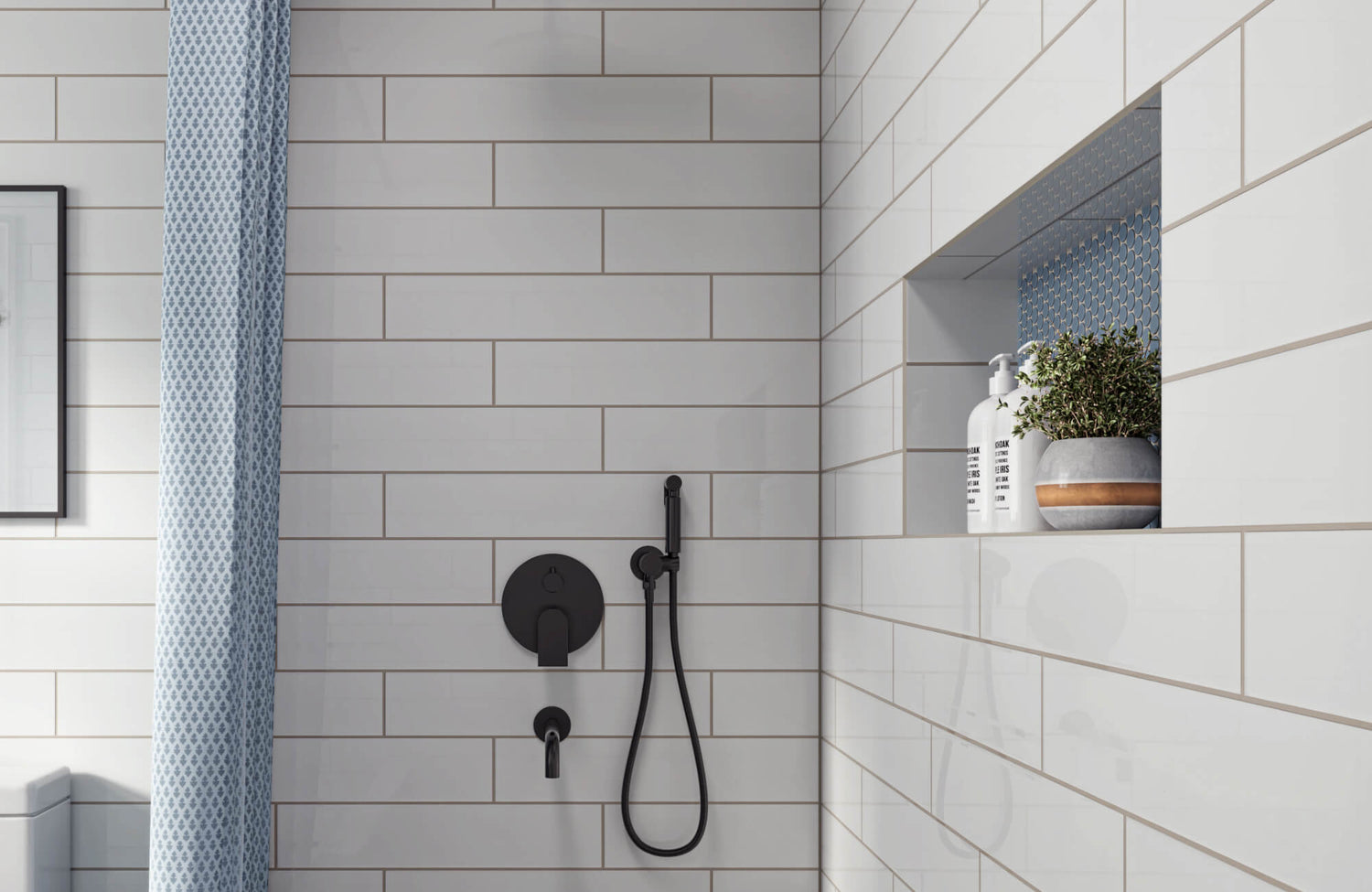
Glossy ceramic white tiles, in particular, are excellent for amplifying these effects in bathrooms, kitchens, and small rooms. Their polished surface reflects light across walls and floors, creating a luminous, airy environment. A perfect example of this approach, as displayed in the photo above, is Edward Martin’s Teagan 3x12 Glossy Ceramic Tile in Pearl. Specifically designed for wall applications, this tile demonstrates how a glossy finish can dramatically brighten a space by maximizing light reflection while preserving elegance and visual clarity.
Visual Space Expansion in Compact Areas
Ceramic white tiles also have the unique ability to make small rooms appear larger by creating uninterrupted, light-reflecting surfaces. Their clean white finish reflects more light than darker hues, which visually stretches the dimensions of walls, ceilings, and floors. Large-format ceramic white tiles installed with narrow grout lines further enhance this seamless appearance, eliminating visual clutter and promoting spatial fluidity.
This makes them an ideal choice for powder rooms, apartment kitchens, or narrow corridors where every visual inch matters. Aligning the tile pattern with the room’s orientation, either horizontally or vertically, can also enhance the perception of height or width. The combination of reflection, layout, and finish gives ceramic white tiles a powerful role in transforming confined spaces into seemingly expansive interiors.
Surface Texture and Light Diffusion
While glossy white tiles offer maximum reflectivity, opting for matte or textured ceramic white tiles introduces a softer, more diffused interaction with light that transforms the ambiance of a space. These surfaces reduce harsh glare and scatter light more gently, helping to create a calm, inviting atmosphere often favored in wellness-inspired or Scandinavian interiors. Subtle surface variations, such as ridges, reliefs, or handcrafted finishes, also add visual interest without sacrificing the tile’s clean, minimalist character. This makes matte ceramic white tiles particularly effective for spaces like bathrooms and vanity walls, where a balance of softness and brightness is essential.

Maintenance Efficiency and Longevity of Finish
Ceramic white tiles offer a highly practical solution for spaces where cleanliness, hygiene, and visual consistency are paramount. While they are inherently easy to maintain, maximizing their long-term appeal requires smart choices in grout, cleaning methods, and finish selection. For best results, always follow the manufacturer’s recommendations regarding grout selection, sealing, and maintenance.
Glazed Ceramic Tile Resistance to Stains
The glazed surface of ceramic white tiles acts as a non-porous shield against stains, making them especially suitable for areas prone to spills and splashes, such as bathroom walls and kitchen backsplashes. Because the glaze prevents absorption, substances like coffee, wine, or oil can be easily wiped away without leaving behind residue or discoloration. This stain resistance also extends to bacteria and mold, reducing the need for aggressive or chemical-heavy cleaners.
With regular upkeep using mild, pH-neutral detergents, as recommended by the manufacturer, the tiles retain their fresh, crisp appearance over time. Additionally, the inert nature of ceramic materials means they won’t off-gas or degrade when cleaned with common household products. Their resistance to staining is a cornerstone of their value in both residential and commercial hygienic environments.
Grout Discoloration and Maintenance Techniques
While the tiles themselves resist staining, the grout used between them, especially if white, can become discolored over time due to moisture, soap, and grime. To address this issue, many installers now recommend epoxy or urethane-based grouts, which are more water-resistant and far less porous than traditional cementitious options.
These grouts require little maintenance, making them ideal for high-moisture applications like showers and entryways. If discoloration does occur, pH-neutral cleaners or steam cleaning can help restore the grout’s original tone without harming the tile. Using narrow grout lines with rectified ceramic white tiles also minimizes surface area exposed to staining agents. With proper care, both the tile and grout can retain their cohesive, polished look over time.
Finish Retention Over Extended Use
Ceramic white tiles are designed to retain their aesthetic finish for years, but the type of finish affects how well they wear under daily use. Glossy tiles, in particular, can show micro-scratches or dulling over time if cleaned with abrasive pads or gritty cleansers, making soft microfiber tools the preferred option. On the other hand, matte and satin finishes are more forgiving, concealing smudges and light scuffs more effectively while still offering brightness.
Regardless of finish, occasional deep cleaning helps remove soap residue, airborne dust, and mineral deposits that can dull the surface over time. Avoiding waxes or sealants also ensures the tile remains breathable and stable under temperature and moisture changes. When cared for properly, ceramic white tiles offer enduring performance with minimal need for refinishing or replacement.

Thermal Performance and Environmental Responsiveness
The thermal behavior of ceramic white tiles directly influences indoor comfort and energy efficiency, making them a strategic material for both hot and cold climates. Their interaction with radiant heating and ambient temperature plays a critical role in year-round usability. But again, ceramic floor use should only be considered when explicitly recommended by the manufacturer.
Efficient Heat Transfer with Radiant Systems
Because ceramic white tiles are excellent thermal conductors, they are perfectly suited for use with radiant floor heating systems. Their dense body allows heat to travel quickly through the tile, providing fast and even warmth across the floor’s surface. This responsiveness also means that less energy is needed to reach and maintain comfortable temperatures, making the system more efficient over time.
The even distribution of heat prevents hot and cold spots, offering superior comfort compared to many other flooring types. For homeowners in colder climates, ceramic white tiles combined with radiant heating deliver both beauty and thermal functionality. This pairing also creates a luxurious, spa-like feel in spaces such as bathrooms and master suites.
Cooling Properties in Warm Climates
In regions where temperatures remain high for much of the year, ceramic white tiles provide a naturally cool surface underfoot, contributing to a more comfortable indoor environment. Their low heat retention and high reflectivity prevent them from absorbing and radiating excessive warmth, even when exposed to sunlight through windows or skylights. This passive cooling effect also reduces dependence on air conditioning, offering energy savings and environmental benefits.
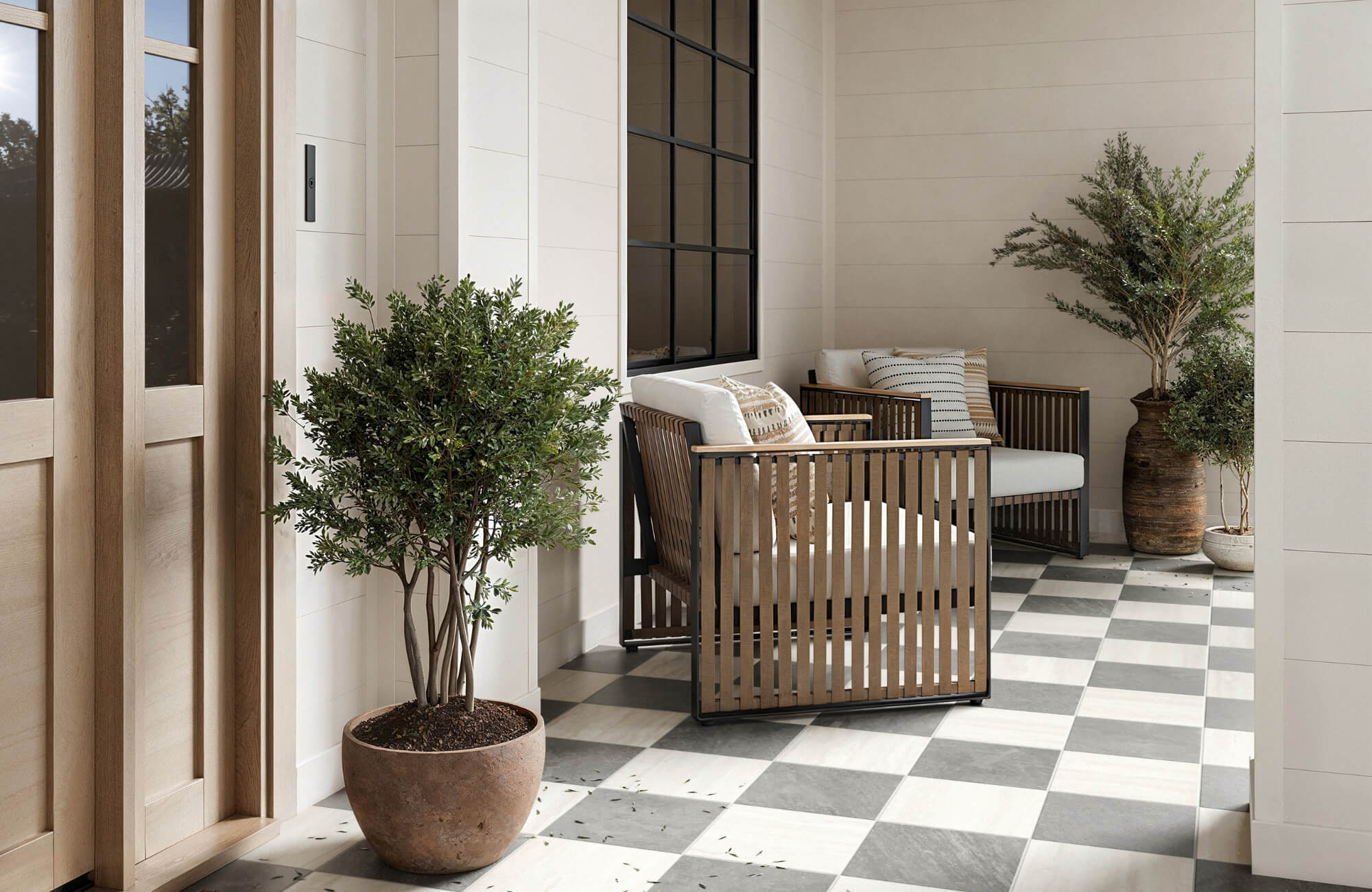
When installed with wide-format layouts and minimal grout, they further reduce thermal hotspots across the floor. The crisp white surface reflects solar gain, keeping spaces visibly and physically cooler. An excellent representation of this is the Polly 3x10 Satin Ceramic Tile in White, as shown in the picture above. Its satin finish offers a refined surface that stays cool to the touch while maintaining a soft glow, perfect for bright, sunlit spaces in coastal or warm-climate interiors.
Resistance to Thermal Expansion and Cracking
Although ceramic white tiles conduct heat efficiently, they must be protected against thermal shock caused by sudden temperature changes. Without proper installation techniques, such as allowing for expansion joints or selecting frost-resistant tiles, extreme conditions can lead to cracking or detachment. Tiles rated as vitreous or impervious are also better suited for outdoor use, thanks to their low water absorption rates that prevent freeze-thaw damage.
Additionally, choosing flexible thin-set mortars and following TCNA guidelines helps manage expansion stresses. These steps ensure structural performance even in areas exposed to fluctuating environmental conditions. Ultimately, thermal considerations are essential for long-term success in both interior and transitional applications.

Aesthetic Adaptability and Design Versatility
The visual neutrality of ceramic white tiles makes them one of the most adaptable materials in design, seamlessly blending into virtually any architectural or decorative scheme. Their range of formats, finishes, and layout possibilities invites creativity across all room types.
Neutral Foundation for Mixed Material Palettes
Ceramic white tiles offer a blank canvas that complements an extensive array of materials, from rich hardwood and natural stone to metallic finishes and vibrant textiles. This adaptability allows designers to introduce color, texture, and contrast without worrying about visual discord. In kitchens, for example, white tiles can anchor bold cabinet tones or intricate countertops, maintaining balance in the overall design.
Similarly, in bathrooms or lobbies, they provide continuity across dissimilar finishes like chrome fixtures or wood vanities. Their understated character makes them suitable for layering with evolving trends while remaining timeless. For projects aiming to combine multiple materials harmoniously, ceramic white tiles also serve as an ideal foundation.
Patterns, Layouts, and Format Variability
Modern manufacturing enables ceramic white tiles to be produced in a wide range of formats, including subway, hexagonal, large-format, and mosaic styles. These diverse options empower designers to experiment with layout patterns such as herringbone, chevron, and grid alignments that enhance visual interest without relying on bold colors. Rectified edges also allow for tighter grout lines, resulting in clean, continuous surfaces ideal for contemporary aesthetics.
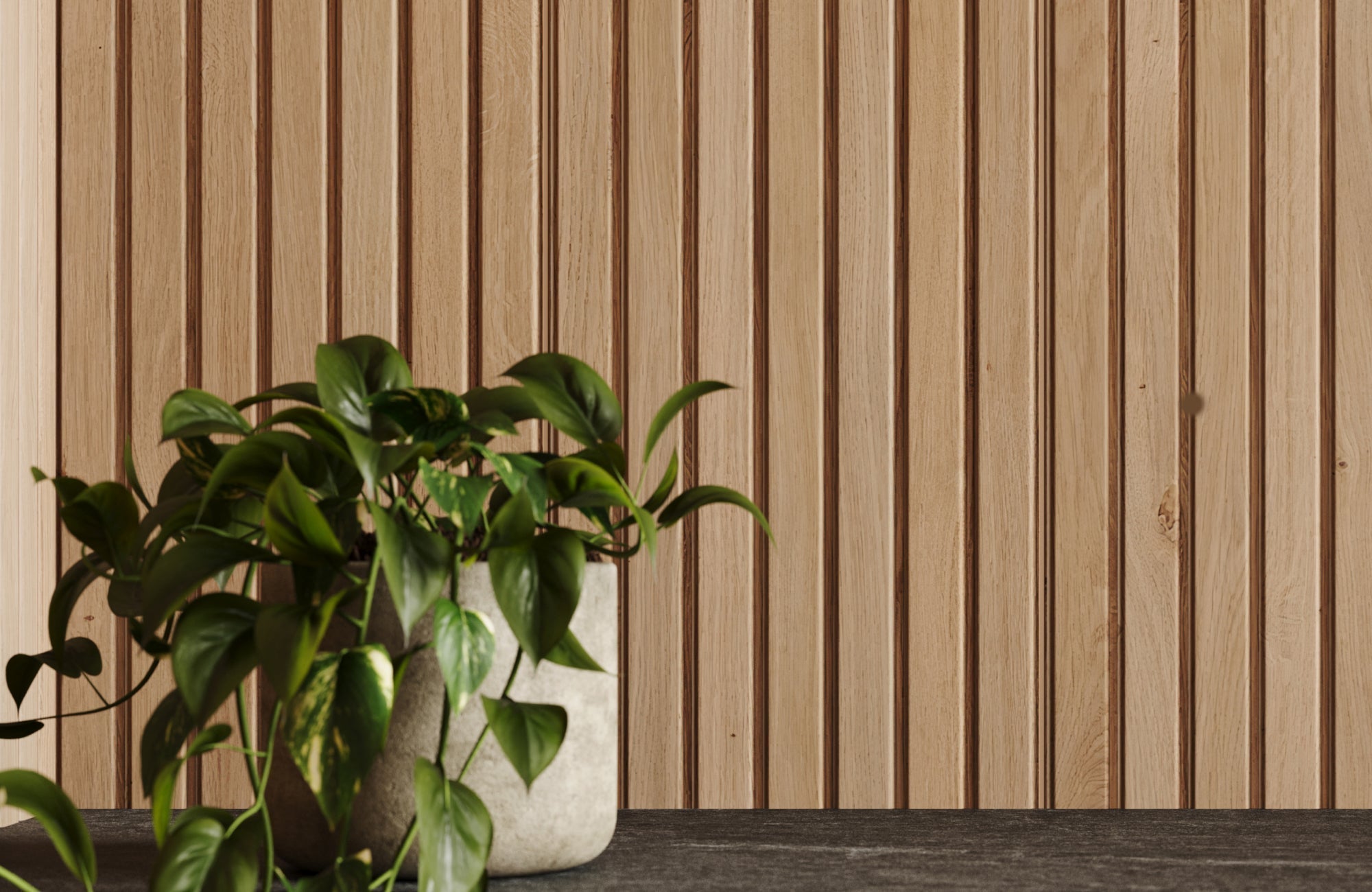
Additionally, format selection can influence spatial perception—large tiles make rooms feel more expansive, while smaller formats can emphasize focal zones. Whether the goal is subtle sophistication or dynamic movement, format and layout provide essential tools. A striking example of this approach, as featured in the photo above, is our Zayne 12x36 Matte Ceramic Tile in Blocks, which features an architectural relief pattern that plays with light and shadow, bringing refined texture and modern depth to minimalist spaces.
Thematic Flexibility Across Interior Styles
From rustic cottages to urban lofts, ceramic white tiles fit effortlessly into an array of interior styles, offering both functional and stylistic relevance. Glossy subway tiles evoke vintage charm in retro kitchens, while matte geometric shapes support minimalist or industrial themes. Their use isn’t limited to walls and floors as they also serve as elegant cladding for fireplaces, columns, and stair risers. As design trends evolve, white tiles remain relevant due to their simplicity and adaptability. They offer a cohesive thread across different rooms, enabling smooth transitions between open-plan areas. Whether aiming for heritage richness or modern restraint, ceramic white tiles deliver timeless beauty and versatility.
To make the design process even more immersive and intuitive, Edward Martin’s augmented reality (AR) tool allows homeowners and designers to visualize ceramic white tile applications in real time within their actual spaces. By projecting true-to-scale tile layouts, textures, and finishes directly onto walls and floors through a mobile device, this tool empowers users to make confident decisions grounded in spatial awareness and aesthetic clarity.
Choosing Ceramic White Tiles with Confidence and Purpose
Ceramic white tiles bring together structural resilience, light-enhancing properties, and timeless aesthetic versatility, making them a sophisticated choice for both contemporary and traditional spaces. Their ability to adapt to a wide range of design styles, while offering low maintenance and enduring performance, ensures they remain a valuable investment for years to come. Whether you're seeking to create visual spaciousness, improve energy efficiency, or establish a neutral foundation for layered materials, ceramic white tiles provide the flexibility and function to bring that vision to life. A thoughtful selection of format, finish, and layout is key to unlocking their full potential across floors, walls, and custom installations.
For those looking to refine their choices and experience the material firsthand, Edward Martin offers a convenient way to request tile samples—an essential step in choosing the perfect ceramic white tile for your space. By pairing inspiration with tactile exploration, you can approach your tile selection with confidence and a clear sense of purpose!