A kitchen backsplash often feels like a small detail, but it quietly absorbs much of the mess created by everyday cooking, cleaning, and prep. From splashes behind the sink to heat and grease near the range, these wall areas take on more wear than most homeowners expect over time. In this blog, we’ll look at what a kitchen backsplash is meant to solve, when skipping it can work, where it still matters most, and how layout, habits, and materials all influence the right long-term decision.

What a Kitchen Backsplash Is Meant to Solve
At its core, a kitchen backsplash exists to protect the parts of the wall that work the hardest every day. Areas behind sinks, ranges, and prep zones are constantly exposed to moisture, heat, and residue, which can quietly wear down surfaces over time.
Protecting Walls From Daily Cooking Residue
Cooking naturally sends more into the air than most people realize. Steam, oil, and food particles tend to travel upward and settle on the wall behind your stove and counters. Over time, this residue builds up, especially in areas where cooking happens daily. Without a backsplash, walls can stain, discolor, or absorb grease, which becomes harder to clean as it settles in. A backsplash creates a washable surface that handles this mess far more easily. It also helps keep cleaning consistent, because wiping tile or stone is usually simpler than scrubbing painted drywall.
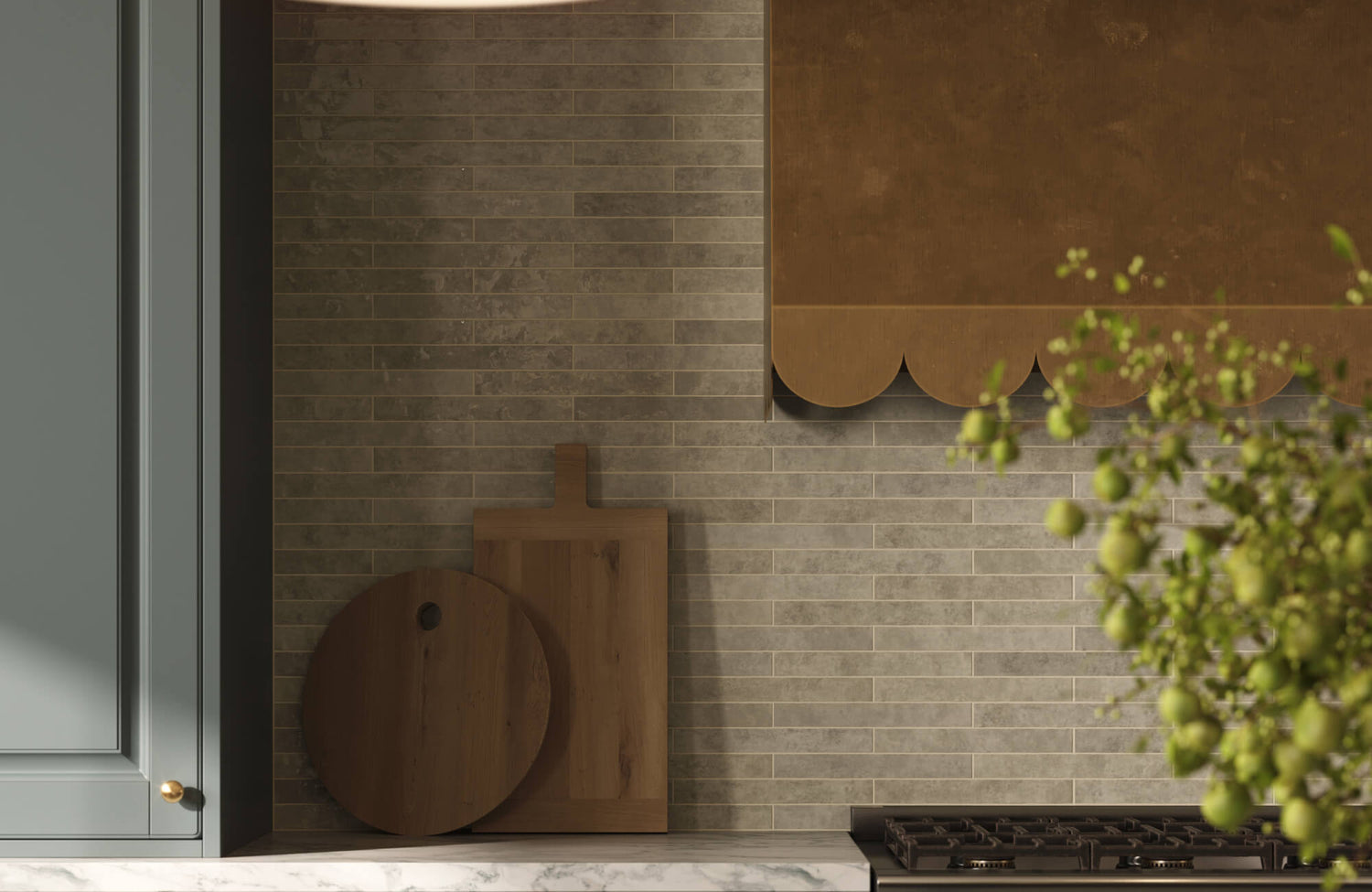
A tile like our Elias 2x8 Glossy Brick Tile in Dove above works especially well in these areas because its glazed surface makes grease and splashes easier to wipe away after everyday cooking. The subtle dimples, pinholes, and gentle surface variation add visual interest without making the wall harder to maintain. Its glossy, grayish-white glaze also reflects light softly, helping the backsplash stay practical while still feeling warm and refined.
Managing Moisture Behind Sinks and Prep Areas
Water is one of the biggest threats to kitchen walls, particularly around sinks and food prep zones. Splashes from washing dishes or rinsing produce happen constantly, even if you’re careful. Over time, moisture can seep into paint, drywall, or seams, leading to peeling, swelling, or hidden damage. A backsplash helps contain this exposure by creating a barrier that doesn’t absorb water. This is especially important in busy households, where the sink is in constant use. By managing moisture at the source, a backsplash supports the long-term condition of the wall behind it.
Heat and Oil Exposure Near Ranges
The wall behind a cooktop or range deals with a unique combination of heat and airborne oil. As food cooks, warm grease rises and settles on nearby surfaces, especially during high-heat cooking. Paint and drywall aren’t designed to handle this kind of exposure, so they tend to break down faster. Over time, this can lead to discoloration, stubborn stains, or surfaces that feel tacky to the touch. A backsplash provides a heat-tolerant, easy-to-clean layer that stands up better to this environment. It also makes routine cleanup less frustrating after cooking.
Long-Term Wall Maintenance vs Short-Term Convenience
Skipping a backsplash can feel convenient during a renovation, especially if you’re trying to simplify the design or reduce upfront work. However, that choice often shifts maintenance issues into the future. Walls without protection typically need more frequent repainting, touch-ups, or repairs as stains and moisture take their toll. A backsplash reduces that ongoing upkeep by taking on the wear instead of the wall itself. Over time, this can save both effort and cost. It’s often a trade-off between short-term simplicity and long-term durability.
Why Paint Alone Often Fails in Active Kitchens
Paint is designed to look good, not to act as a protective surface in high-use areas. Even high-quality or washable paints struggle when exposed to repeated moisture, grease, and heat. For instance, painted walls near cooking zones often show streaks, fading, or bubbling after regular cleaning. Because paint is porous to some degree, it can also absorb odors and stains over time. In active kitchens, these issues tend to show up faster than expected. That’s why paint alone rarely holds up as well as a true backsplash in the areas that see the most action.

When Skipping a Kitchen Backsplash Can Actually Work
While backsplashes solve many practical problems, there are situations where they aren’t strictly necessary. Certain kitchen layouts, usage patterns, and design choices naturally limit how much the wall is exposed to mess, heat, and moisture. Below, we’ll look at scenarios where skipping a backsplash can work, as long as expectations around upkeep and use stay realistic.
Low-Use Kitchens and Occasional Cooking Scenarios
Not every kitchen is used the same way, and some see far less daily activity than others. In homes where cooking is infrequent or limited to light meal prep, walls simply aren’t exposed to the same level of wear. For instance, a kitchen used mainly for reheating, assembling meals, or weekend cooking may not experience constant splatter or steam. In these cases, painted walls can hold up longer with regular cleaning. That said, this approach works best when usage truly stays minimal. As cooking habits change, the need for protection often increases as well.
Kitchens With Deep Counters and Limited Splash Zones
Counter depth plays a bigger role in wall exposure than many people expect. Deeper countertops naturally push sinks and cooking surfaces farther from the wall, reducing how often water or grease makes contact. This extra buffer can help protect painted or finished walls, especially behind prep areas. For example, kitchens with oversized islands or extended counters often see less direct backsplash contact. Even so, the wall behind ranges and sinks still deserves consideration. Deeper counters help, but they don’t eliminate splashing entirely.
Secondary Kitchens, Pantries, and Bar Areas
Secondary kitchens and support spaces often function very differently from primary cooking areas. Butler’s pantries, beverage stations, or bar setups usually involve light use, such as mixing drinks or plating food. Because there’s less heat, oil, and moisture involved, walls in these areas face fewer risks. In these spaces, skipping a backsplash can make sense from both a functional and visual standpoint. However, even here, surface durability still matters. Choosing wall finishes that clean easily helps maintain the space over time.
Homes With Strong Ventilation and Controlled Cooking Styles
Effective ventilation can significantly reduce how much residue reaches the wall. High-quality range hoods, proper airflow, and consistent use of ventilation all help control grease and steam. In homes where cooking methods are more controlled, such as lower-heat techniques or limited frying, wall exposure stays more manageable. This doesn’t remove risk entirely, but it does lower it. Over time, ventilation can slow down the buildup and staining. Even so, walls without a backsplash still require more attentive cleaning to stay in good shape.
When Aesthetic Priorities Temporarily Override Practical Needs
In some renovations, design goals take priority, at least in the short term. A seamless wall surface or uninterrupted material may be central to the intended look, especially in minimalist or transitional kitchens. In these cases, homeowners may accept additional maintenance in exchange for visual simplicity. This approach works best when it’s a conscious, informed decision rather than an assumption that no protection is needed. Over time, many people choose to add a backsplash once they see how the kitchen is actually used. Treating backsplash-free designs as flexible rather than permanent helps balance style with function.

Where a Kitchen Backsplash Is Still a Practical Necessity
Even in well-planned kitchens, there are certain areas where skipping a backsplash tends to cause more frustration than freedom. These are the zones that deal with repeated exposure to water, heat, and residue, often in ways that aren’t obvious at first. Over time, walls in these spots show wear faster, which is why a backsplash still earns its place in many practical kitchen layouts.
Sink Walls With Constant Water Exposure
The wall behind the sink takes on more daily stress than most people realize. Between rinsing dishes, washing hands, and prepping food, water splashes upward far more often than it seems. Even when you’re careful, moisture slowly works its way onto painted or finished walls. Over time, this can lead to staining, peeling, or uneven wear that’s difficult to fully clean. A backsplash creates a surface that’s meant to handle that repeated exposure. Without it, the wall usually becomes a maintenance issue much sooner.
Cooktops and Ranges Without Adequate Clearance
Cooking zones placed close to the wall are especially hard on surrounding surfaces. Heat, oil, and fine splatter rise naturally while you cook, even during simple meals. When there’s minimal clearance, that residue settles directly onto the wall behind the range. At first, it may seem manageable, but the buildup accumulates faster than expected. Cleaning painted walls in these areas often becomes tedious and inconsistent. A backsplash offers a surface that’s far easier to wipe down and far more forgiving over time.
A surface like our Dani 1.6x5 Matte Ceramic Tile in Cream above is especially well-suited for these high-exposure zones because its matte glaze helps disguise splatter while remaining easy to clean after cooking. The slim subway format creates a structured, orderly backdrop behind the range, while the softly rippled edges add warmth without distracting from function. Its light, earthy cream tone also keeps the wall feeling calm and balanced, even in busy cooking areas.
Busy Cooking Kitchens
Kitchens that are used several times a day place a different level of demand on every surface. More cooking means more steam, more splatter, and more cleanup happening repeatedly in the same zones. In these spaces, walls without a backsplash tend to show wear simply because of volume, not misuse. Even gentle cooking habits add up when repeated daily. Skipping a backsplash here often leads to more frequent repainting or touch-ups. Over time, the added upkeep usually outweighs the simplicity of leaving the wall bare.
Compact Layouts With Tight Prep Zones
Smaller kitchens concentrate activity into fewer square feet, which naturally increases wall exposure. Prep areas, sinks, and cooktops often sit closer together, leaving little buffer between work zones and vertical surfaces. As a result, splashes and residue reach the walls more easily and more often. In tight layouts, even small messes become more noticeable. A backsplash helps protect these high-contact areas without disrupting the flow of the space. Without it, walls tend to age unevenly and more quickly.
Rental or Long-Term Investment Kitchens
In rental properties or long-term investment homes, durability matters more than ideal use conditions. Different occupants bring different cooking habits, cleaning routines, and expectations. Walls without a backsplash are far more vulnerable to inconsistent care over time. Minor damage can build up gradually and become costly between turnovers. A backsplash helps reduce that risk by providing a surface that’s easier to clean and harder to damage. In these kitchens, it often serves as a practical safeguard rather than a design choice.
Areas Behind Freestanding or Slide-In Appliances
Freestanding and slide-in appliances often leave small gaps where residue can collect unnoticed. Food splatter, grease, and moisture tend to settle behind these units, especially near ranges. Because those areas are harder to access, buildup often goes unaddressed for longer periods. Without a backsplash, wall surfaces behind appliances can discolor or degrade before it’s even visible. A backsplash adds protection in places that are difficult to monitor but still see regular exposure. It helps keep those hidden zones from becoming long-term problem areas.

Kitchen Backsplash Materials and How They Perform
Once you decide a backsplash makes sense, material choice becomes less about style and more about how the surface actually behaves in a working kitchen. Moisture, heat, grease, and cleaning routines all affect how well a backsplash holds up over time. Below, we’ll look at how common backsplash materials perform day to day, where they excel, and where small trade-offs tend to show up.
Ceramic Tile Backsplashes and Everyday Durability
Ceramic tile remains one of the most dependable backsplash materials for everyday kitchen use because it handles moisture, splashes, and routine cleaning with very little effort. Its glazed surface makes wiping down walls behind sinks and prep areas feel simple rather than tedious. Ceramic also offers a wide range of finishes and styles, which means it fits naturally into both understated kitchens and more character-driven spaces. Over time, it holds its appearance well, even in kitchens that see regular cooking and cleanup. For most homes, ceramic delivers consistent performance without asking for special care. It’s a practical choice that quietly does its job day after day.
A tile like our Maisie 4x4 Glossy Ceramic Tile in Canvas above shows how ceramic can balance performance with visual softness in a working kitchen. Its high-sheen glaze reflects light across the backsplash, helping the wall feel brighter and more open while still wiping clean easily after daily cooking. The subtle shade variation keeps the surface from feeling flat, which allows durability and character to coexist without extra maintenance.
Porcelain Tile for High-Use Kitchen Walls
Porcelain tile is an excellent option for kitchens that see frequent cooking, heat exposure, and daily wear. Its dense structure makes it highly resistant to moisture, stains, and temperature changes, which is especially helpful around ranges and busy prep zones. Because of that density, porcelain maintains its finish even with repeated cleaning and long-term use. It’s often chosen for kitchens where durability needs to be built in from the start rather than monitored over time. Porcelain also works well across different kitchen styles, from clean and modern to more stone looks. For high-use walls, it offers lasting performance with minimal ongoing attention.
Glass Tile and Light Reflection Near Work Zones
Glass tile is commonly chosen for its ability to reflect light and visually open up a kitchen, especially in smaller or darker spaces. It resists moisture well and doesn’t absorb stains, which helps with quick surface cleaning. In low-impact zones, it can remain looking fresh for a long time. However, glass tends to show fingerprints, smudges, and splatter more easily than tile with a matte or textured surface. This means it often requires more frequent wiping to stay looking clean. For busy kitchens, that extra upkeep can become noticeable over time.
Natural Stone Backsplashes and Sealing Requirements
Natural stone backsplashes bring depth and variation that many homeowners appreciate, especially in kitchens aiming for a more organic look. Materials like marble or limestone can handle heat well, which makes them suitable behind ranges. That said, stone is porous and typically requires sealing to protect against moisture and staining. Even with sealing, some discoloration over time is possible in active kitchens. This ongoing maintenance is the main drawback of stone in backsplash applications. It performs best when homeowners are comfortable with a bit of upkeep.
Slab Stone and Quartz for Seamless Coverage
Slab materials, including quartz and natural stone slabs, create a clean, uninterrupted backsplash surface with fewer seams to manage. This makes daily cleaning easier, especially behind sinks and cooktops. Quartz, in particular, resists staining well and doesn’t require sealing like natural stone. However, slab installations can be more expensive and less forgiving if future changes or repairs are needed. Once installed, adjustments are more involved than with tile. The seamless look is appealing, but flexibility is the main trade-off.
Metal and Specialty Surfaces in Contemporary Kitchens
Metal backsplashes, such as stainless steel, are often chosen for their sleek appearance and resistance to heat. They handle moisture well and are easy to wipe down after cooking. In professional-style kitchens, this can feel practical and intentional. The downside is that metal surfaces tend to show scratches, fingerprints, and smudges quickly. Over time, those marks become part of the surface’s character, which isn’t ideal for everyone. For homeowners who prefer a consistently clean look, this wear can feel more noticeable.

How Kitchen Layout and Cooking Habits Affect the Decision
Whether a backsplash truly earns its place often comes down to how the kitchen is used day to day, not just how it looks on paper. Layout, appliance placement, and cooking habits all shape how much stress the walls actually experience. Below, we’ll walk through the practical, everyday factors that influence whether a backsplash adds real value or simply becomes an extra surface to manage.
Open-Plan Kitchens and Visible Wall Surfaces
In open-plan kitchens, wall surfaces are almost always in view, which raises the stakes for how they age over time. Because these kitchens flow directly into living or dining areas, splashes and stains are more noticeable. A backsplash helps contain everyday messes in a controlled zone rather than letting wear spread across painted walls. It also makes cleanup more predictable, especially after cooking sessions that involve oil or moisture. Without one, wall maintenance tends to increase, even if the kitchen feels visually open. In shared spaces, that added upkeep can become apparent sooner than expected.
Distance Between Sink, Range, and Prep Areas
The spacing between major work zones plays a big role in how much wall exposure a kitchen experiences. As mentioned earlier, when sinks, ranges, and prep areas are close together, splashes and heat tend to concentrate on the same wall sections. This makes those surfaces work harder every day. A backsplash helps protect these high-contact areas, especially when tasks overlap during meal prep. In kitchens with more spread-out layouts, wall exposure may be more limited. Even then, certain zones still benefit from added protection.
Cooking Frequency and Cleanup Routines
How often a kitchen is used matters just as much as how it’s laid out. Homes with frequent cooking, daily meal prep, or multiple cooks tend to generate more residue on surrounding walls. Over time, wiping down painted surfaces becomes less effective and more time-consuming. A backsplash simplifies cleanup by creating a surface designed for repeated washing. In contrast, kitchens used only occasionally may see slower wear. Still, habits often change, which is worth considering before skipping protection altogether.
Appliance Placement and Wall Exposure
Appliances like ranges, cooktops, and dishwashers all influence where moisture and heat end up. Walls directly behind or beside these appliances take the most impact during regular use. For example, steam from dishwashers and splatter from cooktops often land higher than expected. A backsplash limits where that exposure occurs and makes it easier to manage. When appliances are tucked into tight zones, the surrounding walls benefit even more from added protection. Placement alone can make a backsplash feel necessary rather than optional.
Ventilation Quality and Heat Management
Ventilation plays a quiet but important role in wall wear. Strong ventilation systems help pull heat, steam, and airborne grease away before they settle on nearby surfaces. When ventilation is limited or underpowered, walls tend to absorb more residue over time. A backsplash helps compensate for this by offering a surface that handles buildup better than paint. Even with good ventilation, some exposure is unavoidable. Planning for that reality helps prevent premature wall wear.

Alternatives to a Full Backsplash and Partial Coverage Options
A full backsplash isn’t always the only solution, and in some kitchens, it can feel heavier than what the space actually needs. That said, alternatives work best when they’re chosen deliberately, not just to simplify the look. Partial coverage can still protect the walls that take the most wear, but only when daily cooking habits and cleanup routines are taken into account.
Short or Partial Backsplashes Behind Key Zones
Short backsplashes typically rise just a few inches above the counter, offering basic protection in areas where splashes are most likely to occur. They’re often used in kitchens where cooking is fairly contained, and messes stay close to the work surface. Visually, they keep the walls feeling open and uninterrupted, which can be appealing in smaller or more minimal layouts. However, anything above that short barrier is still exposed to steam, grease, and repeated wiping. Over time, those upper wall areas may need more frequent cleaning or repainting. This approach works best when cooking habits are calm and predictable rather than heavy or fast-paced.
Extended Counter Materials as Wall Protection
Extending the countertop material slightly up the wall creates a seamless transition that feels intentional rather than decorative. This option is especially useful behind sinks, where water tends to pool and splash directly against the wall. Because the same surface continues upward, cleanup is easier in that immediate zone. Still, the protection is limited in height, which means cooking splatter or steam can easily reach areas above the extension. In kitchens with frequent stovetop use, those uncovered sections may show wear sooner than expected. This solution works best in layouts where sinks see more action than ranges.
Selective Coverage Behind Ranges or Sinks Only
Some kitchens use backsplash material only behind the range or sink, focusing on protection where heat and moisture are most intense. This can be a smart compromise when the rest of the kitchen walls stay relatively clean. It allows the backsplash to function where it’s most needed without wrapping the entire room in tile. However, uncovered areas near prep zones can still accumulate grease or stains over time. Visually, selective coverage needs to feel intentional, or it can look unfinished. When planned carefully, this approach balances protection with restraint, but it doesn’t eliminate maintenance elsewhere.
Washable Wall Finishes and Their Limitations
Washable paints and specialty wall finishes are often marketed as backsplash alternatives, especially for minimalist kitchens. They do make routine cleanup easier compared to standard paint, but they’re not designed to handle constant exposure. Repeated wiping can dull the surface, and grease near cooking areas tends to build up gradually rather than wipe away cleanly. Heat can also cause discoloration or subtle peeling over time. While these finishes reduce maintenance slightly, they don’t replace the durability of a true backsplash. They’re best suited for low-use kitchens or areas far from active cooking zones.

Deciding What Makes Sense for Your Kitchen Long-Term
The right backsplash decision usually becomes clearer when you stop thinking about how the kitchen will look on day one and start thinking about how it will feel years from now. Kitchens change as routines shift, households grow, and cooking habits evolve. What feels optional during planning can quickly become something you wish you had once the space is fully lived in.
Prioritizing Function Over Short-Term Visual Trends
Visual trends can be tempting, especially when a clean, backsplash-free wall looks striking in photos. However, kitchens are working spaces first, and function tends to matter more once daily routines settle in. Grease, moisture, and heat don’t adjust themselves for aesthetics. Over time, walls without protection often show wear in ways that aren’t obvious during the design phase. Choosing function doesn’t mean sacrificing style, but it does mean making sure visual choices can stand up to everyday use. When the kitchen still looks good after years of cooking, the decision usually feels right.
Considering Resale and Future Use
Even if you’re not planning to sell anytime soon, resale considerations often overlap with long-term livability. Future owners tend to expect practical features in high-use spaces like kitchens, and missing elements can raise questions. A kitchen that requires extra care to keep clean may feel less appealing over time. Backsplashes often signal durability and completeness, especially around sinks and cooking zones. Thinking ahead helps avoid decisions that feel limiting later. Planning with future use in mind usually leads to fewer compromises down the line.
Coordinating Backsplash Decisions With Cabinetry and Lighting
Backsplash choices rarely exist in isolation, especially once cabinetry and lighting are installed. Under-cabinet lighting, for example, tends to highlight wall surfaces more than people expect. Without a backsplash, imperfections or staining can become more noticeable over time. Cabinet depth and layout also affect how exposed the wall is during cooking and cleanup. Coordinating these elements early helps ensure the backsplash supports the kitchen rather than feeling added on later. When everything works together, the space feels easier to maintain and more visually settled.
Avoiding Regret From Skipped Protection
Many backsplash regrets don’t show up right away, which is why they’re easy to overlook during planning. At first, unprotected walls may seem fine, especially in a new, unused kitchen. As time passes, small stains, discoloration, or repeated repainting can become frustrating. These issues often appear in the exact areas a backsplash would have protected. Once cabinetry and countertops are installed, adding protection later can be disruptive or costly. Thinking ahead helps avoid wishing you had done things differently once the kitchen is already in use.
When Professional Input Helps Clarify the Choice
Backsplash decisions often sit at the intersection of function, layout, and personal preference, which can make them surprisingly difficult to finalize. A professional perspective can help identify where protection truly matters and where it may be less critical. Looking at the kitchen as a whole makes it easier to see how walls, counters, appliances, and lighting interact over time. This kind of input often brings clarity rather than complexity. When decisions feel overwhelming, an outside perspective can help turn uncertainty into confidence.
Bringing Function and Longevity Into the Final Decision
At the end of the day, whether you need a kitchen backsplash depends less on trends and more on how your kitchen actually functions. Walls behind sinks, ranges, and prep areas take on far more wear than most people expect, especially as routines settle in and cooking habits evolve. While skipping a backsplash can work in very specific scenarios, most active kitchens benefit from a surface designed to handle moisture, heat, and daily cleanup. Thinking long term often reveals that protection isn’t just practical, it’s what keeps the kitchen easier to live with over time.
If you’re unsure how a backsplash fits into your kitchen layout, our design consultation can help bring clarity before decisions are finalized. Working directly with a professional designer allows you to review cabinetry, lighting, appliance placement, and daily use together, making it easier to see where protection truly matters and where it may not.