Decorative pillows often spark mixed opinions in home design. Some people see them as the final touch that makes a room feel polished and inviting, while others view them as extra items that clutter furniture and get in the way of everyday comfort. However, the real value of decorative pillows lies somewhere between these two perspectives. When used thoughtfully, they can influence how a room looks, feels, and functions in ways that go far beyond simple decoration.
As you will see throughout this article, decorative pillows can support better posture, introduce calming textures, and add visual depth to your furniture. At the same time, they can refresh a room on a budget, protect upholstery, and even serve practical roles in small living spaces. Nevertheless, their usefulness depends on how intentionally they are chosen and arranged. By exploring the ergonomic, psychological, aesthetic, and practical roles of decorative pillows, you can better decide whether they truly belong in your space or whether a simpler setup might suit your lifestyle more comfortably.

The Ergonomic Reality of Lumbar Support
Decorative pillows are often seen as purely aesthetic elements, but they can play a meaningful role in improving the comfort and ergonomics of a sofa. Many modern sofas are designed with deep seats and sleek, lounge-inspired silhouettes that look inviting yet may not provide adequate back support for everyday sitting. As a result, people often find themselves sliding forward or settling into a slouched posture that strains the lower back, shoulders, and neck. Decorative pillows offer a simple solution to this issue by filling the gap between the backrest and the spine. When positioned behind the lower back, a supportive pillow effectively reduces seat depth, helping the body maintain a more natural seated alignment where the spine remains upright, knees bend comfortably, and feet stay flat on the floor.
Beyond correcting seat depth, decorative pillows also allow seating comfort to be tailored to different body types and preferences. Because sofas are typically designed with generalized proportions, they may not perfectly suit every individual’s height or posture. In this context, pillows function as adjustable support tools that help personalize the seating experience. Smaller individuals may benefit from thicker pillows that bring them forward and maintain proper spinal contact with the backrest, while taller individuals may prefer thinner cushions that add comfort without limiting legroom. Additionally, the type of pillow insert influences how support feels: memory foam provides consistent structure and contouring, whereas feather or down blends offer flexibility and easy reshaping. Consequently, by combining different pillow sizes, materials, and placements, a sofa can transition from merely stylish furniture into a seating environment that supports long periods of comfortable, relaxed use.

Psychological Impact and the Concept of Softness
Decorative pillows contribute not only to physical comfort but also to the emotional atmosphere of a room. Human perception naturally associates soft materials with safety, warmth, and relaxation, which means the presence of plush accents can subtly influence how welcoming a space feels. In areas filled with sleek furniture and modern finishes, pillows introduce a sense of softness that balances the environment. Textured fabrics such as velvet, bouclé, chunky knit, or faux fur also add tactile depth that contrasts with the smooth, hard surfaces commonly encountered throughout the day, including glass screens, metal devices, and polished desks. As a result, when you lean against or touch these softer materials, your senses receive calming feedback that encourages your body to relax and settle into the space.
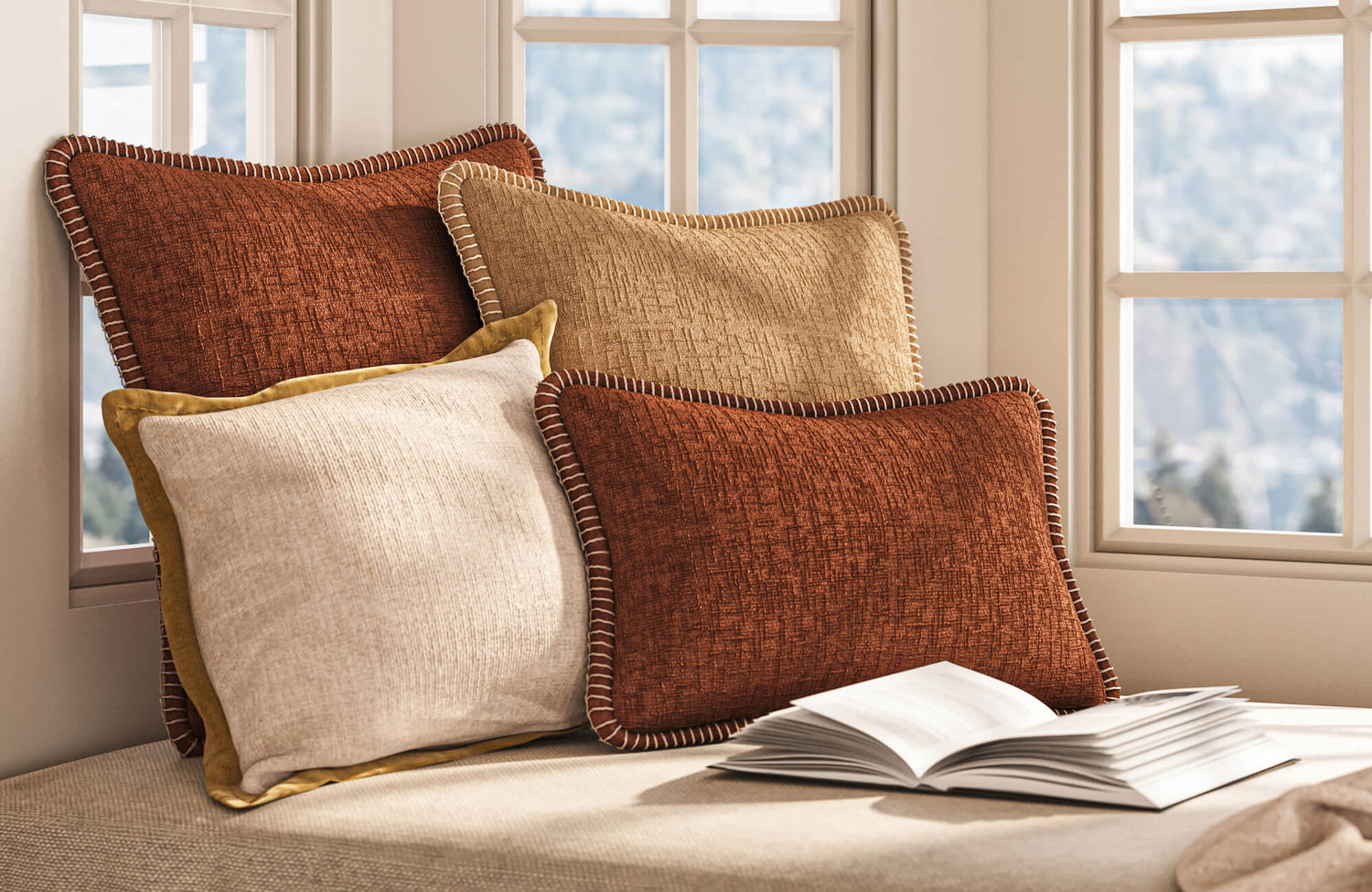
At the same time, the colors of decorative pillows can shape the emotional tone of a room in surprisingly powerful ways. Because pillows are easy to change or rearrange, they offer a flexible method for experimenting with color and adjusting the mood of an interior without major design changes. Cooler tones like sage green, soft blue, and muted gray tend to promote calmness and balance, making them ideal for restful areas such as bedrooms or reading corners. Conversely, warmer hues such as terracotta, rust, or golden ochre can energize a room and encourage social interaction, which works well in living rooms or gathering spaces. Consequently, by thoughtfully combining texture and color, decorative pillows can transform a visually appealing space into one that feels emotionally comfortable, inviting, and truly livable.

Aesthetic Value and Timeless Appeal
Decorative pillows can dramatically influence how balanced and visually interesting a room feels. Even small adjustments in texture, pattern, and placement can soften rigid furniture lines and make a space appear more intentional. As a result, pillows often become subtle design tools that shape how your eyes move through a room.
Breaking Up the Monolith
Large furniture pieces, especially oversized sectionals or dark-colored sofas, can easily dominate a room. When a sofa stretches across a wall without any variation in color or texture, it often appears heavy and visually static. Consequently, the entire seating area may feel flat rather than layered or inviting.
Decorative pillows help break up this visual mass by introducing contrast. Patterns such as geometric prints, soft stripes, or textured fabrics create small visual focal points that guide your eyes across the surface of the sofa. Instead of seeing one large block of upholstery, you begin to notice movement and variation, which naturally makes the furniture feel lighter and more integrated with the surrounding décor.
In addition, playing with pattern scale can further enhance the effect. Larger patterns tend to anchor the arrangement and make smaller furniture feel more grounded, while smaller patterns add detail and rhythm to wider seating areas. For instance, a bold lumbar pillow like the Marisette 12" x 27" Down Pillow in Black can introduce a strong visual accent against a large sofa while its elongated shape draws the eye horizontally across the seating area. When elements like this are combined thoughtfully, the sofa transforms from a single heavy shape into a visually layered centerpiece.
Creating Vertical Interest
Rooms with high ceilings can sometimes create an unexpected design challenge. Because furniture usually occupies the lower portion of the room, the vertical space above it may feel empty or disconnected from the rest of the design. As a result, the room can appear bottom-heavy even when the furniture itself is beautiful.
Layering pillows of different sizes offers a simple way to correct this visual imbalance. When you arrange larger euro-style pillows behind medium and smaller cushions, the arrangement naturally builds height along the back of a sofa or bed. This tiered look subtly guides your gaze upward, helping the seating area connect more smoothly with artwork, windows, or wall decor above it.
Details such as piping, flange edges, or structured seams can further define the arrangement. These elements create crisp outlines that make each pillow feel purposeful rather than random. Over time, this layered styling adds depth and dimension, giving the room a polished appearance that feels both thoughtful and timeless.

The Financial Strategy of Micro-Renovations
Decorative pillows can refresh a room without requiring a large budget or major changes. Instead of replacing furniture or redecorating entirely, you can update a space with small adjustments that still make a noticeable difference. Because of this, pillows often become one of the simplest tools for affordable interior updates.
Seasonal Transitions on a Budget
One practical approach is separating pillow inserts from their covers. When you invest in good-quality inserts that maintain their shape, you can simply change the outer covers whenever you want to refresh the look of your space. This small shift allows you to update your decor without repeatedly purchasing entirely new pillows.
For instance, lighter fabrics such as linen or cotton often feel appropriate during warmer months because they create an airy and relaxed atmosphere. As the seasons change, you can replace those covers with heavier materials like velvet, wool, or textured knits that bring warmth and richness to the room. As a result, your living space evolves naturally throughout the year without requiring expensive redecorating. Another advantage of this method is practicality. Since pillow covers can be folded flat, they take up very little storage space compared to full cushions. This makes it easy for you to keep a few extra styles on hand so you can refresh your room whenever you feel like it.
Protecting Your Furniture Investment
Decorative pillows like the Merelle 22" x 22" Down Pillow in Ivory can help protect your furniture from everyday wear. When you sit down, lean back, or rest your arms on a sofa, those repeated movements create friction that gradually affects the upholstery. Over time, fabrics can fade, stretch, or become stained from clothing dyes and constant contact.
Placing pillows along the back or arms of your seating area creates a protective layer between you and the furniture. Instead of the upholstery absorbing all the pressure and contact, the pillows take on much of the wear. This is particularly useful if your sofa has light-colored fabric, which is more vulnerable to discoloration from items such as dark denim.
If a pillow cover eventually becomes stained or worn, replacing it is far easier and less expensive than repairing upholstery. Because of this, pillows act as practical “wear layers” that help extend the lifespan of your furniture while keeping your seating area looking fresh and well-maintained.

Functional Versatility in Small Spaces
In smaller spaces or apartments, every piece of decor often needs to serve more than one purpose. Decorative pillows are particularly useful because they can easily shift between comfort, function, and style. With the right size and structure, they become practical tools that adapt to the way you use your space.
The Transition to Floor Culture
As living spaces become more compact, many people are embracing a more flexible seating style often referred to as floor culture. Instead of relying entirely on bulky chairs or large sectionals, oversized pillows and floor cushions create seating that can be arranged, moved, or stored whenever needed. This approach allows your room to remain open and adaptable while still providing comfortable places to sit.
Large floor pillows are especially useful during gatherings or casual moments when additional seating is needed. You can place them around a coffee table for a relaxed conversation area, or spread them across the floor for movie nights and informal lounging. Once the gathering is over, they can easily be stacked in a corner or tucked away, freeing up valuable floor space.
The structure of these cushions also plays an important role. Dense fills and gusseted edges help the pillow maintain its shape when you sit on it, preventing it from flattening too quickly. Because of this added support, the cushion feels more stable and comfortable, making it a practical alternative to traditional seating in smaller rooms.
Pillows as Ergonomic Laptop Desks
As remote work becomes more common, sofas and lounge chairs often double as temporary workstations. However, working directly from your lap can quickly lead to poor posture, especially when your screen sits too low, and your neck tilts forward for long periods of time. A firm decorative pillow, such as the Merelle 22" x 22" Down Pillow in Orange, can help solve this problem by acting as a simple laptop riser. When placed on your lap, it lifts the device slightly higher, bringing the screen closer to eye level and reducing strain on your neck. At the same time, the pillow can support your forearms, which helps prevent your shoulders from tensing while you type.
The fabric of the pillow also matters in this situation. Textured materials such as canvas, tweed, or sturdy cotton create enough friction to keep your laptop from sliding around. Meanwhile, their breathable structure allows heat to disperse more easily than plush fabrics. Because of this combination of support and practicality, decorative pillows can quietly transform a comfortable couch into a surprisingly functional workspace.

When Fewer Pillows Are the Better Choice
Although decorative pillows offer many advantages, there are situations where fewer pillows can make your space more functional. When accessories begin to interfere with daily comfort or convenience, a simpler setup often works better. In these cases, reducing the number of pillows can actually improve both usability and overall balance.
Decision Fatigue and the Morning Routine
Although a sofa or bed filled with decorative pillows may look impressive, it can quickly become inconvenient in everyday life. Each time you want to sit down or go to sleep, you may need to remove several pillows just to make space. Later, you have to place them back again to maintain the styled appearance. Over time, this repetitive process can start to feel like an unnecessary chore.
Because of this, many people gradually move toward simpler arrangements that still look polished without requiring constant adjustment. A commonly recommended approach is the “Rule of Three,” which focuses on a small number of thoughtfully chosen pillows instead of a large collection. With two foundational pillows and one accent piece, your seating or bedding still appears balanced while remaining easy to manage. This streamlined arrangement also helps the room feel calmer and more organized. Instead of competing shapes and colors filling the furniture, a few well-placed pillows provide visual interest without overwhelming the space. As a result, your furniture remains both attractive and practical for daily use.
Another factor worth considering is how decorative pillows affect indoor air quality. Because they are handled frequently but washed less often than bedding, pillows can gradually collect dust, pet dander, and airborne particles. Over time, these materials may become trapped within the fabric and filling, especially if the covers are made from textured or porous materials. If you are sensitive to allergens, reducing the number of decorative pillows can make a noticeable difference. Fewer pillows mean fewer surfaces where dust can accumulate, which can help keep your living environment cleaner and more comfortable. In addition, choosing covers that can be easily removed and washed allows you to maintain both style and hygiene. Ultimately, the goal is not necessarily to eliminate decorative pillows altogether but to use them thoughtfully. By limiting the number of cushions and keeping them clean, you can maintain a stylish space that also supports a healthier and more comfortable environment. Decorative pillows can absolutely be worth having, but their value depends on balance and intention. When chosen carefully, they can improve comfort, soften the emotional atmosphere of a room, add visual depth to furniture, and even protect upholstery from daily wear. At the same time, too many pillows can create clutter and unnecessary effort in everyday routines. Therefore, the key is not simply deciding whether you need decorative pillows, but determining how many and what types genuinely enhance your space. With a thoughtful approach, a few well-selected pillows can elevate both the comfort and personality of your space while keeping your living environment practical and enjoyable. If you are still unsure how to achieve that balance, professional guidance can make the process much easier. Thoughtful design decisions often come from understanding how different materials, colors, and proportions work together within a space. For personalized assistance or questions about selecting pieces that complement your area, you can always reach out through our contact page. By seeking expert insight, you can refine your choices with greater confidence and create a space that feels both comfortable and beautifully curated.Allergens and Indoor Air Quality
Finding the Right Balance for Your Space