Do subway tiles actually add value to your home, or are they just a safe design choice that everyone defaults to? It’s a fair question, especially when you’re deciding where to invest and what will still feel right a few years down the line. Subway tiles have stuck around for a reason, but how much they really impact your space depends on how they’re used, not just the tile itself.
In this blog, we’ll walk through where subway tiles make the biggest difference, what buyers actually notice, and how to use them in a way that feels intentional instead of expected. If you’re planning an update and want to make choices that look good now and still make sense later, this will give you a clearer direction before you commit.

The Enduring Appeal of Subway Tiles
Subway tiles have remained a mainstay in interior design for over a century, prized for their versatility, clean aesthetic, and practical benefits. Their continued popularity is rooted in a combination of historical significance, timeless design principles, and functional advantages that make them a smart choice for residential and commercial spaces alike.
A Look at the History of Subway Tiles
The origins of subway tiles date back to 1904, when New York City’s first subway stations introduced these sleek, rectangular ceramic tiles as part of an innovative design solution. Architects George C. Heins and Christopher Grant LaFarge aimed to create a surface that was not only visually appealing but also easy to clean, highly durable, and capable of reflecting light in underground transit spaces. To achieve this, they developed a 3" x 6" white ceramic tile with a glossy glaze, laid in a traditional running bond pattern to enhance structural integrity.
From subway stations, the trend quickly transitioned into residential and commercial interiors, particularly in kitchens and bathrooms, where hygiene and durability were paramount. By the 1920s and 1930s, subway tiles became synonymous with classic American design, widely used in hospitals, restaurants, and homes. Over the decades, their popularity never waned, instead, they evolved with new materials, finishes, and layout patterns, solidifying their status as a timeless design element adaptable to both traditional and contemporary aesthetics.
The Perception of Cleanliness and Hygiene
One of the most practical reasons subway tiles continue to be a preferred choice in kitchens and bathrooms is their association with cleanliness and hygiene. Originally designed for busy public spaces, these tiles feature a smooth, non-porous glaze that resists moisture, stains, and bacteria, making them an ideal surface for areas exposed to water and food preparation. Unlike porous materials like natural stone, which require frequent sealing, subway tiles are inherently easy to wipe down and maintain.
This hygienic quality has helped significantly in their widespread use in hospitals, laboratories, and commercial kitchens, where sanitation is a priority. The glossy surface also enhances light reflection, creating a brighter and more inviting space while reducing the appearance of dirt and grime. When paired with epoxy or antimicrobial grout, subway tiles further enhance a room’s resistance to mold, mildew, and bacterial growth, making them a practical investment for long-term cleanliness and durability.

How Subway Tiles Enhance Aesthetic Appeal
Subway tiles have remained a staple in interior design due to their ability to enhance aesthetic appeal across a wide range of spaces. Their clean lines, geometric symmetry, and adaptable design make them a versatile option that can elevate both traditional and modern interiors.
Versatility in Different Rooms
One of the most compelling aspects of subway tiles is their ability to enhance aesthetics in multiple areas of a home. While traditionally associated with kitchens and bathrooms, their functionality and beauty make them a viable choice for additional spaces such as entryways, laundry rooms, and even living areas.
In kitchens, subway tiles are commonly used as backsplashes, where their moisture-resistant surface protects walls while creating a clean, polished look. For smaller kitchens, white glossy subway tiles reflect light, creating the illusion of a more open and airy space. Conversely, darker hues or textured finishes can add depth and character. Similarly, in bathrooms, subway tiles are often installed on shower walls, vanity backsplashes, or even full floor-to-ceiling applications, creating a spa-like ambiance while ensuring water resistance.
Beyond these conventional uses, subway tiles are becoming increasingly popular in accent walls and fireplace surrounds. When applied in unexpected areas, such as a hallway or mudroom, they introduce a subtle yet elegant design element that enhances the room’s visual appeal. Additionally, their adaptability to both horizontal and vertical orientations further expands their potential, allowing you to experiment with layout direction to influence a room’s perceived proportions.
Complementing Various Design Styles
A key reason for subway tiles’ lasting popularity is their ability to complement an extensive range of interior design styles. Their classic rectangular shape serves as a neutral foundation that blends well with both vintage and contemporary aesthetics, making them an asset in any space.
For traditional or farmhouse-style interiors, white subway tiles paired with warm wood accents, shaker cabinets, and brass or bronze fixtures create a timeless and inviting atmosphere. Their historical roots in early 20th-century architecture make them a natural fit for these classic aesthetics. Conversely, in modern and minimalist spaces, large format subway tiles with matte finishes or beveled edges contribute to a sleek, understated elegance. When paired with monochromatic palettes and streamlined cabinetry, they enhance the clean, structured appeal of contemporary design.
Industrial and urban-inspired interiors also benefit from subway tiles, particularly when using unconventional finishes such as glossy black, deep gray, or handmade-look variations. When set against exposed brick walls or metallic elements, subway tiles reinforce the raw, edgy aesthetic characteristic of loft-style and industrial-chic spaces.
The Impact of Grout Color and Pattern
Grout is one of those details people don’t think much about at first, but it ends up changing how the whole tile looks once it’s installed. It can either blend everything together or make each tile stand out more, depending on how you use it. That shift is subtle on paper, but in an actual space, it’s pretty noticeable. It affects how clean, bold, or relaxed the surface feels without needing to change the tile itself. That’s why it’s worth thinking through early instead of treating it as an afterthought.
If you want something that feels a bit more seamless, keeping the grout close to the tile color usually works best. White grout with white subway tiles, for example, keeps everything looking continuous and easy on the eyes. It doesn’t pull too much attention to the grid, so the surface feels calmer overall. This kind of setup works well in spaces where you want things to feel simple and not overly styled. It also helps other elements in the room stand out more naturally.
If you go the opposite route and use a contrasting grout, the whole look changes right away. Dark grout with lighter tiles brings out the shape of each piece and gives the surface more structure. It feels more defined and a bit more intentional, especially in styles that lean modern or slightly industrial. Layout plays into this too, since patterns like herringbone or vertical stacks can shift how the space feels without adding anything extra. When grout color and layout are working together, even a basic tile setup starts to feel more designed without overdoing it.

The Practical Benefits of Choosing Subway Tiles
Subway tiles are not only a design staple but also a highly functional choice for both residential and commercial spaces. Their durability, low-maintenance nature, and cost-effectiveness make them a practical investment for people looking for a long-lasting and stylish solution.
Durability and Longevity
One of the primary reasons subway tiles remain a popular choice is their exceptional durability. Made predominantly from ceramic or porcelain, these tiles are designed to withstand everyday wear and tear, making them ideal for busy areas like kitchens and bathrooms. Thanks to the rigorous firing process in tile manufacturing, subway tiles develop a dense, hard surface that resists chipping, cracking, and moisture infiltration, all of which contribute to their long lifespan.
Porcelain subway tiles, in particular, offer even greater durability due to their low water absorption rate and high resistance to temperature fluctuations. This makes them suitable for both indoor and outdoor applications, such as kitchen and shower walls and floors, and even exterior facades. Unlike painted drywall, which is susceptible to stains and moisture damage, subway tiles provide a protective barrier that maintains structural integrity over time.
This durability is further exemplified by Edward Martin’s Harley 3x12 Polished Porcelain Tile in Greige. As shown in the photo above, this tile blends style and practicality with its neutral gray and beige tones mimicking the appeal of natural stone, offering a luxurious aesthetic without the high maintenance of real marble. With its sturdy porcelain composition, this tile ensures long-lasting performance, making it an excellent investment for both style and reliability.
Ease of Cleaning and Maintenance
One of the reasons subway tiles get used so often is because they’re just easier to live with once everything is installed. The surface doesn’t soak in moisture the way natural stone can, so you’re not constantly worrying about stains or buildup. In spaces like kitchens and bathrooms, that makes a big difference over time. You’re not dealing with surfaces that feel like they need constant attention. It’s the kind of material that quietly does its job without turning into extra work.
Keeping them clean is pretty straightforward, which is honestly where they start to make the most sense. Most of the time, a quick wipe with a mild cleaner is enough to keep things looking fresh. The smooth finish doesn’t trap dirt the way rougher materials do, so grime doesn’t really stick around. Compared to painted walls or more textured surfaces, it just feels easier to keep things under control. You’re not going back in to fix or touch things up as often, which adds up over time.
Grout is really the only part that needs a bit more thought, especially depending on the color you choose. Lighter grout can start to show buildup faster, while darker tones tend to hide it better and feel more forgiving day to day. Sealing the grout also helps keep moisture out, so it stays cleaner longer without much extra effort. In areas that get wet often, like showers or backsplashes, this setup holds up well without feeling high-maintenance. Once everything is set up right, it’s the kind of surface you don’t have to think about too much, which is usually the goal.
Cost-Effectiveness Compared to Other Materials
Subway tiles provide a high-end look at a fraction of the cost of many alternative materials, making them a budget-friendly option for many households. Their affordability stems from their mass production and the availability of cost-effective materials like ceramic, which offers durability and aesthetic appeal without the premium price tag.
When compared to materials such as marble, quartz, or glass mosaic tiles, subway tiles offer significant savings without compromising on style or longevity. While natural stone requires regular sealing and specialized cleaning products to maintain its appearance, subway tiles require minimal maintenance, reducing long-term upkeep costs. Similarly, glass tiles, though visually striking, can be more expensive per square foot and are more prone to scratching than their ceramic and porcelain counterparts.
Another cost advantage of subway tiles is their ease of installation. Their uniform size and simple layout make them less labor-intensive than intricate mosaic patterns or large format tiles that require precise handling. For this reason, many homeowners opt for DIY installation, further reducing expenses. Additionally, their versatility eliminates the need for costly renovations when updating the surrounding decor.
Beyond initial costs, subway tiles contribute to long-term value. Their timeless design ensures they won’t become outdated, reducing the likelihood of needing replacement due to changing trends. As a result, they offer an excellent return on investment, especially in key areas like kitchens and bathrooms, where high-quality finishes can enhance a home's marketability and resale value.

How Subway Tiles Influence Home Value
Subway tiles have a lasting impact on home value due to their ability to enhance aesthetics, create a sense of modernity, and contribute to long-term durability. Their widespread appeal, ease of maintenance, and cost-effectiveness make them a desirable feature for prospective buyers, ultimately influencing a property's resale potential.
Increased Buyer Appeal and Marketability
A home’s appeal to buyers is a critical factor in determining its market value, and subway tiles play a significant role in making interiors more attractive. Their clean, timeless design resonates with a broad range of buyers, from those seeking a classic aesthetic to those who prefer a more contemporary look. Because subway tiles complement various interior styles, including modern, farmhouse, transitional, and industrial, they also offer versatility that appeals to different tastes, reducing the likelihood of a home feeling outdated or overly personalized.
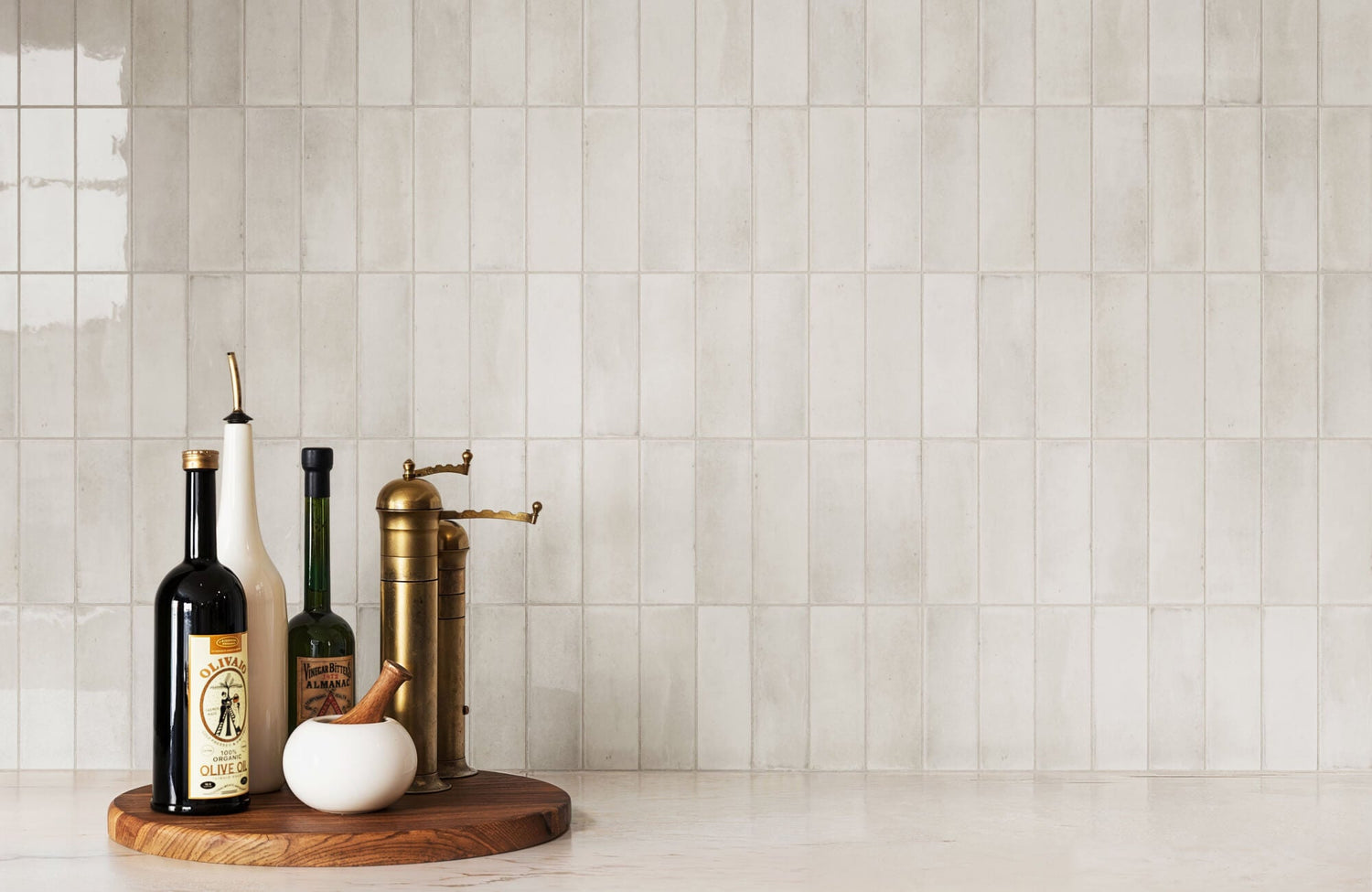
In high-demand areas of the home, such as kitchens and bathrooms, subway tiles enhance visual appeal and create a polished, well-maintained appearance. A stylish, well-executed backsplash in a kitchen or a full-tiled shower surround can make a lasting impression on buyers, signaling that the home is move-in ready. As shown in the photo above, Edward Martin’s Olivia 4x16 Glossy Ceramic Tile in Dove exemplifies how subway tiles can elevate a space. With its elongated 4x16 format and glossy finish, this tile reflects natural light beautifully, making rooms feel more open and sophisticated. Furthermore, its soft, neutral tone seamlessly integrates with various color palettes, ensuring broad buyer appeal.
Beyond aesthetics, the presence of subway tiles can serve as an indicator of quality and durability. Unlike painted drywall or lower-end laminate backsplashes, ceramic and porcelain subway tiles convey a sense of permanence and craftsmanship. Buyers who recognize the practicality and aesthetic value of tile may be more willing to pay a premium for a home that already includes these sought-after features, increasing overall marketability.
Perception of Updated and Modern Spaces
Another key advantage of subway tiles is their ability to make a home feel updated and well-maintained. In real estate, homes with outdated finishes can deter buyers or lead to lower offers due to the perceived need for renovations. Subway tiles, however, create a visually refreshed and contemporary atmosphere, even in older homes, helping them compete more effectively in the market.
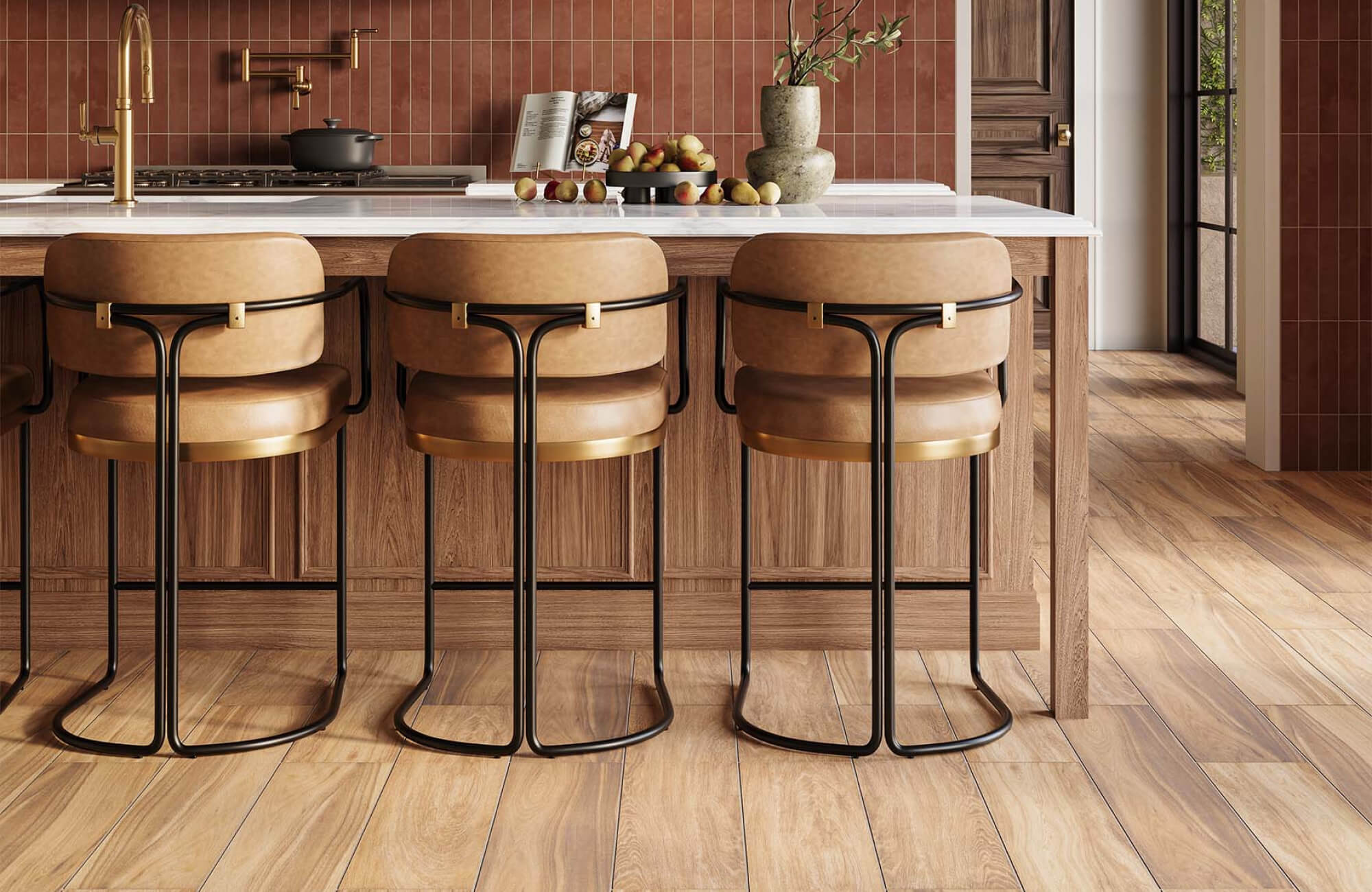
In kitchens, subway tiles instantly modernize the space by providing a clean, streamlined backdrop. Whether installed in a traditional offset pattern, a herringbone design, or a stacked vertical layout, they contribute to a polished, high-end aesthetic. Regardless of the arrangement, a kitchen with a fresh subway tile backsplash signals to buyers that the space has been recently updated, increasing its perceived value without requiring a full-scale renovation.
Similarly, in bathrooms, subway tiles can transform an outdated setting into a spa-like retreat. Replacing old, discolored wall coverings or dated tile patterns with classic white or neutral subway tiles creates a bright, inviting space that feels fresh and modern. Since bathrooms are among the most scrutinized areas during home showings, investing in subway tiles for showers, tub surrounds, or vanity backsplashes can significantly enhance a home’s appeal and perceived value.
Beyond visual updates, subway tiles also reflect a level of investment in quality materials. Unlike cheaper alternatives such as adhesive vinyl backsplashes or painted wall treatments, tile surfaces suggest that the homeowner has taken care to incorporate durable, long-lasting finishes. As a result, this perception can increase buyer confidence in the home's overall condition, making it more desirable in a competitive market.
Return on Investment Considerations
From a financial standpoint, subway tiles offer one of the best returns on investment (ROI) when it comes to home upgrades. Unlike high-cost renovations that may not recoup their full expense, installing subway tiles is a relatively affordable way to boost property value while enhancing functionality.
The cost-effectiveness of subway tiles stems from their affordability compared to premium materials like marble or quartz, while still delivering a high-end aesthetic. Homeowners can achieve a luxurious look without overspending, making subway tile installations one of the most budget-friendly ways to enhance a home's interior appeal. Additionally, the low maintenance and longevity of subway tiles mean that homeowners won’t face frequent replacement or repair costs, further improving ROI over time.
When considering resale value, real estate experts consistently highlight kitchen and bathroom upgrades as key factors in maximizing home value. According to industry reports, minor kitchen remodels, including features like new backsplashes, yield a high percentage of cost recoupment upon resale. Similarly, modernizing a bathroom with new tilework can offer substantial returns, as buyers prioritize updated finishes in these essential spaces.
Moreover, subway tiles contribute to a home’s overall desirability, potentially reducing the time it spends on the market. Homes with appealing, move-in-ready kitchens and bathrooms are more likely to attract competitive offers, increasing the chances of selling at or above the asking price. When compared to homes requiring extensive updates, properties with stylish subway tile finishes stand out as a better investment for buyers, translating into a higher perceived and actual resale value.

Things to Consider Before Having Subway Tiles
Subway tiles are a timeless and versatile choice, but there are several key factors to evaluate before incorporating them into your space. While they offer aesthetic and functional benefits, considerations such as trend saturation, installation quality, and tile selection help ensure a successful and lasting result.
The Risk of Over-Saturation and Trends
Although subway tiles have remained a design staple for over a century, their widespread popularity raises the concern of overuse and potential trend fatigue. What was once a distinctive feature in kitchens and bathrooms has now become a default option in many homes, leading some people to question whether subway tiles will maintain their appeal or eventually feel outdated.
To mitigate the risk of over-saturation, it’s essential to consider how subway tiles fit within the broader context of your home’s design. Standard white ceramic subway tiles, while classic, may lack individuality if not thoughtfully integrated. To introduce more character and distinction, opting for variations in size, texture, or layout, such as elongated subway tiles, handmade-look finishes, or herringbone and vertical installations, can help maintain the timeless charm.
Beyond layout and texture, color selection also helps in ensuring longevity. While white remains the most enduring choice, incorporating soft neutrals, muted tones, or glossy finishes can provide subtle differentiation without straying too far from the classic aesthetic. On the other hand, bold or heavily patterned subway tiles may align with current design trends but could date a space more quickly, requiring a balance between contemporary appeal and long-term versatility.
Additionally, considering how subway tiles interact with other design elements in the room, such as cabinetry, countertops, and flooring, also helps prevent a space from feeling overly generic. Customizing details like grout color and edge treatments can further refine the overall look, ensuring that your subway tile installation feels intentional rather than a default choice.
Importance of Professional Installation
While subway tiles are often perceived as an easy-to-install option, achieving a flawless result requires precision and expertise. Improper installation can lead to alignment inconsistencies, uneven grout lines, and adhesion issues that compromise both aesthetics and longevity. For this reason, professional installation is a worthwhile consideration, particularly for large or highly visible areas.
One of the most common challenges in subway tile installation is maintaining consistent spacing and alignment. The classic 3x6 size is relatively small compared to large format tiles, meaning even minor misalignments can be noticeable, especially in a running bond or stacked layout. To avoid this issue, professional tile installers use laser levels, spacers, and meticulous planning to ensure symmetry and precision.
In addition to alignment, selecting the correct adhesive and grout is crucial for durability. In wet areas like bathrooms or kitchen backsplashes, using a waterproof mortar and mold-resistant grout prevents moisture infiltration and prolongs the life of the installation. If opting for specialty subway tiles, such as glass or natural stone varieties, professional installers can also recommend the appropriate setting materials to prevent discoloration, cracking, or premature wear.
Beyond technical execution, professional installation can help streamline the project timeline and minimize costly mistakes. While DIY installation is possible, particularly for small areas, people should assess their skill level and the complexity of the design before attempting a project. Ultimately, investing in professional expertise ensures a polished finish and long-term performance, making it a smart choice for those seeking both style and reliability.
Choosing the Right Subway Tile for Your Home
Not all subway tiles are created equal, and selecting the right material, finish, and size is essential to achieving the desired look and functionality. While ceramic subway tiles are the most common choice due to their affordability and ease of maintenance, porcelain, glass, and natural stone alternatives offer additional design possibilities and performance benefits.
To offer a clean comparison, here's a table outlining the different types of subway tiles, their key features, ideal applications, and important considerations to help you choose the best option for your space. This breakdown highlights the strengths and limitations of each material to ensure a well-informed decision.
| Subway Tile Type | Key Features | Ideal Applications | Considerations |
| Ceramic Subway Tiles | Affordable, lightweight, available in various colors and finishes | Walls, backsplashes | Not recommended for high-impact flooring applications |
| Porcelain Subway Tiles | Denser and more durable than ceramic, highly resistant to moisture and scratches | Walls, floors, high-moisture areas | Slightly more expensive than ceramic but offers better longevity |
| Glass Subway Tiles | Highly reflective, enhances brightness, available in vibrant colors | Accent walls, backsplashes | Requires careful handling during installation, prone to scratches |
| Natural Stone Subway Tiles | Luxurious aesthetic (e.g., marble, travertine), adds texture and depth | High-end kitchen backsplashes, bathrooms | Requires sealing and regular maintenance to prevent staining and etching |
Beyond material selection, the choice between glossy, matte, or textured subway tiles influences both aesthetics and functionality. For example, glossy finishes reflect light, making them ideal for small or dimly lit spaces, whereas matte finishes create a softer, more understated appearance. Additionally, design details such as beveled edges add depth and dimension, while handmade-look or textured surfaces provide a more artisanal, organic feel.
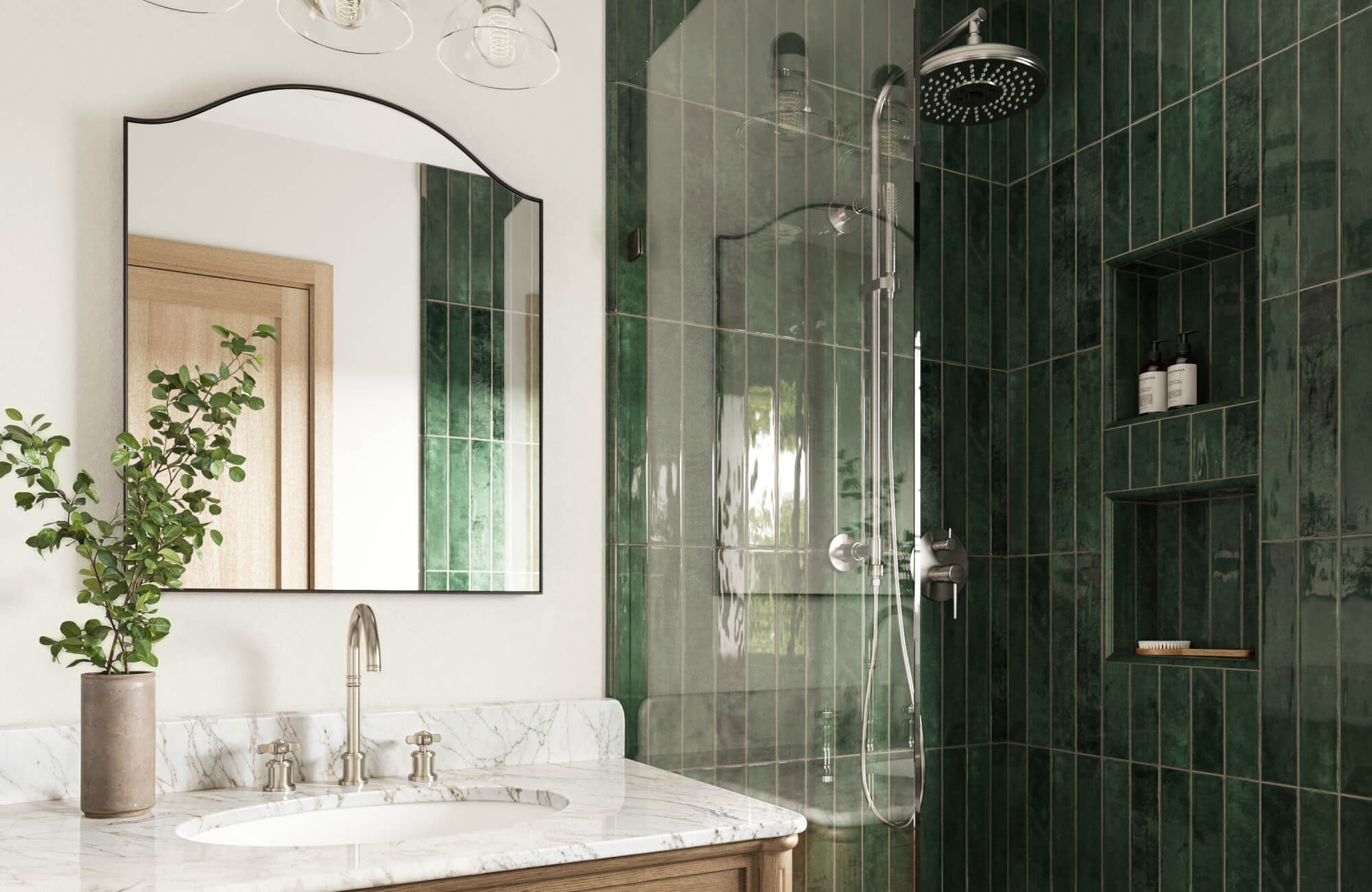
A great example of how a glossy finish enhances a space is Edward Martin’s Olivia 4x16 Glossy Ceramic Tile in Dusty Blue, as displayed in the picture above. This tile’s reflective surface helps brighten the bathroom, amplifying natural light to create an open, airy feel. Its elongated 4x16 format adds a modern touch, while the rich dusty blue tone brings depth and sophistication to the space.
To further simplify your tile selection, Edward Martin’s Augmented Reality (AR) Visualization Tool allows you to preview different subway tile styles in real time before making a decision. With just a few taps, you can explore the tile collection and select a design that catches your eye. Once chosen, simply point your device at the desired location, and the AR tool will overlay the selected tile onto your walls or floors. By eliminating the guesswork, this innovative tool ensures a smoother, more confident tile selection experience, making it easier than ever to find the perfect subway tile for your home.
The Lasting Value of Subway Tiles
Subway tiles tend to hold their value because they simply work well in real homes over time. They handle moisture without much trouble, they’re easy to clean, and they don’t fall out of style as quickly as more trend-driven choices. That combination makes a difference, especially in spaces like kitchens and bathrooms where people pay closer attention during resale. It’s not about chasing a specific number in return, but about creating a space that feels clean, updated, and easy to maintain. When those basics are covered, the whole room comes across as more put-together without trying too hard.
If you’re thinking about using subway tiles in your own space, it helps to see how everything will actually come together before making final decisions. Our personalized design consultation makes that process a lot easier by guiding you through tile choices, layouts, and finishes based on your space and how you plan to use it. You don’t have to figure everything out on your own or second-guess your selections along the way. With the right direction, you can build a setup that not only looks right but continues to make sense long after it’s installed.