
)
)
)
)
)
)
)
)
Do Penny Tiles Feel Slippery When Wet?
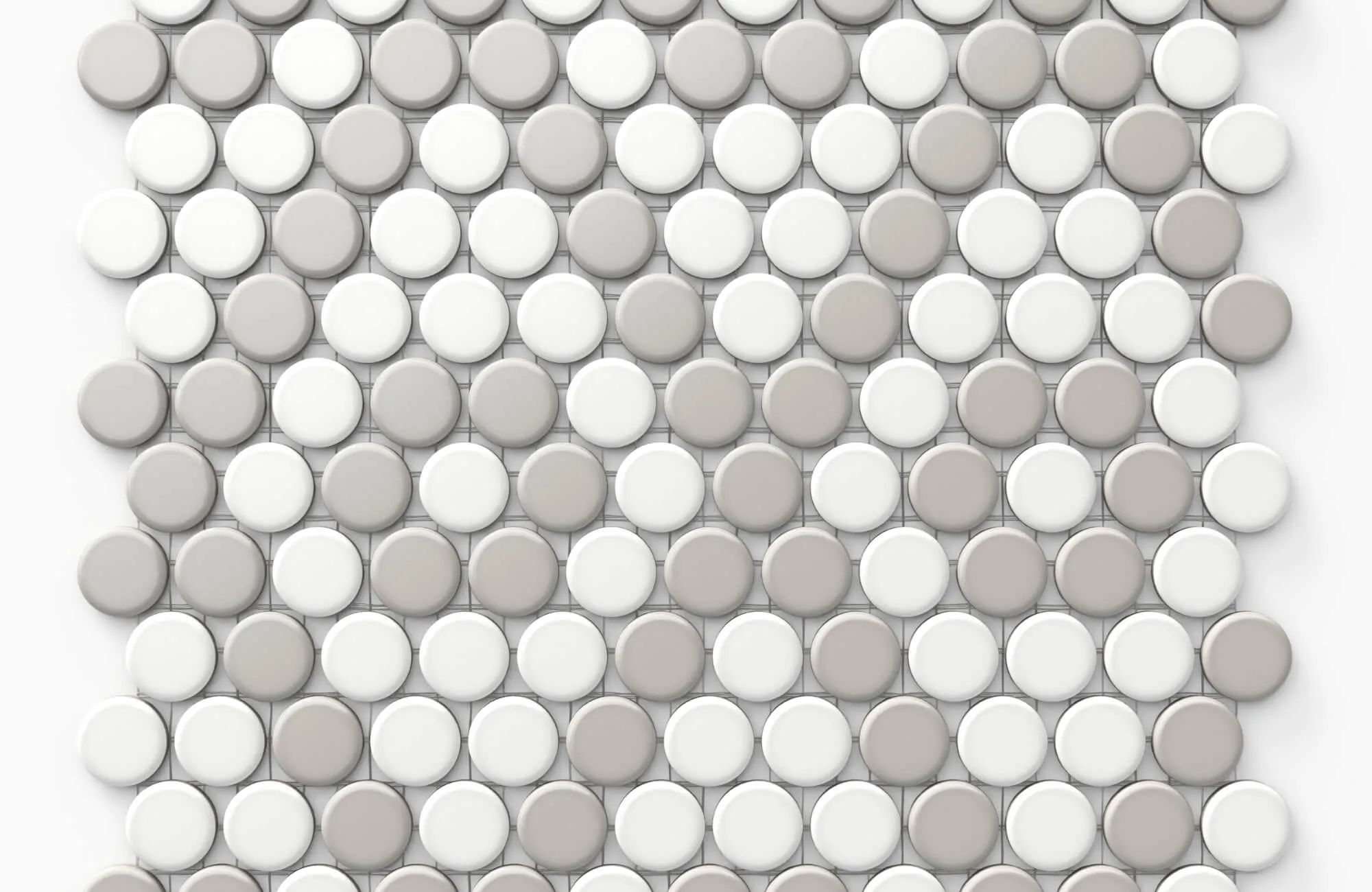
Penny tiles have a way of bridging old-world charm with modern design sensibilities, bringing personality and texture to bathrooms, showers, laundry rooms, and entryways. Their small, round shape creates visual rhythm, while the dense grid of grout lines adds a level of detail that larger tiles rarely achieve. Yet when homeowners consider penny rounds for a wet area, one of the first questions they ask is whether this surface becomes slippery underfoot.
The short answer is that properly selected and correctly installed penny tiles offer dependable traction, even in environments prone to moisture. To understand why, it helps to look beyond the tile itself and examine the interplay of grout, finish, installation technique, and long-term care. Penny rounds behave differently from smooth slabs or oversized porcelain pieces, and that difference can work to your advantage when safety matters just as much as style.
Why The Grout Lines Are Your Secret Weapon
Penny tiles may be small, but the grout between them does a lot of heavy lifting. Those tightly spaced joints add texture underfoot, giving you far more traction than you might expect from a glossy surface.
How Grout Acts Like Natural Tread
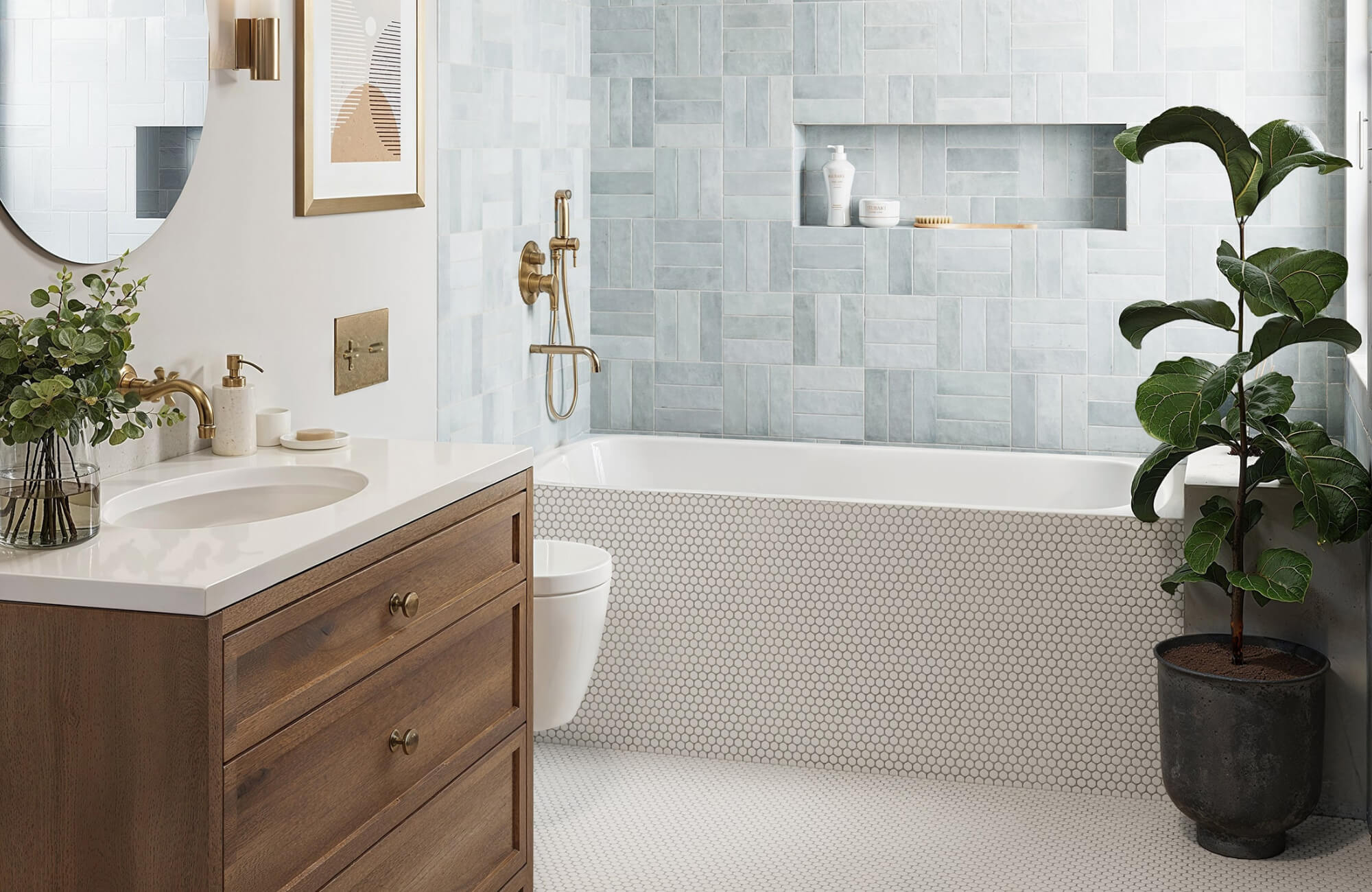
Homeowners often assume that traction depends solely on the surface of the tile, but penny rounds challenge that idea. Because each individual tile is surrounded by a ring of grout, the overall floor becomes a pattern of raised and recessed textures. When the tile surface gets wet, your weight distributes across hundreds of small contact points, allowing the grout to function almost like built-in tread. This texture breaks up the water layer beneath your feet, reducing the hydroplaning effect that often occurs on smoother, uninterrupted surfaces. In the image above, you can see how Edward Martin’s Ollie 3/4x3/4 Matte Porcelain Mosaic Penny Round Tile in White creates these subtle dips between each piece, giving the floor a consistent grip. In a shower pan or bathroom floor, this interaction between tile and grout becomes one of the most reliable safety features.
The Science of Contact Points
Every flooring material has its own coefficient of friction, and penny rounds gain a unique advantage from their geometry. With more edges per square foot than any larger tile, they create an intricate network of micro-contact points that perform even when water, shampoo, or bath products are present. The circular shape helps disperse water rather than trap it, and the narrow spacing encourages faster drainage. This means that instead of standing on a flat, potentially slick surface, you are supported by dozens of miniature traction zones at any given moment. The design also makes it easier for the sole of a foot or shoe to bend and conform to the surface, adding a biomechanical layer of stability. For households with children, seniors, or anyone concerned about footing in wet conditions, these small but effective details make penny rounds a practical choice rather than a risky one.
Comparing Pennies To Large Format Slabs
Large format tiles have their own advantages, but traction in wet environments is not typically one of them. Fewer grout joints mean fewer breaks in the surface, making it easier for water to pool and spread. Even a tile with a matte finish can feel less forgiving when it covers a wide, flat expanse. Penny rounds behave differently because they turn the floor into a field of alternating textures. Every tile edge interrupts water flow, while the grout acts almost like the grooves on an all-weather shoe sole. The difference becomes especially noticeable in shower floors, where large slabs can require aggressive surface texturing to achieve comparable slip resistance. Penny tiles achieve that naturally through scale and pattern, offering both grip and flexibility without sacrificing style. This is why you’ll see them repeatedly recommended by designers and tile installers for shower pans and other high-moisture areas.
Selecting The Right Finish For Wet Areas
Once you understand how grout boosts slip resistance, the next step is choosing a finish that works with it, not against it. The right surface sheen can strengthen that natural grip, especially in spaces that see frequent moisture.
The Safety Benefits of Unglazed Porcelain
While geometry and grout each support overall traction, the surface finish of the tile remains one of the most direct influences on slip resistance. Unglazed porcelain penny tiles are widely considered the safest option for wet areas because they retain a lightly textured, naturally grippy feel even when drenched. Their color runs through the body of the tile rather than sitting on the surface, eliminating the need for a glossy protective coating that could become slick. Unglazed porcelain maintains its micro-texture over time, resists wear from cleaning, and handles temperature fluctuations typical in showers or steam rooms. Homeowners appreciate that this finish brings a grounded, artisanal character to the space while meeting safety expectations that often exceed those of glazed or decorative tiles.
When To Use Matte Over Glossy Finishes
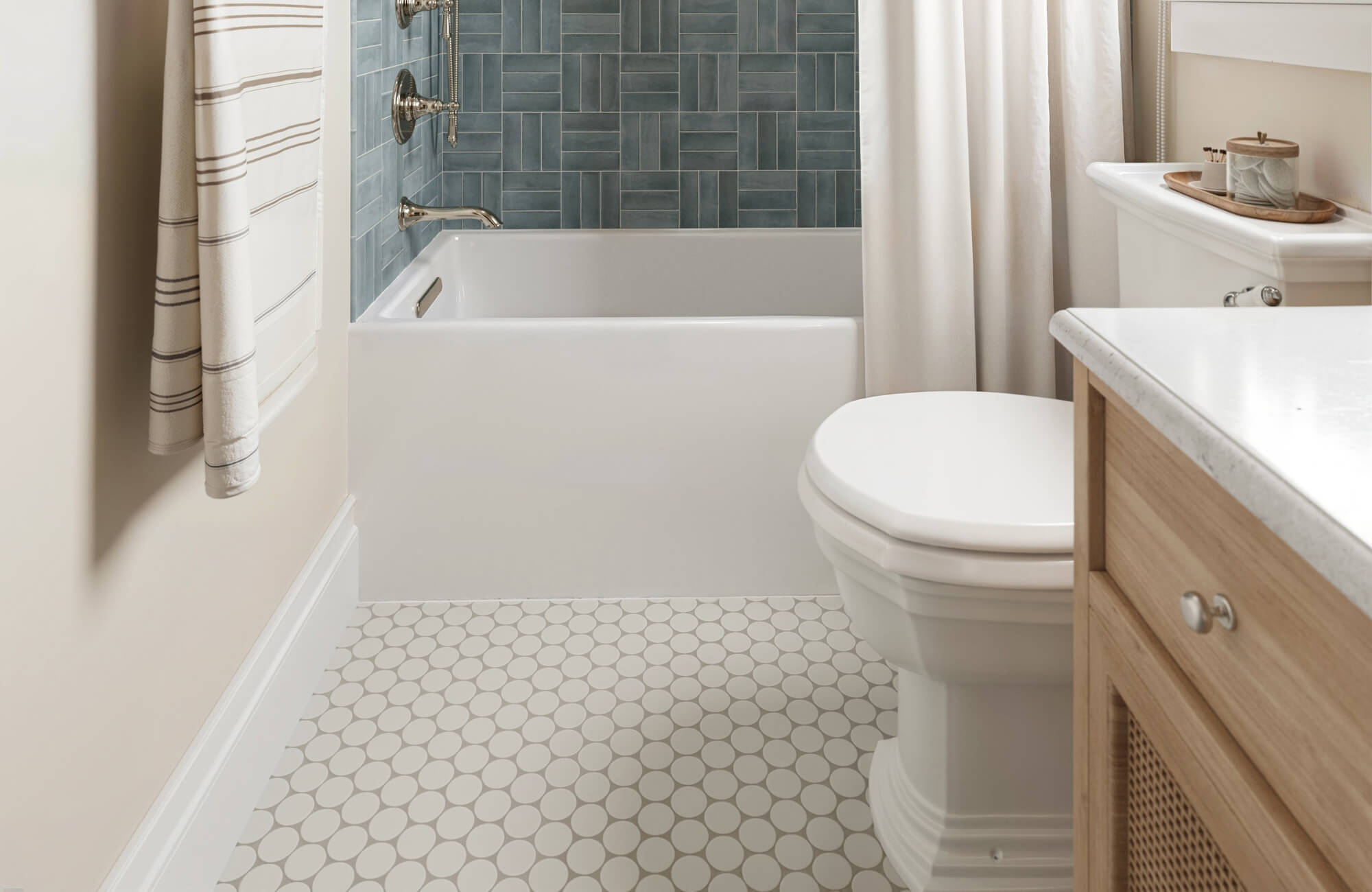
Glossy tiles can be beautiful in the right setting, but they reflect light in a way that signals their smoother feel, especially when exposed to water. A matte finish, on the other hand, scatters light across a slightly textured surface, which translates to more consistent traction. When penny tiles are used on a wall or as a decorative backsplash, gloss can create a refined shine that enhances the pattern. On a floor, particularly in a shower, matte is the smarter and more comfortable option. In the image above, Edward Martin’s Cece 12x12 Matte Porcelain 2" Round Mosaic Tile in White demonstrates how a soft, light-diffusing finish reduces the likelihood of slipping, masks minor water spots between cleanings, and offers an understated elegance that feels both modern and timeless. This distinction becomes even more important in spaces used by children or aging adults who may rely on predictable footing.
Considerations For Glass Penny Rounds
Glass penny tiles add striking visual depth, and their translucency can make a bathroom feel brighter and more open. However, they require thoughtful placement. Glass is inherently smoother than porcelain, and when used on a floor, especially in a wet zone, it may become slick. Designers typically reserve glass pennies for walls, niches, or accent bands where they can contribute sparkle without compromising safety. If your heart is set on incorporating glass, ensure it’s part of a mixed material layout where porcelain handles the areas underfoot. Some manufacturers produce etched or frosted glass variants with improved traction, but they still cannot match the reliability of unglazed porcelain in consistently wet environments. Homeowners who prioritize safety will find porcelain pennies a more practical foundation, using glass for visual interest rather than surface area.
Installation Factors That Impact Traction
Even with the perfect finish, traction ultimately depends on how your floor is installed. Proper slope, consistent leveling, and the right grout application all work together to ensure your penny tile performs the way it should.
The Importance Of A Perfect Slope
Even the safest tile loses its advantage if the installation does not direct water where it needs to go. In a shower pan, the slope controls drainage, helping water move toward the drain before it can pool. Penny rounds conform well to curved and angled surfaces, making them ideal for achieving the gentle, even slope required by building standards. A floor that is too flat may cause water to linger, reducing traction and inviting soap buildup. A floor that slopes too aggressively can affect comfort and balance. When installed correctly, penny tiles create a continuous, slip-resistant surface that works with gravity to keep the shower dry underfoot. This balance makes professional installation essential, as small errors can disrupt both the appearance and performance of the floor.
Choosing The Right Grout Type
The grout itself contributes significantly to the tactile feel of a penny tile floor. Sanded grout is usually preferred for porcelain pennies because it adds a slightly coarse texture that enhances traction. Its structure helps fill the joints securely while resisting shrinkage, creating a durable bond that withstands daily moisture exposure. Unsanded grout, while useful for narrow joints on walls or highly polished surfaces, lacks the granular texture that gives penny rounds their distinctive grip. The color of the grout also factors in gently; mid-tone shades often balance maintenance needs by masking minor discoloration while still complementing the tile. What matters most is ensuring the grout is properly packed into every joint, sealed when necessary, and allowed to cure fully before the floor is exposed to water.
How Lippage Creates Trip Hazards
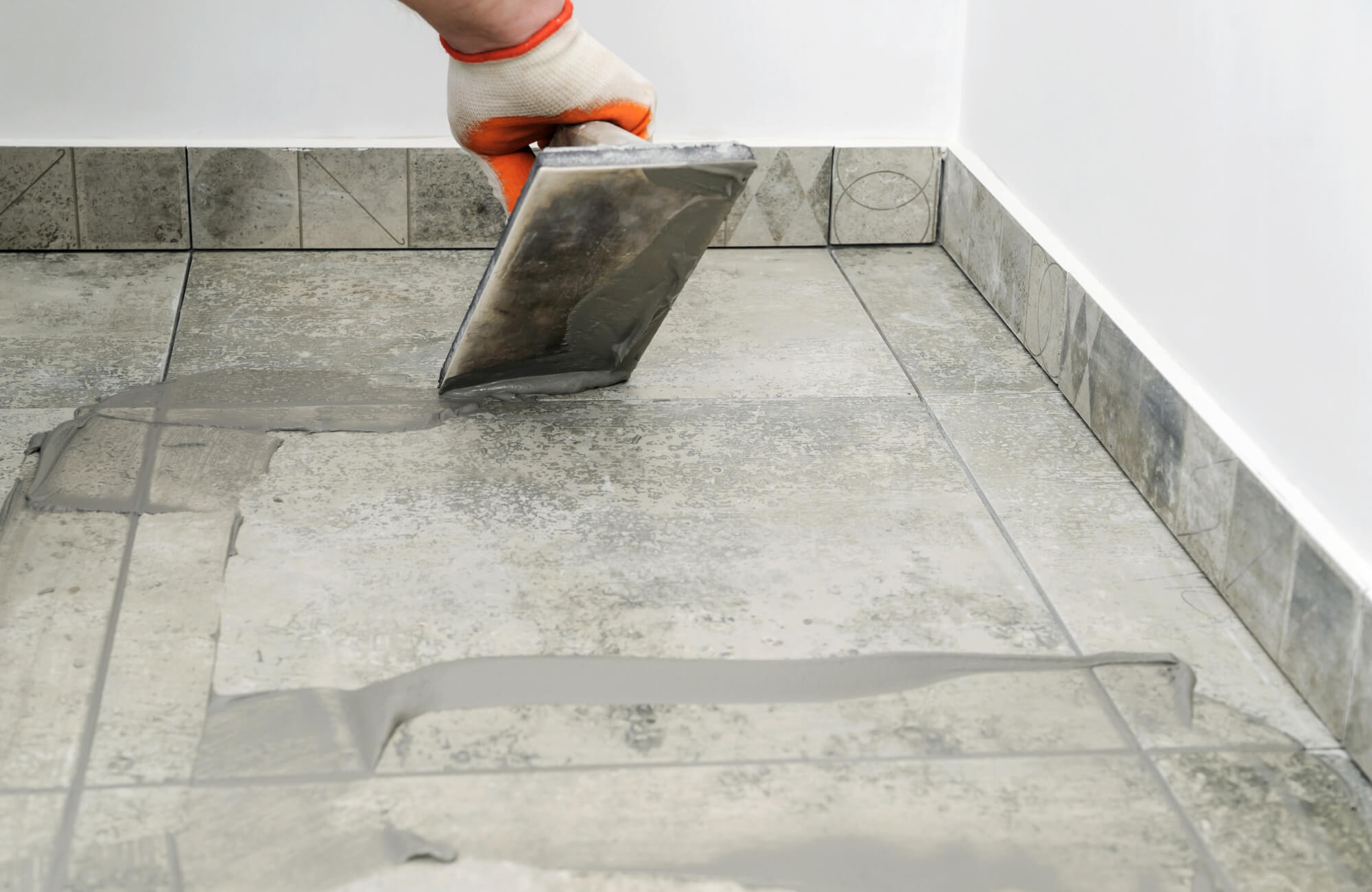
Lippage occurs when adjacent tiles sit at different heights, and in a pattern as dense as penny rounds, even slight inconsistencies can affect the overall surface. Although penny tiles offer more flexibility than large format pieces when conforming to irregular planes, meticulous installation is still vital. Excessive lippage disrupts the smooth grid that makes pennies comfortable and secure underfoot, turning a uniform slip-resistant surface into a series of raised edges. These edges can catch toes, create uneven pressure points, and alter the way water drains across the floor. A properly installed penny tile floor should feel cohesive, with each tile aligned evenly so the foot experiences consistent texture rather than isolated protrusions. This level of precision requires careful setting, leveling, and attention to mortar thickness throughout the installation.
Keeping Your Penny Floor Safe Long Term
After installation, maintaining that safety is all about simple, long-term habits. A little routine care helps preserve the grip you built into the floor, keeping it comfortable and reliable for years to come.
Cleaning Soap Scum To Restore Grip
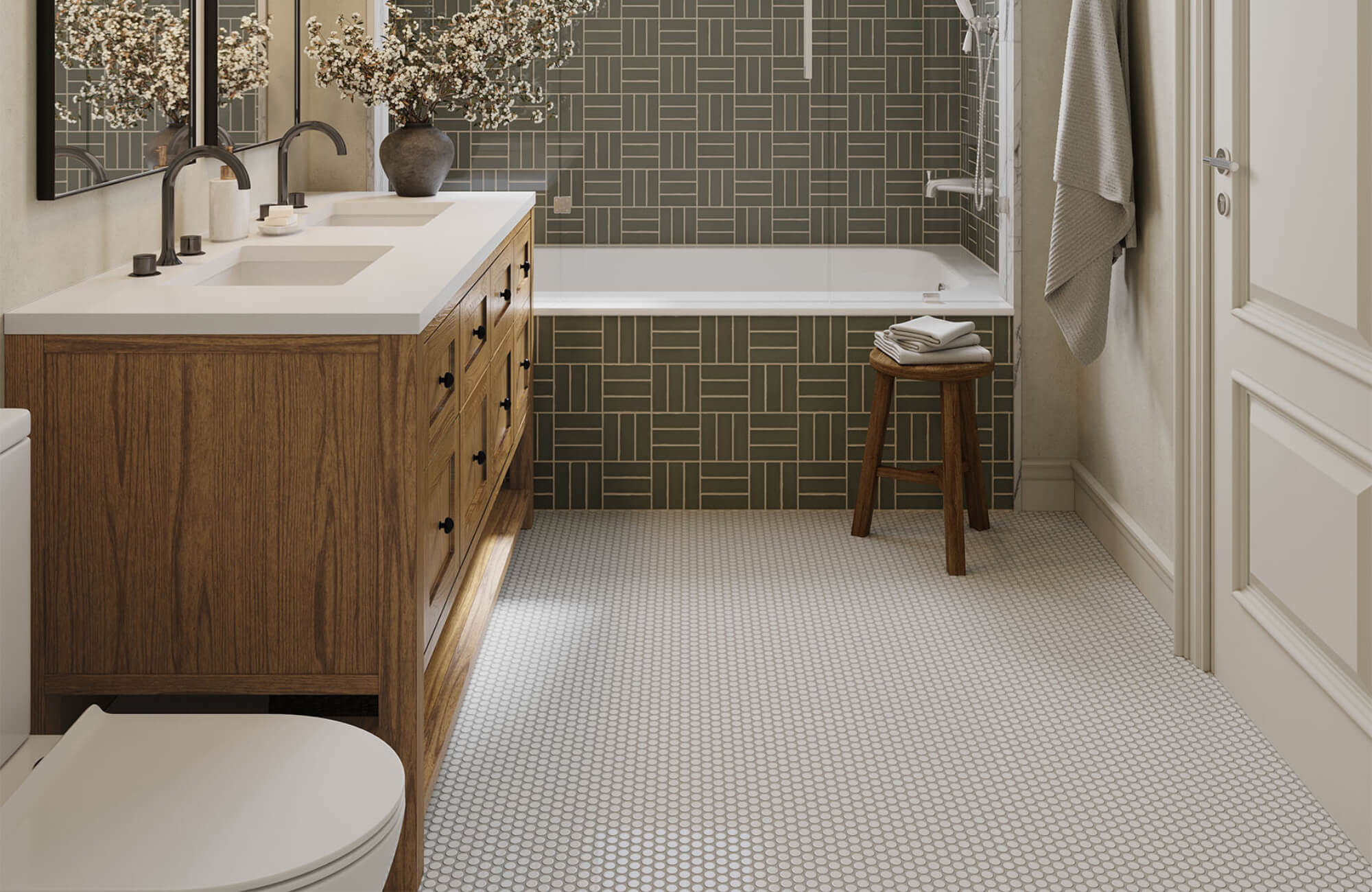
Over time, even a textured surface can begin to feel slick if soap scum, body oils, or hard water minerals accumulate on the tile. These residues create a thin film that masks the natural texture of porcelain and fills the micro-grooves that contribute to traction. Regular cleaning restores the original feel of the floor and prevents buildup from compacting into harder deposits. A mild cleaner formulated for tile and grout is usually all that’s needed to refresh the texture. In the image above, you can see how Edward Martin’s Ariel 12x12 Glossy Porcelain Penny Round Mosaic Tile in Shell maintains its clarity and grip when kept free of residue. Consistency is more important than intensity; a routine wipe-down of the shower floor prevents the gradual development of a slippery layer and keeps the space visually fresh.
Sealing Without Creating A Slick Surface
Not all penny tile installations require sealing, but when grout is porous or located in a high-moisture environment, a penetrating sealer can help prevent staining without altering the traction of the tile. It’s critical to choose a sealer that absorbs into the grout rather than forming a glossy film on the surface. Film-forming sealers can inadvertently create slickness, especially on a small format tile pattern. Penetrating sealers preserve the natural feel of the grout while protecting it from moisture intrusion, mildew, and discoloration. If properly applied, the sealer remains invisible and does not interfere with the tactile qualities that make penny rounds stable underfoot. Homeowners should follow manufacturer recommendations and avoid over-application, which can leave unwanted residue.
Routine Maintenance For Grout Integrity
Grout lines are so integral to the traction of a penny tile floor that keeping them intact becomes an essential part of safety maintenance. Over time, continuous exposure to water and cleaning agents can gradually wear down the grout, especially in highly used showers. Small voids or cracks may appear, creating spots where water can settle or where dirt can accumulate. Addressing these areas promptly prevents bigger repairs and ensures the micro-tread of the surface remains effective.
A simple inspection during regular cleaning helps homeowners notice subtle changes before they affect performance, and tools like Edward Martin’s AR Visualization Tool can make it easier to plan updates before committing to them. Once you’ve visualized how a refreshed tile layout will look, ordering Edward Martin tile samples provides the final confirmation before making any repairs or design changes. When the grout remains strong, evenly filled, and clean, the entire floor maintains the stability that penny tiles are known for, reinforcing that this material is as functional as it is stylish.
Safe Stylish and Smart
A penny tile floor demonstrates how thoughtful design can blend safety with aesthetics, offering a surface that feels grounded, tactile, and visually distinctive. Homeowners are often surprised to learn that these small, rounded tiles excel in wet environments not despite their size but because of it. The network of grout lines, the dependable texture of unglazed porcelain, and the flexibility of the installation all work together to create a floor that is both inviting and inherently secure.
When paired with proper maintenance and mindful finish selections, penny tiles remain one of the most reliable and stylish options for showers and moisture-prone rooms. Choosing pennies means choosing a surface that supports everyday comfort while delivering timeless design, a smart balance of beauty and practicality that stands the test of time.
Follow us on Instagram
@EDWARD.MARTIN
)
)
)
)
)
)
)
)
)
)
)
)
)
)
)
)