Oriental rugs have long been admired for their craftsmanship, character, and durability, but for households with cats, one question inevitably arises: can these rugs truly withstand claws, stretching, and the occasional burst of feline energy? The short answer is yes, when chosen thoughtfully. Hand-knotted Oriental rugs, particularly those made of wool, offer a structural and material resilience that makes them far more pet-friendly than many modern machine-made or tufted alternatives. Understanding why helps homeowners make confident, informed investments that balance beauty and practicality.
By examining the architecture of hand-knotted construction, the performance of wool, and the visual advantages woven into these pieces, homeowners can better appreciate why Oriental rugs are often the most forgiving choice for pet-centric spaces.

The Structural Advantage of Hand Knotted Weaves
Understanding a rug’s resilience starts with how it’s built, and hand-knotted construction sets the foundation for true durability. This section explores why the integrity of individually tied knots gives Oriental rugs their natural defense against cat claws and everyday wear.
Why High Knot Density Repels Claws
The foundation of an Oriental rug’s resilience lies in its construction. Unlike mass-produced rugs, which rely on adhesives and machine-tufted loops, hand-knotted rugs consist of individual knots tied one by one around the warp threads. This creates a tightly compacted surface that resists snagging because the pile is anchored from within rather than punched or glued onto a backing. Cats typically seek surfaces that offer resistance or loose loops to hook their claws into, but a high-knot-density rug presents almost nothing for the claw to catch. The pile bends under pressure rather than splitting apart, absorbing the impact of playful swipes without compromising structural integrity.
The density also provides a kind of springy surface that rebounds after contact. When a claw presses into a tightly packed pile, the fibers flex and return to their shape instead of separating or unraveling. This characteristic not only reduces visible damage but also discourages cats from returning to the rug as a scratching outlet because it simply doesn’t provide the tactile payoff they seek. Over time, the rug’s even surface remains consistent, reinforcing the longevity homeowners expect from an investment piece.
The Dangers of Tufted and Loop Pile Rugs
Many modern rugs marketed as “handcrafted” are actually hand-tufted, meaning the fibers are shot through a canvas and then secured with latex glue. While often attractive and affordable, these carpets create an environment ripe for snags. The loops sit loosely above the substrate, and a single hooked claw can pull them upward, causing runs, bald patches, and premature fraying. Cats are naturally drawn to loops because they mimic the texture of scratching pads, but this is precisely what makes tufted rugs poor companions for feline households.
Machine-woven loop pile rugs pose the same risk. The continuous loops form convenient anchors for claws, especially during high-energy moments when cats sprint across the floor or prepare for a playful pounce. Once a loop is broken, the damage can spread quickly because the fibers are not individually knotted. This cascading effect creates visible disruption in the pile, making tufted and looped constructions far more vulnerable to pet-related wear.
The Absence of Latex Glue Backing
Hand-knotted rugs have an additional advantage: they contain no latex glue backing. Latex, especially the lower-quality formulations found in many budget rugs, deteriorates over time. As it breaks down, it becomes brittle, flaky, and sometimes sticky, creating a substrate that traps odors, releases dust, and weakens the rug’s overall structure. Cats walking or scratching on this unstable surface accelerate the process, causing sections of the rug to lose their shape or detach from the base.
By contrast, a hand-knotted rug’s integrity relies solely on the strength of the wool and the craftsmanship of the knots. There is no adhesive to degrade, no backing to separate, and no filler materials to loosen with moisture or temperature changes. For households where cats may drag toys, knead surfaces, or lounge in sun-exposed areas, this glue-free structure is vastly more durable and hygienic.

Why Wool Is the Ultimate Performance Material
Once the structure is in place, the next layer of protection comes from the material itself, and wool elevates that durability even further. Building on the strength of hand-knotted construction, this section explains how wool’s natural elasticity and protective qualities make it a top choice for homes with pets.
The Natural Elasticity of Wool Fibers
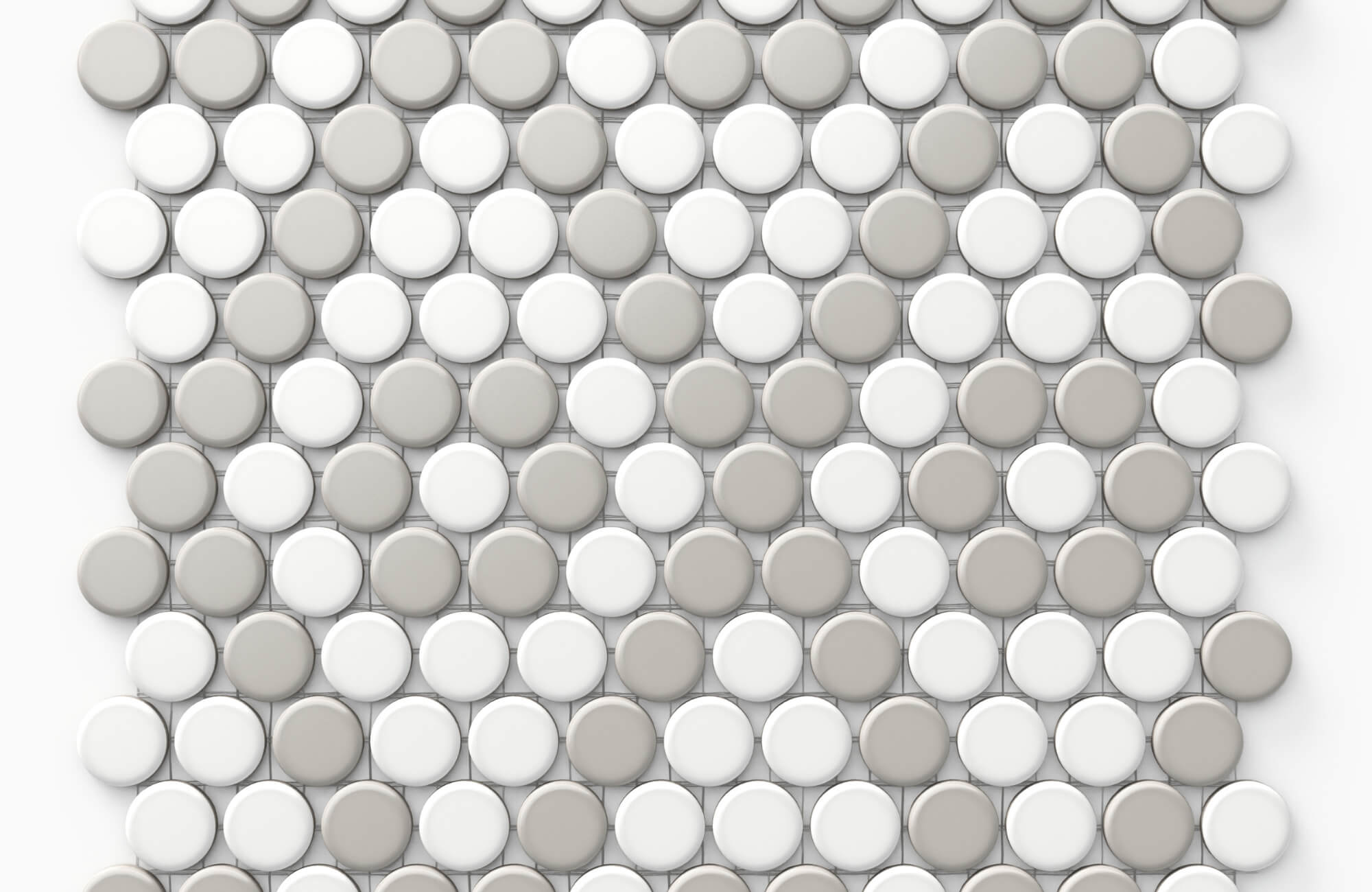
Wool is often celebrated for its beauty and softness, but its durability is just as exceptional. Each wool fiber behaves like a tiny spring, capable of bending thousands of times without breaking. This elasticity gives wool rugs a natural resilience that synthetic fibers simply cannot replicate. When a cat walks, pounces, or kneads on a wool rug, the fibers compress and rebound instead of flattening permanently or pulling apart, something well illustrated by Edward Martin’s Mallory Wool Pile Rug in Khaki in the image above. The structure of wool allows it to recover from pressure and friction, making it an ideal material for homes with pets that frequently test the limits of floor coverings.
This flexibility also minimizes the appearance of scratches. Even when claws rake through the pile, the fibers do not split or tear; they release and bounce back into position. Over time, this elasticity contributes to the rug’s ability to age gracefully. Instead of showing isolated damage, the rug develops a soft patina that highlights its craftsmanship, reinforcing its value as both a practical and aesthetic investment.
Lanolin and Liquid Resistance
Another advantage of wool is its naturally occurring lanolin coating, which acts as a protective barrier against moisture. Cats may track in water, spill their bowls, or experience the occasional accident, but wool fibers repel liquid long enough to prevent immediate absorption. This resistance gives homeowners more time to clean up spills before they penetrate the rug’s foundation, reducing the risk of stains and odor retention.
Lanolin also contributes to wool’s ability to withstand dirt. Because the fibers are naturally coated, dust sits on the surface rather than embedding deeply, making routine vacuuming more effective. For pet owners managing regular shedding and dander, this ease of maintenance becomes invaluable. Wool essentially works with the homeowner, not against them, helping maintain cleanliness even in busy or pet-active areas.
Avoiding the Viscose Trap
In contrast to wool, viscose presents multiple problems for cat-friendly homes. Although often marketed as a “silk alternative,” viscose lacks the tensile strength necessary for real-world wear. It absorbs moisture readily, becomes weak when wet, and shows scratches almost instantly. A single pass of a cat’s claw can leave permanent visible lines in the pile, creating areas of uneven sheen that are nearly impossible to correct.
Viscose also sheds excessively, and once damaged, the fibers cannot regain their shape. This makes viscose rugs poor choices for homes with any kind of pet activity, and especially for cats, whose nails can easily shred the delicate surface. Homeowners seeking elegance without sacrificing durability are far better served by wool, which replicates softness and sheen without the vulnerability.

Aesthetic Benefits Camouflage and Character
Beyond structure and fiber strength, the visual design of an Oriental rug adds yet another layer of pet-friendly performance. Expanding on wool’s resilience, this section looks at how intricate patterns, natural variations, and traditional artistry help disguise minor wear and keep the rug looking beautiful over time.
The Power of Intricate Patterns
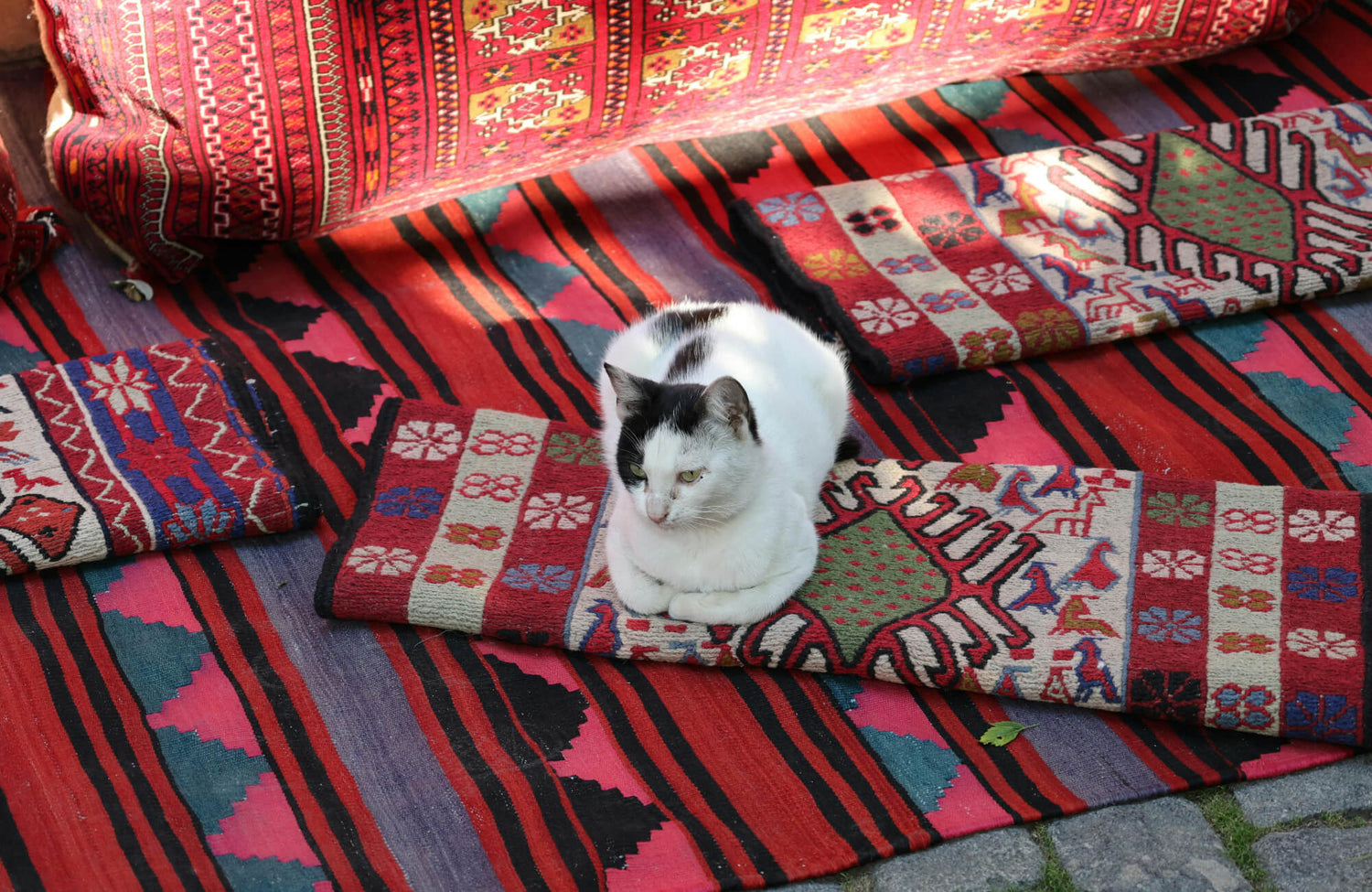
One of the hidden advantages of Oriental rugs is the way their design naturally disguises minor wear. Cats may create occasional small disturbances in the pile, but intricate motifs and patterned fields make these imperfections virtually invisible. Traditional Oriental designs use repeating elements, dense detailing, and multiple color shifts that distract the eye from small inconsistencies, an effect echoed by Edward Martin’s Hutchinson Polyester Face Rug in Sage / Graphite shown in the image above. This visual complexity allows homeowners to enjoy their rug’s artistry without worrying about every tiny mark left by daily life.
Patterned rugs also provide a sense of vibrancy and movement that complements the dynamic nature of households with pets. Instead of drawing attention to wear, the design invites the viewer to appreciate the craftsmanship, storytelling, and cultural symbolism woven into every inch of the textile. For cat owners, this means the rug remains a focal point of beauty, not a surface that constantly reveals the evidence of pet activity.
How Abrash Hides Wear
Abrash, natural color variation caused by differences in hand-dyed batches of wool, adds another layer of pet-friendly charm. These tonal shifts create a sense of organic texture that masks changes in the pile over time. If a cat slightly disturbs the nap in one area or compresses the fibers in a favored lounging spot, the presence of abrash softens the visual contrast. Instead of appearing as damage, the irregularity blends with the rug’s intentional tonal rhythms.
This characteristic becomes even more beneficial as the rug ages. Oriental rugs are meant to evolve with use, gaining depth and personality as they interact with daily life. Abrash allows this evolution to appear natural and harmonious rather than abrupt or flawed, making the rug feel alive within the home environment.
The Possibility of Repair
Unlike many modern rugs that must be discarded when damaged, Oriental rugs can be repaired. Skilled weavers can re-knot sections, rebind edges, or restore fringes using traditional techniques that preserve the rug’s integrity. This repairability transforms Oriental rugs into long-term investments rather than disposable décor. Even if a cat manages to create a small pull or chew on a corner, the damage can often be corrected with no lasting trace.
This ability to restore makes Oriental rugs especially appealing to pet owners who value sustainability and longevity. Rather than replacing a rug every few years due to pet-related wear, homeowners can maintain a single high-quality piece for decades, preserving both its beauty and its value.

Managing the Relationship Between Cat and Rug
Even with strong construction, durable materials, and visually forgiving designs, how the rug is used in the home completes the equation. Building on the previous section’s focus on appearance, this final chapter explores practical ways to harmonize your cat’s natural behaviors with the long-term health of your rug.
Proper Maintenance of Loose Threads
Even the best rug benefits from attentive maintenance. If a thread becomes loose, whether from normal wear or an enthusiastic cat, it should be trimmed rather than pulled. Pulling risks disturbing adjacent knots or creating a longer thread that attracts more attention from a curious pet, as seen with the delicate textures of Edward Martin’s Haverford Polyester Pile Rug in Platinum / Bronze in the image above. By gently cutting the thread flush with the pile, homeowners prevent further unraveling and maintain the rug’s smooth surface.
Regular vacuuming also helps remove loose fibers that might otherwise entice cats to play. A clean, even pile reduces the number of stimuli that draw feline curiosity, helping maintain both the rug’s appearance and its structural health.
Strategic Placement of Scratchers
Cats naturally seek out places to stretch and sharpen their claws, and guiding that instinct is far more effective than trying to eliminate it. Placing scratching posts or pads near the rug, but not directly on top of it, helps redirect a cat’s attention to a more appropriate surface. Many cats prefer vertical scratching tools, while others favor horizontal pads with coarse textures. By experimenting with placement and type, you can identify the option that most effectively diverts attention away from the rug, and Edward Martin’s design consultation service can offer helpful guidance when selecting pieces that fit both your space and your pet’s habits.
Providing an appealing alternative reduces the likelihood that the rug becomes the primary scratching target. When combined with the inherent structural resilience of a hand-knotted wool rug, this simple strategy significantly extends the rug’s life while keeping cats satisfied and stimulated. And for added support, whether you have product questions or need personalized recommendations for rugs, tile, or furniture, you can always contact Edward Martin for expert assistance.
The Importance of a Quality Rug Pad
A high-quality rug pad enhances a rug’s performance in a pet-friendly home. By keeping the rug securely in place, the pad prevents sliding, bunching, and buckling, issues that cats can unintentionally worsen during play. A stable rug surface reduces friction on the underside, protects the warp and weft foundation, and minimizes stress on the fibers.
Rug pads also add cushioning, which improves the rug’s feel underfoot and increases its longevity. They create a slight buffer between the floor and the rug, helping protect the knots while ensuring the pile wears evenly. When cats run or launch themselves across the room, the pad absorbs part of the impact, sparing the rug from unnecessary strain.
A Smart Investment for Pet Owners
Oriental rugs continue to be among the most dependable floor coverings for households with cats because they blend craftsmanship, natural materials, and visual depth into one cohesive, durable package. Their hand-knotted structure resists snagging, their wool fibers rebound gracefully from feline activity, and their patterns conceal minor imperfections that occur over time. In contrast to tufted or synthetic rugs that deteriorate quickly under pet stress, a well-chosen Oriental rug can remain a cherished part of the home for decades.
For cat owners seeking beauty without sacrificing practicality, an Oriental rug is not just a safe choice, it is a wise and rewarding one. With thoughtful care, strategic household setup, and an appreciation for the rug’s evolving character, homeowners can enjoy a floor covering that elevates their space while standing up to the joyful unpredictability of living with a cat.