Green has long been associated with renewal, tranquility, and the quiet balance of nature. Yet in interior design, this timeless color goes beyond mere symbolism. It has the power to shape how we experience comfort and calm within our spaces. A green rug, in particular, carries this influence beautifully. More than just a decorative accent, it serves as a grounding element that connects sight, touch, and emotion. Whether you choose a deep forest tone that envelops the senses or a pale sage that opens up a room with lightness, the right green rug can transform your environment into a place of refuge and restoration.
This article explores how green rugs influence both the aesthetic and emotional tone of a room. Through the interplay of color psychology, texture, lighting, and placement, each element contributes to how the space feels—how it breathes, soothes, and supports the rhythms of daily life. By understanding these subtle yet powerful dynamics, you can design a space that not only looks harmonious but also nurtures well-being from the ground up.

The Psychology of Green and Its Emotional Influence
Before selecting materials or determining a design direction, it’s important to understand why green feels so naturally calming. Rooted in both psychology and biology, green connects us to deeply embedded cues of safety, renewal, and balance. Throughout human history, the sight of thriving greenery has symbolized fertile ground and vitality, signals that life could flourish. These associations remain powerful today, which is why green evokes feelings of reassurance and emotional stability. Positioned between the warmth of yellow and the coolness of blue, it also embodies harmony itself, energizing yet soothing, vibrant yet restful. Soft, muted greens like sage, mint, and seafoam invite clarity and openness, while deeper shades such as forest or emerald bring depth, strength, and security. Together, these variations allow green to shape spaces that either refresh the mind or cocoon it in quiet reflection.
Beyond its aesthetic appeal, green’s influence is reinforced by our biological and emotional responses to the natural world. This connection forms the foundation of biophilic design, which is the practice of integrating nature into interiors to enhance well-being. When you introduce green elements into your space, you’re not merely adding color but invoking the restorative rhythm of nature itself. Whether through a rug that mirrors the softness of grass or walls that echo the calm of a forest, green encourages relaxation and focus by lowering stress and reducing visual fatigue. In essence, it creates a balanced atmosphere where serenity and alertness coexist, transforming any room into a space that feels both alive and at peace.

How Texture and Material Transform the Calming Effect
The soothing power of a green rug extends far beyond its color. Texture, material, and surface finish work together to create a multisensory experience that profoundly influences how we feel in a space. A rug’s softness can instantly shift the body’s stress response; when your feet sink into a plush or high-pile surface, your body receives a physical cue of safety and relaxation. This gentle, tactile comfort mirrors sensations found in nature, like walking on moss or grass, grounding you in the present and inviting stillness. At the same time, soft fibers help shape the auditory landscape of a room by absorbing sound and minimizing echoes, reducing mental fatigue, and fostering a deeper sense of calm. In this way, texture becomes both a visual and physical extension of serenity, transforming the atmosphere from simply pleasant to truly restorative.
Equally significant is the choice of material, which can deepen the rug’s emotional and environmental resonance. Natural fibers such as wool, jute, and sisal bring an organic calm that feels authentic and nurturing. Wool, for instance, balances softness and resilience, providing comfort in all seasons while echoing nature’s harmony between gentleness and strength. Jute and sisal, with their raw textures, add grounding character and tactile honesty that make spaces feel more connected to the earth. Beyond aesthetics, these materials promote well-being by keeping indoor air cleaner and free from excess chemical emissions. As you walk across a green rug woven from natural fibers, you engage not just your senses of sight and touch but also your innate affinity for nature, creating an environment that restores balance, warmth, and quiet renewal.
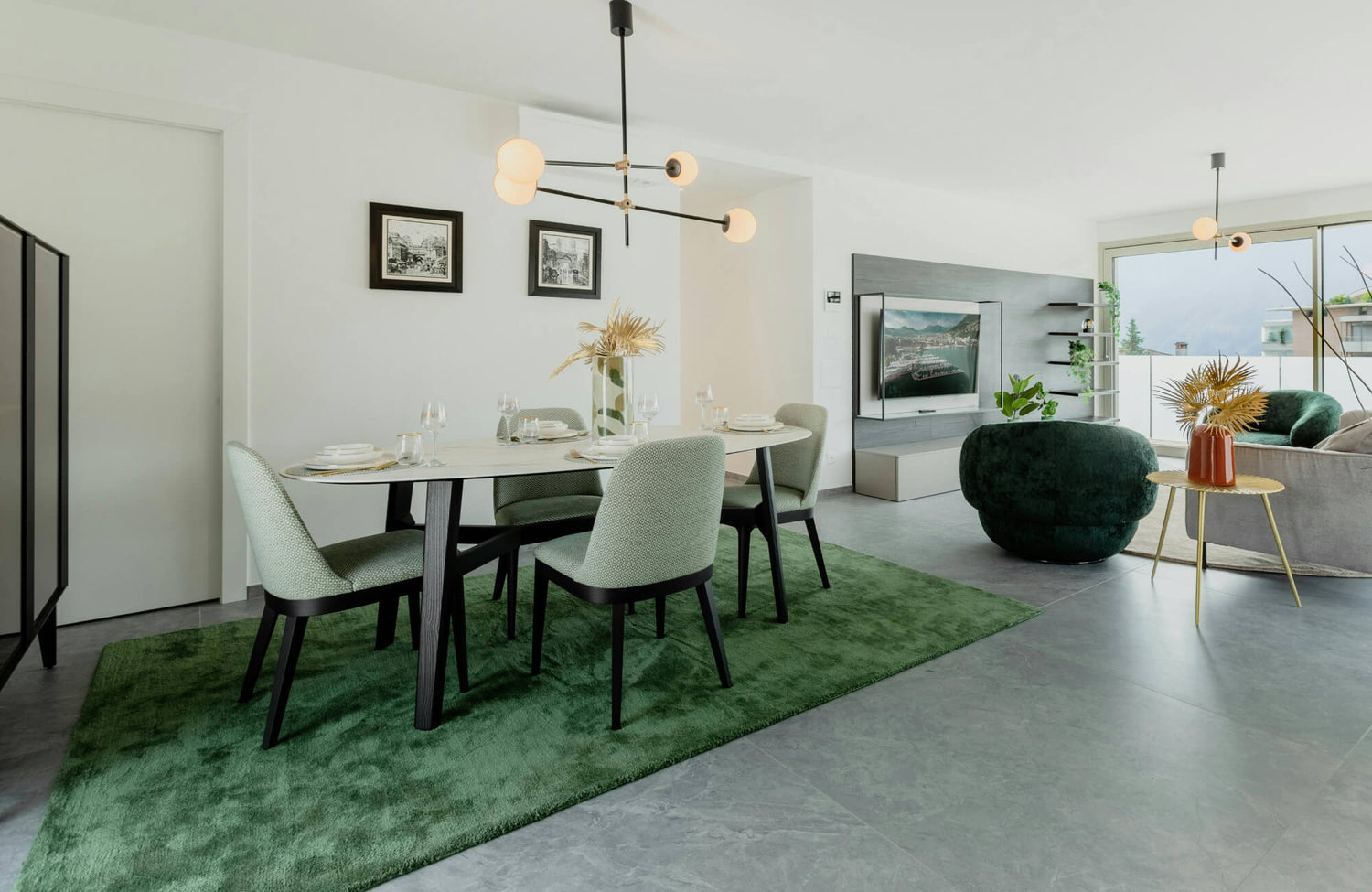
A perfect embodiment of this harmony is our Mallory Wool Pile Rug in Forest, shown in the image above. Its forest-green hue captures the richness of nature, evoking calm and stability while adding understated sophistication to any room. The dense wool pile also enhances softness underfoot, providing both tactile comfort and visual warmth. By blending natural material with a soothing, nature-inspired color, this rug transforms ordinary flooring into a grounding centerpiece that nurtures tranquility and connection within your space.

The Role of Lighting in Shaping Mood and Color Perception
Lighting plays a pivotal role in how we perceive both color and emotion within a space. For green rugs, subtle changes in light temperature and intensity can completely transform their mood-shaping qualities, turning them from fresh and energizing to warm and cocooning. Cool-toned light, such as daylight LEDs or overcast natural light, enhances the bluish undertones in green, producing a crisp and invigorating feel that promotes alertness and mental clarity. This makes cool lighting ideal for workspaces or kitchens where focus and energy are desired. Conversely, warm lighting brings out the yellow or earthy notes within green, enriching its tone and wrapping the space in gentle comfort. Under golden illumination, a green rug also takes on a more intimate and soothing character, perfect for bedrooms or living areas.
Beyond temperature, the layering of light determines how a space evolves throughout the day. Natural daylight reveals the truest essence of green, highlighting its texture and depth, while ambient lighting and accent fixtures maintain harmony as sunlight fades. The interplay between these light sources allows for a dynamic yet balanced atmosphere; bright and lively in the morning, soft and restorative by night. Since green hues shift subtly under different lighting conditions, it’s also essential to observe how a rug appears from dawn to dusk. Morning light may heighten its freshness, midday sun can flatten tones, and evening light often deepens them. Choosing a shade that remains visually stable across these transitions ensures that your green rug sustains its calming presence no matter the hour, grounding the space in comfort and quiet equilibrium.
In the photo above, our Hutchinson Polyester Face Rug in Sage / Graphite beautifully demonstrates how lighting can shape mood and perception. Its soft sage tone gently shifts under warm, golden light, creating a luxurious yet relaxed ambiance that complements the surrounding brass accents and natural textures. The rug’s subtle contrast of sage and graphite also offers visual depth that adapts effortlessly to changing light throughout the day, illustrating how thoughtful color and illumination work together to craft an atmosphere of comfort and calm refinement.

Spatial Design and How Placement Changes the Atmosphere
Beyond color and texture, the spatial use of a rug can shape the emotional tone of a room. How you position and size a green rug determines whether the space feels grounded, balanced, or fluid, each choice influencing how your body and mind respond to it.
Anchoring with Intention
A green rug can do far more than simply fill an empty floor. It can become the anchor that defines the emotional purpose of a space. When you place a rug beneath a reading chair, a cozy seating arrangement, or a quiet meditation corner, it signals a transition from activity to stillness. This visual cue tells your mind that this zone is meant for rest, reflection, or gentle focus. The contained area also feels intentional rather than incidental, allowing you to fully inhabit the space with calm awareness.
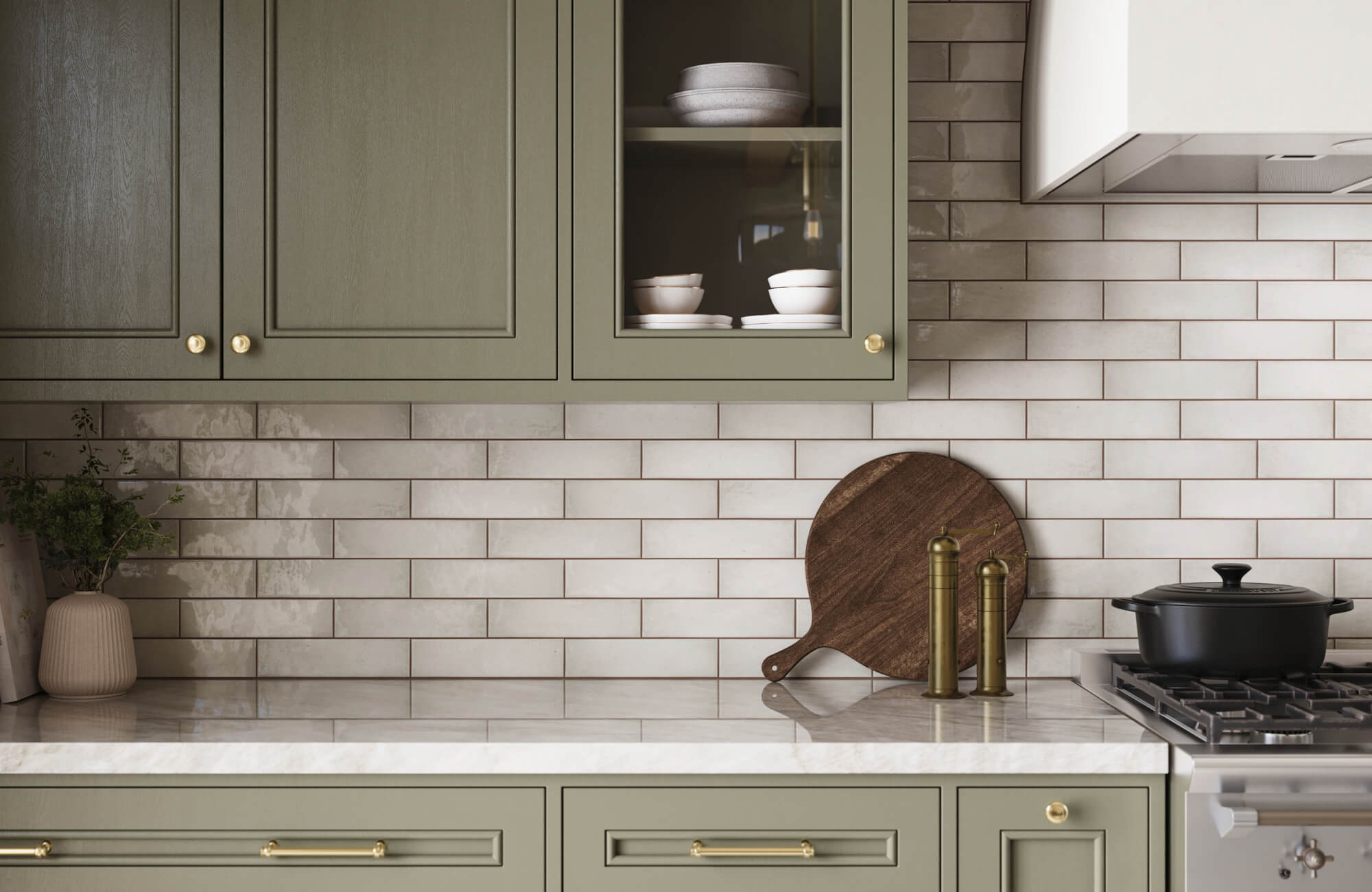
By ensuring that your rug is positioned thoughtfully within a room’s layout, you can create a natural flow that visually connects different areas without cluttering them. Our Mallory Wool Pile Rug in Aloe, featured in the photo above, demonstrates how a well-placed rug can bring quiet harmony. Its soft aloe-green tone complements the surrounding cabinetry and natural light, subtly guiding movement through the space while maintaining a sense of calm and cohesion. Even when not placed beneath furniture, it grounds the room with warmth and balance, acting as a serene focal point that enhances both form and function.
Proportion and Room Size Harmony
The proportion between rug and room plays a vital role in maintaining balance and harmony. In spacious interiors, a large green rug acts as an anchor that visually unites separate furniture groupings into one cohesive whole. This sense of connection prevents vast rooms from feeling empty or disjointed, while the continuous sweep of green creates visual calm. The eye also glides easily across the surface, resting naturally on the consistent color field, which subtly reinforces stability.
In smaller rooms, however, a more modest rug works best. A compact green rug can add a welcome touch of serenity without dominating the space or making it appear crowded. The goal is to achieve equilibrium, enough coverage to establish presence, but not so much that the rug overpowers the architectural proportions. When scale and space align, the room feels intuitively comfortable, allowing green’s calming presence to resonate without distraction.
Movement and Flow
How you position a rug affects not only the room’s look but also how you move through it. A rug aligned squarely with the walls and major furniture pieces promotes symmetry and predictability, encouraging a sense of order. This alignment supports calm by guiding the body naturally along familiar paths, creating a subconscious feeling of control and organization.
Alternatively, placing a green rug at a gentle angle or layering it with another rug can introduce softness to the room’s flow. These subtle disruptions slow movement and invite a more mindful rhythm, shifting the experience of the space from hurried to contemplative. Each step across the rug also becomes an act of grounding, a tactile reminder to pause and breathe. Whether perfectly aligned or artfully askew, the rug’s placement can influence how you inhabit the room, helping you move not just through it, but into a deeper sense of ease within it.

Practical Styling Ideas for a Relaxing Green Rug Space
Translating theory into practice means finding ways to let your green rug work harmoniously with color, texture, and atmosphere. When chosen and styled with intention, it becomes the thread that ties your room’s emotional and visual story together; calming, grounding, and quietly expressive.
Combining with Complementary Colors
The way you pair your green rug with surrounding colors determines how it feels within the room. When you layer green against warm neutrals like ivory, taupe, or beige, the color maintains its soothing depth while the space stays inviting and soft. These earthy tones help green appear balanced, neither too cool nor too intense, so the overall effect is one of quiet warmth.
Adding natural accents such as terracotta or ochre can enrich the palette and deepen the rug’s connection to nature. These colors echo the tones of soil and clay, reinforcing a biophilic sense of grounding. Meanwhile, introducing subtle near-complementary hues like dusty rose or muted blush adds visual intrigue without breaking the calm. The gentle interplay between these colors creates harmony through contrast, ensuring your green rug remains the steady, relaxing heart of the room.
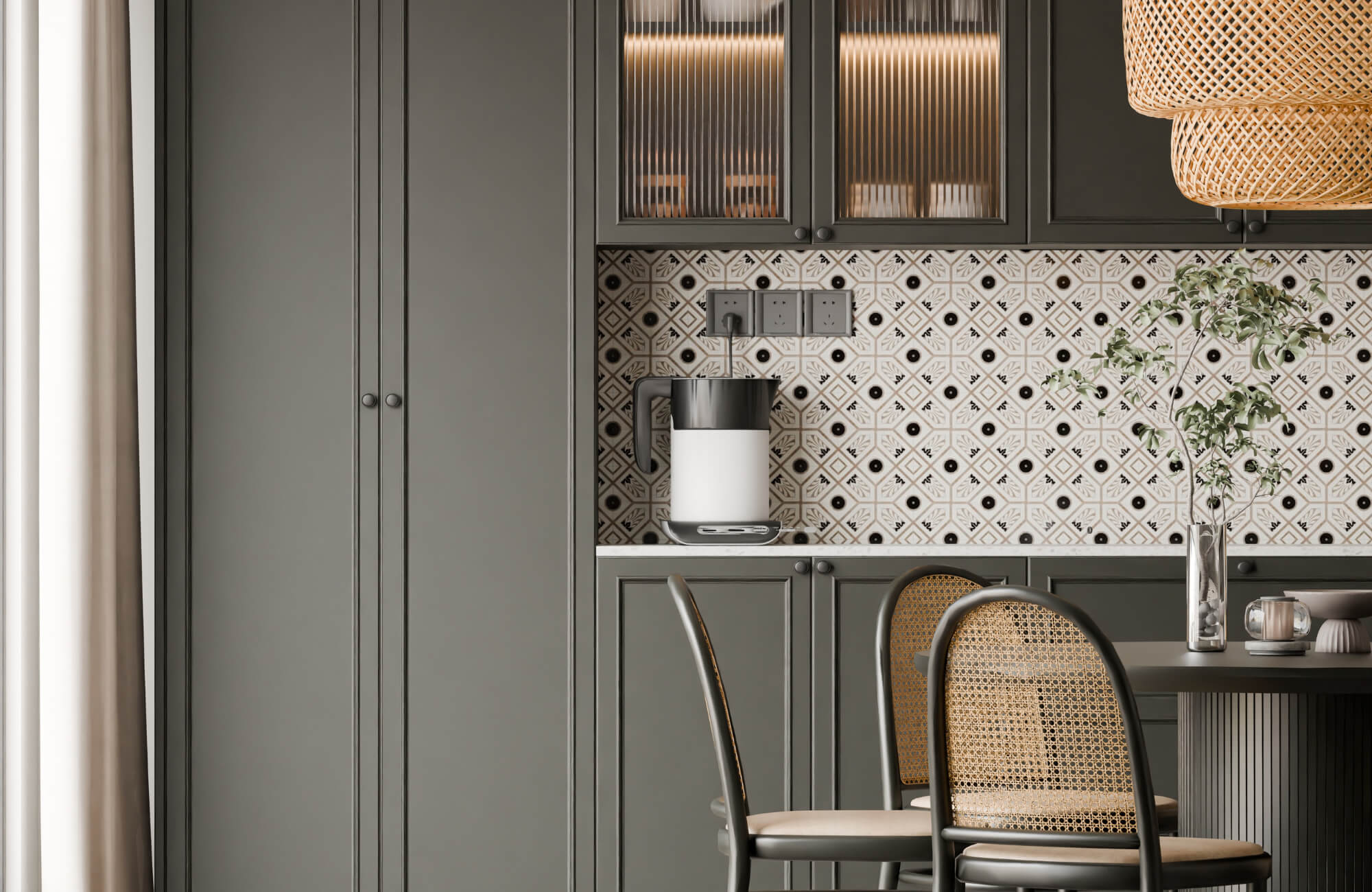
Displayed in the picture above, our Hutchinson Polyester Face Rug in Graphite / Olive demonstrates how color pairing can shape mood and depth. Its earthy green hue, framed by graphite tones, harmonizes beautifully with the surrounding wood cabinetry and light flooring. Together, these elements create a calm, cohesive palette that feels timeless and grounded, proving that thoughtful color coordination can transform even the most functional spaces into moments of quiet elegance.
Layering Textures and Patterns
A peaceful room doesn’t need to be plain; it simply needs balance. Combining textures around your green rug helps achieve that sensory equilibrium. Imagine the soft give of wool underfoot, paired with the cool smoothness of wood furniture or the natural irregularity of woven rattan. Each texture complements the other, creating a layered environment that feels rich yet unforced.
You can extend this tactile dialogue through soft cotton cushions, linen drapery, or wicker details that echo the rug’s organic charm. Gentle contrasts between rough and refined materials keep the room visually engaging while maintaining a restful mood. Rather than overwhelming the senses, this mix of natural finishes builds a quiet rhythm that mirrors the layered harmony of nature itself, a balance of texture, tone, and touch that invites lasting comfort.
Room-by-Room Inspiration
Every room interacts with green in its own unique way, shaped by light, function, and mood. By choosing the right shade and placement, a green rug can seamlessly adapt to the purpose of each space, whether to energize, soothe, or focus the mind
Living Rooms
In living rooms, a deep forest or emerald green rug can anchor the entire layout, grounding your furniture while echoing the vitality of plants and natural wood tones. When paired with generous light and leafy greenery, it evokes the tranquility of a garden, bringing the outdoors subtly indoors. The result is a space that feels alive yet composed, perfect for unwinding after a busy day.
A standout example of this effect is our Broderick Polypropylene Pile Rug in Denim / Olive, which blends cool denim blues with earthy green undertones for a serene, nature-inspired palette. Its subtle pattern and grounding hues bring depth and balance to open living areas, creating a refined yet comfortable atmosphere that invites relaxation and connection.
Bedrooms
In bedrooms, the goal shifts from vitality to serenity. Choosing lighter greens like moss or celadon softens the atmosphere and encourages deep rest. When combined with crisp white linens, textured throws, and diffused lighting, these hues transform the room into a serene retreat that promotes restorative sleep.
Home Offices
For home offices, muted greens such as sage or willow offer a gentle visual rest for the eyes. These tones reduce mental fatigue while maintaining focus, especially when surrounded by uncluttered surfaces and minimalist décor. The presence of green also creates a steady rhythm that balances alertness and ease, turning your workspace into an environment that supports calm, sustainable productivity.
Green Rugs as Anchors of Emotional Balance
A green rug holds the quiet power to turn any room into a sanctuary of calm. Through its color, texture, and thoughtful placement, it connects your space to the restorative qualities of nature and encourages the body to unwind. When light, material, and spatial flow are aligned, the rug becomes more than décor. It also becomes an experience of balance and grounding. Ultimately, a green rug transforms a room not just visually, but emotionally, reminding us that true relaxation is cultivated through harmony, presence, and mindful design.
If you’re ready to bring this sense of balance into your own space, we are here to help. Whether you’re seeking design guidance, exploring material options, or simply want to experience the soothing textures and hues of our green rug collection, our specialists are available to assist you. Visit our Contact Us page to connect with us. We’ll help you find the perfect piece that complements your space and enhances your everyday calm.