Decorative pillows can influence the overall look of your sofa, bed, or accent chair. Their placement affects not only how your furniture appears but also how comfortable and functional it feels in everyday use. It is common to adjust them repeatedly, unsure of what looks balanced or why one arrangement feels better than another.
Effective placement is less about strict rules and more about understanding how layering, proportion, and purpose work together. When these elements align, arranging pillows becomes more intuitive and far less frustrating. In this article, we’ll explore how pillow placement works, what factors influence the decision, and how you can arrange your decorative pillows with clarity and confidence to create a space that feels both polished and comfortable.

Purpose Behind Pillow Placement
Before deciding on the placement of a decorative pillow, it helps to think about the role it plays in your space. Instead of focusing on color or pattern right away, we begin by looking at how you use your sofa or bed every day.
Comfort Comes Before Decoration
When you sit on your sofa, it becomes clear that the back layer provides the primary support. This is where larger pillows typically belong, as they support your lower back, soften the lines of the furniture, and make longer periods of sitting more comfortable.
Once that supportive foundation is in place, decorative pillows can move forward with purpose. You should feel comfort first and appreciate design second, allowing the back layer to support your body while the front layer enhances what you see.
Visibility Determines Position
If you have chosen a pillow for its woven texture, intricate embroidery, or bold pattern, it makes sense to position it where it can be clearly seen rather than tucked behind larger cushions. By contrast, simpler pillows can sit in the back to create balance and support the overall arrangement. Placing them this way establishes a natural visual hierarchy, where the more detailed pieces stand out in front, and the understated ones provide structure behind them.
Layering Creates Order
Layering is what brings structure to the arrangement. Typically, the largest pillows are placed at the back, medium sizes form the middle layer, and the smallest decorative pillows sit in the front. This gradual progression prevents the display from appearing flat or disorganized.
The photo featured above illustrates this approach clearly. Edward Martin’s Merelle 22" x 22" Down Pillow in Tan and Merelle 22" x 22" Down Pillow in Terracotta form the back layer, anchoring the window seat with balanced scale and warm depth. In front of them, the Brielle 18'' x 18'' Down Pillow in Natural / Mustard introduces a slightly smaller profile that creates a defined middle transition. Completing the arrangement, the Merelle 13" x 21" Down Pillow in Terracotta sits at the very front, adding contrast and acting as the finishing detail.
When you step back and view the entire setup, the layered sizing creates visual depth and clarity rather than clutter. With larger pillows providing support behind and smaller accents placed forward, the arrangement feels intentional, cohesive, and well-proportioned.

Placement on Sofas and Sectionals
Sofas are often the first place people question the placement of pillows. The right arrangement depends on how the seating area is used, how many people typically sit there, and how frequently the pillows are adjusted throughout the day.
Three Seat Sofas
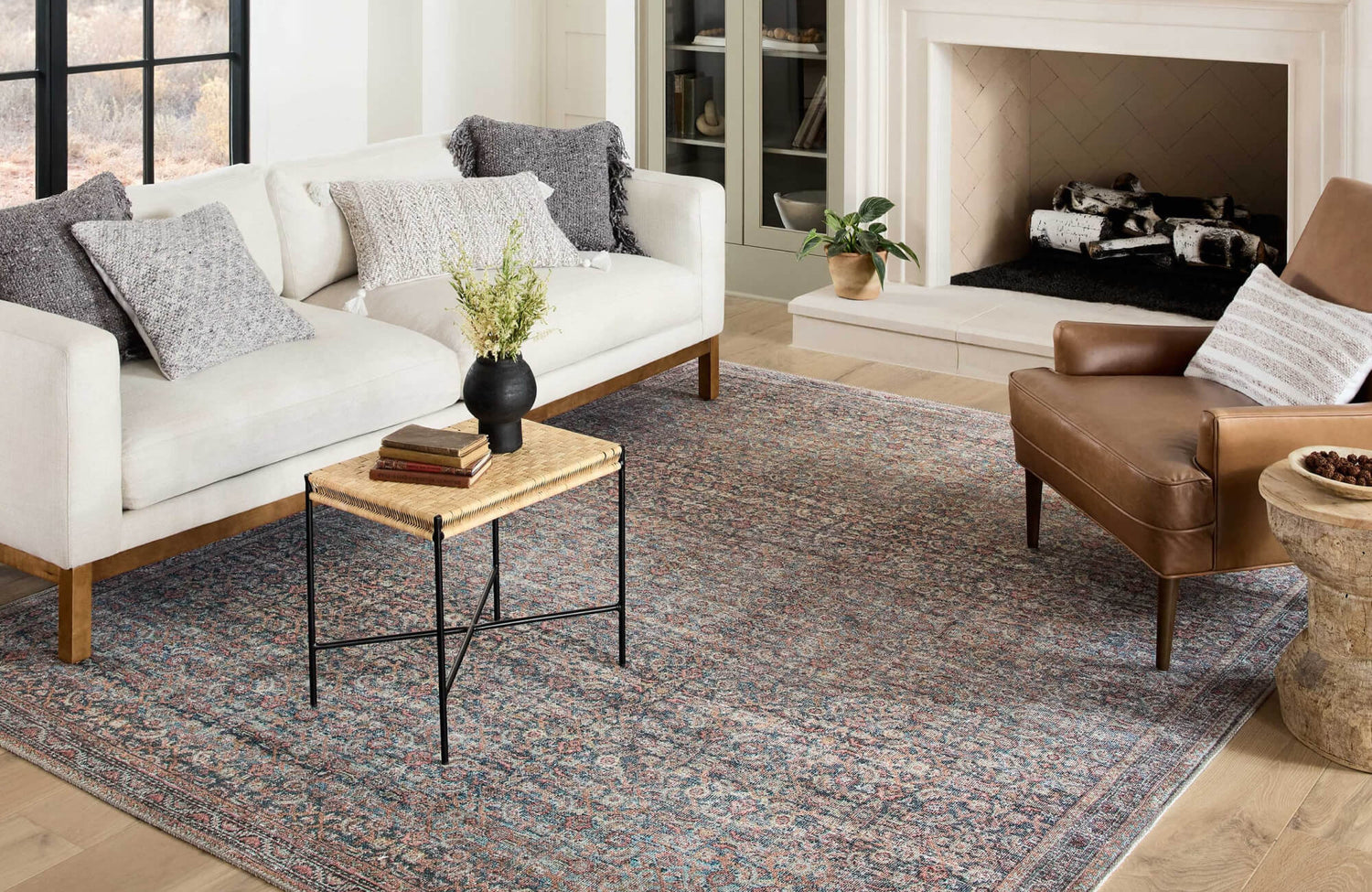
A standard three-seat sofa helps to anchor the outer corners first. Placing two larger pillows at the back corners creates symmetry and clearly defines the sofa's shape. Decorative pillows can then be positioned toward the front, either centered or slightly overlapping the base layer. This arrangement keeps them visible while still allowing for easy adjustment when the seat is in use, balancing practicality with a polished appearance.
Deep Sectionals
Sectionals call for a slightly different approach because of their extended, wraparound shape. The corner where the two sides meet naturally draws attention, so it often becomes the visual anchor of the arrangement. Supportive pillows are typically placed along the back edge to follow the full length of the sectional and maintain continuity. Decorative pillows can then be positioned toward the front corner to soften the angle and guide the eye inward, helping the entire layout feel balanced rather than weighted in one spot.
Compact or Low Profile Sofas
If a sofa has a low back or a slim frame, stacking too many pillows can easily overwhelm its silhouette. In these cases, keeping the back layer lower helps preserve the clean lines and maintain the intended shape of the piece. At the same time, flatter base pillows tend to work better, allowing decorative pillows to sit slightly forward without excessive layering. By arranging the pillows with restraint, the sofa’s proportions stay balanced, allowing the pillows to enhance the design rather than compete with it.

Styling Decorative Pillows on Beds
Beds provide more vertical space than sofas, which makes pillow placement feel more structured and layered. Rather than arranging them randomly, it helps to build the setup from the headboard outward, creating a clear progression from functional support to decorative detail.
The Foundation Layer
Sleeping pillows naturally form the back layer of the arrangement. When positioned upright against the headboard, they can create height and provide the structure that supports everything placed in front of them. Without this essential foundation, decorative pillows can appear disconnected and visually unanchored.
By establishing this base first, the overall setup feels more intentional and organized. Just as importantly, it keeps the arrangement practical, making it easier to remove decorative pillows at night without disturbing the ones you rely on for sleep.
The Transitional Layer
Euro shams or larger square pillows are often placed in front of the sleeping pillows to create a gradual transition. They serve as a bridge between the functional foundation and the decorative accents that follow. By adding this intermediate layer, the arrangement gains dimension and a subtle stepped effect. The bed begins to take on greater depth and structure while maintaining a practical and cohesive look.
The Decorative Front Layer
Decorative pillows are typically positioned at the very front of the arrangement, where they serve as the finishing detail. This is the layer where pattern, texture, or color becomes most noticeable, whether you prefer a single accent pillow or a balanced pair. Because this front layer is the most visible, it naturally draws attention when you enter the room. Positioning decorative pillows at the front completes the overall composition and gives the bed a polished, thoughtfully arranged appearance.

Considering Room Size and Scale
Pillow placement is not determined by furniture. The room size and proportions also influence how prominently decorative pillows should be positioned within the overall arrangement.
Smaller Rooms
In smaller rooms, too many forward-facing pillows can make the seating area feel visually crowded. For that reason, it helps to scale back the number of pillows and choose sizes that are proportionate to the furniture. A more restrained arrangement allows the room to feel balanced and uncluttered. Decorative pillows can still sit in the front, but using fewer pieces ensures the space feels open and comfortable rather than tight or compressed. Thoughtful spacing between each pillow also helps maintain clarity, allowing the furniture itself to remain visible and well defined.
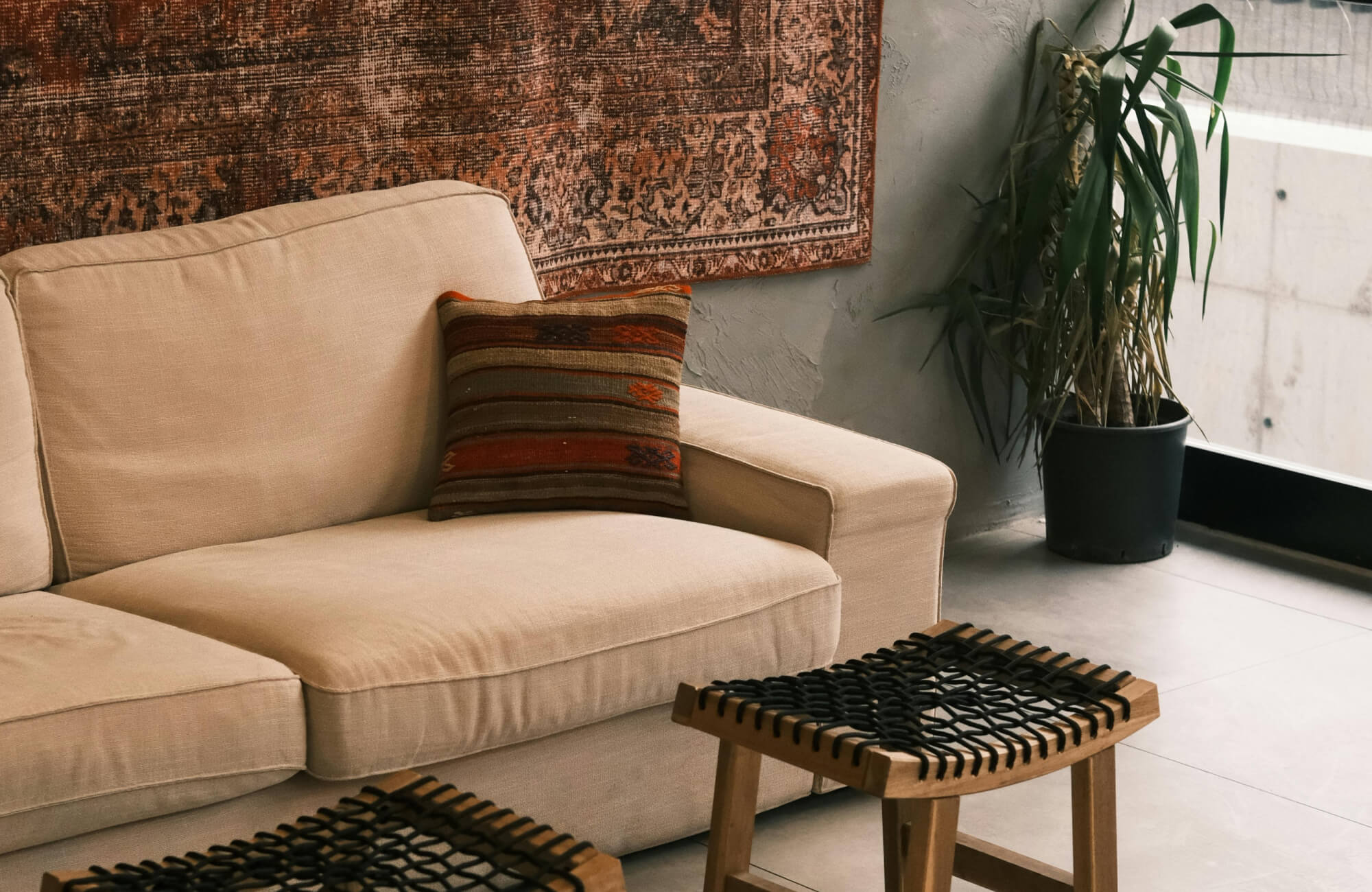
This principle is clearly reflected in the photo above, where Edward Martin’s Marisette 12" x 27" Pillow Cover in Black and Merelle 13" x 21" Pillow Cover in Tan are positioned neatly at the front of the sofa without unnecessary layering. Their streamlined rectangular shapes complement the compact setting, adding contrast and warmth while maintaining openness. By limiting the arrangement to just a few well-proportioned pieces, the seating area remains airy and visually organized rather than overcrowded.
Larger Open Spaces
In larger rooms, there is typically greater flexibility in pillow arrangements. With more space to work with, additional layers can introduce dimension and visual interest without overwhelming the furniture. As a result, decorative pillows can sit more prominently at the front, since the surrounding area comfortably supports a fuller arrangement. The room size allows the front layer to create a stronger visual impact while still maintaining balance within the overall design.
Sightlines and Flow
It is also important to consider what is visible when entering the room. If pillows are stacked too high in the back obstruct views across the space, adjusting their height can help restore visual continuity. Keeping the back layer proportional and the decorative layer clearly defined helps maintain open sightlines. Even small refinements in height and placement can make the room feel more cohesive and thoughtfully arranged.

Matching Placement to Interior Style
Pillow placement should complement the overall character and atmosphere. Your design style influences not only which pillows you choose, but also where they feel most appropriate within the arrangement.
Traditional Settings
In traditional interiors, symmetry often guides the arrangement. Matching larger pillows are typically placed at the back corners, with coordinated decorative pillows positioned in front to complete the look. This structured layout creates a sense of order and refinement. The front layer showcases pattern and fabric, while the back layer provides stability and reinforces the overall composition.
Contemporary Spaces
In contemporary settings, restraint plays an important role. Fewer pillows are often used overall, yet the decorative piece is still positioned toward the front, where it can be appreciated. By limiting the number of layers, the arrangement maintains a clean and defined silhouette. The front pillow acts as a refined accent, adding interest without creating a crowded or overly styled appearance.
Eclectic or Relaxed Styles
In eclectic or more relaxed interiors, there is naturally greater flexibility in how pillows are arranged. Decorative pillows often remain at the front, yet the overall composition can feel more casual and less structured. Rather than relying on strict symmetry, slightly offset placements or a mix of shapes can create a layered, lived-in look. Even so, keeping the more expressive pieces toward the front ensures they remain visible while the arrangement as a whole still feels cohesive.

Balancing Style With Everyday Living
Practical living should always guide decorative decisions. An arrangement may look refined, but it should never become inconvenient or difficult to maintain in daily use.
Ease of Use
If decorative pillows need to be removed each evening, too many layers can quickly become impractical. Keeping the base layer consistent while limiting the number of pillows placed at the front helps simplify the routine. With a more manageable arrangement, the space remains visually appealing without requiring frequent or time-consuming adjustments.
Households With Children or Pets
In homes shared with children or pets, durability becomes an essential consideration. Durable fabrics are often a better choice for the front layer, where contact happens more often and wear is more likely. More delicate materials can be positioned slightly behind the primary use area to reduce strain. This thoughtful placement helps preserve the condition of decorative pillows while maintaining a well-styled arrangement.
Seasonal Rotation
Positioning decorative pillows at the front also makes seasonal updates easier to manage. Because the supportive back layer remains in place, you can change the look of the room simply by swapping out the front accents. This approach allows for a noticeable refresh with minimal effort, while keeping the foundational arrangement consistent and practical throughout the year. It also reduces the need to reorganize the entire setup each time you want a subtle change in color or texture.
Placing Decorative Pillows with Purpose
Decorative pillows are typically placed at the front of an arrangement, supported by larger and more functional pillows behind them. The back layer provides structure and comfort, while the front layer introduces personality and visual focus. When placement is considered thoughtfully, taking into account furniture type, room size, and everyday use, the overall setup feels balanced and intentional. Understanding the purpose of each layer makes it easier to arrange decorative pillows with clarity and confidence.
If you would like guidance tailored to your specific space, feel free to contact us for personalized advice. Our design service can help you refine your pillow selection and placement, so your home feels cohesive, comfortable, and thoughtfully arranged.