
)
)
)
)
)
)
)
)
Do Black Bathroom Tiles Show Dirt More Easily?
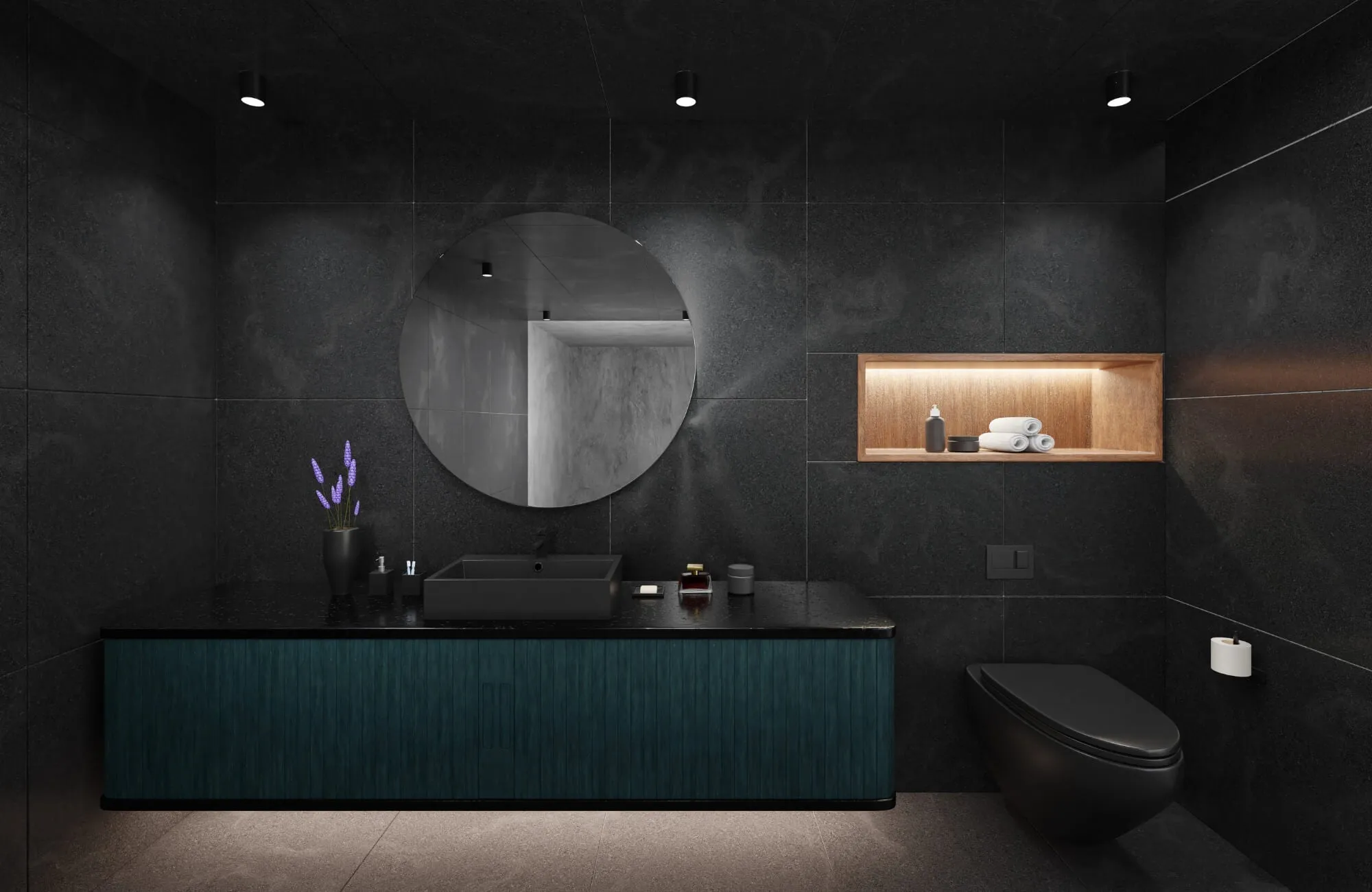
Black bathroom tiles make a bold design statement, but do they demand more upkeep than their lighter counterparts? At first glance, the contrast they create can make certain residues more noticeable. However, with the right material choices and surface finishes, that dramatic look doesn’t have to come at the expense of practicality.
In the sections that follow, we’ll break down how and why dirt appears more (or less) visible on black tiles. Specifically, we’ll explore the role of debris type, tile finish, lighting conditions, and maintenance strategies, giving you the insight you need to make an informed design decision.
Exploring the Visibility of Dirt on Black Tiles
When it comes to keeping black tiles looking clean, not all dirt is created equal. Depending on its color and composition, some debris stands out instantly, while other messes quietly blend into the background.
Light-Colored Debris
As a key point of contrast, black tiles sharply highlight light-colored substances like soap scum, hard water residue, talcum powder, and lint, especially on glossy finishes. These particulates, often alkaline in nature, tend to leave behind chalky films or specks, particularly in bathrooms with hard water or limited ventilation. Furthermore, directional or high-lumen lighting enhances this contrast, reflecting off smooth tile surfaces and drawing attention to even minor residue.
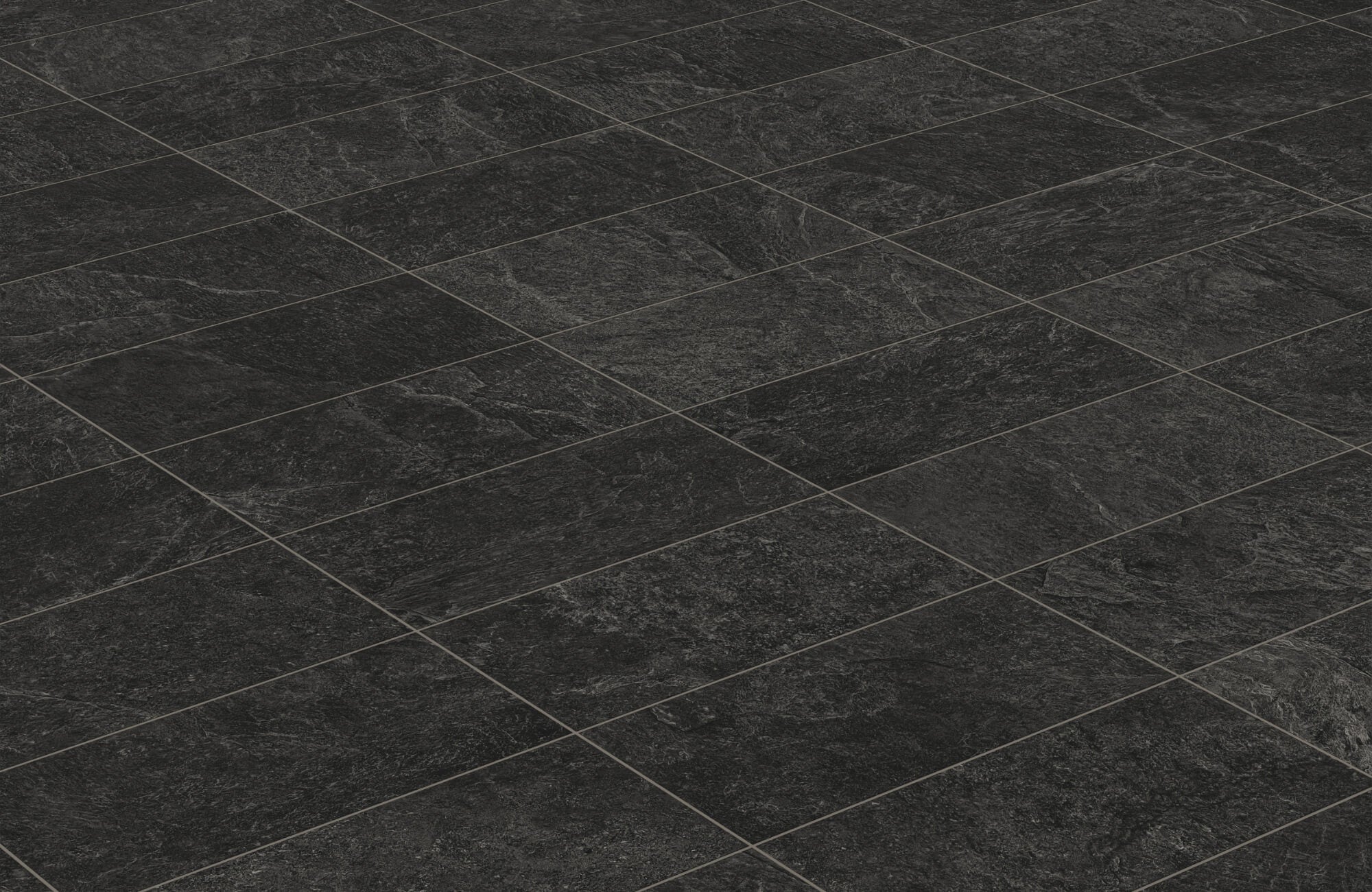
That said, while glossy porcelain or ceramic tiles make buildup more apparent, their non-porous surfaces are easy to clean. In contrast, matte finishes can offer a more forgiving appearance in areas prone to residue. For instance, as illustrated in the image above, Edward Martin’s Dawson 12x24 Matte Porcelain Tile in Charcoal features a low-sheen surface and subtle texture that diffuses visual debris while maintaining a modern aesthetic.
Darker Debris
On the other hand, darker debris, such as soil, mold and mildew, or hair dye, tends to blend in with black tiles due to its similar tonal value. While this reduces immediate visibility, it can allow buildup to go unnoticed, especially in grout lines or textured finishes, leading over time to sanitation concerns or staining.
Similarly, fibers from dark-colored textiles may not stand out visually but can still impact the tile’s surface feel. To combat this, routine deep cleaning with non-abrasive products and periodic inspections under natural or full-spectrum light are advised. Ultimately, while matte and textured finishes help conceal certain messes, they also demand more detailed maintenance to clear particles trapped in micro-grooves.
The Impact of Tile Finish and Material
Beyond color alone, the finish and material of a black tile can dramatically change how dirt shows, and how easy it is to clean. From shine to texture, these surface details have a greater impact than many people might expect.
Glossy Black Tiles
As a first consideration, glossy black tiles, typically made from glazed ceramic or polished porcelain, deliver a sleek, high-shine look. However, their reflective finish also reveals more. Water spots, fingerprints, soap scum, fine dust, and even micro-abrasions caused by abrasive cleaning tools become noticeably amplified under certain lighting conditions.
That said, their smooth, non-porous surface resists stains and moisture absorption, meaning debris sits on the surface rather than penetrating. As a result, they’re easy to wipe clean, though they do demand more frequent attention. To maintain their polished appearance, regular cleaning with pH-neutral solutions and microfiber cloths is essential. Especially in bathrooms and other moisture-prone areas, consistent upkeep is key to keeping glossy tiles looking pristine.
Matte Black Tiles
In contrast, matte black tiles offer a low-sheen, soft finish that diffuses light rather than reflecting it. This makes everyday blemishes, like smudges or light water spots, less noticeable. Frequently made from unglazed porcelain or ceramic, matte tiles are also prized for their improved slip resistance, making them well-suited for wet environments such as showers and bathroom floors.
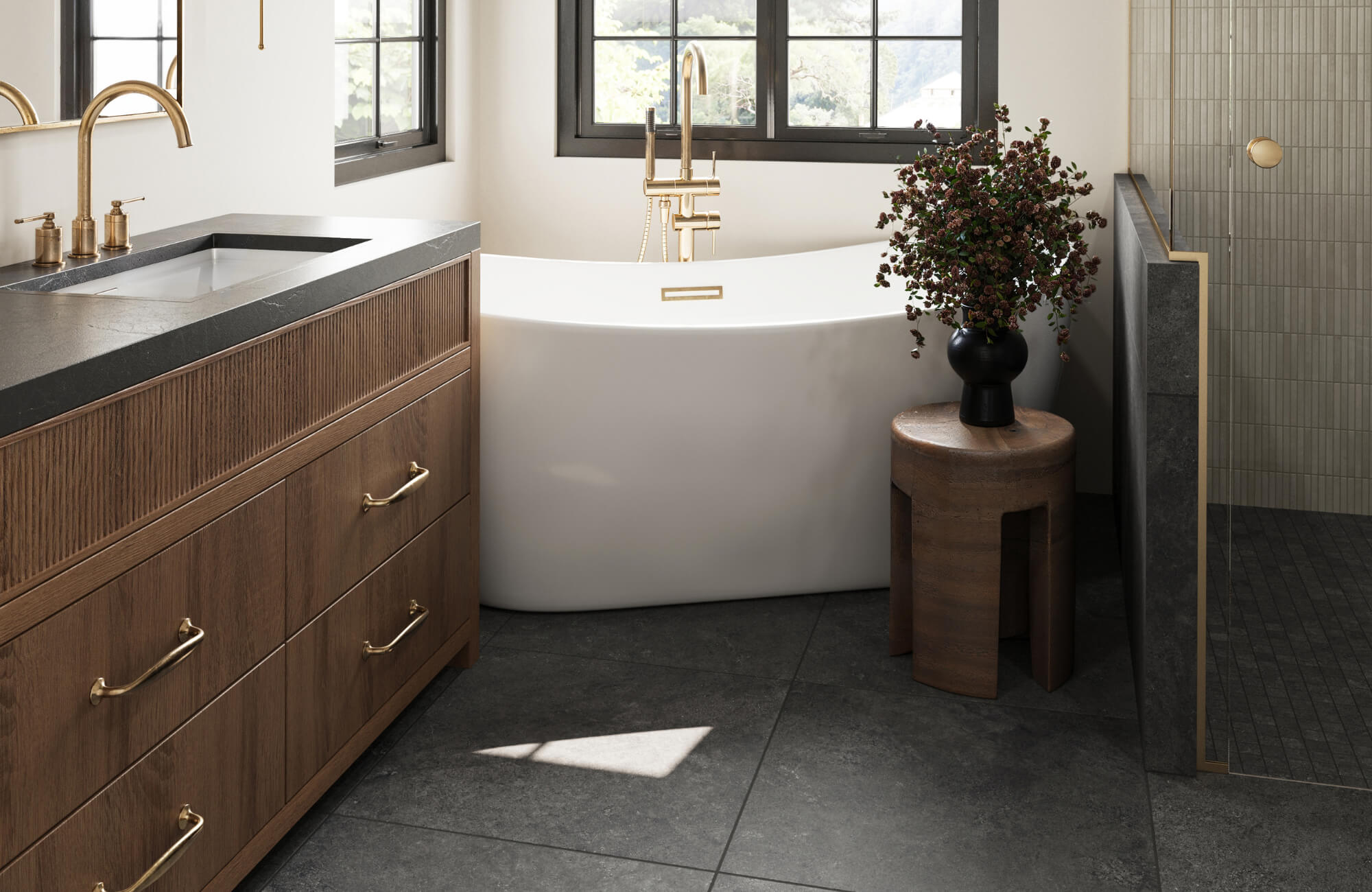
However, the trade-off lies in the subtle texture, which can trap fine debris in microgrooves. To address this, gentle scrubbing with soft-bristle brushes and non-acidic cleaners is recommended. As shown in the photo above, a practical option in this category is Edward Martin’s Adeline 24x24 Matte Porcelain Tile in Midnight, which pairs rich color with a surface that minimizes both grout visibility and routine maintenance.
Textured and Patterned Black Tiles
For those seeking a balance between visual impact and functionality, textured or patterned black tiles offer an effective middle ground. By breaking up uniformity through surface variation, they help disguise dirt and smudges more naturally. Finishes like flamed stone, honed slate, or 3D-embossed ceramic introduce depth and contrast, drawing the eye away from minor debris.
In addition, many of these surfaces are engineered to enhance slip resistance, often mimicking the tactile quality of natural stone or concrete. However, the very textures that hide dirt also make cleaning more involved. Reaching grime that settles into recessed areas may require targeted scrubbing or steam cleaning for best results.
Cleaning and Maintenance Strategies for Black Tiles
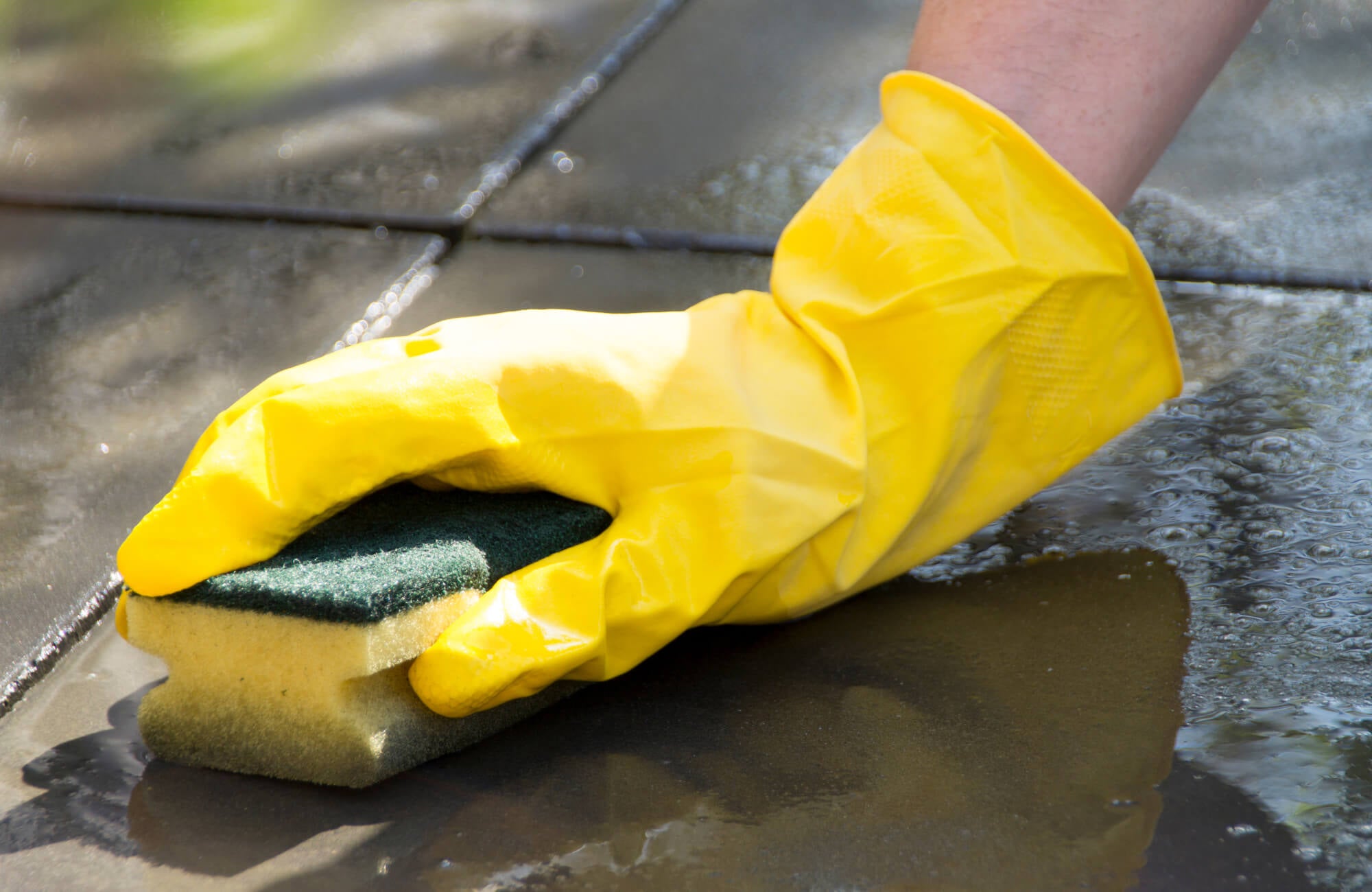
Keeping black bathroom tiles looking their best isn’t just about wiping them down; it’s about knowing when and how to clean for lasting results. With the right approach, you can prevent buildup, restore your finish, and tackle stubborn stains before they become a bigger issue.
Daily Quick Clean-Ups
As a foundational step, routine upkeep is your first line of defense against visible dirt. A microfiber cloth or electrostatic mop is ideal for capturing dust and lint without scratching the surface. In high-moisture areas like showers, a quick pass with a handheld squeegee after each use helps prevent water spots and mineral deposits, especially important in homes with hard water.
In addition, areas prone to frequent contact benefit from spot-cleaning with a pH-neutral cleaner containing mild surfactants. These solutions effectively dissolve oils and soap film without compromising tile or grout. Taken together, these low-effort habits not only support a cleaner surface but also help extend the tile’s longevity.
To further simplify daily maintenance, consider materials designed with practicality in mind. Edward Martin’s Blair 24x48 Matte Porcelain Tile in Marmo Black, for instance, features an expansive format that minimizes grout lines. Its soft veining helps visually diffuse minor residue, offering both style and efficiency for everyday cleaning.
Weekly Deep Cleaning
Of course, daily cleaning routines should be supplemented with a more thorough weekly approach. This is especially important for matte and textured tiles, which are more likely to trap fine debris in surface grooves. Start by sweeping or vacuuming to remove loose dirt, then follow with a tile-safe cleaner and soft-bristle brush to reach into recessed areas without causing abrasion.
When it comes to glossy tiles, a slightly different strategy is more effective. Begin with a non-abrasive cleaner to lift grime, then use a dry microfiber towel to buff the surface and restore its reflective finish. In hard water regions, a chelating agent like citric acid can be particularly helpful for breaking down mineral buildup without etching the tile. Finally, don’t forget ventilation, proper airflow speeds drying and helps prevent mildew, especially in grout joints.
Addressing Specific Stains and Issues
Despite routine maintenance, occasional stains may require targeted attention. For instance, alkaline buildup, such as soap scum or hard water residue, responds best to mildly acidic cleaners like white vinegar or citric acid. However, use caution around unsealed grout or natural stone to avoid surface damage.
Meanwhile, organic stains from mildew, cosmetics, or hair dye often call for oxidizing agents. A diluted hydrogen peroxide solution can effectively sanitize without bleaching the tile. For persistent grout discoloration, steam or oxygenated cleaners offer a non-invasive but thorough alternative.
Finally, in more severe situations, such as mold behind tiles or deeply embedded grime, professional remediation may be necessary. To help prevent these issues in the long term, apply a penetrating grout sealer once or twice a year, especially in humid or busy areas.
Choosing the Right Black Tile for Your Home
Choosing the right black tile isn't just about style; it's about how well it fits your space, lifestyle, and the way the room functions day to day. From how much usage a floor sees to how light moves through the space, several factors can influence which tile will work best.
Considering Usage
As a starting point, black tile performance can vary widely based on where it’s installed and how heavily that area is used. In busy zones like bathrooms, hallways, or entryways, porcelain stands out as the most durable choice due to its density, low porosity, and resistance to chipping and staining. Fired at higher temperatures than ceramic, porcelain tiles are better equipped to handle daily wear without compromise.
On the other hand, in lower-impact areas such as powder rooms or vertical surfaces, materials like glazed ceramic or natural stone provide more design flexibility. Regardless of location, it's important to prioritize slip resistance in wet environments. Matte and textured finishes typically offer better traction than glossy surfaces. To ensure you're making a safe and informed choice, always reference COF or DCOF ratings per ANSI A137.1 guidelines.
The Role of Grout Color and Tile Size
Next, grout color has a significant impact on both the visual appeal and long-term maintenance of black tile installations. Lighter grout options (such as white or gray) highlight each tile’s edges, lending a sharp, grid-like effect. However, these hues are also more susceptible to staining. In contrast, darker grout, like charcoal or black, creates a seamless, cohesive look that conceals buildup more effectively and reduces upkeep.
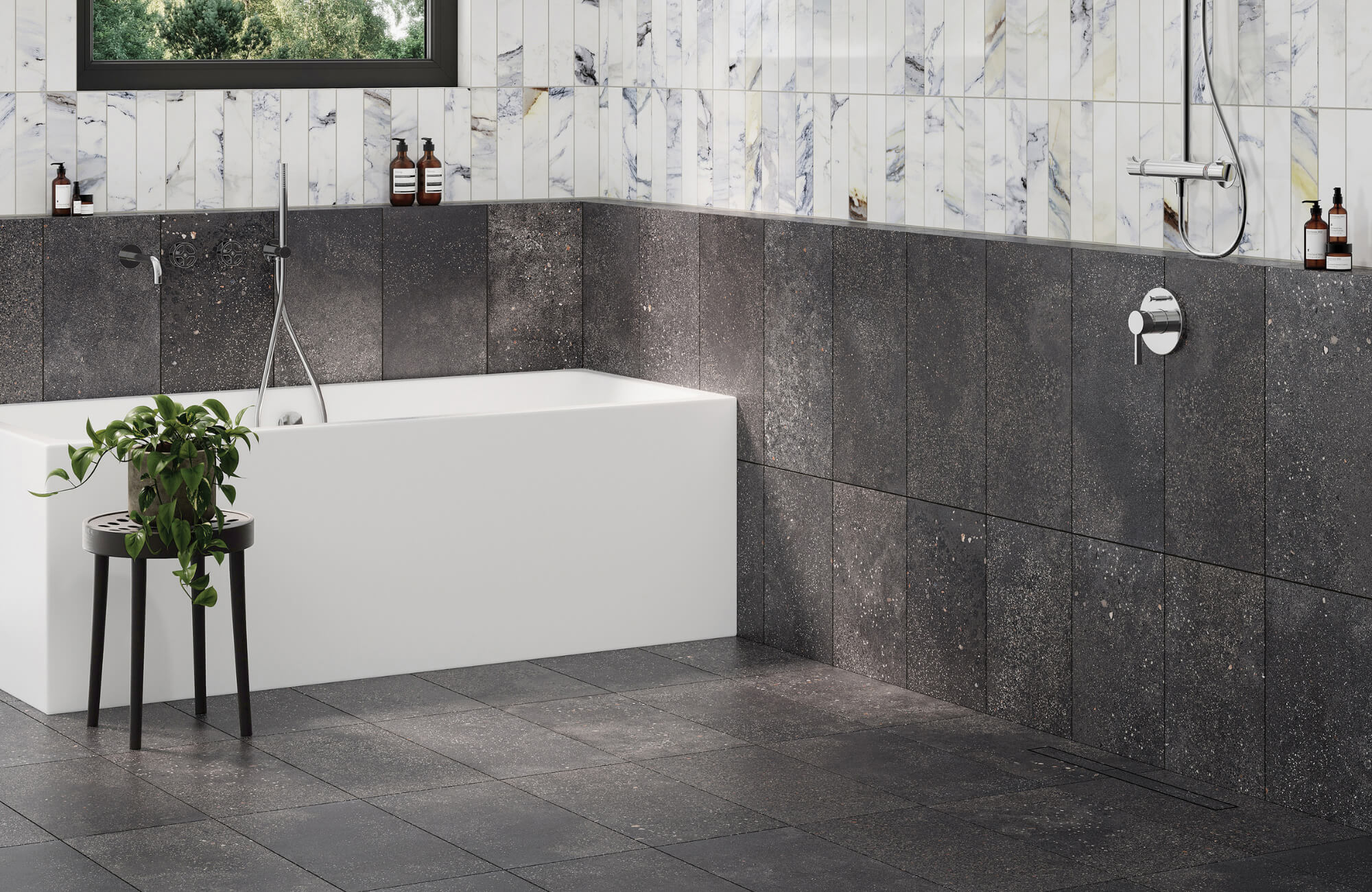
In addition to grout color, tile size significantly impacts both visual outcome and practical maintenance. Large-format tiles minimize grout joints, which not only supports a clean, uninterrupted appearance but also means fewer lines to seal and clean. Smaller tiles, such as mosaics, add intricate texture but require more attention to grout spacing and sealing. For a balanced solution, Edward Martin’s Sloane 12x24 Matte Porcelain Tile in Charcoal delivers both form and function; its mid-size layout minimizes joints, while the subtle texture helps disguise everyday wear, as featured in the image above.
Lighting and Room Aesthetics
Finally, lighting can make or break the visual success of black tile. Because dark surfaces absorb rather than reflect light, they can make a space feel more intimate, or smaller, if not countered with sufficient illumination. However, in naturally lit rooms, black tile can become a striking design feature that enhances depth and detail.
To that end, consider how tile finish interacts with available light: glossy tiles reflect and amplify light, helping compact spaces feel more open; matte tiles absorb light for a muted, elegant effect; and textured surfaces add richness and dimension, especially when illuminated from the side.
To visualize how these factors come together, Edward Martin’s Augmented Reality (AR) Visualization Tool offers a helpful shortcut. Simply browse the collection, tap “View in Your Space,” and see exactly how your chosen tile looks under your home’s lighting conditions. Once you’re satisfied, you can request samples directly to finalize your selection with confidence.
Dispelling Common Myths About Black Tiles
Black tiles may be trending, but a few stubborn myths still keep some homeowners on the fence. To separate fact from fiction, it’s worth taking a closer look at the assumptions that often give black tile an unfair reputation.
Black Tiles are Impossible to Keep Clean
One frequent concern is that black tiles are harder to maintain and always look dirty. In reality, they don’t attract more dirt than lighter tiles, they simply make certain residues, like soap scum and mineral deposits, more visible due to contrast. While this might highlight the buildup more easily, it also provides a helpful cue that cleaning is needed.
More importantly, cleaning challenges typically come down to finish, not color. For instance, glossy tiles reflect more light and reveal smudges readily, whereas matte and textured finishes are more forgiving. With a simple routine that includes pH-neutral cleaners, microfiber cloths, and periodic grout sealing, black tiles can be just as easy to manage as any lighter option.
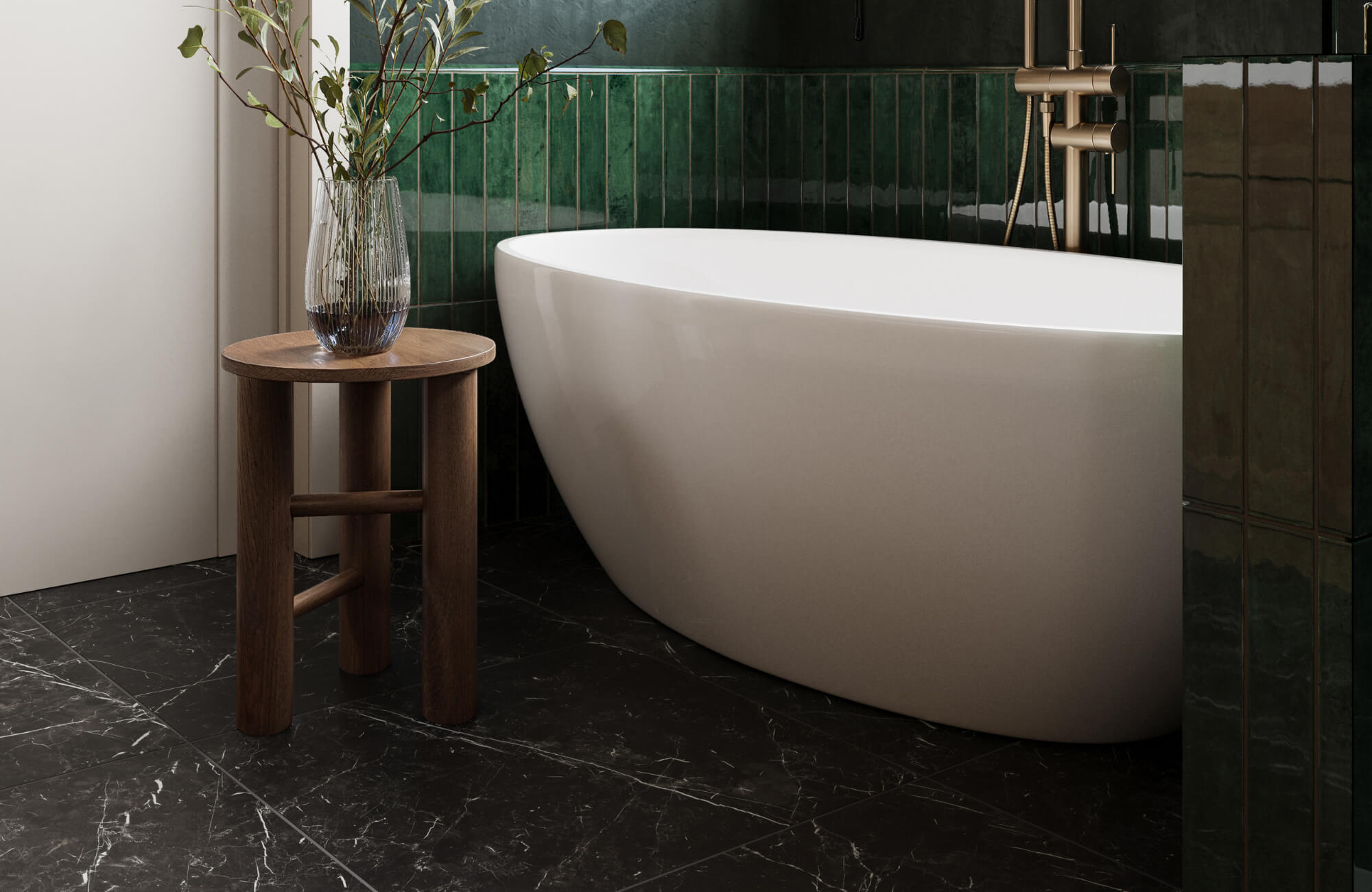
To illustrate, Edward Martin’s Leona 24x24 Matte Porcelain Tile in Nero Marquina offers the perfect blend of elegance and practicality. As shown in the photo above, its subtle veining and low-sheen finish minimize the visibility of smudges while enhancing the room with bold, marble-inspired contrast, making it an ideal choice for busy bathrooms.
Black Tiles Make a Bathroom Feel Smaller
Another common belief is that black tiles automatically make a bathroom feel cramped. While dark tones do absorb more light than lighter ones, this effect can be mitigated, or even reversed, with strategic design. With thoughtful lighting and selective placement, black tiles can actually enhance depth and create visual intrigue.
For example, large-format tiles with minimal grout lines can give the impression of a broader, more seamless surface. When paired with vertical sconces, recessed lighting, or backlit mirrors, these tiles help reflect enough light to maintain an open feel. Ultimately, when properly balanced, black tiles can lend both small and large bathrooms a luxurious, expansive atmosphere.
Only Modern Bathrooms Suit Black Tiles
Finally, it’s a misconception that black tiles are only suited for ultra-modern or minimalist designs. In truth, their versatility spans a wide spectrum of interior styles. What defines the look is not the color alone, but the finish, shape, and surrounding materials.
For instance, black tiles can enhance vintage-inspired bathrooms when paired with brass fixtures or white subway tile borders. In industrial spaces, they ground the design when combined with raw textures like concrete or reclaimed wood. Even in rustic or farmhouse-style bathrooms, matte black tiles offer contrast and visual texture that feels both warm and grounded. Their adaptability allows them to complement both bold and classic design schemes with equal ease.
Weighing Beauty Against Practicality
In the end, black bathroom tiles offer undeniable visual appeal, but their reputation for being high-maintenance is often overstated. With the right finish, thoughtful lighting, and a manageable cleaning routine, they can be both striking and practical. Ultimately, selecting the right black tile comes down to understanding how the space will be used and maintained. For personalized advice and expert product recommendations, connect with the team at Edward Martin to find the perfect fit for your lifestyle and design goals.
Follow us on Instagram
@EDWARD.MARTIN
)
)
)
)
)
)
)
)
)
)
)
)
)
)
)
)