
)
)
)
)
)
)
)
)
Do All Wool Rugs Shed And How Long Does It Last?
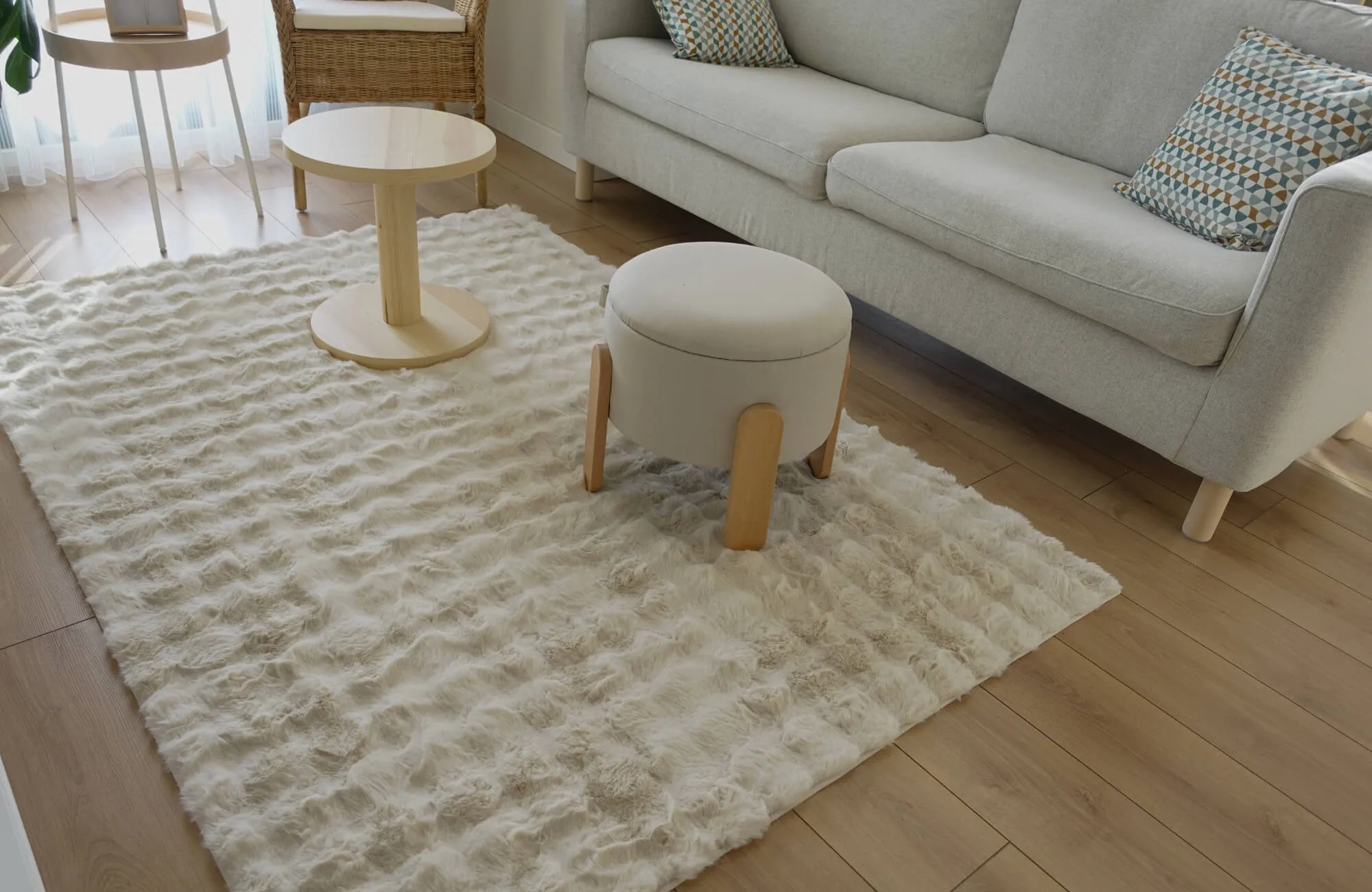
Wool rugs have long been prized for their natural beauty, durability, and luxurious texture, but even high-quality wool pieces come with one universal truth: they shed. For many homeowners, especially those investing in their first wool rug, this shedding can feel unexpected or even concerning. The good news is that shedding is not a sign of low quality. In fact, it’s a normal part of how wool behaves, especially in the earliest months of use.
Understanding why wool sheds, how long it lasts, and what influences the shedding cycle will help you appreciate the material for what it truly is: a resilient, organic fiber that becomes more stable and beautiful over time. This guide explores every factor behind shedding, from fiber science to construction methods to proper maintenance, giving you a full picture of what to expect so you can enjoy your rug with confidence.
Understanding Why Wool Rugs Shed Naturally
Before you can manage shedding, it helps to understand why wool behaves the way it does in the first place. This section breaks down the natural characteristics of wool fibers so you can see that shedding isn’t a flaw, but a normal part of how high-quality wool settles into your home.
The Role of Staple Length in Fiber Retention
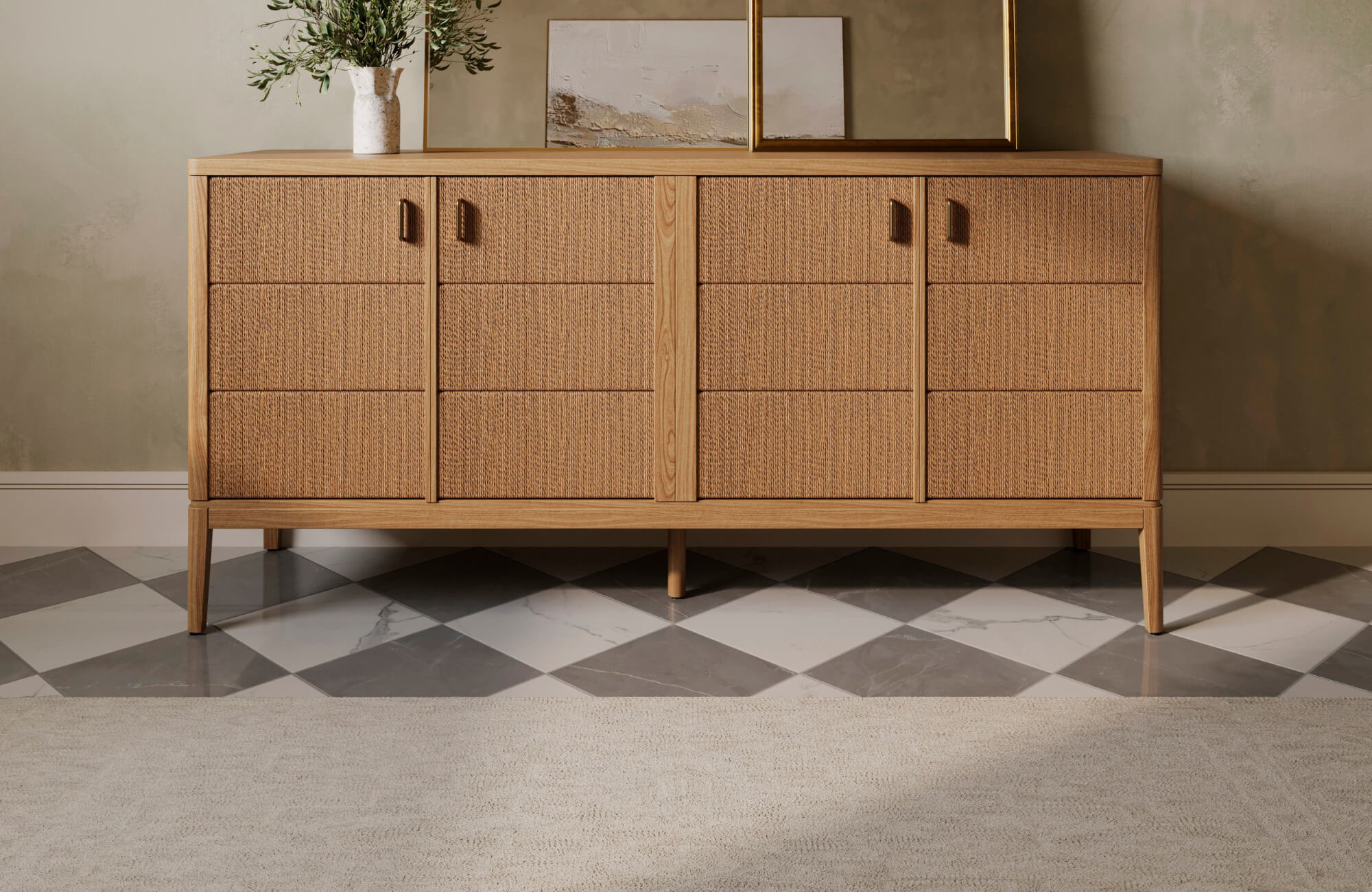
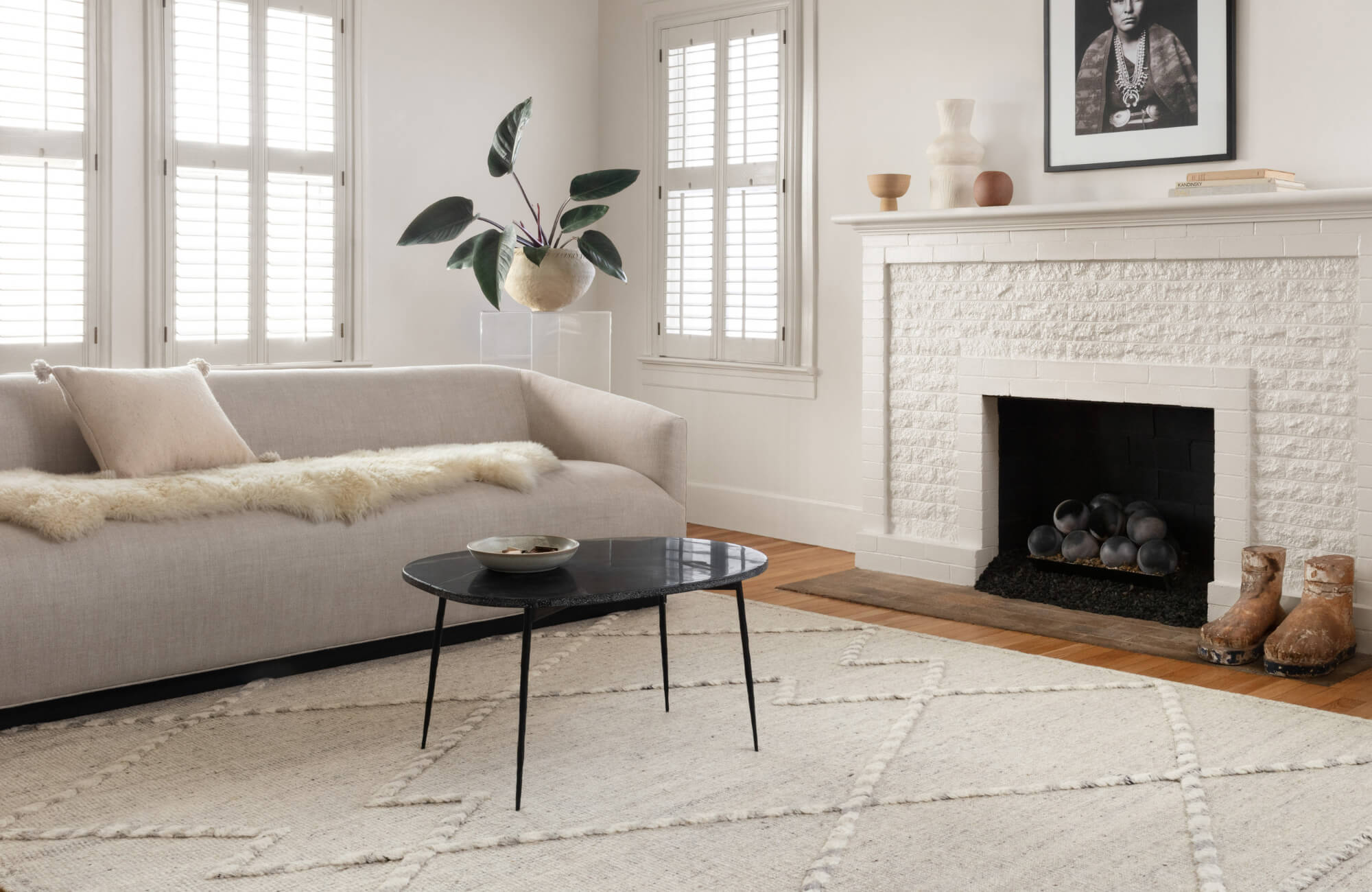
One of the biggest factors in shedding is staple length, which refers to the natural length of wool fibers. Long-staple wool fibers interlock more effectively, creating a tighter, more cohesive yarn. This is why a dense, textured piece like Edward Martin’s Mallory Wool Pile Rug in Cream holds its structure well and releases fewer loose fibers over time. Rugs made from these longer fibers tend to shed less because the strands have stronger anchoring points within the weave.
Short-staple wool, on the other hand, contains more loose ends that escape more readily during use. These shorter fibers catch less securely during spinning, leaving them more susceptible to surface shedding once the rug is placed underfoot. This doesn’t diminish the rug’s durability, but it does mean homeowners should expect a longer or more noticeable shedding period depending on the wool grade and production process.
The Difference Between Shedding and Sprouting
Shedding and sprouting are often confused, yet they represent two distinct fiber behaviors. Shedding involves small, fuzzy fibers that detach and accumulate on the rug’s surface. These fibers are usually remnants from processing and pose no structural risk. Sprouting, by contrast, occurs when a longer yarn end protrudes from the rug pile.
This is not a loose fiber but part of the rug’s actual construction, pushed upward by movement or tension. Sprouting can appear more alarming because the fiber is longer and more visible, but it is simply a cosmetic issue. Properly trimming sprouted ends at their base, not pulling them, restores the rug’s appearance without damaging the weave.
Why Shearing During Production Causes Initial Fuzz
After a wool rug is woven or tufted, it undergoes a shearing stage to even out the pile height. During this process, tiny fragments of wool break away from the cut ends and settle deep within the rug. While manufacturers remove most of these particles, it is nearly impossible to eliminate them entirely.
As the rug is walked on, vacuumed, or even gently brushed, the remaining wool fragments migrate upward and release as fuzz. This is why shedding is most noticeable during the first few months and gradually decreases, once the excess fibers from shearing have surfaced and dispersed, the rug transitions to a more stable, low-shed state.
How Rug Construction Determines Shedding Severity
Once you understand the science behind wool fibers, the next step is recognizing how different rug constructions influence shedding. This section connects those natural fiber traits to the way various weaving methods hold, release, or stabilize wool over time.
Why Hand Tufted Rugs Shed More Than Hand Knotted
Hand-tufted rugs are crafted by punching wool yarn into a fabric backing and securing it with latex and a secondary cloth layer. While this method allows for rich textures and faster production, it also creates more opportunities for loose fibers to collect in the pile.
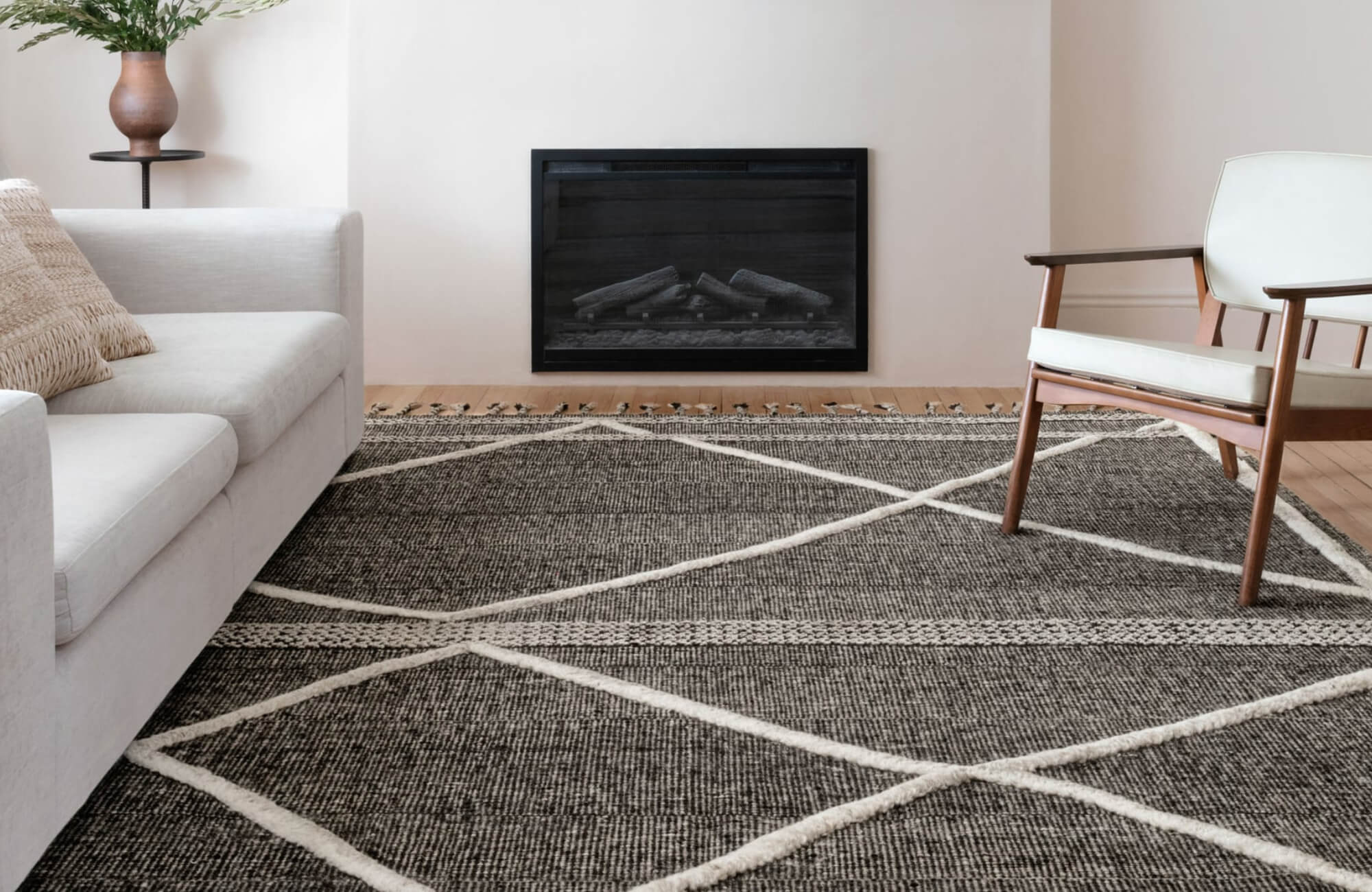
The cut-pile surface in tufted rugs releases short fibers more easily because each tuft is essentially a cluster of yarn ends, something you may notice in thicker styles like Edward Martin’s Micah Wool Blend Rug in Natural / Graphite, which showcases the depth of a tufted construction.
Hand-knotted rugs, by contrast, weave each strand directly into the foundation through tight knots. The density and structure of the knots lock fibers in place more securely. This is why hand-knotted rugs typically shed less, and why their shedding often stops more quickly than tufted alternatives. The labor-intensive knotting technique creates a firmer, more enduring pile that naturally retains its fibers more effectively.
The Low Shedding Nature of Flatweave and Kilim Rugs
Flatweave and kilim rugs differ dramatically from tufted or knotted options because they contain no pile at all. Instead, they are woven in a lattice-like structure where the wool strands interlace horizontally and vertically. Without cut ends exposed at the surface, there are fewer opportunities for fibers to loosen.
As a result, flatweaves exhibit minimal shedding and often remain stable from the moment they’re unrolled. Their smooth construction makes them ideal for homeowners who love the look of wool but prefer a rug that requires little long-term shedding management. Kilims and other flatweaves also offer exceptional durability in high-use spaces because their tightly woven structure resists abrasion.
How Busy Areas Impact Fiber Loss
Even the most tightly constructed rugs will shed more in active zones. Constant foot movement, shifting furniture, and repeated friction encourage loose wool fragments to surface more quickly. Entryways, living rooms, play areas, and hallways tend to accelerate the shedding cycle as compressed fibers push upward under pressure.
This effect can be more noticeable in plush-pile or tufted rugs because their fibers stand vertically, leaving them susceptible to bending and flexing. While this increased shedding is normal, it does level out as the rug ages and stabilizes. Using area-specific maintenance and proper support, like rug pads, can mitigate shedding in busier areas of the home.
The Shedding Timeline and What to Expect
After exploring how both fiber behavior and construction contribute to shedding, it becomes easier to understand why every wool rug follows its own timeline. Here, you’ll learn what the shedding process typically looks like from the first few months to long-term use.
The Initial Break In Period of Three to Six Months
During the first three to six months, shedding is at its peak. This stage is the break-in period where cut fibers, loose fragments from shearing, and shorter staple lengths naturally detach. Many homeowners begin to notice this most clearly on pale or textured surfaces like Edward Martin’s Micah Wool Blend Rug in Cream / Dove, where early fuzz tends to be more visible against the lighter wool tones.
This phase is not only normal but expected. As each fiber finds its natural place within the weave, the surface begins to clear and shedding gradually tapers off. The wool becomes more compact and resilient during this stage, ultimately contributing to the rug’s longevity.
When Shedding Should Subside Significantly
After the initial months, most high-quality wool rugs show a significant decrease in shedding. While occasional fiber release may still occur, it becomes much less frequent and far less noticeable. Hand-knotted and long-staple wool rugs often stabilize the quickest, sometimes shedding only lightly by the six-month mark.
Hand-tufted rugs may take longer but still experience a substantial reduction. At this stage, shedding is usually no longer disruptive, and routine maintenance becomes much easier. The rug develops a smoother surface, and the majority of excess wool from manufacturing has already been eliminated through normal use.
Why Some Rugs Shed for Their Entire Lifespan
Although shedding typically diminishes, some rugs continue to shed lightly throughout their lifespan. This ongoing shedding is most common in hand-tufted rugs, rugs made from shorter-staple wool, or pieces placed in extremely busy settings. The structure of the pile continually exposes fresh fiber ends that may loosen over time.
While this lifelong shedding may seem concerning, it rarely impacts the rug’s durability. Instead, it reflects the natural movement of wool fibers in response to friction and daily use. With proper care, even rugs that shed indefinitely remain strong, beautiful, and structurally sound for years.
Maintenance Mistakes That Worsen Shedding
Understanding the shedding timeline makes it clear why proper care matters so much in helping your rug stabilize. This final section highlights common maintenance habits that unintentionally make shedding worse, and how simple adjustments can keep your wool rug looking its best.
The Correct Way to Vacuum a Wool Rug
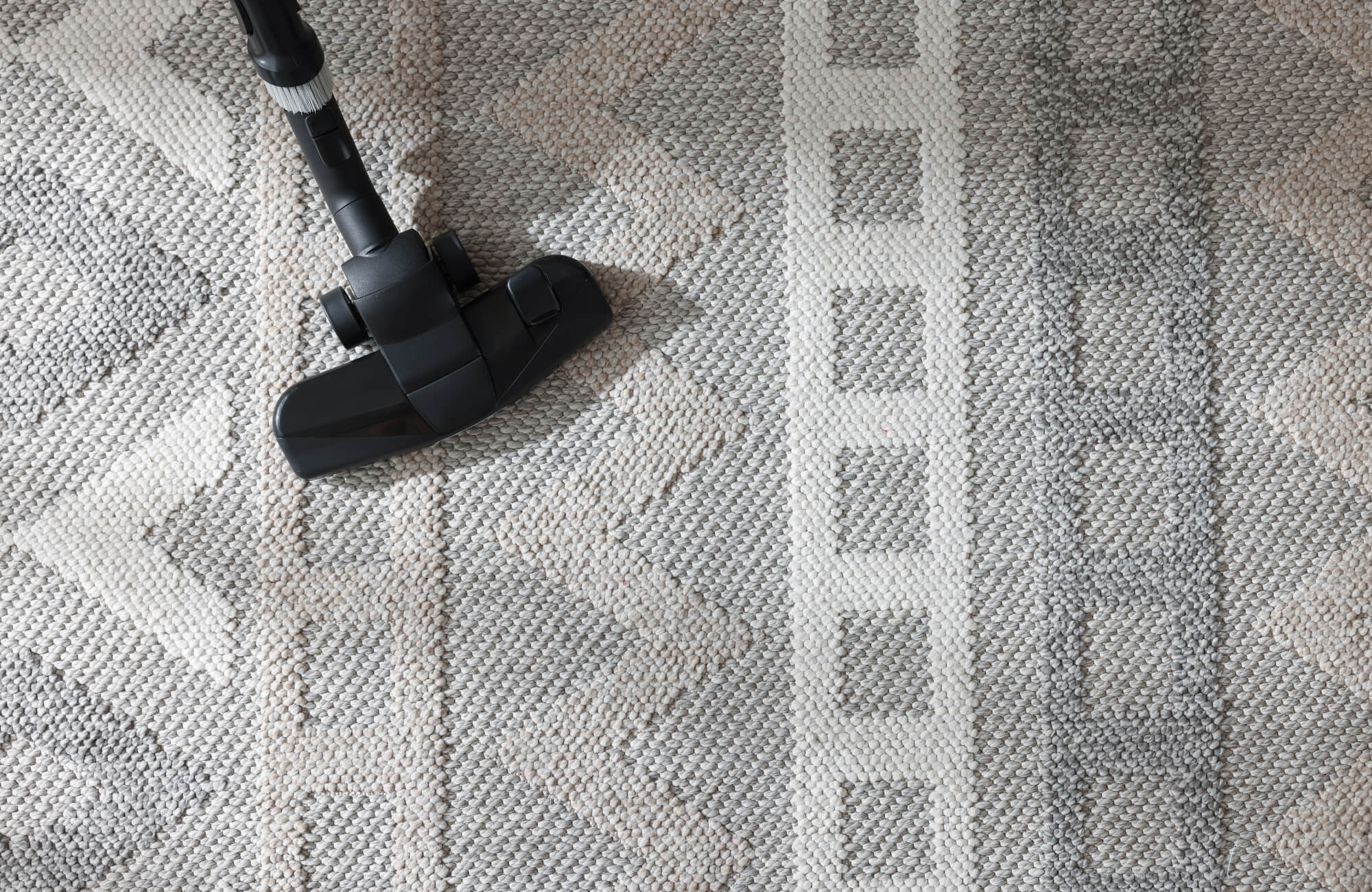
Vacuuming is essential for maintaining wool rugs, but using the wrong technique can break fibers or pull them prematurely. The best approach is to vacuum without a beater bar or rotating brush, as these aggressive tools dig into the pile and increase shedding. For care, maintenance, or general upkeep, it’s always best to consult the manufacturer’s guidelines to ensure you’re following the proper methods for your specific rug.
A suction-only vacuum glides gently across the surface, removing loose fibers without disturbing the deeper structure. Vacuuming should be done slowly and evenly, focusing on the direction of the nap when possible. Consistency is more effective than intensity; gentle, regular vacuuming helps release surface fuzz while protecting the wool beneath.
Why You Should Never Pull Loose Fibers
When loose fibers, sprouts, or long strands appear, the instinct may be to pull them, but this can cause more harm than good. Pulling places tension on the yarn bundle and may dislodge anchored fibers, creating more sprouting or even weakening the weave. The correct method is to trim protruding ends cleanly at the base using sharp scissors.
This restores the rug’s appearance without stressing the underlying structure. By trimming rather than tugging, you maintain the integrity of both knots and tufts, reducing the likelihood of additional shedding in the future.
Using a Rug Pad to Reduce Friction and Wear
A high-quality rug pad provides essential support that minimizes shedding. Pads absorb impact and reduce the movement between the rug and the floor, preventing fibers from grinding or loosening under pressure. This additional cushioning is especially important in living rooms, dining areas, and hallways where foot flow is constant, and it’s also something Edward Martin’s design consultation can help guide you through if you’re unsure which pad best suits your project.
A rug pad also enhances airflow beneath the rug, preventing dust buildup that can exacerbate fiber breakage. The result is a smoother, more stable surface that sheds less and maintains its structure far longer than rugs placed directly on hard flooring. And if you need personalized recommendations or have questions about pairing rug pads with your tile, rug, or furniture selections, you can always contact Edward Martin for support tailored to your space.
Embrace the Quality of Natural Wool
Shedding is often misunderstood, but it’s simply a natural stage in the life of a wool rug. Rather than signaling poor construction or inferior materials, shedding reflects the organic nature of wool and the craftsmanship behind its production. As the rug settles into your home, moving through its break-in period, adjusting to your lifestyle, and responding to routine care, it becomes stronger, softer, and more character-rich.
By understanding how wool fibers behave, selecting the right construction for your space, and following thoughtful maintenance practices, you can enjoy all the benefits wool has to offer without frustration. A wool rug is an investment not just in décor but in long-lasting quality, and embracing its natural qualities ensures it remains a beautiful part of your home for many years to come.
Follow us on Instagram
@EDWARD.MARTIN
)
)
)
)
)
)
)
)
)
)
)
)
)
)
)
)