A 60-inch vanity often sits at the intersection of practicality and spatial limitation. For many U.S. homeowners, especially those renovating primary or shared bathrooms, the question of whether two adults can comfortably use such a vanity at the same time becomes a central consideration. The answer depends less on the raw width of the cabinet and more on the ergonomics, the available countertop depth, the storage configuration, and the visual design cues that shape how spacious the unit feels during everyday use.
When these factors work together, a 60-inch vanity can shift from a tight compromise to a functional, attractive solution that supports simultaneous grooming with relative ease. Understanding how these elements interact allows homeowners to make confident decisions about what will truly work in their space.

The Ergonomics and Mathematics of Personal Space
Before two adults can comfortably share a 60-inch vanity, the first consideration is how much physical room each person truly needs. Understanding these basic spacing principles sets the foundation for everything else, from sink placement to daily usability.
Breaking Down the Thirty Inch Zone Per Person
When two adults stand shoulder-to-shoulder at a shared vanity, the body naturally claims a zone of roughly thirty inches to feel unconfined. This measurement includes shoulder width, the minor sway that occurs during tasks like brushing teeth, and the subconscious need for a personal bubble.
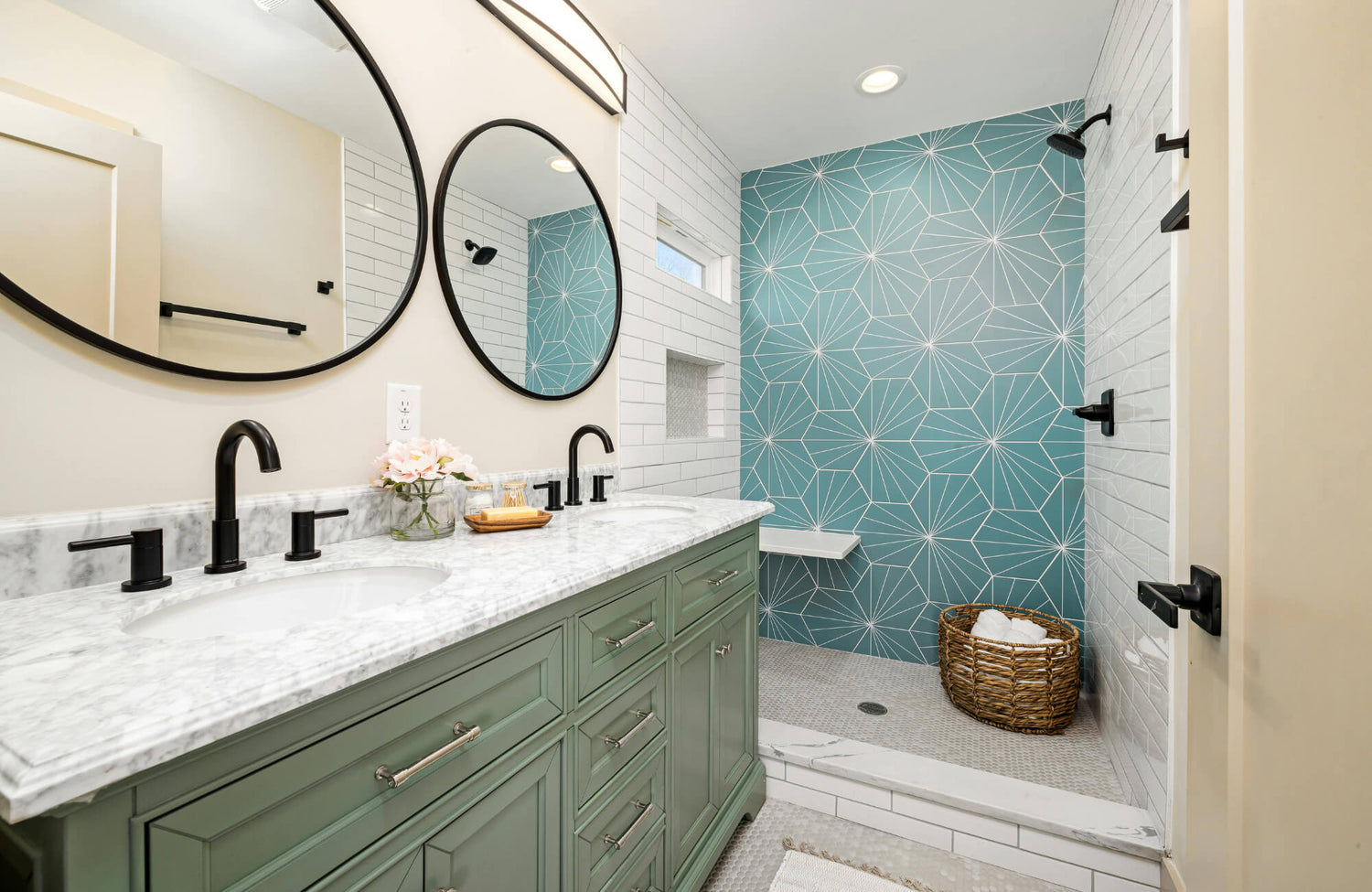
On a 60-inch vanity, this means each user is operating at the minimum threshold of comfort. The margin for error is slim, but it is not impossible to manage. The key lies in how the sinks are spaced and whether the cabinetry allows each person to adopt a stance that feels balanced; the clean, symmetrical layout of Edward Martin’s Josephine 60" Double Vanity in Satin Drifted Black Veneer with Carrara Marble Top, seen in the image above, offers a good example of how thoughtful proportions make this possible.
If the basins sit too close to the edges or too close to each other, the shared zone becomes cramped. But when the installation provides true symmetry, each adult can stand naturally without constantly adjusting posture or shifting weight to avoid bumping into the other.
The Elbow Test During Active Grooming Tasks
Beyond the static issue of standing room, real comfort emerges during active grooming. Brushing hair, shaving, applying skincare, or handling a blow dryer introduces wider, more unpredictable arm movements. This is where the elbow test becomes relevant. If each person can bend and lift their arms without grazing the other’s forearm or shoulder, the vanity passes the test.
Most adults need several additional inches beyond their standing zone to maneuver without annoyance. On a 60-inch vanity, this requires intentional sink placement and careful selection of accessories on the countertop. Even an extra inch or two of space between sinks can significantly reduce accidental elbow contact, making daily routines smoother and less frustrating.
The Importance of the Center Bridge Distance
Another ergonomic factor that determines whether two adults can comfortably use a 60-inch vanity is the distance of the center bridge, the span of countertop between the two sinks. This area becomes the buffer that absorbs slight shifts in movement.
When this space is too narrow, motion feels compressed; when it is generous enough, the visual and physical separation helps both users feel more grounded. Ideally, the center bridge should create psychological breathing room, even if the overall vanity width cannot expand. This small detail often determines whether the vanity feels genuinely usable or perpetually tight.

The Reality of Countertop Surface Area and Clutter
Once the ergonomic math is clear, the next challenge is how the countertop performs during real-life routines. Even the best spacing can feel cramped when products and tools crowd the surface, making clutter management a crucial part of maintaining comfort.
Where Do the Toiletries Go During Use
Even with perfect sink spacing, a shared vanity quickly becomes stressful if the countertop lacks room for toiletries. The true test of a 60-inch vanity is not how it looks when cleared for a photo but how it performs during a busy morning routine. Toothpaste tubes, hair brushes, moisturizers, beard-care tools, and makeup containers all demand real estate.
If these items take over each user’s thirty-inch space, elbows bump more frequently and movement becomes restricted. Establishing two distinct zones on the countertop helps each adult maintain order and reduces encroachment, and the expansive deck shown in the image above demonstrates how Edward Martin’s Bridgette 60" Double Vanity in Bright White with 3 cm White Zeus Quartz Top supports this kind of daily organization. When this is maintained consistently, two adults can comfortably occupy the vanity without feeling like they are negotiating territory.
Selecting Sink Sizes to Maximize Deck Space
Sink size and shape dramatically influence how much deck space remains available for personal items. Oversized rectangular basins look luxurious, but they often consume valuable countertop width. Opting for more modestly sized oval or compact rectangular sinks can free meaningful space at the front and sides. This additional room creates smoother workflows and prevents daily essentials from spilling into shared areas.
For those who value aesthetics, the challenge is to choose a sink that complements the bathroom’s design while leaving enough functional surface for both users. Prioritizing proportionality over size usually delivers the best balance between beauty and usability.
Faucet Configurations That Save Space
Faucet placement also plays a subtle but influential role. Single-hole faucets, for example, free up space that widespread faucets typically occupy. Their streamlined footprint reduces the hardware density on the deck, allowing for easier cleaning and more flexible placement of toiletries.
Wall-mounted faucets take this concept even further by opening up the entire rear area of the countertop. In a 60-inch vanity used by two adults, every inch reclaimed enhances comfort and reduces clutter. These thoughtful decisions transform a limited countertop into a more organized and accommodating workspace.

Storage Solutions That Make a Shared 60 Inch Unit Work
After addressing surface clutter, the focus naturally shifts to where all those items should live when not in use. Effective storage becomes the hidden key to keeping a 60-inch vanity functional for two people without sacrificing order or efficiency.
The Necessity of a Functional Center Drawer Bank
Storage determines whether the countertop remains usable or becomes overwhelmed. A center drawer bank, positioned between the sinks, acts as the anchor for shared organization. When well-designed, it separates personal items while offering a central location for jointly used products like toothpaste or extra hand towels.
This prevents overlap between personal grooming kits and reduces the likelihood of clutter migrating upward. Without this storage element, the countertop must absorb items that would otherwise be tucked away, compromising the comfort of both adults during simultaneous use. A functional drawer bank becomes the hidden mechanism that supports order and harmony.
Utilizing Vertical Space Under the Sink
While plumbing obstacles often limit what can be installed under each sink, creative use of the vertical cavity can make a surprisingly meaningful difference. Tiered organizers, pull-out trays, and adjustable shelves help maximize the height of the space rather than allowing it to sit underutilized.
When each adult has an organized under-sink zone, they spend less time reaching across the countertop and more time accessing their personal supplies efficiently. In the image above, the streamlined cabinet layout of Edward Martin’s Sasha 60" Double Vanity in Mid Century Walnut with 3 cm White Zeus Quartz Top highlights how a well-designed interior can reduce clutter, ultimately expanding the usable space above and improving the shared experience.
Supplementing with Medicine Cabinets
If a 60-inch vanity still feels tight even with optimized internal storage, medicine cabinets can provide the extra solution that keeps the setup functional. Recessed or semi-recessed designs add storage without imposing on the room’s footprint.
When placed above each sink, they create individualized zones for small items like medications, skincare bottles, grooming tools, or beauty products. This vertical storage not only reduces countertop clutter but also reinforces a sense of personal space. For couples or shared users, having dedicated upper storage promotes smoother routines and minimizes unnecessary interaction during busy times.

Design Visuals That Expand the Feeling of Space
With storage handled, the final layer involves shaping how spacious the vanity feels through visual design. Thoughtful choices in mirrors, lighting, and vanity style can subtly stretch the perceived room, making the shared setup feel more open and comfortable.
Choosing One Large Mirror Versus Two Small Ones
Mirrors significantly influence how open or tight a bathroom feels. A single expansive mirror above a 60-inch vanity stretches the visual field, making the area feel broader and more unified. It also gives both adults a generous viewing area that accommodates natural movements.
In contrast, two smaller mirrors can create a sense of segmentation that sometimes makes the vanity feel compact. The bathroom in the image above shows how the airy styling complements Edward Martin’s Demi 60" Single Vanity in Mid-Century Walnut with 3 cm White Zeus Quartz Top, demonstrating how pairing a wide mirror with clean, uninterrupted lines can help the entire vanity feel more spacious. When the goal is to make simultaneous use feel more comfortable, a large mirror often creates the most spacious impression.
Lighting Placement for Tight Quarters
Light has the power to either compress or expand a room’s perceived size. Overhead lighting that casts shadows downward can make users feel boxed in, especially when two adults are standing close together.
Layered lighting, such as sconces placed at face level or integrated LED mirrors, diffuses illumination more evenly, reducing visual clutter and creating a smoother, more comfortable environment. By eliminating harsh contrasts or dark corners, lighting enhances the psychological sense of roominess, which is particularly valuable when physical space is limited. Well-placed lighting supports both function and comfort for shared use.
The Visual Weight of Floating Versus Freestanding
A floating vanity introduces floor visibility that tricks the eye into perceiving more space. This increased sense of openness often makes a 60-inch unit feel less dense and more accommodating for two adults. Freestanding vanities, while classic and sturdy, occupy the full vertical dimension from floor to countertop and can appear bulkier in compact bathrooms.
For those struggling with the feeling of confinement, a floating design can significantly improve the overall experience without altering the vanity’s actual width. The perception of breathing room becomes almost as important as the physical dimensions themselves, and homeowners who feel unsure about which direction to take can benefit from Edward Martin’s design consultation for tailored style guidance.
Whether choosing between vanity types or needing help coordinating tiles, rugs, or furniture selections, personalized recommendations are available, simply contact Edward Martin for expert support.
It Is a Cozy but Functional Fit
A 60-inch vanity represents the smallest practical width for true dual-user functionality. While it cannot compete with the spaciousness of a 72-inch or larger unit, it can absolutely support two adults with thoughtful planning. Comfort arises not only from the sixty inches of cabinet space but from how the sinks are positioned, how storage is allocated, how lighting enhances the environment, and how clutter is managed.
When each of these factors is optimized, the vanity becomes a compact yet highly capable station that supports shared routines without constant friction. For homeowners balancing aesthetics, space constraints, and daily practicality, a well-designed 60-inch vanity can deliver a surprisingly comfortable, visually pleasing, and thoroughly functional solution.