Pendant lights are one of the most versatile lighting options, offering both practical illumination and a way to define a room’s character. From sleek glass globes to oversized woven designs, each pendant light brings a different effect to the spaces where you live, work, and gather.
In this article, we’ll explore different types of pendant lights and what makes each one unique. By understanding the strengths of glass, metal, fabric, natural, sculptural, mini, and large statement pendants, you can choose styles that not only brighten your rooms but also complement the way you use them every day.

Pendant Lighting Basics
Pendant lights are ceiling-mounted fixtures that hang from a rod, cord, or chain. They typically use a single bulb as their main light source. Unlike chandeliers that spread light through multiple arms, pendants focus illumination in one direction, making them simple yet highly versatile. Each part of the fixture plays a role in shaping both the style and the quality of light it provides.
These lights are most effective in areas where direct illumination is needed, such as over kitchen islands, dining tables, or entryways. Getting the height right is equally important: aim to position the bottom of the shade about 30 to 36 inches above a table or countertop. This placement ensures the space feels well-lit without blocking views or interfering with the room’s flow.

Single Pendant Fixtures
A single pendant is ideal when you want a clear focal point in a room. One large light above a round dining table or in an entryway creates balance and definition, instantly grounding the space. Because it draws attention without competing with other design elements, a single pendant also works well in settings that benefit from simplicity and symmetry.
This approach is especially effective in smaller rooms or areas where one strong statement feels more appropriate than multiple fixtures. Edward Martin’s Rosa Rounded Pendant in Aged Brass, for example, demonstrates how a single piece can command attention while maintaining elegance, as seen in the photo above. With the right size and style, a single pendant not only delivers practical lighting but also anchors the design, turning light into a defining feature of the space.

Multiple Pendant Fixtures
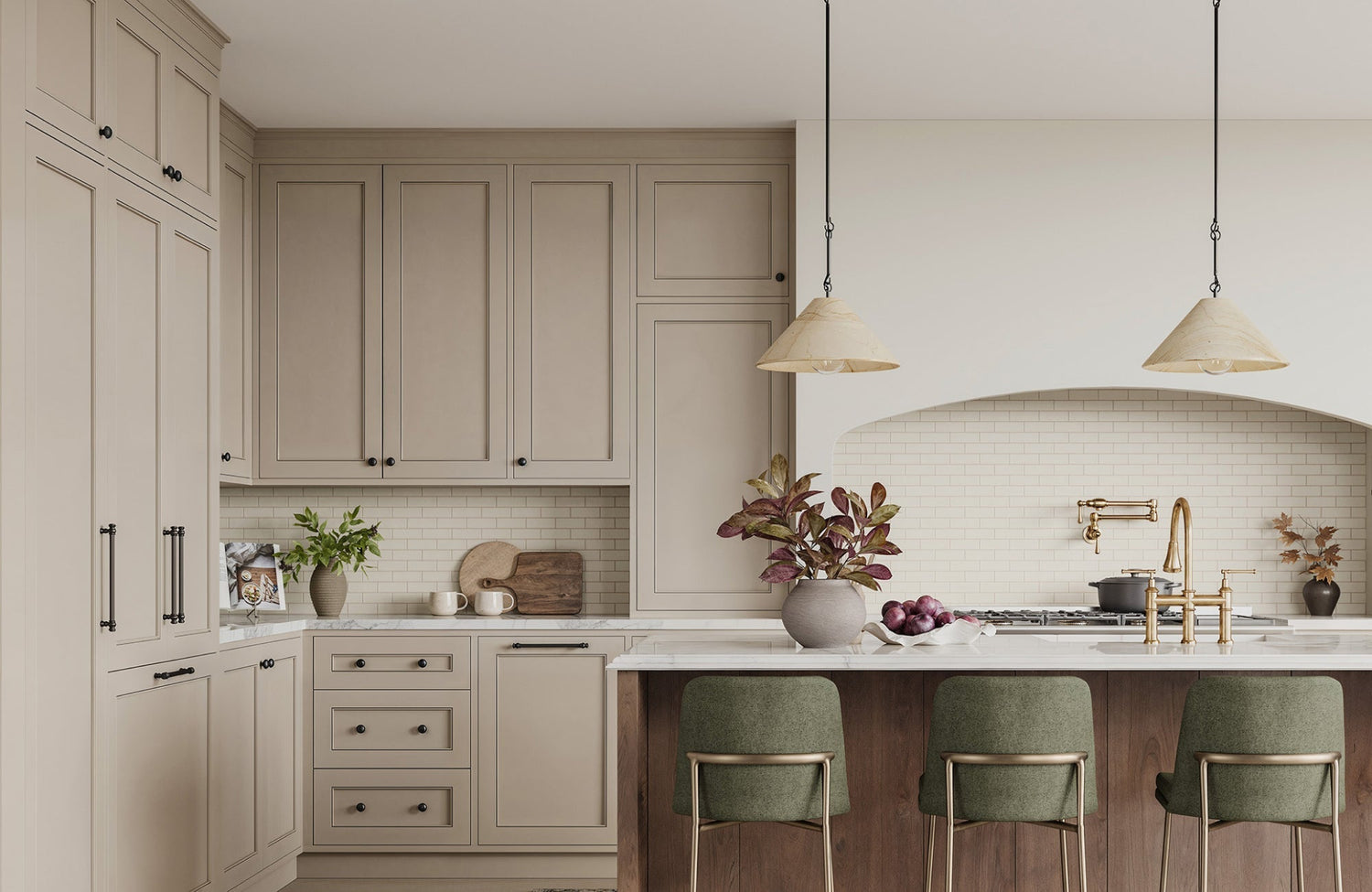
Multiple pendants are best when you need to spread light across a larger surface. Kitchen islands and rectangular dining tables often benefit from two or three pendants installed in a row. Spacing them about 24–30 inches apart ensures even distribution of light while creating a sense of rhythm across the ceiling.
This setup is practical for task-oriented areas while also adding visual interest. By repeating the same pendant design, you maintain cohesion while extending light coverage. Choosing multiple pendants over one large fixture depends on whether you want broader illumination and a more dynamic look.

Glass Pendant Lights
Glass pendants remain a favorite because they work with almost any décor. Clear glass shades deliver bright, direct light, making them well-suited for kitchens and workspaces. Frosted or tinted glass, in contrast, softens the glow and creates a more relaxed atmosphere, which is ideal for bedrooms or living spaces. Globe-shaped pendants spread light evenly in all directions, offering a timeless look that fits both modern and traditional interiors.
For a more dramatic effect, clustered glass pendants bring several shades together in a single arrangement, making them stand out in stairwells or tall entryways. Because clear glass can sometimes cause glare, pairing these fixtures with a dimmer switch also gives you more control. The best choice depends on how you want the space to feel: whether you need strong, focused task lighting or a gentle, ambient glow.

Metal Pendant Lights
Metal pendants bring definition to a room, giving it both structure and visual weight. Drum-shaped designs focus light directly below, creating a concentrated pool of brightness that works well over tables or counters. Industrial finishes such as black iron or brushed steel highlight a more rugged, utilitarian style, making them a strong fit for loft-inspired interiors.
In the photo displayed above, our Dempsey Pendant in Hammered Antique Brass illustrates the versatility of metal lighting, blending warmth with a refined finish. Its sleek yet textured surface demonstrates how polished metals like brass, copper, or chrome can shift the mood of a room, from warm and classic to bold and modern. Coordinating these finishes with hardware or fixtures also keeps the look cohesive, while their durability and easy maintenance make metal pendants especially practical for busy spaces.

Fabric and Soft-Shade Pendant Lights
Fabric pendants gently diffuse light, creating a warm and inviting atmosphere. Linen and cotton shades can bring a relaxed feel that pairs beautifully with wood and other natural materials, while patterned fabrics can add character and turn the fixture into a statement piece. Because fabric softens brightness, these pendants are especially well-suited for dining areas and living rooms where comfort and warmth are the priority.
Edward Martin’s Hilda 18" Pendant in Distressed Bronze, as seen in the photo above, is a good example of how fabric shades work in practice, blending function with understated elegance. Its soft shade provides an even, cozy glow while the bronze frame adds structure and contrast. Paired with warm-toned bulbs and regular upkeep, fabric pendants like this maintain their fresh look while continuing to enrich the mood of a space.

Natural and Woven Pendant Lights
Pendants crafted from rattan, wicker, or bamboo add texture and an easygoing feel to interiors. Their open weave allows light to filter through in distinctive patterns, casting gentle shadows that bring depth and character to a room.
Edward Martin’s Santos Pendant in Vintage Gold Leaf illustrates how woven lighting can balance organic texture with refined detail, as seen in the photo above. Its elongated form introduces height and elegance while maintaining the relaxed, natural quality that makes woven pendants so versatile. Similarly, wood pendants, whether carved or veneered, can bring warmth and adapt easily to rustic, Scandinavian, or modern interiors. For those who value sustainability, these natural materials also provide an eco-conscious choice that feels especially fitting in bright, sunlit spaces.

Sculptural and Artistic Pendant Lights
Sculptural pendants act as both lighting and artwork, making them a strong choice for spaces where design carries as much weight as function. Geometric styles with sharp lines can bring structure to modern interiors, while organic or abstract forms introduce a sense of movement and creativity.
Edward Martin’s Satine Pendant in Aged Brass Bronze captures this artistic approach, as shown in the photo above. Its fluid, sculptural silhouette demonstrates how lighting can become a focal point, elevating rooms like stairwells, bathrooms, or double-height living areas. Because fixtures of this kind naturally attract attention, they work best in open spaces where their shape and craftsmanship can be fully appreciated.

Mini Pendant Lights
Mini pendants are small and versatile, providing focused task lighting without taking over a room. They work well above kitchen counters, in breakfast nooks, or over a home office desk where clear, directed brightness is needed. They can also serve as accent lights. When installed in multiples, mini pendants draw attention to shelves, artwork, or architectural details. Many come with adjustable cords, offering you the flexibility to raise or lower them depending on how you want the light to function.

Large Statement Pendant Lights
Oversized pendants can bring presence and scale to rooms with high ceilings or open layouts. A single large fixture above a dining table can serve as an alternative to a chandelier, providing strong illumination while maintaining a clean and streamlined design. In living rooms or great rooms, larger woven or globe pendants can anchor the space and create a striking focal point. To maintain balance, it’s best to use one bold pendant rather than several oversized fixtures, ensuring the room feels proportionate and inviting.

Mixing Pendant Styles in One Home
Using different types of pendants throughout your home can add variety and interest, as long as you approach it with intention. Unifying details such as matching finishes, repeated shapes, or complementary colors brings the design together and keeps it cohesive. It also helps to match pendant styles to the function of each room: glass in kitchens for clarity, fabric in dining areas for warmth, and woven in living rooms for a relaxed feel. Limiting yourself to two or three main styles and repeating them in different rooms creates consistency while still leaving room for variety.
Choosing the Right Pendant Light for Your Home
The type of pendant light you choose can influence both the mood and function of a room. From glass and metal to fabric, woven, sculptural, mini, or oversized designs, each style brings its own character. The key is matching those qualities with the purpose and atmosphere you want to create in each space.
By matching the right fixture to the right setting, you ensure your lighting does more than provide illumination. A statement piece above a dining table or a simple row of minis in the kitchen can define the character of the space. Thoughtful choices can bring everything together, leaving your home well-lit, cohesive, and tailored to your lifestyle. If you’d like guidance on selecting the right pendant lights, contact us today or explore our design services to create a look that suits your home perfectly!