Choosing the right bathroom tiles is an important decision that can have a significant impact on the overall look and feel of your space. Not only will your tiles affect the aesthetics of your bathroom, but they will also impact its functionality and long-term maintenance. Making poor decisions in tile selection can lead to a variety of problems, such as difficult maintenance, mismatched styles, and even functional issues.
This article will discuss some of the most common mistakes people make when choosing bathroom tiles. By understanding these mistakes, you can avoid making them yourself and select tiles that are both beautiful and practical. We will cover a variety of topics, including aesthetics, durability, and installation. By the end of this article, you will have a better understanding of how to choose bathroom tiles that meet your needs and exceed your expectations.

1. Not Considering Tile Durability for High-Moisture Areas
In high-moisture areas like bathrooms, selecting the right tile is crucial to ensure its longevity and functionality. Different types of tiles have varying levels of durability and water resistance, and choosing the wrong one can lead to problems such as water damage, mold, and mildew.
Ceramic tiles, often used in bathrooms due to their affordability, are generally considered durable and water-resistant. However, their water absorption rate can vary, and some ceramic tiles may not be suitable for areas with constant exposure to moisture. As a result, ceramic tiles are most commonly used for wall applications, such as shower or bathroom walls, where direct, prolonged water exposure is less of a concern. For example, the Sarina 3x12 Glossy Ceramic Fishscale Tile in Cloud from Edward Martin, as seen in the photo above, is an ideal choice for adding a stylish touch to shower or bathroom walls, offering both aesthetic appeal and functional durability in areas less exposed to water saturation. Porcelain tiles, on the other hand, are known for their low water absorption rate and exceptional durability. They are an excellent choice for bathroom floors and walls, as they can withstand moisture without compromising their integrity.
Natural stone tiles, while adding a touch of luxury, may not be the best option for bathrooms unless properly sealed. These porous materials can absorb water, leading to staining and potential damage. If you prefer natural stone, it's essential to choose a variety with a low water absorption rate and apply a high-quality sealer regularly.
For wet areas like showers and around bathtubs, glazed porcelain or glass tiles are ideal choices. Their non-porous surfaces effectively repel water, preventing moisture from penetrating the tile body. These tiles are also resistant to stains and scratches, making them easy to clean and maintain.

2. Neglecting Slip Resistance
One of the most overlooked aspects when selecting bathroom tiles is slip resistance, a critical factor that directly impacts both safety and everyday usability. In moisture-prone environments like bathrooms, where water frequently accumulates around showers, bathtubs, and sinks, choosing the right bathroom floor tiles goes beyond aesthetics and becomes essential for preventing accidents.
Prioritizing slip-resistant bathroom floor tiles helps create a secure and comfortable space without compromising design. Tiles with a textured surface or subtle grip, such as those with raised patterns or matte finishes, offer better traction underfoot. Matte bathroom tiles, in particular, are a popular choice as their slightly coarse texture reduces slipperiness while maintaining a clean and sophisticated look suitable for modern bathroom tile design.
In contrast, glossy tiles, while often favored for their sleek and reflective appearance, are better suited for shower wall tiles or vertical applications. Their smooth surface can become hazardous when used on floors, especially in wet conditions. For those drawn to the polished look of glossy finishes, balancing them with safer materials on the floor ensures both visual cohesion and functionality.
To further enhance safety, especially in busy or family bathrooms, incorporating non-slip solutions such as bath mats or strategically placed textured tiles can provide additional stability. By carefully selecting non-slip bathroom floor tiles and pairing them with thoughtful design choices, you can achieve a bathroom that is not only visually cohesive but also safe, practical, and well-suited for daily use.

3. Ignoring Tile Size and Layout Compatibility
Choosing the right tile size and layout is essential for creating a visually appealing and functional bathroom. The interplay of these elements can significantly influence the perceived size and ambiance of the space.
In smaller bathrooms, medium to larger-format tiles arranged in a clean, horizontal layout can help visually expand the space by minimizing grout lines and creating a more continuous surface. Vertical layouts, however, can also be used strategically to draw the eye upward, subtly enhancing the perception of height. This approach is especially effective when paired with elongated tiles, which introduce both rhythm and direction to the space.
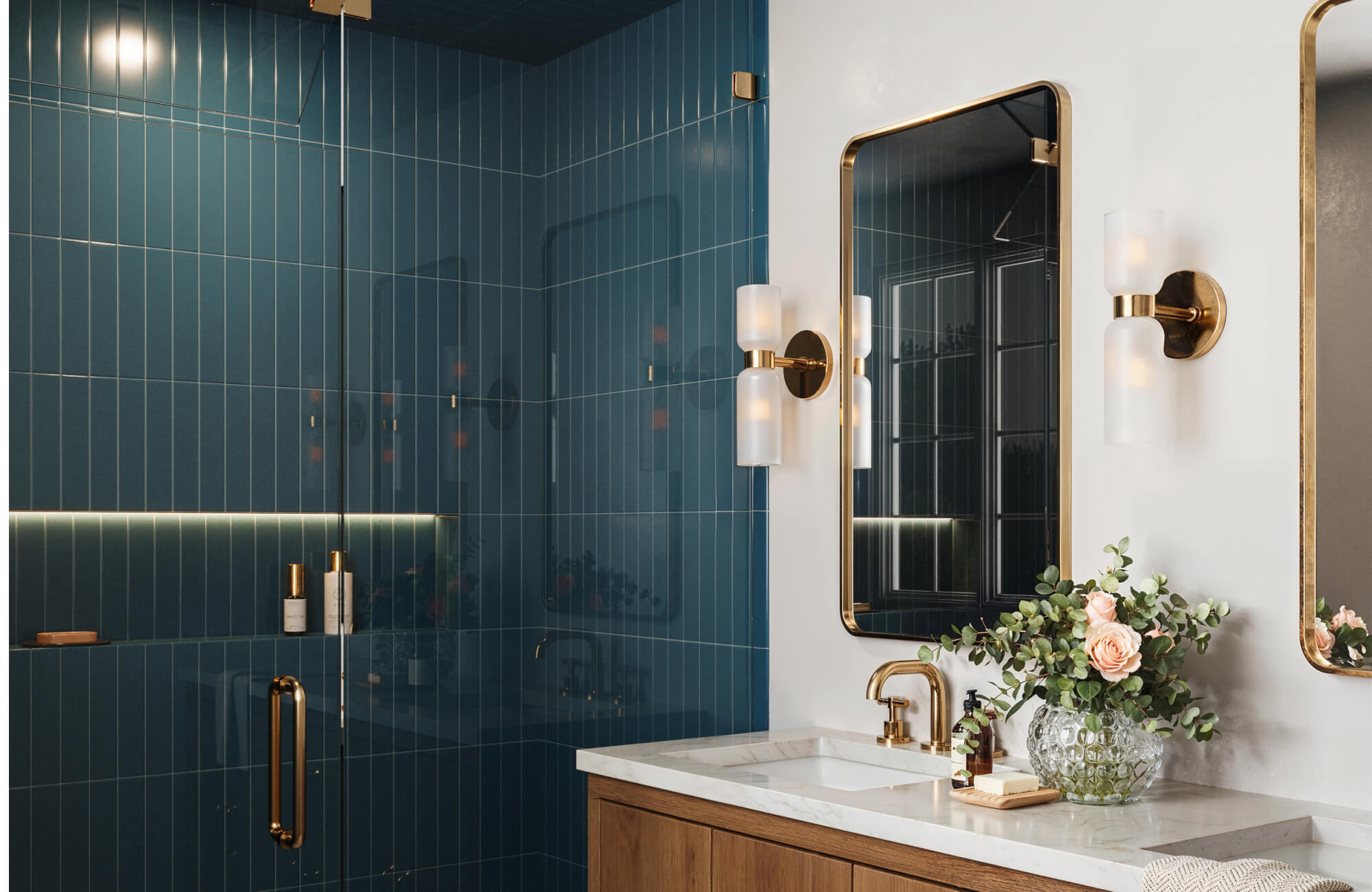
A refined example of this can be seen in the image with Edward Martin’s Aurelia 2x11 Glossy Porcelain Tile in Seafoam. Its slim, elongated format is installed in a vertical stacked layout, guiding the eye upward and emphasizing the height of the shower area. The soft seafoam tone, combined with its glossy finish, reflects natural light from the window, enhancing brightness while adding gentle variation across the surface. This combination creates a sense of openness while maintaining a calm, spa-like atmosphere, making it an ideal choice for shower wall tiles in compact to medium-sized bathrooms.
For medium-sized bathrooms, more intricate layouts such as herringbone or diagonal patterns can introduce visual interest without overwhelming the space. In larger bathrooms, combining different tile sizes and layouts can create a more layered and dynamic composition, provided the overall design remains balanced and intentional.
While mosaic bathroom tiles can add texture and detail, using them across large surfaces in smaller spaces may create visual clutter due to increased grout lines. Instead, reserving them for accent areas such as niches or borders allows for decorative impact without disrupting the overall flow. By aligning tile size and layout with the proportions of your space, you achieve a bathroom that feels both thoughtfully designed and visually harmonious.
To see how your chosen tiles will look in your space before making a final decision, try using our AR tool. This tool allows you to visualize different tile designs in your bathroom, helping you make the best choice for your layout and size considerations.

4. Underestimating Installation Costs
One of the most common mistakes people make when choosing bathroom tiles is underestimating the cost of installation. While the tiles themselves might seem affordable, the installation process can add up quickly. Factors such as complex tile patterns, intricate cuts, or limited access can significantly increase labor costs.
To avoid exceeding your budget, it's essential to prioritize spending wisely. Consider focusing on higher-quality tiles in frequently used areas, such as the shower floor or around the bathtub. For less-used areas, you can opt for more budget-friendly options.
Additionally, don't forget about the hidden costs of tile installation. These can include the need for underlayment, specialized grout, and other materials. It's crucial to obtain accurate estimates from qualified professionals to avoid unexpected expenses. If you're looking to save money on tiles, consider affordable alternatives that still offer style and durability. Ceramic tiles, for example, can mimic the look of natural stone without the hefty price tag.

5. Failure to Plan for Tile Maintenance Needs
When selecting bathroom tiles, long-term maintenance is often underestimated, yet it plays a crucial role in preserving both the appearance and performance of your space. Different tile materials come with varying upkeep requirements, and overlooking this factor can lead to unnecessary effort, added costs, and diminished visual appeal over time.
For homeowners seeking low-maintenance bathroom tiles, porcelain remains one of the most practical choices. Its dense, non-porous surface resists moisture, stains, and daily wear, allowing for effortless cleaning with minimal intervention. This makes porcelain an ideal option for bathroom floor tiles and busy areas where durability and ease of care are essential. Ceramic tiles also offer manageable upkeep, particularly when used for walls, where exposure to dirt and moisture is less demanding.
In contrast, natural stone tiles such as marble or granite introduce a refined, high-end aesthetic but require more attentive care. These materials are inherently porous, making them more susceptible to staining and water absorption. To maintain their appearance, regular sealing is necessary, along with the use of specialized cleaning products designed to protect their surface without causing damage.
Textured tiles, often chosen for their slip-resistant qualities, can also present maintenance challenges. Their uneven surfaces tend to trap dirt and residue, requiring more frequent cleaning and occasional deep scrubbing to retain their intended look. While they are highly functional, especially as non slip bathroom floor tiles, balancing their practicality with maintenance expectations is key.
To simplify upkeep, thoughtful details such as selecting darker grout can help conceal stains and reduce visible wear over time. Additionally, opting for non-porous materials like porcelain or glass tiles minimizes the need for intensive maintenance routines. By planning ahead and choosing materials aligned with your lifestyle, you can achieve a bathroom tile design that remains visually cohesive, durable, and easy to maintain for years to come.

6. Misjudging Tile Color's Impact on Lighting and Space
Tile color plays a significant role in shaping the overall atmosphere and perceived size of a bathroom. Lighter-colored tiles, such as white or cream, can brighten a space and make it feel larger, even in bathrooms with limited natural light. Darker tiles, on the other hand, can absorb light, creating a more intimate and cozy ambiance. However, if not carefully considered, darker tiles can also make a bathroom feel smaller and more confined.
Balancing tile color with lighting choices is essential for achieving the desired atmosphere. In bathrooms with limited natural light, it's important to choose light-colored tiles and incorporate ample artificial lighting. This combination can create a bright and airy space. Conversely, in bathrooms with abundant natural light, darker tiles can add depth and drama without making the space feel too gloomy.
The choice of tile color can also influence the overall style of your bathroom. Neutral tones, such as white, gray, and beige, are versatile and can create a minimalist or modern aesthetic. Soft pastels, like light blue, lavender, and mint green, can evoke a calming and spa-like atmosphere. By carefully considering the impact of tile color on lighting and space, you can create a bathroom that is both visually appealing and functional.

7. Overlooking Grout Color and Maintenance
Grout maintenance is equally important but often neglected. The color of grout can significantly impact the overall look of your bathroom. Lighter grout, while visually appealing, can stain easily, especially in frequently used areas. In contrast, darker grout helps conceal dirt and requires less frequent cleaning. Grout not only affects aesthetics but also plays a key role in maintaining the durability of your tile installation.
To extend the life and appearance of your grout, it’s crucial to seal it properly to protect it from moisture, mildew, and stains. Regular cleaning with a grout-specific cleaner can prevent grime buildup. If you want a more convenient solution, stain-resistant grout offers a low-maintenance alternative, reducing the need for frequent sealing and cleaning. By considering both tile and grout maintenance, you ensure that your bathroom stays functional and beautiful with minimal effort.

8. Not Consulting with a Professional Before Purchase
When selecting tiles for your bathroom renovation, it's essential to consult with a professional who can provide expert guidance and ensure that your choices are suitable for the unique requirements of this high-moisture environment. Professionals understand the technical aspects of tile selection, including moisture resistance, durability, and proper installation techniques.
DIY tile selection can lead to common errors, such as choosing materials that aren't appropriate for floors or failing to account for subfloor issues. A professional can help you avoid these pitfalls and select tiles that will not only look great but also withstand the demands of a bathroom.
If you're working with unique materials like marble or glass, consulting with a professional is even more crucial. These materials may have specific installation requirements or require additional maintenance to ensure their longevity. By seeking expert advice before making your purchase, you can increase the chances of a successful and long-lasting bathroom renovation.

9. Disregarding Proper Tile Storage Before Installation
Proper tile storage before installation is often overlooked, yet it plays a vital role in maintaining the integrity and appearance of your bathroom tiles. Even high-quality materials such as porcelain or ceramic can become compromised if stored incorrectly, leading to issues that affect both installation and long-term performance.
Before installation begins, bathroom tiles should be kept in a clean, dry, and temperature-stable environment. Exposure to excess moisture or direct sunlight can cause discoloration, warping, or surface damage, particularly for sensitive materials. Whether you're working with bathroom floor tiles or shower wall tiles, ensuring proper storage conditions helps preserve their original finish and structural quality.
Stacking tiles improperly is another common mistake. Placing excessive weight on lower tiles can result in cracks or subtle warping that may not be immediately visible but can affect alignment during installation. Instead, tiles should be stored flat in manageable stacks or carefully leaned against a stable surface with proper support to prevent pressure damage.
To further protect your bathroom tile selection, it’s important to shield tiles from scratches and edge chipping. Using protective layers such as cardboard separators or keeping tiles in their original packaging until needed can help maintain their pristine condition. This is especially important for glossy or polished finishes, where even minor imperfections can be more noticeable once installed.
By taking the time to store tiles correctly before installation, you help ensure a smoother installation process and preserve the intended look of your bathroom tile design. Proper handling at this stage not only protects your investment but also contributes to a more refined and long-lasting final result.

Best Bathroom Tile Choices for Every Space
Selecting the right bathroom tiles becomes more effective when each area is approached with both function and design in mind. Different zones within the bathroom require specific materials and finishes to ensure durability, safety, and visual cohesion. Understanding the best tile material for bathrooms allows you to create a space that performs well while maintaining a polished, intentional look.
For bathroom floor tiles, durability and slip resistance should take priority. Porcelain tiles, like our Astrid 24x24 Matte Porcelain Tile in Oyster, as featured in the photo above, are widely considered one of the best tiles for bathroom floors due to their dense composition, low water absorption, and long-lasting performance. Matte or textured finishes further enhance safety, making them ideal as non-slip bathroom floor tiles in high-moisture environments.
When it comes to shower wall tiles and bathroom wall tiles, ceramic and glossy porcelain options are popular for their smooth surface and light-reflective qualities. These materials help brighten the space while offering easy maintenance, making them a practical choice for vertical applications exposed to moisture but less use.
In wet zones such as shower floors or areas surrounding bathtubs, selecting water-resistant tiles is essential. Small-format tiles or mosaic bathroom tiles are often preferred here, as the additional grout lines can improve traction while conforming more easily to sloped surfaces. Choosing non-porous materials like porcelain or glass further enhances resistance to water penetration and staining.
For those aiming to elevate their bathroom tile design, feature areas such as backsplashes, accent walls, or niches present an opportunity to introduce more decorative elements. This is where textured tiles, patterned layouts, or natural stone can be used thoughtfully without overwhelming the space or increasing maintenance demands across larger surfaces.
By aligning your bathroom tile selection with the specific needs of each area, you create a balanced environment that combines performance, safety, and refined aesthetics. This approach not only enhances the overall bathroom tile design but also ensures a more durable and low-maintenance result over time.
Designing a Bathroom That Endures in Style and Performance
Selecting the right tiles for your bathroom is a crucial decision that involves balancing aesthetics, functionality, durability, and budget. Avoiding common mistakes, such as overlooking maintenance requirements, misjudging tile color's impact on lighting, and neglecting proper installation, can significantly improve the success and longevity of your bathroom renovation.
By carefully considering these factors and consulting with professionals, you can make informed choices that will result in a beautiful, functional, and long-lasting bathroom space. Remember, investing time and effort into tile selection will pay off in the long run.