



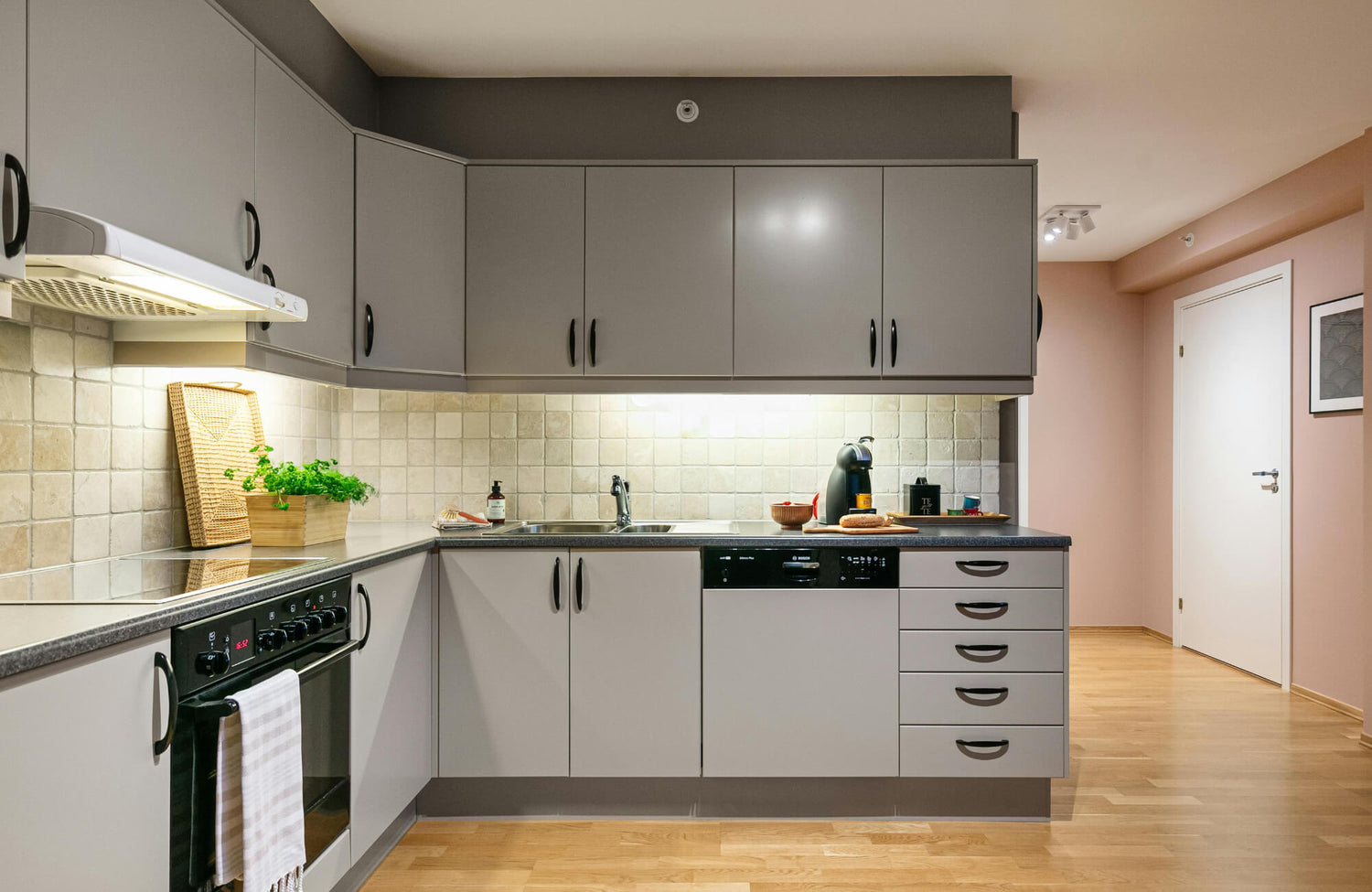
Zellige tile backsplashes, with their captivating handmade charm and rich Moroccan heritage, have become a coveted design element in modern kitchens. Their unique variations in color, texture, and sheen add an undeniable artistry to the heart of the home.
However, the practicalities of maintaining such a distinctive surface in a frequently used kitchen often lead to a crucial question for homeowners: Can a zellige tile backsplash truly withstand the rigors of a busy cooking environment and remain easy to clean? This article will delve into the realities of cleaning and maintaining a zellige tile backsplash, offering practical advice and insights for those considering this beautiful yet potentially demanding material.

Understanding the Nature of Zellige Tile
Before diving into care and upkeep, it helps to first understand what makes zellige tile unique. From its handcrafted irregularities to the natural porosity of its clay body, these qualities define both its charm and the way it performs in everyday use.
The Handcrafted Appeal and Its Implications
Each zellige tile is hand-cut and kiln-fired, resulting in subtle irregularities in size, thickness, and surface texture. These imperfections are not flaws but signatures of authenticity, giving walls and backsplashes a luminous, organic quality. However, the same artisanal process also requires skilled installation and careful layout planning, as inconsistent edges can create slight lippage and demand a tighter joint tolerance compared to standardized tiles.
In practice, this handcrafted character can be complemented by modern alternatives. For example, Edward Martin’s Jaden 2.5x16 Glossy Ceramic Tile in Dove, shown above, captures a similar artisanal aesthetic while offering greater uniformity for streamlined installation.
The Porosity of Clay and Glaze
Beyond appearance, the intrinsic material composition of zellige also influences its performance. At its core, zellige is made from unrefined Moroccan clay, which is inherently porous. The glossy glaze applied during firing partially seals the surface, but microscopic pores and natural crazing leave areas where moisture and oils may penetrate. For this reason, sealing becomes an essential step in kitchens and baths. Without proper protection, tiles are prone to staining or surface etching, particularly from acidic substances frequently found in cooking and cleaning products.
The Role of Grout in Zellige Installations
The way zellige is finished on the wall is just as critical as the tiles themselves. Grout is essential to both the aesthetics and performance of a backsplash or wall installation. Because zellige is traditionally set with minimal spacing, grout joints remain narrow, helping to highlight the irregular edges and emphasize the mosaic effect.
The choice of grout color can either accentuate the handmade geometry or create a more seamless, unified appearance. Functionally, grout also stabilizes the tiles, reduces moisture infiltration, and enhances long-term durability. Selecting the proper formulation, such as unsanded grout for narrow joints, prevents scratching of the delicate glaze during application, ensuring the integrity of the installation.

Designing with Zellige for Easier Maintenance
Once you know the inherent characteristics of zellige, the next step is making design choices that set you up for success. The right colors, finishes, grout, and layouts can make a big difference in how easy your backsplash is to keep clean.
Selecting Lighter Colors and Glossy Finishes
The first design choice that influences maintenance is the color and glaze of the tile. Lighter shades such as ivory, sand, or pale gray tend to mask water spots, soap residue, and minor stains more effectively than darker tones, which highlight every mark. Glossy glazes further simplify care by reducing surface porosity, helping tiles resist moisture and oil penetration while making them easier to wipe clean compared to matte or heavily crazed finishes.
For instance, the reflective surface of Edward Martin’s Natasha 2x6 Glossy Porcelain Tile in Oat, displayed above, demonstrates how a light, glossy finish can combine timeless style with practical day-to-day maintenance benefits. While not a true zellige tile, it offers an excellent alternative for those who love the handcrafted aesthetic but prefer lower upkeep demands.
Choosing Appropriate Grout Types and Sealants
Beyond tile color and finish, grout and sealant selection is essential to how manageable a backsplash remains over time. Because zellige tiles are often irregular in shape, unsanded grout is generally recommended for their narrow joints, minimizing the risk of scratching delicate glazes. Color-matched grout can help downplay surface variation, whereas contrasting grout emphasizes the handmade geometry but may highlight discoloration as it ages. A high-quality penetrating sealant is equally important, protecting both grout and tile edges from absorbing oils and pigments, which helps extend the backsplash’s resistance to staining.
Installation Patterns and Grout Line Density
Finally, layout and joint density can influence how much upkeep a backsplash requires. Traditional tight-joint installations create a continuous, luminous surface with fewer grout lines, reducing places where debris can accumulate, especially helpful in high-use cooking areas. By contrast, layouts such as herringbone or basketweave increase grout density, which adds visual interest but demands more frequent cleaning. For most kitchens, straightforward stacked or running-bond patterns provide the best compromise, delivering design impact while keeping maintenance practical.

Effective Cleaning Practices for Zellige Backsplashes
Even with smart design decisions, zellige still benefits from consistent care. Establishing simple daily routines and knowing how to tackle common kitchen messes will help preserve its handmade beauty over time.
Daily and Weekly Maintenance Routines
Consistent upkeep is the best defense against discoloration and surface wear. For daily cleaning, wipe down tiles with a soft, non-abrasive cloth or sponge dampened with warm water and a pH-neutral cleaner, steering clear of harsh chemicals that can etch the glaze. Weekly routines should include gently scrubbing grout lines with a soft brush to prevent residue accumulation. Microfiber cloths are particularly effective, as they lift grease and fine particles without leaving scratches.
Surfaces like Edward Martin’s Dani 1.6x5 Matte Ceramic Tile in Cream illustrate how a softer matte finish can retain its clean look with these simple, regular routines, offering a practical yet elegant alternative to traditional zellige. These routines work well across most surfaces, but for the best results, always consult the manufacturer’s care and maintenance guidelines, as product-specific instructions help preserve both performance and warranty coverage.
Addressing Common Kitchen Stains and Splatters
Beyond everyday care, handling stains promptly is essential in kitchens where food preparation often leads to splatters. Oils, tomato sauces, and acidic ingredients like lemon juice pose the greatest risks, as porous edges and micro-crazing in the glaze can absorb pigments if left unattended. Quick cleanup with a mild soap solution and a damp cloth is usually sufficient for fresh stains. For tougher marks, a baking soda paste can be applied carefully to grout lines, but never on the glazed surface, to avoid abrasion. In high-use kitchens, applying a penetrating sealer annually adds an extra layer of protection, helping tiles resist foodborne staining agents.
The Importance of Proper Drying and Ventilation
Equally critical to long-term care is moisture management. After cleaning, tiles and grout should be thoroughly dried with a soft towel to prevent water spots and mineral buildup. Proper ventilation, such as using a range hood during cooking or ensuring airflow around the backsplash, helps control humidity levels. Without this step, lingering moisture can encourage mold and mildew growth in grout joints. By combining diligent drying practices with adequate ventilation, you can protect both the structural integrity and visual brilliance of zellige backsplashes over time.

Maintaining the Beauty and Longevity of Your Zellige Backsplash
Cleaning is just one part of the equation, long-term maintenance ensures your backsplash continues to shine for years. By sealing grout, avoiding harsh cleaners, and addressing damage promptly, you can keep zellige’s artistry intact for the life of your kitchen.
The Role of Sealing and Re-Sealing Grout
Grout is often the most vulnerable part of a zellige installation, as it readily absorbs oils, pigments, and moisture. Applying a high-quality penetrating sealer creates a hydrophobic barrier that helps prevent discoloration and staining. Over time, however, sealants naturally degrade, particularly in kitchens exposed to steam, splatters, and frequent use. Re-sealing every 12 to 18 months helps ensure ongoing protection, safeguarding both grout appearance and structural performance.
Avoiding Harsh Chemicals and Abrasive Cleaners
Just as grout benefits from specialized care, the glazed surface of zellige requires equal attention. The reflective finish is highly susceptible to etching or scratching when exposed to acidic cleaners, bleach, or abrasive pads. These harsh products can dull the surface and accelerate wear along delicate edges. A better approach is to use pH-neutral cleaners with soft microfiber cloths or non-abrasive sponges. This method preserves the luminous finish while preventing micro-scratches that can trap dirt or bacteria.
Addressing Cracks and Damage Promptly
Even with proper sealing and gentle cleaning, tiles can occasionally develop hairline cracks or chips, particularly in high-use areas near cooktops and sinks. Left unattended, these flaws may allow moisture to penetrate the clay body, leading to larger-scale deterioration or grout failure. Promptly filling small chips with a color-matched epoxy or consulting a professional for more extensive repairs helps prevent localized issues from spreading, keeping the backsplash structurally sound and visually intact.
While these practices form a strong foundation for care, it’s important to remember that no two zellige installations are exactly alike. Consulting your installer or tile manufacturer for tailored guidance ensures maintenance routines align with the specific materials used, ultimately extending both the life and the beauty of your backsplash.
The Allure of Zellige in a Working Kitchen
In the end, a zellige tile backsplash brings artisanal charm and timeless beauty to the kitchen, even in spaces that see daily use. Its handcrafted character and textured surface may require a little more care than porcelain or ceramic tiles, but with consistent maintenance, its elegance remains a lasting feature in active cooking environments.
To make choosing the right style easier, the Edward Martin Augmented Reality (AR) Visualization Tool allows you to see how tiles will appear in your own kitchen. Once you’ve refined your choices, you can order tile samples to confirm color, finish, and texture, bridging digital inspiration with hands-on assurance.


