Wallpaper is often used to refresh outdated interiors, but many also turn to it as a practical solution for concealing damaged or uneven walls. From small cracks to rough textures, the right wallpaper can improve the appearance of imperfections while adding style and depth to a room. This article explores how wallpaper works as a surface-covering solution, which materials perform best, and what limitations you should understand before installation.

Franklin Wallpaper in Olive, 52" x 132" adds warmth and subtle visual texture to this powder room, complementing the Lunette Oval Mirror in White
Choosing Wallpaper That Conceals Surface Flaws Best
Different wallpaper materials and finishes perform very differently when applied to damaged or uneven walls. Some wallcoverings merely decorate the surface, while others actively reduce the visibility of cosmetic flaws through texture, thickness, and controlled light reflection. Understanding how these design and material characteristics function allows you to select wallpaper that improves wall appearance without requiring extensive reconstruction or resurfacing.
Thick Wallpaper
Heavyweight wallpaper is widely regarded as one of the most effective solutions for concealing minor wall imperfections because of its ability to create visual separation between the wall substrate and the finished decorative surface. Thin wallpaper materials tend to conform closely to the contours beneath them, causing dents, patched drywall seams, nail holes, and shallow depressions to remain visible after installation. Thicker wallpaper, however, introduces additional material density that softens these inconsistencies and creates a more uniform appearance.
Vinyl
Vinyl wallpaper is especially popular for imperfect walls because of its durable multilayer construction. The vinyl surface combined with a stable backing material allows the wallpaper to bridge over slight surface defects rather than sink into them. This reduces shadowing caused by dents and uneven drywall joints. In busy residential areas such as hallways, staircases, and family rooms, vinyl wallpaper also offers enhanced resistance to abrasion and moisture, making it both a cosmetic and practical investment.
Fabric-Backed Wallpaper
Fabric-backed wallpaper provides an even greater degree of concealment due to its reinforced textile foundation. This type of wallcovering is commonly used in commercial interiors where walls experience frequent wear or contain older plaster inconsistencies. The added structural support helps reduce the appearance of irregular transitions in the wall surface while creating a richer and more substantial finish.
Embossed Wallpaper
Embossed wallpaper introduces another layer of concealment through raised decorative patterns. These tactile surfaces intentionally create dimension across the wall, making existing imperfections less noticeable because the eye focuses on the wallpaper’s texture rather than isolated flaws beneath it. Embossed designs are particularly useful in older spaces where years of repairs may have left subtle but widespread wall irregularities.
Textured Wallpaper
Texture plays an important visual role in disguising inconsistent wall surfaces because it interrupts the smooth plane that typically exposes imperfections. Flat walls with uniform finishes often reveal even minor damage when light travels across the surface. Textured wallpaper changes this visual dynamic by introducing deliberate variation that naturally distracts from dents, rough patches, or uneven plasterwork.
Linen-Textured Wallpaper
Linen-textured wallpaper is frequently chosen for contemporary and transitional interiors because it creates a soft woven appearance without overwhelming the space. The subtle crosshatch texture diffuses light gently and minimizes the sharp shadow lines that commonly reveal wall defects. This makes linen-inspired wallpaper particularly effective in bedrooms, offices, and living rooms where a refined yet understated finish is preferred.
Edward Martin’s Franklin Wallpaper in Olive, 52" x 132" shown above, demonstrates how linen-inspired textures can elevate a space while subtly disguising minor wall imperfections. Its refined vertical detailing and soft olive green tones add depth and warmth to the bathroom, while the textured surface works harmoniously with the natural stone vanity and brass accents to create a calm, sophisticated atmosphere.
Grasscloth
Grasscloth wallpaper offers a more organic approach to surface concealment. Constructed from natural fibers such as jute, sisal, or hemp, grasscloth inherently contains tonal shifts and textural irregularities that help camouflage wall inconsistencies. Because the material already embraces natural variation, imperfections beneath the surface become far less noticeable. Grasscloth is commonly incorporated into coastal, rustic, and biophilic interior designs where texture contributes to the overall architectural atmosphere.
Faux Plaster and Concrete-Effect
Faux plaster and concrete-effect wallpaper provide another practical solution for uneven walls. These wallpapers are intentionally designed to replicate handcrafted finishes with layered visual depth and imperfect detailing. As a result, small wall flaws blend more naturally into the decorative effect rather than appearing accidental. Industrial, Mediterranean, and modern organic interiors frequently use these finishes to combine aesthetic character with functional wall coverage.
Wallpaper Finishes That Help Hide Flaws
Wallpaper finish significantly affects how visible wall imperfections remain once lighting interacts with the surface. The amount of sheen present determines whether light is absorbed softly or reflected sharply, which directly impacts how dents, ridges, and uneven textures appear throughout the room.
Matte
Matte wallpaper finishes are generally the most forgiving option for damaged walls because they absorb light instead of reflecting it aggressively. This reduces glare and prevents imperfections from casting strong visual shadows. Matte finishes are especially effective in rooms with abundant natural sunlight, where reflective surfaces can magnify even small drywall inconsistencies during different times of day.
Satin
Satin finishes offer a moderate level of reflectivity while still maintaining a relatively smooth visual effect. They introduce subtle luminosity without creating excessive glare, making them suitable for dining rooms, home offices, and formal spaces where you want a slightly elevated appearance without emphasizing surface damage.
Glossy and Metallic
Glossy and metallic wallpaper finishes require significantly smoother wall preparation because of their highly reflective properties. These finishes intensify the visibility of imperfections by bouncing light directly across the surface. Even shallow dents or uneven patchwork can become highly noticeable under directional lighting conditions. Although glossy wallpaper can create a dramatic visual impact in luxury or contemporary interiors, it is generally best reserved for walls that have undergone professional skim coating and precision surface preparation.

Brocade Wallpaper in Black/Tan II, 52" x 132" adds depth and vintage-inspired character to this powder room, beautifully complementing Clementine Mirror in Antiqued Gold Leaf and the Pierson 4" LED Pendant in Aged Gold/Clear Ribbed Glass
Understanding Which Wall Imperfections Wallpaper Can Cover
Wallpaper can dramatically improve the appearance of walls affected by cosmetic wear, but its effectiveness depends on the severity and type of surface damage present. Certain imperfections become nearly invisible beneath properly selected wallcoverings, while others remain too severe to conceal safely or effectively. Understanding the difference between manageable cosmetic flaws and underlying structural problems helps you make informed decisions before installation begins.
Small Cracks and Nail Holes
Minor cosmetic damage is one of the easiest wall problems to disguise with wallpaper because these imperfections usually affect only the surface layer rather than the structural stability of the wall. Small nail holes, shallow dents, patched screw openings, sanding marks, and hairline cracks can often disappear beneath heavyweight or textured wallpaper materials. Thick vinyl wallpaper and embossed wallcoverings are especially effective because they create a denser decorative layer that minimizes the visibility of slight depressions and patch transitions.
Wallpaper also works well for concealing minor settlement cracks commonly found around drywall seams, windows, and door frames. Patterned and textured designs help redirect visual attention away from isolated flaws, creating a more balanced and cohesive wall appearance. In many spaces, wallpaper provides a practical alternative to repeated patching and repainting by covering everyday cosmetic imperfections more effectively over the long term.
Uneven Texture and Old Paint
Wallpaper can soften the appearance of mild texture inconsistencies and aging painted surfaces by adding pattern, texture, and visual depth to the wall. Uneven roller marks, faded paint finishes, and small plaster irregularities often become less noticeable once wallpaper is installed because the decorative surface reduces direct light reflection across the wall. Textured wallpaper designs such as linen-effect vinyl and faux plaster finishes are especially useful for visually blending minor inconsistencies into the overall design.
However, wallpaper has limitations when applied over heavily textured walls or unstable paint surfaces. Deep orange peel textures, popcorn ceilings extended onto walls, aggressive knockdown finishes, and peeling paint may still remain visible beneath the wallpaper, particularly when thinner materials are used. In these situations, sanding, skim coating, or priming is often necessary to create a smoother and more reliable surface before wallpaper installation begins.
Serious Damage Wallpaper Cannot Fix
Wallpaper should never be used to conceal serious wall damage or unresolved structural problems. Large structural cracks, widening drywall separations, water-damaged surfaces, and bulging wall sections often indicate deeper issues involving foundation movement, moisture intrusion, or deteriorating building materials. Although wallpaper may temporarily cover these problems visually, the underlying damage typically continues to worsen beneath the surface and may eventually cause bubbling, seam separation, or wallpaper failure.
Moisture-related issues such as mold growth, soft drywall, and persistent dampness are especially important to repair before wallpaper installation. Wallpaper adhesive requires a stable and dry substrate to perform correctly, and trapped moisture can accelerate wall deterioration while creating indoor air quality concerns. Proper repair and remediation protect both the wall structure and the long-term durability of the wallpaper installation itself.

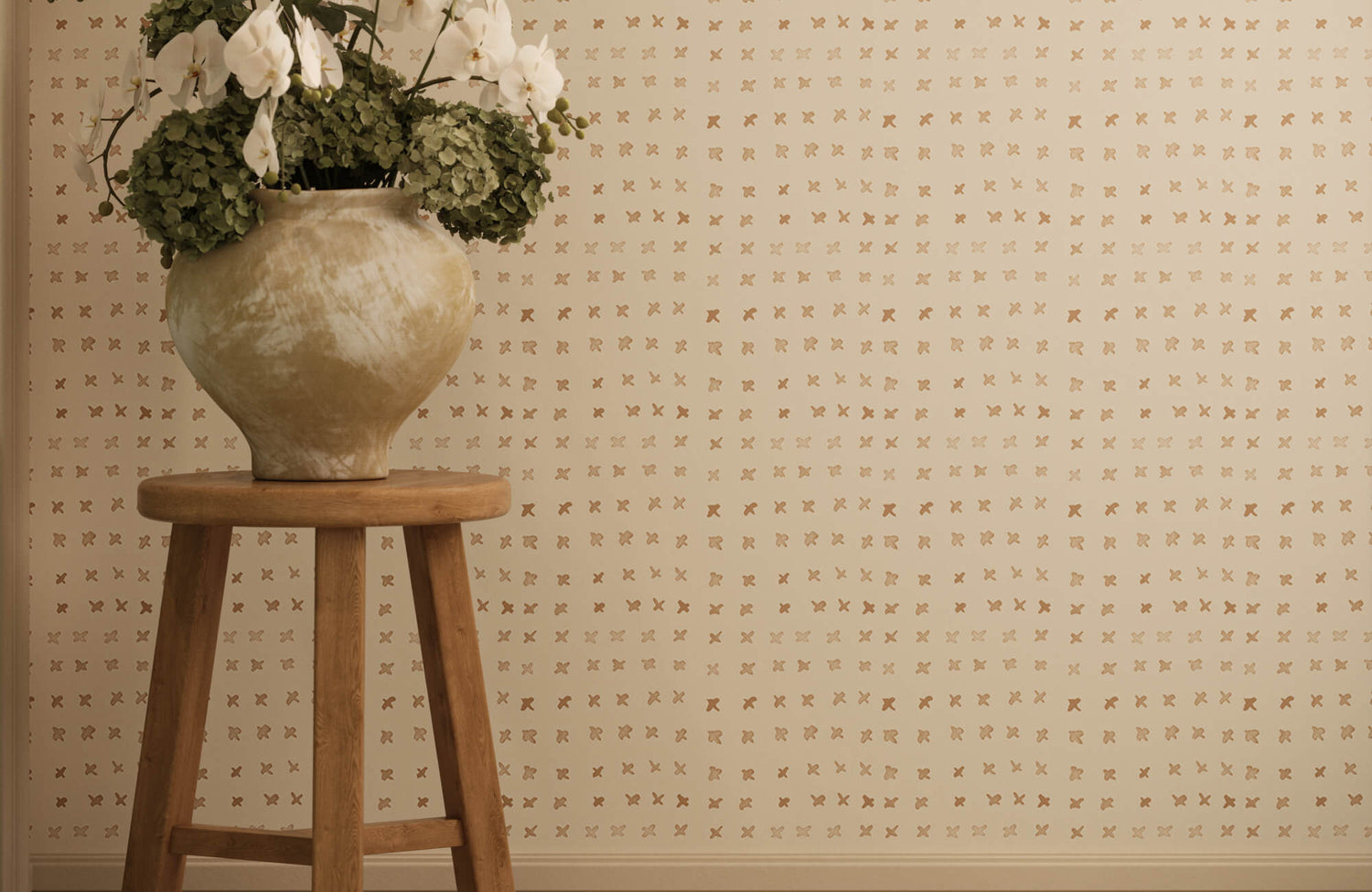
Warm neutral tones from the Strafford Wallpaper in Tan II, 52" x 132" bring subtle depth to this kitchen wall, enhanced by the Kealy 16" Socket Pendant in White
Preparing Walls Before Wallpaper Installation
Proper wall preparation plays a critical role in how effectively wallpaper hides imperfections and maintains a smooth, long-lasting appearance. Even premium wallpaper materials can fail to conceal flaws if the wall surface is uneven, contaminated, or structurally unstable. Cleaning the walls thoroughly before installation removes dust, grease, smoke residue, and loose paint that may interfere with adhesive bonding. Sanding rough patches and smoothing repaired areas also help create a more uniform surface, preventing dents, ridges, and texture inconsistencies from becoming visible beneath the wallpaper after installation.
Primer is another essential component of wall preparation because it regulates surface porosity and improves adhesive performance. Without primer, walls may absorb adhesive unevenly, leading to bubbling, curling seams, or inconsistent drying patterns. Priming also helps conceal drastic color variations and patched sections that might otherwise show through lighter wallpaper materials. Depending on the wall condition, installers may use acrylic, bonding, or stain-blocking primers to create a more stable and visually consistent substrate.
For older spaces or walls with multiple repaired sections, lining paper can further improve the final result by creating an additional smoothing layer beneath the decorative wallpaper. This underlayer helps soften shallow imperfections, reduce tension differences across the wall surface, and improve overall wallpaper stability. Although lining paper does not replace necessary structural repairs, it significantly enhances surface uniformity and contributes to a cleaner, more professional-looking wallpaper installation.

Petaline Wallpaper in Taupe I, 52" x 132" add warmth and gentle movement to this cozy bedroom nook, pairing beautifully with the Keswick Table Lamp
Selecting Wallpaper Patterns That Camouflage Flaws
Wallpaper pattern selection has a significant impact on how visible wall imperfections remain after installation. Beyond material thickness and texture, the visual composition of wallpaper influences how the eye interprets the wall surface. Patterns, colors, and layout techniques can either draw attention toward flaws or redirect focus away from them entirely. When carefully selected, wallpaper design elements create visual movement and depth that help walls appear smoother, more balanced, and architecturally refined.
Busy Patterns
Detailed wallpaper patterns are highly effective at concealing surface imperfections because they interrupt visual continuity across the wall. On plain or minimally decorated surfaces, dents, uneven drywall patches, and subtle texture variations become more apparent because the eye naturally notices disruptions within large uninterrupted spaces. Complex wallpaper patterns reduce this effect by giving the viewer multiple visual focal points instead of a single smooth surface to examine.
Floral
Floral wallpaper designs are particularly effective because their layered shapes and flowing forms create organic visual movement that softens the appearance of shallow dents or patched areas. The irregularity within floral motifs naturally disguises inconsistencies in the wall surface, making imperfections blend more seamlessly into the overall design.
A refined example of this approach can be seen in the Petaline Wallpaper in Taupe I, 52" x 132", which combines delicate floral detailing with soft earthy tones to create a calming and visually layered backdrop. In the bedroom shown above, the flowing botanical pattern adds warmth and dimension to the walls, allowing subtle surface inconsistencies to blend naturally into the overall design while enhancing the room’s relaxed and inviting aesthetic.
Geometric
Geometric patterns, such as the Essex Wallpaper in Taupe II, 52" x 132", offer a different type of camouflage by introducing structured repetition across the wall. Medium-scale geometric prints can visually stabilize uneven surfaces because the repeated shapes create rhythm and distract from isolated defects. However, excessively rigid or perfectly symmetrical geometric designs may reveal imperfections if the wall itself is significantly uneven, as distortions in alignment become easier to detect.
Abstract
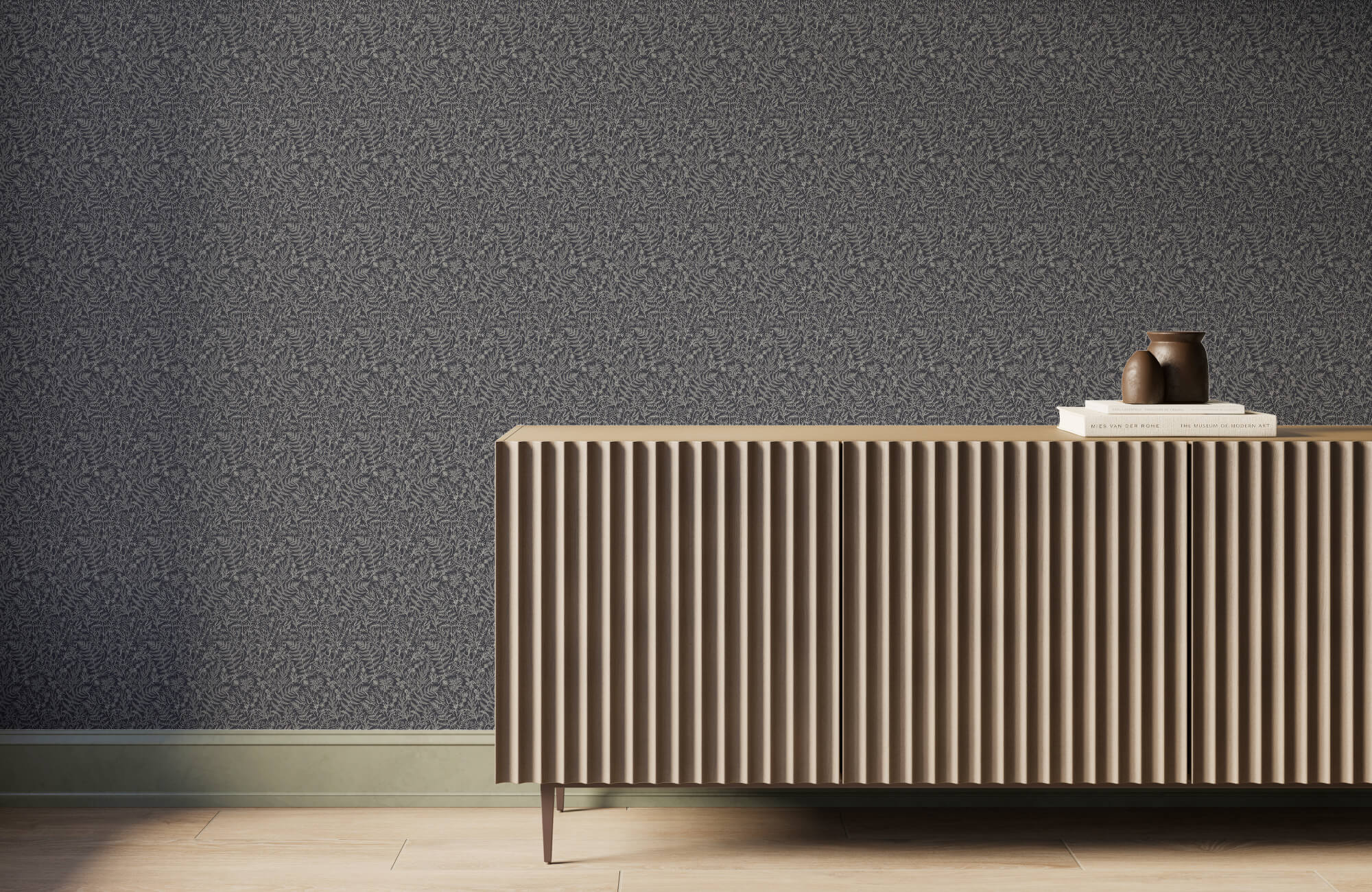
Abstract wallpaper patterns provide one of the most forgiving solutions for imperfect walls because their intentionally irregular compositions make minor flaws appear less noticeable. Watercolor effects, brushstroke-inspired prints, and layered contemporary designs create visual depth that naturally conceals small inconsistencies beneath the surface. Edward Martin’s Downland Wallpaper in Black I, 52" x 132" reflects this approach beautifully with its expressive abstract detailing and dramatic tonal contrast, adding movement and dimension to modern interiors while subtly disguising uneven wall areas. These patterns are especially useful in contemporary spaces where artistic finishes support both visual interest and practical surface coverage.
Color Choices
Wallpaper color influences how light interacts with the wall surface, directly affecting the visibility of imperfections. Different color depths and tonal variations can either emphasize uneven texture or help soften the appearance of flaws depending on the room’s lighting conditions and architectural layout.
Dark
Dark wallpaper colors generally reduce the visibility of minor dents and texture inconsistencies because they absorb more light and create fewer reflective highlights across the wall. Deep charcoal, navy, forest green, and earthy brown tones often help imperfections recede visually, especially in larger rooms with controlled lighting. Matte dark wallpapers are particularly effective because they minimize glare while adding visual depth to the space.
Light-Colored
Light-colored wallpaper creates a brighter and more open atmosphere, but it can also reveal surface irregularities more easily when paired with reflective finishes or strong directional lighting. Soft neutral tones such as warm beige, greige, muted taupe, and off-white tend to perform better than stark white because they create a gentler visual transition across the wall surface. These softer shades reduce the contrast that often exposes dents or uneven plaster.
Room lighting also plays a major role in color performance. Spaces with abundant natural sunlight may amplify shadows and texture variations throughout the day, making low-sheen neutral colors a safer option for imperfect walls. In darker rooms with limited natural light, slightly richer tones can add dimension without excessively highlighting flaws. Coordinating wallpaper color with the room’s lighting environment helps create a smoother and more visually cohesive appearance.
Seam Placement and Pattern Matching Techniques
Wallpaper seams and pattern alignment play a major role in how smooth and consistent the finished wall appears. Poorly aligned seams, visible overlaps, or mismatched patterns can unintentionally highlight dents, uneven drywall, and surface inconsistencies instead of concealing them. Professional installers often position seams away from direct sightlines and strong natural light sources because side lighting can exaggerate even minor alignment flaws and create noticeable shadow lines along panel edges.
Accurate pattern matching also helps create visual continuity across the wall surface, making imperfections less noticeable. Repeating designs that align correctly from panel to panel establish a cleaner and more balanced appearance, while misaligned patterns immediately draw attention to uneven areas. Proper adhesive application and careful smoothing techniques are equally important because trapped air pockets, excess paste, and stretched wallpaper edges can create visible irregularities that reduce the wallpaper’s ability to camouflage wall flaws effectively.

Botanical detailing from the Bower Wallpaper in Taupe II, 52" x 132" brings warmth and understated elegance to this utility space, complementing the Irene 6" 1 Light Wall/Vanity Light in Urban Bronze/Opal Matte Glass and Cheyenne 12" Socket Semi-Flush Mount in Matte Black/Glossy Ribbed Opal Glass
Comparing Wallpaper and Paint for Imperfect Walls
Many homeowners or designers often compare wallpaper and paint when trying to improve walls affected by dents, uneven texture, patched drywall, or cosmetic wear. Although both finishes can transform the appearance of a room, they perform very differently on imperfect surfaces. Paint forms a thin coating that follows every contour of the wall, which means flaws such as sanding marks, drywall seams, and shallow dents often remain visible after application. This effect becomes even more noticeable when satin, semi-gloss, or glossy paint finishes reflect light directly across the surface. Although matte paint can soften some imperfections, it still lacks the dimensional depth needed to physically conceal uneven areas.
Wallpaper generally offers better visual coverage because it introduces additional thickness, texture, and pattern to the wall surface. Textured, embossed, and heavyweight wallpaper materials help disguise cosmetic flaws by interrupting the smooth reflective plane that paint creates. Patterns and layered finishes also redirect visual attention away from patched sections and minor structural inconsistencies. In older spaces or busy areas where walls experience repeated cosmetic damage, wallpaper often provides stronger long-term value by maintaining a cleaner and more consistent appearance with less frequent maintenance.
Using Wallpaper to Hide Wall Imperfections
Wallpaper can successfully hide many common wall imperfections when you choose the right materials, patterns, and installation methods. Thick and textured wallpaper options often provide the best coverage, especially when combined with proper wall preparation and thoughtful design choices. Although wallpaper cannot conceal severe structural problems, it remains one of the most effective ways to improve the appearance of worn or uneven walls while adding style and personality to a space.
For those looking to explore wallpaper and surface design options further, Edward Martin offers expert guidance and curated materials suited for a wide range of interior styles and wall conditions. Our team can provide assistance with product recommendations, design considerations, and installation support to help achieve a more refined and cohesive result!