Minimalist interiors rely on more than empty surfaces and neutral colors. They are shaped by thoughtful choices that create a sense of balance, clarity, and visual calm. Because every material plays a more noticeable role within a pared-back space, selecting finishes that support this aesthetic becomes especially important. Subway tiles have remained a popular design staple for decades, but do they work within a minimalist home? In this blog, we'll explore how subway tiles align with minimalist design principles and share practical ways to incorporate them into kitchens, bathrooms, and living spaces without compromising simplicity.

What Makes A Space Feel Minimalist
Minimalist interiors are often associated with simplicity, but they rely on more than just reducing the number of items in a room. The most successful minimalist spaces feel intentional, balanced, and visually calm, with each design decision contributing to a sense of clarity. Below, we'll look at the key principles that help define minimalist design and why they continue to influence modern interiors.
Simplicity In Form
At the heart of minimalist design is a preference for clean lines and uncomplicated shapes. Furniture, lighting, and decorative elements tend to avoid excessive detailing, allowing their form and function to take center stage. This restraint helps create spaces that feel organized and easy to navigate, rather than visually busy. Materials are often showcased in a more natural way, whether through wood grain, stone surfaces, or subtle textural variation. The result is an interior that feels purposeful without appearing sparse or unfinished.
The Role Of Negative Space
Minimalist design places as much importance on empty space as it does on the objects within a room. Rather than filling every wall, shelf, or corner, minimalist interiors allow areas of visual breathing room that help individual elements stand out. This approach creates a stronger sense of openness and can make even smaller spaces feel more expansive. Negative space also helps reduce visual distractions, contributing to the calm atmosphere often associated with minimalist homes. When used thoughtfully, it becomes an active part of the overall design rather than simply unused space.
A Restrained Color Palette
Color tends to be used more selectively in minimalist interiors, with neutral tones forming the foundation of many spaces. Whites, soft grays, warm beiges, and muted greens are often chosen because they create a sense of consistency and visual calm. Instead of relying on bold colors for interest, minimalist rooms frequently introduce depth through natural materials and subtle tonal variation. Wood, stone, linen, and other textured finishes help prevent the space from feeling flat while preserving its simplicity. This balance between color and texture is one of the defining characteristics of successful minimalist design.

Why Subway Tiles Remain A Design Staple
Subway tiles have remained popular for more than a century because their simple form adapts easily to changing design trends. Originally used in New York City subway stations for their durability and ease of maintenance, they have since become a staple in residential and commercial interiors alike. Their straightforward rectangular shape offers flexibility without feeling overly decorative, making them particularly compatible with minimalist spaces. Whether installed in a traditional running bond pattern, a clean stacked layout, or a more dynamic herringbone arrangement, subway tiles create visual interest through proportion and repetition rather than ornamentation.
Their appeal also comes from their ability to balance simplicity with design flexibility. Available in a wide range of colors, finishes, and sizes, subway tiles can blend quietly into a minimalist interior or become a subtle focal point depending on the layout and material selection. Neutral shades such as white, gray, and beige naturally complement minimalist palettes, while matte, glossy, and textured finishes introduce variation without overwhelming the space. Combined with their accessibility compared to materials such as marble or natural stone, subway tiles continue to offer a practical and enduring solution for interiors that prioritize both function and visual clarity.

Incorporating Subway Tiles into Minimalist Design
While subway tiles inherently support the minimalist ethos with their simple lines and potential for seamless integration, the way they are utilized in a space can dramatically affect the overall impact. Incorporating these tiles into minimalist design isn't only about choosing the right color or finish—it involves a deeper understanding of space, proportion, and texture. This meticulous approach ensures that subway tiles enhance a minimalist setting without overwhelming it, maintaining the design principle of 'less is more.' To explore this, let’s break down the key elements that go into effectively integrating subway tiles into a minimalist design.
Color and Texture
Though minimalism tends to favor neutral colors, subway tiles offer an opportunity to introduce slight shifts in hue and texture that maintain a sense of calm while elevating the design.
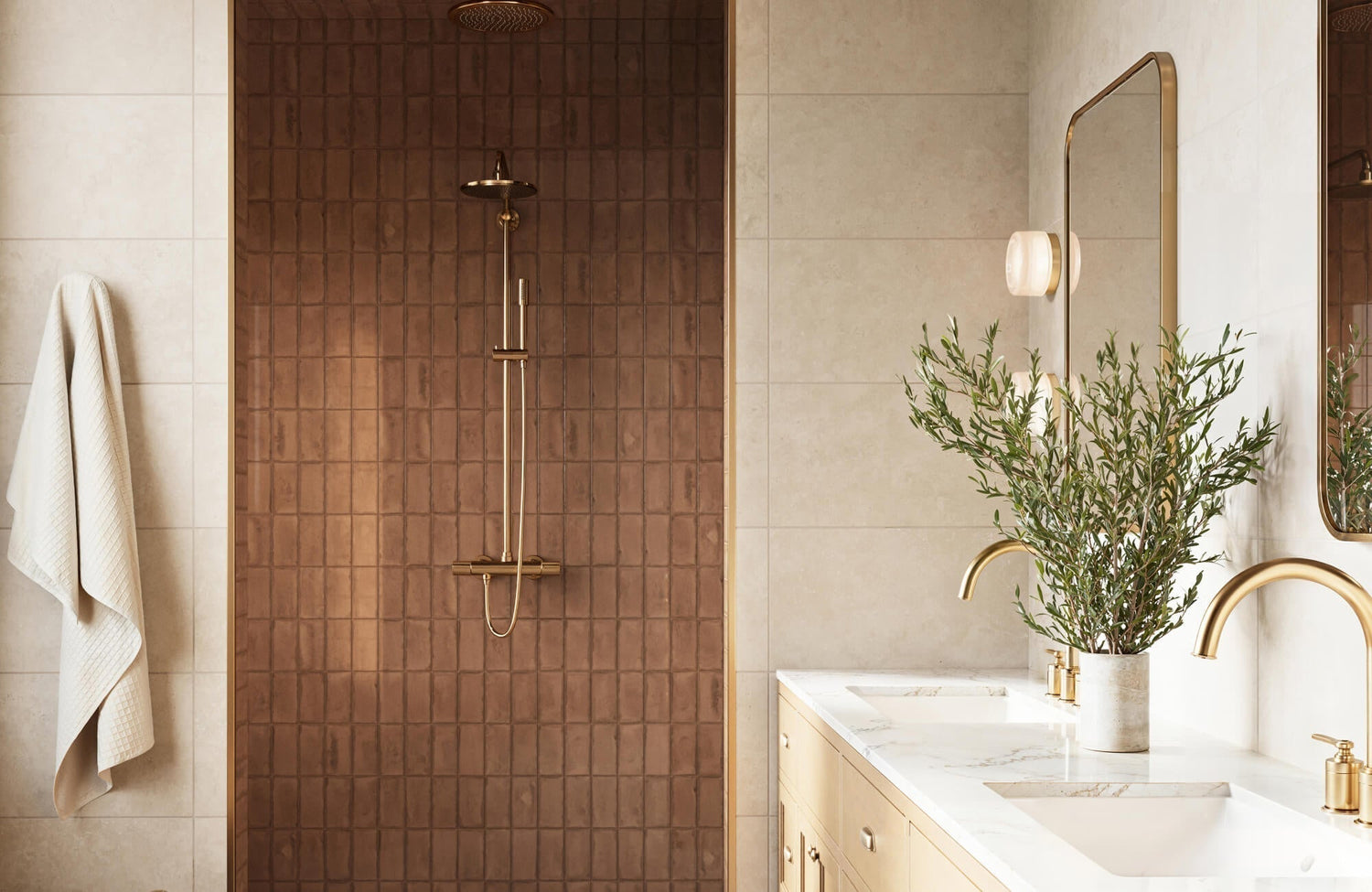
In minimalist spaces, neutral tones like soft whites, light grays, and pale beiges dominate. Subway tiles in these shades fit effortlessly into minimalist interiors, providing a sleek, polished surface that complements the broader design scheme. For those seeking a bit more contrast without overpowering the minimalist aesthetic, deeper tones—such as navy, forest green, or black—can be used sparingly, like Edward Martin’s Jaden 2.5x16 Glossy Ceramic Tile in Ink (as seen in the photo above). This tile embodies a sophisticated blend of depth and modernity, with its dark hue that subtly shifts under different lighting conditions, offering a dynamic backdrop that enhances the minimalist appeal. The elongated format not only updates the classic subway tile design but also plays a crucial role in expanding the visual space, making it a compelling choice for those looking to introduce elegance and openness into their minimalist décor.
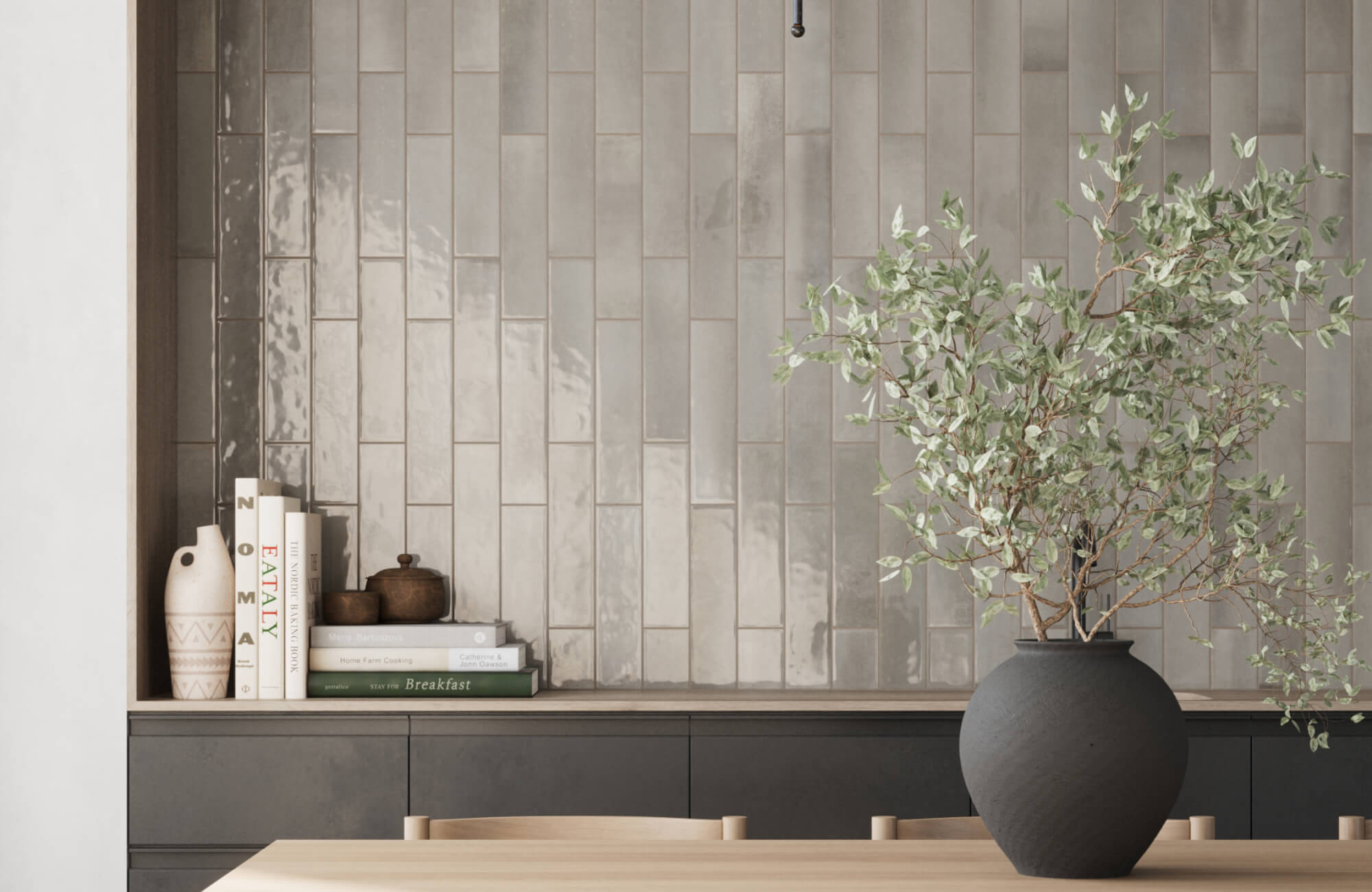
For a softer and more understated approach, consider our Mikayla 2.5 x 5 Glossy Ceramic Tile in Smoke. Its rich grey tone and handcrafted character introduce subtle variation that complements the restrained palette often found in minimalist interiors. The translucent glaze catches light across the surface, bringing depth and movement without disrupting the room's sense of calm. Combined with its elongated subway format, these qualities allow the tile to contribute texture and warmth while maintaining the clean, intentional atmosphere that minimalist spaces are known for.
Texture also plays a significant role in maintaining balance within a minimalist design. Subway tiles come in various finishes, with matte tiles creating a muted, understated look, and glossy tiles reflecting light, making the space feel brighter and more open. In some cases, mixing both matte and glossy tiles of the same color can add a subtle contrast, introducing dimension while maintaining a clean aesthetic. Embossed or beveled subway tiles are also another way to add texture without sacrificing simplicity. These tiles can introduce a three-dimensional aspect to the walls, creating a layered effect that remains harmonious with minimalist principles.
Pattern and Dimension
Although minimalist design is typically associated with clean, straightforward lines, subway tiles offer a range of layout possibilities that can subtly add visual interest and dimension to the space. Patterns should be used sparingly in minimalist design to maintain a sense of simplicity, but when done right, they can create a focal point that enhances the overall aesthetic.
One of the most popular patterns for subway tiles in minimalist interiors is the herringbone pattern. This diagonal layout creates a sense of movement and adds texture without overwhelming the space. When used as a feature wall in a kitchen or bathroom, the herringbone pattern draws the eye and adds sophistication while maintaining the simplicity that defines minimalism. For an even subtler effect, choose a grout color that blends closely with the tiles, creating a seamless look.
For a cleaner, more restrained approach, the stacked tile pattern offers an alternative. In this arrangement, tiles are aligned in straight rows either vertically or horizontally, creating a grid-like appearance. The stacked pattern emphasizes order and precision, which is at the heart of minimalist design. When applied to bathroom walls or kitchen backsplashes, this pattern can elongate the space, making the room feel taller or more expansive.
In larger spaces, mixing subway tiles of different sizes or incorporating geometric shapes can break up visual monotony. For example, pairing standard 3x6 inch tiles with larger rectangular tiles in a different area can subtly shift the room’s proportions. This technique adds variety and interest while maintaining the minimalist principle of using simple forms and shapes to define the space.
Layouts and Installations
After selecting the perfect pattern for your subway tiles, it’s important to focus on the installation process to achieve the clean, streamlined look that minimalist spaces demand. Attention to detail in both layout and grout selection can significantly impact the overall feel of the room, transforming a simple material like subway tiles into a defining design element.
The classic subway tile layout, where tiles are staggered like bricks, is one of the most popular installations for minimalist spaces. This layout provides structure and order, which align perfectly with minimalist design principles. To create a seamless and uncluttered look, narrow grout lines in a matching color are essential. For example, light-colored tiles paired with light grout create a continuous surface that adds to the room's airiness. On the other hand, dark grout can be used to create a subtle contrast, adding depth and defining the tile's shape without disrupting the minimalist feel.
For those looking to add a modern twist to their subway tile installation, the vertical layout is an excellent choice. This layout emphasizes height and draws the eye upward, making the room appear taller. Vertical subway tile installations work particularly well in bathrooms or small kitchens, where they can enhance the sense of space. To maintain the minimalist aesthetic, keep the grout lines thin and consistent.
Professional installation is key to achieving the precise, polished look that minimalist spaces require. Subway tiles should be perfectly aligned, with even grout lines and smooth edges. Inconsistencies can disrupt the clean, polished look that minimalism demands. Investing in a skilled installer ensures that your subway tiles enhance the minimalist space, rather than detracting from it due to poor workmanship.

Where Subway Tiles Fit Within Minimalist Homes
One of the reasons subway tiles work so well in minimalist interiors is their ability to adapt to different rooms without feeling out of place. Their simple geometry, range of finishes, and flexible installation options allow them to support a variety of design goals while maintaining a clean and cohesive appearance.
Minimalist Kitchens
Subway tiles are a natural fit for minimalist kitchens because they provide a clean, easy-to-maintain surface without introducing unnecessary visual complexity. White and soft neutral tiles are especially popular, helping backsplashes feel bright and connected to surrounding cabinetry and countertops. For those who want a little more visual interest, stacked or herringbone layouts can introduce subtle variation while preserving the overall simplicity of the space. Matching grout colors often creates a more continuous appearance, while contrasting grout can gently highlight the tile pattern. The result is a kitchen that feels orderly, functional, and visually balanced.
Minimalist Bathrooms
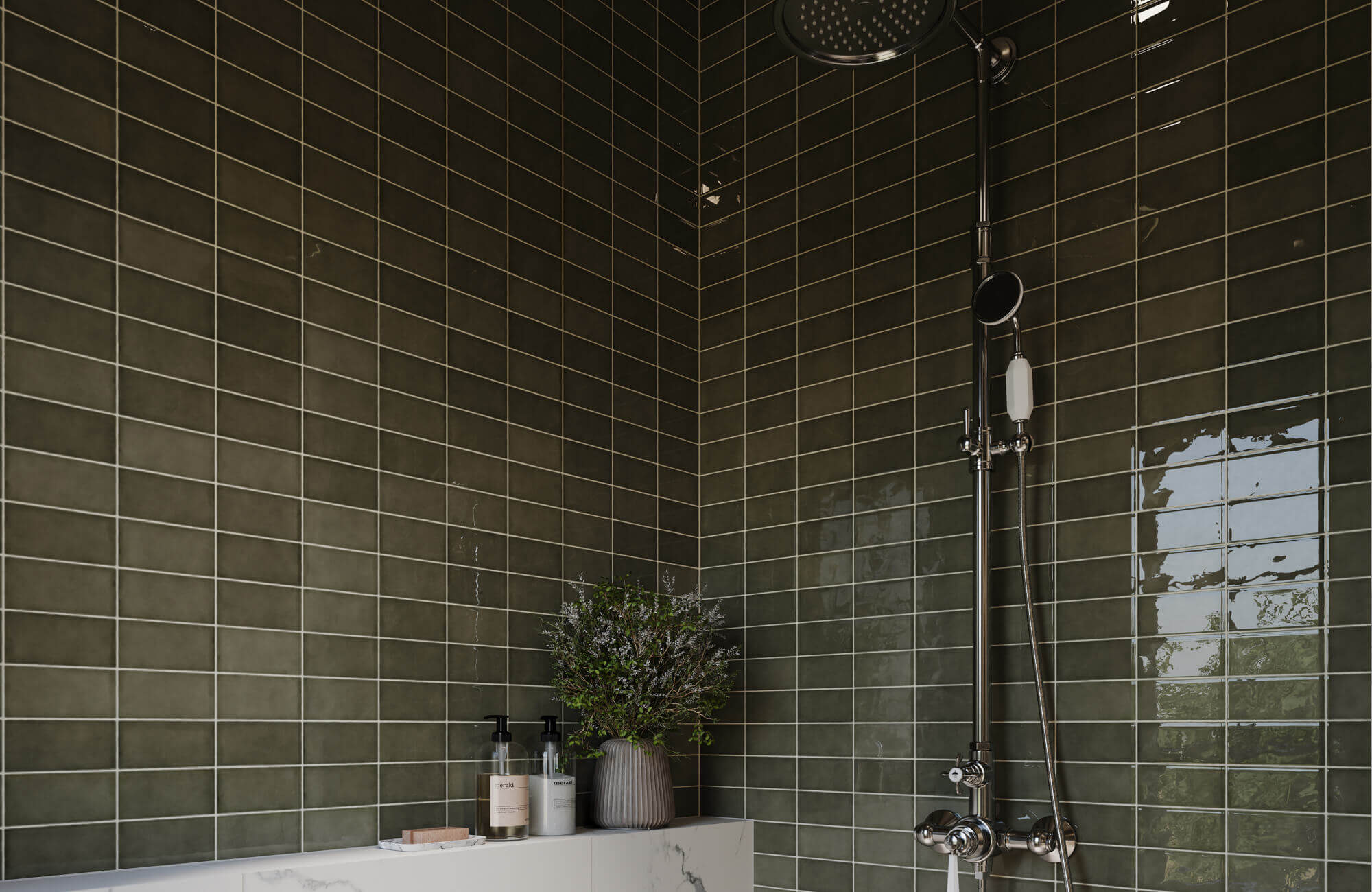
Bathrooms often benefit from subway tiles because they combine practicality with a calm, uncluttered appearance. Their smooth surfaces are easy to maintain, while the wide range of colors and finishes allows you to tailor the atmosphere of the space. Our Mikayla 5x5 Glossy Ceramic Tile in Olive, for example, demonstrates how color can be introduced thoughtfully within a minimalist bathroom. Its handcrafted olive green tones and glossy surface bring depth and character to shower walls while reflecting light throughout the room. This approach allows the tile to become a defining feature without disrupting the sense of simplicity that minimalist spaces rely on.
Minimalist Living Spaces
Although less common than kitchens and bathrooms, subway tiles can also be effective in living rooms when used selectively. Fireplace surrounds and feature walls are often the most successful applications, providing architectural structure without overwhelming the room. The clean lines of subway tile pair naturally with wood, stone, and soft furnishings, helping create a balanced mix of textures. Darker colors such as charcoal, deep blue, or forest green can add contrast and visual weight, while lighter tones maintain a softer, more understated look.

Unexpected Ways To Use Subway Tiles In Minimalist Spaces
Subway tiles are most commonly associated with backsplashes and shower walls, but their simple form makes them surprisingly adaptable beyond these traditional applications. In minimalist interiors, where every design element is expected to contribute both visually and functionally, subway tiles can be used in creative ways that add structure, texture, and definition without introducing unnecessary complexity.
Highlighting Architectural Features
Subway tiles can be used to draw attention to architectural details that might otherwise go unnoticed. Framing windows, doorways, recessed niches, or built-in shelving with tile introduces subtle definition while preserving the clean lines that minimalist spaces rely on. This approach works particularly well in open-concept interiors, where architectural boundaries may be less obvious. Rather than serving as decoration alone, the tile helps emphasize the shape and purpose of these features.
Using Subway Tiles As Flooring
Although often associated with walls, subway tiles can be equally effective on floors. Their elongated shape introduces direction and rhythm that standard square tiles cannot always achieve, helping guide the eye through the room. Depending on the installation pattern, subway tile flooring can make a space feel longer, wider, or more connected to adjacent areas. Neutral colors and simple layouts help maintain the restrained appearance that minimalist interiors are known for. This creates a foundation that feels structured and visually clean while remaining practical for everyday living.
Pairing Subway Tiles With Natural Materials
Minimalist spaces often rely on a careful balance between smooth surfaces and organic textures, making subway tiles a natural companion to materials such as wood and stone. A subway tile backsplash alongside natural wood cabinetry can introduce warmth and contrast without creating visual clutter. Likewise, pairing subway tiles with textured stone surfaces can add depth while preserving a simple overall palette. Because the tile itself is relatively understated, it allows surrounding materials to remain prominent while helping tie the composition together. This balance between refinement and natural texture is one of the reasons subway tiles continue to work so well in minimalist design.
Making Subway Tiles Work Within Minimalist Design
Subway tiles continue to be a natural fit for minimalist interiors because they combine simplicity with flexibility. Their clean lines, range of finishes, and variety of installation patterns allow them to adapt to different spaces without disrupting the sense of order and restraint that minimalist design relies on. Whether used in a kitchen backsplash, a bathroom wall, or a living room feature, subway tiles can introduce texture and visual interest while maintaining a calm, uncluttered appearance. With thoughtful choices in color, layout, and finish, they can help create spaces that feel cohesive, functional, and comfortable to live in for years to come.
If you're comparing subway tile colors, layouts, or finishes for an upcoming project, our Augmented Reality (AR) Tool can help you visualize different options within your own space before making a decision. You can also request 4" x 4" samples to experience the color, finish, and overall look of a collection firsthand. Together, these resources can make it easier to select subway tiles that align with both your design goals and the overall character of your home